Tag: storytelling

  • Minikin DGWorks: The powerhouse redefining digital content production

    Minikin DGWorks: The powerhouse redefining digital content production

    MUMBAI: The digital world moves fast, blink and you might miss the next big thing. But Minikin DGWorks isn’t here to play catch-up. It’s here to lead. The new-age production house, a sister concern of the acclaimed Chrome Pictures, is rewriting the rules of digital storytelling, crafting content that doesn’t just entertain but connects in the ever-evolving digital landscape.

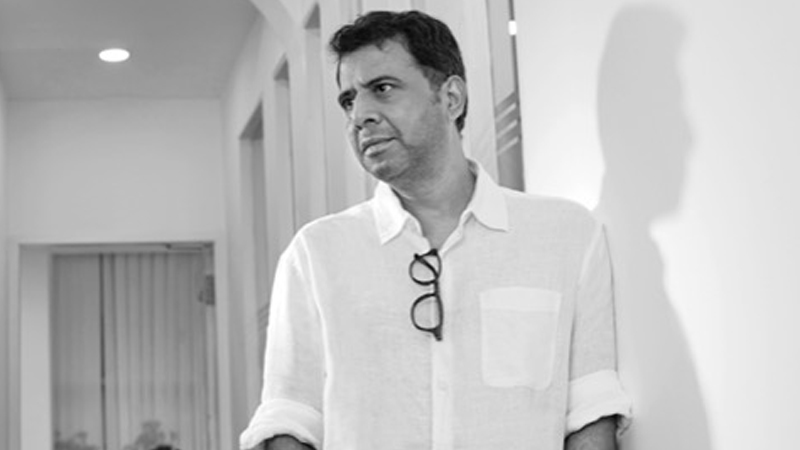
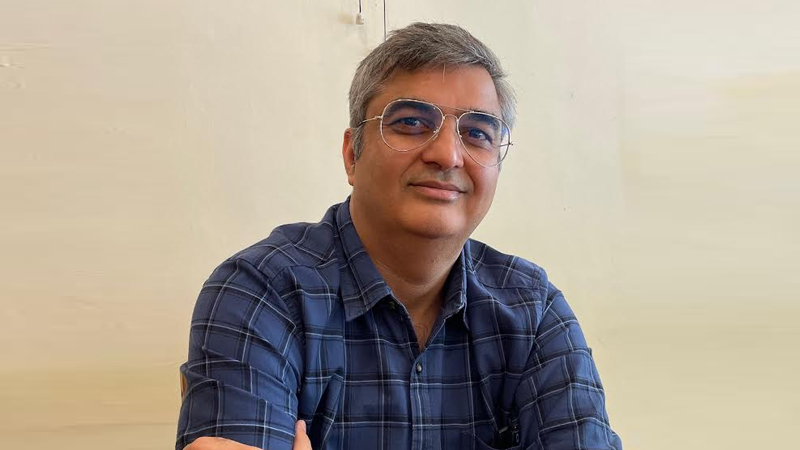
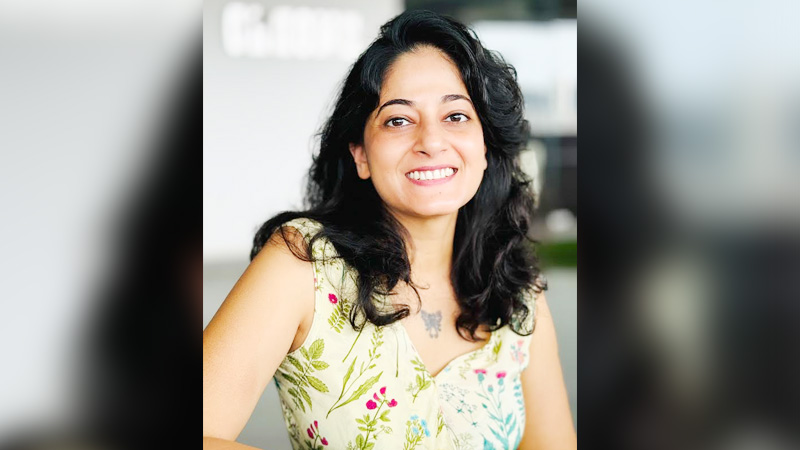
    Co-founded by Aleya Sen, Amit Sharma, and Hemant Bhandari, Minikin DGWorks is a vibrant, high-energy production house that blends the artistry of traditional advertising with the infinite possibilities of AI-driven content creation.

    Aleya Sen, Co-founder, explains the vision behind the venture, “Minikin is all about embracing the excitement of the new-age technological shift, blending traditional advertising with the possibilities of the digital and AI era. We recognize that the world is at the threshold of a major civilizational shift, where the lines between the old and the new are blurring under every department. Hence, we’re here to explore, evolve, and push boundaries, shaping the future of advertising as we navigate this transformational change.”

    Minikin DGWorks isn’t your run-of-the-mill production house. It’s a collective of sharp, tech-savvy minds, bringing together a panel of freelance directors handpicked for their expertise in storytelling, VFX, animation, and stylised content. The production team is built for quick turnarounds, high-impact execution, and bold creative choices—because in the digital era, speed and quality are non-negotiable.

    Since launching, Minikin DGWorks has collaborated with major brands, including Google, Make My Trip, HDFC Life, Tanishq, Pepsi, Flipkart Minutes, Bajaj Allianz, Saregama, Airtel, Snapdeal, Goibibo, ICICI Bank, Maruti Suzuki, and Acko India. Not stopping there, the company has worked with some of Bollywood’s biggest names, including Shahrukh Khan, Ranveer Singh, and Deepika Padukone. Their redBus campaign, directed by Mithun R Shaw and produced by Ashish Gole, earned recognition at the Effies Awards 2024 and IAA Awards 2024, cementing Minikin’s reputation for cost-effective, high-engagement video content.

    Minikin DGWorks understands that internet-driven content needs to hit differently—no fluff, no fillers, just compelling stories that click with modern audiences. Whether it’s short-form digital films, high-energy commercials, or immersive storytelling for brands, Minikin is always on the hunt for fresh, disruptive ideas.

    As the industry steps into a future fuelled by AI, automation, and limitless digital possibilities, Minikin DGWorks is positioning itself at the forefront. With its ethos of staying fresh, real, and constantly evolving, the company is set to redefine digital storytelling for a generation that doesn’t just watch content—they live i
     

  • IFP season 14 concludes on a high note

    IFP season 14 concludes on a high note

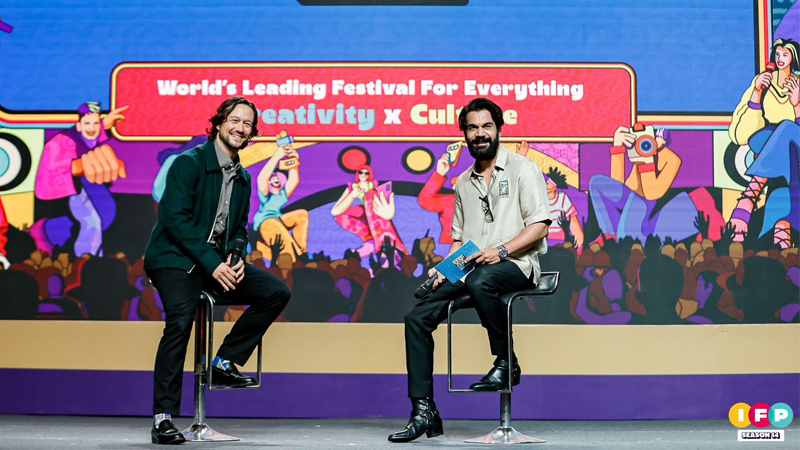
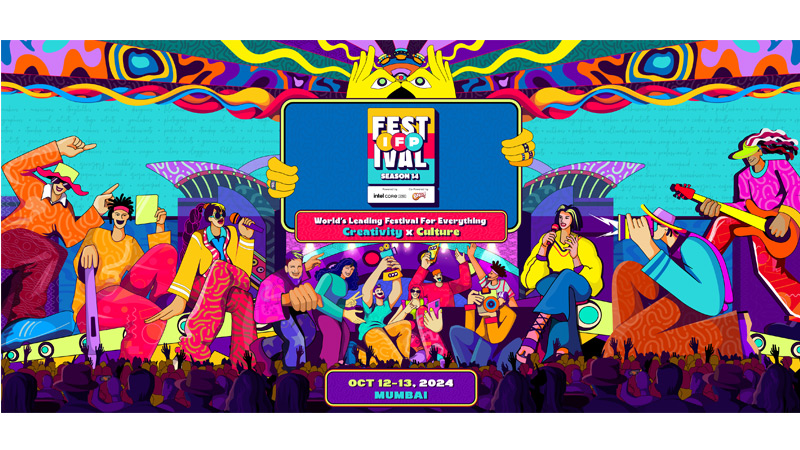
    Mumbai: IFP’s 14th edition, held on 12-13 October 2024, at Mehboob Studios, Mumbai, attracted a footfall of over 15,000 attendees. The event celebrated creativity across films & OTT, music, literature, writing, storytelling, photography, design, art, and comedy, featuring a range of sessions, workshops, masterclasses, live performances, mixers, debate rings, and challenges.

    Day one opened with Hollywood actor Joseph Gordon-Levitt and Rajkummar Rao discussing the art of character embodiment and Gordon-Levitt’s HitRecord platform. Other notable sessions included a roundtable on film production with Aparna Purohit, Guneet Monga, and Ronnie Lahiri; Vidhu Vinod Chopra’s insights on becoming an auteur; and a conversation on reviving comedy with Rajesh A Krishnan and Kunal Kemmu. A special session, Making of Man Woman Man Woman, featured Naseeruddin Shah, Ratna Pathak Shah, Imaad Shah, Sanah Abbott, and Tarun Dhanrajgir. Additional sessions included ‘The Comic Battle: Anybody Can Boing!’ with Aparshakti Khurana and Sayani Gupta, ‘Inside the Mind of a Music Supervisor’ with Ankur Tewari and Dot, ‘Aesthetics of the Gram: Vertical Cinema’ with Maroof Culmen, Dolly Singh, Sejal Kumar, and Mansi Ugale, ‘Journey of a Joke’ with Saurabh Shukla and Abish Mathew, and ‘Crew Cut’ with Jim Sarbh, Zoya Hussain, and Bosco-Caesar.


    A post shared by IFP (@ifp.world)


    Day two began with Shoojit Sircar’s session on crafting subtlety in cinema. Other highlights included ‘Qisse with Kopal’ featuring Sharvari Wagh and Kopal Khanna, ‘Many Shades of Kartik Aaryan’ with Kartik Aaryan, ‘On Subverting Narratives’ with Chhaya Kadam, and ‘Collaborative Creation: Harnessing AI in Art and Cinema’ with Rob, Kabir Khan, and Toosid. Kanika Dhillon and Taapsee Pannu discussed ‘Making of a Modern Pulp’, while William Dalrymple spoke on ‘Walking the Golden Road’. The ‘Musicians Who Broke the Internet’ session featured Nikhita Gandhi, Sai Abhyankkar, Yashraj, and Chaar Diwaari, while the ‘Stars of Tomorrow’ panel included Sparsh Shrivastava, Tanya Maniktala, Abhay Verma, and Pratibha Ranta, and ‘Brut Generation’ featured Aditi Rao Hydari.

    The festival also honored winners of IFP’s 50-hour challenges across filmmaking, music, design, performing arts, writing, and photography, with over 54,000 participants globally. In addition to the sessions, the event featured debate rings, open mics, mixers, and live acts, capturing the festival’s creative spirit.

    IFP founder Ritam Bhatnagar expressed, “We are thrilled to announce that the fourteenth season of IFP has been truly extraordinary, marking a significant milestone in the festival’s history. Over the past thirteen years, we have consistently witnessed exceptional engagement from both participants and attendees. This year, however, surpassed our highest expectations. A standout moment was the inaugural visit of acclaimed actor Joseph Gordon-Levitt to India specifically for IFP. Furthermore, remarkable speakers from various creative fields greatly enriched the conversations. It’s worth noting that participants from 42 countries and attendees from nine countries joined us, making this a truly global festival.”

  • IFP Season 14 returns to Mumbai on 12 & 13 October

    IFP Season 14 returns to Mumbai on 12 & 13 October

    Mumbai: IFP (formerly India Film Project) is back, calling all creators, storytellers, and innovators! Whether writing is your escape, storytelling your passion, or transforming ideas into visual masterpieces your craft, this is your ultimate playground. For over a decade, IFP has been the leading festival for nurturing creative talent across films & OTT, music, writing, storytelling, photography, design, art, comedy, and more.

    Taking its glorious legacy of thirteen successful seasons forward, the 14th edition of this two-day festival is taking place on 12 and 13 October in Mumbai. The festival serves as a dynamic space for artists to showcase their work and connect with industry professionals. Featuring an eclectic array of sessions, workshops, masterclasses, live performances, and challenges, IFP Season 14 promises to inspire, educate, and empower participants to push the boundaries of creativity.

    The stage of IFP Season 14 will be graced by a stellar lineup of speakers, including prominent figures like Naseeruddin Shah, Ratna Pathak Shah, Aditi Rao Hydari, Kabir Khan, Vidhu Vinod Chopra, Shoojit Sircar, Guneet Monga, Saurabh Shukla, Sonam Wangchuk, Geetanjali Kulkarni, Vivek Gomber, Rajesh Krishnan, Kunal Kemmu, Ram Madhvani, Chhaya Kadam, Kavita Seth, Geetanjali Shree (International Booker Prize Winner, Author of Tomb of Sand), Vikas Swarup, William Dalrymple, Trinetra, and Avanti Nagral. Creators can look forward to great industry insights from these cultural icons. Boasting creative growth, collaboration opportunities, and insider viewpoints, this edition strives to take participants’ artistic journey to the next level.

    Staying true to its innovative roots, IFP brings back its signature series of 50-hour challenges in filmmaking, music, design, performing arts, writing, and photography to this season, with over 54,000 creative minds participating globally. These challenges will be evaluated by a powerhouse jury, featuring a diverse panel of experts such as Kabir Khan, Rob, Amit Sharma, Lilette Dubey, Lijo Jose Pellissery, Sandeep Modi, Sooni Taraporewala, Sushin Shyam, Chaaya Prabhat, Sabari Venu, Manoj Shah, and Sasha Jairam.

    Sharing his excitement about IFP season 14, IFP founder Ritam Bhatnagar said, “We are ecstatic to launch yet another exciting season of IFP, a nexus for everything creative and culture. We are delighted to see participation coming in from 44 countries this year. Our goal is to create a truly global festival that fosters a community of creative individuals and provides a place to collaborate with like-minded individuals, allowing them to break new ground with their craft. With a fantastic mix of challenges and speakers, we hope to inspire and empower artists of all ages and backgrounds through this festival in coming years”

    IFP Season 14 has something unique for everyone, from thought-provoking discussions to immersive experiences.

  • From script to society: How a holistic education breeds better filmmakers in advertising

    From script to society: How a holistic education breeds better filmmakers in advertising

    Mumbai: The integration of storytelling into our digital reality is seen as a defining feature by data scientists, highlighting the increasing significance of stories as valuable virtual commodities that encapsulate the essence of a society’s culture and identity. It delves into various societal domains, including politics, environment, religion, economy and language, offering a comprehensive understanding of human existence from the microcosm of family units to the macrocosm of complex societal structures.

    In media and film, we uncover how storytelling has become a defining characteristic in our increasingly digitised landscape. From politics to language and personal anecdotes to global issues, storytelling transcends boundaries to offer a holistic understanding of human existence. Crafting a compelling story is described as a blend of artistic expression and technical skills, requiring a deep understanding of narratology and an interdisciplinary perspective. Cultural agencies foresee storytelling emerging as a highly coveted skill in the 21st century, emphasising its pivotal role in conveying intangible aspects of culture and societal narratives.

    Taking some cases from brands like Soul Flower, Domestic, Jnanapravaha and Bamboo U, their one-to-one network-based advertising is relevant, cost-effective and innovative in connecting and appropriating the idea of advertising in the social domain. It validates the nature of advertising and the true intent for finding business while not mellowing down their ideological standpoint.

    The enduring relevance of media in contemporary society and the imperative of holistic education in nurturing filmmakers equipped to craft narratives that resonate with audiences and shape cultural discourse have never been so crucial. The world’s impacting research investigates the transformative journey of moving image, exploring how holistic education cultivates proficient filmmakers to become adept at storytelling in general and specifically advertising.

    This is why formal education in filmmaking has a huge role to play. Through such courses, they delve into the fusion of artistic expression and technical prowess essential for crafting compelling narratives, drawing from insights in narratology and interdisciplinary studies.

    Formal courses in filmmaking traverse diverse societal domains, ranging from politics to language, providing a holistic comprehension of human existence. The evolving advertising landscape underscores a shift from traditional heavy production to personalised influence-based approaches, creating opportunities for independent and knowledgeable storytellers.

    In light of the enduring significance of media and the evolving advertising landscape, this research underscores the critical role of holistic education in nurturing filmmakers equipped to shape cultural discourse and engage audiences effectively. In today’s fast-paced digital age, effectively conveying cultural nuances and societal narratives is more critical than ever.

    Education in advertising has traditionally followed a structured path, focusing on technical skills rather than holistic development. However, this approach often limits the creativity and innovation necessary for compelling storytelling in today’s dynamic landscape. The shift towards holistic education recognises the importance of nurturing well-rounded individuals who can craft compelling narratives that resonate with diverse audiences.

    The article has been authored by Anant National University assistant professor and head of the centre for moving image – Prof Akash Gaur.


  • “The time-tested art of storytelling will beat all trends and fads:” Anand Suspi

    “The time-tested art of storytelling will beat all trends and fads:” Anand Suspi

    Mumbai: Spending three decades in the advertising industry is no small feat, and Anand Suspi’s illustrious career stands as a testament to his creative genius. As the co-founder of AndAnd Brand Partners, a boutique agency known for its holistic advertising solutions, Suspi has consistently championed the spirit of partnership and collaboration.

    His 30-year track record includes serving as the creative head of Lowe, Delhi, and leading numerous successful campaigns. Beyond advertising, Suspi is also an acclaimed author, with his childhood memoir “Half Pants Full Pants” adapted into an award-winning series on Amazon Prime. His latest book, “The Bookseller of Mogga,” promises another captivating journey into the heart of storytelling.

    Indiantelevision.com caught up with AndAnd Brand Partners co-founder Anand Suspi to know more about his advertising journey, some timeless creative trends, role of AI in infusing a human touch into digital marketing, and more…

    Edited Excerpts:

    On your journey in the advertising industry, from leading high-profile campaigns to publishing acclaimed works like your childhood memoir “Half Pant Full Pant” and now your new novel “The Bookseller of Mogga”?

    Advertising has been a long journey of 30 years. Any long journey in any field for any person will always be a mixed bag. The same in my case – it’s been gratifying, frustrating and disappointing. All three. I’ve worked with some incredible people, worked on some exhilarating ideas, enjoyed several highs and many lows. But the two books are what will make me smile with contentment before I take off from the planet. The newly-published book is perhaps the most delightful book about books, ever written.

    On the ways in which brands can effectively leverage storytelling techniques that resonate with today’s audiences despite the rise of short-form video and shrinking attention spans

    In this age of short attention spans, storytelling needs to address the consumer need-states that remain largely the same. Such as, surprise me, entertain me, shock me, inspire me. Brands, depending on their personalities, need to constantly find newer storytelling forms and techniques that communicate their message or POV but also address these need-states.  

    On the timeless creative trends that are shaping marketing this year, and how has the global nature of creative work continued to evolve

    The time-tested art of storytelling will beat all trends and fads. Brands can engage on a daily basis using trends that are in vogue but to build a long-term sustainable brand, we need to go back to the basics of being authentic, interesting and persuasive. Whether in India or the world over, the most respected and admired brands that have been around for decades continue to do this consistently.

    On the role that AI can play in infusing a human touch into digital marketing

    AI stands to play a huge role at both ends of the spectrum – `the everyday throughput’ and `the unexpected output’. It can (and should be used) to handle a lot of the mindless grunt work so that brands and agencies can spend more time using human intelligence to do better and bigger things. At the other end, AI is also capable of generating the most unexpected ideas, expressions, executions etc. This requires a lot of playing around with it but is worth the effort.

    On the ways in which brands can seamlessly integrate user-generated content into traditional advertising

    Integrating it may weaken the might and magic of traditional advertising. That should remain pure and not muddy itself by integrating UGC. However, brands can surely do this: Influencer marketing started out as `voice of the consumer’ but has now become another form of brand-speak. UGC can be integrated with influencer marketing so that the mix comes across as authentic consumer-speak.

    On the strategies that brands can adopt to rise above the marketing clutter

    The strategies to cut through the marketing clutter are quite a challenge for brands at present. With a substantial increase in avenues, the marketing clutter is only expected to increase. Simultaneously attention spans will only decrease incrementally. At such a time, cutting through requires brands having increasing clarity about who they are and more importantly, who they are not. It will serve as the pillar helping them market themselves to the correct audience.  

    On the emerging creative formats that are poised to disrupt the marketing landscape in the coming years

    That would be Emotion AI and the Multiverse. It is only a matter of time before they become mainstream.

  • The art Of storytelling: How marketing narratives drive project engagement and support

    The art Of storytelling: How marketing narratives drive project engagement and support

    Mumbai: “In the ever-evolving marketing landscape, amidst constant refinement of strategies and methods, one timeless instrument persists due to its enduring effectiveness: storytelling”.

    The art of storytelling transcends mere advertising; it involves the weaving of narratives that entice internal teams, engage broader audiences, forge emotional connections, and ultimately foster involvement and support for a project. This article examines the impact of storytelling on marketing campaigns, highlighting narratives as potent drivers of project success.

    At its core, storytelling surpasses the mere conveyance of information; it creates immersive experiences that resonate with audiences. Effective narratives captivate individuals by immersing them in a narrative where they become active participants. According to reports, 55 per cent of consumers are inclined to recall a narrative over a mere list of facts. This immersive element is crucial in marketing projects as it encourages deeper levels of participation and buy-in from stakeholders.

    One of the most important ways that story-driven marketing fosters project engagement is by simplifying and simplifying difficult ideas so that they may be understood by the audience. Whether it’s the introduction of a brand-new product, an endeavour to rebrand a company, or an initiative to have a positive impact on society, projects frequently involve complex ideas and goals.

    Moreover, storytelling evokes emotions, a vital component in garnering support for marketing strategies. By tapping into emotions such as empathy, joy, or inspiration, marketers can build connections with their audience, fostering deeper engagement and a sense of shared mission, especially in projects involving cross-functional teams.

    In addition to increasing engagement, narrative plays a pivotal role in building support and advocacy for marketing campaigns. When stakeholders, whether internal teams or external partners, develop an emotional attachment to the project’s narrative, they are more likely to advocate for its cause, offer their expertise, and actively participate in its success. This support network proves indispensable in overcoming obstacles, acquiring resources, and navigating the complexities inherent in any marketing project.

    Additionally, in a competitive market, the art of storytelling becomes a potent instrument for differentiation, enabling brands to stand out amidst the competition. They need to discover unique ways to attract attention in an era where consumers face an overwhelming array of choices. Differentiation comes through crafting a captivating narrative that infuses the brand with personality, authenticity, and meaning, resonating with customers on a deeper level. Marketers carve out a distinct identity and foster brand loyalty by aligning their efforts with a consistent narrative reflecting the brand’s values and connecting with their target audience. According to reports, businesses boasting captivating brand narratives experience a 20% surge in customer loyalty. This greater customer loyalty leads to increased sales and higher profits, making the brand narrative a powerful tool for businesses.

    Aside from that, the power of storytelling extends beyond traditional marketing platforms, permeating every aspect of project communication and execution. Narratives serve as guiding threads, weaving together disparate elements into a cohesive whole across various contexts such as internal meetings, social media campaigns, and customer interactions. Marketers who maintain clarity of purpose, alignment of efforts, and message continuity throughout the project lifecycle maximise its impact and effectiveness through consistent and captivating storytelling.

    Furthermore, narratives possess the exceptional ability to inspire action and drive significant change. They mobilise people toward shared goals, whether advocating for social justice, promoting sustainable practices, or garnering support for a cause. Marketers harness the collective energy and enthusiasm of their audience to effect positive change using storytelling as a tool for social impact.

    By weaving these elements into a compelling narrative, you can transform project communication from a chore to a strategic tool for driving engagement and securing support. Remember, storytelling is an art – so practice, experiment, and find the narrative that resonates best with your audience.

    In conclusion, the power of storytelling can be a game-changer for project marketing. By crafting narratives that connect on an emotional level, you can turn project stakeholders into enthusiastic supporters, paving the way for successful project outcomes.

    This article has been authored by CMO Rishi Sharma

  • Gubbara Ent announces million dollar script development fund in Cannes

    Gubbara Ent announces million dollar script development fund in Cannes

    Mumbai: As Indian films make waves across the globe and this year at Cannes with a film in each section of the festival, India’s Gubbara Entertainment is geared towards further championing Indian storytelling.

    A step towards this direction, Gubbara Entertainment founder &  producer Dimpy Agrawal announced a groundbreaking $1 million script development fund aimed at empowering Indian feature filmmakers. The announcement was made at the ongoing Cannes Film Festival, where she and her team are additionally exploring co-productions across a slate developed by them.

    Reaffirming Gubbara Entertainment’s dedication to nurturing creativity and innovation in Indian cinema, Agrawal stated, “At Gubbara Entertainment, we recognise the transformative influence of storytelling. Our mission with this development fund is to champion diverse voices and narratives in cinema, resonating locally and globally. As young members of the film fraternity, we were eager to be the change we aspire to see, thus giving birth to the idea of this development fund.”

    This significant move heralds a pivotal moment for the Indian film industry, establishing it as one of the few with a dedicated development fund for filmmakers. The fund is designed to provide crucial support to both emerging and established talent, offering financial assistance to develop compelling narratives that have the potential to captivate audiences worldwide.

    In addition to launching the dedicated development fund, Gubbara Entertainment has developed a robust slate of long-form scripted and unscripted content.

    “We have vigorously been building our slate and are excited to put them on floors soon. In Cannes, we are looking to move forward with our conversations on a few co-productions currently under discussion,” added Agrawal. 

  • Storytelling in the multiscreen age

    Storytelling in the multiscreen age

    Oh, storytelling. So much has changed and then, nothing has.

    As someone who started wearing more hats (at times unwittingly) than just the creative type over time, it’s fascinating to see how the graph of storytelling is evolving.

    Mobiles. Tablets. Smart TVs. Normal TVs (my parents have one). Laptops. Desktops. How do inches of screens influence the millions spent on storytelling? Let’s look at the different ‘kirdaars’ in the story of storytelling.

    The story makers: Thou shalt be versatile.

    Cos the audience is as diverse as it is cohorted. And the same person consumes different stories on different screens at different times in a day. One of the critical questions to ask besides others, is where will this story appear? And then nuance it to that screen(s).

    The legendary 30-seconder is now 15. Or 6. The ‘long’ 60-seconder is now longer at 3 minutes. It obviously needs a different skill and craft, to do justice to both. And then there is the timing aspect – with moment marketing growing by the moment. There are new storytelling formats available, in varying degrees of maturity. Themed games – which we’ve explored with a lot of success to tell brand stories. AR/VR, metaverse, web series, branded content, blogs… the canvas just keeps getting longer & wider with each screen.

    And why should stories happen in isolation? In a multiscreen, non-linear age, why not have more of ‘fluid’ stories. Brands have done it (Volvo’s The Greatest Interception Ever, Burger King + Google Home, Coinbase QR), and it adds to the creative play in a never-before manner.

    The story bearers: Thou shalt be collaborative.

    The ‘role’ of media, social media, broadcasters and distributors in the story-world is on the rise. And for a reason. As technology and algorithms are dictating (even predicting) more and more of what works and what doesn’t, the magic of media & creative ‘jugalbandi’ is needed more than ever before.

    The good old days of jamming together are back. And we need lots more of it. A small new feature of a platform, a tweak in the algo, a new platform altogether… all these can spark a story, or elevate a story. Stories have/can become interactive using multiple senses, turning audience into co-creators.

    Innovations are only as good as their use cases. And a story is only as good as how it is told. The story-carriers are and will continue to have a voice in not only telling, but also shaping the story.

    The story owners: Thou shalt be open.

    It’s difficult to create a good story. It’s more difficult to create a story that exceeds expectations. And it’s impossible to create something that goes viral every time.

    Brands and clients who understand this, are the true BFF of storytelling. The origin point of the story resides with them (the need), as does the protagonist (the brand), as does the ownership (the monies). Having and setting clear expectations from a story is a great starting point. However small, define the outcomes. So that the story makers and bearers know what buttons the story must press.

    And then, what works on one screen will most likely not work equally well on another. Understand the nuances with partners, prioritize the screen(s) and channel resources accordingly. In the BANI world, it is tough to have a straight-line Brief. So, be open to experimentation and failures. Cos you’re never too far from a blockbuster story.

    The story consumers: Thou shalt be spoilt.

    Enough said.

    The article has been authored by IdeateLabs chief creative officer Raman R.S. Minhas.

  • Storytelling, the scale of persuasion and retention: A neuromarketing approach

    Storytelling, the scale of persuasion and retention: A neuromarketing approach

    Mumbai: For centuries the history of human civilization has been influenced by the power of storytelling. Over time storytelling has evolved as an essential tool for propagandists, publicists, and corporations for decades. It is a powerful way to communicate ideas, evoke emotions, and persuade people to take action. In recent years, neuromarketing has emerged as a new field that uses neuroscience insights to understand how people make decisions and how they respond to marketing stimuli. Neuromarketing has shown that storytelling can be an effective tool for customer retention and persuasion.

    We will explore the neuromarketing approach to storytelling and how it can be used to improve the effectiveness of marketing campaigns.

    The power of storytelling

    Storytelling is a powerful way to communicate ideas and evoke emotions. Stories have been used for centuries to teach moral lessons, entertain, influence and inspire people. Stories are memorable, and they can be used to convey complex ideas in a simple and engaging way. In marketing, stories can be used to create an emotional connection with the audience, which can lead to increased engagement and loyalty.

    The neuromarketing approach to storytelling

    Neuromarketing is a field that uses neuroscience to understand how people make decisions and how they respond to marketing stimuli. Neuromarketing has shown that storytelling can be an effective tool for customer retention and persuasion. The neuromarketing approach to storytelling involves understanding how the brain processes information and using that knowledge to create stories that are more engaging and persuasive.

    The science of storytelling

    The human brain is wired to respond to stories. When we hear a story, our brains release dopamine, a neurotransmitter that is associated with pleasure and reward. Dopamine makes us feel good, and it motivates us to seek out more of the same. This is why stories are so effective at capturing our attention and keeping us engaged.

    Neuromarketing has shown that there are certain elements of storytelling that are more effective at engaging the brain and eliciting an emotional response. These elements include:

    Emotion: Stories that evoke strong emotions are more memorable and more likely to be shared. Emotion is a powerful motivator, and it can be used to create a connection between the audience and the brand.

    Relevance: Stories that are relevant to the audience are more likely to be engaging. People are more likely to pay attention to stories that are relevant to their lives and their interests.

    Simplicity: Stories that are simple and easy to understand are more likely to be remembered. Complex stories can be confusing and difficult to follow, which can lead to disengagement.

    Visuals: Stories that are accompanied by visuals are more engaging than stories that are told through text alone. Visuals can help to create a more immersive experience and make the story more memorable.

    The scale of persuasion and retention

    Application of neuromarketing demonstrates that storytelling can be an effective tool for customer retention and persuasion. The scale of persuasion and retention refers to the degree to which a story can influence the audience’s attitudes and behaviors. The scale of persuasion and retention can be influenced by several factors, including:

    Storytelling style: Different storytelling styles can be more or less effective at persuading and retaining the audience. For example, stories that are told from a first-person perspective can be more engaging than stories that are told from a third-person perspective.

    Storytelling medium: The medium through which the story is told can also influence the scale of persuasion and retention. For example, stories that are told through video can be more engaging than stories that are told through text alone.

    Audience: The audience’s characteristics can also influence the scale of persuasion and retention. For example, stories that are targeted at a specific demographic can be more effective than stories that are targeted at a general audience.

    Coca-Cola’s “Share a Coke” campaign is a great example of how storytelling can be used in neuromarketing. The campaign started in Australia in 2011 and became a global phenomenon

    The campaign involved replacing the Coke branding on Coca-Cola bottles and cans with customized names. The idea was to create a personal connection between the consumer and the brand by using the consumer’s name on the product. The campaign was a huge success, generating millions of dollars and countless impressions for Coca-Cola.

    Here are some more interesting corporate examples of storytelling in neuromarketing:

    Coca-Cola’s “Taste the Feeling” campaign: Coca-Cola’s “Taste the Feeling” campaign is another great example of storytelling in neuromarketing. The campaign used emotive language and visuals to create an emotional connection between the audience and the brand. The campaign was a huge success, generating millions of impressions and increasing sales.

    Apple’s “Think Different” campaign: Apple’s “Think Different” campaign is a classic example of storytelling in neuromarketing. The campaign used a powerful narrative to create an emotional connection between the audience and the brand. The campaign was a huge success, helping to establish Apple as a leading brand in the tech industry.

    Nike’s “Just Do It” Campaign: Nike’s “Just Do It” campaign is another great example of storytelling in neuromarketing. The campaign used a powerful narrative to create an emotional connection between the audience and the brand. The campaign was a huge success, helping to establish Nike as a leading brand in the sports industry.

    Dove’s “Real Beauty” campaign: Dove’s “Real Beauty” campaign is a great example of storytelling in neuromarketing. The campaign used a powerful narrative to create an emotional connection between the audience and the brand. The campaign was a huge success, generating millions of impressions and increasing sales.

    Google’s “Year in Search” Campaign: Google’s “Year in Search” campaign is a great example of storytelling in neuromarketing. The campaign used the power of storytelling to create an emotional connection between the audience and the brand. The campaign was a huge success, generating millions of impressions and increasing engagement.

    These examples demonstrate how storytelling can be used to create an emotional connection between the audience and the brand. By using powerful stories, emotive language, and visuals, these companies were able to engage their audience and create a lasting impression and these examples demonstrate how it can be used to create successful marketing campaigns.

    Conclusion

    Storytelling is definitely a powerful tool for persuasion and customer retention. Neuromarketing has shown that there are certain elements of storytelling that are more effective at engaging the brain and eliciting an emotional response. By understanding the science of storytelling and the scale of persuasion and retention, marketers can create stories that are more engaging, memorable, and persuasive.

    The article has been authored by Dr Christopher Abraham PhD.,FCIM | CEO & head – Dubai Campus, director – executive education, professor of leadership, design rhinking & organizational behaviour at SP Jain School of Global Management.

  • The power of music in storytelling: Going beyond visuals in scripts

    The power of music in storytelling: Going beyond visuals in scripts

    Mumbai: In the realm of storytelling, where words sometimes fall short in capturing emotions, music emerges as a powerful language that bridges the gap. It not only complements the narrative but also enhances the viewer’s experience by filling the spaces between the lines with raw emotion. This article delves into the profound impact of music in storytelling, drawing insights from personal experiences and industry experts.

    Unlocking emotions:

    Giving an example of the recently released series Chamak on SonyLiv which is a crime drama set in the vibrant music industry of Punjab, where a son seeks revenge for his father’s untimely demise. In such narratives, where emotions run deep and words seem inadequate, music steps in as the silent yet eloquent narrator. It has the remarkable ability to evoke feelings that transcend language barriers, resonating with audiences worldwide.

    Creating Atmosphere :

    Beyond just accompanying scenes, music has the power to shape the entire atmosphere of a story. Whether it’s a haunting melody or an uplifting tune, the right composition can transport viewers into the heart of the narrative, immersing them in its world. From the poignant strains of a piano to the lively beats of a Punjabi folk song, each note adds depth and texture to the storytelling canvas.

    Enhancing performances:

    In the hands of skilled filmmakers, music becomes a transformative tool that can elevate performances and transcend the limitations of actors. Background scores not only underscore the emotions portrayed on screen but also have the ability to mask flaws and enhance the impact of both good and mediocre acting. Through strategic use of music, directors can breathe life into characters and evoke a spectrum of emotions in their audience.

    Time travel through music:

    One of the most remarkable aspects of music in storytelling is its ability to transcend time and space. Iconic themes like the haunting melody from “Karz” or the soul-stirring mouth organ theme from “Sholay” have become timeless classics, capable of transporting listeners back to a bygone era with just a few notes. Similarly, modern hits like the soundtrack of “Aashiqui 2” have the power to evoke feelings of love and nostalgia, tapping into universal emotions that resonate across generations.

    Storing emotions in melodies:

    What makes music truly powerful is its ability to encapsulate emotions within melodies, creating pockets of nostalgia that can be revisited time and again. Just like revisiting an old photograph brings back memories of a specific moment, hearing a familiar song can stir up emotions associated with past experiences. These emotional connections forged through music have the power to enrich storytelling, creating lasting impressions on audiences.

    In conclusion, the power of music in storytelling cannot be overstated. From evoking raw emotions to shaping entire atmospheres, music serves as a universal language that transcends the boundaries of culture and language. By harnessing the emotive power of music, storytellers can create immersive experiences that resonate with audiences long after the credits roll. As we continue to explore the endless possibilities of storytelling, let us never underestimate the transformative impact of a well-composed melody.

    The article has been authored by filmmaker, director and producer Rohit Jugraj.