Tag: story telling

  • How storytelling paints a profitable picture for brands: Ficci Frames

    How storytelling paints a profitable picture for brands: Ficci Frames

    MUMBAI: Once upon a brand… In a world flooded with content, the magic of storytelling remains the ultimate spell to captivate audiences and cash in on consumer loyalty. 

    At the launch of the M&E report Ficci Frames 2025, industry titans came together to discuss the growing influence of curated storytelling in advertising, proving that a well-told narrative isn’t just about selling a product, it’s about building a brand that lives in people’s hearts and minds.

    With television and OTT platforms continuing to dominate audience engagement, storytelling has evolved into a strategic art form, transforming advertisements from mere promotions into cultural touchpoints. Whether in entertainment, sports, or news, audiences forge deep emotional bonds with stories, elevating characters into household names and making brands an intrinsic part of their daily lives.

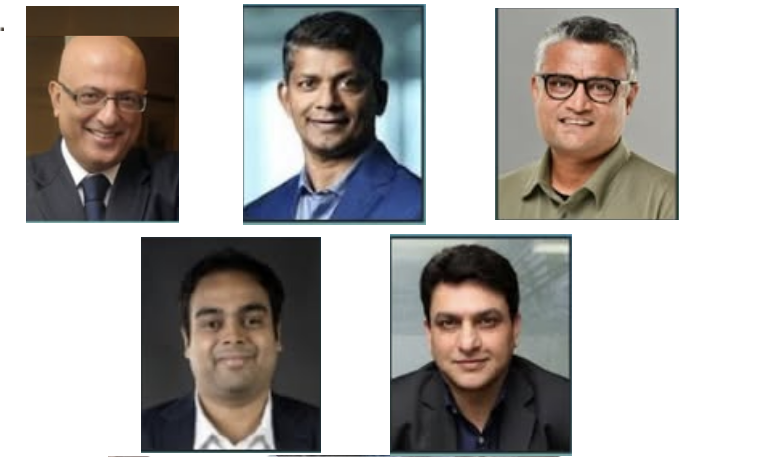
    Moderated by Madison Media & OOH group CEO Vikram Sakhuja, the panel featured industry leaders: Ajit Varghese (JioStar), Prasanth Kumar (GroupM), Ashwin Moorthy (Godrej Consumer Products Ltd ), and Ashish Sehgal (Zee Entertainment Enterprise Ltd.). Together, they dissected how brands can maximise the power of storytelling to boost engagement, drive conversions, and optimise their return on media investments.

    The panelists agreed on one fundamental truth: storytelling isn’t just about visibility, it’s about relatability. In today’s digital landscape, where consumers are bombarded with advertisements, the challenge isn’t just to be seen but to be remembered. The secret? Emotionally resonant narratives that seamlessly integrate brand messaging into content that audiences already love.

    “The most impactful ads don’t feel like ads at all,” said Ajit Varghese. “They are stories that resonate, narratives that connect, and moments that become part of popular culture.”

    Prasanth Kumar echoed this sentiment, explaining that consumer trust is no longer built on frequency alone but on emotional relatability. “You can buy eyeballs, but you have to earn loyalty,” he pointed out, emphasising the importance of crafting stories that entertain rather than interrupt.

    With digital fatigue setting in and audiences gaining more control over what they watch and how they engage, traditional advertising tactics are losing effectiveness. This is where professionally curated storytelling steps in, offering brands a way to naturally embed themselves into content without disrupting the viewing experience.
    It’s no coincidence that brands that invest heavily in storytelling are also the ones driving stronger consumer recall and, ultimately, better business. With OTT platforms enabling hyper-personalised targeting, advertisers are no longer casting a wide net but rather crafting messages that resonate with specific audience segments.

    “The beauty of curated storytelling is that it allows for a seamless blend of brand messaging within content that audiences already love,” said Ashwin Moorthy. “It’s not about pushing a product; it’s about making it an organic part of the consumer’s experience.”

    This shift is evident in the way brands are reimagining their advertising strategies. Instead of simply placing an ad between episodes, brands are now becoming part of the narrative itself. From cleverly placed product integrations in OTT series to brand-led storytelling that feels like high-quality entertainment rather than a sales pitch, advertisers are realising that the most effective marketing doesn’t feel like marketing at all.

    And the numbers back it up. A well-executed brand story doesn’t just build awareness, it drives action. Whether it’s increased purchase intent, higher engagement, or stronger customer retention, storytelling delivers tangible returns. As ad spends increasingly tilt towards premium content collaborations, brands are moving away from traditional formats and investing in innovative, immersive narratives that blur the lines between content and commerce.

    Looking ahead, the advertising industry is undergoing a seismic shift. Gone are the days when commercials were an unwelcome interruption. Today’s audiences demand content that is engaging, relevant, and seamlessly integrated into their viewing experience. The most successful brands will be those that adapt to this new reality, using storytelling to create experiences rather than just advertisements.

    Ashish Sehgal summed it up perfectly: “Tomorrow’s best ads will not feel like ads. They will be experiences, seamless, engaging, and deeply personal.”

    The panel also touched on the growing importance of trust and credibility in advertising. With misinformation and ad fatigue on the rise, consumers are becoming more discerning about the content they engage with. This places a greater responsibility on brands to ensure that their storytelling is not just compelling but also ethical and authentic.

    For advertisers, the message is clear: investing in storytelling is no longer optional, it’s essential. In an era where consumers can skip, mute, and scroll past traditional ads, the brands that win will be the ones that weave themselves into the narratives people love.

    As the session wrapped up, one thing was certain, whether on TV, OTT, or digital platforms, the future of advertising belongs to those who tell the best stories. Because at the end of the day, great marketing isn’t just about selling a product. It’s about making people believe in a story and wanting to be part of it.

  • Good writers are hard to find, says the television industry

    Good writers are hard to find, says the television industry

    MUMBAI: The heartbeat of any television programme lies in its story and content. Developing good content through various ideas and imagination is a significant priority for television channels and producers. Story-telling, as they say, is an art and the small screen is constantly looking for compelling scripts that tell stories which entertain, engage and enrich the audience. Over the past few years, the Indian television industry has been exploring new formats and series of programmes in order to give the viewers an excellent TV viewing experience.

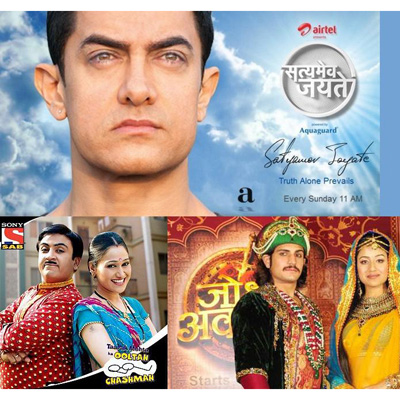
    Television director and creator of the unique chat show Satyamev Jayate, Satyajit Bhatkal says, “To be honest, we did not have any preconceived model for content creation or the kind of show we hoped to do. We made 6-7 documentaries on real life people and we realised that there was so much happening in the country. The common man faces so many problems and we needed to address these serious issues and give a 360 degree look to the matter.”

    However, except for a few who are willing to take up the challenge of creating something new, many are still stuck with the tried and tested.  According to Bhatkal, television, today, is way too cautious.  He elaborates, “It is a challenge that we have to cater to people of various education levels and social backgrounds. However, I feel we are not willing to move to a different level of aesthetics.”

    Director of many popular television series like Amanat, Kyunki Saans bhi kabhi bahu thi, and the current hit show Jodha Akbar, Santram Verma believes that there is a division amongst the audiences today as while some of the viewers want to watch fresh content, the older generation wants to stick to the same stories that were showcased years back. As a result, he feels that it is hard for the industry to evolve.


    He says, “Everybody is sticking to the safe formula of ‘saas-bahu’. Good writers are hard to find these days. Writers lack the fire in them to come up with fresh concepts. TV is not experimenting with novel ideas.”

    Speaking on the quality of writers, producer of the very popular show, Taarak Mehta Ka Ooltah Chashmah, Asit Kumar Modi says, “There is a lack of good writers. Generally speaking, channels go with writers that they have previously worked with. If we want to encourage new content, channels should have better adaptability for new writers and then, we can produce better content.”

    When asked whether broadcasters give the makers enough support and freedom, Modi informs that Sab played a good role in encouraging fresh content and promoting comedy shows like his on the channel.


    Bhatkal expresses that Star has been an extraordinary and participative partner for his show, “Star allowed us to feature the show on a Sunday morning instead of an evening prime time slot as we wanted the whole family to watch. Since it did not have a Telugu channel, the network gave the broadcast rights to its Telugu competitor as we wanted the programme to air in every Indian language. Star even permitted SMJ to be aired simultaneously on Doordarshan on the same day and at the same time, at the expense of its own traffic. What more could I ask for?”

    Talking about the concept of seasonal shows, Verma says, “Seasonal shows are the best. If implemented fully on Indian television, it will have a better emotional connect with the audience.”

    According to Modi, it is a good idea to have seasonal shows as after a point even the audience gets bored. However he is quick to point out that channels should also be convinced of the format.

    Channels need to have more confidence in seasonal formats and help in the distribution of the same. Modi emphasises that irrespective of ratings, losses and profits, one needs to constantly experiment on Indian television.

    To discuss more about the content on television, Indiantelevision.com is organising the ‘Content Hub’ that brings together writers, creators, producers, artistes and broadcast executives, both for TV and digital, all under one roof. This initiative is meant for all professionals, newbies and anyone who is keen to know about writing, producing and creating content for television and the digital space.