Tag: STB

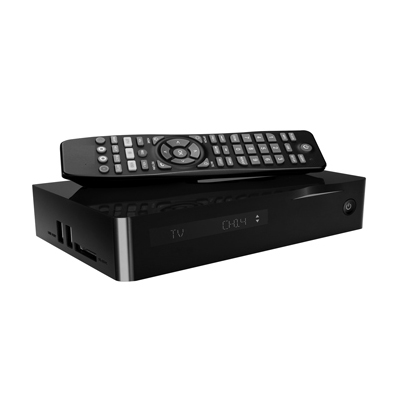
  • Govt admits low production of STBs, urges more players to manufacture under Make in India Initiative

    Govt admits low production of STBs, urges more players to manufacture under Make in India Initiative

    MUMBAI: The government today admitted that less than 10 per cent set top boxes being used in India were Indian made. However, Information and Broadcasting Secretary Sunil Arora said the government and his ministry were completely committed to the digitization programme.

    Arora said, “We want the industry to look at this opportunity under the Make In India initiative and produce more STBs in India under the Electronics Manufacturing scheme”.

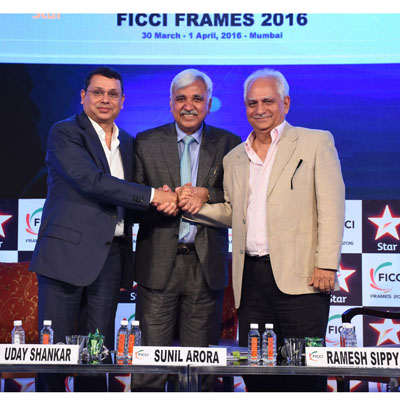
    The ministry remained committed to promoting ease of doing business in the media and entertainment sector, Arora said in a dialogue with Star India CEO Uday Shankar and veteran filmmaker Ramesh Sippy at FICCI Frames 2016.

    He said the Ministry was also guided by the ‘minimum government, maximum governance’ philosophy. “One of our primary objectives is to bring down the number of visitors to Shastri Bhavan to a trickle. We want to move towards less regulation and facilitate India to become the hub of media and entertainment industry.”

    Arora claimed that clearance for new TV channels had been expedited over the last six months under a liberalized regime. He said the home ministry had agreed to most of the suggestions made by the I&B ministry about liberalizing several conditions. Arora stressed that the ministry intends to play a role of a facilitator for the media and entertainment industry to flourish in the country.

    He said a decision had been taken to set up the National Centre of Excellence in Animation, Gaming and Visual Effects in Mumbai.  The Maharashtra Government is providing a 25 acre land near the Film City in Goregaon for the institute.

    The secretary also said the government had approved the Rs 598 crore National Film Heritage Mission to preserve and promote India’s rich film and cultural heritage. He also referred to the National Museum of Indian Cinema coming up in Films Division Complex on Peddar Road in Mumbai with several interactive exhibits. “Prime Minister Narendra Modi has taken a keen interest in this museum which is being curated by the National Council of Science Museums, Kolkata.”

    Focusing on ease of doing business, Arora said a Film Facilitation Office had opened in the National Film Development Corporation to function as a single window service for film related clearances. The secretary said an award had been instituted as part of the National Film Awards from this year to honour the states that are most film friendly. In 2016, Gujarat has been adjudged the most film friendly state, followed by UP and Kerala.

    Participating in the discussion, Shankar, who is also FICCI Entertainment Panel Chairman expressed concern over the viability of stand-alone news channels. He also said the entry of fringe elements in the news broadcasting field for ‘ancillary facilities’ was affecting credibility. Sippy expressed concern over low theatre density in India.
     

  • TDSAT upholds BECIL audit in case of Home Systems vs Star India case

    TDSAT upholds BECIL audit in case of Home Systems vs Star India case

    New Delhi, The Telecom Disputes Settlement and Appellate Tribunal has rejected an application by Home Systems Pvt Ltd.Mumbai challenging the methodology of Broadcasting Engineering Consultants (India) Ltd as it felt that procedure adopted adopted is  absolutely correct and there is no error in the report.

    Chairman Justice Aftab Alam and member Kuldip Singh listed the matter for further hearing on 6 April.

    At the outset, it said the application had been filed by Home Systems Pvt Ltd.Mumbai in its dispute with Star India seeking a review of the order of the Tribunal of 21 January.

    Home Systems said the SMS count given by BECIL for he period in dispute is the total number of subscribers on the network and not the total number of authorised subscribers, which the petitioner says is the relevant number for making payments to the broadcaster.
    Home Systems said the figure calculated by BECIL for active subscribers is based on command logs of SMS. He submitted that sometimes a command is given in the SMS with wrong STB number or VC Card Number and this leads to counting the same subscriber multiple times. Thus, Home Systems said BECIL has made an error in arriving at the figure of active subscribers. It submitted that there are three different numbers possible in SMS and that is why there is need to reconcile the SMS and CAS data.

    BECIL said it had taken active subscribers both from the SMS data base and CAS data base. Since the figures obtained from SMS data base were lower than the CAS data base, BECIL discussed this with the petitioner at the time of audit. It  is due to a stop  (suspension) command  which may  suspend a subscriber temporarily in the SMS  but the entitlement for the Subscriber still remains intact in CAS.  BECIL accordingly added  all such subscribers that were  in suspention to the active subscribers to arrive at the SMS figures.

    BECIL sadi a subscriber who is temporarily suspended cannot be considered as de-activated. If such a subscriber was to be counted as de-activated, this could lead to a situation where there is under-reporting of subscribers as the ervice provider may use this command to suspend the subscribers temporarily  for some time at the time  of  taking the SMS figures  and immediately thereafter, restore them to active status.

  • TDSAT upholds BECIL audit in case of Home Systems vs Star India case

    TDSAT upholds BECIL audit in case of Home Systems vs Star India case

    New Delhi, The Telecom Disputes Settlement and Appellate Tribunal has rejected an application by Home Systems Pvt Ltd.Mumbai challenging the methodology of Broadcasting Engineering Consultants (India) Ltd as it felt that procedure adopted adopted is  absolutely correct and there is no error in the report.

    Chairman Justice Aftab Alam and member Kuldip Singh listed the matter for further hearing on 6 April.

    At the outset, it said the application had been filed by Home Systems Pvt Ltd.Mumbai in its dispute with Star India seeking a review of the order of the Tribunal of 21 January.

    Home Systems said the SMS count given by BECIL for he period in dispute is the total number of subscribers on the network and not the total number of authorised subscribers, which the petitioner says is the relevant number for making payments to the broadcaster.
    Home Systems said the figure calculated by BECIL for active subscribers is based on command logs of SMS. He submitted that sometimes a command is given in the SMS with wrong STB number or VC Card Number and this leads to counting the same subscriber multiple times. Thus, Home Systems said BECIL has made an error in arriving at the figure of active subscribers. It submitted that there are three different numbers possible in SMS and that is why there is need to reconcile the SMS and CAS data.

    BECIL said it had taken active subscribers both from the SMS data base and CAS data base. Since the figures obtained from SMS data base were lower than the CAS data base, BECIL discussed this with the petitioner at the time of audit. It  is due to a stop  (suspension) command  which may  suspend a subscriber temporarily in the SMS  but the entitlement for the Subscriber still remains intact in CAS.  BECIL accordingly added  all such subscribers that were  in suspention to the active subscribers to arrive at the SMS figures.

    BECIL sadi a subscriber who is temporarily suspended cannot be considered as de-activated. If such a subscriber was to be counted as de-activated, this could lead to a situation where there is under-reporting of subscribers as the ervice provider may use this command to suspend the subscribers temporarily  for some time at the time  of  taking the SMS figures  and immediately thereafter, restore them to active status.

  • DAS Phase III stay extended in Uttar Pradesh, Telangana and Andhra Pradesh

    DAS Phase III stay extended in Uttar Pradesh, Telangana and Andhra Pradesh

    New Delhi: With the Supreme Court stating that the stay on Phase III of digital addressable system by the Bombay High Court is not pan-India, stakeholders in three states – Andhra Pradesh, Telangana, and Uttar Pradesh – have received further extensions for varying periods.

    While the Hyderabad High Court has clubbed the two cases of Andhra Pradesh and Telangana and granted a four week extension, the Allahabad High Court extended the stay for three more months.

    The Hyderabad High Court which received the counter-affidavit from the Information and Broadcasting Ministry, gave time to the petitioners in both Andhra Pradesh and Telangana – AP MSOs Federation and Federation of Telangana MSOs – to file their replies,

    The plea taken by both the petitioners had been the shortage of set top boxes, which had in late December led to a two month extension.

    The Supreme Court had made the observation on an appeal by the Indian Broadcasting Foundation, which was subsequently withdrawn.

    In Allahabad, where the petitioners have also taken the plea of shortage of STBs, the High Court directed I&B Ministry as well as the Telecom Regulatory Authority of India to file counter-affidavits within four weeks.

     “In the meanwhile, we direct the respondents not to disconnect the cable TV network operated by the petitioner through the analogue system for a period of three months from today,” the court said.

    DAS Phase III has already been stayed for varying periods by High Courts in Assam, Maharashtra, Sikkim, Odisha, and Chhattisgarh, for the entire states, apart from Tamil Nadu where prolonged legal cases have been pending since Phase I.

    In Karnataka, three individual stakeholders have got stay orders in Mangalore and Mysore areas while there is no state-wide stay. However, MSOs and Local Cable Operators in various parts of Karnataka told indiantelevision.com that transmission is still being use in analogue mode even in areas that fall in Phase III but for which no stay has been obtained.

    Interestingly, Ministry sources admitted to indiantelevision.com that there was a misreading of the Bombay High Court directive. The Court had merely refereed to the Kusum Ingots & Alloys Ltd vs the Union of India 2004 case to say that if one High Court gives a stay, another High Court can act in similar fashion if the facts are similar – in this case, shortage of STBs. Thus, they agree that the High Court stay was only confined to Maharashtra and not pan-India.

    The Bombay High Court passed a unique judgment stating that the Hyderabad High Court order would be applicable across India as per the Supreme Court judgment in.

    Meanwhile, The Ministry has filed a similar petition and sought not merely vacation of the stay orders by various High Courts, but also clubbing the cases together.

    The meeting of the Phase III and Phase IV Task Force – the first to be held after the 31 December deadline of Phase III – was told by Ministry Joint Secretary (Broadcasting) R Jaya that the percentage achievement had increased from 76.45 per cent as on 30 December 2015 to 90.44 per cent as on 15 February 2016.

    It was also claimed that the seeding of set top boxes by multi system operators increased from 6.91 million (69.1 lakh) to 12.43 million (124.3 lakh) for the same period.

    DAS Phase III covers 33.18 million (331.8 lakh( TV households across 29 states and five Union Territories, after changes made in updates for various states.

    Although Phase III was aimed at covering all remaining urban areas in the country, Ministry sources admitted that several urban may now be clubbed with the rural areas where the deadline is 31 December 2016.

  • DAS Phase III stay extended in Uttar Pradesh, Telangana and Andhra Pradesh

    DAS Phase III stay extended in Uttar Pradesh, Telangana and Andhra Pradesh

    New Delhi: With the Supreme Court stating that the stay on Phase III of digital addressable system by the Bombay High Court is not pan-India, stakeholders in three states – Andhra Pradesh, Telangana, and Uttar Pradesh – have received further extensions for varying periods.

    While the Hyderabad High Court has clubbed the two cases of Andhra Pradesh and Telangana and granted a four week extension, the Allahabad High Court extended the stay for three more months.

    The Hyderabad High Court which received the counter-affidavit from the Information and Broadcasting Ministry, gave time to the petitioners in both Andhra Pradesh and Telangana – AP MSOs Federation and Federation of Telangana MSOs – to file their replies,

    The plea taken by both the petitioners had been the shortage of set top boxes, which had in late December led to a two month extension.

    The Supreme Court had made the observation on an appeal by the Indian Broadcasting Foundation, which was subsequently withdrawn.

    In Allahabad, where the petitioners have also taken the plea of shortage of STBs, the High Court directed I&B Ministry as well as the Telecom Regulatory Authority of India to file counter-affidavits within four weeks.

     “In the meanwhile, we direct the respondents not to disconnect the cable TV network operated by the petitioner through the analogue system for a period of three months from today,” the court said.

    DAS Phase III has already been stayed for varying periods by High Courts in Assam, Maharashtra, Sikkim, Odisha, and Chhattisgarh, for the entire states, apart from Tamil Nadu where prolonged legal cases have been pending since Phase I.

    In Karnataka, three individual stakeholders have got stay orders in Mangalore and Mysore areas while there is no state-wide stay. However, MSOs and Local Cable Operators in various parts of Karnataka told indiantelevision.com that transmission is still being use in analogue mode even in areas that fall in Phase III but for which no stay has been obtained.

    Interestingly, Ministry sources admitted to indiantelevision.com that there was a misreading of the Bombay High Court directive. The Court had merely refereed to the Kusum Ingots & Alloys Ltd vs the Union of India 2004 case to say that if one High Court gives a stay, another High Court can act in similar fashion if the facts are similar – in this case, shortage of STBs. Thus, they agree that the High Court stay was only confined to Maharashtra and not pan-India.

    The Bombay High Court passed a unique judgment stating that the Hyderabad High Court order would be applicable across India as per the Supreme Court judgment in.

    Meanwhile, The Ministry has filed a similar petition and sought not merely vacation of the stay orders by various High Courts, but also clubbing the cases together.

    The meeting of the Phase III and Phase IV Task Force – the first to be held after the 31 December deadline of Phase III – was told by Ministry Joint Secretary (Broadcasting) R Jaya that the percentage achievement had increased from 76.45 per cent as on 30 December 2015 to 90.44 per cent as on 15 February 2016.

    It was also claimed that the seeding of set top boxes by multi system operators increased from 6.91 million (69.1 lakh) to 12.43 million (124.3 lakh) for the same period.

    DAS Phase III covers 33.18 million (331.8 lakh( TV households across 29 states and five Union Territories, after changes made in updates for various states.

    Although Phase III was aimed at covering all remaining urban areas in the country, Ministry sources admitted that several urban may now be clubbed with the rural areas where the deadline is 31 December 2016.

  • India enters niche STB global market with indigenously designed CAS system, funded by DeiTY

    India enters niche STB global market with indigenously designed CAS system, funded by DeiTY

    New Delhi: ByDesign India Pvt Ltd of Bangalore has successfully completed development of Conditional Access System (CAS) for Set Top Boxes (STBs) and enabled India to enter a niche market hitherto dominated by five big global companies.

    The Communications and Information Technology Ministry said in a note today that the CAS had been developed under a project funded by the Department of Electronics and Information Technology (DeitY) for promotion of Electronics design and manufacturing in the country.

    Prasar Bharati sources told indiantelevision.com that Doordarshan’s free-to-air DTH Freedish has also adopted a version of this design for raising the number of channel slots on the platform from 64 to 112.

    The global STB market is estimated to be about 250 Million (25 crore) STBs per annum and the CAS market is expected to be nearly $2 billion ($200 crore) per annum. The projected demand in India for completing the digitization of broadcasting network is nearly 100 Million (10 crore) STBs, thereby signifying an attractive domestic market. 

    ByDesign India Pvt Ltd, Bangalore, was selected and awarded the task for development and implementation of Indian Conditional Access System (iCASTM) in association with Centre for Development of Advanced Computing (C-DAC) in November 2014 with technical specifications that were the best in the world.

    C-DAC was responsible for design review, code review, monitoring, testing and validation of the entire project. The Development Stage of iCASTM was successfully completed on 14.11.2015 within the specified time. 

    The developed iCASTM already supports seven Indian Languages and will support fifteen more languages in the near future. The iCASTM has been tested at the Cryptography Verification Labs, accredited by NIST in the United States and has also been widely field tested under Indian conditions. 

    ByDesign is required to tie up with at least five Operators and install STB with iCASTM in atleast 2,50,000 STBs. The implementation of iCASTM in the cable networks has already started.

    More than 25,000 STBs with iCASTM have already been deployed across the country in the last two months, from Haldwani in the North to Madurai in the South and Durgapur in the East to Satara District in the West. 

    iCASTM exemplifies successful collaboration between industry and Government for R&D and IPR generation in Electronics design and manufacturing. The iCASTM is also beneficial to domestic STB manufacturers because it is available to them at a price of $ 0.5 license for a period of three years as against market price of $ 4 to 5 license for other competing products. 

  • India enters niche STB global market with indigenously designed CAS system, funded by DeiTY

    India enters niche STB global market with indigenously designed CAS system, funded by DeiTY

    New Delhi: ByDesign India Pvt Ltd of Bangalore has successfully completed development of Conditional Access System (CAS) for Set Top Boxes (STBs) and enabled India to enter a niche market hitherto dominated by five big global companies.

    The Communications and Information Technology Ministry said in a note today that the CAS had been developed under a project funded by the Department of Electronics and Information Technology (DeitY) for promotion of Electronics design and manufacturing in the country.

    Prasar Bharati sources told indiantelevision.com that Doordarshan’s free-to-air DTH Freedish has also adopted a version of this design for raising the number of channel slots on the platform from 64 to 112.

    The global STB market is estimated to be about 250 Million (25 crore) STBs per annum and the CAS market is expected to be nearly $2 billion ($200 crore) per annum. The projected demand in India for completing the digitization of broadcasting network is nearly 100 Million (10 crore) STBs, thereby signifying an attractive domestic market. 

    ByDesign India Pvt Ltd, Bangalore, was selected and awarded the task for development and implementation of Indian Conditional Access System (iCASTM) in association with Centre for Development of Advanced Computing (C-DAC) in November 2014 with technical specifications that were the best in the world.

    C-DAC was responsible for design review, code review, monitoring, testing and validation of the entire project. The Development Stage of iCASTM was successfully completed on 14.11.2015 within the specified time. 

    The developed iCASTM already supports seven Indian Languages and will support fifteen more languages in the near future. The iCASTM has been tested at the Cryptography Verification Labs, accredited by NIST in the United States and has also been widely field tested under Indian conditions. 

    ByDesign is required to tie up with at least five Operators and install STB with iCASTM in atleast 2,50,000 STBs. The implementation of iCASTM in the cable networks has already started.

    More than 25,000 STBs with iCASTM have already been deployed across the country in the last two months, from Haldwani in the North to Madurai in the South and Durgapur in the East to Satara District in the West. 

    iCASTM exemplifies successful collaboration between industry and Government for R&D and IPR generation in Electronics design and manufacturing. The iCASTM is also beneficial to domestic STB manufacturers because it is available to them at a price of $ 0.5 license for a period of three years as against market price of $ 4 to 5 license for other competing products. 

  • Encourage greater indigenous STB production with tax holiday in budget for DAS to succeed

    Encourage greater indigenous STB production with tax holiday in budget for DAS to succeed

    NEW DELHI: With the Government hoping to achieve complete digitisation of the cable television sector by the end of this calendar year, it is imperative that the Union Budget for 2016-17 being presented on Monday has important concessions for the industry.

    Perhaps the most important step would be to give infrastructure status to the Broadcast, Cable and direct-to-home (DTH) sector so that it gets all the benefits and incentives available for infrastructure industry including the availability of finance at a concessional rate.

    Though the government claims more than 90 per cent seeding of set top boxes (STBs) in all urban areas covered under Phase III of digital addressable system (DAS) – a figure disputed by most private stakeholders, it is important that the budget should give some concessions that benefit the sector particularly as far as set top boxes go.

    While the Make in India or Digital India initiatives have failed to encourage many indigenous manufacturers of STBs, it is necessary not merely to give some tax concessions under these two schemes but also a tax holiday for some years for those who venture to beat the sale of Chinese STBs and encourage Indian STBs.

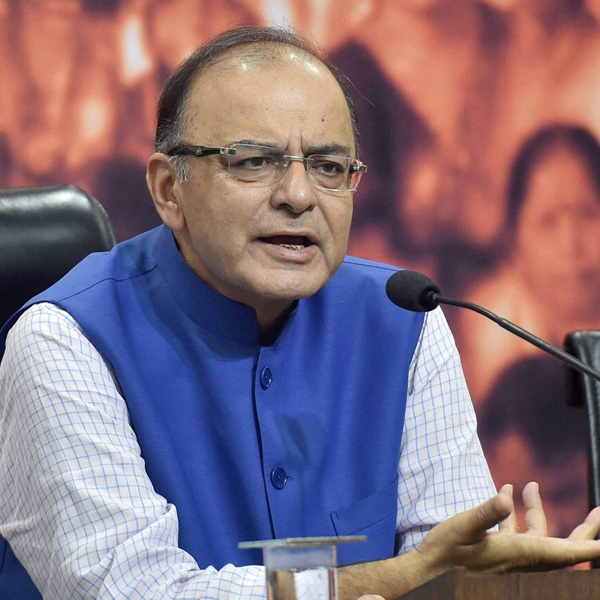
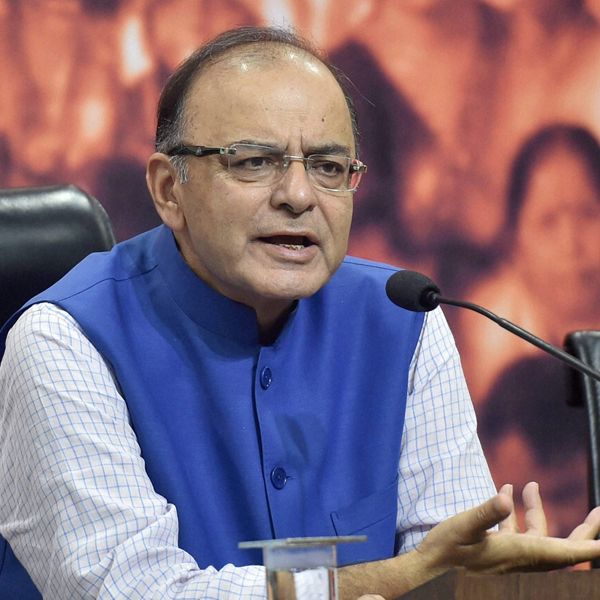
    Earlier, the Entertainment Wing of FICCI had said in a pre-budget memorandum to Finance Minister Arun Jaitley that the sector should be allowed tax concessions under Section 80-IA of the Income Tax Act.

    As the digitisation process and the deployment of STBs are heavy capital oriented sectors needing large investments, FICCI had said they should be allowed to set off accumulated losses and unabsorbed depreciation allowances to be carried forward as per Section 72 A of the Act.

    One way of giving greater encouragement to indigenous STBs is to give the broadcast industry the same benefits that the manufacturing sector gets.

    FICCI had in fact also said that the rate of taxes, which range from 30 – 70 per cent, especially the entertainment tax imposed by the states, over and above the service tax are punitive in nature. It is important that the overall taxation level is brought down for the sector as a whole.

    State Entertainment tax legislations levy high taxes on the subscription earned by cable operators and DTH operators. The non-availability of credit of central taxes against the state taxes and vice versa increases the tax burden on the entertainment industry.

    In addition to this, the Central Government has levied service tax at 14 per cent on the transfer of copyrights, which is already being taxed as ‘goods’ under the various state VAT legislations.

    There is therefore need to rationalise taxes or rush through the Goods and Service Tax (GST) Bill to bring parity and clear snags in taxation.

    With so many cases pending before TDSAT and the Telecom Regulatory Authority of India (TRAI) constantly being impleaded in such matters, the Government should provide a clarification that the payments made towards carriage fees are not in the nature of royalty or fees for technical services and TDS is required to be made on such payments as per section 194C of the Act.

    The Indian media and entertainment industry grew from Rs 918 billion in 2013 to Rs 1026 billion in 2014, registering an overall growth of 11.7 per cent. The industry is estimated to achieve a growth rate of 13 per cent in 2015 to touch Rs 1159 billion. The sector is projected to grow at a healthy CAGR of 13.9 per cent to reach Rs 1964 billion by 2019.

    The benefits of Phase I and II of DAS rollout, and continued Phase III rollout are expected to contribute significantly to strong continued growth in the TV sector revenues and its ability to invest in and monetise content. The sector is expected to grow at a CAGR of 15.5 per cent over the period 2015-2019.

  • Encourage greater indigenous STB production with tax holiday in budget for DAS to succeed

    Encourage greater indigenous STB production with tax holiday in budget for DAS to succeed

    NEW DELHI: With the Government hoping to achieve complete digitisation of the cable television sector by the end of this calendar year, it is imperative that the Union Budget for 2016-17 being presented on Monday has important concessions for the industry.

    Perhaps the most important step would be to give infrastructure status to the Broadcast, Cable and direct-to-home (DTH) sector so that it gets all the benefits and incentives available for infrastructure industry including the availability of finance at a concessional rate.

    Though the government claims more than 90 per cent seeding of set top boxes (STBs) in all urban areas covered under Phase III of digital addressable system (DAS) – a figure disputed by most private stakeholders, it is important that the budget should give some concessions that benefit the sector particularly as far as set top boxes go.

    While the Make in India or Digital India initiatives have failed to encourage many indigenous manufacturers of STBs, it is necessary not merely to give some tax concessions under these two schemes but also a tax holiday for some years for those who venture to beat the sale of Chinese STBs and encourage Indian STBs.

    Earlier, the Entertainment Wing of FICCI had said in a pre-budget memorandum to Finance Minister Arun Jaitley that the sector should be allowed tax concessions under Section 80-IA of the Income Tax Act.

    As the digitisation process and the deployment of STBs are heavy capital oriented sectors needing large investments, FICCI had said they should be allowed to set off accumulated losses and unabsorbed depreciation allowances to be carried forward as per Section 72 A of the Act.

    One way of giving greater encouragement to indigenous STBs is to give the broadcast industry the same benefits that the manufacturing sector gets.

    FICCI had in fact also said that the rate of taxes, which range from 30 – 70 per cent, especially the entertainment tax imposed by the states, over and above the service tax are punitive in nature. It is important that the overall taxation level is brought down for the sector as a whole.

    State Entertainment tax legislations levy high taxes on the subscription earned by cable operators and DTH operators. The non-availability of credit of central taxes against the state taxes and vice versa increases the tax burden on the entertainment industry.

    In addition to this, the Central Government has levied service tax at 14 per cent on the transfer of copyrights, which is already being taxed as ‘goods’ under the various state VAT legislations.

    There is therefore need to rationalise taxes or rush through the Goods and Service Tax (GST) Bill to bring parity and clear snags in taxation.

    With so many cases pending before TDSAT and the Telecom Regulatory Authority of India (TRAI) constantly being impleaded in such matters, the Government should provide a clarification that the payments made towards carriage fees are not in the nature of royalty or fees for technical services and TDS is required to be made on such payments as per section 194C of the Act.

    The Indian media and entertainment industry grew from Rs 918 billion in 2013 to Rs 1026 billion in 2014, registering an overall growth of 11.7 per cent. The industry is estimated to achieve a growth rate of 13 per cent in 2015 to touch Rs 1159 billion. The sector is projected to grow at a healthy CAGR of 13.9 per cent to reach Rs 1964 billion by 2019.

    The benefits of Phase I and II of DAS rollout, and continued Phase III rollout are expected to contribute significantly to strong continued growth in the TV sector revenues and its ability to invest in and monetise content. The sector is expected to grow at a CAGR of 15.5 per cent over the period 2015-2019.

  • News broadcasters’ expectations from the Union Budget 2016

    News broadcasters’ expectations from the Union Budget 2016

    MUMBAI: As another budget looms ahead of us, expectations are high riding especially amongst the Indian news broadcasters. The budget will be presented by the Finance Minister on 29 February, 2016 and almost every segment has a set of expectations. To get a better perspective of what news broadcasters’ aspirations are from this year’s allotment, Indiantelevision.com spoke to a few stalwarts from the industry.

    Times Network MD and CEO MK Anand says, “Digitisation in general and the rollout of Digital Addressable System (DAS) in the Phase III and IV markets will be perhaps the biggest game changer for Media & Entertainment. We’re looking at addressability and millions of undeclared TV households coming into the radar and huge corrections in the subscription ad revenues anomalies in India. Between Phases III and IV, we are talking around 110 million TV homes. So my biggest budget wish for the industry is that the operators in the distribution chain be empowered, financially, to be able to afford or access, and offer the mandated technically superior digital setups to take their analog TV homes digital. This will become easier if the government accords infrastructure status to the broadcast industry. The cable industry is expected to invest some Rs 40,000 – 45,000 crore on STBs. The government can really help accelerate and optimise the roll-out of DAS to a great extent with this one step.”

    As the press is often considered to be the fourth pillar of democracy in India, it is constantly observed that the fraternity has not been benefited much by the budget.

    Shedding some light on it, News Broadcasters Association honorary treasurer and News24 chairperson cum managing director Anurradha Prasad says, “First, according to me the government should include media industry in the infrastructure sector. Second, the fruits of digitisation should now come to media. It should positively come into news broadcasting. Media is the fourth pillar of democracy and it’s high time that it gets treated differently.”

    However Prasar Bharati CEO Jawhar Sircar is of the opinion that their requirements are being met by the Ministry’s budget. “We don’t seek much from the national budget,” he adds.

    CNN-IBN managing editor Radhakrishnan Nair says, “There is an opportunity available as the global oil prices have come down majorly, so we are sitting on a lot of money. We have not reduced excise on the fuel prices for consumers. There is a lot of tax money that the government has got in. One major thing is that GST, which has not yet been implemented. The budget should look towards the tax structure in which we will make ourselves ready for GST whenever it comes. There could be a possible increase in the taxes or some excise adjustments for different commodities but this year’s budget will not be a great people’s budget or a populist budget. It will be a budget that will try to reserve money for the economy and the government. I do not expect too many freebies rather I am expecting many improvements in the agriculture sector as the sector is facing a lot of stress due to various reasons. I would also like a lot of things for the benefit of the start-ups as they are young and willing to start their own businesses. So I expect a lot of tax allowances or policy allowances in this year’s budget.”

    With the budget round the corner, we journalists are often worried about different ways to cover it with a unique peg to the story. Speaking as a true journalist, NDTV Group CEO Vikram Chandra scorns, “I am not expecting anything from the budget. I am more worried about how I will cover it.”