Tag: Startups

  • Rejected by Google in 2013, entrepreneur returns as boss of startup division

    Rejected by Google in 2013, entrepreneur returns as boss of startup division

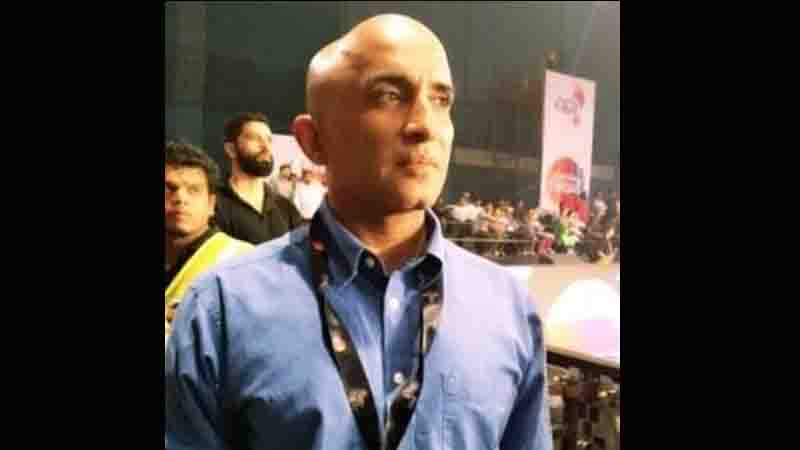
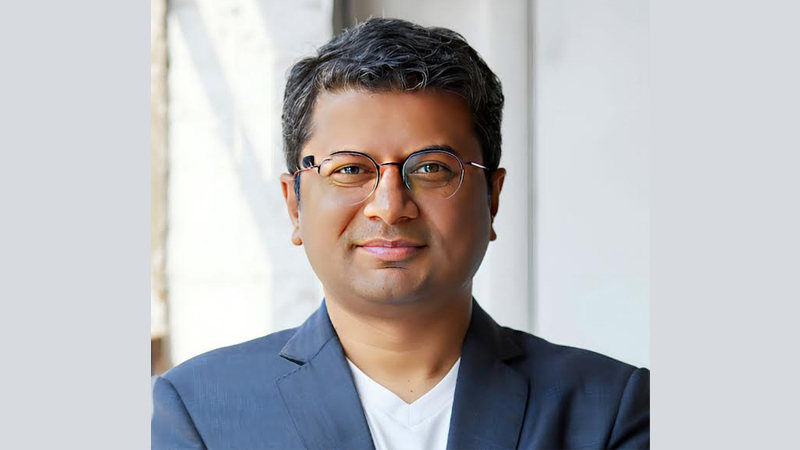
    GURUGRAM: Life moves in circles, not straight lines. Ragini Das, who fumbled Google’s final interview round in 2013, has just been handed the keys to Google for Startups India this October—a delicious plot twist that took 12 years, two groundbreaking ventures and one failed final round to materialise.

    Back in 2013, Das had two shots on goal: Google and Zomato. Google said no. Zomato said yes. That rejection turned into a six-year masterclass in building consumer-tech brands. She went from selling ad space across Hyderabad, Bangalore and Delhi to spearheading Zomato Gold’s meteoric rise from zero to 2 million users, launching the subscription service across ten international markets from Australia to Lebanon. The company awarded her its first-ever “spark award” for spreading Zomato’s culture inside and outside the firm.

    In 2020, Das took the entrepreneurial plunge, co-founding leap.club—India’s largest social-professional network for women. Over five-and-a-half years, she scaled it to 25,000-plus paid members and $3 million-plus in revenue, creating an online app and India’s first women-only offline club. The  venture raised $2.2 million from venture capitalists and angel investors, with women comprising half the cap table. “If member love was an actual currency, leap.club would have been a unicorn,” Das wrote when announcing the pause in operations this June.

    After the shutdown, Das spent the summer recharging: creating art, chasing fitness goals, travelling and photographing Jimmy, her dog. Then August arrived with a role at Google that sat squarely at the intersection of everything she’d built—zero-to-ten ventures, founders, growth. Two months of conversations later, the job was hers.

    Now Das leads Google’s mission to connect Indian startups with the right people, products and practices to scale. She’s also taken on a voluntary role as chair of FICCI’s women in startups committee, championing visibility, capital access and policy influence for women-led ventures. A member of the 6 am club, she reserves weekends for mentoring young women in business and, naturally, Jimmy.

    Twelve years ago, Google’s rejection stung. Today, Das walks through the front door—as the boss. Full circle doesn’t begin to cover it.

  • From Dubai to Saudi: One founder’s big desert bet

    From Dubai to Saudi: One founder’s big desert bet

    MUMBAI: After years riding Dubai’s growth wave, Balu Nayar, the man behind several billion-dollar businesses, is betting big on the Middle East’s next blockbuster: Saudi Arabia. And he’s doing more than cheering from the sidelines—he’s launching AraIndica, a venture platform built to plug Indian innovation into the Kingdom’s transformation story.

    “Saudi Arabia is the next in line for transformation—and a much larger economy,” says Nayar, pointing to stats that read like an investor’s dream:

    ●    $26 billion FDI in 2023, up 91 per cent year-on-year

    ●    Mega projects like Neom and Jeddah Central pumping in billions and promising thousands of jobs

    ●    Tourism up 73 per cent, VC funding leading MENA, and green energy powering toward 60 GW

    ●    A leap to 13th place on the 2025 A.T. Kearney FDI Confidence Index

    But Nayar isn’t launching yet another consultancy. “We’re not consultants. We’re builders. We have skin in the game,” he says. AraIndica’s approach is rigorous, selective, and unapologetically blunt.

    First up is market fit diagnostics. No flattery if your business doesn’t align with Saudi needs, you’ll hear a hard “no”. The platform vets Indian ventures against Saudi mega-projects, digitalisation goals, and local demand realities.

    Then comes strategic localisation, which is a regulatory fast-tracking, partner matchmaking, and investor-ready positioning tailored for Saudi dynamics. AraIndica even grooms founders on etiquette and investor psychology before hosting high-stakes roadshows.

    Post-entry, AraIndica sticks around—hiring local talent, ensuring Nitaqat compliance, and establishing advisory boards to guide long-term growth.

    With Saudi’s Vision 2030 eyeing non-oil sectors like healthcare, agri-tech, education, and green energy, Nayar says the time is ripe—but tricky. “Market entry isn’t easy. You need deep local expertise and real relationships,” he adds.

    AraIndica is out to fill that gap, with hard-earned wisdom, not PowerPoint theory. “We know what it’s like to make mistakes and still scale. That’s the edge we bring,” Nayar says.

    The bottom line is AraIndica isn’t selling maps to Saudi Arabia’s gold rush, it’s laying the roads brick by brick.

    (If you are an Anime fan and love Anime like Demon Slayer, Spy X Family, Hunter X Hunter, Tokyo Revengers, Dan Da Dan and Slime, Buy your favourite Anime merchandise on AnimeOriginals.com.)

  • IFA Berlin unveils new innovation awards to spotlight tech breakthroughs

    IFA Berlin unveils new innovation awards to spotlight tech breakthroughs

    BERLIN:  IFA Berlin, the world’s leading home and consumer technology event, has launched a new global awards programme: the IFA Innovation Awards.  These awards, set to debut at IFA 2025 in Berlin, aim to celebrate exceptional innovation, design, and market impact within the industry.

    Clarion Events managing director James McGough, stated that the awards will “recognise the Best of IFA, rewarding the incredible progress being made in home and consumer technology.”  He added that the initiative would help identify brands “truly shaping how we live, work and play,” particularly those implementing AI and designing sustainable and accessible solutions. 

    Geekspin editor in chief and jury member Helena Stone highlighted that the IFA Innovation Awards represent “the natural evolution of IFA’s century-long commitment to showcasing the technologies that transform how we live, work, and connect.”  She believes these awards will “spotlight the innovations that define the future of consumer technology” as IFA enters its second century. 

    The new awards follow IFA’s hundredth anniversary in 2024, which attracted over 215,000 visitors from 138 countries and more than 1,800 exhibitors. 

    The comprehensive programme will recognise innovations across various sectors, including smart home and IoT, sustainable technology, health and wellness tech, gaming and entertainment, mobile communication, audio-visual excellence, kitchen and home appliances, and emerging technologies. Winners will receive either the official IFA “Best of category” or “Innovation Award” certification, along with full licensing rights to use the awards logo. Additional benefits include an exclusive showcase at IFA 2026’s Innovation Gallery, prominent placement across IFA’s global media channels, and coverage in official IFA publications and social media. 

    Helena Stone affirmed that the IFA Innovation Awards are poised to “become the gold standard for consumer technology recognition in Europe and beyond,” with an international jury of experts ensuring the winners represent “truly groundbreaking achievements.” 

    The awards are open to manufacturers, designers, engineers, start-ups, and technology companies worldwide. Eligible products must be innovative consumer technology or home appliance solutions commercially launched between 1 February 2025 and 30 April 2026, and must be available in European markets.  Applications are now open, with an independent panel of global technology experts, industry analysts, and innovation specialists overseeing the evaluation process.

  • Krafton India levels up with new batch of gaming startups

    Krafton India levels up with new batch of gaming startups

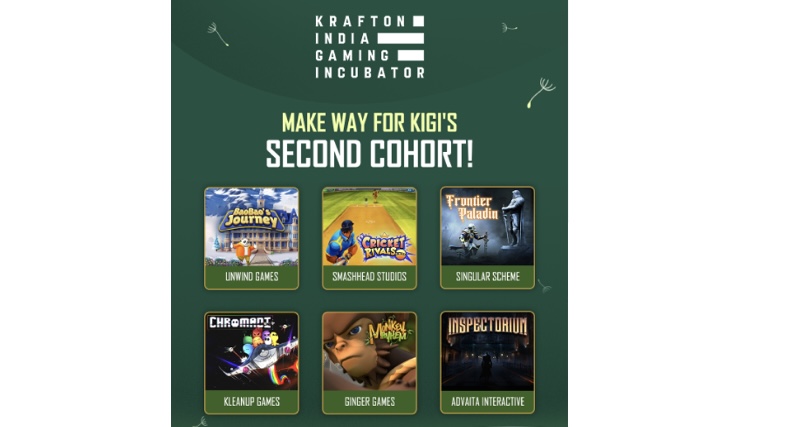
    MUMBAI: Krafton  India is doubling down on its mission to shape the future of gaming in the subcontinent, welcoming a cracking cohort of six new startups into the second round of its Krafton  India Gaming Incubator (Kigi). Building on the roaring success of its first batch, Kigi has upped its intake from four to six, casting its net wider to exciting new gaming hotspots like Kolkata and Madurai, among others. This move reinforces their grand plan to cultivate a nationwide ecosystem of top-tier game developers.

    Kigi is throwing its weight behind emerging game development talent in India with mentorship programmes lasting from six months to a year, and a financial boost of up to $150,000. This aims to give these studios the firepower they need to craft best-in-class games and inject some serious innovation into the industry.
    So, who are these bright sparks joining the fray?

    * Kleanup Games from Madurai, led by studio director Jaiwanth Shanmugam, is cooking up ChromadiI, a rapid, retro-inspired shoot-’em-up with a rather clever colour-mixing mechanic and a focus on bagging those high scores. With original tunes from audio director Niranjan Nair and production by Nandini Nachiar, this game looks set to blend old-school arcade thrills with a modern twist, slated for a 2026 release.

    * Advaita Interactive, hailing from Kolkata and founded by Judhajit Sarkar, is brewing Inspectorium, a hidden object detective game set in a steampunk-infused version of Victorian-era Calcutta. Expect episodic cases, real-time AI interrogations, and some proper immersive puzzle-solving. This one’s aiming for mobile, PC, and VR platforms between 2025 and 2026.

    * Singular Scheme, a Mumbai-founded indie outfit led by Ahad Oomerbhoy and a team of eight, is crafting Frontier Paladin, an RPG with action-tower defence bits set on a cursed battlefield brimming with divine relics and ancient baddies. Sounds like a proper rumble!

    * Smash Head Studio, a Bangalore-based crew with over a decade in the game, is gearing up to unleash Cricket Rivals, a fast-paced, real-time multiplayer mobile game that’s reimagining the spirit of cricket with quick, competitive matches designed to appeal to a global audience. That’s not cricket… it’s better!

    * Unwind Games, a mobile studio from Hyderabad founded by industry veterans Jayant Shukla and Khozema Abuwala, is developing BaoBao’s Journey, a heartwarming casual puzzle game starring a lovable panda on a quest to build his dream mountain lodge. Expect soothing puzzles and cozy customization for a relaxing and emotionally engaging experience. Aww, bless!

    * Ginger Games, a Delhi-based studio founded in 2024 by Shrey Mishra, Sumit Batheja, and Piyush Kumar, is conjuring up Monkey Mayhem, a vibrant hybrid-casual action-adventure mobile game set in the bonkers “Monkey Universe.” Featuring fast-paced auto-shooter gameplay, dynamic environments, crafting, combat, and a rich story following a brave monkey named Piklu on a chaotic mission to rescue his mates. Keep your bananas peeled for its February 2026 release.

    This new batch of Kigi hopefuls follows the successful completion of its first incubation cycle, where several gaming startups, spanning the length and breadth of India, wrapped up their development phases and are now prepping to officially launch their KIGI-built games.

    The first Kigi cohort is already making waves. ReDimension Games is live on Steam, while Shura Games and Dunali Games have successfully soft-launched their titles on the Play Store. Arjuna Studios is also gearing up for its own release. Their progress is a proper testament to Kigi’s mission to empower India’s next generation of game developers, giving them the tools, guidance, and support needed to bring world-class games to the market.

    Krafton India incubator program and India publishing advisor Anuj Sahani said, “India’s game development talent is brimming with potential, and at Kigi we are dedicated to unlocking new opportunities for them to thrive. With an expanded cohort, a wider regional focus, and strengthened partnerships with some of the biggest names in technology, we are equipping game developers with the resources, mentorship, and support they need to build games that can stand out globally. We look forward to seeing how these talented teams push creative and technical boundaries in the coming months.”

    Krafton India chief executive officer Sean Hyunil Sohn added, “At Krafton India, we see the future of gaming as a vibrant tapestry woven with diverse ideas and bold creativity. Gaming is more than just a form of entertainment, it’s a tool for connection, expression, and cultural influence. By empowering diverse voices and championing innovation, with our second cohort, we’re setting the stage for a future where Indian game developers are defining trends, telling new stories, and pushing the boundaries of what gaming can be.”

    AccelByte  chief commercial officer Rob Schoeppe chipped in, “Partnering with Krafton India’s Kigi program is a natural extension of our mission at AccelByte to empower developers with the tools they need to stay focused on making great and exceptional games. India’s gaming landscape is evolving rapidly, and we see immense potential in the talent and innovation emerging from this market. Through Kigi, we’re excited to support the next wave of Indian game studios by providing them with scalable, developer-friendly backend solutions that remove technical hurdles and accelerate their path to success.”

    By strategically spotting and nurturing these high-potential studios, Kigi is well on its way to shaping India’s growth as a proper powerhouse in the global game development and innovation scene. The second cohort is getting a leg up from an expanded network of global tech giants like AWS, AccelByte, AppMagic, and Liftoff’s GameRefinery, ensuring these incubated startups get crucial cloud computing power, backend infrastructure, and expert guidance to develop and scale cracking gaming experiences for the world stage. Game on, India!

  • Shradha Sharma’s YourStory Media ropes in former Microsoft ace Sangeeta Bavi as COO

    Shradha Sharma’s YourStory Media ropes in former Microsoft ace Sangeeta Bavi as COO

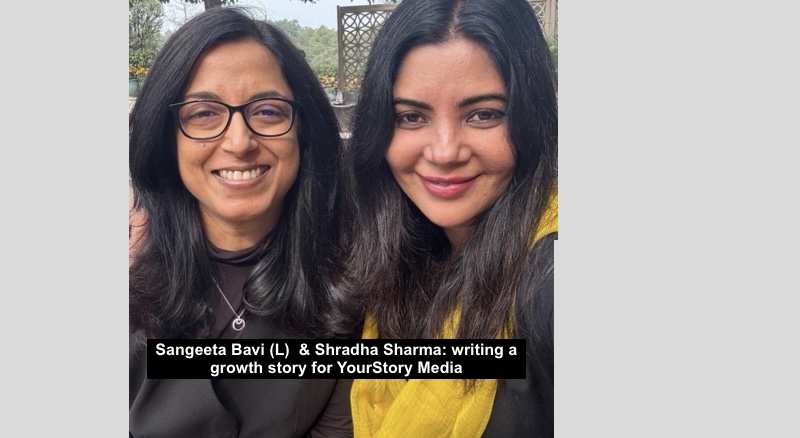
    MUMBAI: This is indeed a big catch. Digital influencer and YourStory Media founder & CEO Shradha Sharma has hired former Microsoft executive director, digital natives  Sangeeta Bavi as the company’s chief operating officer (COO).

    As COO, Shradha shared on linkedin, Sangeeta will oversee the end-to-end business, drive revenue growth and overall operations as the company prepares for its next phase of expansion.

    “With two and a half decades of experience across global giants like Microsoft and Nokia, Sangeeta has loads of expertise in building high-impact teams and driving scale. In her decade of experience at Microsoft, she spearheaded the digital natives vertical, building it from the ground up and establishing it as a leading growth engine for engaging India’s top digital-scale startups.  Her leadership was instrumental in scaling the vertical into a trusted ecosystem partner for startups and a valued business vertical at Microsoft,” Shradha shared. 
    “Sangeeta has also been a mentor to several startups, and has played an active volunteer role in Saasboomi community.”

    A B. Tech in computer science and an MBA from IIM Bangalore, Sangeeta began her career at Wipro Technologies as a senior design engineer where she worked for three years. She was then picked up by  Nokia to work in the capacity  of senior software engineer at Tampere in Finland where she  did some cutting edge development work for the mobile maker.

    That done, Sangeeta then whizzed back to India and continued with the Finnish company for a decade and a half being exposed to various functions like leading teams, doing R&D, managing strategic projects, managing products and when she exited Nokia for Microsoft India  she was designated as head developer outreach.

    At Microsoft India, Sangeeta began as a product marketing manager in 2014 and moved into the company’s India president’s office as chief of staff and busines manager. From there, she was given the responsibility of working with startups at their early stages as director of Microsoft Indias start up business. Leadership of the digital natives vertical followed.

    Shradha is cock-a-hoop with delight at Sangeeta’s coming on board as YourStory Media COO. Said Shraddha: “For any entrepreneur, their journey gets strengthened when a leader comes along the way, sees the vision and commits to be with you to scale and transform the dream you’ve built and lived.. And I am grateful to have someone as brilliant as Sangeeta Bavi join me on this journey of YourStory.”

  • Five hidden areas of revenue optimisation for startups

    Five hidden areas of revenue optimisation for startups

    Startups need to optimise their revenue, as they often operate with limited resources and try to get the most out of each coin they earn. Startups generally encounter severe competition, rapidly changing market dynamics and need for investors’ attraction through growth demonstration. An efficient strategy of revenue optimization can mean a business success or failure.

    Most startups tend to concentrate on conventional strategies, which include pricing adjustments and sales growth, but there are some hidden areas that have been overlooked by many that can bring in significant amounts of revenue. These areas offer new opportunities for growth and profitability.

    The following are a few hidden areas of revenue optimisation that should not be overlooked:

    Human capital optimisation

    As a startup, every resource counts, making it essential to ensure that employee productivity is optimized to the fullest. To maximize the impact of human capital, it is crucial to efficiently delegate tasks and maintain a centralized view of what everyone in the organization is doing. Startups can also leverage data-driven approaches to optimize their sales force and capture the highest possible revenues. This involves customer segmentation, workload mapping, and task automation. In the fast-paced and resource-constrained environment of a startup, every employee’s contribution counts.

    Data-driven decision making

    Another area that has gone unnoticed by many startups, resulting in a loss of potential revenues, is data-driven decision making. Most startups rely heavily on intuition instead of using the wealth of information available while making key decisions about their business. Many startups also collect data but don’t know how to use it effectively to guide decision-making. Startups can rely on a trusted third-party software to better manage costs while also using the data that is readily available to them. This can be seen as an investment, but a necessary one. According to the Big Data and Artificial Intelligence survey conducted in 2019 by NewVantage Partners, 92 per cent of leading businesses are investing in big data and AI initiatives to drive innovation. By developing robust data models for analyzing customer potential, buying behavior, and market trends, startups can make better choices concerning target segments, pricing policies, and resource allocation.

    CRM integration for enhanced customer engagement

    Another way a startup can increase its income is by taking advantage of advanced Customer Relationship Management (CRM) strategies. CRM is a business strategy that manages a company’s interactions with current and potential customers. For startups, CRM is crucial because it helps them understand and profile their customers better. It enables startups to tailor their marketing efforts, sales strategies, and customer service to meet the specific needs and preferences of their target audience. By leveraging CRM, startups can gain a 360-degree view of customers, personalize marketing and sales, improve customer service, enhance sales forecasting, and streamline operations. CRM simplifies customer interaction and provides important data insights, enabling startups to streamline sales activities, improve client engagement, and generate untapped opportunities for growth in revenue.

    Supply chain optimisation

    Another hidden avenue of profit maximization for startups is the optimization of their supply chain. Inefficient management of the supply chain can lead to stock-outs, late deliveries and increased costs which impact directly on revenue. Startups must carry out thorough analysis of their supply chain, identify bottleneck areas and implement measures to enhance efficiency such as just-in-time inventory management, supplier diversification, and process automation among others. Through optimising its supply chain, a startup will cut down on costs, develop better customer relationships and ultimately boost its revenues.

    Sourcing and procurement

    How start-ups source or procure materials, services or other resources could make a significant difference in their incomes. Poor sourcing practices may result in higher costs and poor quality products being delivered late thus eating into profitability margins. New businesses should carefully evaluate their sourcing strategies using data analytics and market intelligence tools so as to find out about the most economical and dependable suppliers. By doing this, start-ups can optimize their sourcing processes and decrease operational expenses thus improving overall financial performance.

    Pricing and monetisation

    The last thing that needs to be considered by a start-up is the way it prices its products or services. Many startups face a challenge of striking a balance between pricing that attracts customers and pricing that maximizes the potential for revenue generation. Startups can leverage data analytics and specialized tools to develop sophisticated pricing strategies. By analyzing customer data, startups can gain insights into willingness to pay, price sensitivity, and perceived value. Web analytics and surveys provide behavioral data to segment customers and tailor pricing. Pricing optimisation software can analyze sales, trends, and factors to recommend the optimal approach.

    To sum up, while startups focus on traditional revenue optimization strategies, there are many hidden areas that affect their financial viability in large measures. Start-ups can generate growth in revenues and long-term sustainability through human capital optimization, data-driven decision making, CRM integration, supply chain efficiency sourcing and procurement and pricing and monetization.

    The article has been authored by Entera founder Sharad Goyal.

  • Navigating the risks of electric vehicle startups

    Navigating the risks of electric vehicle startups

    Mumbai: The electric vehicle (EV) transition is well under its way in India. As our urban centers swell and environmental concerns grow, the attraction of EVs only increases. Yet, for startups in this promising industry, the road is filled with both grand opportunities and formidable challenges.

    Today, an EV startup begins its journey in the backdrop of robust government support and a societal shift towards sustainability. The government has implemented measures such as the faster adoption and manufacturing of hybrid and electric vehicles (FAME) scheme, which incentivizes both manufacturers and consumers through subsidies and benefits. This policy framework is critical because it lowers the barriers to entry for new players and reduces the cost burden on consumers. Additionally, as environmental consciousness rises among our population, more consumers are drawn to EVs as a cleaner alternative to traditional combustion engines.

    However, the path for EV startups is not without obstacles. One of the most significant hurdles is the high initial cost of electric vehicles, primarily due to the expensive batteries that power them. These costs pose a considerable challenge in pricing EVs competitively against conventional vehicles. Additionally, the infrastructure for charging these vehicles is still in its infancy. The lack of widespread and easily accessible charging stations and battery swapping facilities creates ‘range anxiety’ – a concern that EVs can’t undertake long journeys without running out of power.

    Compounding these challenges is the dependency on international markets for critical components like lithium, used in batteries. This reliance exposes Indian startups to global supply chain volatility and potential disruptions, which can impact both production schedules as well as costs. While diversifying supply sources and investing in local capacities may mitigate these issues, they don’t help in the short term. Furthermore, the current market offers limited models of EVs, limiting consumer choice and potentially slowing down the rate of adoption.

    Despite these challenges, there are also vast opportunities. The ongoing expansion of charging infrastructure, driven by both public and private investments, promises to gradually alleviate range anxiety. This expansion will not only make EVs more practical for daily use but also opens up new business avenues for startups focused on charging solutions and battery technology.

    Potential technological collaborations also present another bright spot. Partnerships between Indian startups and leading global tech companies can introduce cutting-edge advancements in battery life and vehicle efficiency into our market. These collaborations are vital for keeping pace with the rapid technological evolution in the EV space and staying competitive against both domestic and international automotive giants.

    Also, as mentioned earlier, growing urban congestion will boost demand for efficient and clean transportation, offering a continuously growing market for EVs. This local growth, coupled with the potential for exporting to other developing nations, provides a lucrative opportunity for scale and impact.

    However, navigating this landscape requires more than just innovative technology and government support; it demands a strategic approach to managing risks. EV startups must be agile, ready to adapt to technological advancements and leverage data analytics to anticipate shifts in consumer preferences. They must also continue advocating for consistent government policies to ensure a stable investment and operational climate.

    Ultimately, the success of EV startups in India will hinge on their ability to turn these challenges into stepping stones. By leveraging government incentives, adopting advanced technologies, and continuously innovating in response to infrastructure and market needs, these companies can not only survive but thrive. The journey of electric vehicle startups in India will indeed be a testament to the dynamic interplay of risk and opportunity – a story of navigating uncharted territories to build the future of our transportation.

    The article has been authored by entrepreneur and graduate of Harvard Business School Sajju Jain.
     

  • Free Fire’s creator Total Gaming inks exclusive NFT partnership with Stan

    Free Fire’s creator Total Gaming inks exclusive NFT partnership with Stan

    Mumbai: Bengaluru-headquartered blockchain-based esports fan engagement platform Stan has announced entering into a strategic non-fungible token (NFT) partnership with the world’s most-followed and popular Garena Free Fire creator and Asian gaming creator – Total Gaming aka Ajju Bhai. The idea and objective behind this collaboration is to create an ecosystem for Total Gaming fans to engage with them optimally through the use of NFTs and other perks. As a part of this collaboration, Stan has now secured the exclusive rights to create and sell NFTs of Total Gaming. Furthermore, the partnership enables Stan users to get access to multiple interactions with Total Gaming, mainly through Instagram Shout-outs and Play-a-Match services curated by Stan.

    Stan co-founder & COO Nauman Mulla said, “As a new-age fan engagement startup working with and for the gaming and esports community in India, Stan is committed to partner with the best talents in the industry, and also to empowering fans and bringing them closer to their favourite esports creators by using NFTs and the marvels of web3. And to that end, Total Gaming aka Ajju Bhai, being one of the most followed and popular esports creators in India and the world, was a must for us to tie-up with. We are delighted to announce that our engagement with Total Gaming going forward, shall enable Stan users over the short-term to get to interact and play with the creator, i.e., Total Gaming himself, whereas in the long run, we at Stan will be additionally hosting multiple mega fan fests and unlocking other valuable fan experiences for Total Gaming’s fans.”

    Creator Ajay (Total Gaming) said, “I am excited to be a part of Stan’s journey. That will enable my audience to engage with me on a whole new level. With this collaboration, we are aiming to reach unprecedented and seamless levels of new-age engagement with my fans and followers.”

    Notably, Total Gaming was started officially as a Youtube channel back in 2018 by Ajay (fondly known as Ajju Bhai), with the sole intent of entertaining and engaging with the gaming community on the Internet. Over the years, Total Gaming’s popularity and follower-base have skyrocketed exponentially, with its content entailing multiple games like Call of Duty Mobile, Minecraft, GTA5 and BGMI (formerly PUBG), apart from Free Fire content creation actively – which has been the major factor in driving the channel’s growth. As of date, Total Gaming has acquired over 42 million subscribers across multiple channels and has had over 6.5 billion collective views on Youtube, as well as over 3.4 million followers on Instagram.

    On the other hand, Stan is a platform that allows fans to get a chance to collect, play, and trade the collectibles and NFTs of their favourite esports players and content creators, via which they will win various perks and rewards. Besides leading Indian Free Fire creators like Total Gaming, Stan has also already inked NFT-related partnerships with multiple leading Battlegrounds Mobile India (BGMI) creators in the country.

  • First India and Bharat24 honour entrepreneurs from Gujarat with Shikhar Samman

    First India and Bharat24 honour entrepreneurs from Gujarat with Shikhar Samman

    Mumbai: First India News and Bharat24 celebrated the contribution of entrepreneurs and businesses towards the development of Gujarat with Shikhar Samman in a glittering ceremony.

    Gujarat chief minister Bhupendrabhai Patel and home minister Harshbhai Sanghvi are the chief guest and guest of honour, respectively. They gave the prestigious “Gujarat Shikhar Samman – Pride of Gujarat” awards to the winners across various categories. The event was attended by business luminaries, leading journalists, and elite members of civil society.

    The initiative not only reinforced the significant role of entrepreneurs towards the state’s economy but also marked panel discussions on key developmental issues, including “Rising Gujarat, Badta Bharat” and “Swastha Gujarat,” a healthcare development in Gujarat that hosted esteemed panellists who addressed the issues and deliberated upon way forward strategies.

  • Budget ’17 initiatives will drive overall demand, believe startups

    Budget ’17 initiatives will drive overall demand, believe startups

    MUMBAI: Startups are in a celebratory mode after the presentation of the Union Budget 2017 by the finance minister Arun Jaitley. He announced that small businesses with an annual turnover of Rs 50 crore will now have to pay five per cent less income tax, in order to make micro, small and medium enterprises (MSMEs) more viable.

    This brings down their income tax level to 25 per cent. The profit linked deduction available to the start-ups has changed to three years out of seven years.

    For the purpose of carrying forward of losses in start-ups, the condition of continuous holding of 51 per cent of voting rights has been relaxed. However, this is subject to the condition that the holding of the original promoter/promoters continues.

    On the issue of removal of Minimum Alternate Tax (MAT), the FM opined that it is not practical to remove or reduce MAT at present though, he has proposed to allow carry forward of MAT up to a period of 15 years instead of 10 years at present.

    The government also plans to spend Rs 2.44 lakh crore for small business loans.

    Media Konnect founder and CEO Ranjit Thakur said, “After being overlooked for almost two years, the media & entertainment industry has finally come to the fore in this Union Budget. Post-demonetisation, the budget focuses on paving the way for entrants and helping in sustainability of businesses. An industry that is audience-led, with the GST finally getting implemented this April, ticket prices will go down by 15-20 per cent which in turn will increase the demand and consumption by the audience.”

    “The abolishing of the Foreign Investment Promotion Board (FIPB),” he said, “will allow a smooth foreign investment in this sector. On an optimistic note, a quick action team initiated by the Finance Minister is going to help curb film piracy that plagued the industry until now. Overall, with the roll out of the GST, access to digital media and a strong action against film piracy – brings a lot of promise for the M&E Industry.”

    Venture Catalysts co-founder Dr. Apoorv Ranjan Sharma asserted, “Union Budget 2017-2018 is a progressive economy budget. The government has introduced the right policies, from reducing fiscal deficit gap to cleaner GDP growth, whilst promoting digitalisation and growth of the rural sector. For the startup economy, there is a significant relief in deductions within profit available for seven years from the existing five years. Furthermore, the deduction in corporate tax is a great boost for the companies with turnover of Rs 50 crore or less. Besides, SMEs with turnover up to Rs 2 crore, will enjoy tax relaxation from eight per cent to six per cent now. The move is going to waive the financial burden, while propelling small merchants on their path to success.”

    Mobclixs Technologies founder and CEO Dushyant Jani added, “Finally, the anticipation has come to an end with the unfolding of the Union Budget 2017-18 and we welcome the finance minister’s decisions on the various policies and tax saving schemes. The decision on the allocation of Rs. 10,000 crore for the Bharat Net project will provide high-speed broadband will definitely change the game for VAS businesses in the future. With increased number of people accessing the internet, the number of VAS users will also increase. Infrastructure development in terms of highways, shipping, and airways will help in public transportation.”

    He added, “Further, the newly announced income tax slab of 25 per cent, for the income bracket of Rs. 50 crore for start-ups, will help entrepreneurs in the efficient allocation of funds. However, the detailed announcement on the GST bill is still on the cards, and companies now are eagerly awaiting the same. We hope that the new policy formations in the budget are put into action effectively, in the same way as their presentation.”

    Tpot founder Robin Jha said, “Considering the current market scenario post-demonetisation in the last two months, it was important for government to introduce initiatives which would have a ripple effect on the overall demand in the economy. The increased spending by government on infrastructure and reduction in tax for salaried class is a step in that direction. Further the tax break for start ups and benefits for labor intensive industries would also spur the demand.”