Tag: Star Plus

  • Star Plus enhances fiction programming; goes seven days

    Star Plus enhances fiction programming; goes seven days

    MUMBAI: Star India’s Hindi general entertainment channel (GEC) Star Plus is all set to redefine its fiction programming.


    The channel will run its primetime shows all seven days from Monday to Sunday.


    All the shows between 8.00 PM to 10.30 PM slot will be aired on Saturdays and Sundays as well.


    A source close to the development informed Indiantelevision.com, “The step is taken to give fiction more importance. The channel is going to aggressively promote and back its fiction programming. This is why the reality show Nach Baliye’s season 8 has been kept on hold for atleast two months.”


    The channel had already extended its early primetime slot by stretching all the shows slotted between 5 pm to 7.30 pm to all seven days. Mohi – Ek Khawab Ke Khilne Ki KahaniMere Agne MeinSuhani Si Ek Ladki, Saath Nibhana Saathithya  and Yeh Hai Mohabbatein.


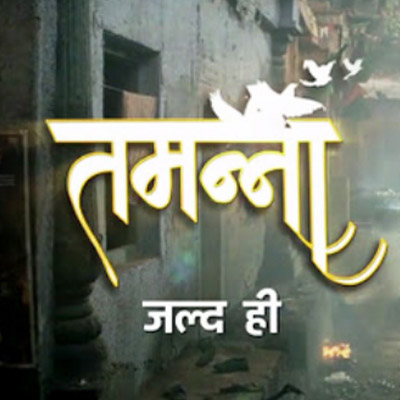
    On the other hand shows like Siya Ke Ram at 8 pm, Silsila Pyar Ka at 8:30 pm , Diya Aur Baati Hum at 9pm, Yeh Rishta Kya Kehlata  Hai at 9:30 pm, Tamanna  at 10 pm and channels upcoming show Dehleez at 10 :30 pm was slated on weekdays only. But now after Star’s decision to extend the weekday programming the shows will run all seven days.

  • Star Plus enhances fiction programming; goes seven days

    Star Plus enhances fiction programming; goes seven days

    MUMBAI: Star India’s Hindi general entertainment channel (GEC) Star Plus is all set to redefine its fiction programming.


    The channel will run its primetime shows all seven days from Monday to Sunday.


    All the shows between 8.00 PM to 10.30 PM slot will be aired on Saturdays and Sundays as well.


    A source close to the development informed Indiantelevision.com, “The step is taken to give fiction more importance. The channel is going to aggressively promote and back its fiction programming. This is why the reality show Nach Baliye’s season 8 has been kept on hold for atleast two months.”


    The channel had already extended its early primetime slot by stretching all the shows slotted between 5 pm to 7.30 pm to all seven days. Mohi – Ek Khawab Ke Khilne Ki KahaniMere Agne MeinSuhani Si Ek Ladki, Saath Nibhana Saathithya  and Yeh Hai Mohabbatein.


    On the other hand shows like Siya Ke Ram at 8 pm, Silsila Pyar Ka at 8:30 pm , Diya Aur Baati Hum at 9pm, Yeh Rishta Kya Kehlata  Hai at 9:30 pm, Tamanna  at 10 pm and channels upcoming show Dehleez at 10 :30 pm was slated on weekdays only. But now after Star’s decision to extend the weekday programming the shows will run all seven days.

  • ‘Costume drama is not everybody’s cup of tea:’ Nikhil Sinha

    ‘Costume drama is not everybody’s cup of tea:’ Nikhil Sinha

    With the increase in the number of television channels in India, the demand for content producers has gone up, which in turn has seen many a new players making their entry into the industry that was once monopolised by a handful few. One such new production house is Triangle Film Company helmed by Nikhil Sinha, which has made its mark in a short-period with its social, historical and mythological shows.


    After producing shows like Baba Aisa Var Dundho, Akbar Birbal, Adventure of Hatim and Devo Ke Dev Mahadev, Sinha’s Triangle Film Company is now busy with its new show Siya Ke Ram on Star Plus.


    In conversation with Indiantelevision.com’s Sonam Saini, Sinha shares his views on the television content space in India, his experience of producing costume dramas and more. 


    Excerpts:


    From director of photography to producer of ‘Baba Aisa Var Dundho,’ how has been the journey so far?

    The journey has been superb and amazing so far from director of photography to director to producer. It has been like an accreditation from one to another.


    What according to you is the most challenging genre for television production?

    The entire production game itself is a very challenging task. From direction to production everything is a task. When it comes to genres, then obviously costume dramas are the most challenging ones because they are more elaborate and scaled.


    While in social dramas, you can make a show with 70 – 80 people in a unit, in costume dramas no less than 200 – 300 people are involved. Moreover, a lot of aspects are involved from pre-production to set-designing to shooting and graphics. So there are more layers here and hence it’s more challenging.


    Apart from television, has Triangle Film Company started creating content for other platforms?

    We are working on a few concepts for the digital platform but there’s nothing concrete as yet. We believe that when we do something for the digital platform, it needs to have a unique proposition and we’re waiting to find that.


    From the company’s launch to now, how would you rate yourself in terms of creating unique concept shows?

    From the time I started my company, we have worked on five shows including Baba Aisa Var Dundho, Devo Ke Dev Mahadev, Adventure of Hatim, Akbar Birbal and Siya Ke Ram. Moreover, we produced four shows in five years and they all are quite unique. They have been the most talked about shows for their concept and production. Therefore, we have been able to fulfil the vision that the company was launched with. I am happy with the way we are producing shows, which will be remembered over the years.  


    What sets Triangle Film Company apart from the other content production houses in the industry?

    The desire to deliver quality content, which oozes positivity. In all our shows, we have tried to cover different strata of society. We are not only making shows for the masses but also for the elite and niche classes.


    Our show Mahadev was watched by everyone across the country. The idea is to create the content for the entire family and the society as a whole and that’s what makes us different from the others.


    We have set the bar high and that I believe is the most important thing. So every time we create a show, we set a higher benchmark in the industry so that we can compete with the western world. That is the basic philosophy that we follow.


    Mythology has become a popular genre on Indian television and you’ve also dabbled in the genre. What’s the lure there given that they are more expensive in terms of production?

    The more expensive the show, the more hard work it requires. You have to have more scale, bigger sets and a host of people are required. It is basically the nature of accepting challenges that is what drives us towards the mythological genre. Moreover, costume drama is not everybody’s cup of tea. It takes a lot of courage and hard work to produce such shows. 


    Are mythological shows a profitable proposition?

    Whether you do a social, fantasy or mythological show, the profit is always calculated in terms of ratio or percentage. If you have Rs 1 lakh and the profit margin is five per cent, then you end up making a profit of Rs 5 lakh. It is a percentage, which is important and that percentage remain the same, no matter what the production is. So the kind of return one gets depends on the kind of money spent.


    To produce a costume drama, you have to invest lot of money. People talk about the revenue generated from costume dramas but nobody sees the amount of investment that a producer puts in. 

    But like I said, whether it is social drama or a costume drama, the percentage remains the same.


    Siya Ke Ram is a story from Sita’s perspective. What was the idea behind coming up with a show like this and how is it different from other traditional mythological shows?

    Conceptually, Ram and Sita’s story has always been seen in a very typical format, which has been like a bakhti-rass. So to touch the story at a micro level from a human point of view was very important. So far the show has been doing that and it has been accepted by the audience. 


    In terms of approach and visuals, not a lot of money was invested in the show. However, what is more important is how the show is conceived and not much was spent on making it. You can have all the money in the world and no product, and at the same time limited money can give you good output. Siya Ke Ram is that kind of show, which doesn’t have too much money in it but looks rich. The idea was to create a very different show, which was the biggest challenge because we created a benchmark with Mahadev.


    Siya Ke Ram has created a new trend in terms of visuals, and how a production can look grand on Indian television.


    This is the second time you are working with Devdutt Pattanaik. How was the experience working with him? 

    Enlightening! With the kind of answers, philosophy and insights that he has, it has been a great experience working with him.


    Can you elaborate on the association? Is he helping you out with his insights on screenplay given that he has penned a book called ‘Sita’?

    On shows like Mahadev and Siya Ke Ram, it is philosophy that matters and these characters are made out of that philosophy of life. In order to decode, understand and make it in a story format, you need someone who can explain it to you and that’s the role he played in the show. He provides the philosophy on the subject.  


    In just a few weeks, the show gained immense popularity. Did you expect that response? What according to you has worked in the show’s favour?

    Yes, we put a lot of hard work into it and we went many extra miles. We are expecting more popularity from this. I think we’ve only just started and in coming days, this show has the potential to become the biggest show in India. The visuals and unique story line is getting a lot of traction and people are now getting connected with the characters.


    Is the company also looking at producing non-fiction shows?

    I have never restricted myself to any one kind of genre. I am open to all the genres as a director also and as a producer too. If something interesting comes up, then I will definitely do that it.


    How has 2015 been for Triangle Film Company?

    It was good but it was mostly a year of preparing for Siya Ke Ram.


    What is your opinion on Intellectual Property staying with the channel? Don’t you think it should be remain with the production house?  

    Certainly, it should. The IP should remain with the person who conceived the idea.


    Nowadays they have a different definition and our previous generation has given away this right to the channel because 25 years back, the IP of a show vested with the production house. However, somehow it went to channels and now we are the victims.


    The IP should remain with the producer or at least should be shared with the producer because the person who is creating and putting in all the hard work doesn’t get anything out of it. Whereas the person who is providing the platform for telecast gets everything. It’s not very fair but I hope it will change soon. 


    With the number of channels increasing every year, how is Triangle poised to cater to the increasing content demand?

    We have to expand ourselves and create many more programmes now. The need of the hour is immense and we will certainly rise up to the occasion and churn out more content for multiple platforms.


    According to you, what is lacking in the television content production space in India? And how does Triangle aim to fill that void?

    Television is one place where we can the herd mentality being followed. If one channel creates a trend, others immediately start chasing the same and it becomes the routine. What’s more, the audience also laps up these trends. I believe that the audience hasn’t created us but we have created the audience. Twenty years back people loved shows likeBuniyad or Bharat Ek Khoj, which were intelligent shows even when the literacy rate was much lower. Now, even though the literacy rate is much higher and people have advanced and are modern, they still tend to like clichéd shows. I would say the fault is ours because the audience sees what we throw at them.


    I have realised that since a couple of years, television viewership has also declining because of poor content. We should take the responsibility of delivering quality content. While it might not reap us benefits immediately, it will definitely help us to build the platform in the future.


    What according to you were the key production highlights and landmarks on Indian television in 2015?

    According to me, nothing happened good. There were no remarkable or promising launches on Indian television in 2015.


    With so many production companies in the fray, making and selling content to broadcasters is a fragmented business. How difficult is it to sustain growth in such a scenario?

    Earlier, it was a monopolised business but competition was inevitable. Television production is a space for everybody and anybody. Competition is good as it only makes you work hard in order to sustain.


    Content production is an expensive proposition. Has the company broken even since launch?

    Yes, certainly… long back. We are not a channel where the investment is huge and the reward is good. Production houses work on a project basis and not on a yearly basis.


    What can we expect from Triangle in the coming year?

    Good, nice and bigger shows in the future, which are a class apart and will raise the level of our industry.

  • ‘Costume drama is not everybody’s cup of tea:’ Nikhil Sinha

    ‘Costume drama is not everybody’s cup of tea:’ Nikhil Sinha

    With the increase in the number of television channels in India, the demand for content producers has gone up, which in turn has seen many a new players making their entry into the industry that was once monopolised by a handful few. One such new production house is Triangle Film Company helmed by Nikhil Sinha, which has made its mark in a short-period with its social, historical and mythological shows.


    After producing shows like Baba Aisa Var Dundho, Akbar Birbal, Adventure of Hatim and Devo Ke Dev Mahadev, Sinha’s Triangle Film Company is now busy with its new show Siya Ke Ram on Star Plus.


    In conversation with Indiantelevision.com’s Sonam Saini, Sinha shares his views on the television content space in India, his experience of producing costume dramas and more. 


    Excerpts:


    From director of photography to producer of ‘Baba Aisa Var Dundho,’ how has been the journey so far?

    The journey has been superb and amazing so far from director of photography to director to producer. It has been like an accreditation from one to another.


    What according to you is the most challenging genre for television production?

    The entire production game itself is a very challenging task. From direction to production everything is a task. When it comes to genres, then obviously costume dramas are the most challenging ones because they are more elaborate and scaled.


    While in social dramas, you can make a show with 70 – 80 people in a unit, in costume dramas no less than 200 – 300 people are involved. Moreover, a lot of aspects are involved from pre-production to set-designing to shooting and graphics. So there are more layers here and hence it’s more challenging.


    Apart from television, has Triangle Film Company started creating content for other platforms?

    We are working on a few concepts for the digital platform but there’s nothing concrete as yet. We believe that when we do something for the digital platform, it needs to have a unique proposition and we’re waiting to find that.


    From the company’s launch to now, how would you rate yourself in terms of creating unique concept shows?

    From the time I started my company, we have worked on five shows including Baba Aisa Var Dundho, Devo Ke Dev Mahadev, Adventure of Hatim, Akbar Birbal and Siya Ke Ram. Moreover, we produced four shows in five years and they all are quite unique. They have been the most talked about shows for their concept and production. Therefore, we have been able to fulfil the vision that the company was launched with. I am happy with the way we are producing shows, which will be remembered over the years.  


    What sets Triangle Film Company apart from the other content production houses in the industry?

    The desire to deliver quality content, which oozes positivity. In all our shows, we have tried to cover different strata of society. We are not only making shows for the masses but also for the elite and niche classes.


    Our show Mahadev was watched by everyone across the country. The idea is to create the content for the entire family and the society as a whole and that’s what makes us different from the others.


    We have set the bar high and that I believe is the most important thing. So every time we create a show, we set a higher benchmark in the industry so that we can compete with the western world. That is the basic philosophy that we follow.


    Mythology has become a popular genre on Indian television and you’ve also dabbled in the genre. What’s the lure there given that they are more expensive in terms of production?

    The more expensive the show, the more hard work it requires. You have to have more scale, bigger sets and a host of people are required. It is basically the nature of accepting challenges that is what drives us towards the mythological genre. Moreover, costume drama is not everybody’s cup of tea. It takes a lot of courage and hard work to produce such shows. 


    Are mythological shows a profitable proposition?

    Whether you do a social, fantasy or mythological show, the profit is always calculated in terms of ratio or percentage. If you have Rs 1 lakh and the profit margin is five per cent, then you end up making a profit of Rs 5 lakh. It is a percentage, which is important and that percentage remain the same, no matter what the production is. So the kind of return one gets depends on the kind of money spent.


    To produce a costume drama, you have to invest lot of money. People talk about the revenue generated from costume dramas but nobody sees the amount of investment that a producer puts in. 

    But like I said, whether it is social drama or a costume drama, the percentage remains the same.


    Siya Ke Ram is a story from Sita’s perspective. What was the idea behind coming up with a show like this and how is it different from other traditional mythological shows?

    Conceptually, Ram and Sita’s story has always been seen in a very typical format, which has been like a bakhti-rass. So to touch the story at a micro level from a human point of view was very important. So far the show has been doing that and it has been accepted by the audience. 


    In terms of approach and visuals, not a lot of money was invested in the show. However, what is more important is how the show is conceived and not much was spent on making it. You can have all the money in the world and no product, and at the same time limited money can give you good output. Siya Ke Ram is that kind of show, which doesn’t have too much money in it but looks rich. The idea was to create a very different show, which was the biggest challenge because we created a benchmark with Mahadev.


    Siya Ke Ram has created a new trend in terms of visuals, and how a production can look grand on Indian television.


    This is the second time you are working with Devdutt Pattanaik. How was the experience working with him? 

    Enlightening! With the kind of answers, philosophy and insights that he has, it has been a great experience working with him.


    Can you elaborate on the association? Is he helping you out with his insights on screenplay given that he has penned a book called ‘Sita’?

    On shows like Mahadev and Siya Ke Ram, it is philosophy that matters and these characters are made out of that philosophy of life. In order to decode, understand and make it in a story format, you need someone who can explain it to you and that’s the role he played in the show. He provides the philosophy on the subject.  


    In just a few weeks, the show gained immense popularity. Did you expect that response? What according to you has worked in the show’s favour?

    Yes, we put a lot of hard work into it and we went many extra miles. We are expecting more popularity from this. I think we’ve only just started and in coming days, this show has the potential to become the biggest show in India. The visuals and unique story line is getting a lot of traction and people are now getting connected with the characters.


    Is the company also looking at producing non-fiction shows?

    I have never restricted myself to any one kind of genre. I am open to all the genres as a director also and as a producer too. If something interesting comes up, then I will definitely do that it.


    How has 2015 been for Triangle Film Company?

    It was good but it was mostly a year of preparing for Siya Ke Ram.


    What is your opinion on Intellectual Property staying with the channel? Don’t you think it should be remain with the production house?  

    Certainly, it should. The IP should remain with the person who conceived the idea.


    Nowadays they have a different definition and our previous generation has given away this right to the channel because 25 years back, the IP of a show vested with the production house. However, somehow it went to channels and now we are the victims.


    The IP should remain with the producer or at least should be shared with the producer because the person who is creating and putting in all the hard work doesn’t get anything out of it. Whereas the person who is providing the platform for telecast gets everything. It’s not very fair but I hope it will change soon. 


    With the number of channels increasing every year, how is Triangle poised to cater to the increasing content demand?

    We have to expand ourselves and create many more programmes now. The need of the hour is immense and we will certainly rise up to the occasion and churn out more content for multiple platforms.


    According to you, what is lacking in the television content production space in India? And how does Triangle aim to fill that void?

    Television is one place where we can the herd mentality being followed. If one channel creates a trend, others immediately start chasing the same and it becomes the routine. What’s more, the audience also laps up these trends. I believe that the audience hasn’t created us but we have created the audience. Twenty years back people loved shows likeBuniyad or Bharat Ek Khoj, which were intelligent shows even when the literacy rate was much lower. Now, even though the literacy rate is much higher and people have advanced and are modern, they still tend to like clichéd shows. I would say the fault is ours because the audience sees what we throw at them.


    I have realised that since a couple of years, television viewership has also declining because of poor content. We should take the responsibility of delivering quality content. While it might not reap us benefits immediately, it will definitely help us to build the platform in the future.


    What according to you were the key production highlights and landmarks on Indian television in 2015?

    According to me, nothing happened good. There were no remarkable or promising launches on Indian television in 2015.


    With so many production companies in the fray, making and selling content to broadcasters is a fragmented business. How difficult is it to sustain growth in such a scenario?

    Earlier, it was a monopolised business but competition was inevitable. Television production is a space for everybody and anybody. Competition is good as it only makes you work hard in order to sustain.


    Content production is an expensive proposition. Has the company broken even since launch?

    Yes, certainly… long back. We are not a channel where the investment is huge and the reward is good. Production houses work on a project basis and not on a yearly basis.


    What can we expect from Triangle in the coming year?

    Good, nice and bigger shows in the future, which are a class apart and will raise the level of our industry.
  • BARC week 3: Zee Anmol drops to No. 4; Sony out, DD National in

    BARC week 3: Zee Anmol drops to No. 4; Sony out, DD National in

    MUMBAI: Zee Entertainment Enterprises Ltd’s (ZEEL) free-to-air channel Zee Anmol, which received a major fillip with the release of the rural inclusive data from Broadcast Audience Research Council (BARC) India last year, has been slowly climbing down the rungs in the opening weeks of 2016.


    After making an entry in the third spot in the maiden all India (urban + rural) data last year, Zee Anmol climbed up the charts, even managing to pip markets leader Star Plus to claim the No. 1 slot last year. With the rise of Colors in the closing weeks of 2015 to the top slot, Zee Anmol continued its hold on the second position.


    However, in week 2 of 2016, Star Plus climbed to the second spot, which pushed Zee Anmol to the third rung. And now in week 3, Zee TV has climbed up to the third position, pushing Zee Anmol to the fourth place in the Hindi GECs’ pecking order.


    On the other hand, Colors continued to lead the genre though it saw a decline in ratings, while Star Plus maintained its second spot in week 3 of BARC all India data.


    The third week of BARC saw DD National re-entering the Top 10 Hindi GECs list, while Sony Entertainment Television made an exit.


    Colors grabbed the leadership position with 701098 (‘000s) as against 762023 (‘000s) in the previous week. Following it was Star Plus with 681775 (‘000s) in the second slot.


    Zee TV climbed up to the third position with 647201 (‘000s), while Zee Anmol stood at number four with 638381 (‘000s).
     

    Star India’s FTA channel Star Ustav maintained its place in the fifth place with 437498 (‘000s), followed by Life OK in the sixth slot with 427374 (‘000s).
     
    Sony Pal with 394987 (‘000s) and Rishtey with 393743 (‘000s) stood at the seventh and eighth positions respectively.
     

    Sab TV bagged the ninth place in the genre with 361055 (‘000s), while DD National made its presence felt at the tenth position with 329478 (‘000s).

  • BARC week 3: Zee Anmol drops to No. 4; Sony out, DD National in

    BARC week 3: Zee Anmol drops to No. 4; Sony out, DD National in

    MUMBAI: Zee Entertainment Enterprises Ltd’s (ZEEL) free-to-air channel Zee Anmol, which received a major fillip with the release of the rural inclusive data from Broadcast Audience Research Council (BARC) India last year, has been slowly climbing down the rungs in the opening weeks of 2016.


    After making an entry in the third spot in the maiden all India (urban + rural) data last year, Zee Anmol climbed up the charts, even managing to pip markets leader Star Plus to claim the No. 1 slot last year. With the rise of Colors in the closing weeks of 2015 to the top slot, Zee Anmol continued its hold on the second position.


    However, in week 2 of 2016, Star Plus climbed to the second spot, which pushed Zee Anmol to the third rung. And now in week 3, Zee TV has climbed up to the third position, pushing Zee Anmol to the fourth place in the Hindi GECs’ pecking order.


    On the other hand, Colors continued to lead the genre though it saw a decline in ratings, while Star Plus maintained its second spot in week 3 of BARC all India data.


    The third week of BARC saw DD National re-entering the Top 10 Hindi GECs list, while Sony Entertainment Television made an exit.


    Colors grabbed the leadership position with 701098 (‘000s) as against 762023 (‘000s) in the previous week. Following it was Star Plus with 681775 (‘000s) in the second slot.


    Zee TV climbed up to the third position with 647201 (‘000s), while Zee Anmol stood at number four with 638381 (‘000s).
     

    Star India’s FTA channel Star Ustav maintained its place in the fifth place with 437498 (‘000s), followed by Life OK in the sixth slot with 427374 (‘000s).
     
    Sony Pal with 394987 (‘000s) and Rishtey with 393743 (‘000s) stood at the seventh and eighth positions respectively.
     

    Sab TV bagged the ninth place in the genre with 361055 (‘000s), while DD National made its presence felt at the tenth position with 329478 (‘000s).

  • Colors maintains stranglehold on No. 1 position: BARC week 2

    Colors maintains stranglehold on No. 1 position: BARC week 2

    MUMBAI: Colors has kept its stranglehold on the No. 1 position in the Hindi general entertainment channels (GECs) genre in week 2  Broadcast Audience Research Council (BARC) all India data. 


    Star Plus pipped last week’s No. 2 – the free to air (FTA) channel Zee Anmol – to climb up to the second spot, thus pushing the latter to the third position.


    Colors grabbed the leadership position with 762023 (‘000s) followed by Star Plus, which saw a rise in ratings with 727809 (‘000s) as against 699211 (‘000s) in the previous week.


    Zee Anmol at the third spot stood with 682983 (‘000s) as against 719713 (‘000s). 


    Though Zee Entertainment Enterprises’ flagship Hindi GEC Zee TV saw a fall in ratings, it maintained its claim on the fourth spot with 636989 (‘000s) as against 681259 (‘000s) in the previous week. At fifth spot was Star India’s FTA channel Star Ustav with 506714 (‘000s), followed by Life OK in the sixth slot with 425798 (‘000s).


    Rishtey with 365968 (‘000s) and Sony Pal with 339073 (‘000s) stood at the seventh and eighth position respectively.


    While Sony Entertainment Television grabbed the ninth spot in the genre with 325509 (‘000s), Sony’s comedy channel Sab TV fell to the tenth spot with 323649 (‘000s).

  • Colors maintains stranglehold on No. 1 position: BARC week 2

    Colors maintains stranglehold on No. 1 position: BARC week 2

    MUMBAI: Colors has kept its stranglehold on the No. 1 position in the Hindi general entertainment channels (GECs) genre in week 2  Broadcast Audience Research Council (BARC) all India data. 


    Star Plus pipped last week’s No. 2 – the free to air (FTA) channel Zee Anmol – to climb up to the second spot, thus pushing the latter to the third position.


    Colors grabbed the leadership position with 762023 (‘000s) followed by Star Plus, which saw a rise in ratings with 727809 (‘000s) as against 699211 (‘000s) in the previous week.


    Zee Anmol at the third spot stood with 682983 (‘000s) as against 719713 (‘000s). 


    Though Zee Entertainment Enterprises’ flagship Hindi GEC Zee TV saw a fall in ratings, it maintained its claim on the fourth spot with 636989 (‘000s) as against 681259 (‘000s) in the previous week. At fifth spot was Star India’s FTA channel Star Ustav with 506714 (‘000s), followed by Life OK in the sixth slot with 425798 (‘000s).


    Rishtey with 365968 (‘000s) and Sony Pal with 339073 (‘000s) stood at the seventh and eighth position respectively.


    While Sony Entertainment Television grabbed the ninth spot in the genre with 325509 (‘000s), Sony’s comedy channel Sab TV fell to the tenth spot with 323649 (‘000s).

  • Sab to replace ‘Yam Hai Hum’ with Optimystix’s ‘Woh Teri Bhabhi Hai Pagle’

    Sab to replace ‘Yam Hai Hum’ with Optimystix’s ‘Woh Teri Bhabhi Hai Pagle’

    MUMBAI: Broadcasters are ringing in this new year with a host of new shows for viewers. After channels like Star Plus, Life OK, Zee TV et al are prepping to launch new shows this month, now Sab TV is all set to launch a romantic comedy titled Woh Teri Bhabhi Hai Pagle produced by Vipul Shah’s Optimystix Entertainment. The show will launch on 18 January and be aired at 10:30 pm from Monday to Friday.


    It will replace Swastik Productions’ Yam Hai Hum, which is going off air from 15 January. Yam Hai Hum was launched on 15 December, 2014 and will complete the journey of 283 episodes on Sab TV.


    Woh Teri Bhabhi Hai Pagle will have a hilarious love triangle set amidst a hospital and will present a fresh concept of a love clash between two men, Nathu Nakabandi (Ali Asgar) and Dr. Ranbir (Ather Habib) for the pretty Dr. Diya (Krishna Gokani).


    A source close to the development informs Indiantelevision.com, “The approximate per episode expenditure of the show is approximately Rs 6 – 7 lakh.”  


    Commenting on the launch of the show, Sab TV senior executive vice president & business head Anooj Kapoor said, “The idea was just to come up with a romantic comedy and the title and concept of the show itself is very clear. We have done several shows together with Optimystix and Woh Teri Bhabhi Hai Pagle is another show in that direction. Sab TV and Optimystix have had a very fruitful relationship for several years and we are hoping to deliver another successful show together.”


    Talking about the infinite nature of the show, Kapoor informed, “It’s very difficult to comment when the show does well; the audience continues to enjoy the show. Currently we have shot four – five episodes for the show but our initial contract with the production house is for 130 episodes. So let’s see where it goes.”


    Sab TV will be going all out to aggressively promote Woh Teri Bhabhi Hai Pagle across 360 degree marketing mediums including TV, print, radio, digital and outdoor.


    In addition to a series of seven rib-tickling promos, Sab TV has produced a music video sung by Kumar Sanu, which is being played out on leading music channels.


    On digital, the channel has developed a unique engagement game through a microsite, which features rivalry between Dr Ranbir and Nathu over Dr Diya. Fans can help Dr Ranbir win Dr Diya, by tweeting #Tweet4Rabir or Nathu by tweeting #Tweet4Nathu.


    Optimystix Entertainment India CCO & MD Vipul D Shah said, “We were thinking of coming up with a show based on a romantic youth comedy and we’ve not dabbled in this genre since a long time, so we decided to bring in the concept of a love triangle. I think Woh Teri Bhabhi Hai Pagle is a classic format when two men love one woman.”


    Some of the shows by Optimystix, which have previously aired on Sab TV include Sajan Re Jhooth Mat Bolo, Pappad PolBaalveer and Sab Ke Anokhe Awards.


    “Comedy is an interesting genre. I think humour always grabs eyeballs. At a time when so many dramas and saas-bahu soaps are running, there is a large audience, which needs comedy shows. And that’s what they come to Sab TV for. Comedy has always been my preferred genre,” said Shah.

  • Star Plus set to replace ‘Sumit Sambhal Lega’ with RDP’s ‘Tamanna’ on 1 February

    Star Plus set to replace ‘Sumit Sambhal Lega’ with RDP’s ‘Tamanna’ on 1 February

    MUMBAI: Star Plus is all set to replace the Indian adaptation of Everybody Loves Raymond – Sumit Sambhal Lega, with a new show called Tamanna, from 1 February.


    The show, produced by Ramesh Deo Productions, will be aired at 10 pm from Monday-Friday. 


    Meanwhile Sumit Sambhal Lega, which went off air on 9 January, will enjoy its presence on the channel till 30 January in the form of Best of Sumit Sambhal Lega during the same time slot of 10 pm.


    Tamanna is based on the life of a female cricketer. The story will revolve around a woman who wants to become a cricketer and the sacrifices she makes to make her dream successful. 


    Tamanna in the 10 pm time band will be pitched against others programmes across Hindi GECs like Colors’ prime time show Meri Aashiqui Tum Se Hi, which is among the top rated show in Broadcast Audience Research Council (BARC) India rating. On the other hand, it will also compete against Zee TV’s Yeh Vaada Raha, Life OK’s Savdhan India, India fights Back; Sab TV’s new show Sahib Biwi Aur Boss, which was launched on 21 December, &TV’s Begusarai and Sony Entertainment Television’s Power Couple.