Tag: Star India

  • ‘Love Cinema Live Cinema’ with Tata Sky’s new service

    ‘Love Cinema Live Cinema’ with Tata Sky’s new service

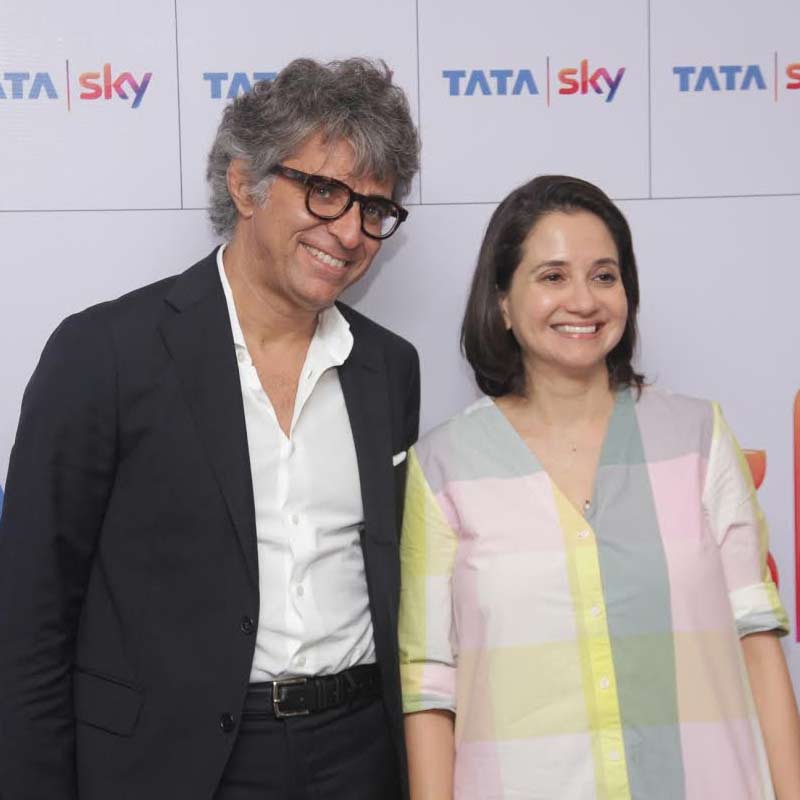
    MUMBAI: If you are a passionate movie-lover but miss screenings or are closely related to some aspect of filmmaking which only few are privy to, you need not worry at all as Tata Sky has brought in a solution. After brainstorming for a year, the DTH player has launched a first-of-its-kind service in cooperation with the Jio MAMI Festival with Star. Purpose: To retain and make their existing subscribers happy. This comes after a successful run of its kids showcase which will now be replaced with this new initiative. 

    An ad-free service, Tata Sky Mumbai Film Festival will not just cheer up the movie buffs but will also highlight the efforts that are invested during the film festival.

    With no additional cost, this service is available to all the subscribers irrespective of their package, set top box, demography and geography.  Despite having a very good story line, made in high quality, movies sometimes do not find their way to the public. The idea with this initiative is to give niche movies a boost by screening them on TV.

    Starting from 7 October, the service will be available on channel no 302 &302 in both SD and HD. The temporary service will complement the new edition of the film festival and will also be a catch-up for all the movies that were premiered in the previous editions. It  will run three films on a daily basis and already has 20+ movies to air from renowned Indian and international directors in multiple languages.

    Silent films, movies made in Hindi, English, Assamese, Marathi, Malayalam, Punjabi, Arabic, Russian, French, etc will be featured on this service for the subscribers.  They can also enjoy works of directors like Hansal Mehta, Anup Singh, Ravi Jadav, Bikas Mishra, Pan Nalin, Nitin Kakkar, Lea Hjort Mathiesen.

    “We are not selling this service. We care enough to curate and create a mix of some popular and some hidden gems from the field of film-making for our viewers from the last few editions of the Mumbai Film Festival. We have several people who pay us on a monthly basis. We are in the business of acquiring subscribers but we also have to retain them. Sometimes you do things because you want to make them happy. The monetizing cannot always be direct and immediate. The ambition and aspiration with this is that people will be more loyal to us after this,” asserts  Tata Sky chief content and business development officer Paolo Agostinelli.

    Agostinelli further adds, “We have talked to the producers and have bought rights for selective titles. We did not want them exclusively with us. A person can still put it on his/her digital platform, we are just giving them one extra opportunity. Technology is only going to make good stories available to people who deserve and want to watch them.”

    Through this unsponsored yet innovative initiative, subscribers can look forward to an exciting mix of award winning and nominated features, short films, documentaries, animations covering varied genres of comedy, drama, thriller, mystery, crime and adventure. The promising star casts include names such as Sanjay Suri, Irfan Khan, Seema Biswas, Atul Kulkarni, Tisca Chopra, Soham Maitra, Manoj Bajpai, Rajkummar Rao, etc.

    MAMI Festival director Anupama Chopra added, “We were delighted when Tata Sky extended their support and suggested taking these curated films from both Indian and international to viewers living across the country. This unique and unconventional approach just goes to prove that the entertainment and media industry needs to come together for the benefit of the extraordinary passion and talent of movie makers and lovers in India.”

    Research was done to make good movies available for people at a different level. This service will bring a selection of movies from the film festival on TV giving them exposure at a different level.

    “The fact that this MAMI Festival needs to be promoted and needs awareness is what we are working for. India is the most prolific and probably the most receptive movie country in the world. The number of people who are passionate about movies and the number  of people working in the film industry  are enormous. So, people care about movies here.”

    Several DTH players have expanded their services to rural India which is only expanding. Agostinelli is of the opinion that the people living in rural areas were sometimes more educated about movies than urban. He said, “Rural market is definitely a huge market and is expanding enormously. People there are equally passionate and love entertainment as in cities. So, we aim to serve also this potential subscribers.”

    The initiative will be promoted through direct marketing  via its various other channel. They will also leverage social media. All the normal modes through which their subscriber is in touch will be used. Agostinelli is also of the opinion that the DTH industry has place for more players. “There is enough space for many players to serve this industry.” 

    Tata Sky will continue to explore new ideas and take up various initiatives to make a difference in this competitive industry. They might look at other festivals depending on the success  with this one. 

    With such initiatives in its kitty and presence in 1.5 lakh towns, it only plans to expand in the future. It currently has 418 SD, 77 HD channels, 15 interactive service, 6 SD, 6 HD movie showcase platforms and several interactive services.

    http://www.indiantelevision.com/sites/drupal7.indiantelevision.co.in/files/styles/large/public/tata-sky.jpg?itok=DrjyssM8

  • TRAI tariff order withdrawal: Star India joins ZEEL in appeal

    TRAI tariff order withdrawal: Star India joins ZEEL in appeal

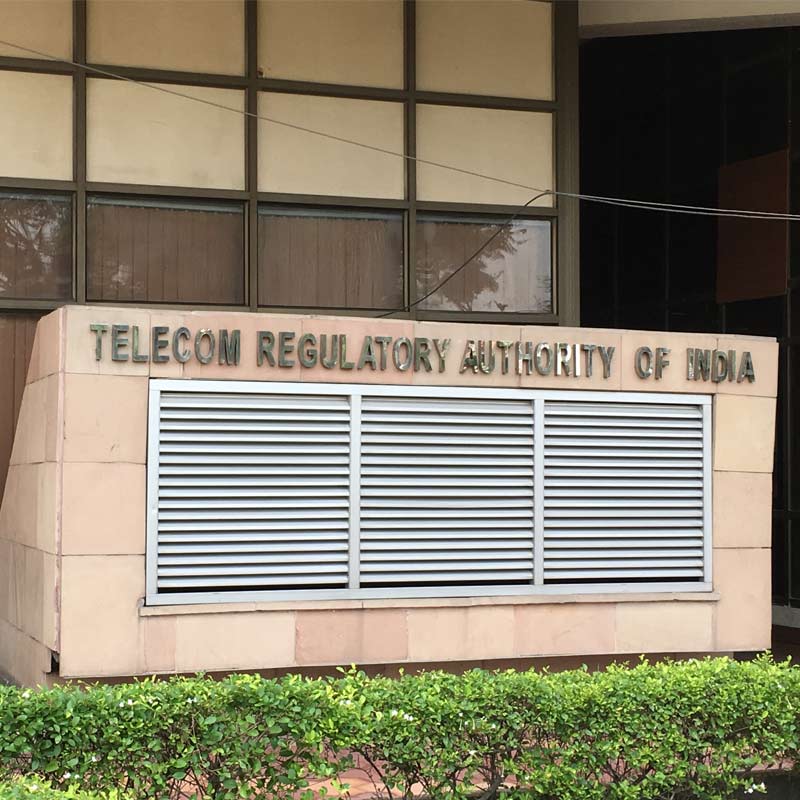
    NEW DELHI: Star India Pvt Ltd has been impleaded as a party in two appeals challenging the withdrawal by the Telecom Regulatory Authority of India of two inflation-linked Tariff Amendment Orders issued by it in 2014 and set aside by the Telecom Disputes Settlement and Appellate Tribunal.

    Observing that the adjudication in the matter will affect the whole sector especially broadcasters and distributors, Tribunal Member B B Srivastava said in his order of 28 September 2016 gave Star one week to file its affidavit and asked TRAI to reply within ten days of that.

    The Tribunal listed for 9 November 2016 the further hearing of the two appeals filed by Zee Entertainment Enterprise Ltd against the withdrawal of the TRAI tariff orders of 9 May this year.

    Earlier, Star counsel Gopal Jain said the Secvtion 8A of the Civil Procedure Code was clear that any party or parties that may be affected by a court decision could be impleaded and heard.

    However, TRAI counsel Kirtiman Singh said that Section 14A (3) of the TRAI Act provides a period of thirty days for filing an appeal. But he noted that a proviso says that the Tribunal can take note if there is sufficient reason for this.

    Observing that there is healthy growth in the industry with rise in revenues outstripping the increasing inflation over the years, TRAI had decided that two inflation-linked Tariff Amendment Orders issued by it in 2014 and set aside by the Tribunal are not required at present.

    Earlier, the Supreme Court had on an appeal from the Indian Broadcasting Foundation and another party also upheld the TDSAT order setting aside the amendments in two tariff orders which had sought to put an inflation-linked hike of 27.5 per cent on addressable and non-addressable systems.

    Holding the Telecommunication (Broadcasting & Cable) Services (Second) Tariff (Eleventh Amendment) Order 2014 of March 2014 and ‘The Telecommunication (Broadcasting & Cable) Services (Second) Tariff (Thirteenth Amendment) Order 2014 of December that year were ‘untenable’, the Tribunal had said it thought TRAI “will be well advised to have a fresh look at the various tariff orders in a holistic manner and come out with a comprehensive tariff order in supersession of all the earlier tariff orders.”

    In its directives withdrawing the orders, TRAI said: “During analysisof relevant data and the impact of various factors on the issue ofinflation linked hikes in tariff ceilings at the wholesale levels”, it had observed that the “annual revenues that actually accrued to the broadcasters had surpassed the estimated revenues that should have accrued to them after taking into account the year-on-year inflation as calculated using the GDP deflator. The compounded annual growth rate of the revenues accruing year-on-year to the broadcasters has also witnessed a positive growth. More importantly, this growth has kept well ahead of the estimate revenues compensated for the year-on-year change in the inflation using the GDP deflator.”

    The tariff hike had been challenged by Home Cable Network and the Centre for Transforming India, with Lucknow 9 Cable Network, Good Media News India Pvt Ltd, Sikkim Digital Network and Cable Combine Communication Siliguri as intervenors. Later, Indian Broadcasting Federation (IBF) supported the order as intervener while the other interveners who were Direct to Home (DTH) operators, Multi System Operators (MSOs), Association of Cable Operators/Cable Operators opposed the order on the same grounds as the Appellants.

  • TRAI tariff order withdrawal: Star India joins ZEEL in appeal

    TRAI tariff order withdrawal: Star India joins ZEEL in appeal

    NEW DELHI: Star India Pvt Ltd has been impleaded as a party in two appeals challenging the withdrawal by the Telecom Regulatory Authority of India of two inflation-linked Tariff Amendment Orders issued by it in 2014 and set aside by the Telecom Disputes Settlement and Appellate Tribunal.

    Observing that the adjudication in the matter will affect the whole sector especially broadcasters and distributors, Tribunal Member B B Srivastava said in his order of 28 September 2016 gave Star one week to file its affidavit and asked TRAI to reply within ten days of that.

    The Tribunal listed for 9 November 2016 the further hearing of the two appeals filed by Zee Entertainment Enterprise Ltd against the withdrawal of the TRAI tariff orders of 9 May this year.

    Earlier, Star counsel Gopal Jain said the Secvtion 8A of the Civil Procedure Code was clear that any party or parties that may be affected by a court decision could be impleaded and heard.

    However, TRAI counsel Kirtiman Singh said that Section 14A (3) of the TRAI Act provides a period of thirty days for filing an appeal. But he noted that a proviso says that the Tribunal can take note if there is sufficient reason for this.

    Observing that there is healthy growth in the industry with rise in revenues outstripping the increasing inflation over the years, TRAI had decided that two inflation-linked Tariff Amendment Orders issued by it in 2014 and set aside by the Tribunal are not required at present.

    Earlier, the Supreme Court had on an appeal from the Indian Broadcasting Foundation and another party also upheld the TDSAT order setting aside the amendments in two tariff orders which had sought to put an inflation-linked hike of 27.5 per cent on addressable and non-addressable systems.

    Holding the Telecommunication (Broadcasting & Cable) Services (Second) Tariff (Eleventh Amendment) Order 2014 of March 2014 and ‘The Telecommunication (Broadcasting & Cable) Services (Second) Tariff (Thirteenth Amendment) Order 2014 of December that year were ‘untenable’, the Tribunal had said it thought TRAI “will be well advised to have a fresh look at the various tariff orders in a holistic manner and come out with a comprehensive tariff order in supersession of all the earlier tariff orders.”

    In its directives withdrawing the orders, TRAI said: “During analysisof relevant data and the impact of various factors on the issue ofinflation linked hikes in tariff ceilings at the wholesale levels”, it had observed that the “annual revenues that actually accrued to the broadcasters had surpassed the estimated revenues that should have accrued to them after taking into account the year-on-year inflation as calculated using the GDP deflator. The compounded annual growth rate of the revenues accruing year-on-year to the broadcasters has also witnessed a positive growth. More importantly, this growth has kept well ahead of the estimate revenues compensated for the year-on-year change in the inflation using the GDP deflator.”

    The tariff hike had been challenged by Home Cable Network and the Centre for Transforming India, with Lucknow 9 Cable Network, Good Media News India Pvt Ltd, Sikkim Digital Network and Cable Combine Communication Siliguri as intervenors. Later, Indian Broadcasting Federation (IBF) supported the order as intervener while the other interveners who were Direct to Home (DTH) operators, Multi System Operators (MSOs), Association of Cable Operators/Cable Operators opposed the order on the same grounds as the Appellants.

  • Star India’s Gaurav Banerjee’s take on ‘P.O.W. – Bandi Yuddh Ke’

    Star India’s Gaurav Banerjee’s take on ‘P.O.W. – Bandi Yuddh Ke’

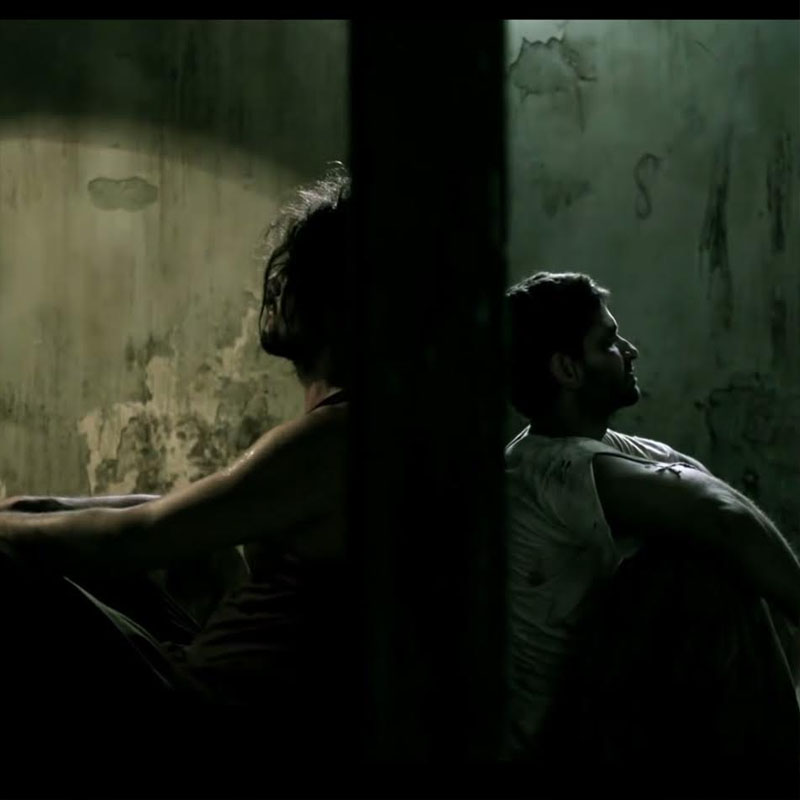
    MUMBAI: It has been labeled as the pioneer of saas bahu sagas. But, the leadership trio — Uday Shankar-Sanjay Gupta-Gaurav Banerjee — at the Twenty First Century Corp-owned Hindi GEC Star Plus — has over the past few years been working at breaking down this myth. The mantra has been create differentiated content with the help of real, relevant Indian stories and series. And, Star Plus’ latest effort, the Nikhil Advani-directed Israeli-show Hatufim Khatufim adaptation, P.O.W.- Yudh Ke Bandhi, is once again a reflection of that philosophy.

    ‘P.O.W. – Bandi Yuddh Ke’ is very Indian though it is adapted from leading Israeli format licensing house Keshet International’s successful 2010 series; it was also made into the runaway global hit ‘Homeland’, courtesy US cable network Showtime.

    The Indian version works as a large-scale high-octane family drama with a thriller backdrop. The story takes us through the journey of the lives of the two couples Harleen–Sartaj, Nazneen-Imaan and the aftermath of the return of the war heroes after 17 years, over 126 episodes.

    Two Indian PoWs Sartaj and Imaan — declared missing in action (MIA) after the Kargil war ends in 1999 — are rescued from the Indo-Pakistan border after escaping from captivity. They work to overcome the trauma of torture and captivity while settling back into their interrupted family lives.

    An ensemble cast of discerning actors like Purab Kohli, Sandhya Mridul, Amrita Puri, Satyadeep Mishra and Manish Chaudhari have teamed up for the project with Nikkhil Advani. While Purab plays a naib subedar in the Indian army, Mishra will be seen as an air force officer. And, the editor from the channel’s side is Saugata Mukherjee.

    Banerjee and his team chose the Israeli version created by Gideon Raff, which focuses on the emotional upheaval that the two soldiers and families face on their being locked away for 17 years and on their return to their homeland. The US adaptation worked more in the space of a thriller, and questioned whether the protagonist is a terrorist or not.

    Nikkhil Advani, whose company Emmay Entertainment is producing ‘P.O.W. – Bandi Yuddh Ke’, has been quoted in the media as saying: “I realised the real prisoners of war are the soldiers’ wives and families. The wives haven’t been able to move on with their lives…they have this sense of guilt that’s holding them back. They think, ‘What if he comes back?’…The story has a lot of emotions. Homeland is a little cold for Indians. Indians inherently love emotion.”

    Indiantelevision.com had an interaction with Star India deputy chief creative officer Gaurav Banerjee yesterday and he had his own take on the show. Said he: “P.O.W is a deeply emotional story. But, we have thriller dimensions as well. I think for us the difference is that this an Asian story but it was set up in Israel. We found a very strong Indian context in it and also the story in itself is very different. It’s s an art — a challenging art — writing a fresh story and adapting a great story in the current context and in an Indian milieu. We have worked hard on the story over two years.”

    Banerjee admitted that a decision on the time slot and exact launch date for the show has yet to be taken. But, sources expect the airdate to be late October, late prime and that it will run from Monday to Saturday.

    ‘P.O.W. – Bandi Yuddh Ke’ has been under development for two years. And, both Advani and the channel consulted army experts to help maintain accuracy in the writing and while shooting. Filming started earlier this year in locales in Punjab and Mumbai. In all, 36 episodes of the show have been canned. “We have used a proper balance of real-life locations, special effects and VFX,” said Banerjee.

    The channel has roped in two brands Tiago and Patanjali Kesh Kanti as co- powered by sponsors. One can expect some amount of brand integration of the two in the show as is the practice on television these days.

    Highlighted Banerjee: “It’s a big Diwali launch for us and you can expect us to be little ambitious about this. Since, it’s a finite series, we started with the trailer. It will be followed by more glimpses of the characters as we go along. The music has played a very good role in grafting the story and that is important as we set up the marketing of the show. Also we want all kinds of media to be a part of it but moreover we believe in the story.”

    Banerjee is hopeful that Indian viewers will celebrate P.O.W with Star Plus. He stated: “Star Plus is known for great stories. One of the big things for us is to be the platform where viewers gets the best stories, concepts and content. Sixteen years ago, we started with ‘Kaun Banega Crorepati’, which was the first format we adapted from the US and, last year, we did the show ‘Sumit Sambhal Lega’ which was also an adaptation of the big Hollywood iconic show Everybody Loves Raymond. We always want to be the platform for India’s best stories. Therefore, our goal is to bring original stories and also some great stories from the world to the larger Indian audience.”

    Says a media observer: “What could work in Star Plus’ favour is the timing of ‘P.O.W –Yudh Ke Bandhe.’ Indo-Pak relations are at near boiling point following the massacre of Indian soldiers in Uri by Pakistan-backed terrorists, and the incidents and debate thereafter has captured the minds and hearts of Indians. Emotions are running high as most in India want a resolution of the decades-long conflict between the two nations. The story could well strike an emotional cord with Indians who want to see some action from India’s side.”

    Banerjee laughed off the insinuation that show was fortuitous in its timing. “You would like us to believe that,” he said.

    But, in his heart of hearts, he probably knows that the airdate for ‘P.O.W. – Bandi Yuddh Ke’ could not have been timed better, and Star Plus may well have cottoned on to a winner.

  • Star India’s Gaurav Banerjee’s take on ‘P.O.W. – Bandi Yuddh Ke’

    Star India’s Gaurav Banerjee’s take on ‘P.O.W. – Bandi Yuddh Ke’

    MUMBAI: It has been labeled as the pioneer of saas bahu sagas. But, the leadership trio — Uday Shankar-Sanjay Gupta-Gaurav Banerjee — at the Twenty First Century Corp-owned Hindi GEC Star Plus — has over the past few years been working at breaking down this myth. The mantra has been create differentiated content with the help of real, relevant Indian stories and series. And, Star Plus’ latest effort, the Nikhil Advani-directed Israeli-show Hatufim Khatufim adaptation, P.O.W.- Yudh Ke Bandhi, is once again a reflection of that philosophy.

    ‘P.O.W. – Bandi Yuddh Ke’ is very Indian though it is adapted from leading Israeli format licensing house Keshet International’s successful 2010 series; it was also made into the runaway global hit ‘Homeland’, courtesy US cable network Showtime.

    The Indian version works as a large-scale high-octane family drama with a thriller backdrop. The story takes us through the journey of the lives of the two couples Harleen–Sartaj, Nazneen-Imaan and the aftermath of the return of the war heroes after 17 years, over 126 episodes.

    Two Indian PoWs Sartaj and Imaan — declared missing in action (MIA) after the Kargil war ends in 1999 — are rescued from the Indo-Pakistan border after escaping from captivity. They work to overcome the trauma of torture and captivity while settling back into their interrupted family lives.

    An ensemble cast of discerning actors like Purab Kohli, Sandhya Mridul, Amrita Puri, Satyadeep Mishra and Manish Chaudhari have teamed up for the project with Nikkhil Advani. While Purab plays a naib subedar in the Indian army, Mishra will be seen as an air force officer. And, the editor from the channel’s side is Saugata Mukherjee.

    Banerjee and his team chose the Israeli version created by Gideon Raff, which focuses on the emotional upheaval that the two soldiers and families face on their being locked away for 17 years and on their return to their homeland. The US adaptation worked more in the space of a thriller, and questioned whether the protagonist is a terrorist or not.

    Nikkhil Advani, whose company Emmay Entertainment is producing ‘P.O.W. – Bandi Yuddh Ke’, has been quoted in the media as saying: “I realised the real prisoners of war are the soldiers’ wives and families. The wives haven’t been able to move on with their lives…they have this sense of guilt that’s holding them back. They think, ‘What if he comes back?’…The story has a lot of emotions. Homeland is a little cold for Indians. Indians inherently love emotion.”

    Indiantelevision.com had an interaction with Star India deputy chief creative officer Gaurav Banerjee yesterday and he had his own take on the show. Said he: “P.O.W is a deeply emotional story. But, we have thriller dimensions as well. I think for us the difference is that this an Asian story but it was set up in Israel. We found a very strong Indian context in it and also the story in itself is very different. It’s s an art — a challenging art — writing a fresh story and adapting a great story in the current context and in an Indian milieu. We have worked hard on the story over two years.”

    Banerjee admitted that a decision on the time slot and exact launch date for the show has yet to be taken. But, sources expect the airdate to be late October, late prime and that it will run from Monday to Saturday.

    ‘P.O.W. – Bandi Yuddh Ke’ has been under development for two years. And, both Advani and the channel consulted army experts to help maintain accuracy in the writing and while shooting. Filming started earlier this year in locales in Punjab and Mumbai. In all, 36 episodes of the show have been canned. “We have used a proper balance of real-life locations, special effects and VFX,” said Banerjee.

    The channel has roped in two brands Tiago and Patanjali Kesh Kanti as co- powered by sponsors. One can expect some amount of brand integration of the two in the show as is the practice on television these days.

    Highlighted Banerjee: “It’s a big Diwali launch for us and you can expect us to be little ambitious about this. Since, it’s a finite series, we started with the trailer. It will be followed by more glimpses of the characters as we go along. The music has played a very good role in grafting the story and that is important as we set up the marketing of the show. Also we want all kinds of media to be a part of it but moreover we believe in the story.”

    Banerjee is hopeful that Indian viewers will celebrate P.O.W with Star Plus. He stated: “Star Plus is known for great stories. One of the big things for us is to be the platform where viewers gets the best stories, concepts and content. Sixteen years ago, we started with ‘Kaun Banega Crorepati’, which was the first format we adapted from the US and, last year, we did the show ‘Sumit Sambhal Lega’ which was also an adaptation of the big Hollywood iconic show Everybody Loves Raymond. We always want to be the platform for India’s best stories. Therefore, our goal is to bring original stories and also some great stories from the world to the larger Indian audience.”

    Says a media observer: “What could work in Star Plus’ favour is the timing of ‘P.O.W –Yudh Ke Bandhe.’ Indo-Pak relations are at near boiling point following the massacre of Indian soldiers in Uri by Pakistan-backed terrorists, and the incidents and debate thereafter has captured the minds and hearts of Indians. Emotions are running high as most in India want a resolution of the decades-long conflict between the two nations. The story could well strike an emotional cord with Indians who want to see some action from India’s side.”

    Banerjee laughed off the insinuation that show was fortuitous in its timing. “You would like us to believe that,” he said.

    But, in his heart of hearts, he probably knows that the airdate for ‘P.O.W. – Bandi Yuddh Ke’ could not have been timed better, and Star Plus may well have cottoned on to a winner.

  • VXL and linked LCOs barred from receiving signals from any other MSO

    VXL and linked LCOs barred from receiving signals from any other MSO

    NEW DELHI: VXL Digital has been restrained by the Telecom Disputes Settlement and Appellate Tribunal from receiving signals from Indian Cable Net Company Ltd or any other MSO.

    In a petition filed by VXL against Star India, TDSAT member B B Srivastava also restrained ICNCL and other MSOs from supplying signals to the petitioner and shareholder LCOs.

    TDSAT said the alleged arrangement of migration to another MSO by continuation of the use for facility of CAS and SMS on the previous MSO “appears prima-facie unusual and not in consonance with interconnect regulations”.

    However, TDSAT, in its order of 14 September 2016, said VXL will be at liberty to move an application for vacation and I or modification of the restraint order.

    Star India counsel Saurabh Srivastava submitted that, through an affidavit, it had been clearly admitted by VXL that nine local cable operators who are shareholders in VXL are receiving signals from ICNCL, and VXL had agreed to extend the facility of CAS and SMS for ensuring uninterrupted services to the consumers.

    It was also mentioned that their shareholder LCOs would be transferring shares of VXL to ICNCL to overcome any roadblock. This arrangement had been agreed to by the petitioner company in the letter of 28 July 2016.

    Also read:  TDSAT forbids VXL Digital to receive signals from any MSO after dispute with Indiacast

  • VXL and linked LCOs barred from receiving signals from any other MSO

    VXL and linked LCOs barred from receiving signals from any other MSO

    NEW DELHI: VXL Digital has been restrained by the Telecom Disputes Settlement and Appellate Tribunal from receiving signals from Indian Cable Net Company Ltd or any other MSO.

    In a petition filed by VXL against Star India, TDSAT member B B Srivastava also restrained ICNCL and other MSOs from supplying signals to the petitioner and shareholder LCOs.

    TDSAT said the alleged arrangement of migration to another MSO by continuation of the use for facility of CAS and SMS on the previous MSO “appears prima-facie unusual and not in consonance with interconnect regulations”.

    However, TDSAT, in its order of 14 September 2016, said VXL will be at liberty to move an application for vacation and I or modification of the restraint order.

    Star India counsel Saurabh Srivastava submitted that, through an affidavit, it had been clearly admitted by VXL that nine local cable operators who are shareholders in VXL are receiving signals from ICNCL, and VXL had agreed to extend the facility of CAS and SMS for ensuring uninterrupted services to the consumers.

    It was also mentioned that their shareholder LCOs would be transferring shares of VXL to ICNCL to overcome any roadblock. This arrangement had been agreed to by the petitioner company in the letter of 28 July 2016.

    Also read:  TDSAT forbids VXL Digital to receive signals from any MSO after dispute with Indiacast

  • Hotstar targets billion minutes watch time daily

    Hotstar targets billion minutes watch time daily

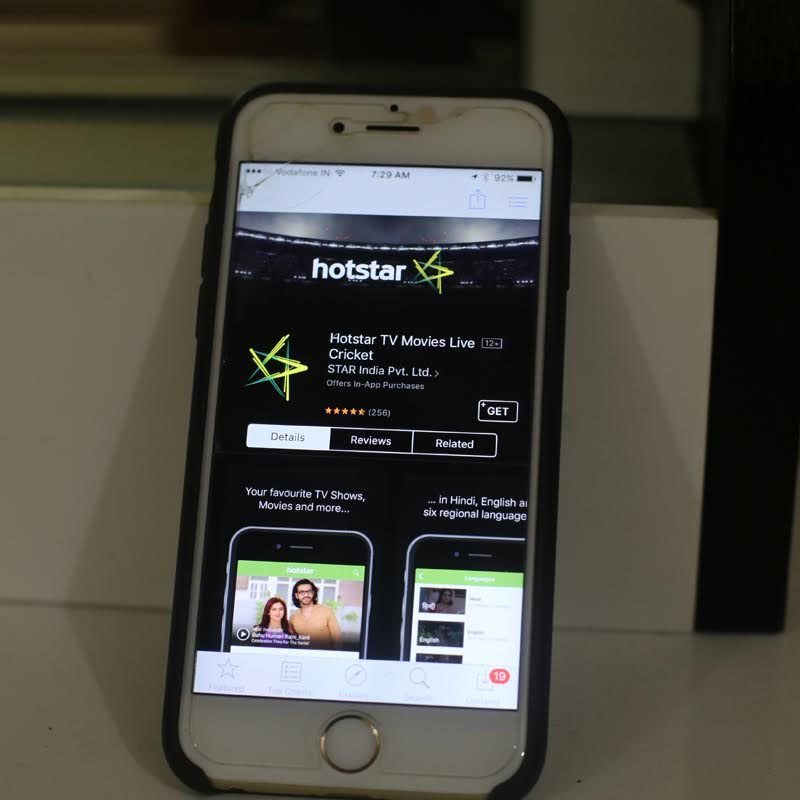
    MUMBAI: The new mantra at the Twenty First Century Fox-owned Star India subsidiary Novi Digital’s Hotstar is the figure of a billion. Yes, a billion. Not a billion subscribers, but a billion minutes. Speaking at a conference in China yesterday, its senior vice-president and head of product Varun Narang stated that the OTT service’s target is to get to a billion minutes of watch time daily.

    “Once you get to a billion minutes a day, you’re talking about a real, real business,” stated Narang at the conference.

    Narang was roped in to Hotstar from Whipclip last year and has had more than half a decade’s product experience with top-notch services such as Hulu and Amazon in the US. He was recruited to lead the team which is helping build mobile solutions for the app and help innovate content discovery, quality of video playbacks as well as build native advertising platforms for the app.

    Speaking at the Bank of America Merrill Lynch Media and entertainment conference earlier this month Twenty First Century Fox executive chairman Lachlan Murdoch had stated that Hotstar had gone from streaming 750 million minutes to 2.5 billion minutes between July and August 2016. That means it has some distance to travel before it gets to that billion minutes a day figure.

    Responding to a question from ace analyst Jessica Jean Reif Cohen on the media powerhouse’s plans for India, Lachlan had elaborated that Hotstar is expected “to grow significantly with the launch of Reliance Jio’s mobile 4G service, which Hotstar is the exclusive (sic) program provider for. So, on the Reliance Jio phones — the biggest launch of consumer product in many many years – Hotstar is the exclusive television provider on the platform. And so we think where every single single consumer will have access to Hotstar premium which is a $3 service. And, they’ll have it provided by Reliance for free. So, it’s a very exciting time in India for us. Just to have this in perspective, those streaming numbers for Hotstar is about, if you compare with Netflix in India, Netflix is about six per cent the size of Hotstar”.

    Among the initiatives, Hotstar is looking to scale up the product quickly is rolling it out globally in the near future, targeting the south Asian diaspora, Narang revealed at the conference. This was something that even Star India chairman Uday Shankar had stated at the Ficci Frames conference in Mumbai earlier this year.

    Narang admitted that what was helping Hotstar is the fact that “content rights are a lot easier for us in India than they are in the US.”

    Other things that could aid it get there is its catalogue of around 35,000 hours of entertainment content. At its investor call conference during the announcement of its annual results Twenty First Century Fox CFO John Nallen had pointed out that “in the beginning, we saw pretty severe sort of volatility and spike, largely around sports viewership on the Hotstar platform to when there was a big cricket tournament or something like that. But, gradually over the last year, what’s really built and gotten much more momentum is scripted programming, it’s Indian-scripted programming in multiple languages, and that’s really driving, that’s been the most gratifying and to see more consistent viewership of that and that’s really a big, big part of the volume now, and it’s the fastest way growing part of the volume on a consistent basis, local Indian-scripted programming at very high volumes.”

    Currently, Hotstar has an estimated 72 million downloads with around 50 million active users.

  • Hotstar targets billion minutes watch time daily

    Hotstar targets billion minutes watch time daily

    MUMBAI: The new mantra at the Twenty First Century Fox-owned Star India subsidiary Novi Digital’s Hotstar is the figure of a billion. Yes, a billion. Not a billion subscribers, but a billion minutes. Speaking at a conference in China yesterday, its senior vice-president and head of product Varun Narang stated that the OTT service’s target is to get to a billion minutes of watch time daily.

    “Once you get to a billion minutes a day, you’re talking about a real, real business,” stated Narang at the conference.

    Narang was roped in to Hotstar from Whipclip last year and has had more than half a decade’s product experience with top-notch services such as Hulu and Amazon in the US. He was recruited to lead the team which is helping build mobile solutions for the app and help innovate content discovery, quality of video playbacks as well as build native advertising platforms for the app.

    Speaking at the Bank of America Merrill Lynch Media and entertainment conference earlier this month Twenty First Century Fox executive chairman Lachlan Murdoch had stated that Hotstar had gone from streaming 750 million minutes to 2.5 billion minutes between July and August 2016. That means it has some distance to travel before it gets to that billion minutes a day figure.

    Responding to a question from ace analyst Jessica Jean Reif Cohen on the media powerhouse’s plans for India, Lachlan had elaborated that Hotstar is expected “to grow significantly with the launch of Reliance Jio’s mobile 4G service, which Hotstar is the exclusive (sic) program provider for. So, on the Reliance Jio phones — the biggest launch of consumer product in many many years – Hotstar is the exclusive television provider on the platform. And so we think where every single single consumer will have access to Hotstar premium which is a $3 service. And, they’ll have it provided by Reliance for free. So, it’s a very exciting time in India for us. Just to have this in perspective, those streaming numbers for Hotstar is about, if you compare with Netflix in India, Netflix is about six per cent the size of Hotstar”.

    Among the initiatives, Hotstar is looking to scale up the product quickly is rolling it out globally in the near future, targeting the south Asian diaspora, Narang revealed at the conference. This was something that even Star India chairman Uday Shankar had stated at the Ficci Frames conference in Mumbai earlier this year.

    Narang admitted that what was helping Hotstar is the fact that “content rights are a lot easier for us in India than they are in the US.”

    Other things that could aid it get there is its catalogue of around 35,000 hours of entertainment content. At its investor call conference during the announcement of its annual results Twenty First Century Fox CFO John Nallen had pointed out that “in the beginning, we saw pretty severe sort of volatility and spike, largely around sports viewership on the Hotstar platform to when there was a big cricket tournament or something like that. But, gradually over the last year, what’s really built and gotten much more momentum is scripted programming, it’s Indian-scripted programming in multiple languages, and that’s really driving, that’s been the most gratifying and to see more consistent viewership of that and that’s really a big, big part of the volume now, and it’s the fastest way growing part of the volume on a consistent basis, local Indian-scripted programming at very high volumes.”

    Currently, Hotstar has an estimated 72 million downloads with around 50 million active users.

  • Race to acquire IPL rights commences

    Race to acquire IPL rights commences

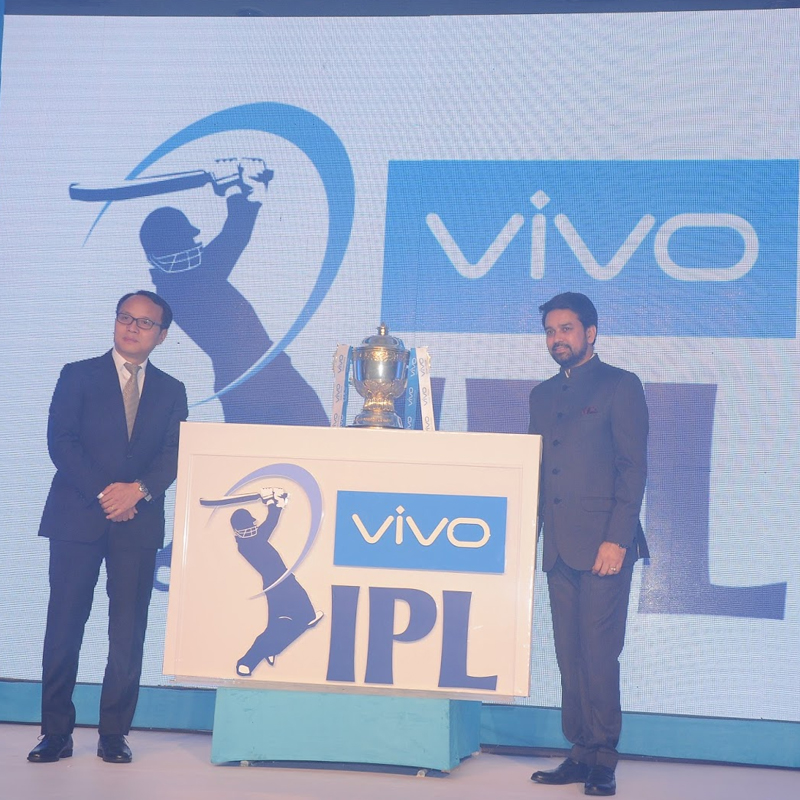
    MUMBAI: It’s the business of sports! The countdown to the media rights of what is arguably India’s most premium sports property, the Vivo IPL, has begun with the Board of Control for Cricket in India (BCCI) announcing the timeline of the bidding process. The BCCI has made the IPL rights an invitation tender process with the document being made available for purchase from today (19 September) at a purchase price of $10,000.

    Three bunches of media rights are being made available: domestic Indian subcontinent TV rights for all the 10 seasons (2018-2027), domestic digital telecast rights, and the rest of the world (RoW) rights — either as a whole package or as territory groupings – each for five seasons (2018-2022). Bidders have also been permitted to make their offers in any combination of the above three rights. The digital rights entail a five-minute delayed telecast.

    Non-news TV broadcasters will be in a position to bid for the TV rights. However, the field has been thrown open to broadcasters, mobile operators and internet operators for both the digital and RoW rights, with marketing agencies also being permitted to throw in the hat into the ring for the latter.

    The bids can be made singly or as a consortium, as long as the person doing is fit and proper, meets financial standing and BCCI suitability standards criteria, and has no litigation with the cricket body, the BCCI announced.

    At the press conference in Delhi, BCCI president Anurag Thakur said:
    “IPL is the fastest, most popular cricket league and also the sixth most popular sports league in the world. We want it to be a very transparent process. It is going to be bid- but a most historic. In the last nine years, what we have seen is that the world has recognized it has the top most league. BCCI has been proud to start the league which others have followed.”

    BCCI CEO Rahul Johri who made a presentation on the tender process said that it will be two tiered, based on eligibility and on the financial commitment. Bidders will have to make their submissions in two envelopes: Envelope A which will detail the eligibility and envelope B which will contain the financial bid and signed media rights agreement. Financial Bids of only compliant bids will be opened, Johri clarified. He added that the organization was under no obligation to accept the highest financial bid and that it could change the process at any time at its discretion.

    Johri pointed out that potential bidders will have an opportunity to seek clarifications till 4 October, with 18 October being the last date for purchasing the tender, and bid submissions will close at 9:30 am on 25 October. Financial bids of only compliant bids will be opened, Johri clarified. The BCCI is expected to announce the winners of the rights the same day.

    For the RoW, the BCCI has broken up the rights into territory groups, almost like the league it runs. Group A broadly consists of Asia, Australia, Canada, Caribbean, Central and south America, New Zealand, and Israel. Group B consists of middle east and north Africa while Group C covers the whole of South Africa. Group D includes sub-Saharan Africa, Group E covers the UK and Ireland and British territories and Group F, the whole of the US.

    Media observers expect a tough fight between current TV rights holder Sony Pictures Network (SPN) India – which recently acquired the Zee Network’s TEN Sports brand – and digital rights holder Star India for the rights.

    Other bidders who could be contenders include telcos like Reliance Jio and Airtel. The next 10 years rights of the IPL are expected to bring in anywhere between $2.5 billion to $3.5 billion for the BCCI.