Tag: Star India

  • Moana, Doctor Strange & Star Wars on Star India with multi-year deal with Disney India

    Moana, Doctor Strange & Star Wars on Star India with multi-year deal with Disney India

    MUMBAI: Disney India has signed a multi-year output deal with Star India to telecast some of its successful films across the latter’s network in multiple languages including Hindi, Tamil, English, Telugu and Bengali.

    The collaboration between Disney India and the Star India, over the years, has engaged viewers with blockbuster movies such as “Captain America: Winter Soldier”, Disney.Pixar’s “Inside Out”, Marvel’s “Avengers: Age of Ultron” and Disney’s “Cinderella”.

    The new deal will include titles such as “Moana” and “Doctor Strange” and “Star Wars: The Force Awakens”, IANS reported. The extended partnership kicked off with of 2016’s biggest Hollywood blockbuster in India — Disney’s “The Jungle Book”s television premiere.

    Disney India, vice president, studios Amrita Pandey stated that they believed in bringing quality, family focused entertainment to the audience across all age groups and Star was an ideal platform to take its bouquet of movies across the country.

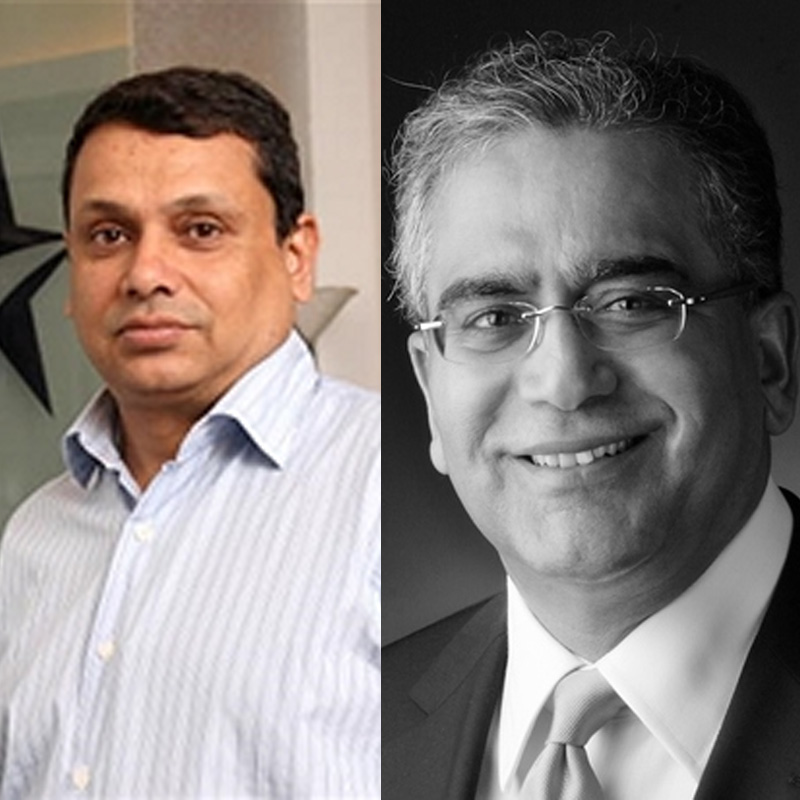
    Star India CEO-Entertainment Amit Chopra said that the partnership with Disney India was a testimony of its commitment to deliver the best Hollywood content to its viewers.

    Meantime, Hulu, a JV with 21st Century Fox, Comcast’s NBCUniversal and Timer Warner’s Turner Broadcasting System, reached its first licensing pact for theatrical features with The Walt Disney Studios (DIS).

    The new, multi-year, deal allows the streaming service the exclusive subscription VOD (video on-demand) rights to a collection of successful movies and family favorites from Disney’s library of blockbuster films.

    Owing to the pact, Hulu became the exclusive S-VOD (subscription video on demand) home to a selection of Disney favorites including Mulan, Pocahontas, The Nightmare Before Christmas, Hercules, Sister Act and Air Bud, which are all available to stream on Hulu now.
  • Maintain status quo on broadcast guidelines, Madras HC tells TRAI

    Maintain status quo on broadcast guidelines, Madras HC tells TRAI

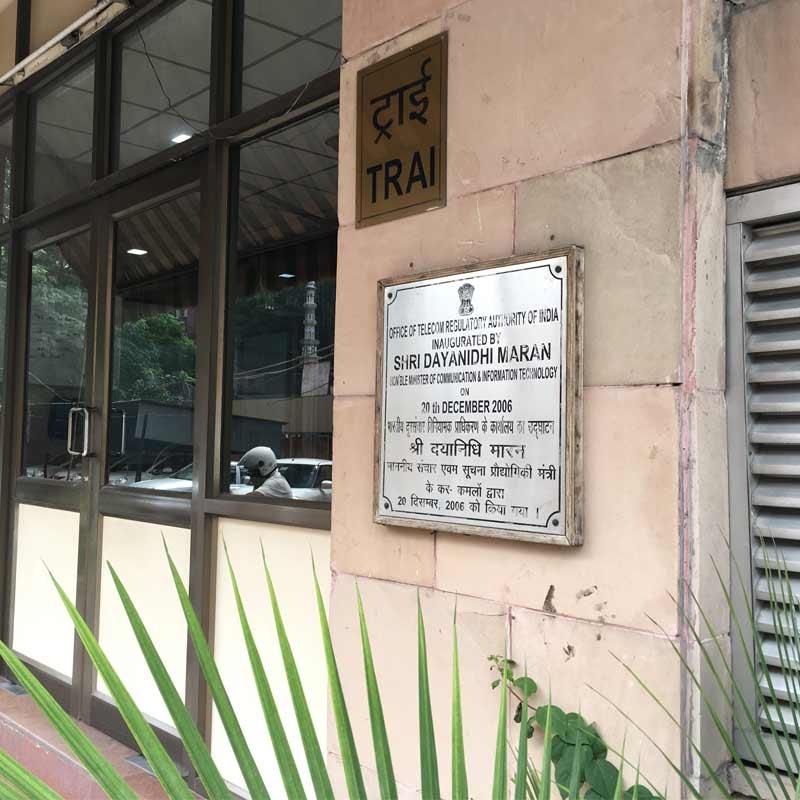
    NEW DELHI: The Madras High Court today ordered that the Telecom Regulatory Authority of India (TRAI) should maintain status quo with regard to any tariff orders or regulations for the broadcast sector.

    The Court directed that the stay will be in place till 12 January when the case comes up for hearing.

    The Madras HC order came on a petition filed by Star India and Vijay TV on the ground that the TRAI orders are in conflict with the Copyright Act 1957. As a result of this court order and pending the full hearing of the case, TRAI would not be able to pass any guideline for issues such as broadcast tariff, broadcast interconnect, and quality of services.

    A TRAI spokesperson said that although it was still waiting to receive the order from the Court, one immediate result would be that the draft tariff and interconnect guidelines issued by the regulator will be subject to the order of the court in this regard.

    A few months ago, TRAI had issued draft guidelines on tariff interconnect and quality of service, while TRAI chairman RS Sharma had told indiantelevision.com earlier this month that the regulator would come out with its final recommedation by the end of the year.

    It may be recalled that the Indian Broadcasting Foundation had also said in reaction to the TRAI drafts that the exercise was in direct conflict with the provisions of the Copyright Act.

    The comments had been stated in the comments to the Telecommunication (Broadcasting and Cable Services) Interconnection (Addressable Systems) Regulations 2016; the Telecommunication (Broadcasting and Cable Services) (Eighth) (Addressable Systems) Tariff Order 2016; and the Standards of Quality of Service) and Consumer Protection (Digital Addressable Systems) Regulations 2016.

    The IBF has said the Copyright Board is fully empowered to adjudicate upon disputes between any person and Content or Broadcast Reproduction Rights owners. Hence the Copyright Act and Rules provide for protection, monetisation, enforcement and adjudication procedures for all copyrightable work and broadcast reproduction rights.

    Also read:

    DAS 4 deadline extended to 31 Mar

  • Maintain status quo on broadcast guidelines, Madras HC tells TRAI

    Maintain status quo on broadcast guidelines, Madras HC tells TRAI

    NEW DELHI: The Madras High Court today ordered that the Telecom Regulatory Authority of India (TRAI) should maintain status quo with regard to any tariff orders or regulations for the broadcast sector.

    The Court directed that the stay will be in place till 12 January when the case comes up for hearing.

    The Madras HC order came on a petition filed by Star India and Vijay TV on the ground that the TRAI orders are in conflict with the Copyright Act 1957. As a result of this court order and pending the full hearing of the case, TRAI would not be able to pass any guideline for issues such as broadcast tariff, broadcast interconnect, and quality of services.

    A TRAI spokesperson said that although it was still waiting to receive the order from the Court, one immediate result would be that the draft tariff and interconnect guidelines issued by the regulator will be subject to the order of the court in this regard.

    A few months ago, TRAI had issued draft guidelines on tariff interconnect and quality of service, while TRAI chairman RS Sharma had told indiantelevision.com earlier this month that the regulator would come out with its final recommedation by the end of the year.

    It may be recalled that the Indian Broadcasting Foundation had also said in reaction to the TRAI drafts that the exercise was in direct conflict with the provisions of the Copyright Act.

    The comments had been stated in the comments to the Telecommunication (Broadcasting and Cable Services) Interconnection (Addressable Systems) Regulations 2016; the Telecommunication (Broadcasting and Cable Services) (Eighth) (Addressable Systems) Tariff Order 2016; and the Standards of Quality of Service) and Consumer Protection (Digital Addressable Systems) Regulations 2016.

    The IBF has said the Copyright Board is fully empowered to adjudicate upon disputes between any person and Content or Broadcast Reproduction Rights owners. Hence the Copyright Act and Rules provide for protection, monetisation, enforcement and adjudication procedures for all copyrightable work and broadcast reproduction rights.

    Also read:

    DAS 4 deadline extended to 31 Mar

  • Clarify status with Star India, TDSAT asks Canara Star

    Clarify status with Star India, TDSAT asks Canara Star

    NEW DELHI: Canara Star Communications Pvt. Ltd Karnataka, which has a long-pending dispute with Star India with regard to payments, has been given one more opportunity by the Telecom Disputes Settlement and Appellate Tribunal to reply to an affidavit of 23 March 2016 by the broadcaster alleging there was no entity of the name of the MSO on the website of the Corporate Affairs Ministry.

    Canara Star was given one more week from 20 December 2016 to file its affidavit, and Star India was permitted to respond to the affidavit if it so desired.

    Members B B Srivastava and A K Bhargava put up the matter for further hearing on 20 January 2017.

    The Tribunal said: “It is seen that the affidavit which has been filed by Canara Star is not prima facie in conformity with the directions given by the Tribunal on 18 December 2015.

    Canara Star had originally come before the Tribunal against disconnection notices by Star India as for default in payment. One of the grounds on which the disconnection notice was challenged was that another MSO had started operating in those areas and, as a result, the petitioner’s subscriber base had gone down substantially and the petitioner had been making request for downgradation of its subscriber base and consequently a reduction in the fixed fee payable by it as monthly subscription fee.

    As there appeared to be some substance in the petitioner’s grievance, and, on a joint request, the matter was referred to the Mediation Centre. The Tribunal was informed that, before the Mediation Centre could intervene, the parties were able to arrive at some understanding in regard to Kumta and Bhatkal areas but Canara Star was also getting signals from Star India for transmission in the DAS area of Bangalore and there too the MSO happened to be in default in payment of the subscription fees.

    Star India wanted a comprehensive settlement that should cover both analogue and digital areas covering Bangalore also.

    Canara, which has allegedly sold its business to another MSO called All Digital, was to produce its deed of transfer of establishment to All Digital which was made a party in the petition filed by Star India.

    Earlier this year, Canara Star had been asked by the TDSAT to present a payment schedule to Star India to settle their dispute.

    However, then chairman Justice Aftab Alam and members — Kuldip Singh and B B Srivastava accepted the plea by Star India counsel Arjun Natarajan that this schedule should not come in the way of its requirement to furnish a guarantee. Earlier, on 4 February, the Bench had granted a week’s time to Canara Star represented by Counsel Tushar Singh, to furnish a guarantee.

    In terms of the earlier order of 14 January, the directors of Canara Star were present in person before TDSAT on 29 January.

    In the hearing in third week of December, the Tribunal had asked Canara Star to intimate Star India whether it admits the SMS reports submitted by the broadcaster for the period 2014 to January 2015.

    The common order by the Tribunal on three petitions including one by Star India against Canara Star claiming recovery dues of around Rs 3 crore pertaining to the MSO’s operations in DAS area of Bangalore said this was subject to the two parties failing to arrive at a final settlement.

    Also read:

    Canara Star asked by TDSAT to pay Star India Rs 18.91 lakh subject to final outcome of dispute

  • Clarify status with Star India, TDSAT asks Canara Star

    Clarify status with Star India, TDSAT asks Canara Star

    NEW DELHI: Canara Star Communications Pvt. Ltd Karnataka, which has a long-pending dispute with Star India with regard to payments, has been given one more opportunity by the Telecom Disputes Settlement and Appellate Tribunal to reply to an affidavit of 23 March 2016 by the broadcaster alleging there was no entity of the name of the MSO on the website of the Corporate Affairs Ministry.

    Canara Star was given one more week from 20 December 2016 to file its affidavit, and Star India was permitted to respond to the affidavit if it so desired.

    Members B B Srivastava and A K Bhargava put up the matter for further hearing on 20 January 2017.

    The Tribunal said: “It is seen that the affidavit which has been filed by Canara Star is not prima facie in conformity with the directions given by the Tribunal on 18 December 2015.

    Canara Star had originally come before the Tribunal against disconnection notices by Star India as for default in payment. One of the grounds on which the disconnection notice was challenged was that another MSO had started operating in those areas and, as a result, the petitioner’s subscriber base had gone down substantially and the petitioner had been making request for downgradation of its subscriber base and consequently a reduction in the fixed fee payable by it as monthly subscription fee.

    As there appeared to be some substance in the petitioner’s grievance, and, on a joint request, the matter was referred to the Mediation Centre. The Tribunal was informed that, before the Mediation Centre could intervene, the parties were able to arrive at some understanding in regard to Kumta and Bhatkal areas but Canara Star was also getting signals from Star India for transmission in the DAS area of Bangalore and there too the MSO happened to be in default in payment of the subscription fees.

    Star India wanted a comprehensive settlement that should cover both analogue and digital areas covering Bangalore also.

    Canara, which has allegedly sold its business to another MSO called All Digital, was to produce its deed of transfer of establishment to All Digital which was made a party in the petition filed by Star India.

    Earlier this year, Canara Star had been asked by the TDSAT to present a payment schedule to Star India to settle their dispute.

    However, then chairman Justice Aftab Alam and members — Kuldip Singh and B B Srivastava accepted the plea by Star India counsel Arjun Natarajan that this schedule should not come in the way of its requirement to furnish a guarantee. Earlier, on 4 February, the Bench had granted a week’s time to Canara Star represented by Counsel Tushar Singh, to furnish a guarantee.

    In terms of the earlier order of 14 January, the directors of Canara Star were present in person before TDSAT on 29 January.

    In the hearing in third week of December, the Tribunal had asked Canara Star to intimate Star India whether it admits the SMS reports submitted by the broadcaster for the period 2014 to January 2015.

    The common order by the Tribunal on three petitions including one by Star India against Canara Star claiming recovery dues of around Rs 3 crore pertaining to the MSO’s operations in DAS area of Bangalore said this was subject to the two parties failing to arrive at a final settlement.

    Also read:

    Canara Star asked by TDSAT to pay Star India Rs 18.91 lakh subject to final outcome of dispute

  • Media distribution infra needs to change: Star India CEO Uday Shankar

    Media distribution infra needs to change: Star India CEO Uday Shankar

    NEW DELHI: Lack of infrastructure is impacting the media and entertainment industry and improving its current state could fuel growth in the sector, top media executives have said.

    Star India CEO Uday Shankar said, “The distribution infrastructure of the industry has to change. There needs to be fundamental transformation in terms of screens for films, cable networks for television and digital infrastructure advertising.”

    Shankar was addressing the session on ‘How a flourishing M&E industry can deliver on India’s dream of Growth, Equity and Jobs’ during a two-day meet to mark the 89th Annual General Meeting of the Federation of Indian Chamber of Commerce and Industry. Shankar is also the chairman of FICCI Media and Entertainment Committee.

    In his closing remarks, Shankar said that lack of infrastructure, which was crucial for the industry was the major obstacle for growth, and improving the existing scenario by fixing few issues could fuel growth. “This is because it has the ability to employ and integrate people at the margins of the society,” he added.

    The Indian Media and Entertainment industry is estimated to be worth around $18 billion, and employs about six million people.

    However, he said the industry is unrecognized in terms of economic value and contribution to the country’s GDP, and represents only 0.9%. The lower contribution to the economy of the country is because the industry is stuck in a plethora of regulations including pricing of content, and lack of adequate infrastructure to monetise their content.

    India Today Group chairman Aroon Purie, speaking on how the Media and Entertainment industry could deliver on India’s dream said that the television industry was impacted because of the regulations surrounding pricing of content and the disintegrated cable networks in the country. “Of the Rs 14,000 crore collected by the cable companies, only Rs 4,000 crore reaches the broadcaster,” Purie said.

    Voicing similar concern on behalf of the film industry, FICCI Film Forum chairman Rakeysh Omprakash Mehra said that, though India produced around 1200 movies a year – the highest in the world – it could not monetise because of lack of theatres. “We want to have people’s theatres where the middle class family can go and watch movies at affordable prices,” Mehra said, adding that the higher number of screens directly translates into increase in revenue for film producers.

    GroupM South Asia CEO C V L Srinivas said, with consumers increasingly moving to digital and social media, the government should look at integrating all its efforts in building digital infrastructure. “One-point agenda is: improving the digital infrastructure,” he added.

  • Media distribution infra needs to change: Star India CEO Uday Shankar

    Media distribution infra needs to change: Star India CEO Uday Shankar

    NEW DELHI: Lack of infrastructure is impacting the media and entertainment industry and improving its current state could fuel growth in the sector, top media executives have said.

    Star India CEO Uday Shankar said, “The distribution infrastructure of the industry has to change. There needs to be fundamental transformation in terms of screens for films, cable networks for television and digital infrastructure advertising.”

    Shankar was addressing the session on ‘How a flourishing M&E industry can deliver on India’s dream of Growth, Equity and Jobs’ during a two-day meet to mark the 89th Annual General Meeting of the Federation of Indian Chamber of Commerce and Industry. Shankar is also the chairman of FICCI Media and Entertainment Committee.

    In his closing remarks, Shankar said that lack of infrastructure, which was crucial for the industry was the major obstacle for growth, and improving the existing scenario by fixing few issues could fuel growth. “This is because it has the ability to employ and integrate people at the margins of the society,” he added.

    The Indian Media and Entertainment industry is estimated to be worth around $18 billion, and employs about six million people.

    However, he said the industry is unrecognized in terms of economic value and contribution to the country’s GDP, and represents only 0.9%. The lower contribution to the economy of the country is because the industry is stuck in a plethora of regulations including pricing of content, and lack of adequate infrastructure to monetise their content.

    India Today Group chairman Aroon Purie, speaking on how the Media and Entertainment industry could deliver on India’s dream said that the television industry was impacted because of the regulations surrounding pricing of content and the disintegrated cable networks in the country. “Of the Rs 14,000 crore collected by the cable companies, only Rs 4,000 crore reaches the broadcaster,” Purie said.

    Voicing similar concern on behalf of the film industry, FICCI Film Forum chairman Rakeysh Omprakash Mehra said that, though India produced around 1200 movies a year – the highest in the world – it could not monetise because of lack of theatres. “We want to have people’s theatres where the middle class family can go and watch movies at affordable prices,” Mehra said, adding that the higher number of screens directly translates into increase in revenue for film producers.

    GroupM South Asia CEO C V L Srinivas said, with consumers increasingly moving to digital and social media, the government should look at integrating all its efforts in building digital infrastructure. “One-point agenda is: improving the digital infrastructure,” he added.

  • Hathway promotes senior VP Rajaraman. S as COO of video business

    Hathway promotes senior VP Rajaraman. S as COO of video business

    MUMBAI: Hathway Cable and Datacom has elevated Rajaraman. S as COO of the video business. Rajaraman was the senior VP of business operations, and played an important role in streamlining the business operations of the company including the Phase-III expansion.

    With an experience of 18 years in the media & broadcasting space, Rajaraman had a long tenure with Star India’s south business as head of finance prior to joining Hathway.

    In wake of the recent changes in its management structure, the company is looking to build greater focus on its Video business to keep pace with the fast changing dynamics of the digitization regime and to grow the business in the new regulatory environment proposed by TRAI in the coming months.

    Commenting on the development, Hathway Cable & Datacom CEO Tavinderjit Panesar said, “The cable industry is set for a transformational shift in light of the new regulations. At Hathway, we are encouraged and excited to look at this as a big growth opportunity. Rajaraman has been an integral part of the change in the video business that Hathway has witnessed over the last couple of years by strengthening our processes and operations and setting the business for new challenges ahead. In his new role, we are confident that he will be able to contribute immensely in achieving our business objectives.”

  • Hathway promotes senior VP Rajaraman. S as COO of video business

    Hathway promotes senior VP Rajaraman. S as COO of video business

    MUMBAI: Hathway Cable and Datacom has elevated Rajaraman. S as COO of the video business. Rajaraman was the senior VP of business operations, and played an important role in streamlining the business operations of the company including the Phase-III expansion.

    With an experience of 18 years in the media & broadcasting space, Rajaraman had a long tenure with Star India’s south business as head of finance prior to joining Hathway.

    In wake of the recent changes in its management structure, the company is looking to build greater focus on its Video business to keep pace with the fast changing dynamics of the digitization regime and to grow the business in the new regulatory environment proposed by TRAI in the coming months.

    Commenting on the development, Hathway Cable & Datacom CEO Tavinderjit Panesar said, “The cable industry is set for a transformational shift in light of the new regulations. At Hathway, we are encouraged and excited to look at this as a big growth opportunity. Rajaraman has been an integral part of the change in the video business that Hathway has witnessed over the last couple of years by strengthening our processes and operations and setting the business for new challenges ahead. In his new role, we are confident that he will be able to contribute immensely in achieving our business objectives.”

  • Star India elevates Sagnik Ghosh as Life OK GM

    Star India elevates Sagnik Ghosh as Life OK GM

    MUMBAI: Star India has finally figured out who would step into the outgoing business head and GM Nikhil Madhok’s shoes.  According to a source, it is Sagnik Ghosh — senior vice-president, head of network brand strategy and marketing strategy at Star India.

    Madhok, the business head and general manager of Star India’s second GEC “Life OK” put in his papers a while ago, and is serving his notice period. He will be operating as the GM till the end of December 2016.

    Star India has elevated Ghosh as the new general manager of Life OK. He has been working with Star for more than a year now. Ghosh joined Star India as senior VP and head of marketing for Star Plus in October 2015. In June 2016, he became the head of network brand and marketing strategy. 

    Prior to joining Star India, Ghosh was working with Axis Bank as the senior vice president and marketing head. Ghosh was managing brand & strategy, digital marketing, branch marketing as well as the marketing communication function for Axis Bank and its subsidiary companies.

    Also read:  Vivek Bhutyani quits Star; to start own OTT biz