Tag: Star India

  • Indian OTTs to be in focus on day 2 of ATF

    Indian OTTs to be in focus on day 2 of ATF

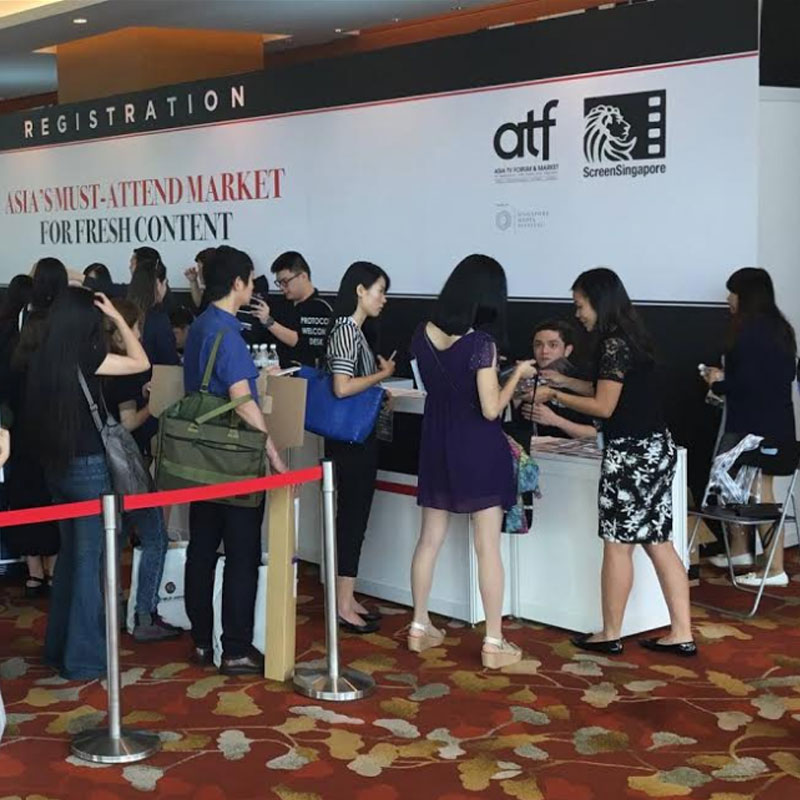
    MUMBAI: Singapore-based Reed Exhibitions’ Asia TV Forum (ATF) will commence today with 60 countries taking part. The first day will see sessions based on content, advertising and the evolution of storytelling and digital traditions and innovation Ninety thought leaders will deliver fresh insights in over 24 sessions from 28 November to 1 December 2017, discussing present-day issues such as big data, movement in the over-the-top (OTT) scene, new monetisation strategies, unscripted entertainment formats and kids’ content.

    The Indian sessions will start from the second day. The first one will be ‘Bollywood & Beyond: Fresh content from India’. The speakers present for the session will be Epic TV network head content syndication Adita Jain, Greengold Animation VP content sales Bharath Laxmipati, One Life Studios founder Siddharth Kumar Tewary, Rajshri Entertainment MD Neha Barjatya, and Toonz Animation India senior manager- content syndication and distribution Viju Thomas. The session will be moderated by Indiantelevision.com group founder, CEO and editor-in-chief Anil Wanvari.

    Wanvari has been working on developing opportunities for India’s animation and live action sector – whether for TV or OTT – over the past three years at ATF as its representative for India, Pakistan, Sri Lanka and Bangladesh.

    India’s OTT ecosystem has been exploding with newer apps popping up ever so quickly. At last count, close to 42 OTT services were operational in India. The second Indian session will be about the needs and wants of Indian OTT buyers. The panellists for the discussion will be Pittie Group/Epic TV CEO and MD Aditya Pittie, Viacom18 Digital ventures COO Gaurav Gandhi, producer, entrepreneur and storyteller Sidharth Jain, Spuul founder and global CEO Subin Subaiah, and GoQuest Media Ventures MD Vivek Lath. This panel discussion will also be moderated by Wanvari.

    ATF will also focus on virtual reality (VR) sessions, which will delve into the discourse that takes place among ecosystem partners, from content concept, creation and circulation. Real Vision VR filmmaker, speaker and published author Clyde Desouza will moderate the panel. Desouza is working with Times Now for its VR immersive journalism.

    On day three, listen to GreenGold Animation founder and CEO Rajiv Chilaka talk about how to provide 360-degree experience to kids. Chilaka has created and built one of the India’s largest animation brands Chhota Bheem, which currently has a viewership of over 40 million across platforms. He will also talk about nurturing localised IPs and stories and priming them to go global.

    The major Indian satellite TV networks Sony Pictures Networks India, Star India, Indiacast-Viacom18, and Zee Telefilms have their syndication and licensing teams exhibiting at the Marina Bay Sands venue. Other noteworthy exhibitors include: format and content syndication company GoQuest, Swastik Productions’ One Life Studios that is hawking its mega-budget Porus and homegrown formats, One Take Media, which is selling its kids animation and cookery shows, film and digital content creator and distributor Rajshri Entertainment, infotainment channel Epic TV, and kids’ content pioneer GreenGold.
  • WWE live telecast catapults Sony to the top after 10 weeks

    WWE live telecast catapults Sony to the top after 10 weeks

    MUMBAI: It has been a 10-week-long wait for Sony Pictures Network (SPN) India to make it to the top of the ratings chart. Broadcast Audience Research Council (BARC) ratings show that the live telecast of WWE Raw and Smackdown on Sony Ten 1 managed to clinch it for SPN.

    In week 46, Sony Ten 1 netted 97932 Impressions (000s) sum as compared with 89102 Impressions (000s) sum the week before. The most popular programme WWE Raw garnered 1873 Impressions (000s) sum for the channel.

    Star India and IMG Reliance-owned Indian Super League season 4 struggled to grab eyeballs for the opening ceremony held on 17 November 2017. The opening ceremony garnered 1055 Impressions (000s) sum on Star Sports 1 Hindi.

    Star India, thanks to domestic leagues, ICC events and the BCCI rights, stayed on top for several weeks because of back-to-back sporting events such as the ICC Champions Trophy 2017, ICC Women’s WC 2017, Pro Kabbadi League season 4 and the India vs New Zealand series. The third T20 match between India and New Zealand, earlier this month, was the top programme, garnering 16975 Impressions (000s) sum in BARC All India data week 45.

    The last time SPN sports cluster took the top spot was in week 35 with 166753 Impressions (000s) sum at the time of third ODI match between India and Sri Lanka.

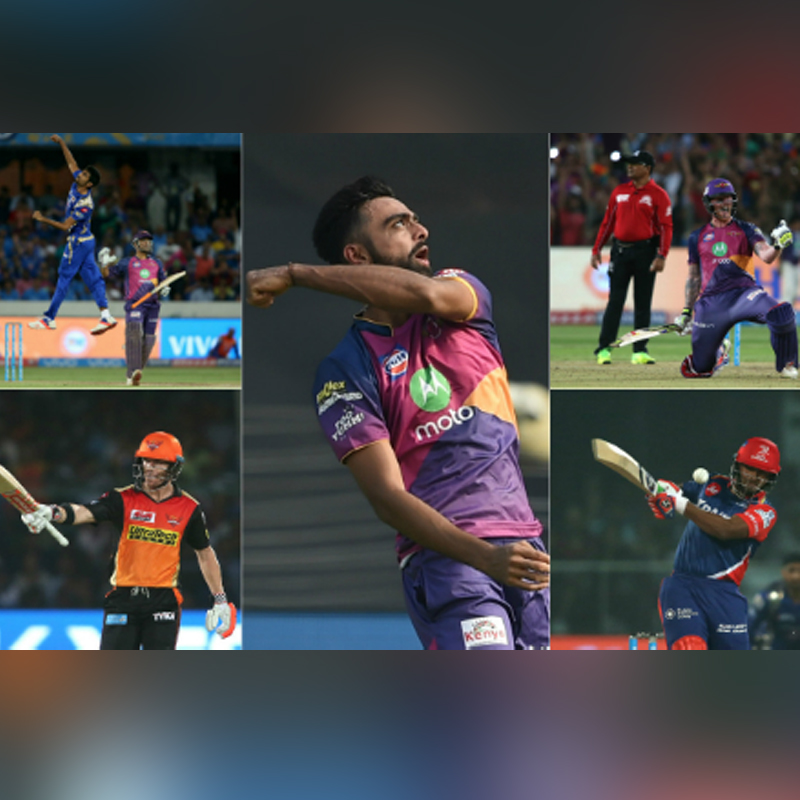
    The tenth season of the T20 cricket tournament Indian Premier League (IPL) got the nation hooked with 1.25 billion impressions for the 59 matches played between 5 April and 21 May 2017 on Sony sports cluster, a 22.5 per cent jump compared to ninth season.

    Let’s see how long Sony can manage to retain its peak position in BARC ratings of the sports genre. Despite the disappointment of the opening ceremony, the ISL may still work wonders for Star India.

  • ATF 2017 attracts Indian  content studios, both big and small

    ATF 2017 attracts Indian content studios, both big and small

    MUMBAI: Singapore-based Reed Exhibitions’ Asia TV Forum (ATF) is round the corner and the buzz around the event only seems to be ramping up. This year, the forum will see around 60 countries from all over the globe. From 28 November to 1 December 2017, more than 90 thought leaders will deliver fresh insights at over 24 ATF conference sessions, discussing present-day issues such as big data, movement in the over-the-top (OTT) scene, new monetisation strategies, unscripted entertainment formats and kids content.

    Indiantelevision.com founder Anil Wanvari has been working on developing opportunities for India’s animation and live action sector – whether for TV or OTT – over the past three years at ATF as its representative for the regions of India, Pakistan, Sri Lanka and Bangladesh.

    “We have seen the presence from south Asia grow from a small 20-30 to around 140 this year since I was given the task of working closely with the region’s content creators, buyers and distributors,” says Wanvari. “I and the team which works with me have been happy to help catalyse their presence on Asian and global stages. ATF has a strong presence of smaller buyers, producers, distributors from the region apart from the big name players from Europe and the US. It has become a must visit event for the content executive.”

    The major Indian satellite TV networks Sony Pictures Networks India, Star India, Indiacast-Viacom18, and Zee Telefilms have their syndication and licensing teams exhibiting in the Marina Bay Sands venue. Other noteworthy exhibitors include: format and content syndication company GoQuest, Swastik Productions’ One Life Studios which is hawking its mega budget Porus and homegrown formats, One Take Media which is selling its kids animation and cookery shows, film and digital content creator and distributor Rajshri Entertainment, infotainment channel EPIC TV, kids content pioneer Green Gold.

    “This is probably the highest exhibitor strength India has managed at ATF ever,” says Wanvari. “The country’s content selling industry has come a long way despite the oft repeated statement that our TV shows are not good enough to cut the international grade.”

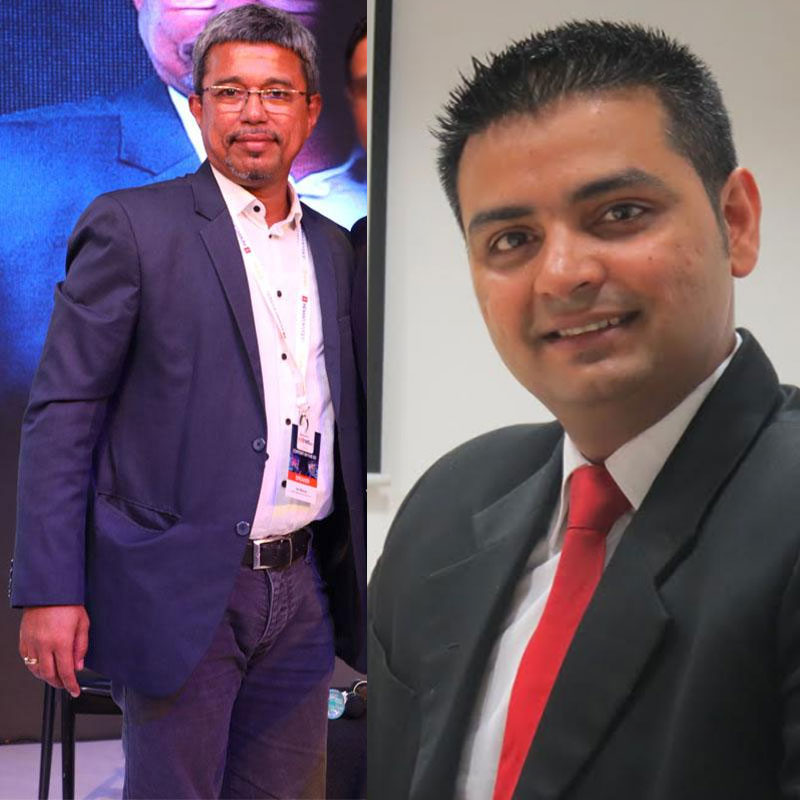
    Among the initiatives that Wanvari and Reed Exhibitions have supported is the building up of delegations from India and south Asia. The first of these has been the one which has been growing under the umbrella of the Media & Entertainment Association of India (MEAI). The association’s secretary Ankur Bhasin has cobbled together a delegation of 11 small and medium enterprises (SMEs) consisting of 13 delegates in the content creation and distribution spaces.

    Says Bhasin, “Fueled by improved connectivity and mobile explosion, Asia-Pacific is experiencing the fastest growth worldwide in terms of growth of time spent consuming media online – about 6.7 per cent consistently year on year compared to global average of 2.9 per cent. Although the average consumption of three plus hours per day for the Indian audience and about six hours per day for Chinese viewers is still relatively low compared to western countries, with over 60 per cent of the world population concentrated here, that is a substantial change on how media is being consumed. It is no surprise that this explosion is resulting in a growing demand for content in the APAC market.”

    Wanvari points out there are many commonalities in culture that India shares with east Asian countries like Singapore, Malaysia, Indonesia, Vietnam, Japan, south Korea, Sri Lanka, Pakistan and Bangladesh. “We all share Asian sensibilities and values,” he says. “Hence, we can relate to each other’s content.”

    Bhasin believes ATF is a very important market to target Asian buyers as well as to look for co-production opportunities. “Increasingly, there has been demand from MEAI members to focus on markets in the east and this has resulted in a growing delegation to ATF from MEAI. MEAI hopes this will materialize into a pavilion next year to give a fixed presence to the delegation being put together by the association with the support of Anil and his team,” Bhasin adds.

  • Rural India props up PKL 5 viewership with 75 per cent contribution

    Rural India props up PKL 5 viewership with 75 per cent contribution

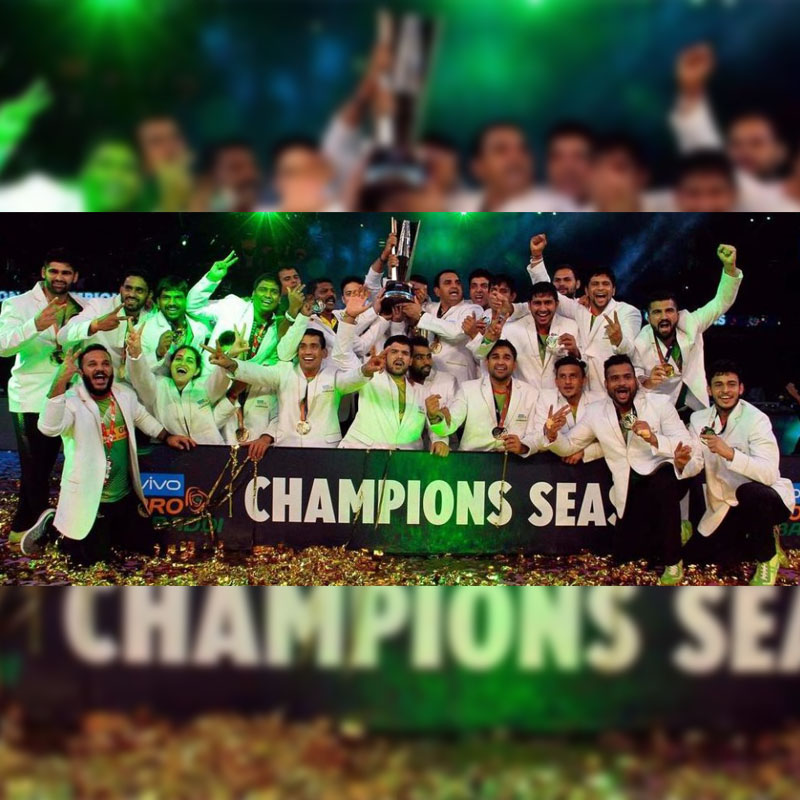
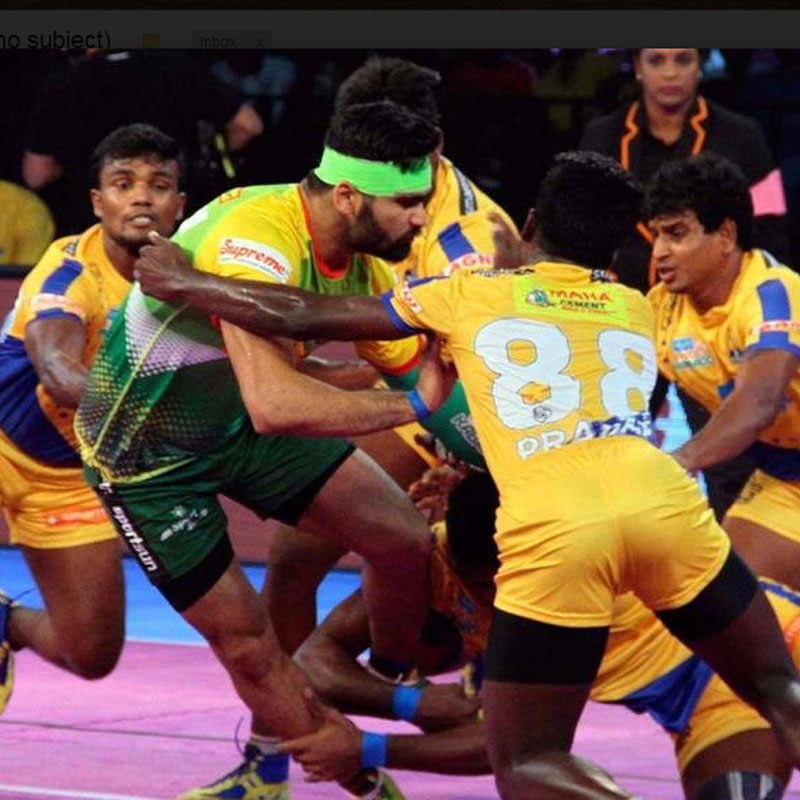
    MUMBAI: It was five years ago that kabbadi went from being a game played in playgrounds to captivating the largely cricket-crazy sports audience in India. The fifth season of Vivo Pro Kabaddi League (PKL), India’s most watched non-cricketing property, garnered 1.6 billion impressions for the live telecast according to Broadcast Audience Research Council of India (BARC).

    PKL pocketed 3.3 billion gross impressions which is calculated at 30 minutes interval as per the data given by the broadcaster. There is some duplication involved in the gross impressions since the same person could have viewed the programme on two occasions.

    Surprisingly, 75 per cent of the total viewership came from rural areas and 43 per cent of viewers were female. Star Sports First, the free to air channel, attracted 31 per cent of the total viewers as compared to its pay counterpart, Star Sports 2, which contributed to just 10 per cent. Indeed, the first week of the tournament itself led to Star Sports First leading the genre with 148,506 impressions.

     The season saw its opening in Hyderabad and finale in Chennai with 12 cities in between. The finale witnessed an 83 per cent rise over the previous year, garnering 25.4 million impressions. The fourth season finale got 13.9 million impressions.

    The 140 games in the fifth season grabbed 1.6 billion impressions vis-à-vis 561.1 million impressions during the 60 games last year. The average impressions per game in season 5 were 11 million as compared to season 4’s 9 million, a 22 per cent increase.

    The league also attracted new fans, including kids (2-14 years) and teenagers (15-21 years) with 19 per cent and 21 per cent share in the total number of viewers, respectively. Tamil Nadu was one of the most successful new markets with the league being televised on Star Sports 1 Tamil. PKL was also broadcast in Kannada on Star Suvarna Plus and Star Maa Movies in Telugu, apart from English and Hindi.

    This makes a strong case for advertisers to hop on board a property in which they had very little confidence in its inaugural season. The latest season saw a string of sponsors and partners for individual teams and several brands joined the bandwagon as the matches progressed. Sponsors included TVS Motors, Bajaj Electricals, and Gillette Mach3 Turbo.

    Star India EVP and head ad sales Anil Jayaraj had earlier revealed that the sponsorship revenue for this year was 320 per cent higher this year. The sponsors make approximately 15 times the return on their investment.

    Star India managing director Sanjay Gupta says that the current season’s aim was to push the boundaries. “India has truly embraced kabaddi. With an expanded league, there were 12 teams competing in more than 130 matches, spread across 13 weeks. That the love for kabaddi is cutting across geographies and demographics is self-evident. It is very heartening to see this response from millions of fans across the country, which has emphatically re-established kabaddi’s position as the most watched non-cricketing sport synonymous with the Vivo Pro Kabaddi League.”


  • Double digit growth at Star India helps push Fox’s numbers up

    Double digit growth at Star India helps push Fox’s numbers up

    BENGALURU: 21st Century Fox reported that international affiliate revenue increased 11 percent driven by rate and subscriber growth at both FNG International and Star India for its cable network programming segment for the quarter ending 30 September 2017. The segment’s international advertising revenue increased 10 percent led by double digit growth at Star India and continued growth at FNG International says a 21st Century Fox release. International OIBDA (Operating Income Before Depreciation and Amortisation) contributions were similar to the prior year quarter as higher contributions at Star India were offset by lower contributions at FNG International where higher entertainment and sports programming costs more than offset the higher reported revenues.

    21st Century Fox reported total quarterly revenues of $7.002 billion, a $496 million, or 8 percent, increase from the $6.51 billion of revenues, reported in the prior year’s quarter. This increase reflects revenue growth reported across all operating segments, led by higher affiliate revenues at both the cable network programming and television segments and higher content revenues at the filmed entertainment segment.

    The company reported quarterly income from continuing operations attributable to 21st Century Fox stockholders of $839 million ($0.45 per share), as compared to $827 million ($0.44 per share) reported in the prior year quarter. Excluding the net income effects of impairment and restructuring charges, Other, net and adjustments to equity earnings of affiliates adjusted quarterly earnings per share from continuing operations attributable to 21st Century Fox stockholders was $0.49 compared to the adjusted result of $0.51 for the same quarter of the prior year.

    Commenting on the results, 21st Century Fox executive chairmen Rupert and Lachlan Murdoch said, “The company’s double-digit gains in affiliate revenues demonstrate our strength in the dynamic global market for distinctive video brands and content, across both established distributors and new entrants. We delivered top-line growth at all of our businesses, backed by stand-out storytelling, sports and news, as well as a product focus that will drive greater consumption and compelling opportunities for financial returns on our content investment. Our solid first quarter performance puts us on track to achieve our overall financial and operational objectives for this fiscal year.”

    Watch this space for more …


  • Hotstar is an important platform for us: ABP’s Avinash Pandey

    Hotstar is an important platform for us: ABP’s Avinash Pandey

    MUMBAI: The days of tuning into the news channel at 7 pm in your living room are gone. Today’s consumers want news to come to them not vice versa. Taking note of this, ABP News bought a Hotstar ticket, which boasts of 10 million downloads on Android devices.

    ABP is the first Hindi news channel on the platform. New entrant Republic TV had secured a place in May this year.

    ABP COO Avinash Pandey feels it unwise to consider Hotstar as a media product. He rather gives it the title of a platform in itself. “The exponential growth in business happens when you move from product delivery to platform delivery. A platform becomes a dissemination medium when multiple people for multiple reasons converge. Hotstar is a promising and future-ready platform and it is important to be on such a destination,” he says.

    ABP shares its DNA with Star India since the channel was formerly called Star News – a partnership between ABP and Star from 2003 till Star decided to give up news for giving attention to entertainment in 2012. The synergy made a compelling case for both to unite.

    The deal benefits both parties. While ABP can reach a large audience on a trusted platform, Star can give value addition to its Hindi-speaking audience via ABP News. Let us not forget the increased traction that advertisers will get through it.

    At the 13th Indian Digital Operators Summit 2017, BARC India CEO Partho Dasgupta highlighted that the Hindi news genre grew by 93 per cent in week 41 of 207 over 2015. Pandey calls this growth as exponential, not progressive.

    “People want news as video rather than text and heavy consumption happens via mobiles and tablet due to lower data charges,” says Pandey. The channel is cooking up something as he says that this partnership is just ‘the tip of the iceberg’ and more should be expected.

    With the latest addition, Hotstar has live feeds of five channels – Fox News, Sky News, Asianet News, Republic TV and ABP news.

    As per the comScore report for April 2017, ABP News had 20.7 million viewers on mobile out of the total 200 million news population on digital. It had just 1.7 million views via desktop devices. The report also showed that people across ages, both male and female prefer mobile to desktop any day.

    Star India chairman and CEO Uday Shankar had earlier said, “Young India has embraced Hotstar. We believe that young, digital-savvy Indians are deeply interested in understanding their country and the world they live in.”

    Hotstar has managed to hook viewers to its entertaining content. Now can it manage to get them to spend more time watching news as well?

  • MIB, Prasar Bharati mulling B-school help on DD & FreeDish biz models

    MIB, Prasar Bharati mulling B-school help on DD & FreeDish biz models

    MUMBAI: The government is exploring seeking help of an Indian Institute of Management to suggest ways on revitalising Doordarshan, including studying the existing business model of national broadcaster’s FTA DTH service DD FreeDish and whether further suggested improvements could be implemented.

    According to government sources, the move is part of ministry of information and broadcasting (MIB)’s efforts to shore up the bottomlines of Prasar Bharati, an autonomous body that manages India’s two pubcasters, Doordarshan and All India Radio.

    A B-school may be roped in to study the business model of DD FreeDish — that at present auctions slots on the platform to private broadcasters too — and explore whether if private sector TV channels are bumped off DD can generate revenue on the strength of its own channels, many of them also distributed terrestrially.

    As per some media reports, DD not only put on hold the latest round of e-auctions for slots on FreeDish in August 2017 on an advisory from MIB, but has also stopped renewing agreements of TV channels, which are presently on the DTH platform but are faced with a blackout once their annual contract comes to an end.

    A top Prasar Bharati official is said to have made a presentation to MIB minister Smriti Irani recently on how the DD set-up could be revitalised, including rejigging the business model for DD FreeDish, amongst other things.

    Though most big private sector broadcasters like Star India, Zee, Viacom18 and Sony, all having their channels on FreeDish, have not yet officially reacted to DD FreeDish keeping in abeyance the e-auctions for administrative reasons, smaller TV channels may feel the pinch. One of them, Cinema 24×7, has moved the telecoms and broadcast disputes tribunal TDSAT seeking interim relief as its contract expired in September 2017 and, according to its petition, it failed to get clarifications from DD on future auctions.

    The magic of DD’s FTA platform was discovered by TV channels a couple of years back with the battle for a slot intensifying in the last one year or so, egged on by BARC India starting to measure non-urban and rural audience. On DD FreeDish, it’s not pubcaster’s channels that top the list in terms of audience ratings, but mostly those belonging to the private broadcasters.

    A TV executive, on the condition of anonymity, explained that while Doordarshan, as a statutory body, survives on annual grants from the government, in 2016-17, DD FreeDish recorded revenues of about Rs 2641.7 million, a 47 per cent increase from a year ago. Hence efforts to revamp the current business model for DD FreeDish, having almost 52 per cent rural viewership that attracts private TV channels willing to pay hefty carriage fee, could prove detrimental for the pubcaster’s revenue, the exec added.

    Former MIB minister Manish Tiwari, while criticising DD’s reported moves to change the existing revenue models for DD FreeDish by putting on hold a transparent mechanism like e-auctions, told Indiantelevision.com, “DD FreeDish benefits from the presence of private TV channels on its platforms as it provides diversity of content to non-paying rural audiences.”

    ALSO READ ;

    WOW Cinema petitions TDSAT on delayed auctions for DD FreeDish slots

    Govt to help revitalise DD under ‘autonomous Prasar’, dubs censors as ‘facilitators’ within law

  • WOW Cinema petitions TDSAT on delayed auctions for DD FreeDish slots

    WOW Cinema petitions TDSAT on delayed auctions for DD FreeDish slots

    MUMBAI: Peeved by Doordarshan’s decision to keep a new round of e-auctions for slots for private TV channels on pubcaster’s FTA DTH service FreeDish on hold and fear of being shoved off the platform after annual contract expiry, WOW Cinema has moved disputes tribunal TDSAT questioning Prasar Bharati’s stand.

    Wow Cinema’s manager Cinema 24×7 Pvt. Ltd. has requested telecoms and broadcast disputes tribunal TDSAT, amongst other temporary relief, to restrain DD’s parent Prasar Bharati from removing the TV channel from the DTH platform after expiry of the agreed terms in September 2017 till the final disposal of the present petition.

    As reported by Indiantelevision.com earlier, slots for private broadcasters were not being filled up after falling vacant on DD FreeDish with the expiry of annual contracts, while Prasar Bharati has also reportedly put on hold a fresh round of e-auctions since August 2017 citing “administrative reasons”.

    This stance of the pubcaster, according to the petition, would/could affect more TV channels on DD FreeDish. According to the petition, which is likely to come up for preliminary hearing on 12 October 2017 at TDSAT, on account of absence of clarity on e-auctions from Prasar Bharati and the agreement with the petitioner coming to an end September 2017, WOW Cinema would not be available to viewers of FreeDish despite the petitioner’s willingness to fulfil all future obligations as part of auto-renewal of the contract.

    However, Prasar Bharati, through its counsel, has argued that since the petitioner was free to participate in a fresh round of auctions (as and when it happens) and would be governed by a fresh agreement on winning a slot, the request for an auto-extension was unfounded.

    It was also submitted by Prasar Bharati that two more channels (VAA Movies and RT Movies) too had gone off DD FreeDish due to the expiry of their agreements in August 2017— and so Wow Cinema is not an exception.

    DD FreeDish, a multi-channel FTA DTH service, was launched by Prasar Bharati in December 2004 and, at present, carried approximately 80 SD TV channels, along with 32 radio channels. This Ku-Band DTH service provides TV coverage throughout the Indian Territory (except Andaman & Nicobar islands) and, reportedly, has a subscriber base of about 22 millions.

    Though FreeDish is now over a decade old, but it’s only in the last few years that private TV channels realised its importance and the platform’s reach. With BARC India starting to measure rural audience, the primary base of FreeDish, private broadcasters started to jump on to the FTA bandwagon — even paying sizable carriage fee. WOW Cinema, for example, paid Rs. 80 million in an e-auction for a year’s shelf life on DD’s KU-band platform.

    Not only some private TV channels from the stable of big broadcast companies like Zee, Viacom18, Sony and Discovery, GECs and news channels included, had hopped on to the FTA bandwagon, but the likes of Star India had recently launched revamped or new TV channels (Star Bharat and Star Sports First) on the DD FreeDish with fresh programming to extend their reach and improve on audience measurement data.

    ALSO READ:

    10 FreeDish slots may fall vacant by Oct-end as renewals hang fire

    Doordarshan puts off 37th FreeDish auction

  • IPL ownership, key BCCI rights put Star India in position of advantage: ICICI Securities Media Content Meter

    IPL ownership, key BCCI rights put Star India in position of advantage: ICICI Securities Media Content Meter

    BENGALURU: ICICI Securities released a Media Content Meter report today. The report titled Sports – Battle heats up commenced saying that this month was marked by two significant events in Indian sport broadcasting industry: 1) The Supreme Court restrained Prasar Bharti from giving live feed of sport events of national importance to cable TV and private DTH platforms; and 2) Star India won TV and digital broadcasting rights for IPL for Rs 163.5 billion. With sport viewership in India largely dependent on cricket, ICICI Securities believes the ownership of IPL and key BCCI rights puts Star India in position of advantage.

    The report mentions the rise in the value of the Indian Premier League (cricket, IPL). The payout per season for the broadcast and the digital rights rose by two and a half times and thirteen times respectively. Even the payout for the title sponsorship of the IPL had increased by 1.8 times- Vivo paid Rs 4.4 billion for the title sponsorship for a period of five years (2018 to 2022) against the Rs 1 billion paid for a period of two years (2016 and 2017).

    Sports leagues, including homegrown leagues, other than cricket were also gaining traction in India. Among the homegrown leagues, Star Sports has the rights to a majority of successful leagues such as Indian Super League- Football (ISL), the Premier Badminton League (PBL) and the Pro Kabbadi League (PKL). Sony has the rights to the Premier Futsal League – Football and Pro Wrestling League.

    The report says that the Supreme Court decision will help boost up viewership of Star Sports channels and its ability to price channels as pay-TV subscribers will no longer have access to free cricket. With control over so many sports, Star India should be able to command higher ad rates and this was evident from Star India’s exorbitant ad rates during the recent India Australia series.

    In the content space, the report highlights some key developments. These include Zeel’s launch of premium English movie channels &Prive HD, which was fourth channel in the English premium movie genre. Sony Entertainment Television (SET) plans to launch a sub-brand – SET-Originals by the end of 2017. SET-Originals will focus on premium audience-featuring premium content such as concerts, finite series and home grown shows. Further, Sony is also planning to launch a number of new shows in the near future. Colors was also strengthening its weekend programming. Also, Star Plus after re-launching afternoon slots about six months back has decided to shut it down.

    The report says that in the Hindi GEC market, Sony has been gaining market share on the back of the ninth season of Kaun Banega Crorepati (KBC), while Zee TV and &TV were gaining in Hindi GEC all day viewership. Star India’s rebranded Hindi GEC channel Star Bharat gained marketshare with new shows.

    Among the non-South regional channels, in the Marathi space, Zee Marathi was the unchallenged leader, while Star Jalsha led in the largely two-player Bangla space, the other contender being Zee Bangla.

    In the South Indian regional space, Star Vijay and Star Maa gained in the Tamil and the Telugu spaces respectively on the back of Bigg Boss. While Sun TV was the absolute leader in terms of viewership in the Tamil market, Bigg Boss helped Star Vijay bag additional viewers in the primetime band.

    In the Telugu GEC regional space, Gemini TV had slipped to third place in terms of all day viewership. During primetime, Zee Telugu and Star Maa were neck-to-neck. In the Kannada GEC space, Zee Kannada was closing in on leader Colors Kannada, in terms of all-day viewership, though Colors Kannada was a leader during primetime. In the Malayalam GEC space Asianet ruled the all-day and primetime viewership.

    In the annexure to the report, ICICI shared some interesting numbers on viewership share of the Hindi GEC space during primetime starting 1930 hours until 2330 hours. For every half hour from 1730 hours to 2000 hours, Star Plus had the highest viewership share. Colors programmes led the viewership game in the 2000 hours to 2030 hours slot, while Sony SAB led in the 2030 to 2100 time slot. The 2100 to 2130 slot belongs to Zee TV in terms of viewership. Star Plus programmes had led in the 2130 hours to 2200 hours earlier, but in the recent past, it is Zee TV programmes that had the highest viewership share.

    Star Plus programmes have the highest viewership share in the 2200 to 2230 time slot. Over the past few weeks, Colors programmes have had the highest viewership share in the 2230 to 2300 hours, while Sony programmes leads in terms of viewership share during the 2300 hours to 2330 hours time slot.

    On the OTT front, Amazon Prime announced six new comedy series created by some of India’s top comedians. The report says that Amazon is after regional content also, including exclusive digital rights as well as streaming rights before the television premiere of a few Telugu films. Pan-regional OTT service Viu was also planning to launch four new original shows by the end of December 2017 in Hindi and Telugu languages.

    Note: (1) In the specific case of KBC, the ICICI Securities report generally refers to weeks 26 to 38 of 2017, while in the case of primetime and all-day viewership, the charts in the report cover quarterly periods starting from Q3-15 until Q2-18. The report states that the numbers for Q2-18 are estimates.

    (2) This article does not reflect the opinion of The Indian Television Dot Com Pvt Ltd. Group or any of its constituent people, employees, consultants and associates.

  • Sports: Star India channels pocket four out of top five slots

    Sports: Star India channels pocket four out of top five slots

    MUMBAI: One would easily spot Star India taking over four of the top five positions in BARC India’s week 37 sports ratings data, doubling its tally as compared to week 36. Last week, Sony had conquered three slots out of the top five list.

    This week, Star Sports First has retained the top position whereas Sony Six slipped out of the top five channels’ list owing to the conclusion of India-Sri Lanka cricket series. The series had topped the sports programmes’ list in BARC’s all-India ratings in week 36.

    Star Sports First sat pretty at the top position with 182184 Impressions (000s) sum witnessing a hike in rating, from 167947 Impressions (000s) sum last week. Sony Six, which was on the second slot last week, has disappeared from the top five list in week 37. 

    Star Sports 1 Hindi jumped to the second position from the fourth slot with a slight increase in the ratings. Sony Ten 1 climbed two slots to reach the third position with 82642 Impressions (000s) sum. 

    Star Sports 2 and 1 entered the top five list at the fourth and fifth slot, respectively, with 52951 Impressions (000s) sum and 41291 Impressions (000s) sum which brings the tally to four channels of Star India’s sports bouquet in top five list.

    If one looks at the top five programmes in BARC week 37, its Pro-Kabaddi League season 5 all the way — which was telecast on Star Sports First.