Tag: Star India

  • Disney to buy 21st Century Fox assets for $52.4 billion

    Disney to buy 21st Century Fox assets for $52.4 billion

    MUMBAI: It’s a deal that boggles the mind in terms of its scale.  The Mouse House has snared the Fox. After weeks of speculation, the Walt Disney Company and Twenty First Century Fox today announced that they have entered into a definitive agreement for Disney to acquire 21st Century Fox, including the Twentieth Century Fox film and television studios, along with cable and international TV businesses. The price: a much lower than expected and  speculated $52.4 billion in stock (subject to adjustment).  

    The acquisition, says a jointly issued press release, will allow Disney to create more appealing content, build more direct relationships with consumers around the world and deliver a more compelling entertainment experience to consumers wherever and however they choose.

    For the acquisition to happen, 21st Century Fox will immediately have to separate the Fox Broadcasting network and stations, Fox News Channel, Fox Business Network, FS1, FS2 and Big Ten Network into a newly listed company that will be spun off to its shareholders.

    Under the terms of the agreement, shareholders of 21st Century Fox will receive 0.2745 Disney shares for each 21st Century Fox share they hold (subject to adjustment for certain tax liabilities).

    The exchange ratio was set based on a 30-day volume weighted average price of Disney stock. Disney will also assume approximately $13.7 billion of net debt of 21st Century Fox.

    The acquisition price implies a total equity value of approximately $52.4 billion and a total transaction value of approximately $66.1 billion (in each case based on the stated exchange ratio assuming no adjustment) for the business to be acquired by Disney, which includes consolidated assets along with a number of equity investments.

    Combining with Disney are 21st Century Fox’s critically acclaimed film production businesses, including Twentieth Century Fox, Fox Searchlight Pictures and Fox 2000, which together offer diverse and compelling storytelling businesses and are the homes of Avatar, X-Men, Fantastic Four and Deadpool, as well as The Grand Budapest Hotel, Hidden Figures, Gone Girl, The Shape of Water and The Martian—and its storied television creative units, Twentieth Century Fox Television, FX Productions and Fox21, which have brought The Americans, This Is Us, Modern Family, The Simpsons and so many more hit TV series to viewers across the globe. Disney will also acquire FX Networks, National Geographic Partners, Fox Sports Regional Networks, Fox Networks Group International, Star India and Fox’s interests in Hulu, Sky plc, Tata Sky and Endemol Shine Group. 

    “The acquisition of this stellar collection of businesses from 21st Century Fox reflects the increasing consumer demand for a rich diversity of entertainment experiences that are more compelling, accessible and convenient than ever before,” said The Walt Disney CO chairman & CEO  Bob A. Iger. “We’re honored and grateful that Rupert Murdoch has entrusted us with the future of businesses he spent a lifetime building, and we’re excited about this extraordinary opportunity to significantly increase our portfolio of well-loved franchises and branded content to greatly enhance our growing direct-to-consumer offerings. The deal will also substantially expand our international reach, allowing us to offer world-class storytelling and innovative distribution platforms to more consumers in key markets around the world.”

    “We are extremely proud of all that we have built at 21st Century Fox, and I firmly believe that this combination with Disney will unlock even more value for shareholders as the new Disney continues to set the pace in what is an exciting and dynamic industry,” said 21 st Century Fox executive chairman Rupert Murdoch. “Furthermore, I’m convinced that this combination, under Bob Iger’s leadership, will be one of the greatest companies in the world. I’m grateful and encouraged that Bob has agreed to stay on, and is committed to succeeding with a combined team that is second to none.”

    At the request of both 21st Century Fox and the Disney board of directors,  Iger has agreed to continue in his position at  The Walt Disney Company through the end of calendar year 2021.

    “When considering this strategic acquisition, it was important to the Board that Bob remain as chairman &  CEO through 2021 to provide the vision and proven leadership required to successfully complete and integrate such a massive, complex undertaking,” said Disney lead independent director Orin C. Smith.  “We share the belief of our counterparts at 21st Century Fox that extending his tenure is in the best interests of our company and our shareholders, and will be critical to Disney’s ability to effectively drive long-term value from this extraordinary acquisition.”

    The acquisition will enable Disney to accelerate its use of innovative technologies, including its BAMTECH platform, to create more ways for its storytellers to entertain and connect directly with audiences while providing more choices for how they consume content. The complementary offerings of each company enhance Disney’s development of films, television programming and related products to provide consumers with a more enjoyable and immersive entertainment experience.

    Bringing on board 21st Century Fox’s entertainment content and capabilities, along with its broad international footprint and a world-class team of managers and storytellers, will allow Disney to further its efforts to provide a more compelling entertainment experience through its direct-to-consumer (DTC) offerings. This transaction will enable Disney’s recently announced Disney and ESPN-branded DTC offerings, as well as Hulu, to create more appealing and engaging experiences, delivering content, entertainment and sports to consumers around the world wherever and however they want to enjoy it.

    The agreement also provides Disney with the opportunity to reunite the X-Men, Fantastic Four and Deadpool with the Marvel family under one roof and create richer, more complex worlds of inter-related characters and stories that audiences have shown they love. The addition of Avatar to its family of films also promises expanded opportunities for consumers to watch and experience storytelling within these extraordinary fantasy worlds. Already, guests at Disney’s Animal Kingdom Park at Walt Disney World Resort can experience the magic of Pandora—The World of Avatar, a new land inspired by the Fox film franchise that opened earlier this year. And through the incredible storytelling of National Geographic—whose mission is to explore and protect our planet and inspire new generations through education initiatives and resources—Disney will be able to offer more ways than ever before to bring kids and families the world and all that is in it.

    Adding 21st Century Fox’s premier international properties enhances Disney’s position as a truly global entertainment company with authentic local production and consumer services across high-growth regions, including a richer array of local, national and global sporting events that ESPN can make available to fans around the world. The transaction boosts Disney’s international revenue mix and exposure.

    Disney’s international reach would greatly expand through the addition of Sky, which serves nearly 23 million households in the UK, Ireland, Germany, Austria and Italy; Fox Networks International, with more than 350 channels in 170 countries; and Star India, which operates 69 channels reaching 720 million viewers a month across India and more than 100 other countries.

    Prior to the close of the transaction, it is anticipated that 21st Century Fox will seek to complete its planned acquisition of the 61 per cent of Sky it doesn’t already own. Sky is one of Europe’s most successful pay television and creative enterprises with innovative and high-quality direct-to-consumer platforms, resonant brands and a strong and respected leadership team. 21st Century Fox remains fully committed to completing the current Sky offer and anticipates that, subject to the necessary regulatory consents, the transaction will close by June 30, 2018. Assuming 21st Century Fox completes its acquisition of Sky prior to closing of the transaction, The Walt Disney Company would assume full ownership of Sky, including the assumption of its outstanding debt, upon closing.

    The acquisition is expected to yield at least $2 billion in cost savings from efficiencies realized through the combination of businesses, and to be accretive to earnings before the impact of purchase accounting for the second fiscal year after the close of the transaction.  

    The terms of the transaction call for Disney to issue approximately 515 million new shares to 21st Century Fox shareholders, representing approximately a 25% stake in Disney on a pro forma basis. The per share consideration is subject to adjustment for certain tax liabilities arising from the spinoff and other transactions related to the acquisition. The initial exchange ratio of 0.2745 Disney shares for each 21st Century Fox share was set based on an estimate of such tax liabilities to be covered by an $8.5 billion cash dividend to 21st Century Fox from the company to be spun off. The exchange ratio will be adjusted immediately prior to closing of the acquisition based on an updated estimate of such tax liabilities. Such adjustment could increase or decrease the exchange ratio, depending upon whether the final estimate is lower or higher, respectively, than the initial estimate. However, if the final estimate of the tax liabilities is lower than the initial estimate, the first $2 billion of that adjustment will instead be made by net reduction in the amount of the cash dividend to 21st Century Fox from the company to be spun off. The amount of such tax liabilities will depend upon several factors, including tax rates in effect at the time of closing as well as the value of the company to be spun off.

    The boards of the two companies  have approved the transaction, which is subject to shareholder approval by 21st Century Fox and Disney shareholders, clearance under the Hart-Scott-Rodino Antitrust Improvements Act, a number of other non-United States merger and other regulatory reviews, and other customary closing conditions.

    Also read:

    Disney expected to announce 21 CF buyout tomorrow: media reports
    Comment: The rise and rise of Uday Shankar

  • Disney expected to announce 21 CF buyout tomorrow: media reports
    Disney expected to announce 21 CF buyout tomorrow: media reports
    MUMBAI: The Mouse House is closing in on the Fox.  Media reports have emerged that Disney’s bid to acquire the Murdoch-owned 21st Century Fox (21 CF Fox) group’s entertainment assets is near closure. The price being talked about is anywhere between $60 billion and $68 billion and an announcement is expected by tomorrow–Thursday, the media reports say.

    The deal being worked out will see Disney pocketing 20th Century Fox movie and television studios; 22 regional cable networks dedicated to sports; Fox’s stake in the Hulu streaming service; cable networks such as FX and National Geographic; and a stake in UK-based satellite TV major Sky and the Indian operations of its Asian jewel Star India, which is expected to have an EBITDA of $1 billion by 2020. Star India alone had been valued at between $14 billion in 2016 by local brokerage house Edelweiss.

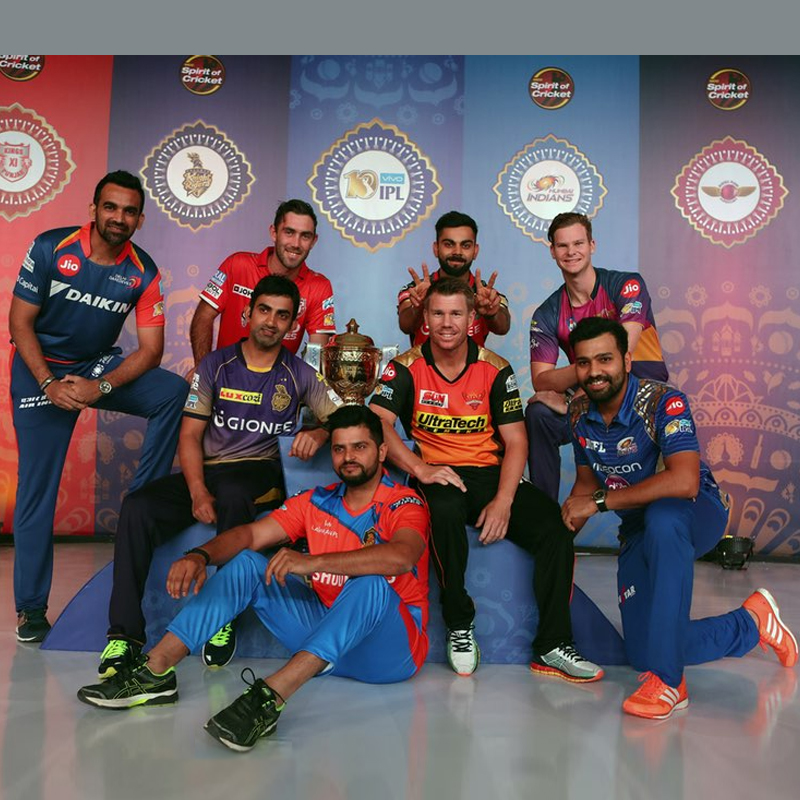
    Since then, Star India has acquired the rights to the BCCI’s prized T-20 cricket league- the Indian Premier League (IPL)-for the next five years as well as expanded its bouquet of channels in regional languages and launched free-to-air channel Star Bharat along with a slew of other new initiatives. This apart, its OTT platform, Hotstar, has also scaled up in customer base, apart from making test launches in Canada and the US with local product and paid pricing.

    “The valuation has most likely moved further northward. We estimate it to be around $20 billion or more now,” says an investment analyst, refusing to be identified. Newspaper reports have, however, put a price of around $13.7 billion dollars on Fox Networks Group International cable channels – which includes Star India, channels in Brazil, Mexico and other Latin American nations, which probably means the Indian bouquets valuation could be in the $10 billion range.

    Acquiring Star India will give Disney the much needed scale in one of the more promising markets in the world. It acquired local niche broadcast-cum-film and TV production network UTV in 2012 and has a healthy licensing and merchandising business in India but it would surely like more. The Star India acquisition-when it goes through-will give Disney all that and plenty more.

    Industry observers have been a little puzzled by the sudden decision by the Murdochs to exit entertainment and just continue to control the relatively smaller and leaner Fox broadcast network, Fox News and Fox Sports.

    “The acquisition-if it does happen-will lead to seismic changes in the media and entertainment world globally,” says a media commentator. “It heralds an era wherein the only thing that is certain is the uncertainty that has become the hallmark of the entertainment economy. Today’s media giants can become tomorrow’s minnows, thanks to the changes in the way consumers are consuming entertainment and technological leaps. Apple, the telcos and the FANGs look set to become the leaders tomorrow.”

    Also Read:  Comment: The rise and rise of Uday Shankar

    James Murdoch could be next Disney CEO: FT


  • Nitin Kukreja joins iQuest

    Nitin Kukreja joins iQuest

    MUMBAI: Former Star India sports head Nitin Kukreja has joined iQuest Enterprises as its chief executive officer. Kukreja had left Star in March this year.

    IQuest is an enterprise of Nimmagadda Prasad, the former owner of the Maa TV group, who has multiple business interests ranging from infrastructure to sports. It is pertinent to note that Star India took over Maa TV of which he was chairman for around Rs 2,300 crore in 2015.

    Prasad’s Iquest reportedly has actor Nagarjuna Rao Akkineni, Allu Arvind and Ram Charan Tej Konidala listed as directors according to corporate filings. But newspaper reports have suggested that Sachin Tendulkar and Prasad’s former business associate in Maa TV actor Chiranjeevi too are involved in the company as a partner. Kurkreja will have his hands full managing the sports business for iQuest though it has investments in other sectors as it owns teams across different sports:

    • Kerala Blasters, a team in the Indian Super League.
    • Badminton team, Benguluru Blasters, in the Premier Badminton League
    • Pro Kabaddi League team, Tamil Thalaivas.

    As the sports head at Star Sports, Kukreja was instrumental in the addition of mega sports IPs such as the Indian Super League and Pro Kabaddi League to the Star portfolio.

    Kukreja, a qualified chartered account, prior to his long stint with Star India has been an investment banker and served in private equity divisions of Morgan Stanley and the Audit and Assurance division of PricewaterhouseCoopers. He has also been an advisor for Prime Minister Narendra Modi’s Khelo India programme.

  • MSOs move Madras HC seeking relief on inter-connect pacts

    MSOs move Madras HC seeking relief on inter-connect pacts

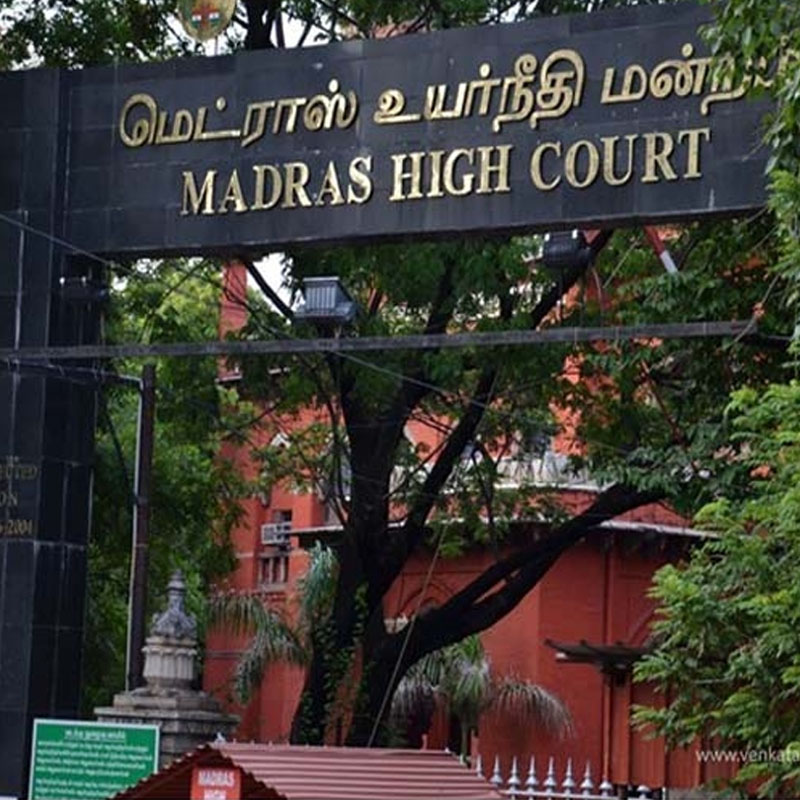
    MUMBAI: The All India Digital Cable Federation (AIDCF) had filed a petition in the Madras High Court few days back pleading a directive to broadcasters to maintain a status quo on renegotiating agreements between TV channels and MSOs till a final judicial call was taken on TRAI’s new tariff regime announced in 2016.

    The tariff order, along with guidelines on quality of services, was stayed by the Supreme Court pending a final directive from the Madras High Court.

    Pleading that renegotiating inter-connect agreements on expiry at this point of time could lead to losses to the MSOs and subscribers, in general, the apex body of digital MSOs in India has sought judicial relief.

    Telecoms and broadcast regulator TRAI, Star India and its affiliate Vijay TV have been made respondents in the case that, according to industry sources, has not yet been listed for an initial hearing at Tamil Nadu’s top court.

    Madras HC, which was hearing a case pertaining to TRAI’s validity to have jurisdiction over matters relating to copyrights, is yet to announce its final verdict. The petition was filed by Star India and Vijay TV in late 2016, which effectively put a stop to the implementation of a new tariff regime announced by TRAI in October 2016 for the broadcast sector and distribution platforms.

    Apart from the tariff order, originally issued on 10 October 2016, the regulator had also issued the DAS interconnect regulations and the standards of quality of service and consumer protection regulations. These guidelines, after being debated and allowed by Chennai and Delhi courts initially were finally stayed by the Supreme Court earlier this year till Madras High Court disposed off the Star India-Vijay TV case questioning TRAI’s jurisdiction over certain matters relating to copyrights and freedom to carry on business.

    ALSO READ:

    http://www.indiantelevision.com/regulators/high-court/orders-reserved-by-madras-hc-on-trai-jurisdiction-case-170731

    http://www.indiantelevision.com/regulators/trai/star-vijay-tv-amend-plea-trai-asked-by-madras-hc-to-file-response-170317

    http://www.indiantelevision.com/regulators/trai/trai-qos-implementation-stayed-by-delhi-hc-awaiting-madras-hc-verdict-170830

    http://www.indiantelevision.com/regulators/trai/star-trai-case-hearing-in-madras-high-court-starts-170627

  • Comment: The rise and rise of Uday Shankar

    Comment: The rise and rise of Uday Shankar

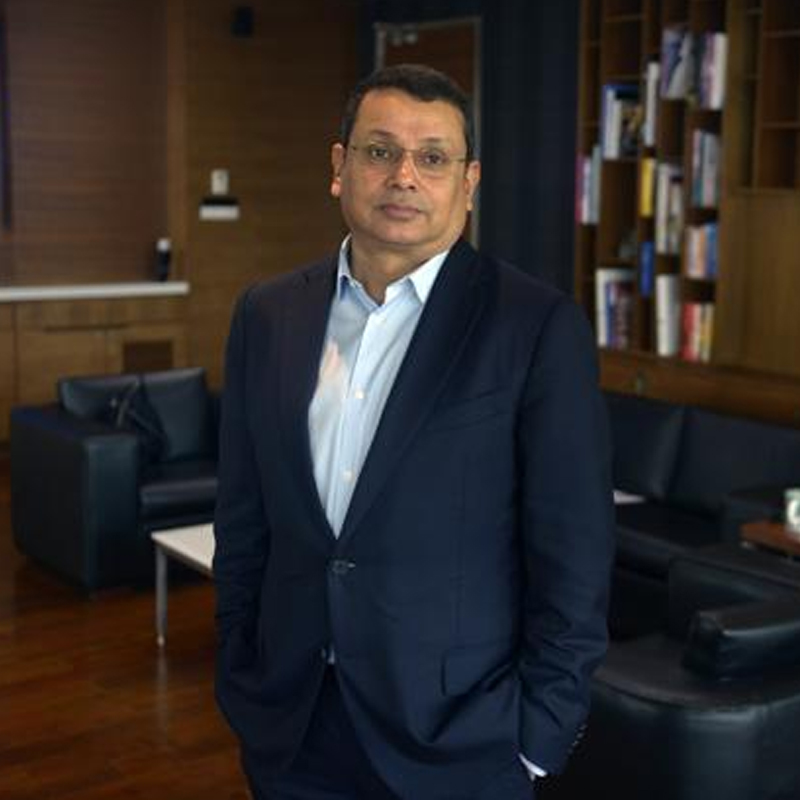
    MUMBAI: From not having enough money to afford even a TV set in Delhi in 1991 when he was a newspaper reporter to heading Star India, one of the most admired Indian media and entertainment companies, for a decade to now being appointed as 21st Century Fox Asia president, it has been quite a journey for Uday Shankar. A well-deserved and rewarding one at that.

    Today, Shankar is one of the few professionals from India to get region-wide responsibility for a global media powerhouse. Executives such as Man Jit Singh, who heads Sony Pictures Home Entertainment globally, and Bedi A Singh, who was News Corp CFO for a long time, have preceded him but both are Indians who rose up the ranks in the US.

    Shankar has, however, earned his stripes growing the Star India business, which in the first quarter had an EBDITA of $100 million and is on course to hit $500 million in 2017-2018 (in the words of 21st Century Fox (21CF) chairman James Murdoch). The 2020 EBDITA target, as spelt out by 21CF, is twice that, and the Murdochs say it is well on course to be achieved.

    When he was handpicked by the then News Corp COO Peter Chernin to take over Star in October 2007 (some say on the advice of the then outgoing company head in India), Shankar knew very little about the entertainment business. All his experience had been in news–whether print or television. He had had stints with several print media publications (his first was The Times of India around 1990) as a political correspondent and last was as one of the founders of environment magazine Down To Earth before the TV news bug bit him.

    Shankar took to the TV medium with ferocity—doing stints at Zee TV’s news channel as a news producer, the Hindustan Times promoted Home TV (it shut down quickly), production house Sri Adhikari Brothers, Sahara TV, and then India Today group’s Aaj Tak and Headlines Today, two channels he helped stabilise and grow over the next six seven years. His talent for being a journalist who got things done did not go unnoticed and he was asked to lead Star News, a joint venture with Kolkata-based ABP group, after CEO Ravina Raj Kohli departed.

    It was at Star News that he blossomed as an executive—a TV exec to be precise—and caught the attention of Chernin and the Murdochs. The rest, as they say, is history.

    Today, under his leadership, the Star network has expanded into regional language channels and produces close to 17,000 hours of content each year in eight languages. The route it has taken to get there: acquisition of the South India-based Maa network, Asianet and via launch of channels such as the Bengali-language Star Jalsa.

    A journalist with little entertainment content creation experience when he was appointed, Shankar has steered Star into creating TV content that has been path breaking over the past 10 years, dealing with social issues, apart from helping position it as a network that produces classy shows but with a social purpose. So much so that Star India shows command an advertising premium even if the channel is not topping viewership ratings. Even on the affiliate revenues front, Shankar has played hardball.

    But one of the boldest moves taken by Star under him—some critics may choose to describe it as foolhardy—was to take on broadcast and telecom regulator TRAI late 2016 when Star India and its affiliate Vijay TV challenged in court the regulator’s jurisdiction over matters relating to copyrights, which effectively has stalled implementation of a new tariff and inter-connect regime announced by TRAI in October 2016. The case is still pending a final verdict in Madras High Court till the time of writing this piece.

    Amongst the early movers in the OTT space, Shankar has made Star invest big in customer acquisition and pushed its digital platform Hotstar CEO Ajit Mohan to go out and not only acquire new business, but also devise a distribution strategy that could be sliced and diced as per needs of the geographical markets. So, Hotstar’s distribution and subscription strategy for the US and Canada market, heavily subscription revenue-led, could be quite different from that pushed in India, where making available content practically free to subscriber initially is aimed at hooking the viewer before he’s seduced to the pay model.

    Though Shankar is not known to be a great fan of gambling—even during Diwali when in India playing cards with cash is considered auspicious or for good `shagun’—he gambled big on the Indian Premier League’s (IPL) global rights for five years. Star not only played smart, outbidding incumbent rights holder SPN India and some global digital players sniffing at commercially viable Indian cricket rights, but also raised the bar to clinch the hand with a bet of $ 2.55 billion. Raising the stakes flattened competition.

    Under Shankar, Star has also ploughed huge investments into creating and acquiring sports properties such as the Pro Kabaddi League, the BCCI national cricket domestic rights, the domestic soccer league ISL in collaboration with Reliance Industries, table tennis, badminton, and many others sports.

    The recent promotion of Shankar means he has won the confidence of the Murdochs and the boards of News Corp and 21CF to replicate in Asia what he has done in India, long referred to as a jewel in the crown of the Murdoch media empire. While 21CF has done well in markets such as Taiwan, Japan, Hong Kong, Singapore, Malaysia, and South Korea, scale has been something that’s been missing. Shankar is expected now start building that.

    By promoting him to head Asia, 21 CF has also ensured that if a deal with Disney does happen (media reports emanating from all parts of globe say the approx USD 60 billion deal could happen sooner rather than later), it will be—very well could be—Shankar who will be scripting the new Asian story. Currently, Disney has two Asian heads: one for south east and south Asia and the other for north Asia. With him being designated as the boss, the reporting lines too could change with Mahesh Samat reporting to Shankar.

    How has Shankar managed this rags-to-riches story in the cut-throat corporate world of global media? Shankar himself gives a hint. Casually leaning against the main exit to the executive floor at level 37 in the South Parel office of Star, housing the leadership team, while escorting out a couple of senior editors of Indiantelevision.com after an interview in September, he was asked what made him tick. The recorder was off and the interview had ended, but what he said was revealing.

    According to Shankar, though he considers he has miles yet to travel (wherein he’d continue reading thought-provoking books like Yuval Noah Harari’s Sapiens: A Brief History of Humankind), his satisfaction comes from the fact that he has managed to assemble a string of high-calibre professionals as heads of various Star businesses who at least specialise in or know better one thing extra about the business than the chief. “This gives me great satisfaction as I know the business is in safe hands,” he said with a poker face.

    In the end, one of his mentors, Siddhartha Ray (Delhiwallahs say he’s one of the few friend-philosopher-guides of Shankar), who also happens to be the first GM of Star TV in India in the early 1990s, aptly summed up the X factor: “What makes Uday so successful? He’s a quick learner, good man-manager and an adept environment manager.”

    At Indiantelevision.com, we would wish Uday Shankar more wind beneath his wings so that he can soar higher.

    ALSO READ:

    Uday Shankar becomes president of 21st Century Fox Asia

    Star’s Uday Shankar on distribution challenges, IPL, FTA vs. pay TV…and much more

  • James Murdoch could be next Disney CEO: FT

    James Murdoch could be next Disney CEO: FT

    MUMBAI: Fox boss James Murdoch, according to a report by the Financial Times, is being considered as a potential successor to Walt Disney chief executive Bob Iger if the two companies reach agreement on a possible takeover.

    Disney began holding on-and-off discussions to take over some of Fox’s major assets last month. The sale would include Fox’s movie studio, cable channels and international units–Sky and Star India. It could be worth more than $60 billion and would reshape the global media landscape.

    According to the FT, Rupert Murdoch and his younger son, James, could take senior roles at a combined company if a deal is struck. Igeris due to retire in 2019 and James Murdoch, currently chief executive of 21st Century Fox and chairman of the satellite broadcaster Sky, is a possible successor.

    Comcast, the US’s largest cable operator and owner of NBC Universal, the TV network and movie studio company, is also reported to be assessing a bid, as is Verizon, the largest US telecoms group. Other reports that have come in state that even Japanese major Sony has also evinced interest. While CNBC reported that a deal could fructify next week, a Reuters report stated that no one is in  a hurry to strike a deal and that regulatory clearances will take their own due course.

    Neither company was immediately available for comment. “No promises have been made,” one person briefed on the talks told The FT.

    According to the FT, the Murdochs favour a deal with Disney as they believe it poses the lowest regulatory risk.


    Rendez-vous with James Murdoch at MIPCOM 2014

    James Murdoch bets big on Star India; expects $1 billion EBIDTA  by 2020

    Rupert and James Murdoch to host PM Narendra Modi in New York

  • Star India to introduce VR for IPL 2018

    Star India to introduce VR for IPL 2018

    NEW DELHI: With Star India, you can always expect the unexpected or something high-octane. In line with this philosophy, the broadcaster, along with its over-the-top (OTT) service Hotstar, is exploring the use of virtual reality, or VR, to heighten viewer experience during the 2018 season of the Indian Premier League (IPL).

    Speaking at a session themed ‘10 Media Transformations for 2018 & Beyond’ at the CII Big Picture Summit 2017 here yesterday, Hotstar’s consumer and revenue head Prabh Singh gave a sneak peek into the innovations being planned around the IPL, which included the VR experience for viewers.

    “Yes,” Singh said when asked by session moderator and NDTV consulting editor Vikram Chandra whether he had heard correctly that Star/Hotstar was mulling introducing VR headsets for viewers in IPL matches in 2018.

    Apart from VR, Singh divulged that Hotstar had been experimenting with other innovations such as score overlays to give additional benefits to subscribers watching cricket matches on the streaming service so they could not only watch the video but also enjoy extra information to add to the overall viewing experience.

    On the sidelines of the event, when asked by Indiantelevision.com how the VR experiment would play out, Singh mysteriously said: “wait and watch”. Pressed further on the issue whether VR headsets would be given to random spectators in stadiums or select subscribers of Hotstar, he added that the logistics were still being worked out, which included a possible tie-up with a VR (headset) company, too.

    Will the VR experience be extended to all the IPL matches? Singh refused to comment on the question.

    Star India, earlier in the year, had won the five-year global broadcast and digital rights to the IPL for $ 2.55 billion, a sum that has been described as from being `staggering’ to `over-priced’ to simply OTT.

    In September, when asked how the company planned to monetise the IPL, Star India chairman and CEO Uday Shankar (now elevated as head of 21st Century Fox Asia) in an interview to Indiantelevision.com had said: “All I know is that IPL is a very powerful tournament and cricket runs really deep in everybody’s bones in this country. To be successful, you just need to work on intensifying and heightening the experience of cricket further.”

    ALSO READ:   

    http://www.indiantelevision.com/television/tv-channels/sports/star-bids-highest-for-ipl-media-rights-and-is-the-winner-170904

    http://www.indiantelevision.com/television/tv-channels/gecs/stars-uday-shankar-on-distribution-challenges-ipl-fta-vs-pay-tv-innovations-make-in-india-content-and-much-more-170919

    http://www.indiantelevision.com/specials/event-coverage/asia-tv-forum/17-to-be-year-of-survival-for-vr-market-161209

    http://www.indiantelevision.com/specials/event-coverage/vidnet/republic-to-debut-vr-content-from-august-for-viewers-170714

  • Comment: Does Star stand to gain or lose by sharing IPL with DD?

    Comment: Does Star stand to gain or lose by sharing IPL with DD?

    MUMBAI: On a balmy September afternoon, while some reps from bidding companies blew smoke in the air (and the tensions, too, probably) at a five-star hotel in South Mumbai’s Colaba, some senior executives of Star India were lounging in a room in the same hotel-not as anxious as some of the smokers outside, a person familiar with the settings chirped. Soon, the Indian cricket board, BCCI, announced that Star had won the broadcast rights to the money-spinning IPl cricket tournament for five years for Rs 16,3475 million (Rs 16347.5 crore) or approximately $ 2.55 billion.  

    Cut to a fortnight or so earlier to New Delhi where the August summer was refusing to relent and the temperature fluctuated in a room in Supreme Court where the learned judges observed that India’s pubcaster Prasar Bharati cannot freely re-transmit TV signals of sports or cricketing events to other distribution platforms where the rights were held by a private broadcaster or a TV channel and was being shared with Doordarshan under a legislation of the country.

    In both the cases cited above the common factor was Star India (a subsidiary of Rupert Murdoch-controlled News Corp/21st Century Fox), probably the biggest broadcasting company in India in terms of revenues.

    Champagne should have been popped on both the occasions. Probably it was, but privately. And, the public reactions were cautious. Even in his interview to indiantelevision.com mid-September, Star India chairman and CEO Uday Shankar was cautiously optimistic about IPL win and India’s regulations relating to the media sector.

    Almost 70 days after winning the IPL rights — somewhere in between hectic consultations would have happened between Star India top leadership and company’s promoters — reports surfaced in media that Star India probably would have to share the IPL telecasts with pubcaster DD that will air the cricket matches on its terrestrial network and FTA DTH platform, DD FreeDish.

    What’s the gist of these reports in the media? IPL cricket matches would be telecast live on Star Sports channels and also a DD channel that would be available terrestrially and on DD FreeDish. This would be made possible — as and when the government formally issues a directive as both the law  and information & broadcasting ministries were being consulted — under a regulation called the Sports Broadcasting Signals (Mandatory Sharing with Prasar Bharati) Act, 2007. Some tweaks would have to be made and IPL categorized as a tournament of national importance at par with other sporting events like Olympics, Commonwealth Games and Wimbledon for the sharing to be mandated.

    Indiantelevision.com must admit, though, till the time of writing this piece everything’s in the realm of conjectures and possibilities. While Star and BCCI did not comment on emails on the issue sent to them by us, even the government sources quoted in the media as having articulated on the possible development were unnamed.

    It makes one thing clear: that nothing is clear as of now or set in stone. It’s also possible that as a trade-off for the Supreme Court directive barring  free re-transmission of shared TV signals of sporting events where rights were held by a private broadcaster, Star India could be mulling sharing IPL matches with DD — and also part of the advertising revenue.

    According to Financial Express newspaper, which quoted industry estimates, Sony Pictures Networks India (SPN), the official broadcaster (till 2017) of the T20 tournament since its inception, had crossed the Rs. 1,300 crore (Rs. 13,000 million)-mark in terms of ad revenue. The newspaper also stated that IPL’s season 10 garnered 1.25 billion impressions as per BARC data, gaining 24 per cent more viewership (compared to last year) on Sony channels.

    Writing a guest column in indiantelevision.com after Star won the IPL bid in September, senior business journalist and author of two books on IPL, Alam Srinivas, observed: “In 2009, when the IPL rights were renegotiated, Sony agreed to pay Rs 82,000 million for a nine-year period or Rs 9,111 million a year. At a simple inflation rate of 10 per cent, the figure will escalate to Rs 17,311 million over nine seasons. At a compounded rate of 10 per cent, the figure will be Rs 21,483 million. Star agreed to pay Rs 32,695 million per year, or a sizeable over 50 per cent higher than the 10 per cent compounded figure. This indicates that the IPL’s valuation has shot up, or at least the stakeholders think so.”

    Given this scenario, the following questions arise:

    Question No. 1: Is IPL that crucial (versus Test cricket, for example) to be designated as a sports of national importance to be shared with the pubcaster?

    Question No. 2: If that’s made possible, how will the technicalities of different TV feeds play out?

    Question No. 3: Will Star gain or lose financially having dished out $ 2.5 billion for a five -year rights?

    Question 4: Will sharing of the IPl matches with DD impede or affect Star’s usual high-octane marketing campaigns aimed at monetization of high-value events and will it set a precedent?

    The answers are not easy to frame as possible explanations are not forthcoming in the absence of any formal and official confirmations or denials.

    If we have to answer Q. 1, then prima facie, the answer would be ‘no’. IPL is a domestic cricket tournament having played out for 10 years with DD showing (officially) minimum interest. That IPL’s popularity has increased shouldn’t be reason for it to be shared with pubcaster, especially when the pubcaster has mostly shied away from airing Test cricket, which is a five-day affair over seven hours daily, and even when India featured in such matches.

    But then in an age of social media, when many games are played on the basis of perceptions, giving a huge swathe of Indian population easy and practically free access to IPL matches on DD could also mean scoring points with a big voting bank. After all, TV services or even entertainment are not categorized under essential services (like some utility services) that need not be subsidized by the government or access made free. Still in India, politics and sports have had a history of an intricate and, at times, incestuous interplay.

    Question 2 and 4 are easier to attempt. Simply because if Q1 and Q3 are sorted out — amicably — then these issues don’t matter much. TV feeds have been shared with DD and AIR by private broadcasters in the past on few occasions. What would be important is that DD adheres to the Supreme Court verdict and ensures that its free signals are not illegally carried by any unauthorized distribution platform(s) in the case of IPL matches.

     This brings us to Q.3 on which hinges Star’s fortunes despite being mandated by a regulation that can smack of strong-arm tactics by the government.

    However, it has to be admitted, again, that DD’s reach is tantalizing — at least theoretically. The FreeDish FTA DTH platform has an estimated 22 million subscribers, mostly in non-urban areas, while DD channels on the terrestrial network supposedly cover over 80 per cent of the approximate 1.26 billion Indian population.

    Given these numbers — clamour amongst private TV channels to be on the FTA DTH platform could be an indication — sharing of IPL matches with the pubcaster may not be such a big loss for Star.

    In an imagined world, Star could agree to share the IPl matches, forced under a regulation, but insist that it would retain the rights for marketing and ad sales of the matches  shown on DD channel too, sharing 25 per cent of the ad revenue— again as per stated law.

    This move could help Star not only increase the reach of IPL matches by at least 25 per cent, but also do some imaginative and aggressive ad sales with sponsors on digital and linear TV spaces. A marketing guru did admit in private that most FMCGs and big global spenders are now more looking at non-urban markets, which DD’s platform guarantees.

    In conclusion, we might say there are too many straws in the wind presently. A word of caution: this can set a precedent that may not always be healthy for the rightful rights owners. But then, as the boss, the government is always right, as the folklore goes.

    ALSO READ:  

    Guest Column: Star India’s IPL deal raises three crucial questions

    Star bids highest for BCCI’s IPL media & digital rights and is the winner

    IPL has come to the rightful home of cricket in India: Star’s Uday Shankar

    Star’s Uday Shankar on distribution challenges, IPL, FTA vs. pay TV, innovations, Made in India content…and much more

    With IPL rights, Uday Shankar gambles audaciously, must plan pragmatically


  • Star India bets on unreleased movies

    Star India bets on unreleased movies

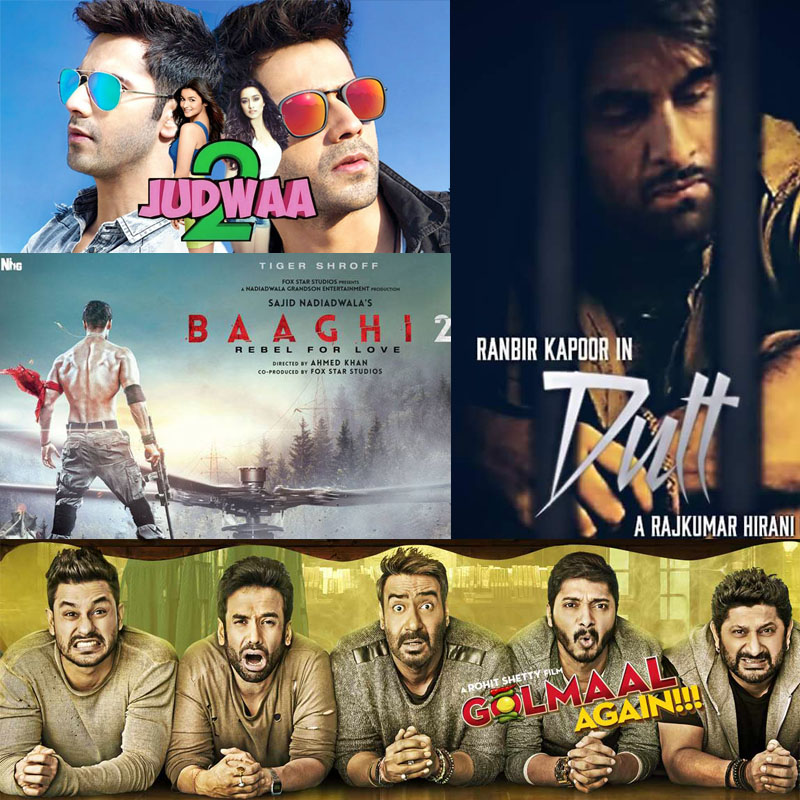
    MUMBAI: Star India is leaving no stone unturned to ensure Star Gold reigns in the movie premiere category. The broadcaster has not only acquired TV and digital rights for two blockbusters of 2017 – Golmaal Again and Judwaa 2 but also upcoming unreleased movies like Dutt, Baaghi 2, Raid and Aiyaary.

    According to a source close to the development, all the six movies have been acquired for a period of 7-11 years. They will also be available for streaming on Hotstar.

    Movie acquisition costs keep going a notch up every year, especially if the movie does well at the box office. The movie acquisition cost of Aiyaary is around Rs 21 crore, Golmaal Again is around Rs 60 crore and Judwaa 2 is between Rs 25-30 crore, the source revealed.

    Star India general manager and EVP Hindi movie business Hemal Jhaveri said, “The acquisition of the biggest films of the year is a testament to Star Gold’s dominant position and to the strength of the Star Network. Apart from entertaining the audiences, mega movie premieres also prove to be a successful platform from an advertiser’s standpoint. We are delighted to be at the centre of this win-win situation.”

    The broadcaster stands to earn big bucks during mega movie premieres since advertisers don’t hesitate to cough up premium rates, which will not be the case for a normal movie. It gives a bigger brand image for the advertiser as well as viewers.

    Premieres also tend to grab more eyeballs. The channel expects movies like Judwaa 2 and Golmaal Again to rake in the investment and viewership. But Bareilly ki Barfi and Shubh Mangal Savdhan and the likes may not do the same, said the source.

    Jhaveri believes that the channel has always received a phenomenal response for its big-ticket premieres. With the current lineup, the channel is optimistic about outdoing its previous records and setting new standards for television premieres in the country.

    In the last two years, Star Gold delivered the highest rated premieres, Bajrangi Bhaijaan and Prem Ratan Dhan Payo (PRPD), whose satellite rights commanded a price tag of Rs 50 crore. Both their ratings are still unbeaten. Along with these, the channel has disrupted the market with landmark premieres such as Pink and The State vs Jolly LL.B 2. In 2017 itself, the channel delivered six of the top 10 premieres shown on Hindi movie channels.

    Despite the onset of digital platforms, TV viewership hasn’t been affected but has even increased since rural areas, that were only acquainted with Doordarshan earlier, can now scan through tons of private channels.

    Rohit Shetty’s Golmaal Again and Varun Dhawan’s Judwaa 2 will premiere on Star Gold in the coming two months. Among the unreleased movies are Rajkumar Hirani’s Dutt starring Ranbir Kapoor, Neeraj Pandey’s Aiyaary featuring Sidharth Malhotra, Baaghi 2 with Tiger Shroff in the lead and Ajay Devgn’s Raid.

  • Channel V: A walk down memory lane

    Channel V: A walk down memory lane

    MUMBAI: As the curtains draw to bring an end to Channel V, not getting nostalgic is not easy. After years of struggling to find its way out of the rut-in search of viewers and trying to please the bean counters-the time to hang up the boots hasn’t come a moment too soon.

    The real joy, however, lies in a good story and the story of Channel V’s birth is as interesting as it gets.

    The genesis of the channel is in the falling out between Star and Viacom, which had come together to bring MTV to the country. Star wanted to localise the content while MTV preferred to continue with its focus on international music. Channel V, Star’s response to MTV, began producing original Indian content with a host of fresh faces, such as Sophiya Haque and Kamal Sidhu, as video jockeys in 1994.

    What really made Channel V tick were its people. Ed Sharples was the first general manager of the channel while Shashanka Ghosh stepped in as its creative director. The channel’s biggest legacy is that it introduced Indian pop to the youth. It became a platform for home-grown bands such as Euphoria and Uday Benegal-led Indus Creed and was played a big role in them reaching cult status.

    When we spoke to Mandar Thakur, who was the head of music and music/talent industry relations, he had many interesting anecdotes to share. Giving us an inside view of the operations, he spoke effusively of the wild ride that Channel V was and why it became an icon for the generation from the nineties.

    Quite remarkably, Rupert Murdoch-led Star gave the heads of channel complete liberty to chase creative excellence. Therefore, the period between 1994 and 2000 turned out to be the golden age for the channel. “We never chased money and our complete focus was on the quality of the programming,” says Thakur.

    One of the channel’s landmark properties was the Channel V Billboard Awards. The awards saw the participation of the top-flight Indian talent as well as the big international artists of the time such as No Doubt, with a few Bollywood celebrities thrown in for good measure.

    “For close to a month before the launch, the channel was called the next generation of music internally,” says Thakur, who was based in Hong Kong in 1994 and was one of the first employees.

    The offices of the channel moved around—from Colaba (close to Radio Bhavan) to Lamington to Khar 14th road (the Channel V bungalow, which became a Mumbai Darshan attraction) to Star India’s offices in Lower Parel. The bungalow was the scene of many a loud party.

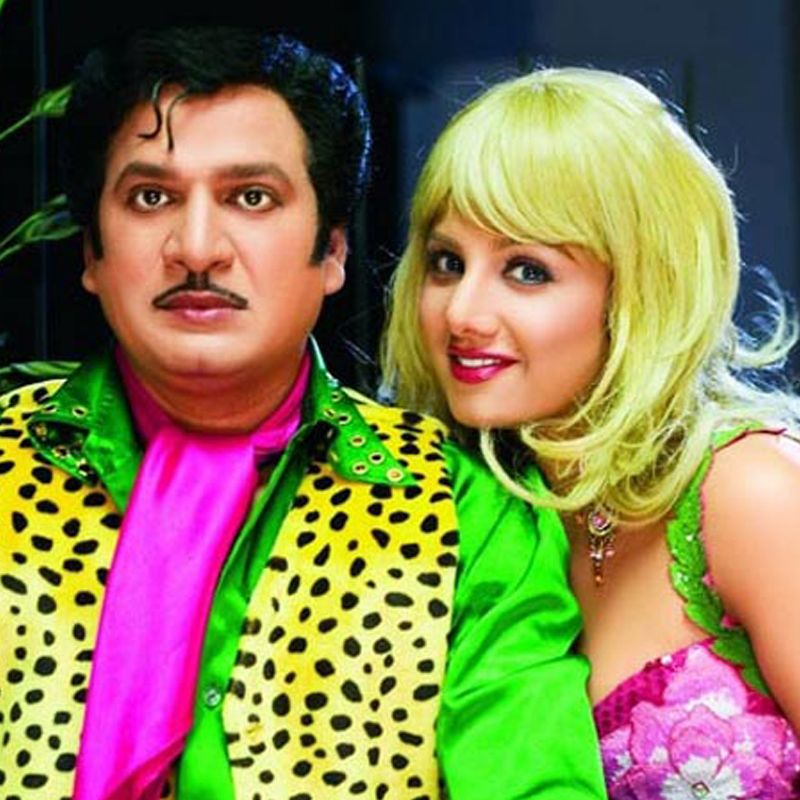
    During its hey days, the channel launched several iconic campaigns. The channel introduced quirky characters like Quick Gun Murrugan—a spoof on Indian western movies, created in 1994 during the launch of the channel—and was featured in its promos. The character eventually spawned a movie in 2009, directed by Ghosh. The Udham Singh Show, anchored by VJ Manish Makhija in Hariyanvi style, with groovy rap and a hip hop rendition of Meri bhains ko danda kyon maara was all the rage in the nineties. And who can forget the much-loved Lola Kutty, Anu Menon’s exaggerated portrayal of a Mallu housewife?

    Oh, nostalgia is the drug!

    A fight for eyeballs

    It was the rivalry between MTV and Channel V that made it all worthwhile. The tug-of-war got the competitive juices flowing on both sides. For instance, when MTV got Ricky Martin to India, Channel V managed to go one up on its counterpart by ambushing the pop star at the airport with welcome signs, following him all the way to the hotel. “It’s what we would call the perfect gorilla campaign. They got Martin to India but we got the mileage,” reminisces Thakur.

    Even at the peak of its influence, however, the channel couldn’t quite set the cash registers ringing for Star. In search of the moolah came some decisions that took the channel away from its core audience. As a direct result, some of the sharpest minds left the channel beginning early 2000. In 2001, Thakur himself left citing creative differences.

    “The channel was on top because it addressed issues and the stuff that the youth really enjoyed,” says Ghosh. “Television in India hadn’t seen that kind of humour before,” adds Ghosh.

    In search of greener pastures, Channel V became youth focussed as Mahesh Murthy, the country head of the channel between 1999 and 2000, made the decision. The channel may not have had as big an impact as it did earlier but it still kicked ass. VJs Andy, Anusha Dandekar, and Purab Kohli helped get the viewers tuned in.

    Attempts were made to rebrand Channel V as a reality show channel, moving away from its music-only programming. The plans, however, did not come to fruition as the channel shifted its focus away from music; it lost much of its popularity and TRPs. Therefore, viewership dropped drastically. In 2016, this mistake was corrected: it went back to playing music videos on loop. Nevertheless, it was too late for Channel V to regain popularity, and Star India decided to shut down operations.

    Now, the time has come to bid adieu to the channel, which will soon be replaced by Star India’s Kannada sports channel. Nowadays, life is hard to imagine without Facebook, Whatsapp or Snapchat. Well, that’s pretty much the case for the kid from the 90s with Channel V running on fumes.

    Goodbye, V. Thanks for the melody and the melodrama.