Tag: sports

  • Why is BFSI betting big on sports marketing?

    Why is BFSI betting big on sports marketing?

    MUMBAI: Raise your hand if you know who sponsored the last Mumbai Marathon? Sure everyone knows it was Standard Chartered Bank! Now, do you also know the main sponsor for the upcoming India England tour 2018? Not really, right? Advertisers in India have realised that they don’t have to rely on cricket to connect with their consumers anymore. And BFSI (banking, financial services and insurance) sector is the latest to have joined the bandwagon of sports marketing.

    Generally, BFSI is promoted with a serious tone that is often depressing and rather boring. Life insurance in particular rides on the fear factor. It was only a few years ago that the BFSI sector began injecting humour into its brand communication.

    The BFSI sector in India is shifting its focus to sports marketing and sponsorship from traditional events like festivals and occasions, to build its appeal with the new generation of consumers. The sector that has always endorsed and associated with individual sports personalities, is now looking at leveraging the popularity of sports by supporting smaller sporting events, especially city-based, non-cricket events.

    While banks have always endorsed individual sports personalities, they are now looking at leveraging on the popularity of sports events such as marathons, football, wrestling and badminton among other sports.

    YES Bank undertakes various health and fitness activities during yoga day and is also engaged with leading sporting leagues, management companies and sports clubs, PNB MetLife undertakes the PNB MetLife Junior Badminton Championship, IndusInd Bank organises the World Champions Programme – Cricket for the Blind while IDBI Federal Life Insurance has several leagues and sports of its own.

    The popularity of sports in India is so high that even The Reserve Bank of India has partnered with cricketers Ishan Kishan, Umesh Yadav, KL Rahul, Deepak Hooda to promote banking services and its benefits. This is the first time that RBI has partnered with any sports personality to advertise and create awareness about the banking system and the importance of a bank account. In fact, in the recent FIFA 2018 World Cup, RBI ads were present throughout the tournament.

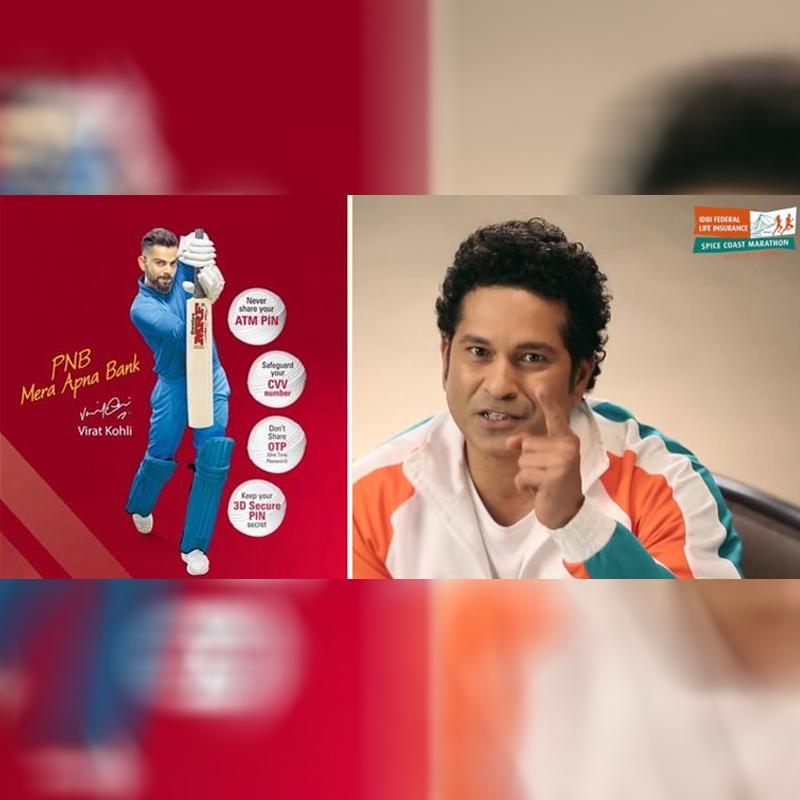
    Earlier this year, State-owned Punjab National Bank roped in Indian cricket team’s captain Virat Kohli as brand ambassador to improve its image, which took a hit due to rising bad loans.

    But what is it that attracts the BFSI sector to sports and athletes? Why is there an increasing trend of sports marketing by BFSI rather than having a celebrity on board? IDBI Federal life insurance CMO and head of products and strategy Karthik Raman thinks that sports helps to build a brand’s character and portray life insurance and banking service in a positive light rather than the depressing and boring sector.

    IDBI Federal Life Insurance utilises the platform of sport as the mainstay of the marketing efforts to grow the brand. With a strong emphasis on sports and fitness, the company is title sponsors of four city marathons in Mumbai, Kochi, Kolkata and New Delhi. Master Blaster, Sachin Tendulkar is the face of all its four marathons. In addition to the mass participation sport of distance running, IDBI Federal also puts a strong focus on talent development and grassroots sports.

    But what we are also observing is that banks are now unexcited about India’s most favourite sport cricket and rather moving towards badminton, marathon, tennis, football or kabaddi? It seems that badminton is becoming the most favourite game among banks to bet on followed by city run marathon and football. For IDBI, cricket is an expensive medium to invest in and is only for brands that have deep pockets. Raman says, “We didn’t want to do cricket because it’s been done to death and there are people with very deep pockets in the sport.”

    According to a recent report by GroupM and SportzPower, the sports sponsorship in India grew at 14 per cent in 2017 where media investments contributed to 55 per cent of overall spends, followed by ground sponsorships. In the same year, GroupM’s This Year, Next Year advertising investment forecast revealed that Indian advertising expenses were at Rs 61263 crore, of which sports sponsorships contributed to 12 per cent of the overall ad spends. The sponsorship of non-cricketing events grew in 2017 where football grew by a considerable 64 per cent.

    The future for sports marketing looks interesting but has its own challenges. Consumer engagement is one of the biggest challenges for brands and banks. With millennials switching to new platforms to access sports, the role of traditional media and sports marketing is changing. New and accessible ways to view sports, from mobile to social to VR, mean there is less incentive for fans to attend events in person, while more expectation is placed on sports stars to pull off an authentic natural voice for their brands.

    The environment is extremely tough for small athletics events that rely on fan attendance for revenue generation to keep their sports afloat — requiring communicators and marketers to become more creative in the ways they promote sports to their target audiences.

    Some banking institutes have now set up specialised sports vertical to aid sponsorships which can range anywhere between Rs 5 crore to Rs 25 crore depending on the association. The last six to eight years have been the most strenuous for the sports industry in India.

    Increasing viewership for sports, participation and sponsorship in sports other than cricket, growth in rural viewership numbers and rising number of sports start-ups are the key trends driving the growth of sports marketing in India.

    It sure is a lucrative business for banks as it gives them high visibility with minimal cost. What will be interesting however is if banks experiment with getting niche sports and international leagues and events in India.

  • Oakley unveils new brand movement with One Obsession campaign

    Oakley unveils new brand movement with One Obsession campaign

    MUMBAI: Oakley recently launched another chapter of the ONE OBESSION campaign which encourages you to make room for your sporting passions, be it sacrifices in your family-life, career or friendships.

    Oakley created the One Obesession athlete survey that examines the behaviors and lifestyles of “The Obsessed”, the committed everyday athletes who tirelessly pursue their sport to find true insights into what drives them.

    The campaign showcases that it’s not just about winning and losing. It’s about the journey and the lengths you’ll go for your sport, and we want to celebrate all of it.

    The One Obsession campaign looked at each of the daily routines to the biggest sacrifices be it time, careers or relationships.

    The findings were very revealing about what’s ok in the name of obsession:

    They know what work-life balance is all about

    – 40 per cent of employed athletes would rather excel at their sport than at their job

    – 23 per cent of employed athletes say their sport is more important than receiving awards or recognition at work

    The Obsessed are willing to make sacrifices

    – One-third (34 per cent) of athletes who have made sacrifices have let go of romantic relationships for their dedication

    – 29 per cent of athletes who have made sacrifices think they have given up financial success for athletic excellence

    – 51 per cent have trained on their birthday and 40 per cent have worked out on major holidays like Christmas or Thanksgiving

    For committed athletes, their sport is always on their mind

    – Over in 9 in 10 (91 per cent) think about their sport at least once a day

    – 21 per cent say they would be ‘completely lost’ without their sport

    – 15 per cent simply ‘don’t feel like themselves’ when they are not doing their sport

    Whether they are cyclists, golfers, skiers and snowboarders, runners and triathletes, or motorsport athletes, their sport is at the heart of their identity.

    A Day in the Life of The Committed

    Maximising time is everything for these athletes. Nearly two thirds (62 per cent) wake up before 6 am to ensure time for their sport, and over a quarter (27 per cent) rise before 4 am.

    Runners and triathletes are the earliest risers, with 72 per cent waking up before 6 am, followed by cyclists (58 per cent) and action sports athletes (57 per cent).

    Commitment and obsession constitute 365 days a year for these athletes. More than half (51 per cent) have trained on their birthday, and 40 per cent have played their sport on a major holiday, like Christmas or Thanksgiving. 15 percent have even broken a sweat on their wedding day.

    “Early to bed, early to rise” is crucial, with committed athletes getting an average of seven hours of sleep each night. 40 per cent go to bed before 10 pm each night, and nearly a quarter (23 per cent) actually get into bed before 9 pm.

    The Benefits of Obsession

    Athletes recognise the positive benefits their sport brings to their lives. 42 per cent say their sport provides balance in their life, and one third (33 per cent) say they play their sport because it’s the best way to alleviate stress. In fact, 24 per cent admit they’re able to sort through most of their personal issues when they’re training.

  • Sports dominated OOH viewership in April-May: BARC

    Sports dominated OOH viewership in April-May: BARC

    MUMBAI: Contributing more than half of the total TV viewership during the April-May period, the sports genre topped charts in Broadcast Audience Research Council (BARC) India’s Out of Home (OOH) measurement report. Sports accounted for 70 per cent of viewership, while movies and music enjoyed 10 per cent and 8 per cent respectively. 

    The trend is in line with the fact that these were sports-heavy weeks and thus saw many restaurants, pubs and lounges showcasing channels that were airing the matches.

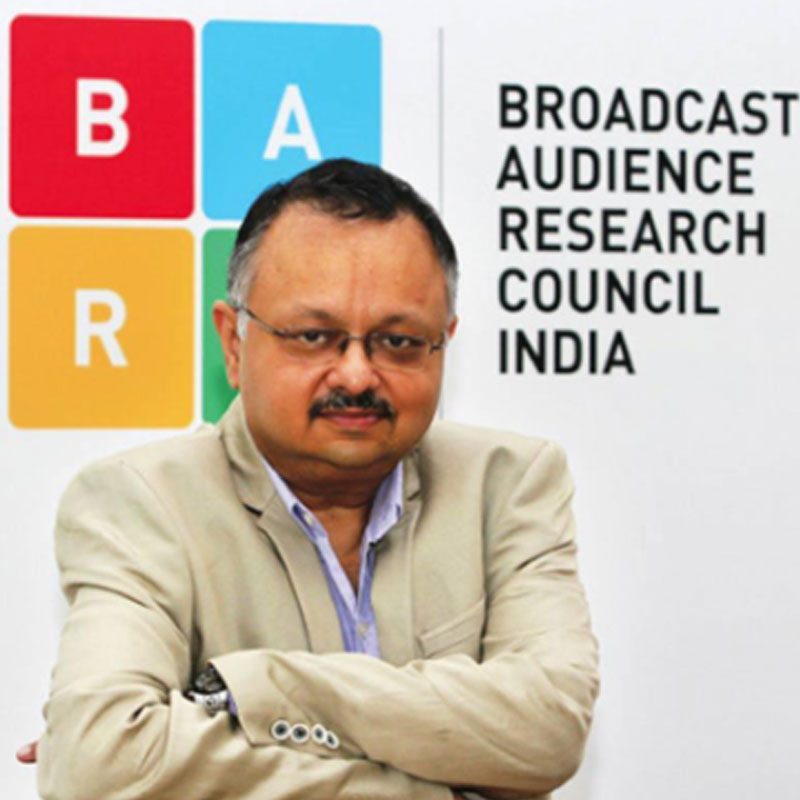
    BARC India CEO Partho Dasgupta said,“Our aim is to measure different screens and pipes and OOH is an extension of that commitment. There is a large population that consumes content on TV which is outside the bounds of home. We realised that it was important to capture those viewers as well. Before we launched rural viewership, there was blind targeting. But, inclusion of rural TV viewership helped advertisers uncover the potential of these areas. We are hoping that OOH viewership will help give better insights to advertisers and provide new opportunities.”

    Data also shows that the sports viewership was driven by channels on which Indian Premiere League (IPL) was aired.  

    A total of 44 million people, in 15+ TG, viewed TV in pubs, lounges and restaurants in Mumbai, Delhi and Bangalore during April-May. Of this, 33.3 million viewers watched live IPL matches. 

    BARC’s OOH measurement tracks viewing of individual of the same TG across 900+ establishments in the three cities, using 1500+ meters.

    Live telecast of the recently concluded IPL garnered 23.7 million impressions from OOH Viewing. An increment of 8 per cent over the viewership generated from TV homes in these markets, in the 15+ TG.  

    BARC India leveraged its Audio Watermarking technology and proven measurement capabilities to expand TV viewership measurement to OOH. This pre-subscribed service is a game changer for the industry as it uncovers a significant share of TV viewership which wasn’t being measured until now. 

    BARC India started its all-India measurement with a sample of 10,000 homes which is currently being raised to 40,000.

    Also Read:

    BARC Data: Republic TV continues to lead English news

    Colors emerges leader in GEC urban in BARC’s week 23 data

  • Hindi news benefited most, Sports  genre most affected: Chrome DM week 22

    Hindi news benefited most, Sports genre most affected: Chrome DM week 22

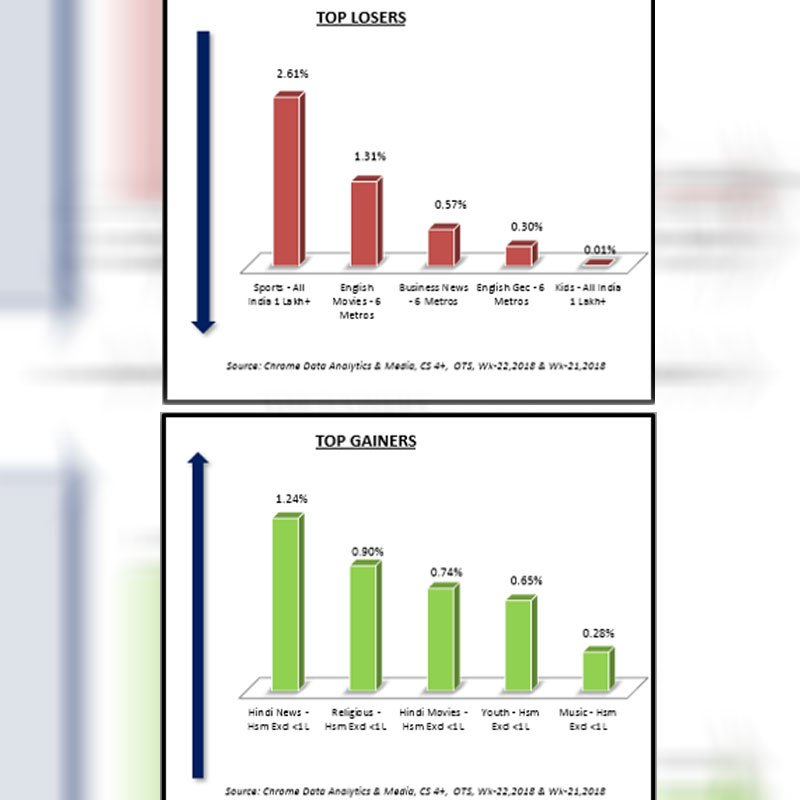
    MUMBAI: With a growth of 1.24 per cent as compared to last week (21), the Hindi News genre marked the highest opportunity to see (OTS) among all categories in week 22 of Chrome Data Analytics & Media. 

    In the Hindi news category, India TV gained the highest OTS with 98.8 per cent whereas Zee News’ OTS was 93.3 per cent in  HSM (Hindi-speaking markets) excluding 1L- towns.

    OTS is the actual census-based percentage connectivity of a channel spread across 81 million homes, reported by Chrome DM, across analogue cable, digital cable and DTH. 

    The second position in the gainer’s list of OTS was grabbed by the religious genre with the growth of 0.90 per cent in HSM excluding 1L-market. Aastha was the most benefitted channel in this category with 96 per cent whereas God was the most affected one with 79 per cent OTS.

    The third position in the gainers was garnered by Hindi movies genre in HSM excluding 1L-market with 0.74 per cent OTS. Rishtey Cineplex gained the highest OTS with 93.9 per cent whereas Zee Cinema had a 92.4 per cent OTS.

    The youth genre was at the fourth position in the list with 0.65 per cent growth and MTV reported  to 92.1 per cent OTS on an HSM (Hindi-speaking market) excluding 1L-market.

    The fifth position in gainers list was bagged by the music genre with a growth of 0.28 per cent. In this category, Sony Mix topped the OTS chart with 93.6 per cent on an all-India basis in week 22 of Chrome DM.

    Among the losers, sports was the most affected genre with a drop of 2.61 per cent OTS in HSM excluding 1L-market with Star Sports 1 recording the highest fall in OTS in the segment with 64.3 per cent whereas DD Sports was the least affected with 93.5 per cent

    The English movies category recorded a fall of 0.53 per cent OTS in six metros. Sony Pix topped the list with a 63.5 per cent OTS in week 22.Zee Studio had a 57 per cent OTS.

    Business news and English GECs pocketed third and fourth positions with a drop of 0.57 per cent and 0.30 per cent, respectively. NDTV Profit/Prime in the business news genre and Zee Cafe in the English GEC dipped with 61.8 per cent and 53.4 per cent OTS, whereas Zee Business and AXN topped the chart with 83.4 per cent and 60.4 per cent, respectively.

    Kids- All India genre stood at  fifth position with a fall of 0.01 per cent OTS with Sony Yay holding the last position in the Top 5 channels’ chart with 77.9 per cent and Nickelodeon leading the chart with 89.9 per cent OTS in 1L-market.

    Also Read:

    Demand for regional commentary in tier 3 & 4 towns: Chrome DM

    Discovery Jeet gets good spread at launch

    Jeet storms the market with big debut week reach

  • Nielsen on changing landscape of global sports

    Nielsen on changing landscape of global sports

    MUMBAI: The global sports industry is undergoing more disruption than ever as a result of ongoing shifts in media consumption, the emergence of new technologies and a rapidly evolving sponsorship market.

    Nielsen Holding, a global measurement and data analytics company released a report on the top five global sports industry trends. It found that the big tectonic movements like the rise of digital media, esports and diversity are setting off many smaller ripples of activity such as the rise of short-form video, content-led esports sponsorship and new women’s sports formats.

    The top five trends noted by Nielsen are distribution disruption, esports evolution, content rules, sponsorship and partnership and sports in our changing society.

    In the distribution disruption, the single biggest question for the sports business today is whether media rights revenues will hold up as the traditional TV business is disrupted. Star India is a very good example for the disruption in traditional TV business. The broadcaster invested around Rs 22,000 crore in a span of eight months to acquire IPL, the biggest domestic cricketing league and the BCCI media rights.

    Other significant effects of disruption include consolidation among traditional media companies. Several large media companies are seeking greater scale in revenue, geographical and programming terms, partly in order to compete with the tech giants.

    Esports globally has grown suddenly in the past couple of years. The percentage of fans that started following esports in countries like Japan, France, the UK, Germany and the US are 39, 34, 34, 30 and 29 respectively within the last year.

    The combined e-sports and gaming market is estimated to be Rs 3900 crore with more than 2000 teams consistently participating in tournaments across India and abroad with over 50 crore players worldwide. U Sports, one of the newly formed sports business companies in India, launched U Cypher, the country’s first multi-platform, multi-game esport championship.

    E-sports has been announced as a medal event in the 2022 Asian games seeing its rapid growth. It is moving from being a hobby to an actual career option.

    ‘Content is king’ is the third trend in the list. Attention spans are shortening and competing for consumer attention is rising. This trend, perhaps reflects the ongoing rise of over-the-top (OTT) streaming solutions across a variety of private platforms, in particular social media, and media consumption trending towards mobile, bite-sized and on-demand content.

    The likes of Facebook and Amazon and the life-or-death value of live sports to pay-TV should maintain rights fee growth for premium properties.

    The rise of the smartphone, coupled with the expansion of high-speed internet connections in many countries, has seen consumption habits shift ‘inevitably and irreversibly’ away from linear programming and towards on-demand mobile content.

    Sponsorships are continuing to evolve into richer, two-way relationships. The market had already been trending in this direction, but today the most successful sponsorships truly are proper partnerships. In the new sponsorship paradigm, audience data, compelling content and connection to business objectives are the winning traits, according to the report.

    In India, ground advertising saw growth from Rs 6400 crore in 2016 to Rs 7300 crore in 2017.

    In last year’s trends, Nielsen reports said “Social responsibility is becoming more prevalent and impactful.” This year, the relationship between sport and society is changing faster than ever, and staying on top of that change has become even more important.

    Overall, 66 per cent of the consumers are willing to pay more for brands committed to positive social and environmental impact. If we bifurcate it age-wise then 72 per cent of consumers are below 20, 75 per cent are under 34 and 51 per cent are between 50-64.

    Women’s sports continues to grow in focus for rights holders, brands and media. The sector is booming as the growth opportunity represented by under-engaged females is recognised, as brands demand a focus on women’s sports and gender equality takes greater prominence.

    It isn’t just in developed markets that women’s sports is gaining traction. Last year saw the remarkable opening of sports stadia to women in Saudi Arabia, the inaugural CAF Women’s Football Symposium, and Harmanpreet Kaur becoming India’s first female cricketer to secure a bat sponsorship, among other milestones.

    The year also saw exciting launches of new women’s properties, such as the UK’s Tyrrells Premier 15s rugby union competition and Australia’s AFLW. And the 2018 Winter Olympics offered great opportunities for storytelling around female athletes. Stakeholders like the US broadcaster NBC obliged, putting the likes of Lindsey Vonn and Mikaela Shiffrin center stage in their promotional coverage.

    The next big thing can be that the tech giants will increasingly challenge traditional sports media and increased competition will force higher fees for some premium content.

    The esports market can possibly take a cue from traditional sports by adopting similar revenue-generating models and creative content will be key for successful esports sponsorships.

    The content rule for the right holders will play an important role in the future and they will explore ways of monetising the new types of content, through sponsorship and subscription products. As the quality, volume and variety of content increase, it will be harder and harder to cut through.

    Sponsorships will become more flexible and tailored, and will include more value-in-kind. Rights holders will invest more in digital content and activation capabilities, in order to engage fans, collect data and service sponsors.

    Women’s sports will continue to grow, but properties will have to work harder as the marketplace becomes more crowded. Spending will increase on sponsorship campaigns that exhibit brands’ credentials on diversity, sustainability and other social issues.

    Also Read :

    Sports sponsorship in 2017 up by 14%: SportzPower-GroupM report

    IPL 2018: Team sponsorship deals may see an uptick


  • Lachlan Murdoch to lead New Fox after Disney sale, James is out

    Lachlan Murdoch to lead New Fox after Disney sale, James is out

    MUMBAI: The Murdochs-led 21st Century Fox has unveiled a new executive structure of the upcoming New Fox group after Disney buys out its other assets as proposed.

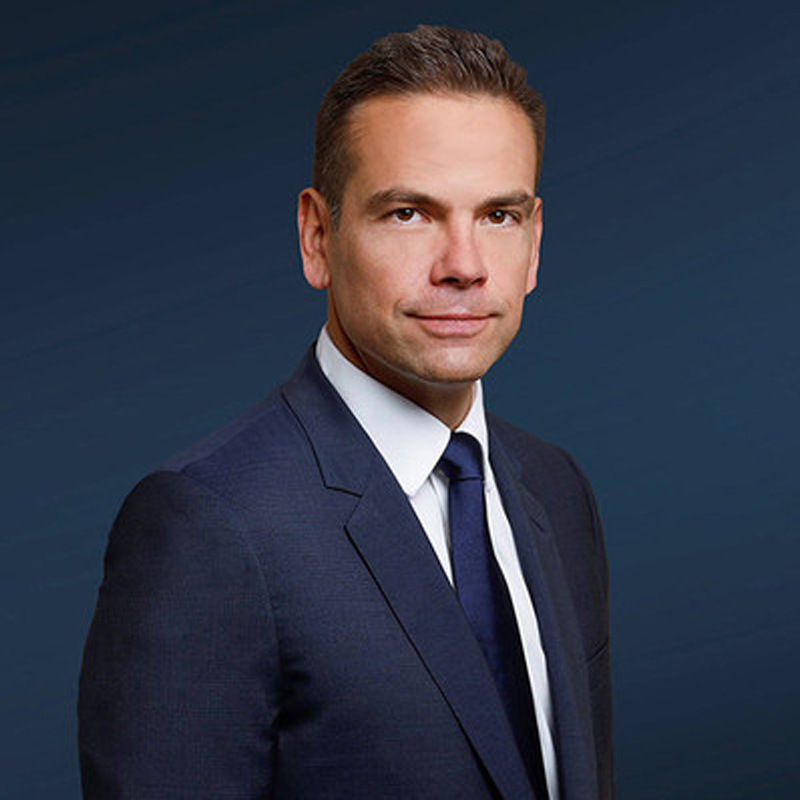
    Lachlan Murdoch will be chairman and CEO while father Rupert Murdoch will hold on as co-chairman. Since 2015, Lachlan has been executive chairman of 21st Century Fox. He works directly with the company’s senior management and board of directors in developing global strategies and setting the overall corporate vision. He also currently serves as co-chairman of News Corp and executive chairman of NOVA Entertainment, an Australian media company.

    Speaking on the changes, Lachlan Murdoch said: “We have worked through the winter ‘standing up’ a reimagined independent Fox. I am very pleased that John has agreed to take on the role of chief operating officer, and together we look forward to making further announcements as to the management and structure of this new Fox as we get closer to closing our proposed transaction with Disney.”

    21st Century Fox CEO James Murdoch has found no place at New Fox, which is news and sports focussed. Instead, James will be launching his own venture.

    Chief financial officer John Nallen will be the chief operating officer but current president Peter Rice didn’t find a seat at the helm. “The opportunity to reshape a business strategy and an operational approach uniquely tailored to the new Fox is truly compelling. I look forward to joining Lachlan as we begin to establish new Fox,” said Nallen.

    “The new Fox will begin as the only media company solely focused on the domestic market; focused on what Americans love best—sports, news and entertainment, built and delivered for a US audience,” said Rupert Murdoch.

    New Fox will have Fox News, Fox Business Network, Fox Broadcasting Company, Fox Sports and Fox Television Stations Group as well as sports cable networks FS1, FS2, Fox Deportes and Big Ten Network.

    A while ago, the Walt Disney Company agreed to a pay $52.4bn for Fox’s other assets including film and TV studios, US cable networks and international channels. Disney also gets a shot at National Geographic, FX and FXX, and even a 30 per cent interest in Hulu, which gives it a controlling stake in the US streamer. The deal also comes with stakes in Sky and Endemol Shine Group.

  • ESPNcricinfo’s 80% consumption from mobile devices

    ESPNcricinfo’s 80% consumption from mobile devices

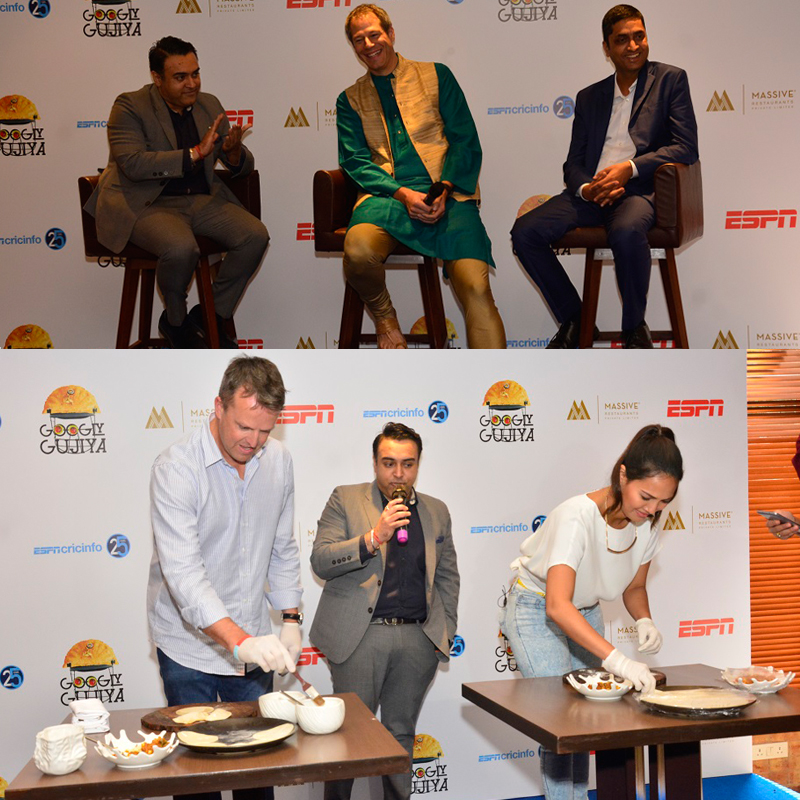
    MUMBAI: For 25 years, Indian viewers have grown fond of the name ESPN. ESPNcricinfo completed its silver jubilee in India and launched its annual ritual of creating a new dish – this time the Googly Gujiya.

    India’s favourite festive snack, gujiya, has been re-imagined by Zorawar Kalra’s Massive Restaurants as a celebration of cricket fandom and the sense of auspiciousness and euphoria that grips hundreds of millions of Indians each season. The new imagining of the Indian favourite also reflects a shared philosophy of ESPN India and Zorawar Kalra – accentuating the local while embracing the global.

    ESPN VP and head India and South Asia Ramesh Kumar said, “In the last two to three years we have seen a huge audience coming online and consuming content on ESPNcricinfo. Almost 80 per cent of the consumption happens on mobile platform. Indian cricket and live cricket is the primary driver of ESPNcricinfo.”

    Commenting on the occasion, EMEA, VP and general manager South Asia & Australia/New Zealand Charles Classen said, “At ESPN, we celebrate sport. We understand that sports, and the passions of fans, are acutely local and powerfully global. The fervour for cricket in India is unique to the nation. Yet, there are also enormously passionate followers of global sport, from Manchester United to Roger Federer and LeBron James. To truly serve fans, you must be both local and global. That’s what differentiates ESPN and helps us connect with the sport fans at all levels. Googly Gujiya reflects that same balance of local and global.”

    When asked about the FIFA WC 2018 on ESPN, Kumar said, “ESPN has a huge presence in Russia and with FIFA World Cup 2018 Russia is just around the corner, we are planning a huge coverage. We at ESPNcricinfo after 25 years are in the continuous process of evolution in terms of pushing the envelope and how we present our content to the audience.”

    Kumar also pointed that, in terms of ad revenue, ESPNcricinfo grew by 35 per cent in 2017.

    “Our global expertise, technology, innovation-led approach and understanding of sports fans globally helps us create the best possible experience for fans locally, on whatever device or screen they use. As we celebrate the cricket season and the silver anniversary of ESPNcricinfo, we wanted to find a creative way for that to come alive off screen as well. We are excited about introducing ‘Googly Gujiya’, a unique Indian festive snack with a contemporary twist. We are proud to partner with Massive Restaurants, known for their unique Indian dishes with international accents and for their innovative stints in the food and hospitality industry,” Kumar added.

    Speaking on the collaboration, Massive Restaurants founder and managing director Zorawar Kalra said, “Massive Restaurants is pleased to collaborate with ESPN for this initiative. We wanted to create a dish that is Indian at heart but has a global appeal, something that represents Indian tradition but with a contemporary twist. Gujiya is an Indian snack that is notable across all cultures and made during festivals and celebratory occasions. We have reinvented the traditional gujiya by making it savoury and used ingredients that are loved internationally. We are very excited to watch the entire sports fraternity, fans and food fanatics enjoy our ‘Googly Gujiyas’ while cheering for their favourite team, celebrating victories and having a good time in general.”

    The evolution of gujiya also reflects how the sport of cricket has evolved in 25 years since ESPNcricinfo first established its leadership in covering the sport. The advent of the IPL, Australia’s Big Bash, England’s Vitality T20 Blast and other domestic competitions, mixed with the growth of the international calendar, is a testimony to the evolving landscape. Players are now crisscrossing the world to play for teams at home and abroad. These changing dynamics of cricket seeded the idea of starting a new tradition in a country that is so passionate about the game.

    ESPNcricinfo web and app curates the most relevant content for fans across all geographies based on their unique needs and interests.

    Apart from the 10 international editions catering to all major cricket playing countries, users can also use the personalise feature to receive latest news and scores of their favourite team right at the top. This ensures that all fans irrespective of their location receive the most appealing content on the site and on the app.

  • Sports organisations dive into creating own digital ventures

    Sports organisations dive into creating own digital ventures

    MUMBAI: When cord-cutting started to become a phenomenon, there was a perception that live sports was one of the reasons why people wouldn’t cut the cord. In last two years, however, sports have proved to be a game changer for over-the-top (OTT) services. As a result, several major sports federations are taking initiatives to launch their own streaming services.

    Broadcasters have become frenzied when it comes to bidding for sporting tournaments with everyone letting their purses loose. Traditional broadcasters have led the way till now but sports federations are trying to make a mark of their own for dedicated and new fans.

    Recent reports suggest that La Liga, Spain’s football governing body has planned to launch an OTT service. It aims to secure €1.3 billion a year for the TV rights, but pay-TV operators are not willing to pay such a sum. Football fans across the globe eagerly wait for La Liga matches but yet broadcasters view the amount as a non-profitable sum.

    The availability of OTT platforms is enabling La Liga organisers to stick to the amount they are demanding. Javier Tebas, president of La Liga recently said at a conference in Barcelona, that if the bids don’t meet their expectation they won’t grant the rights. Moreover, the OTT platform La Liga is already working on will be a free multi sports streaming service adding more value to it.

    Another world class tournament, which has a fan worldwide, has a full-fledged plan to launch its OTT F1 TV.  While La Liga’s plan to make its OTT service free, F1 TV is going to be a subscription-based commercial free service. Aimed at core fans of Formula One, its plans to ace digital transformation is definitely a huge one.

    Like many OTT players worldwide, who don’t want non-paying viewers to jump out, the Formula One committee will offer a less expensive, non-live subscription tier, F1 TV Access. It will provide live race timing data and radio commentary, as well as extended highlights of each session from the race weekend. Knowing the fact that streaming live sports with lowest latency might be a challenge, it has relied on Tata Communications for CDN and connectivity services.

    The inclination to reach the global audience through a digital platform touched the Winter Olympics too. One of the main aims of the digital coverage is to engage fans more with the ongoing tournament to keep the excitement high. 2018 was the first year to witness digital coverage of this ancient sporting event. Olympic Channel aired Olympic Games coverage live for the first time on its global digital platform at olympicchannel.com and mobile apps for Android and iOS.

    Such attempts allow sports organisations the opportunity to reach fans on own terms and develop a direct relation with them. Along with coping with change in viewers’ habit, it may help them to evade the complex bidding process.  

    Though the trend seems new, WWE is one of the earliest examples to dive into OTT streaming service in 2013. WWE saw multiple benefits from offering its OTT subscription service to viewers including addition of more than a million active subscribers within a short term according to reports.  Other than that, what they got is data. A spokesperson from the company itself said, they could track when viewers are watching, what device they are using, how long they are watching, etc.

    By using your own OTT app federations can directly know their audience by gathering data. Using this information of viewer’s habit and demographics, the organisations can revamp the branding of the leagues in future. Especially, in such a context when on-demand sports content is a must in the future.

  • Mirza and the art of brand endorsement

    Mirza and the art of brand endorsement

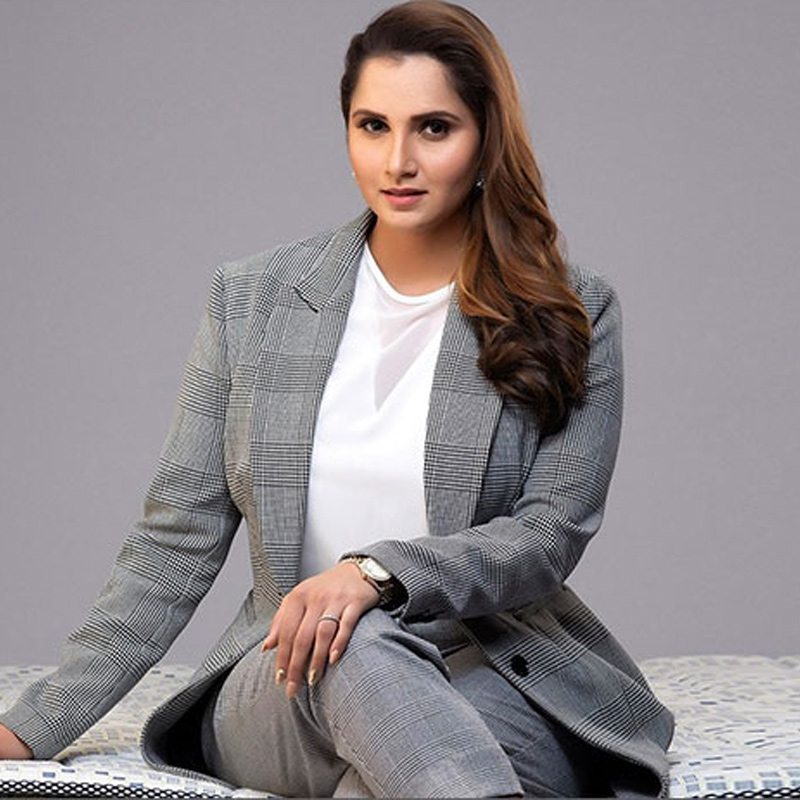
    MUMBAI: There was a time when she was the darling of the nation’s advertisers and of course ad agencies. The creative directors and TVC makers hoicked Indian tennis great Sania Mirza into as many commercials as they could and made her face for Cadbury Bornvita, TVS Scooty, Sprite, Volini, Air India, Tata Tea, Hathway Cable, Emami, Adidas among other popular brands. Sania started her professional tennis career while she was only a teenager; she was young, peppy, strong, popular and opinionated – qualities every brand looks for in their ideal brand ambassador.

    Then came her marriage to Pakistani cricketer Shoaib Malik coupled with a dip in her form due to inconsistent performances and injuries. And a wave of negative publicity that followed. Cadbury or Mondelez was among the first to not abstain from renewing her endorsement contract. Slowly, other brands followed, and she was even labeled as an “outsider” by the less charitable ones.

    But all that is in the past. Six years later Sania seems to be getting back in the endorsement game. She recently became the face of One Plus India and Centuary Mattresses.

    Her relationship with brands  has always been a difficult one with on and off deals. Yet, Sania isn’t disappointed about it and rather advocates, “I’m not playing tennis to become a brand ambassador for brands, but I’m playing tennis to win matches for the country. Sure, endorsements help in increasing the bank balance, but that’s not the prime focus.”

    Sania is part of a new bunch of sportsmen – cricketers, badminton players, tennis stars and boxing champions – who are in the top league of brand endorsers, according to report Sporting Nation in the Making, that examines sports sponsorships in India. Leading the pack is Indian cricket captain Virat Kohli who is miles ahead of even big Bollywood stars with deals going over 12 brands today, and an endorsement value of over Rs 200 crore. Kohli is believed to charge Rs 2 crore a day from brands, higher than what Mahendra Singh Dhoni did at his peak.

    Badminton player PV Sindhu has become a recent favourite among marketers. Sindhu’s current endorsement fee is Rs 1-1.25 crore a day, a rise from Rs 15-25 lakh her managers got her before she became the first Indian woman athlete to win an Olympic Silver in 2016. Sindhu, according to the report, has the highest endorsement value among non-cricketers in India. The badminton star endorses 11 brands with a valuation of Rs 30 crore.

    The report also highlights that cricketers in India endorse over 90 brands while all non-cricketing athletes in India combined have only 78 brand endorsements.

    Sania is not much swayed by this celebrity and sports endorsement see-saw, which sees the brand fortunes of sportsman rise and fall according to their performances. She agrees that the brand endorsement business has helped some sportsmen, though not all. She, however, says she was fortunate to get a good deal when she was at her peak. Says she: “I had the fortune to grow up with sports marketing and sports journalism when media was just picking up. Social media has become really big today, especially in the last few years.”

    She does believe that creatives in Indian advertising industry have become more imaginative about the use of sports celebs in TV commercials from 15-20 years ago. Says she in jest: “The way I was asked to pose with a tennis racket has changed drastically from then to now and it’s as simple as that. Brands today expect more realistic things and they understand that I am not an actress so I cannot act.”

    Women athletes get slimmer cheques than their male counterparts and that is something that riles her. Says Sania: “I’ve been endorsing ever since I was 16 years old and I was one of the few people who started endorsing that young. I grew up with the media boom and, hence, could demand that price. But today I have heard PV Sindhu demands a great price, but then if you say that she should demand the same amount as Virat Kohli, that’s not going to happen because Virat is the biggest sportsperson we have in the country and we still have a long way to go for equal pay.”

    A strong opinionated woman that she is, Mirza has always been a vocal supporter of equal rights for every gender. Mirza believes a lot has been said about women’s rights but true empowerment comes from within and women have to believe that they deserve equal rights and respect as men.

    She also believes that new athletes who see their star on their ascendant should not make a dash to sign up for every brand that knocks at their doors. “It is important to just be yourself and connect with the brand that you want to endorse at some level. Don’t be in it just for the money,” she advises.

    Would Jerry Maguire approve?

    Also Read :

    Aamir Khan becomes Vivo Pakistan’s official brand ambassador

    Kohli brand driving on the up

    Ideation to execution is shorter today: Forsman & Bodenfors’ Akesson

    Centuary Mattresses gets Sania Mirza as brand ambassador 

  • No reason for GECs to panic as IPL grabs eyeballs

    No reason for GECs to panic as IPL grabs eyeballs

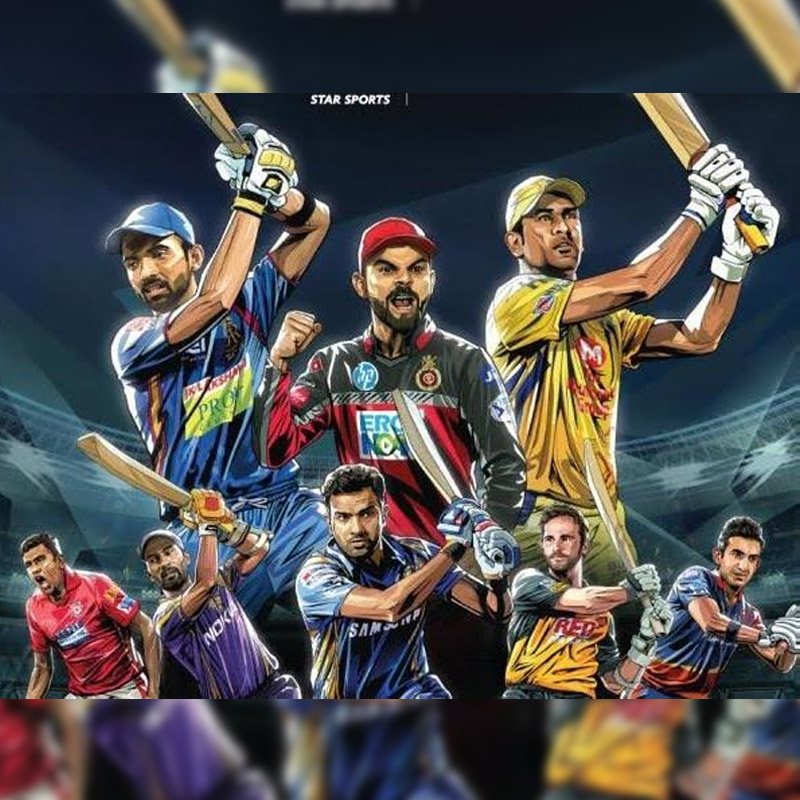
    MUMBAI: It is that time of the year when general entertainment channels (GECs), across languages, face the jitters over viewership numbers with the Indian Premier League (IPL) beginning its customary summer stint. Moreover, as the league begins a new innings with Star Sports, the host broadcaster has been in marketing overdrive to accrue eyeballs over the length and breadth of the country.

    During the IPL season, GECs usually witness a dip in viewership thanks to the league’s appeal cutting across demographics. It will be worthwhile to review the viewership ratings since this is Star’s first year of airing the league, which is being telecast in English, Hindi as well as Kannada, Tamil, Telugu and Bengali. When the broadcast rights lay with Sony Pictures Networks, the coverage was restricted to English and Hindi commentary on Sony Max for a decade.

    Considering the coverage is in six languages this season, the affinity for the league is set to soar with audiences in West Bengal, Tamil Nadu, Telangana, Andhra Pradesh and Karnataka that, hitherto, were compelled to watch the English coverage.

    Commentary in regional language not only multiplies the excitement among the viewers but also increases the entertainment quotient of the game, according to research conducted by Chrome Data Analytics & Media recently.

    There are, however, always two sides to a coin. Historically, GEC viewership ebbs and flows as the tournament progresses. While it may appear all glowing for the viewership of the IPL, as the common consensus is that GECs to lose considerable viewership during this two-month window, it is not all a doom and gloom scenario for the drama makers. Moreover, though the IPL has been geared mainly for the male audience, a huge number of female followers lap it up.

    Contrary to the popular notion, even as the viewership for the IPL rises exponentially during the first week of the tournament and the play-offs, the interest in the proceedings unmistakably tapers off during the middle stages of the league. Apart from the enthusiasts, regular fans are keen to just watch the games involving their favourite teams on the allotted days. GECs, therefore, can breathe a sigh of relief as some of the viewers are bound to return to catch up on their beloved TV shows after the initial euphoria of the tournament decreases. Despite commentary in more languages, a similar scenario is likely to pan out this season as well.  

    The IPL still remains a big cause for worry for GECs and broadcasters sounded the alarm in March by strategically launching new shows on their channels and giving them enough lead time to catch the attention of its audience. As a result, eight new shows were launched before the IPL started in a bid to avoid the exodus of viewers to the popular cricketing tournament.

    Star has a big legacy to carry forward from Sony and even create one of its own for the coming years and set the tone for the tenure of its rights. This season, it remains to be seen whether GECs effectively regain their viewership during the inevitable period of lull for the IPL.

    Also Read :

    Digital reality shows will compete with TV in future: Payal Bhagat

    VIVO IPL broadcast reaches a record-breaking 218 million viewers in its first week!