Tag: Sportel

  • Sportel: Sports media’s power players converge in Monaco for dealmaking and AI debates

    Sportel: Sports media’s power players converge in Monaco for dealmaking and AI debates

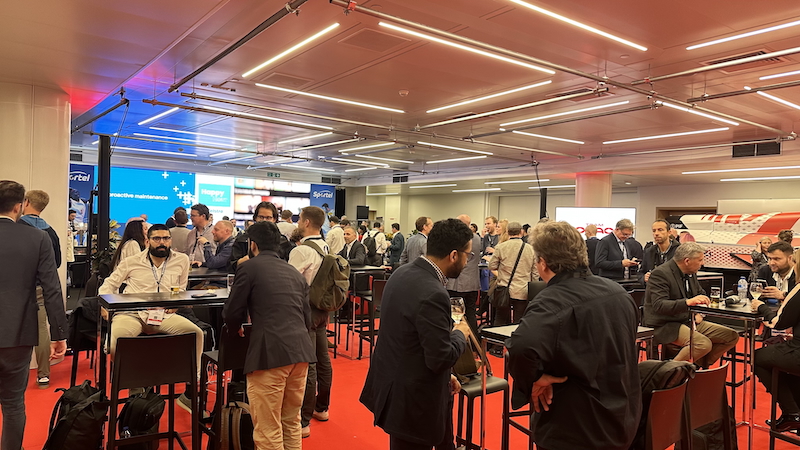
    MONACO: Monaco’s Grimaldi Forum became the epicentre of sports media wheeling and dealing this week as Sportel Monaco wrapped its 35th edition. Over three frenetic days, 2,000 executives from 70 countries—nearly half of them C-suite types—descended on 8,500 square metres of reimagined exhibition space to chase rights deals, scout technology and forge the partnerships that will define how the world watches sport.

    The numbers tell the story of an industry in flux: 795 companies turned up, including 155 newcomers, with content buyers making up a third of attendees. Americans showed up in force this year, breaking Europe’s traditional stranglehold on the event. The marketplace buzzed with talk of generative AI, cloud workflows and how to keep fans glued to screens in an age of infinite distraction.

    The conference summit brought heavy hitters to the stage. Javier Tebas, president of LaLiga, delivered a keynote whilst panels dissected everything from private equity’s invasion of sport to live broadcasting technology. Liverpool Football Club, Fox Sports Australia, the Bundesliga and upstart leagues like Kings League all sent their top brass to explain how they’re navigating the streaming wars and tech disruption.

    But Sportel isn’t just talk. Prince Albert II of Monaco showed up to unveil the RaceBird Monaco, the official boat of Team Monaco E1, alongside series founder Alejandro Agag. Hexagone MMA announced a €100,000 tournament series. Protocol Group launched a new consultancy arm for broadcast technology. Globecast, GlobalM and World Curling revealed a cloud-based collaboration. The deals kept coming.

    The event also made a splash with its revamped Sportel Sports Bar—an informal hub designed to turn casual chats into seven-figure contracts—and a well-attended women’s lunch featuring Alexis Ohanian of 776, marathon legend Paula Radcliffe and NBA executive Fiona Wong.

    “Sportel is not just a conference, it’s a global marketplace,” said executive director Loris Menoni summing up three days of handshakes, presentations and backroom negotiations. “We’re proud to have built an ecosystem where business flows naturally and future-defining partnerships are born.”

    The roadshow rolls on. Sportel Singapore takes over the Orchard Hotel on 24-25 March 2026, before the expo returns to Monaco next October. Expect more dealmaking, more disruption and plenty more sports executives nursing hangovers after late night networking.
  • Sportel 2025: AI set to dominate sports content as clubs embrace fan-generated revolution

    Sportel 2025: AI set to dominate sports content as clubs embrace fan-generated revolution

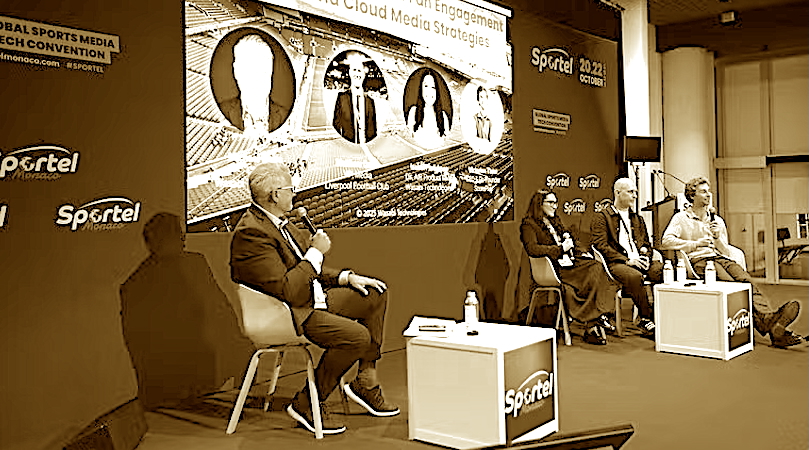
    MONACO: Sports organisations have a decade at most before artificial intelligence swallows nearly all their non-live content whole. Scoreplay – the AI-powered asset management platform – chief executive and cofounder Victorien Tixier delivered that stark message at Sportel Monaco’s sports business conference.

    The technology has become the lifeline for clubs scrambling to flood time zones with content that keeps fans glued. Yet Tixier reckons sport has a fleeting chance to rise above the tidal wave of AI dreck—provided it doubles down on storytelling and authenticity whilst deploying AI to dub content, chase trends and turbocharge workflows.

    “Sport has a unique opportunity to differentiate itself from all that huge flow of AI-generated content by helping organisations invest time and effort on storytelling, authenticity, and capitalise on what makes sport emotional, very human, and then globalise that,” Tixier told the panel.

    Liverpool FC vice-president of media Matthew Quinn detailed how the English football giants ditched physical infrastructure for cloud storage, enabling content creation from anywhere. The club had “years of images stored under a person’s stairs at home that were unsearchable,” he said. Cloud technology let Liverpool scatter content teams across training grounds and away fixtures whilst keeping them connected.

    Liverpool now deploys regional agencies in MENA and southeast Asia to run social media feeds round the clock. “Whilst we sleep in Liverpool, they will be awake in Thailand and those guys can be creating content, jumping on a trend,” Quinn explained. But his real obsession is user-generated content—fans capturing trophy lifts can tell stories “a million times more authentic than the clubs can do,” he said, though AI must do the heavy lifting to process footage in real time.

    Quinn sketched Liverpool’s business model: create centrally, distribute by audience. Different age groups and locations devour content differently—linear TV, YouTube, membership platforms. The setup lets clubs pounce when new platforms materialise. “A few years ago, TikTok didn’t exist,” he noted.

    Tixier stripped the monetisation playbook bare: “You sell tickets, you sell licensing, you sell brand partnerships, and you’re a content business.” Content must power every revenue stream, whether plastering Mo Salah across the website to shift tickets or exploiting international players to crack new markets culturally.

    Wasabi Technologies product marketing manager Isabel Freedman spotted another angle: sponsorship. Brands can trumpet partnerships that matured alongside the sport using archived footage—a compelling pitch.

    Quinn imagines AI linking fan-shot videos to match moments, creating hundreds of perspectives on the same goal. It’s a seductive vision: supporters as storytellers, clubs as enablers, AI as the glue. The sceptics worry about job losses and hidden agendas. The believers see magic. Either way, the revolution isn’t pending. It’s live.