Tag: Sony

  • 3net reaches 40 mn households in two years

    3net reaches 40 mn households in two years

    MUMBAI: 3net, the joint venture 3D network from Discovery, Sony and Imax, has reached 40 million US households even as it approaches its second anniversary on 13 February

    3net is available across five programme distribution affiliates, including DirecTV, Comcast, Service Electric Cablevision and Netflix.

    In addition to the network‘s specials, concerts and one-off documentaries debuted over the past two years, February also marks a programming milestone for 3net, as the network premieres its 13th 3D series.

    3net said it has benefited significantly from the rise of 3D TV adoption, with 3D televisions currently in almost one quarter of all homes in the U.S. and industry forecasts for significant further growth in 2013. By contrast, HD television had achieved low single digit household penetration at the same point in its evolutionary cycle more than a decade ago.

    3net president, CEO Tom Cosgrove said, “With 3D televisions already in nearly 25 million US households – and industry predictions of dramatic in-home 3D growth this year – we celebrate our second anniversary with a continued commitment to meeting the ever-growing consumer appetite for high-quality, original 3D television content.

    “We‘re proud to make our unique brand of immersive, original 3D programming available to more than 40 million US homes, and we look forward to further growth in the in-home 3D market as more consumers embrace the format – particularly as the electronics industry continues to include 3D as a feature available in nearly all of the new television models available to consumers this year, including every UHD/4K set coming to market.”

    3net also recently launched 3net Studios, with an overarching mission to fuel not only the flagship US channel service, but also to make the highest quality native 3D and 4K content available to consumers around the globe through a broad array of international distribution partners.

    ‘Crazy Land‘ is a new original series which explores the great American subcultures and the unusual people who inhabit them. In the first episode, ‘Real Life Super Heroes‘, young people are donning masks and capes to create a new breed of true-life super heroes. These costumed crusaders are putting themselves on the front line, whether by confronting muggers, drug dealers or feeding the homeless.

  • Nokia remains the most trusted for third consecutive year

    MUMBAI: Nokia, Samsung and Sony have emerged as India‘s three most trusted brands, according to The Brand Trust Report, India Study 2013.

    Nokia leads for the third consecutive year, while Samsung and Sony have both moved up two ranks from last year to occupy the second and third slots.

    BMW has climb twenty ranks to become India‘s fourth most trusted brand, as per the Brand Trust Report while Tata slips three positions as India‘s fifth most trusted brand after being in second slot in the previous two years.

    Godrej is India‘s sixth most trusted brand and has moved up five ranks from last year and Reliance ranks seventh having gained three positions over 2012.

    Meanwhile, Bajaj slips to eighth rank moving one down from the previous year, Airtel maintains its position at ninth and LG is India‘s tenth Most Trusted brand, losing seven ranks from last year.

    The Brand Trust Report, India Study 2013 is the third in its series and this year the report lists India‘s 1100 Most Trusted Brands from 211 categories.

    The report is a result of a primary research based on 61 attributes called the Brand Trust Matrix. The research conducted among 2505 influencer-respondents from 16 cities, generated more than 3 million data points from 13000 hours of research, the company said in a statement.

    Trust Research Advisory CEO N. Chandramouli said, “Brand Trust has become an universal and vital proxy for all the different experiences that a brand generates, making it possible for brands to accurately allocate resources and measure results.”

    After being ranked second in the aerated Soft Drinks Category for two years in a row, Coca-Cola has taken the first position, albeit with only a 2 per cent lead over the second ranked Pepsi.

    Nano is the most trusted car brand and among consumer products category. Meanwhile, Tide has overtaken Surf Excel as the most trusted detergent brand while Nirma surges ahead of Hindustan Unilever as the latter slips significantly.

    HCC is India‘s Most Trusted Infrastructure brand, DLF leads in Real Estate and, in education, IIT is more trusted than Oxford University and IIM. In F&B, Parle-G is the Most Trusted biscuit brand and Cadbury‘s Dairy Milk ranks highest among Chocolate Bars in which seven brands are listed.

    World Health Organisation (WHO) leads in trust among Global Bodies followed by YMCA, UNICEF and Red Cross. Dabur, the Ayurveda leader, also leads the Healthcare Super Category of 36 brands. The mosquito repellent, All Out, has been a leader three consecutive years and has lead of 120 per cent over the next ranked, Good Knight.

    The category of Internet has 25 brands this year and though Google leads Facebook this year also, it is only by a miniscule 3 per cent margin.

    Anna Hazare is the Most Trusted Personality in India. In the same list, Aamir Khan ranks second (up from his fifth rank last year) and Salman Khan slips to third, within a small 2 per cent gap of each other.

    Salman Khan‘s NGO Being Human maintains its rank as the Most Trusted NGO in India.

    Most brands in the Technology Category have gained trust ranks this year with Apple being listed as the Most Trusted Technology brand.

    Indigo Airlines is this year‘s Most Trusted Airline as Air India slips to second position.

  • Nach Baliye 5 opens with 4.1 TVR

    MUMBAI: The fifth season of the celebrity dance reality show ‘Nach Baliye’ opened with a TVR of 4.1 on 29 December on the leading Hindi general entertainment channel (GEC) Star Plus.

    As per TAM ratings (HSM, C&S, 4+), sourced from Hindi GECs, the dance show helped Star Plus add GRPs in the 52nd week of 2012 from a week earlier. Star Plus saw its GRPs increase by 14 to 245 GRPs in the last week of 2012, maintaining its top position in the Hindi GECs rankings.

    The ratings for Star Plus’ leading fiction property ‘Saathiya Saath Nibhana’ fell to 4.3 TVR in week 52 from 5.1 TVR a week earlier. Its other fiction show ‘Yeh Rishta Kya Kehlata Hai’ saw its ratings remain unchanged at 4.6 TVR compared with a week earlier.

    Occupying the second position among Hindi GECs is Colors having added 15 GRPs to register 238 GRPs in the week ended 29 December. Its fiction show on child marriage ‘Balika Vadhu’ is the most watched show with 5.1 TVR (4.8 TVR a week earlier). The grand finale of ‘Sur Kshetra’ on 29 December clocked 1.6 TVR. Sur Kshetra was being simulcast on Colors and Sahara.

    Colors had also aired ‘People’s Choice Awards’ on 29 December which fetched 2.5 TVRs, contributing to around 12.5 GRPs to the channel‘s viewership. The awards show ran for two-and-a-half hours.

    Zee TV and Sony Entertainment Television (Set) share the third position with 198 GRPs each. While Set added six GRPs backed by slight improvement in viewership of its fiction properties, Zee TV lost 28 GRPs.

    The drop in viewership of Zee TV can be attributed to the fact that the channel had aired Mahasangram of two of its fiction shows ‘Sapne Suhane Ladakpan Ke’ and ‘Rab Se Sohna Isshq’ in week 51 that had garnered viewership for the channel.

    With an addition of 13 GRPs, Sab becomes the No. 5 channel. The channel ended the last week with 156 GRPs. Its fiction shows ‘Baalveer’ and ‘Jeannie aur Juju’ have sustained with 1.3 TVRs while ‘Taarak Mehta Ka Ooltah Chasmah’ recorded 4.0 TVR and ‘Chidiyaghar’ attained 2.0 TVR.

    Sab EVP and business head Anooj Kapoor said, “Our success is a reinforcement of Sab’s brand promise of providing family entertainment with a dash of humour and this positioning consistently reflects in each of the shows produced by the channel. We will continue to offer innovative and differentiated content to our viewers across HSM and strengthen our reach to newer audiences across markets.”

    Next in the ranking is Life OK that saw a loss in viewership in week 52. The channel lost 43 GRPs at 110 GRPs.

    Sahara One with 23 GRPs (last week 24 GRPs) lies at the bottom of the ladder.

    In the digital homes, Colors continues to be the top ranked Hindi GEC in the digital market (HSM, digital 4+) for the sixth consecutive week. Colors leads with 242 GRPs in week 52 (220 GRPs a week earlier) in digital market with the overall leader (digital and analogue combined) Star Plus in second position with 225 GRPs (217 GRPs a week earlier).

    Sony is at number three position with 210 GRPs in the digital market, unchanged from the earlier week, and Zee is at the fourth position with 177 GRPs, down from 198 GRPs a week earlier.

  • Sony and MGM gung ho about Skyfall crossing $1 billion mark

    Sony and MGM gung ho about Skyfall crossing $1 billion mark

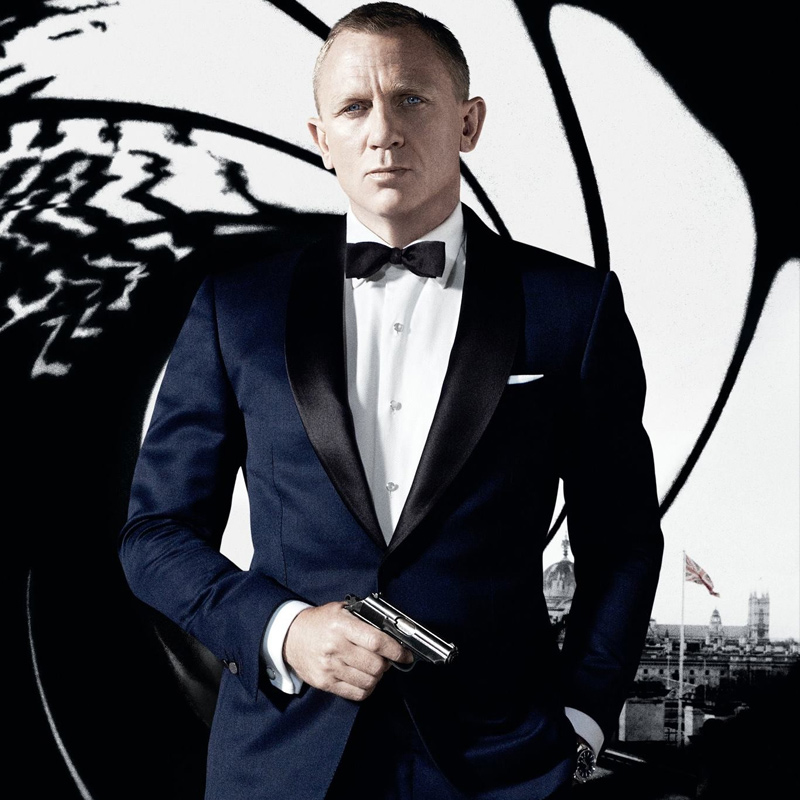
    MUMBAI: Happiness refuses to die down at the Sony and MGM headquarters as their latest James Bond-starrer Skyfall has rung in 2013 by crossing the $1 billion mark in global ticket sales.
    Directed by Sam Mendes, the film reached the milestone on Sunday when its worldwide tally hit $1 billion, by far the best showing of any Bond film not accounting for inflation.
    The film, that has grossed $289.6 million domestically and $710.6 million internationally, has become the highest grossing film in Sony‘s history and the first to jump $1 billion.
    Otherwise too, Skyfall continued to break records in the UK during the weekend when it grossed $1.4 million for a total take of $161.6 million and become the first film ever to cross the 100 million pound mark.
    The film, from Eon Productions, is the 23rd installment in the iconic British spy franchise. Skyfall also stars Javier Bardem, Judi Dench and Ralph Fiennes.
    Skyfall is the third movie of 2012 to cross $1 billion in worldwide ticket sales after Disney and Marvel‘s The Avengers ($1.51 billion) and Warner Bros‘ The Dark Knight Rises ($1.08 billion). Including Skyfall, only 14 films have grossed $1 billion or more.

  • Star Plus bounces back, Zee TV in 2nd position

    MUMBAI: Star Plus bounced back to the top position among Hindi general entertainment channels (GECs) in the penultimate week of 2012. It was at number two position in the previous two weeks, with the top slot occupied by Colors.

    In week 51, as per TAM Media Research data for C&S 4+, sourced from Hindi GECs, Star Plus maintained status quo in terms of ratings with 231 GRPs. Its shows like ‘Saathiya Saath Nibhana‘ (5.1 TVR), ‘Yeh Rishta Kya Kehlata Hai‘ (4.6 TVR) and ‘Pyar Ka Dard‘ (3.8 TVR) have seen marginal rise in ratings while others like ‘Diya Aur Bati Hum‘ (4.4 TVR), and ‘Ek Hazarome Meri Behena hai‘ (1.7 TVR) have seen a slight dip.

    Star Plus could see a spike in viewership next week as it is all set to launch its popular celebrity dance show ‘Nach Baliye‘ on 29 December.

    Following Star Plus is Zee TV that added 35 GRPs to its last week‘s tally to register 226 GRPs. The channel had aired Mahasangam (mega episodes) combining two of its daily soaps ‘Sapne Suhane Ladakpan Ke‘ and ‘Rab se Sona Ishq‘ from 17 December to 21 December.

    The two shows on Zee TV collectively ran for an hour every day and clocked an average of 4.5 TVR in the week ended 22 December. Zee TV‘s fiction properties like fear Files (2.3 TVR), ‘Pavitra Rishta‘ (3.8 TVR) and ‘Hitler Didi‘ (3.1 TVR) have seen a rise in viewership.

    Taking the number three position among Hindi GECs in week 51 is Colors with 223 GRPs (previous week 239). The channel had launched ‘Jai Jag Janani Maa Durga‘ in the 7 pm slot that debuted with 1.6 TVR on 17 December. The fall in viewership of the channel in week 51 can be attributed to the high-points in the shows like ‘Balika Vadhu‘ and ‘Madhubala‘ in earlier weeks. The two shows had ratings of 4.8 TVR (previous week 5.8) and 3.9 TVR (previous week 4 TVR) respectively in week 51. The other shows of the channel too saw a marginal dip in viewership, while reality show ‘Bigg Boss‘ continues to average 2.5 TVR as in the previous week.

    Sony Entertainment Television lost nine GRPs compared to Week 50 to notch 193 GRPs. ‘Kaun Banega Crorepati‘ continues to gain traction as it rated 3.4 TVR. The channel‘s crime-based properties ‘C.I.D‘ (3.4 TVR) and ‘Crime Patrol‘ (2.7 TVR) too continue to garner viewership. However, its shows ‘Adaalat‘ (1.9 TVR), ‘Kya Hua tera Vaada‘ (1.5 TVR) lost eyeballs. Comedy Circus saw increase in numbers as it ended the week with 3.1 TVR (previous week 2.5).

    Next in the ranking is Life OK, which saw addition of 15 GRPs to its previous week‘s tally to record 144 GRPs in week 51. The channel had aired the maha-episode of Mahadev on 16 December that gave the show the spike.

    Sab, the second GEC from Sony, is just a GRP behind Life OK with 143 GRPs (last week 140).

    Sahara One ended the week with 24 GRPs (last week 23).

  • Sony’s Bade Achche Lagte Hain most watched TV show on YouTube

    Sony’s Bade Achche Lagte Hain most watched TV show on YouTube

    MUMBAI: Sony Entertainment Channel‘s Bade Acche Lagte Hai was the most watched soap on YouTube in India followed by Taarak Mehta Ka Ooltah Chashmah, which airs on Sab.

    T-Series followed by SetIndia were the most susbcribed channels on YouTube this year. The top channels were selected based on their subscriber growth this year besides account views, reach, and engagement.

    Korean pop music album Gangnam Style might have been the most watched video of all-time on YouTube, but back home it‘s YoYo Honey Singh‘s Brown Rang song that has emerged as the most trending video of the year in India in 2012.

    Bollywood continued to rule the charts, with most watched songs and movie trailers on YouTube. Shah Rukh Khan starrer Jab Tak Hai Jaan emerged as the trailer overtaking Salman Khan blockbuster movie Dabangg.
    2012‘s top trending videos and the most subscribed channels from India, shows that YouTube has truly gone mainstream in India with millions of users watching songs, their favorite TV shows and subscribing to channels to catch their favorite content.

    Sports and language content also made their way to the top most subscribed channels.

    This year, YouTube also looked at shares, searches, likes and responses to identify the 10 videos that everybody was talking about in 2012.

    Globally, users saw over 4 billion hours of video a month. Millions of creators world over are using YouTube channels to experiment with innovative forms of entertainment, explore their passions and interests, take creativity and pop culture to new levels.

    Top trending YouTube videos in India (playlist) – 2012
    1 Brown Rang Full Song HD- International Villager YoYo Honey Singh
    2 PSY – GANGNAM STYLE
    3 Mashallah – Song – EkTha Tiger – Salman Khan & Katrina Kaif
    4 HIGH HEELS OFFICIAL VIDEO – JAZ DHAMI FT YO YO HONEY SINGH
    5 Tumhi Ho Bandhu – Song Promo – Cocktail [Exclusive]
    6 Jab Tak Hai Jaan – Trailer – Film releasing November 13
    7 Jism 2 YehJism Song | Sunny Leone, Arunnoday Singh, RandeepHooda |
    8 Saans – Song – Jab TakHaiJaan
    9 DaaruDesi – Song Promo – Cocktail (Exclusive)
    10 Chinta Ta Ta Chita Chita – Rowdy Rathore Official Full Song Video Akshay Kumar, SonakshiSinha, Mika

    Most subscribed channels (2012):
    1 TSeries
    2 SetIndia
    3 Yrf
    4 Erosentertainment
    5 Rajshri
    6 Teluguone
    7 SonymusicindiaSME
    8 Mtvroadies
    9 Olympic
    10 Maatv

    Most watched songs (2012):
    1 Brown Rang Full Song HD- International Villager YoYo Honey Singh
    2 PSY – GANGNAM STYLE
    3 Mashallah – Song – EkTha Tiger – Salman Khan & Katrina Kaif
    4 HIGH HEELS OFFICIAL VIDEO – JAZ DHAMI FT YO YO HONEY SINGH
    5 Jism 2 Yeh Jism Song | Sunny Leone, Arunnoday Singh, Randeep Hooda | Exclusive
    6 Saans – Song – Jab TakHaiJaan
    7 Chinta Ta Ta Chita Chita – Rowdy Rathore Official Full Song Video Akshay Kumar, Sonakshi Sinha, Mika
    8 "Abhi Abhi Jism 2" Official Song | Sunny Leone, Arunnoday Singh, Randeep Hooda
    9 Ishq Wala Love – Student Of The Year – The Official Song | HQ
    10 Challa – Song – Jab Tak Hai Jaan

    Most watched TV Shows (2012):
    1 Bade Acche Lagte Hai
    2 Taarak Mehta Ka Ooltah Chashmah
    3 Kahani Comedy Circus Ki
    4 Crime Patrol
    5 Devon Ke Dev… Mahadev
    6 CID
    7 Movie Night
    8 Totally Sketch Originals
    9 Adaalat
    10 FIR

    Most watched movie trailers (2012):
    1 Jab Tak Hai Jaan – Trailer – Film releasing November 13
    2 EK THA TIGER – Teaser Trailer – Salman Khan – Releasing 15th August 2012
    3 Heroine – Official Trailer – KareenaKapoor | ArjunRampal | RandeepHooda
    4 Cocktail – Theatrical Trailer (Exclusive)
    5 Talaash Theatrical Trailer – Official – Starring Aamir Khan, KareenaKapoor, Rani Mukerji
    6 Khiladi 786 – Official Teaser Trailer [Exclusive]
    7 Son Of Sardaar | Official Theatrical Trailer
    8 Rowdy Rathore | Official Trailer | Akshay Kumar – SonakshiSinha
    9 Hate Story Uncensored Theatrical Trailer (Official) 2012
    10 Raaz 3 Official Trailer

  • ‘Max will see 15-20% ad growth this year’ : Executive Vice-President and Business Head of Max and Sony Mix Neeraj Vyas

    ‘Max will see 15-20% ad growth this year’ : Executive Vice-President and Business Head of Max and Sony Mix Neeraj Vyas


    Neeraj Vyas, the Executive Vice-President and Business Head of Max and Sony Mix, is excited with the way the year went for Max, the Hindi movie channel from Multi Screen Media (MSM) stable.


    As the head of Max and Mix, Vyas has two challenges before him. The first is to take Max to the top position. The channel‘s strategy will be to acquire as many blockbuster movies as possible but at the same time remain judicious with the acquisition prices.


    The second challenge for Vyas is to grow Sony Mix, the music channel that was launched last year to widen the bouquet. The key for Mix, which operates in a tough genre, is to differentiate itself from other music channels through its programme offering while at the same time control costs to become viable.


    In an interview with Indiantelevision.com‘s Javed Farooqui and Urvi Malvania, Vyas shares his thoughts about the two channels and the way forward.


    Excerpts:


    Has the rise of Star Gold and the launch of its sibling channel affected the existing movie channels?
    Strictly from the ratings point of view, barring the first two months and post the IPL, it has been good for us. If you look at the ratings that were available three weeks back for the first 8-9 weeks, there is very little difference between the three of us – Star Gold, Zee Cinema, and Max. We have also had a successful movie acquisition year.


    How dependent is Max on big-ticket movie acquisitions as it has a premium positioning?
    Movie channels are completely driven by the library they have. Max has managed to have a premium image. It‘s completely by design and not by default because it‘s the way we want the channel and it‘s the way we present the channel. It‘s everything that you see on-air — the entire movie experience and our packaging. We want to set ourselves apart from others and hence did Extra Shots last year, a property where you get your trivia during the break and also put that into a half-an-hour show. This year we did something called Dirty Khabar.


    Does the premium positioning help Max get higher ad rates?
    It has helped us to extract premium from the advertisers. There are a lot of lifestyle brands, a lot of brands that are very conscious of the kind of environment they are seen in from an imagery point of view. If the advertisers have a choice between two or more channels, then Max will always be preferred.


    Did the ad slowdown have an impact on Max‘s revenues?
    There was no ad slowdown. In fact, we will see at least 15-20 per cent growth this year. The ad market for Hindi movie genre is a little under Rs 1,000 crore (Rs 10 billion).


    ‘The music genre accounts for about Rs 4 bn and is growing at 15% annually mainly due to new channel launches. We have set a 3- year period to break even‘

     
    What is driving this growth?
    There is money in the market, brands are being launched, and there are marketing activities. So there is no slowdown in my opinion. It (the slowdown) was a myth that was being created. At least till November or probably mid-December, we are tight on our inventory and are completely sold out.


    But there are broadcasters who have felt the pinch of ad slowdown?
    You tell me which broadcaster has slowed down in terms of content. Has anybody pulled back any shows? Despite no ratings, every GEC is going ahead with their biggest shows. There are two-three reality shows running on all the channels which are hugely expensive properties to produce. GECs are doing one-hour specials of their fiction shows and movie channels like us are marketing and putting more blockbusters on-air. Why would people do all these things if there was no money in the market? Give me a reason. I think the same people (who talk about a slowdown) need to answer this question.


    After a lull last year, has there been a spate of movie acquisitions this year?
    Yes, there was a lull. The way it (acquisition) works is if I have to acquire a film, I have to do it a good year-and-a-half before the film is released. If a producer doesn‘t get the price he wants, he waits for the box office performance of his film. Depending on the success or failure of the film, the price gets decided. The trend these days is strange as you have to acquire movies upfront. It sometimes works for you and sometimes it doesn‘t, so you have to be judicious.


    Has there been a price correction in acquiring movies?
    Unfortunately, what happens is that this industry is driven only by seven to eight stars. Unless we have more stars it will continue to be dominated by these 7-8 stars and it‘s essentially these men who lead the prices — the Khans, Akshay Kumar, Ajay Devgn and Ranbir Kapoor. If the price is going to be determined by these 7-8 stars, then their films will be sold at a premium.


    But a large number of movies go unsold?
    That is because the films of only these 7-8 guys get the ratings. For example, a film like Vicky Donor was liked by many but on television it won‘t get you a rating of even 1.5 TVR. Ratings for most GECs and time spent for channels like us come from the interiors of the country and the audience in the interiors is for films like Singham and Rowdy Rathore. That‘s the reality.


    Do you think acquiring movies on the basis of box office success is the criteria to follow?
    Honestly, that can be misleading. For example, Barfi is a brilliant film but put it on TV… probably it will get a rating of 2-3 TVR in the first airing, but it‘s not a movie that will get sustained ratings. Movie channels have a different model. When a film airs on television 10 times a year it has to give a certain yield and it has to give certain GRPs. As I said, the viewership comes from the interior.


    Zee walked out of the Barfi deal because at such high price point the monetisation becomes impossible. A correction is needed. It‘s a no-brainer. Zee‘s refusal to acquire Barfi rights was a step in the right direction. It also serves as a wake-up call for the producers or the corporates producing high-budget films. They have to get the pricing right irrespective of the box office collection because that is not connected to the success of the film on TV.


    Many networks have also experimented by premiering movies on GECs rather than the movie channel?
    That is a calculated gamble. Sometimes it pays off, sometimes it doesn‘t. It‘s a high-risk game because the price points of both the genres are hugely different. A GEC would trade at a certain level. Unfortunately movie channels have been under-priced since the beginning. By the time we start doing corrections, it is going to take time. The kind of money we recover on GECs will be far higher than on a movie channel. The yield is higher on GEC which is why we as an organisation have taken a decision to air certain movies like Paan Singh Tomar on Max but movies like Ek Tha Tiger and Rowdy Rathore will always be on Sony from a monetary point of view and its working for us. Once Sony has its one or two runs, it comes to Max and it really doesn‘t make a difference. What this does is safeguard our revenues and we manage our ratings better.


    How long does it take for a broadcaster to recover costs?
    For us it probably takes a little lesser time because we premiere on Sony. Our recovery is higher. It takes anywhere between two to three years to recover the costs. We acquire movies for a minimum of five years. We have a library of 800 movies and all of them are exclusive.


    Next year, IPL won‘t be there on Max since it will move to Sony Six. So what is your strategy going to be?
    We are a Hindi movie channel and we are happy that IPL is moving out. IPL moving out is a blessing for Max since we will get an opportunity to do a lot of things in the Bollywood space.


    Most Hindi movie channels also have dubbed content. How is it working?
    Almost 25-30 per cent of the content is dubbed and it is working. The prices of dubbed movies have also gone up although I can‘t give a number. The dubbed content adds variety to the channel. People in UP and MP don‘t know the actors but they love the action. Most of the South Indian films are in the realm of vendetta, revenge, high octane action, family values and so on. These are qualities that fit very well with the sensibilities of the heartland. Indian movies are Indian movies. People might look different but the basic ethos will always remain the same. The trend in Bollywood is that every big film that is going to come will be a remake of some or the other Southern language film. Everyone has acquired remake rights whether it is Salman Khan, Akshay Kumar or Aamir Khan.


    What implications will digitisation have on the genre?
    We are governed by the reality of libraries that we own. We will be able to run a large number of movies that we have not telecast. Hopefully, we will also get the opportunity to reach out to slightly more premium audiences. Also films like Silsila, Kabhi Kabhi, Rocket Singh and Saawariya which are rotting in our library will be able to see the light of the day.


    Coming to Sony Mix, how do you differentiate the channel from the other players in the genre?
    We decided to be a channel that is musical and understands the mood of the people. Our programming corresponds to the time of the day. So we have Surili Subah in the morning, Ishq Vishq in the afternoon, Mix Adda in the evening right up to Raina Beeti Jaaye, which is the slot for the retro songs. The promise of the channel is that we understand viewer‘s mood at different times of the day. We also went ahead and bought more music than anybody else simply because we wanted variety. So when other channels were playing the free plays and the new music launches, we went ahead and did deals with Yash Raj and Sony Music.


    What about your original content?
    We have a property called Mix Solos which has singers like Javed Ali, Roop Kumar Rathod and Shafqat Amanat Ali doing acoustic solos for the channel between songs. Then we have something called Mix Tippani where the channel suggests which song to listen to in which situation. We also have a show called Picture Abhi Baki hai. Here we take bytes from the actors, directors, music composers, singers etc — all with focus on the music and nothing else. It is like a sneak peak with focus on the music of the movie.


    These are the things that set us apart and we want to continue doing them. We want to do Harmony again which was on Sony 10 years back. We would love to revive that and have a show that has pure unplugged music. We also had a show “Yun Bana Yeh Song” with Swanand Kirkire where he explained how a song was made and took the viewers through the journey of the song. We have also brought back a lot of videos from the 90s that were huge back then. You see, you have to have a Mix of music for a music channel to be called a music channel.


    What is your primary TG? And what was your strategy when you launched Mix?
    Our primary TG is 15-24 age group, while our secondary TG is the 25-34 age group. We would never dilute our focus on the secondary TG. We firmly believe that you can‘t just cater to the youth which is why we have a Raina Beeti Jaaye at night. Music transcends age and we are going against the grain and not doing what everyone else is doing in the genre. Our belief is that it will pay off with digitisation and people wanting to make a choice.


    How tough is it to sustain a Hindi music channel?
    If you control your costs, then it is viable to have a music channel. But it is a tough game. We make use of our synergies with Sony Music and YRF. The challenge lies in how you programme your day as everyone has the same content in this genre. The brick of three songs before you go into an ad has to be so strong that it appeals to the audience.


    How is the revenue split between distribution and advertising?
    Distribution is negligible as a source of revenue right now. It‘s completely dependent on ad revenue. We have a wide range of advertisers come to us due to our programming. We have a broad base of viewers and though we are packaged as young and happy, our appeal is across age groups. You have to build the proposition based on the core values. The music genre accounts for about Rs 4 billion and is growing at 15 per cent annually mainly due to new channel launches. We have set a three-year period to break even.

  • ‘The last 20 years belong not to Star but to Zee’ : Star India CEO Peter Mukherjea

    ‘The last 20 years belong not to Star but to Zee’ : Star India CEO Peter Mukherjea

    Peter Mukerjea became the CEO of Star India at a crucial period of satellite television history in India when the relationship between two media moguls Rupert Murdoch and Subhash Chandra had soured.


    led Star against India’s homegrown broadcasting business of Chandra and took its flagship Hindi general entertainment channel (GEC) Star Plus to the top in 2000, the position it still enjoys after he quit to try his hands at his own private equity-backed broadcasting venture.


    The former Star India CEO admits that the last 20 years of private television broadcasting belong to Subhash Chandra despite himself being at the helm of a significant piece of Indian broadcasting history by successfully leading Star India.


    In a tete a tete with Indiantelevision.com’s Sibabrata Das, Mukerjea speaks candidly about how Chandra has outrun Star and Sony and today “runs the most effective broadcasting network, has a thriving cable business and was the first to launch DTH in India”.


    Excerpts:


    Q. Rupert Murdoch and Subhash Chandra started as allies and formed a joint venture. But this relationship turned stormy by the time you became Star India CEO. How bitter was it?
    The relationship with Zee was initially harmonious. But as News Corp started becoming more grounded in the Indian market and established its capability, Chandra’s views on Star, Murdoch and a multinational broadcaster changed.


    That in a way was inevitable to happen. So long as Star was in English and Zee in Hindi, the two companies operated in two ecosystems. The moment Star started Hindi content, Chandra saw it as a violation of the joint venture agreement and there was a major shift in relationship between the two partners.


    Q. And the beginning of the pay TV industry in India also helped in Chandra taking a hostile approach?
    Yes, it built a hostile environment. Alongside the personal stresses and strains, pay TV was becoming a reality in India. Murdoch has experienced pay TV in other markets and successfully developed it in his sprawling media empire. Chandra knew this.


    Though the two also ran an equal joint venture in Siticable (the cable TV outfit), there was mutual suspicion. The partnership became frigid and fell apart.


    I was in the hot seat as CEO. And the only way to progress was for Zee to buy out News Corp’s stakes in the joint ventures – which they eventually did. Having finished with that task, Star got an opportunity to do a total Hindi entertainment channel. Punit Goenka (son of Chandra and now in charge of Zeel and Zee News Ltd ) was a baby then and Chandra was running the company.


    Q. Were Chandra and Murdoch bitter even when they met after they split?
    Even when the meetings were pleasant, there was always tension in the background. Both were media moguls in different parts of the world and there was mutual respect. But it was always laced with a fair amount of rivalry.


    Q. In your early days as CEO, how did you find Chandra’s aggressive attacks?
    There were lots of questions put in Parliament and Star was accused of repatriating money from India and showing obscene content (Star Movies). Some of these were public petitions but we suspected that they were from our competitors. We, though, had no proof that they were Zee-backed.


    ‘Lobbying, having deeper pockets, being able to hire better executives – all these don’t matter. In love and war, all is fair. As a piece of history, it is Chandra who started DTH first in India. He has a strong presence in cable and runs the most effective broadcasting network in India. It is only in sports broadcasting that he needs an international partner‘


    Q. Murdoch always wanted to be the first to launch direct-to-home (DTH) operations in India. So what made Chandra beat Murdoch in this race?You can say it is because of lobbying or whatever. But the truth is that Chandra launched the first DTH platform in India. And he deserves credit for that.


    Q. Even Murdoch is known as a lobby master. Is that how you see this as a neutral proposition?
    Lobbying, having deeper pockets, being able to hire better executives – all these don’t matter. In love and war, all is fair. As a piece of history, it is Chandra who started DTH first in India.


    Q. So who would you say ruled the first 20 years of private satellite television broadcasting in India?
    The last 20 years surely belong to Chandra. He runs the most effective broadcasting network in India today. He has created an Indian product and has built a phenomenal international business with that content. He is the first to set up a regional-language network across India. And he has a strong presence in DTH and cable.


    Q. You say this even though you used to work in Star and later head it?
    Yes, you have to give credit to the man. He has worked so hard getting back, despite being knocked off in Hindi entertainment business in 2000. That was the time he expanded into different languages. Chandra has helped Zee stay probably as the largest broadcasting business in India today and as a publicly listed company. He had a longer part of the rule in these 20 years.


    Zee has outrun everybody else. It’s not Star, not Sony but Zee which is the leader of the pack. And this despite not having the backing of the multinationals which have an advantage in bringing truck loads of money. Look at the impact he has had in Indian society and entertainment culture. Zee has connected deeply with the Indians.


    Q. Do you see Chandra becoming a leader in sports broadcasting?
    He has to find an international sports partner. Though India is just cricket, he needs to step out of the base and bet much bigger. If he has higher risk-taking ability in sports and finds an international partner to provide richness in content, Zee will become a strong competitor to Star in sports broadcasting.


    Q. But didn’t he bid the highest for the ICC World CUP and also the BCCI rights?
    You can blame that on pedigree. The sad truth is that if you are a decision maker in allocating sports rights, you may go for a lower bid which has greater capability rather than give it to the one whose monetary bid was higher.


    Q. Chandra is now stepping into local languages in overseas markets like Middle East and Russia. Is the timing good?
    After building a solid business in India, Chandra is now stepping out to other parts of the world. There are great opportunities in eastern Europe or the entire Soviet Union country base. Parts of America are also a good hunting ground.


    I think it is a great strategy. Chandra has built the capability, the resources and the relationships. And it is not a bad time to strike. News Corp is going through a crisis and a lot of management time is wasted on external issues rather than businesses. Zee can capture market share and grow it.


    Q. Do you think Zee’s over-the-top (OTT) platform has a fair chance to succeed?
    There are serious rights issues and OTT is not still an open book. The bulk of the revenues in OTT is in the movie business. Chandra will have to wait it out. But it is creditable to pursue OTT and see it as a future growth business. Even in India, OTT will happen and grow alongside TV.


    Q. Would you have loved to work as CEO of Zee?
    That is difficult to say and I have never thought of it. I have never spent time with Chandra to understand him as an individual and what his goals are. A lot depends on the personal chemistry that you share with your personal boss. If goals do not match, then that relationship can’t work.


    Q. How much does an organisational culture matter?
    The promoter always brings a certain kind of personality into the organisation. But a lot depends on the CEO rather than the owner in influencing that culture; he brings his style and charm to the operations of the company.


    There are many critics who say the corporate culture in News Corp is not as wonderful as it is supposed to be. Citing the phone hacking issue, they say the organisational culture is wrong. There is, thus, no fixed solution to corporate culture.

  • Zee TV shoots up to no 1, Sony sets new GRP record

    MUMBAI: Zee TV has successfully battled the storm of new show launches on rival channels and has emerged as the leading Hindi general entertainment channel (GEC) again, after a gap of two weeks.

    Zee TV added 24 GRPs to its last week’s tally to end the week with 251 GRPs. The channel had aired ‘Mahasangram’ of its fiction shows from 8.30 -10 pm on 7 September that rated an average of 3.5 TVR and contributed around 10.5 GRPs to its kitty. Other fiction shows on the channel have also seen an improvement in ratings.

    “Zee has seen tremendous success with DID and the format has clicked well with the audiences ensuring repeat viewership for all their formats. The battle at the top 3 stands with a few GRPs differentiating the number one position and this looks like a weekly tug of war that we will see in the weeks to come,” says Mindshare principal partner -client leadership Anita Kotwani.

    Though just a GRP away from Zee TV, Star Plus lost 15 GRPs to close the week with 250 GRPs. Its fiction properties like ‘Diya Aur Bati Hum’, ‘Teri Meri Love Story’ have seen dips in viewership.

    Placed at No 3 is Sony Entertainment Television (Set) that has registered 244 GRPs (last week 210) in the week 36 of 2012 on the back of the launch of its biggest prime-time property ‘Kaun Banega Crorepati’ that has opened with 6.1 TVR. This is channel’s highest recorded rating in this year.

    Taking the No 4 spot on the ladder is Colors, which was the number 2 channel last week in the genre. Its newly launched reality show, Sahara-One’s ‘Sur-Kshetra’, opened with 1.2 TVR on 8 September. The other fiction properties of the channel have also shaved some viewership numbers. However ‘Jhalak Dikhhla Ja’ clocked a 3.4 TVR (last week 2.8). Colors reported 229 GRPs (last week 244) in the week ended 8 September.

    Life OK too reached its all time high ratings of this year. The channel that had opened with 87 GRPs in December 2011, recorded 141 GRPs (last week 132). Its mythological property ‘Mahadev’ continues to garner eyeballs and is averaging 3+ TVR.

    Following Life OK is Sab that added five GRPs to notch up 136 GRPs.

    Sahara-One maintained its position at No. 6, while adding one GRP to last week’s total of 35. ‘Sur-Kshetra’ – which it simulcasting with Colors – opened with a 0.3 TVR on the channel. Sahara-One had aired the singing reality show back-to-back on the day of the launch. The second airing of the show clocked 0.2 TVR.

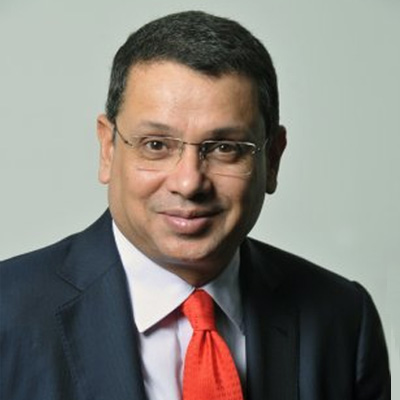
  • ‘BCCI rights great opportunity to build Star’s sports biz’ : Star India CEO Uday Shankar

    ‘BCCI rights great opportunity to build Star’s sports biz’ : Star India CEO Uday Shankar

    Star India CEO Uday Shankar, conqueror of TV news and entertainment business, is ready to wage a new battle in sports broadcasting.

    When the BCCI rights came up for grabs after the abrupt termination of contract with Nimbus, Shankar quickly pounced upon it. He tiptoed in, surprising hot contender Sony to pocket the prized rights to telecast international cricket in India from 2012 through 2018. His winning bid: a whopping Rs 38.5 billion.

    “We believe in the power and value of cricket as content in India. By acquiring the BCCI rights for telecast, we think it is a great opportunity to create a new business,” he says.

    Shankar‘s timing couldn‘t have been better. A couple of months later, joint venture partner Disney agreed to sell its 50 per cent stake in ESPN Star Sports, allowing Star to aggressively build and expand the sports broadcasting business in India.

    “Drama and cricket are the two big pools of content that the masses love to watch in India. We are already a key player in entertainment. Now we can have independent charge over the sports broadcasting business,” he says.

    Shankar has placed huge bets on digitisation that would plug leakages in subscription revenue and dramatically increase the paying subscribers to broadcasters. “In the current construct, those rights are not profitable. The market is primarily so unattractive because of the theft and leakage in subscription revenues. Digitisation would enable content owners to get a better share of the subscription revenue,” he avers.

    In the first part of the interview with Indiantelevision.com‘s Sibabrata Das, Shankar talks about Star‘s game plan in sports broadcasting, the rise in acquisition costs, the huge opportunity that digitisation would throw open and the need to build a robust subscription income.

    Excerpts:

    Q. Why did News Corp. and Disney end their 16-year-old joint venture partnership in ESPN Star Sports (ESS) when it allowed them to lead the sports broadcasting business in Asia?
    When the discussions started two years back, it was not on a buyout proposal but on how to take ESS forward in a changed market environment. The sports business was under financial pressure and both partners were worried. The Champions League T20 rights (for $975 million) did not bring much value. Acquisition prices were rising and competition was not helping stem it. This later turned into the need to go separate ways but the possession of the rights over sporting events made a split in the properties complex and impossible.

    The obvious course was to acquire the entire 50 per cent stake of the joint venture partner and be the sole owner. The deal took time because Disney had to take the final call on whether it wanted ESPN to exit from Asia.

    Q. When Star bid for the BCCI rights on its own, had Disney agreed to sell or it was an act of defiance to build a sports broadcasting business outside the JV?
    We were still discussing the future of ESS when the BCCI rights came up for renewal. And because there was no clarity on the future of ESS, we could not come to an understanding on what its position would be on BCCI. We at Star knew the strategic value this property would add to our thriving entertainment business. We expressed an interest that in case ESS was not clear and since the bid had a final deadline which was approaching fast, Star would go ahead and bid for the rights as a one-off.

    Even in the JV agreement, this kind of provision was there that either party (ESPN or Star) could go and bid for the rights. However, they could not use the rights on their own without the approval of the other party. So we agreed that instead of letting BCCI go away to a competitor, Star would bid for it as a one-off and then assign the rights to ESS in case they wanted it. If ESS didn‘t want, Star could go ahead and broadcast it. So that‘s how it happened.

    Q. Did the BCCI rights tilt the deal in your favour as we understand that even Disney had expressed an intent to acquire News Corp‘s stake in ESS (though they had made heavy investments in UTV and were looking at consolidating that business)?
    The two are not linked. We were very clear that it would be a one-off bid (for rights). Now let‘s assume that Disney had bought out ESS. Then they would have definitely insisted on a non-compete agreement and we would have had to find a way of handing over BCCI. I don‘t know what would have happened; that‘s a conversation one can only speculate on. But if Disney had chosen to play in the sports market here, then they would have definitely tried to also get a piece of the BCCI.

    Q. When you realised the strategic value of the BCCI rights, did the fear of Sony haunt you as it had the lucrative IPL (Indian Premier League) rights and its entertainment business was on the upswing?
    Of course, it was an important consideration. It would have made Sony a very formidable player in the sports space. And we were then not present in that space; we were only an entertainment company.

    We also knew that there were a few others like Ten Sports and BCCL (Benett Coleman and Company Ltd) who had bought the tender documents. All of them were key competitors. And anybody who had the cricket rights would have a serious strategic weapon.

    But that wasn‘t why we decided to go for the BCCI rights. We definitely believe in the power and value of cricket as content. It gets the largest number of viewers across all target groups. We also genuinely believe that there is an opportunity to improve the quality of cricket on TV. And we thought the best place to start that would be the BCCI rights.

    ‘In the current construct, those rights are not profitable. Our big punt is in digitisation‘ 

    Q. Was the bid of Rs 38.51 billion on the higher side?
    You would bid only what is the rational value of the tournament and not beyond reasonable limits. In fact, Sony and our bids were pretty close; it clearly tells you that there was a consistent logic that both of us were applying.

    You must appreciate that nobody had the time to plan for it because it happened suddenly. BCCI (rights) wasn‘t on Sony‘s or anybody‘s horizon. It was comfortably settled with Nimbus; they were holding the rights for almost six years and they were going to have it for several years more. If anybody says it was part of their serious strategic consideration, that wouldn‘t be correct. How can you plan for something that is not available in the market? But when it came up for grabs, everybody thought it was a great opportunity. And we definitely thought of it is as a great opportunity to create a new business.

    Q. But since it was unplanned, you could have overestimated the value of the property? Or how did you arrive at a right value?
    There was a reserve price that BCCI had indicated and based on that we did the mathematical calculations. The ad rates for India cricket matches per 10 seconds and the kind of distribution revenues that can be earned are available in the market. So based on that we did our calculations.

    Q. Media analysts say those numbers wouldn‘t make up for the bid amount unless digitisation happens. Did you bet too heavily on digitisation when you did the calculations?
    In the current construct, those rights are not profitable. The market is primarily so unattractive because of the theft and leakage in subscription revenues. More than Rs 150 billion gets collected from the ground in form of subscription income. But the net off carriage fees that comes to the broadcasters and content owners is a small fraction of that.

    Our big punt is that in the next couple of years when digitisation moves significantly forward, a lot of that would change. The leakages would have been plugged, there would be more fair and transparent business processes. And that would enable content owners to get a better share of the subscription revenue.

    Sports nowhere in the world has sustained on advertising revenue; that is a small part of it. Wherever it makes money, it makes it on the back of subscription income. And that is what we are hoping would happen in India as well.

    Q. Since Star has a very strong entertainment broadcasting business, will the network power not enable you to push up advertising rates for your sports properties?
    You can‘t move that synergy to up the ad rates much just because you have more properties under your belt. The target audiences and the set of advertisers are different. The big advertisers on sports, for instance, are telecom and auto companies. General entertainment channels primarily address a female TG.

    So you can‘t play much on network strength. We have not factored in any dramatic upside in advertising revenues. Let‘s face it; ad rates can‘t go beyond a certain level of elasticity.

    Q. Are you expecting ARPUs (average revenue per subscriber) to climb with digitisation of cable networks?
    No, I am not factoring in a tremendous increase in ARPUs. India is always a value conscious market and cricket is a mass market product. There would, of course, be some people who have the ability to pay higher value. But most people won‘t pay that kind of money.

    There is also enough competition in the market which would ensure that the ARPUs don‘t go beyond a certain limit. What we are looking at is the big shift in cable that should happen. In case of transparency, we clearly see a visible link between the subscriber base and the payouts. 

    Q. What sort of paying subscribers would sports broadcasters attract?
    If the whole country goes digital, you are talking about 120-130 million C&S homes in the next few years. Even if you say 60 per cent of the entire universe goes cable, you are talking about 70-75 million C&S homes.

    The 8-9 million paying subscribers for sports currently under analogue cable would go up significantly. Sports is driven by events. But at any time, the genre would be attracting 60-70 per cent of the total subscriber base. I think that is the ratio that DTH (direct-to-home) gets.

    ‘Sports had been relatively less competitive in India because the two big players were together. Now since ESPN and Star have parted ways, the next 5-10 years, will see a new round of competitiveness and aggression in the sports market‘

    Q. After having acquired the BCCI rights for such an aggressive price, will Star match that aggression for the upcoming cricket boards that will be up for grabs within a year?
    We neither choose to nor can afford to be over aggressive. If we are also aggressive, then rights prices would shoot up. Now it is Sony‘s and Ten Sports‘ turn to be aggressive.

    Q. Do you see acquisition prices climbing further?
    If the competitive norm stays, then there will definitely be a tendency for the acquisition prices to go up. A lot, however, depends on how the distribution market pans out. If the distribution market continues to be so leaky and porous and cable stays largely analogue, then even the current prices will be unsustainable. However, if the digital transformation happens and if there is a matured digital distribution market that comes up, then definitely the prices will go up.

    Q. Even if Disney decides to come back after the two-year non-compete period is over and India continues to have analogue cable?
    I am not too sure if it continues to be analogue, how many players would be interest. That is the biggest stumbling block. But on the other hand, I also think analogue cable will not survive even if the current digital initiatives fail to go through; analogue will dies on its own. This is a funny market. The analogue experience is poor and the number of channels that the consumers can watch is very few. The cable operator doesn‘t pay taxes; nor does he pay fair value to the content owner. How long will the society tolerate this kind of a distorted model?

    Q. Consumers are probably tolerating analogue cable because the ARPUs are low?
    The ARPUs are not that low. How much does DTH charge? You can‘t charge beyond a certain reasonable price. What you can charge consumers also depends on affordability and the kind of value that they attach to it. Price doesn‘t escalate in isolation; there has to be a realistic basis.

    In certain areas of Mumbai, cable subscription is Rs 300-350 per month. In low income areas, people are paying less. ARPUs are not uniformly low. That will happen in a digital environment also.

    Q. Can‘t acquisition prices for cricket rights go up because of strategic value that the property brings?
    No mature media company will pay irrationally high for strategic reasons unless this can translate into business value. If they do that, they will go bankrupt. There are a couple of media companies who are prime examples of that. There is a company that launched an entertainment channel and decided to go completely crazy for what they thought was the strategic value. The strategic value worked so well for them that they had to sell out. The news companies have gone ahead and spent so much money on all kinds of distribution, etc. We know the financial mess they are all in.

    You think anybody would pay obscenely high just because it has strategic value. Star would not do that; nor would Sony and Zee. If BCCI prices were double this and tomorrow if IPL is available for three times more, would I go and buy those rights? No way. I don‘t want to go and acquire rights and be sacked or drive my company bankrupt.

    Q. With the current distribution of cricket properties across sports broadcasters, what sort of dominance will Star have?
    It is very difficult for anyone to have any kind of very big position in market share, let alone dominance. In this market, every sector of broadcasting and media is so competitive. Whether it is entertainment, news or regional, one thing that we have seen is that there is new competition coming in every day.

    If anything, sports all these years has seen less and less of competition in India primarily because there was a JV between ESPN and Star. Until IPL came, it was just ESPN-Star. Sony had a game only because it got the IPL; without it, it would have been a marginal player. Ten Sports continues to be a marginal player except for a few rights they have like the South Africa and the Sri Lanka boards.

    Sports broadcasting requires heavy investments. And not everybody may have the appetite to take big risks unless you are a Zee or Sony, specially because the distribution deals are so uncertain.

    Since ESPN and Star have parted ways, it is only a matter of time that Disney and ESPN will come back to India. So I think over the next 5-10 years, you will see a new round of competitiveness and aggression in the sports market. Sony has launched a sports channel; they will have to really work hard to build that and will need more rights. I am sure they will surely bid aggressive for whatever rights come up. Ten Sports will also be forced to bid for a few more rights if they want to stay competitive in the game. You saw how expensive their bid was for the South Africa rights. The price they paid was pretty high and they got it.

    Sports had been relatively less competitive in this country because the two big players were together. That phenomena is set to change.

    Q. But in UK you have News Corp as a big player and ESPN as a much smaller player. Wouldn‘t India replicate that market?
    Those are very settled markets and even there that is not quite the case. In India tell me one sector of media where one single player sits with 50 per cent share. When it started, that may have been the case. About 20 years ago, Zee had a large share. Then Star came and build a large share in Hindi entertainment. See how competitive the market is today.

    Take regional. The only market where one player continues to build a very big share is Sun network in Tamil Nadu. And we all know the reasons behind that. But if it‘s a freee market, then it is difficult for anybody to take a 50 per cent or a 40 per cent share. Very, very difficult.

    India is an emerging market. So global attention is on this market. Media, despite all the softening, is still delivering the second largest growth rate in the world year-on-year. And that will continue to be the case for a long time. The most attractive growth rate market is not available so easily for media. China does not allow media that easily. So where can you dominate ? India has a huge consumer base; you are talking of 120-130 million C&S homes. Incomes are going up. I think there will be more and more people coming in.

    Western media companies are looking at India primarily because they are not getting growth in their own markets. More and more large Indian companies are stepping in. You have seen what has happened in the last 2-3 years. Big Indian corporates have made their foray into media. Reliance Industries Ltd (RIL) and Aditya Birla have come into media. I think media is going to get more and more competitive. And no matter how much money you might have, no matter how aggressive you might be, I don‘t see a situation where anybody will be able to build a 50 per cent share in any vertical.

    Q. Since Rupert Murdoch had said that IPL was a big miss, would Star‘s next big stretch be on acquiring its rights when it becomes available in future?
    Of course, it was a big miss. I don‘t even know what the contractual agreement between Sony and BCCI is. They may have a preferred access to renew it. But if it comes up and continues to be a strong property, then we will surely be interested. We have seen a little bit of softening in IPL and hopefully that‘s temporary. But the renewal is long away and it would depend on what BCCI‘s price expectation is at that stage.

    Q. Do you see cricket viewership plateauing?
    Cricket viewership depends on a variety of things. First and foremost is the nature of the tournament. Following immediately afterwards is the performance of India. I think there is a value to be obtained from that.

    The quality of TV broadcast can make a big difference to how much the viewership can grow. Sports broadcasters generally have done a very good job of providing a professional cricket experience to the viewers. But it seems to have plateaued.

    The only rule of content – and that applies to drama, sports, news, anything – is that the sameness brings in fatigue. And there is a certain amount of sameness that seems to have settled in sports. That is the reason why cricket viewership might be peaking. If we can disrupt that sameness, bring in innovation and fresh approach to connectivity, to visual and to graphics, I think given the passion that cricket generates in this country only sky is the limit for viewership. When cricket is played in every nook and corner literally, how can you say that the viewership has peaked. I think the viewership can grow a great deal more provided we continue to grow and build on the experience that we can provide. And there the broadcasters and the boards can do a lot more together.

    Q. Are you talking of introducing doses of entertainment?
    No, I am not suggesting that. You can‘t turn cricket into soaps; you have to stay true to the sport. But within that, you have to innovate. And there is so much of technology to be used – you see what has happened in the last 10-15 years! New graphic technology has come in and the kind of replays that we get to see only can enhance the viewing experience. You can further enhance that experience a great deal more.