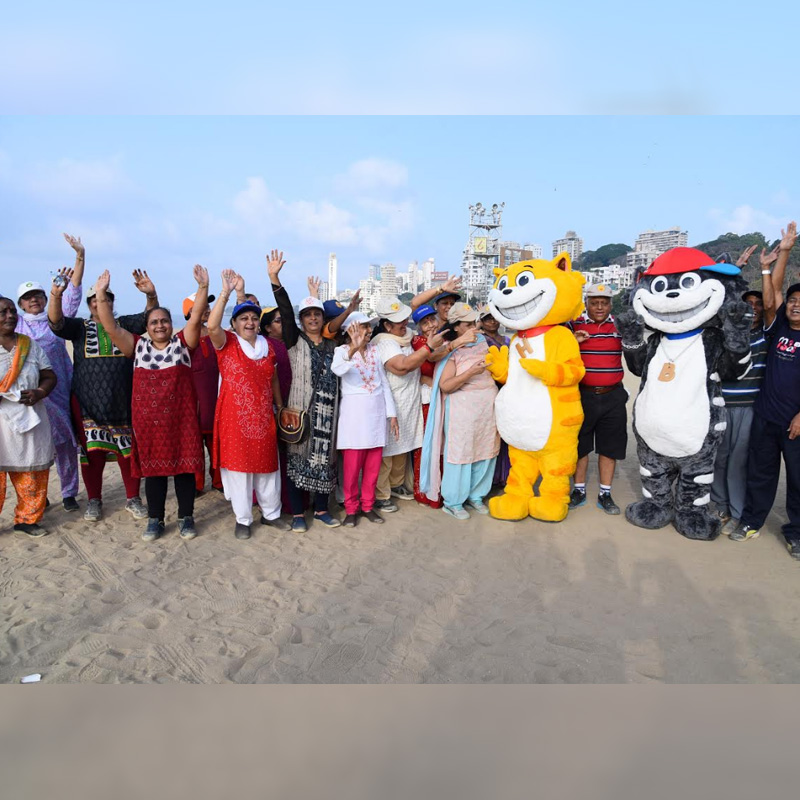
They say life is better when you’re laughing. And this year, Sony YAY! characters and our favorite cats Honey and Bunny, with all their masti, made people laugh out louder than ever! Honey and Bunny visited the members of ‘Essence of Laughter Club’ at Girgaum Chowpatty and shared innumerable laughs and chuckles while exercising with them and seamlessly mixing into their laughter activity for the day, spreading the message that happiness is a way of life. The members were seen enjoying the special surprise visit and were then seen indulging in a photo session with the toons as well.
Tag: Sony YAY
-
Is it the end of the road for anime in India?
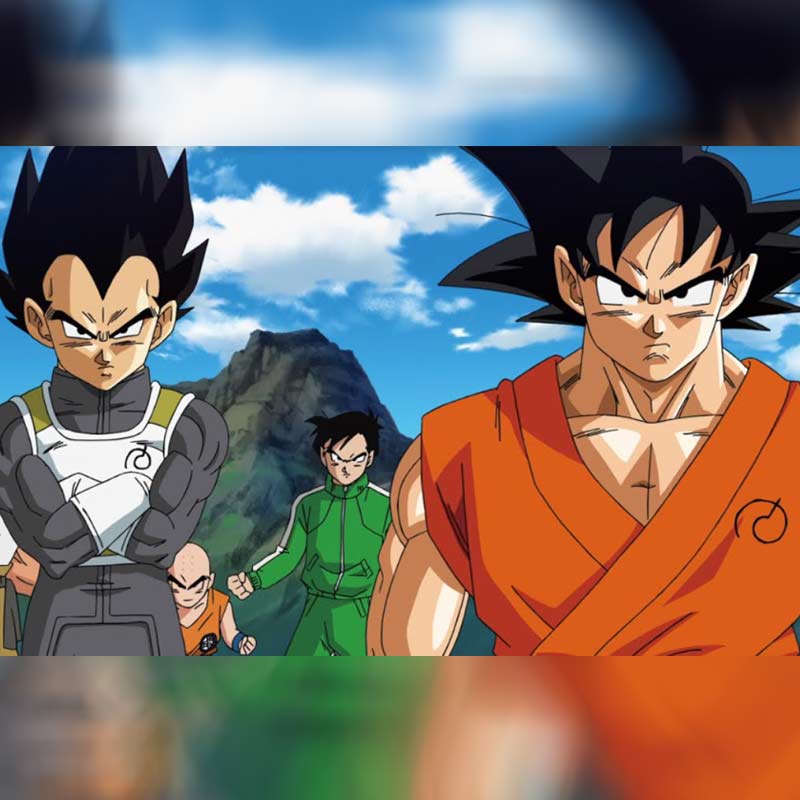
MUMBAI: Back in the 90s, a new legion of toon addicts was created in India with the advent of anime shows such as Pokémon, Dragonball Z and Naruto that were telecast on Cartoon Network. A few years later, the genre hasn’t found the popularity in Indian kids that it has in some other parts of the world.
The popularity of anime has suffered owing to parental restrictions because of the adult themes in some of the content, relatively low promotions and the lack of merchandising. Long gone are the days when anime fans, or Otaku, went bonkers collecting tazos or duel master cards or even the Pokémon Red Emulators.
While cartoons and anime are both caricature sketches that are, in turn, animated, the latter has a very distinct style of art using specific visual elements for its characters. A majority of the animes are based on manga comics that were not easily available in India until online shopping companies started selling anime DVDs and manga comics from other parts of the world.
Sony Pictures Entertainment’s channel Animax was one of the channels that aired Japanese anime content in 1998. Last year, the channel was replaced by Sony Yay, which has a full-fledged focus on local home-grown content. Recently, Turner International India announced that it would pull the plug on its anime offering Toonami from 15 May. This is a clear indication that the genres failed to elicit interest from its young audience. At present, Toonami airs shows from the Cartoon Network Studios, Hanna-Barbera and the Warner Bros Animation libraries.
Doraemon, Shinchan and Ninja Hattori, which are still the most popular among kids after Chhota Bheem, started life as manga series and were subsequently adapted as anime shows. These shows are among the flagship shows that the Indian broadcasters showed on television but, as the TV viewing evolved, the focus shifted to local home-grown content. That was the time when Chhota Bheem was born in 2008.
A media professional said that anime series are still popular among the kids. “Who wouldn’t love watching Pokemon, Dragonball Z. These shows would have worked only if they were promoted well like the shows like Chhota Bheem, Motu Patlu and among others. If these channels push anime content, the kids will love it. It is not the case like kids are not watching these shows that are why they are shutting the channel; in fact, it is because they want to come up with their original content.”
However, another media expert had a different view. “Japanese content was created during the 70s and 80s and was picked up by the broadcasters because they had to fill the programming slots, so there’s a different approach between Japanese content and original content,” they pointed out.
In the early years of Indian animation, broadcasters found it suitable to licence shows from other countries for air time. But as the industry picked up, producing and owning IPs became cost-effective. Channels didn’t need to depend on borrowed material like anime. Another aspect is that it is not easy to dub anime content, considering the different East Asian culture. Local shows can be easily modified to the kids’ thinking.
However, it would be wrong to say that the anime culture isn’t developing in India. Growing fan clubs; online social media groups are providing great platforms to share and gather information; stores are printing anime clothes, cups, gifts and other merchandise for shopping in several areas. Though not in every city, Comic Cons are being organised and promoted as well. Awareness is increasing, but slowly and it seems the teen and adult audiences are more inclined towards it than children.
It remains to be seen whether Turner comes up with a replacement of Toonami just the way Sony Yay entered the market. The future of Indian home-grown content seems bright, as far as new characters emerging on every kids’ channels is concerned, but it will be interesting to observe whether broadcasters find answers to the conundrum of Japanese anime content in India.
Also Read :
Sony Yay banks on originals with a slew of fresh content
No reason for GECs to panic as IPL grabs eyeballs
-
Kids’ channels undaunted by IPL
MUMBAI: It seems that the kids’ segment of the television audience is immune to the charms of the Indian Premier League (IPL). When the T20 league is back for its yearly jaunt, it is common consensus that general entertainment channels (GECs) suffer the most in terms of viewership. Moreover, especially since the summer vacations are on during the months of April and May, each year the IPL threatens to grab a large chunk of viewership from kids’ channels as well.
While GECs sounded the alarm in March by attempting to spike viewer interest with show launches, kids’ broadcasters didn’t feel the need to do so.
Well, this doesn’t mean that the kids’ channels must not be on guard. While few broadcasters do not see the IPL as a big cause for worry, some have readied a differentiated strategy in a bid to retain viewership on their channel.
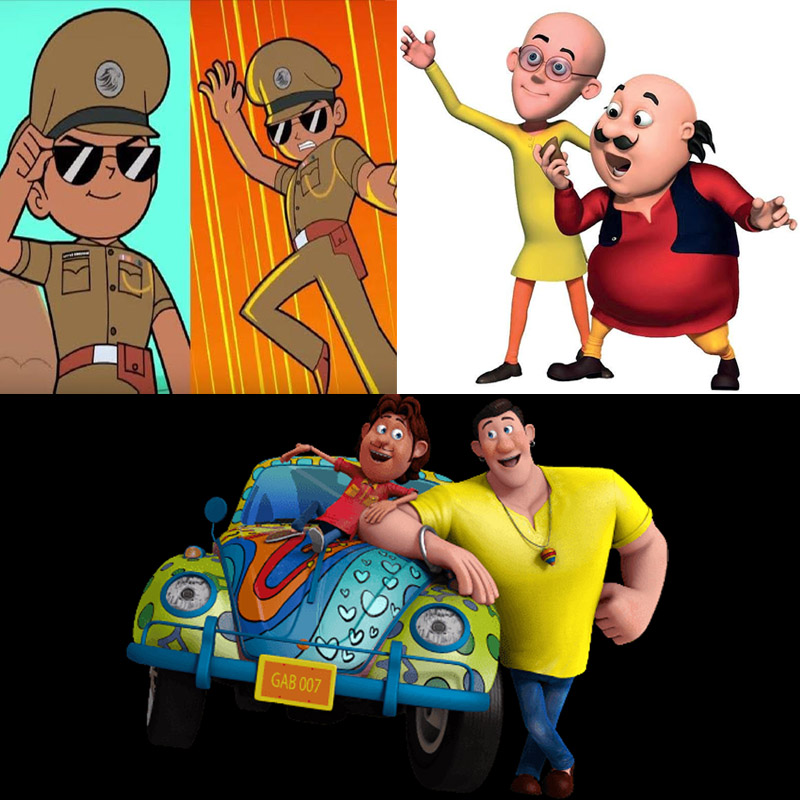
Discovery Kids, which recently launched Little Singham, has plans to attract fans by releasing stories on little Singham playing cricket. Discovery Kids head Uttam Pal Singh said that the IPL isn’t a threat to the channel. “What kids do is they have the snippets of the match and then again after a while, they come back to watch their favourite character. We have some interesting strategy in place; let’s see how they pan out.”
On the contrary, Singh says that the period witnesses growth in viewership because of it being a time of vacations.
Viacom18 kids entertainment cluster head Nina Elavia Jaipuria agreed with his point. “Summer is the most important quarter in the year for the kids’ genre given that it is a holiday season for kids. The summer quarter is brought alive for kids by Nickelodeon through some high-decibel and immersive engagement activities, a robust content pipeline of new episodes and made for television movies etc. of kids’ favourite characters like Motu Patlu, Shiva amongst others,” she said.
This also translates into high advertiser interest in the kids’ category in the April-June quarter, given the increased engagement opportunity with kids as well as parents.
The recent addition, Sony Yay, has spruced its line-up with a host of new shows and movies. It too believes that IPL doesn’t heavily impact the genre because of its late evening timing giving kids the whole day to watch.
Sony Yay head Leena Lele Dutta said, “The original time slots that we have is 9.30 am in the morning and during summer it is 12.30-1.30 pm in the afternoon. We aim to thrust everything during the time when they have the remote in their hand.” Viewership does taper off in the evening but by this time, much of the content has been consumed by the kids.
Kids broadcasters are confident that IPL does not impact viewership but have ensured that kids can make the most of the day time during their summer vacation.
Also Read :
Should junk food ads be banned on kids’ channels?
20 years later, ‘The Powerpuff Girls’ still breaking stereotypes
Japanese kids’ content going strong despite home-grown onslaught
-
Sony Yay banks on originals with a slew of fresh content
MUMBAI: Home-grown content in India is growing by leaps and bounds. Recently, Discovery Kids launched Little Singham as its new character to spearhead its library of originals and now Sony Yay has also rolled up its sleeves to be in the thick of competition. The channel has a new show, KickO and Super Speedo, on the cards along with 10 original movies.
Just a year into its launch, Sony Yay’s punt on originals is a bold move. The channel is investing in excess of Rs 50 lakh per episode of KickO and Super Speedo. The show, which will be aired everyday beginning 21st May at 12.00 pm, is being produced by Green Gold that promises to capture kids’ imagination through high-quality 3D animation.
This summer, it is launching five movies as a part of its movie festival ‘Housefull Fridays’. Based on two of Sony Yay’s flagship shows—Honey Bunny and Guru aur Bhole—the movies being premiered are Honey Bunny in Plane Hijack, Honey Bunny in Himalayan Car Rally, Honey Bunny in Double Impact, Guru aur Bhole the Gladiators and Guru aur Bhole in Alien Busters. Apart from these movies, the channel is also introducing new holiday episodes of the shows.
Sony Yay business head Leena Lele Dutta said that the channel’s initial plan was to come up with a Marathi audio feed instead of Malayalam. “We want to explore Maharashtra as it constitutes 14 per cent of our portion [target audience]. But we didn’t want to upset the apple cart right now. We decided to stick to our Hindi feed and [therefore] we saw an opportunity to venture into Kerala, considering its dynamics.”
“The management saw a huge gap in number 1 and 2 slots in terms of market share and critical ratings for Kerala market. That was the only reason to grab the opportunity to emerge in the Kerala market. Bengali was an obvious option for the channel to emerge into,” she added. The roadmap for Sony Yay doesn’t end there. “We might come up with a Marathi audio feed as well but it is not decided yet.”
Kick starting the year with a bang, the channel has already produced 88 hours of original content and is slated to scale up to an additional 120 hours in the second year. Sony Yay claims that it is the only kids channel to have 100 per cent of its airtime dedicated to original content in the viewable hours (7 am to 10 pm).
Intending to be a part of not only kids’ entertainment but also a part of their everyday lives, the channel has entered into a licensing and merchandising association with Black White Orange (BWO), a licensing, merchandising and brand agency. The deal includes toys, stationery and apparel.
Sony Yay has upped the ante for itself within just a year of launch. Taking the plunge into original animated content, the network has set its sights high.
-
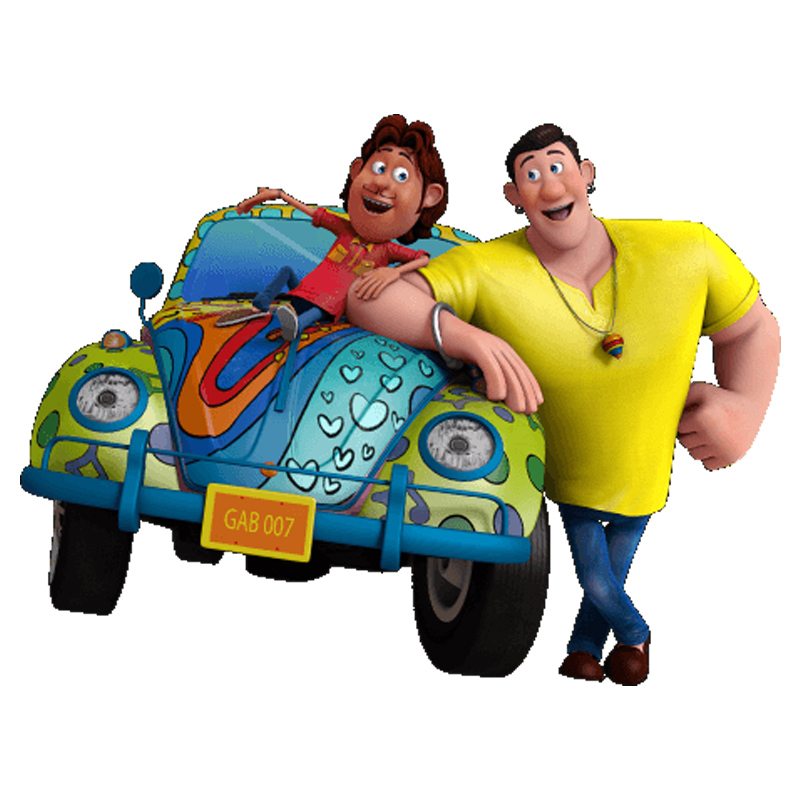
Sony Yay tests Bengali, Malayalam feeds
MUMBAI: Sony Pictures Networks’ kids channel is making strides within a year of launch. Sony Yay plans to add Bengali and Malayalam audio feeds. It already has feeds in Tamil and Telugu.
The FICCI KPMG report 2018 states that there has been increased interest across broadcasters to be able to provide better quality and fresher content to regional consumers. It also suggests that the increase in weightage to rural India by the Broadcast Audience Research Council (BARC) had a positive impact on the kids’ genre, which saw a jump in absolute terms of viewership numbers in 2017 compared to the previous year.
The channel has started its audio feed testing from Asiasat7 satellite at 105.5 degrees east and will be available on West Bengal’s and Kerala’s main cable network and paid direct-to-home (DTH) services.
Reports suggest that the kids’ category is growing at 8 per cent in urban and 6 per cent in rural in terms of viewership. It is the biggest category after GEC (general entertainment channel) and movie in the television business.
Sony owns the intellectual property (IP) rights for all the shows to squeeze out all the monetary benefits, including merchandising. Though Sony was ready to shell out some money for dubbed or acquired content, it could not find one with a large repertoire of episodes (more than 100) and neither did any content fit the channel’s bill.
Keeping in mind the demographics, the channel abstained from keeping it English-centric. What makes it more challenging is that BARC found just 14 per cent kids watching kids content while the rest co-viewed with elders. Earlier, in an interaction with Indiantelevision.com, Sony Pictures Network India kids’ genre business head Leena Lele Dutta said, “We wanted to remain indigenous, home-grown and local.”
BARC data also shows that in its first four weeks of launch (week 20-23 2017), the channel had 25,011 average impressions (000s) sum while the number changed to 22,100 impressions (000s) sum in week 39-42 2017 for all India age 2-14. Despite the decline, it shows that the initial impressions haven’t faded away.
Sticking to its business mantra, the channel tied up with local creators for four original animation series—Guru aur Bhole, Sab Jholmaal Hai, Paap-O-Meter and Prince Jai aur Dumdaar Viru—for 52 episodes per show. A fifth show, The Fab 5 – Initial Tango, was released last Christmas and the sixth original will be launched this year. “Slowly, we will build new stories and characters to resonate with the kids of today,” added Lele.
Also Read :
Japanese kids’ content going strong despite home-grown onslaught
Sony Yay builds local characters to monetise
-
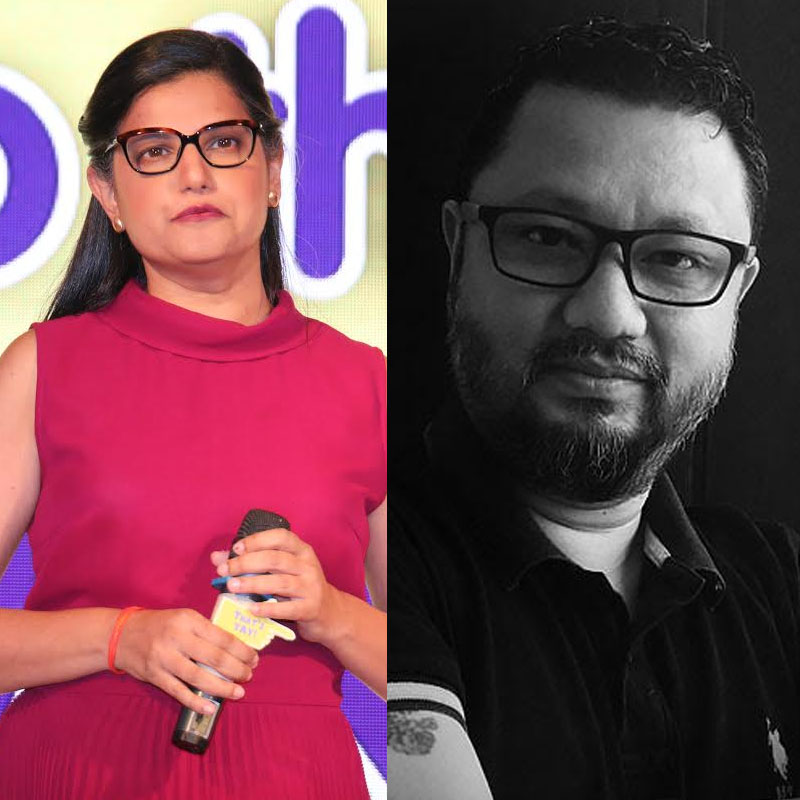
Sony Yay appoints Beanstalk Asia as creative agency
MUMBAI: Sony Pictures Networks’ kids’ channel Sony Yay has appointed Beanstalk Asia as its creative agency. The company was handed over the mandate after a competitive multi-agency pitch that saw participation from leading agencies across India.
Commenting on the association Sony Pictures Networks India, Kids Genre Business Head Leena Lele Dutta said, “At Sony Yay, it’s important for us to get partners on-board who are aligned to our vision and work closely with us every step of the way helping us achieve our goals. We are delighted to have Beanstalk Asia on board as our creative partner. They successfully ticked off all our requirements and effectively integrated the brand proposition in every idea they showcased. We are looking forward to this journey with Beanstalk Asia, which promises to be filled with creativity and fun.”
Beanstalk Asia will provide strategic and creative inputs to the channel’s communication avenues, reiterating its position as the ultimate destination of happiness on television for children. Aligning their expertise to the channel’s core ethos, Beanstalk Asia promises to bring ingenious thoughts and unparalleled creativity to Sony Yay’s robust campaign line up.
Beanstalk Asia founder and director Upendra Singh Thakur said, “Beanstalk Asia is excited to partner Sony Yay, which is best positioned to capture the minds of kids with their delightful mix of original desi shows. We bring to the table an in-depth understanding and extensive experience to create impactful advertising in the children’s television segment. At Beanstalk Asia we follow rigours to arrive at a consumer behavior insight and thereafter sync this insight strategically with the brand requirements to create tailor-made solutions. And most importantly, if you add child-like enthusiasm and dollops of madness, you are bound to make a big impression in the world of kids.”
With Beanstalk Asia on board, the channel aims to up the ante on creativity and uniqueness, and present ideas that celebrate happiness in every possible way.
-

Guest column: Personifying animated characters for kids
MUMBAI: One day, while at my neighbor’s house, I couldn’t help but notice how excited her daughter was to dress up for her annual fancy dress competition. More than being excited about the event, she was looking forward to dressing up as her favorite animated character! I realised then how big a role characters play in influencing kids. They just don’t consume the content but also relate to the characters as they are the first and major source of entertainment and engagement for them.
Growing up is about following myriad animated characters. The story of a character transcends beyond the show into the kid’s world and builds a strong bond with them. A child consistently associates with key qualities of a character such as beauty or courage or even just language, mannerisms or situations. Beyond just being entertained, kids constantly pick up nuances from these character worlds and relate them to their own. In them, they find an idol, a hero or just a friend.
Kids today are surrounded by innumerable characters that have become a day-to-day part of our pop culture. We, as content creators, tend to plug into a kid’s system to gather their understanding about their likings, preferences, routines and relationships, which become an innate part of their personality. From the look and feel of the characters to the storylines, the ultimate aim is to give kids something genuinely engaging and a reason to connect with the characters.
Readings indicate that an average child watches approximately 18,000 hours of television from kindergarten to high school. It is thus natural for them to learn and soak in these animated characters. The animation industry, which has been a massive part of our childhood, is becoming more widespread and impressive as time has gone on. Shows with Indian characters with relevance and comedy-oriented plots click brilliantly with children. Hence, a content curator needs to constantly work towards build a show by personifying an animated character with the hope of making the brand memorable and the character that may seem worthy of a relationship.
It is only in the kids’ segment that viewers’ loyalty goes beyond the show to its characters. Characters tend to develop into being kids’ friends with whom they can have fun with. This is exactly what translates into kids wanting to have every product or merchandise with their favorite character on it.
“Only children believe they’re capable of anything,” quoted Paulo Coelho. They’re trusting and fearless; they believe in their own power and animated characters create a fictional world that kids can relate to. It encourages them to believe in the victory of good over bad and appeals, to a great extent, to their optimistic outlook.
Today, India’s animation industry is booming and a large part of the revenue comes from licensing and merchandising (L&M)–an important layer that allows characters to be present far and wide in a kid’s life like in schools, homes, play areas and even their bathrooms! This, however, needs to be a lot more organised and L&M needs to be seeded while a show or a character is being conceptualised. The amount of animated character-based merchandise available in the grey markets for toy clearly reflects the enormous opportunity for any brand to put foresight and planning to create product-embedded concepts and shows.
Moreover, building early affinity to a brand can lead to a lifelong relationship. By creating meaning in the mind of the child, it helps the brand become more relatable to them. Thus, linking a brand to a popular character helps bring it to life and leverage the relationships kids have already formed with these endearing characters that they see round the clock.

The author is the business head for the kids’ genre at Sony Pictures Networks India. The views expressed here are her own and Indiantelevision.com may not subscribe to them. Also read:
Guest column: Perception sales key to news channels’ revenue
Guest column: Digital outlook for 2018
Guest Column: The comeback of full-service agencies in India
-
Sony YAY! announces its unique engagement to celebrate Holi with its fans
MUMBAI: It’s that time of the year when the children’s thrill-o-meter is at its peak; when the vibrancy of colours takes over their lives and the euphoria of festivities leaves them with their happiest memories! Yes, it’s time for HOLI, undoubtedly the most loved festival amongst children. This Holi, Sony YAY! promises to sprinkle joy and happiness into the lives of their little fans along with huge dozes of colour, masti and madness. The channel is giving its colour-laden aficionados an opportunity to feature on television alongside their favourite toons, making it a Holi celebration like never before.
To be a part of this unique Holi Ki Toli contest, the channel is asking children to send in their Holi celebration pictures on Facebook or on their official website. Sony YAY! will bring together these fun-filled photographs, put a funky Holi filter and present those pictures on-air during the Holi weekend, giving kids a chance to soak themselves in colour both on and off-screen.
‘Holi Ki Toli’ contest is now live, promising a colourful and fun-tastic celebration for children across the country. So hurry, send in your pictures, get coloured and stand a chance to be on Sony YAY! on 03rd and 4th March
-

Guest Column: The scope for home-grown IPs for kids’ broadcasters
In the Indian television space, the specialised genre on kids emerged in 1995 and has only been growing ever since. The kids’ genre is the third largest, nationally, after Hindi GECs and Hindi movies. The category has seen a gradual shift with 4-14 audiences, with the genre being in single digits in 2005-2006, to now. There has been an exponential growth since then, with the age group increasing to 2-14 as well.
The components of a child’s behaviour are summarised with two very simple attributes – imagination and spontaneity. But the kids’ genre now is a mature genre and more developed than ever before. Over 168 million kids under the age of 14-years are dedicated viewers. They demand variety, new concepts and most importantly connect with endearing characters. Be it rural or urban, there is curiosity amongst kids to know more. Therefore, we respond to this need with exciting and engaging content in a language they can effortlessly comprehend.
With kids relating to an immensely appreciating home-grown content, the scope for original content is unbeatable. Today, at least three out of the top five are Indian characters, reflecting the changing viewer preferences. Movie screenings on Indian cartoon characters rank high as well. Even if we bring foreign content to television screens, there always is a necessity to dub and bring in Indian flavours to be able to connect with the audience. Indian characters always get more traction, as they can be given physicality, context and mannerisms that are Indian and hence are more relatable. This is because kids are inclined towards situations and values they are familiar and comfortable with.
Other forms of engaging content created from these characters is where the true scope of growth lies – the ability to create a completely different ecosystem out of television, an edge that acquired content cannot offer.
Broadcasters and producers have the edge as well since it gives them complete creative freedom – to design the content as well as decide the life of the content. And because they own the IP, the numbers of offerings are boundless. They can range from on-ground activations, merchandising, and brand extensions to other marketing activities.
The scope for reducing the dependence on acquired content is immense and this is what will continue to boost localised, original content, thus fueling the expansion of the creative talent pool. Moreover, the localised content also attracts the right kind of sponsors to look at opportunities to weave in their brand story.
It’s been two decades since we have realised the true potential of this genre. While we have come a long way, there is still a long way to go. And, launching with four home-grown shows, we at Sony Yay are just delighted to be a part of the growth journey of the category in the country.
 The author is the business head of Sony Yay. The views expressed are personal and Indiantelevision.com may not subscribe to them.
 -
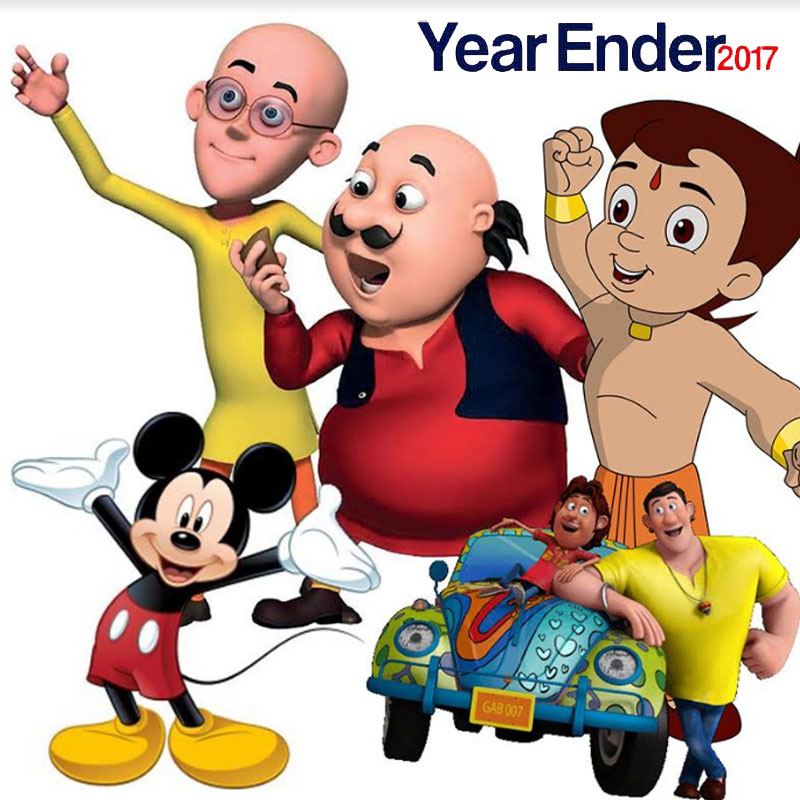
Kids genre grows on TV despite digital onslaught
MUMBAI: There was no dearth of excitement in the kids’ entertainment space in 2017. Despite the digital onslaught, original content producers grew from strength to strength, keeping children enthralled on television. TV viewership grew during the year even as doomsayers predicted that the end of the good old box was nigh.
Among the major events of the year, Toonz India Media Group struck a deal with ReachMe.TV in the US to enable streaming of Toonz TV through the latter’s mobile web platform. Green Gold Animation signed a deal with Netflix for creating a spinoff of popular character Chhota Bheem for snippets of Mighty Little Bheem.
Here’s a look at what each channel did this year.
Disney
A favourite among young adults, the Disney channel is known for television programming for children through original series, movies and third-party programming. This year witnessed top-level corporate reshuffling. The company promoted Amit Malhotra as the country head for Singapore and Malaysia. Earlier, Malhotra was the general manager for media networks, responsible for businesses across all functions in the media networks in Southeast Asia (SEA). Abhishek Maheshwari was elevated to country head (India).
There were reports that Doordarshan was in talks with Disney for kiddy content in evening slots. Disney also launched a three-week campaign for merchandise, celebrating the spirit of sisterhood, featuring two young daughters and how the Frozen sisters inspired them in their day-to-day lives.
Furthermore, Disney’s sister channel—Hungama—came up with Chacha Bhatija who go on a new adventure in the second movie.
Turner
Turner India creates and manages the sales, distribution and marketing of entertainment brands in India and South Asia, including CNN International, Cartoon Network, Pogo, Toonami, HBO and WB.
It turned out to be a fruitful year with great deals and partnerships. Turner India was successful in imparting a larger-than-life feel to its characters through a tie-up with Amaazia, an upcoming amusement park in Surat. The park is owned and operated by Gujarat-based Rajgreen group. Scheduled to open in 2019, the park will serve as a medium for Turner’s kids channel Cartoon Network (CN) to launch new products and conduct ‘meet and greets’ with its animated characters. Out of the four sections in Amaazia, only the theme park is branded by CN. The rest are a water park, family recreational hub, and serviced apartments and retail shopping area.
Apart from having a chase comedy in the bouquet, Pogo came up with another indigenous slapstick comedy show for its fans. Focussing more on home-grown content, Tik Tak Tail was the chase comedy that it experimented with in September and then came the slapstick show Andy Pirki. It also announced the launch of a brand-new show, Grizzy and the Lemmings. Moreover, Cartoon Network came up with the fifth and sixth parts of Oggy and the Cockroaches.
Discovery Kids
The channel announced a deal with IM Incorporated, a London-based content distribution company, to premiere Sunny Bunnies in India. Angry Birds Sing the Blues came up for the first time in Indian television in a series format.
Nickelodeon
This year, Nickelodeon came up with the Halo Movement—a new year-round pro-social initiative celebrating kids who are helping and leading others. In terms of viewership, too, the channel has done pretty well for itself. In week 50 of Barc data, the channel was ranked number one with 127600 impressions (000s) sum. Another important event was the Nickelodeon Kids’ Choice Awards 2017, which honoured the best in the world of entertainment across film and television.
Sony Yay
On 18 April 2017, Animax Asia was replaced by Sony Yay. While the former focussed on serving young adults, Yay concentrated on children of all ages. Animax was handed over to SonyLiv.
The channel is building local characters to monetise and launched four original shows Guru AurBhole, Sab Jholmaal Hai, Prince Jai aur DumdaarViru, and Paap-o-Meter and it holds the IP rights for all of them. The channel also associated with ‘animals matter to me’ to make Diwali ‘pawsome.’
Although 2017 wasn’t an eventful year, there were plenty of nuggets of action with the latest entrant, Sony Yay, throwing its hat into the ring and fighting it out with the existing players in the kids genre. We will have to wait and see how channels gear up to take on the growing trend of digital in 2018 and whether OTT adds significant value for kids.