Tag: Sony SIX

  • IPL Impression: Sony Six & ESPN double, Ten1 & 2 halve

    MUMBAI: Sony ESPN climbed from the fourth to the second spot in BARC week 15 primarily owing to the telecast of Vivo IPL 10 matches. IPL 10 recently catapulted Sony Max to the second place across television genres according to BARC week 14 ratings.

    While Sony Six retained its leadership position riding pillion on the top-ranking Sunrisers Hyderabad-Mumbai Indians and other matches, Ten1 and Ten2 dropped to the third and fourth positions, respectively.

    The Indian Premier League has helped Sony Pictures Network India channels rake in the ratings during each of the seasons that that the network has purchased rights to beam the cricketing bonanza event to Indian homes for.

    In BARC week 15, Sony Six maintained its reign with 458932 Impressions (000s) as compared to last BARC week’s 222752 Impressions followed by Sony ESPN with 114119 Impressions (000s) (as compared to 42632 Impressions). Ten1 and Ten2 slipped with 71663 Impressions (000s) as compared to last week’s 146639 Impressions and 24766 Impressions (000s) as compared to last week 53495 Impressions, respectively.

    With no main sporting event currently being aired on the channel, Star Sports 3 survived at the bottom of the table with 22125 Impressions (000s) as compared to last BARC week’s 34195 Impressions.

    The mega cricketing event has also pushed Sony Max to the pole position in the Hindi Movies, Hindi Movies Rural and Hindi Movies Urban genres.

    Three channels from Network 18 (Viacom 18), two each from SPN, the Sun Network and Zee Entertainment Enterprises Limited (Zeel) and one channel from Star India made it to the top 10 most watched channels across genres list for week 14.

    Also Read:

    IPL 2017: The Piracy Conundrum

    Most advertised brands on television in first quarter of 2017


  • SPN India cranks up IPL 10 campaign with fan frenzy films

    MUMBAI: How do you celebrate a tenth birthday? Well, Sony Pictures Networks India (SPN) India, which has been airing the edge-of-the-seat action filled Indian Premier League for the past 10 years, has chosen to do with a campaign “10 saal aap ke naam”.

    “SPN and Vivo IPL have had a great journey, so far. Over the last nine years, we have seen the tournament grow in terms of stature, viewership and the buzz that it creates, and, hence it was only logical to make the tenth year a grand celebration. The marketing campaign borrows from real life insights on how viewers of Vivo IPL engage and involve themselves with the game. We believe that the fans are instrumental in making this tournament the mega blockbuster that it is, and that is why this year’s campaign is an ode to the Vivo IPL Fa. This campaign is the way of saying thank you to millions of people who made IPL what it is,” says Sony Max cluster senior EVP and business head Neeraj Vyas.

    This year’s matches are to be telecast on Sony Max, Sony Six, and Sony ESPN.

    Thus, a series of six films have been filmed and created encapsulating the fervor and madness of fans across gender, generations and geographies. The films celebrate various types of fans, be it the ‘Antaryami Fan’ who, year after year, makes predictions with confidence and even though all his predictions do not come true, he does not deter from making them again and again; the ‘Vehemi fan’ who fears that if he watches the match his team will lose so every time his team plays he is seen standing outside the door, be it a restaurant, a store or even his own house and the ‘Under Pressure fan’ who will postpone even nature’s call and be uncomfortable but will not budge from the television screen till the last ball is delivered.

    The campaign will run in 4-5 languages — English, Hindi, Bengali, Tamil and Telugu. “The Tamil feed grew enormously last year. Twenty per cent of numbers came from Tamil Nadu and Pondicherry which is very encouraging,” informs Vyas.

    SPN India has brought in top drawer talent for its final innings with the IPL (Its rights deal with the BCCI is ending this year and a fierce bidding exercise between Star, SPN, Dsports, and Amazon is expected to take the price up to stratospheric levels.)

    DDB Mudra was behind the creative of the campaign, while the films were helmed by noted ad film director Hemant Bhandari of Chrome Pictures Media. The anthem was composed under the baton of music composer duo, Salim- Sulaiman, and singer, Benny Dayal belted out the vocals.

    With phrases like “Mahaul sajatey, Haal batatey, Halla machatey”, the Vivo IPL anthem salutes the passion of the zealot who passionately follows the game and cheers every four and six and fall of wicket

    The campaign will roll out on other media outlets too. News and regional channels are expected to be tapped into more. But most importantly is the swathe of channels that the network boast of today, reveals Vyas. “Last year when we started the campaign for season 9, the network had 17 channels and now we have 30 channels under Sony umbrella. We have popular channels. But, we will buy some (slots on the) regional (channels) for sure.”

    The good news for the SPN India is that it has managed to lock in 13 sponsor for IPL season 10. Among these figure: Vivo, Amazon and Vodafone as the co-presenters, CEAT Tyre, wire maker Polycab, Make My Trip, Vimal Paan Masala, Yamaha, Frooti, Voltas, Havells, Parle- products and Yes Bank. And, it looks to be on target to rake in Rs 1,300 crore through sponsorships.

    Vyas says that there was fear that prime minister Narendra Modi demonetisation drive might impact advertisers enthusiasm to put in top dollar. “But, the IPL has such a high recall value that you can’t go wrong is what advertisers have told us and that is why the 13 sponsors,” he expresses.

    A media veteran says that the creative peg that SPN India has taken is clearly going to connect with cricket fans in India and worldwide.

    “Already the player auction saw some high-ticket prices being coughed up by the teams for certain players,” says she. “And, if Sony is going to stoke up the fan frenzy by airing the fan films showing stereotypes with high frequency and reach, one can expect the temperature and viewership for the IPL to only go up this year. Now if only the teams on the field work well to have close finishes, and Sony will be laughing all the way to the bank.”

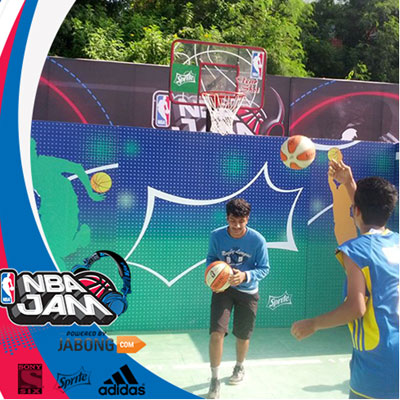
  • Sony Six: NBA preparing for Hindi commentary in three months

    MUMBAI: NBA and Sony Six, the former’s broadcast partner in India, will soon introduce Hindi language commentary to the games.

    Speaking at the CASBAA OTT summit in Mumbai, NBA India executive Yannick Colaco said that, since audio was very important for sports content, they were actively looking at going regional. “We are already having the audio for 600 games in Chinese,” he stressed, adding that, in three months, NBA planned to have its games commentary in Hindi as well.

    It was earlier reported by www.indiantelevision.com that the Sony sports network grew majestically in 2016. From Sony Six, Six HD, Sony ESPN and Sony ESPN HD to a bouquet of nine sports channels (Ten Network) prove Sony is looking to be serious player.

    About the most viewed sporting event on SPN in 2016, Sony Pictures Network India (SPNI) sports and distribution president Rajesh Kaul had said, “2016 was a strong year for the sports cluster of SPN and we enjoyed an excellent response to a plethora of our properties in cricket, football, fight sports and basketball / NBA. Both our marquee sports events IPL 2016 and UEFA Euro 2016 got an unprecedented level of viewership. In addition to this, Ultimate Fighting Championship (UFC) and NBA in our breakfast viewing category have also seen a substantial growth in viewership this year. Over 100 million viewers sampled UFC this year and more than 140 million viewers sampled NBA season 2015-16.”

    NBA has a wide following among Indian fans last season NBA 2015-16 being watched by more than 140 million viewers and we are expecting a strong season showing for the 2016-17 season.

    Popularity of NBA events is gaining ground in India. One of India’s leading video streaming OTT player Hotstar is making its coverage of sports in 3D Virtual Reality(VR) is known. A Silicon Valley based company called VOKE has helped stream the NCAA Men’s Basketball Final Four, the CBS Morning Show and live streams of concerts, NBA, NFL and college football games, courtesy its live TrueVR technology.

    Netflix had earlier picked up for streaming the  documentary of Satnam Singh Bhamra, first India-born basketball player to be drafted into the National Basketball Association (NBA). Netflix acquired streaming rights to telecast the documentary, which also features NBA commissioner Adam Silver, Dallas Mavericks owner Mark Cuban, Sacramento Kings owner Vivek Ranadive and NBA’s senior director of international basketball operations Troy Justice.

    Also Read:

    Sony Networks looking to change face of Indian football in ’17

    How VOKE is helping Hotstar to bring 3D VR to Kabaddi

    Netflix content offering includes Satnam Singh doc

  • Sony Six to telecast IPL player auction live

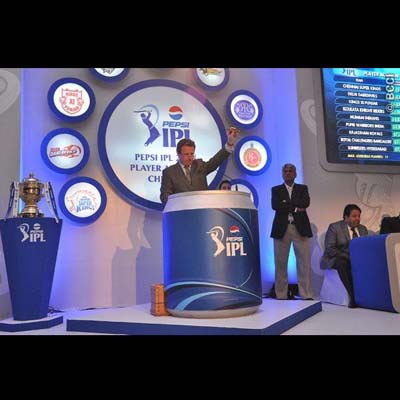
    MUMBAI: The sports cluster of Sony Pictures Networks India (SPN) is all geared up to broadcast the Vivo IPL 2017 player auction live and exclusive. The auction will be aired from Bangalore on 20 February 9 am onwards on Sony Six SD and Sony Six HD channels.

    A precursor to the IPL tournament, the Vivo IPL auction will see eight IPL teams bidding to build up their rosters from a host of impressive names including fast-bowler Ishant Sharma, all-rounder Ben Stokes, ODI and T20I captain Eoin Morgan, all-rounder Chris Woakes, Australian fast men Mitchell Johnson and Pat Cummins, Sri Lanka captain Angelo Mathews, Dale Steyn, Trent Boult, Corey Anderson, Pawan Negi, Irfan Pathan and Saurabh Tiwary, amongst others.

    Sony Pictures Networks India president sports and distribution Rajesh Kaul said, “The tenth season of Vivo IPL on our network will see the participation of some of the top Indian and International names in cricket. The auction will set the competitive tone of the league with the eight teams strategically bidding to build up their formidable line-up. In order to enhance the viewing experience for cricket enthusiasts, we will provide expert insights on the bidding strategies during the auction.”

    As many as 140 cricketers including 44 overseas players have been retained by the franchises for the 2017 season. Viewers will get to witness a total of 351 players up for auction out of which are 122 capped players.

    The auction will be led by Richard Madley, a professional auctioneer from England who has been driving the player auctions since the first player auction in 2008 which coincidentally also took place on 20 February, 2008. Former Indian cricketer, Murali Kartik and Extraaa Innings host Gaurav Kapur will be present at the auction and will engage viewers with their expert insights on the bidding strategies employed by the teams.

  • Sony Max, ESPN air PWL 2 live as Haryana Hammers dominate Mumbai Maharathi

    Sony Max, ESPN air PWL 2 live as Haryana Hammers dominate Mumbai Maharathi

    MUMBAI: A dominating performance by Haryana Hammers saw them register their first victory against defending champions Mumbai Maharathi on the opening day of the Pro Wrestling League Season 2 at the K D Jadhav Indoor Stadium here today. Present at the occasion were Minister of State for Information and Broadcasting Rajyavardhan Singh Rathore and WFI president Brij Bhushan Sharan Singh.

    The second season’s live telecast can be seen on Sony Max and Sony ESPN. You can catch the online streaming of the event on the Sony website as well.

    Mumbai captain Erica Wiebe won the toss and blocked the 70kg Men’s category while Haryana chose to block the 48kg Women’s category. The first bout was fought between Rajneesh (Haryana Hammers) and Vikas Kumar (Mumbai Maharathi) in the 65 kg Men’s category. Rajneesh executed some skillful moves as he combined attack with defence cleverly to prevail over Vikas 7-2.

    The second bout for the 75 kg Women’s category was won by Mumbai, as they drew level with Haryana. Canadian Erica Wiebe, who won Gold in the 2016 Rio Olympics, led from the front as Haryana’s Kiran proved to be the weaker opponent. Erica won the bout by technical superiority as Kiran failed to score a single point compared to the Canadian’s 16.

    Haryana came back strongly in the third bout, as Russian Abdusalam Gadisov employed single leg attack and ankle hold takedowns to effectively score against his opponent, Ukraine’s Pavlo Oliinyk. Haryana secured a 2-1 lead by virtue of this victory.

    The fourth bout was contested in the 53 kg Women’s category as grapplers Sofia Mattsson from Sweden and India’s Lalita Sehrawat played an aggressive game. Although Lalita kept searching for points, Sofia who had earned a Bronze in the 2016 Olympics, prevailed over her and eventually won by Pin Fall.

    Even as Mumbai conceded a 1-3 lead in the tie, they tried to stage a comeback as Azerbaijan-born Jabrayil Hasanov outclassed his opponent Sumit Sehrawat, clinching the bout in Mumbai’s favour by virtue of technical superiority.

    Haryana Hammers took full advantage of the crucial sixth bout as Marwa Amri defeated Mumbai Maharathi’s Sarita 5-0. The Tunisian grappler showed full supremacy on the mat, as her technical acumen proved to be too good for Sarita. The 2016 Rio Olympics Bronze medalist clinched the tie with this victory, as Haryana took an unassailable 4-2 lead.

    The final bout of the tie saw some explosive action with Mumbai’s Rahul Aware completely dominating over his opponent Sandeep Tomar from Haryana. Although Sandeep had an early 3-point advantage, Rahul came from behind to display a series of well-executed takedowns to win the bout 14-5. Rahul’s brilliant effort went in vain, as Haryana won the game by a 4-3 margin.

    Speaking after the match, a delighted Haryana Hammers Co-Owner Golden Behl said: ” I believe Rahul Aware and Sandeep Tomar was the most exciting match of the days but of course we were looking forward to Sandeep’s win. But in the end, it’s a game and things change within fraction of seconds. We came with a target of 5-2 win but we are surely not disappointed with a 4-3 victory on the first day of PWL.”

    Haryana Hammers player Abdusalam Gadisov said: “I believe our team is a great mix of some great Indian and international wrestlers and the performance on the first day has been great so far. Look forward to some more exciting matches in the coming days.

  • Sony Max, ESPN air PWL 2 live as Haryana Hammers dominate Mumbai Maharathi

    Sony Max, ESPN air PWL 2 live as Haryana Hammers dominate Mumbai Maharathi

    MUMBAI: A dominating performance by Haryana Hammers saw them register their first victory against defending champions Mumbai Maharathi on the opening day of the Pro Wrestling League Season 2 at the K D Jadhav Indoor Stadium here today. Present at the occasion were Minister of State for Information and Broadcasting Rajyavardhan Singh Rathore and WFI president Brij Bhushan Sharan Singh.

    The second season’s live telecast can be seen on Sony Max and Sony ESPN. You can catch the online streaming of the event on the Sony website as well.

    Mumbai captain Erica Wiebe won the toss and blocked the 70kg Men’s category while Haryana chose to block the 48kg Women’s category. The first bout was fought between Rajneesh (Haryana Hammers) and Vikas Kumar (Mumbai Maharathi) in the 65 kg Men’s category. Rajneesh executed some skillful moves as he combined attack with defence cleverly to prevail over Vikas 7-2.

    The second bout for the 75 kg Women’s category was won by Mumbai, as they drew level with Haryana. Canadian Erica Wiebe, who won Gold in the 2016 Rio Olympics, led from the front as Haryana’s Kiran proved to be the weaker opponent. Erica won the bout by technical superiority as Kiran failed to score a single point compared to the Canadian’s 16.

    Haryana came back strongly in the third bout, as Russian Abdusalam Gadisov employed single leg attack and ankle hold takedowns to effectively score against his opponent, Ukraine’s Pavlo Oliinyk. Haryana secured a 2-1 lead by virtue of this victory.

    The fourth bout was contested in the 53 kg Women’s category as grapplers Sofia Mattsson from Sweden and India’s Lalita Sehrawat played an aggressive game. Although Lalita kept searching for points, Sofia who had earned a Bronze in the 2016 Olympics, prevailed over her and eventually won by Pin Fall.

    Even as Mumbai conceded a 1-3 lead in the tie, they tried to stage a comeback as Azerbaijan-born Jabrayil Hasanov outclassed his opponent Sumit Sehrawat, clinching the bout in Mumbai’s favour by virtue of technical superiority.

    Haryana Hammers took full advantage of the crucial sixth bout as Marwa Amri defeated Mumbai Maharathi’s Sarita 5-0. The Tunisian grappler showed full supremacy on the mat, as her technical acumen proved to be too good for Sarita. The 2016 Rio Olympics Bronze medalist clinched the tie with this victory, as Haryana took an unassailable 4-2 lead.

    The final bout of the tie saw some explosive action with Mumbai’s Rahul Aware completely dominating over his opponent Sandeep Tomar from Haryana. Although Sandeep had an early 3-point advantage, Rahul came from behind to display a series of well-executed takedowns to win the bout 14-5. Rahul’s brilliant effort went in vain, as Haryana won the game by a 4-3 margin.

    Speaking after the match, a delighted Haryana Hammers Co-Owner Golden Behl said: ” I believe Rahul Aware and Sandeep Tomar was the most exciting match of the days but of course we were looking forward to Sandeep’s win. But in the end, it’s a game and things change within fraction of seconds. We came with a target of 5-2 win but we are surely not disappointed with a 4-3 victory on the first day of PWL.”

    Haryana Hammers player Abdusalam Gadisov said: “I believe our team is a great mix of some great Indian and international wrestlers and the performance on the first day has been great so far. Look forward to some more exciting matches in the coming days.

  • Sports TV 2016: Digital explosion, player consolidation & confusion

    Sports TV 2016: Digital explosion, player consolidation & confusion

    2016 was a roller-coaster for Indian sports in the truest sense. It was akin to a Bollywood pot-boiler of the country’s sportspersons bringing cheer and applause in various disciplines, including Rio Olympics, to melodrama and suspense of wrestler Narsingh Yadav’s doping issue and whether he or Sushil would represent India to superb action on and off the field (off the field ones involving mostly our politician-administrators and their disdain for rules of the games) to romance to multiple climaxes in a game-changing year that could well herald Indian sports broadcasting becoming a two-horse show with digital media piggy-back riding sports in general.

    The year began on a strong note with Sony Pictures Network India (SPNI) joining hands with majority Walt Disney-owned ESPN to launch two new English channels, Sony ESPN and Sony ESPN HD. The channels started broadcasting on 17 January 2016 with the Australian Open and going on to telecast several high profile and popular sporting events, both Indian and international, throughout the year. The co-branded Sony-ESPN channels replaced Sony KIX.

    Sony’s bouquet of sports channels (Sony Six, Sony Six HD, Sony ESPN and Sony ESPN HD) also broadcast the Euro Cup, one of the hottest sporting properties and the second most followed event in the football fraternity after the World Cup. The numbers were good with a league phase match between Italy and Spain garnering as much as 1.7 million impressions on BARC ratings. A quarter-final match between Poland and Portugal, the eventual winners, managed 290,000 impressions. The whole tournament totted up a cumulative TV audience of 62.7 million viewers . The final between Portugal and France witnessed 12.4 million Indian viewers, reaching a peak between 1:00 AM to 1:30 AM on 11 July 2016 with 7.4 million viewers. Kolkata notched up the highest percentage (19.3 per cent) of total viewership followed by Mumbai, Bangalore, Delhi and Aizwal.

    For SPNI, which promoted the event extensively and started selling ad inventory six months before the tournament began at a fairly high rate (Rs 250,000 for a 10-second spot) , it was a positive sign for the future of football broadcasts in the Indian market as such rates were unheard of three to four years ago. That Sony was building up to a climax became clear later in the year.

    Setting rest to speculations, Sony Pictures Networks announced on 31 August 2016 that it had entered into definitive agreement with Zee Entertainment Enterprises Ltd (ZEEL) to acquire the Ten Sports network in a deal worth $385 million. Owned by Taj Television, the distribution arm of ZEEL,TEN Sports operated five channels— TEN 1, TEN 2, TEN 3, TEN Golf HD and TEN 1 HD.

    As and when the acquisition is completed— it is subject to regulatory approvals — SPNI’s bouquet of sports channels will be the biggest in India, heralding not only consolidation in a fragmented sports market, but also making the Indian sports broadcast realm a two-horse race (Star India on one side and Sony-ESPN combine on the other) as Nimbus Sports with two channels and few premier events rights (French Open for one) remains a comparatively small player.

    The other big gun in the sports arena, Star India added more channels to its sports-channel stable with the mid-July launch of Star Sports Select HD 1 and Select HD 2. The channels will not only widen the Star Sports bouquet, but would also add marketing fire-power to Star India as the new channels were launched to exclusively offer Premier League, Bundesliga, Tennis Grand Slams and Formula 1. What makes the sports scene exciting is that Star India has sunk not only billions of dollars in acquiring strong sporting properties, including rights of Indian cricket, but is also building new properties like India Soccer League and Pro-Kabaddi for both men and women.

    But cricket ruled the Indian hearts of Indian fans keeping them on tenterhooks for on and off the field activities. The most successful Indian league, the Indian Premier League or IPL, despite criticism revolving around it becoming stale, continued to rule the waves with addition of two new teams and Vivo coming on board as the title sponsor in a deal estimated to be worth Rs. 2 billion or Rs. 200 crore, marking a 25 per cent increase in what PepsiCo paid earlier for a five-year deal.

    According to a few media reports, IPL earned close to Rs 2,500 crore or Rs. 250 billion in revenues, which included TV and digital rights, teams’ sponsorships, ticket sales and merchandising. On social media too, IPL made just the right amount of noise, but it lagged behind last season’s buzz, according to media firm Maxus’ MESH report on the IPL. Overall, IPL2016 generated 3.1 million mentions throughout the tournament in 2016. While IPL 2016 lagged behind in mentions throughout the tournament as against IPL2015, the final week of this season saw a jump of 74 per cent in conversations.

    On the TV platform, IPL continued setting new trends. 54 per cent of the total Indian audience remained glued to the event on pay television. Mumbai, Delhi, Bengaluru, Kolkata and Hyderabad were the best markets in terms of TV viewing, cumulatively reaching 361 million people. The final, played between Sunsrisers Hyderabad and Royal Challengers Bangalore, was the most viewed match of the season; getting about 44.68 million impressions. Summed across the five channels over five weeks, the total viewership stood at 1.02 billion BARC impressions, one of the highest-ever in Indian television history.

    Year 2016 also saw the rise of `other alternative’ sports or those disciplines that can be kept in a tray where non-cricket and non-tennis games are kept. Pro-Kabaddi League came up with two editions this year. The first edition of the league saw a rise of 36 percent in terms of TV viewership compared to last year. The event was beamed on five channels – Star Gold, Star Sports 2 and 3, Plus Suvarna and Maa Movies, apart from the digital platform of Hotstar, which also saw a 33 percent growth in terms of ‘total minutes viewed’ over the first 11 days of Season 3.

    The fourth season of the Pro-Kabaddi League or PKL also happened in 2016. The ratings showed a growth pattern, making PKL one of the prime sporting properties in the Indian market. Star Sports said that the league had seen a cumulative growth of 51 per cent, regularly posting 10 million average impressions that were about 2.3 times higher than last year, turning a rural sport into a cult hit. Time for Bharat to take a bow!

    A fairly good show by the likes of pro boxing matches featuring India’s Vijender Singh, Indian Badminton League, ISL and Pro Wrestling League convinced sportspersons, event managers and advertisers that if properly packaged non-cricket sports too can attract viewership, audiences in stadia and generate revenues for all stakeholders.

    The year also witnessed the rise of the digital platform, in general, and marketing tactics by them to further increase penetration riding on the craze for popular sports in India. For example, Hotstar bought the digital rights of IPL last year to push its boundaries. While 35 million people had watched the IPL play-offs in the 2015 season, the numbers swelled remarkably in 2016 reaching 80 million. It would be quite safe to predict that there were a billion views on the digital platform this season for sporting events.

    Throughout the year, Hotstar’s premium services saw a huge drive to add new members. The registration was kept fairly simple and all major football leagues in Europe and Germany were broadcast on the digital platform. Cricket ODI matches and Tests on Star Sports were broadcast with an average delay of about five minutes, which garnered a lot of traction and spurred downloads of the app.

    With Sony LIV giving good competition with El Clasico and other events, it seems popular sports can actually drive the growth of digital platforms, especially subscription-based OTT services. The total watch time on OTT platforms in 2016 went up by 60 percent, driven also by the fact newcomer Reliance Jio started giving away the Hotstar app free to its subscribers.

    Proliferation of HD services too (mostly separately and differently priced for consumers), like OTT platforms, joined the gravy train trying to entice viewers through sporting events. For example, Indian fans of the English Premier League were in for a surprise when Star Sports announced that Indians will not be able to watch the matches beyond 31 October 2016; they would have to perforce sign up for the Star Sports HD channel package, which included Star Sports Select HD1 and HD2.

    With the arrival of Paul Pogba and Zlatan Ibrahimovic as players with huge fan-bases and forever-at-loggerheads managers Jose Mourinho and Pep Guardiola, Star knew the Indian following would not diminish — and they were not disappointed. If a consumer subscribed to all the sports channels in HD on a DTH platform, the package would cost approximately Rs. 700 per month. Many ardent non-cricket fans chose the high ticket option, while the remaining moved over to the digital platform as a significant number of live sports events were watched on Hotstar where the premium service cost Rs199 per month.

    However, one of the many climaxes, which added to the roller-coaster ride of sports broadcasting in India, involved the sports administrators. BCCI’s continuing face-off with the Supreme Court-mandated Lodha Committee recommendations on proposed clean-up of cricket — buffeted by allegations of match-fixing, conflicts of interests and brazen politicking — could pose a question mark on cricket matches organised by BCCI and their eventual telecasts.

    A shadow has even been cast over the 10th edition of IPL too. If the BCCI and Supreme Court don’t come to an amicable solution on former’s defiance and the latter’s hardening of stance, IPL future could be hazy having cascading effects on issues like broadcast rights and on some stakeholders like SPNI, Star India and team franchises who all have sunk in billions of Indian rupees in the juggernaut called IPL and India cricket.

    The year may have come to an end, but sports promises to continue providing more excitement. As they say, the match ain’t over till it is over.

  • Sports TV 2016: Digital explosion, player consolidation & confusion

    Sports TV 2016: Digital explosion, player consolidation & confusion

    2016 was a roller-coaster for Indian sports in the truest sense. It was akin to a Bollywood pot-boiler of the country’s sportspersons bringing cheer and applause in various disciplines, including Rio Olympics, to melodrama and suspense of wrestler Narsingh Yadav’s doping issue and whether he or Sushil would represent India to superb action on and off the field (off the field ones involving mostly our politician-administrators and their disdain for rules of the games) to romance to multiple climaxes in a game-changing year that could well herald Indian sports broadcasting becoming a two-horse show with digital media piggy-back riding sports in general.

    The year began on a strong note with Sony Pictures Network India (SPNI) joining hands with majority Walt Disney-owned ESPN to launch two new English channels, Sony ESPN and Sony ESPN HD. The channels started broadcasting on 17 January 2016 with the Australian Open and going on to telecast several high profile and popular sporting events, both Indian and international, throughout the year. The co-branded Sony-ESPN channels replaced Sony KIX.

    Sony’s bouquet of sports channels (Sony Six, Sony Six HD, Sony ESPN and Sony ESPN HD) also broadcast the Euro Cup, one of the hottest sporting properties and the second most followed event in the football fraternity after the World Cup. The numbers were good with a league phase match between Italy and Spain garnering as much as 1.7 million impressions on BARC ratings. A quarter-final match between Poland and Portugal, the eventual winners, managed 290,000 impressions. The whole tournament totted up a cumulative TV audience of 62.7 million viewers . The final between Portugal and France witnessed 12.4 million Indian viewers, reaching a peak between 1:00 AM to 1:30 AM on 11 July 2016 with 7.4 million viewers. Kolkata notched up the highest percentage (19.3 per cent) of total viewership followed by Mumbai, Bangalore, Delhi and Aizwal.

    For SPNI, which promoted the event extensively and started selling ad inventory six months before the tournament began at a fairly high rate (Rs 250,000 for a 10-second spot) , it was a positive sign for the future of football broadcasts in the Indian market as such rates were unheard of three to four years ago. That Sony was building up to a climax became clear later in the year.

    Setting rest to speculations, Sony Pictures Networks announced on 31 August 2016 that it had entered into definitive agreement with Zee Entertainment Enterprises Ltd (ZEEL) to acquire the Ten Sports network in a deal worth $385 million. Owned by Taj Television, the distribution arm of ZEEL,TEN Sports operated five channels— TEN 1, TEN 2, TEN 3, TEN Golf HD and TEN 1 HD.

    As and when the acquisition is completed— it is subject to regulatory approvals — SPNI’s bouquet of sports channels will be the biggest in India, heralding not only consolidation in a fragmented sports market, but also making the Indian sports broadcast realm a two-horse race (Star India on one side and Sony-ESPN combine on the other) as Nimbus Sports with two channels and few premier events rights (French Open for one) remains a comparatively small player.

    The other big gun in the sports arena, Star India added more channels to its sports-channel stable with the mid-July launch of Star Sports Select HD 1 and Select HD 2. The channels will not only widen the Star Sports bouquet, but would also add marketing fire-power to Star India as the new channels were launched to exclusively offer Premier League, Bundesliga, Tennis Grand Slams and Formula 1. What makes the sports scene exciting is that Star India has sunk not only billions of dollars in acquiring strong sporting properties, including rights of Indian cricket, but is also building new properties like India Soccer League and Pro-Kabaddi for both men and women.

    But cricket ruled the Indian hearts of Indian fans keeping them on tenterhooks for on and off the field activities. The most successful Indian league, the Indian Premier League or IPL, despite criticism revolving around it becoming stale, continued to rule the waves with addition of two new teams and Vivo coming on board as the title sponsor in a deal estimated to be worth Rs. 2 billion or Rs. 200 crore, marking a 25 per cent increase in what PepsiCo paid earlier for a five-year deal.

    According to a few media reports, IPL earned close to Rs 2,500 crore or Rs. 250 billion in revenues, which included TV and digital rights, teams’ sponsorships, ticket sales and merchandising. On social media too, IPL made just the right amount of noise, but it lagged behind last season’s buzz, according to media firm Maxus’ MESH report on the IPL. Overall, IPL2016 generated 3.1 million mentions throughout the tournament in 2016. While IPL 2016 lagged behind in mentions throughout the tournament as against IPL2015, the final week of this season saw a jump of 74 per cent in conversations.

    On the TV platform, IPL continued setting new trends. 54 per cent of the total Indian audience remained glued to the event on pay television. Mumbai, Delhi, Bengaluru, Kolkata and Hyderabad were the best markets in terms of TV viewing, cumulatively reaching 361 million people. The final, played between Sunsrisers Hyderabad and Royal Challengers Bangalore, was the most viewed match of the season; getting about 44.68 million impressions. Summed across the five channels over five weeks, the total viewership stood at 1.02 billion BARC impressions, one of the highest-ever in Indian television history.

    Year 2016 also saw the rise of `other alternative’ sports or those disciplines that can be kept in a tray where non-cricket and non-tennis games are kept. Pro-Kabaddi League came up with two editions this year. The first edition of the league saw a rise of 36 percent in terms of TV viewership compared to last year. The event was beamed on five channels – Star Gold, Star Sports 2 and 3, Plus Suvarna and Maa Movies, apart from the digital platform of Hotstar, which also saw a 33 percent growth in terms of ‘total minutes viewed’ over the first 11 days of Season 3.

    The fourth season of the Pro-Kabaddi League or PKL also happened in 2016. The ratings showed a growth pattern, making PKL one of the prime sporting properties in the Indian market. Star Sports said that the league had seen a cumulative growth of 51 per cent, regularly posting 10 million average impressions that were about 2.3 times higher than last year, turning a rural sport into a cult hit. Time for Bharat to take a bow!

    A fairly good show by the likes of pro boxing matches featuring India’s Vijender Singh, Indian Badminton League, ISL and Pro Wrestling League convinced sportspersons, event managers and advertisers that if properly packaged non-cricket sports too can attract viewership, audiences in stadia and generate revenues for all stakeholders.

    The year also witnessed the rise of the digital platform, in general, and marketing tactics by them to further increase penetration riding on the craze for popular sports in India. For example, Hotstar bought the digital rights of IPL last year to push its boundaries. While 35 million people had watched the IPL play-offs in the 2015 season, the numbers swelled remarkably in 2016 reaching 80 million. It would be quite safe to predict that there were a billion views on the digital platform this season for sporting events.

    Throughout the year, Hotstar’s premium services saw a huge drive to add new members. The registration was kept fairly simple and all major football leagues in Europe and Germany were broadcast on the digital platform. Cricket ODI matches and Tests on Star Sports were broadcast with an average delay of about five minutes, which garnered a lot of traction and spurred downloads of the app.

    With Sony LIV giving good competition with El Clasico and other events, it seems popular sports can actually drive the growth of digital platforms, especially subscription-based OTT services. The total watch time on OTT platforms in 2016 went up by 60 percent, driven also by the fact newcomer Reliance Jio started giving away the Hotstar app free to its subscribers.

    Proliferation of HD services too (mostly separately and differently priced for consumers), like OTT platforms, joined the gravy train trying to entice viewers through sporting events. For example, Indian fans of the English Premier League were in for a surprise when Star Sports announced that Indians will not be able to watch the matches beyond 31 October 2016; they would have to perforce sign up for the Star Sports HD channel package, which included Star Sports Select HD1 and HD2.

    With the arrival of Paul Pogba and Zlatan Ibrahimovic as players with huge fan-bases and forever-at-loggerheads managers Jose Mourinho and Pep Guardiola, Star knew the Indian following would not diminish — and they were not disappointed. If a consumer subscribed to all the sports channels in HD on a DTH platform, the package would cost approximately Rs. 700 per month. Many ardent non-cricket fans chose the high ticket option, while the remaining moved over to the digital platform as a significant number of live sports events were watched on Hotstar where the premium service cost Rs199 per month.

    However, one of the many climaxes, which added to the roller-coaster ride of sports broadcasting in India, involved the sports administrators. BCCI’s continuing face-off with the Supreme Court-mandated Lodha Committee recommendations on proposed clean-up of cricket — buffeted by allegations of match-fixing, conflicts of interests and brazen politicking — could pose a question mark on cricket matches organised by BCCI and their eventual telecasts.

    A shadow has even been cast over the 10th edition of IPL too. If the BCCI and Supreme Court don’t come to an amicable solution on former’s defiance and the latter’s hardening of stance, IPL future could be hazy having cascading effects on issues like broadcast rights and on some stakeholders like SPNI, Star India and team franchises who all have sunk in billions of Indian rupees in the juggernaut called IPL and India cricket.

    The year may have come to an end, but sports promises to continue providing more excitement. As they say, the match ain’t over till it is over.

  • Sony Networks looking to change face of Indian football in ’17

    Sony Networks looking to change face of Indian football in ’17

    MUMBAI: The year 2016 saw quite a bit of shake-up in the realm of Indian sports broadcasting. Zee signed a proposal with Sony to sell its sports channels, marketed under Ten Sports brand, to the latter; the Indian cricket broad’s fight with the Supreme Court putting a question mark on IPL and its broadcast and the arrival of some professional sports leagues in India that garnered viewers as well as on-ground audience. The developments also saw sports broadcasting turn primarily into a two-horse race Star India on one side and Sony-ESPN combine on the other, while Nimbus Sports remains a comparatively small player.

    Talking to indiantelevision.com on the changing sports broadcast dynamics, Sony Pictures Network India (SPNI) sports and distribution president Rajesh Kaul said, “2016 was a spectacular year for the sports cluster of Sony in terms of the growth. In January 2016, we launched the Sony ESPN channels, which scaled us up to a four-channel sports network. IPL 2016 exceeded expectations with a record viewership of 361.6 million viewers.

    “In addition to this, we also had the on-air and digital telecast of UEFA Euro 2016 on our network, one of the biggest and most watched international football tournaments in 2016. To amplify the viewing experience of the tournament, we continued our pioneering initiative of multi-language feeds and for the first time in India, there was a multi-language feed for an international football tournament with the telecast of Euro 2016 in English, Hindi, Bengali, Tamil, Telugu and Malayalam languages.”

    Acquisition of Ten Network by SPN, subject to regulatory approvals, in a deal worth US$385 million does add fire-power as the channels operate in several countries, including the Indian sub-continent, Maldives, Singapore, Hong Kong, Middle East and Caribbean.

    The Sony sports network grew majestically in 2016. From Sony Six, Six HD, Sony ESPN and Sony ESPN HD to a bouquet of nine sports channels (Ten Network) prove Sony is looking to be serious player.

    Asked about the most viewed sporting event on SPN in 2016, Kaul said, “2016 was a strong year for the sports cluster of SPN and we enjoyed an excellent response to a plethora of our properties in cricket, football, fight sports and basketball / NBA. Both our marquee sports events IPL 2016 and UEFA Euro 2016 got an unprecedented level of viewership. In addition to this, Ultimate Fighting Championship (UFC) and NBA in our breakfast viewing category have also seen a substantial growth in viewership this year. Over 100 million viewers sampled UFC this year and more than 140 million viewers sampled NBA season 2015-16.”

    To cash in on the growing popularity of football in India and give a contest to cricket viewership and English Premier League (still the most followed footlball league in the world), the network tried to change the Spanish La Liga playing timings for the Indian audience who are ardent followers of Cristiano Ronaldo, Lionel Messi, Real Madrid and Barcelona. The matches were scheduled to start at 4.30 pm local time in Spain (8 PM IST). This added a huge chunk of viewership to the Spanish League and with a new La Liga office in Delhi, the league and the region’s broadcaster is surely looking to tap into the South-Asian audience.

    Talking about viewership of foreign leagues in India, Kaul opined, “The sports cluster of SPN caters to a diverse spectrum of viewers with a wide range of sports. The variety of foreign sport on SPNI is widely followed by Indian viewers.

    La Liga made a blockbuster start to the 2016-17 season by trebling its reach compared to last season. El Clasico match between Barcelona & Real Madrid is the most watched international football league match of the year (4.1 million viewers).

    UFC has seen exponential growth in ratings in 2016 with over 100 million viewers this entire year. TNA is immensely popular in India with the property being sampled by over 185 million viewers this year.

    NBA is another sport which has a wide following among Indian fans last season NBA 2015-16 being watched by more than 140 million viewers and we are expecting a strong season showing for the 2016-17 season.”

    With the television rights of La Liga in India, SPNI also has the digital rights for the Spanish League. Showcasing important matches on Sony LIV, its digital platform, SPNI has been able to get its share of sports’ digital audience. Knowing its huge potential in the Indian market, the digital platform, beamed the El Clasico live on its website and garnered huge numbers.

    “Sport is one of our key focus areas and we have the best football action available with us. We have showcased big ticketing football events like Euro 2016, Copa America Centenario as well as the El Clasico,” SPNI EVP and digital business head Uday Sodhi said, adding with a strong event line-up that includes La Liga Santandar, Sony was “truly the (Indian) home of football.”

    The network also recently showcased Bangladesh Premier League 2016 and, according to Sodhi’s claims, it turned out to be most watched cricketing event so far on Sony Liv. “In all our marketing and brand communications, we have sports as a prime genre. We have done a 360-degree campaign for promoting Sony Liv as the one-stop for the best of sporting action,” he added, highlighting the digital platform’s attempts to ride the sports bandwagon.

    With the Internet’s reach increasing in India, which also ups the potential of products riding it, dwelling on digital platforms’ strategies in general, Sodhi said, “With 350 million internet users in India (65 per cent users being mobile only) and projections of crossing 700 million internet users by 2020, there is huge potential in India that’s yet to be tapped. Online video is thriving and 50 per cent of total mobile data traffic is video. Youth is driving the mobile data usage and sports is one of the top online video genres.”

    So, what’s in store for 2017? “For the sports cluster of SPN, 2017 would be one of the biggest years and epic too as IPL would have its 10th edition. In addition, Kaul elaborated, adding there will also be two major FIFA events (2017 FIFA Confederations Cup and 2017 FIFA U-17 World Cup). Since the juniors’ championship will be the first FIFA even to be hosted in India, there is lot of anticipation and it could, according to him, change the whole landscape of football as a sport in India.

  • Sony Networks looking to change face of Indian football in ’17

    Sony Networks looking to change face of Indian football in ’17

    MUMBAI: The year 2016 saw quite a bit of shake-up in the realm of Indian sports broadcasting. Zee signed a proposal with Sony to sell its sports channels, marketed under Ten Sports brand, to the latter; the Indian cricket broad’s fight with the Supreme Court putting a question mark on IPL and its broadcast and the arrival of some professional sports leagues in India that garnered viewers as well as on-ground audience. The developments also saw sports broadcasting turn primarily into a two-horse race Star India on one side and Sony-ESPN combine on the other, while Nimbus Sports remains a comparatively small player.

    Talking to indiantelevision.com on the changing sports broadcast dynamics, Sony Pictures Network India (SPNI) sports and distribution president Rajesh Kaul said, “2016 was a spectacular year for the sports cluster of Sony in terms of the growth. In January 2016, we launched the Sony ESPN channels, which scaled us up to a four-channel sports network. IPL 2016 exceeded expectations with a record viewership of 361.6 million viewers.

    “In addition to this, we also had the on-air and digital telecast of UEFA Euro 2016 on our network, one of the biggest and most watched international football tournaments in 2016. To amplify the viewing experience of the tournament, we continued our pioneering initiative of multi-language feeds and for the first time in India, there was a multi-language feed for an international football tournament with the telecast of Euro 2016 in English, Hindi, Bengali, Tamil, Telugu and Malayalam languages.”

    Acquisition of Ten Network by SPN, subject to regulatory approvals, in a deal worth US$385 million does add fire-power as the channels operate in several countries, including the Indian sub-continent, Maldives, Singapore, Hong Kong, Middle East and Caribbean.

    The Sony sports network grew majestically in 2016. From Sony Six, Six HD, Sony ESPN and Sony ESPN HD to a bouquet of nine sports channels (Ten Network) prove Sony is looking to be serious player.

    Asked about the most viewed sporting event on SPN in 2016, Kaul said, “2016 was a strong year for the sports cluster of SPN and we enjoyed an excellent response to a plethora of our properties in cricket, football, fight sports and basketball / NBA. Both our marquee sports events IPL 2016 and UEFA Euro 2016 got an unprecedented level of viewership. In addition to this, Ultimate Fighting Championship (UFC) and NBA in our breakfast viewing category have also seen a substantial growth in viewership this year. Over 100 million viewers sampled UFC this year and more than 140 million viewers sampled NBA season 2015-16.”

    To cash in on the growing popularity of football in India and give a contest to cricket viewership and English Premier League (still the most followed footlball league in the world), the network tried to change the Spanish La Liga playing timings for the Indian audience who are ardent followers of Cristiano Ronaldo, Lionel Messi, Real Madrid and Barcelona. The matches were scheduled to start at 4.30 pm local time in Spain (8 PM IST). This added a huge chunk of viewership to the Spanish League and with a new La Liga office in Delhi, the league and the region’s broadcaster is surely looking to tap into the South-Asian audience.

    Talking about viewership of foreign leagues in India, Kaul opined, “The sports cluster of SPN caters to a diverse spectrum of viewers with a wide range of sports. The variety of foreign sport on SPNI is widely followed by Indian viewers.

    La Liga made a blockbuster start to the 2016-17 season by trebling its reach compared to last season. El Clasico match between Barcelona & Real Madrid is the most watched international football league match of the year (4.1 million viewers).

    UFC has seen exponential growth in ratings in 2016 with over 100 million viewers this entire year. TNA is immensely popular in India with the property being sampled by over 185 million viewers this year.

    NBA is another sport which has a wide following among Indian fans last season NBA 2015-16 being watched by more than 140 million viewers and we are expecting a strong season showing for the 2016-17 season.”

    With the television rights of La Liga in India, SPNI also has the digital rights for the Spanish League. Showcasing important matches on Sony LIV, its digital platform, SPNI has been able to get its share of sports’ digital audience. Knowing its huge potential in the Indian market, the digital platform, beamed the El Clasico live on its website and garnered huge numbers.

    “Sport is one of our key focus areas and we have the best football action available with us. We have showcased big ticketing football events like Euro 2016, Copa America Centenario as well as the El Clasico,” SPNI EVP and digital business head Uday Sodhi said, adding with a strong event line-up that includes La Liga Santandar, Sony was “truly the (Indian) home of football.”

    The network also recently showcased Bangladesh Premier League 2016 and, according to Sodhi’s claims, it turned out to be most watched cricketing event so far on Sony Liv. “In all our marketing and brand communications, we have sports as a prime genre. We have done a 360-degree campaign for promoting Sony Liv as the one-stop for the best of sporting action,” he added, highlighting the digital platform’s attempts to ride the sports bandwagon.

    With the Internet’s reach increasing in India, which also ups the potential of products riding it, dwelling on digital platforms’ strategies in general, Sodhi said, “With 350 million internet users in India (65 per cent users being mobile only) and projections of crossing 700 million internet users by 2020, there is huge potential in India that’s yet to be tapped. Online video is thriving and 50 per cent of total mobile data traffic is video. Youth is driving the mobile data usage and sports is one of the top online video genres.”

    So, what’s in store for 2017? “For the sports cluster of SPN, 2017 would be one of the biggest years and epic too as IPL would have its 10th edition. In addition, Kaul elaborated, adding there will also be two major FIFA events (2017 FIFA Confederations Cup and 2017 FIFA U-17 World Cup). Since the juniors’ championship will be the first FIFA even to be hosted in India, there is lot of anticipation and it could, according to him, change the whole landscape of football as a sport in India.