Tag: social media

  • US polls: TV channels, social media & streaming – all broke their own viewership records

    US polls: TV channels, social media & streaming – all broke their own viewership records

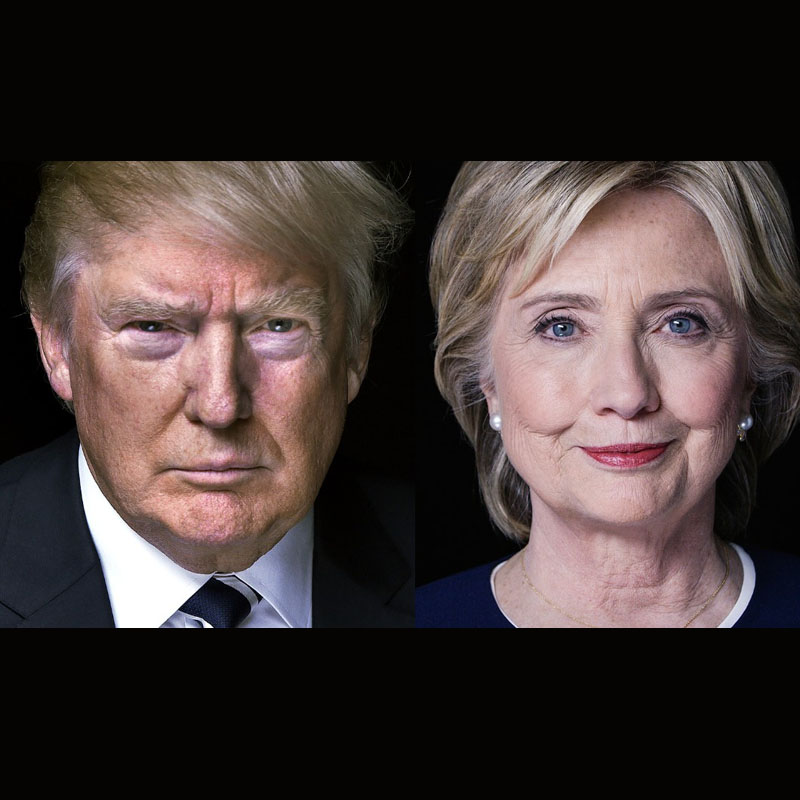
    MUMBAI: It’s an example of how significant is television when it comes to national and international events. In what was one of the most surprising US election results in history, Donald Trump defeated Hillary Clinton to become the 45th president of the United States. Tuesday was the most-watched night in the US in both CNN and Fox News’ histories.

    Around 72 million Americans watched the poll results on broadcast or cable television during primetime, according to TV viewership agency Nielsen. This year’s tight race has been good for ratings all fall, delivering an average audience of 74 million for the presidential debates, including a record-setting 84 million for Trump’s first faceoff with Hillary Clinton.

    Considered by many poll and media pundits to have had no chance at victory, Trump’s message of political change and fighting for the masses resonated with more than 58 million Americans. It’s clear that the social media played a crucial part in Trump’s rise to power. The actual part that media played in the process will be debated for years, but it’s interesting to look at the basic outline of what the new media landscape means for the electoral process and how it played out across the various platforms.

    On the election night, The Young Turks – targeted at those who consume content on digital – broke records with 4.5 million views, according to Tubefilter. On 8 November, the news channel had a big night; across three separate live streams — on YouTube, Facebook, and Twitter — it drew more than 4.5 million total hits, breaking its own viewership record.

    The television number — 72 million — includes CBS, NBC, ABC, Fox, Univision, Telemundo, MSNBC, Fox Business Network, CNN, Fox News, CNBC and TV One but does not include PBS. This number compares well with with a similar number of Americans who witnessed Barack Obama become the first African-American person elected as the president in 2008, according to Nielsen tally of 14 networks’ viewership.

    Election night was an apt conclusion to a campaign that intrigued television viewers for over a year. Two of the three most-watched presidential debates in history were between Trump and Clinton. Trump’s proven value as a ratings-grabber led to cable networks giving what some critics regarded as an inordinate amount of attention to his appearances as his campaign was first catching on.

    Excluding PBS, Nielsen’s final count for 2016 included viewership on Lifetime’s live “The View” special. The average audience for the 2012 election was 66.8 million when viewing across 13 networks was tallied by Nielsen.

    All networks’ coverage except Fox broadcasting continued into the small hours. The Democrat nominee Hillary Clinton did not concede to the Republican nominee until after 2am EST, and Trump did not gave his victory speech till 3am.

    CNN had the biggest night of all the networks in primetime, drawing an average audience of 13.26 million from 8-11 pm EST. Fox News followed with 12.11 million total viewers. MSNBC came in third in the cable race with 5.95 million. The same pecking order followed in the coveted-by-news-advertisers 25-54 demographic: CNN had 6.66 million viewers in that demo, Fox News had 4.64 million, and MSNBC had 2.37 million.

    In coverage from 7pm–3am, the numbers were slightly different. Fox News drew the biggest total audience in that time-frame, with 12.2 million viewers. CNN came in with an average audience of 11.17 million during that time, and MSNBC had an audience of 5.2 million. CNN did still lead in the 25-54 demo, though, with 5.65 million to Fox News’ 4.76 million. (MSNBC brought in 2.13 million viewers in the 25-54 demo in that period.)

    However, viewers did begin tuning out after seeing several key swing states called, and by the time the 2 a.m. hour rolled around, viewership on the three big cable nets was at 19.1 million. Fox News had the most, with 9.78 million. CNN followed with 6.45 million, with MSNBC coming in at 2.86 million.

    Another 38.67 million watched the election results come in on one of the broadcast networks. That number, from Nielsen’s final primetime ratings, includes ABC, CBS, NBC, Fox (from 8-10 p.m.), Univision and Telemundo. ABC had an average audience of 9.23 million viewers. CBS pulled in 8.09 million. Fox’s two hours of results coverage drew 4.28 million. NBC had the largest total audience, 11.15 million. Telemundo averaged 2.02 million.

    These ratings don’t include viewers who streamed election night coverage.

    Here’s how the broadcast networks’ election coverage ranked in total viewership:

    CNN 13.26 million
    Fox News 12.11 million
    NBC 11.97 million
    ABC 9.68 million
    CBS 8.8 million
    MSNBC 5.95 million
    Fox 4.27 million
    Univision 3.89 million
    Telemundo 2.16 million
    Fox Business Network 1.07 million
    CNBC 319,000

    Social media too was inundated on election night and through the campaign. According to available data, 75 million tweets were sent out on #electionnight up to the time Trump came and made his winning address – more than double the previous day stats of 31 million done in 2012. Overall, through the campaign since the primary debates began in August last year more than a billion election-related tweets were generated, according to social media today. Facebook traffic increased by 30 per cent during this period.

    And lo and behold one fact that has emerged according to research from the University of Southern California is the use of bots on social media by the two camps, (though Trump used them more) according to Social Media Today. According to the research, millions of election-related tweets were posted by more than 400,000 social bots during the campaign. The USC research also found that many of these shared highly positive messages about either candidate, which may actually have influenced voter outcomes by creating “the false impression that there’s grassroots, positive, sustained support for a certain candidate”. So while bot traffic no doubt contributed to the overall share of voice stats, it may actually have been beneficial, even if it was coming non-human operators.
  • US polls: TV channels, social media & streaming – all broke their own viewership records

    US polls: TV channels, social media & streaming – all broke their own viewership records

    MUMBAI: It’s an example of how significant is television when it comes to national and international events. In what was one of the most surprising US election results in history, Donald Trump defeated Hillary Clinton to become the 45th president of the United States. Tuesday was the most-watched night in the US in both CNN and Fox News’ histories.

    Around 72 million Americans watched the poll results on broadcast or cable television during primetime, according to TV viewership agency Nielsen. This year’s tight race has been good for ratings all fall, delivering an average audience of 74 million for the presidential debates, including a record-setting 84 million for Trump’s first faceoff with Hillary Clinton.

    Considered by many poll and media pundits to have had no chance at victory, Trump’s message of political change and fighting for the masses resonated with more than 58 million Americans. It’s clear that the social media played a crucial part in Trump’s rise to power. The actual part that media played in the process will be debated for years, but it’s interesting to look at the basic outline of what the new media landscape means for the electoral process and how it played out across the various platforms.

    On the election night, The Young Turks – targeted at those who consume content on digital – broke records with 4.5 million views, according to Tubefilter. On 8 November, the news channel had a big night; across three separate live streams — on YouTube, Facebook, and Twitter — it drew more than 4.5 million total hits, breaking its own viewership record.

    The television number — 72 million — includes CBS, NBC, ABC, Fox, Univision, Telemundo, MSNBC, Fox Business Network, CNN, Fox News, CNBC and TV One but does not include PBS. This number compares well with with a similar number of Americans who witnessed Barack Obama become the first African-American person elected as the president in 2008, according to Nielsen tally of 14 networks’ viewership.

    Election night was an apt conclusion to a campaign that intrigued television viewers for over a year. Two of the three most-watched presidential debates in history were between Trump and Clinton. Trump’s proven value as a ratings-grabber led to cable networks giving what some critics regarded as an inordinate amount of attention to his appearances as his campaign was first catching on.

    Excluding PBS, Nielsen’s final count for 2016 included viewership on Lifetime’s live “The View” special. The average audience for the 2012 election was 66.8 million when viewing across 13 networks was tallied by Nielsen.

    All networks’ coverage except Fox broadcasting continued into the small hours. The Democrat nominee Hillary Clinton did not concede to the Republican nominee until after 2am EST, and Trump did not gave his victory speech till 3am.

    CNN had the biggest night of all the networks in primetime, drawing an average audience of 13.26 million from 8-11 pm EST. Fox News followed with 12.11 million total viewers. MSNBC came in third in the cable race with 5.95 million. The same pecking order followed in the coveted-by-news-advertisers 25-54 demographic: CNN had 6.66 million viewers in that demo, Fox News had 4.64 million, and MSNBC had 2.37 million.

    In coverage from 7pm–3am, the numbers were slightly different. Fox News drew the biggest total audience in that time-frame, with 12.2 million viewers. CNN came in with an average audience of 11.17 million during that time, and MSNBC had an audience of 5.2 million. CNN did still lead in the 25-54 demo, though, with 5.65 million to Fox News’ 4.76 million. (MSNBC brought in 2.13 million viewers in the 25-54 demo in that period.)

    However, viewers did begin tuning out after seeing several key swing states called, and by the time the 2 a.m. hour rolled around, viewership on the three big cable nets was at 19.1 million. Fox News had the most, with 9.78 million. CNN followed with 6.45 million, with MSNBC coming in at 2.86 million.

    Another 38.67 million watched the election results come in on one of the broadcast networks. That number, from Nielsen’s final primetime ratings, includes ABC, CBS, NBC, Fox (from 8-10 p.m.), Univision and Telemundo. ABC had an average audience of 9.23 million viewers. CBS pulled in 8.09 million. Fox’s two hours of results coverage drew 4.28 million. NBC had the largest total audience, 11.15 million. Telemundo averaged 2.02 million.

    These ratings don’t include viewers who streamed election night coverage.

    Here’s how the broadcast networks’ election coverage ranked in total viewership:

    CNN 13.26 million
    Fox News 12.11 million
    NBC 11.97 million
    ABC 9.68 million
    CBS 8.8 million
    MSNBC 5.95 million
    Fox 4.27 million
    Univision 3.89 million
    Telemundo 2.16 million
    Fox Business Network 1.07 million
    CNBC 319,000

    Social media too was inundated on election night and through the campaign. According to available data, 75 million tweets were sent out on #electionnight up to the time Trump came and made his winning address – more than double the previous day stats of 31 million done in 2012. Overall, through the campaign since the primary debates began in August last year more than a billion election-related tweets were generated, according to social media today. Facebook traffic increased by 30 per cent during this period.

    And lo and behold one fact that has emerged according to research from the University of Southern California is the use of bots on social media by the two camps, (though Trump used them more) according to Social Media Today. According to the research, millions of election-related tweets were posted by more than 400,000 social bots during the campaign. The USC research also found that many of these shared highly positive messages about either candidate, which may actually have influenced voter outcomes by creating “the false impression that there’s grassroots, positive, sustained support for a certain candidate”. So while bot traffic no doubt contributed to the overall share of voice stats, it may actually have been beneficial, even if it was coming non-human operators.
  • Social media ‘Ae Dil Lets Airbnb’ contest starts

    Social media ‘Ae Dil Lets Airbnb’ contest starts

    NEW DELHI: A social media contest has been launched to celebrate the upcoming smash release of ‘Ae Dil Hai Mushkil,‘ a Bollywood feature starring Fawad Khan, Ranbir Kapoor, Anushka Sharma and Aishwarya Rai Bachchan.

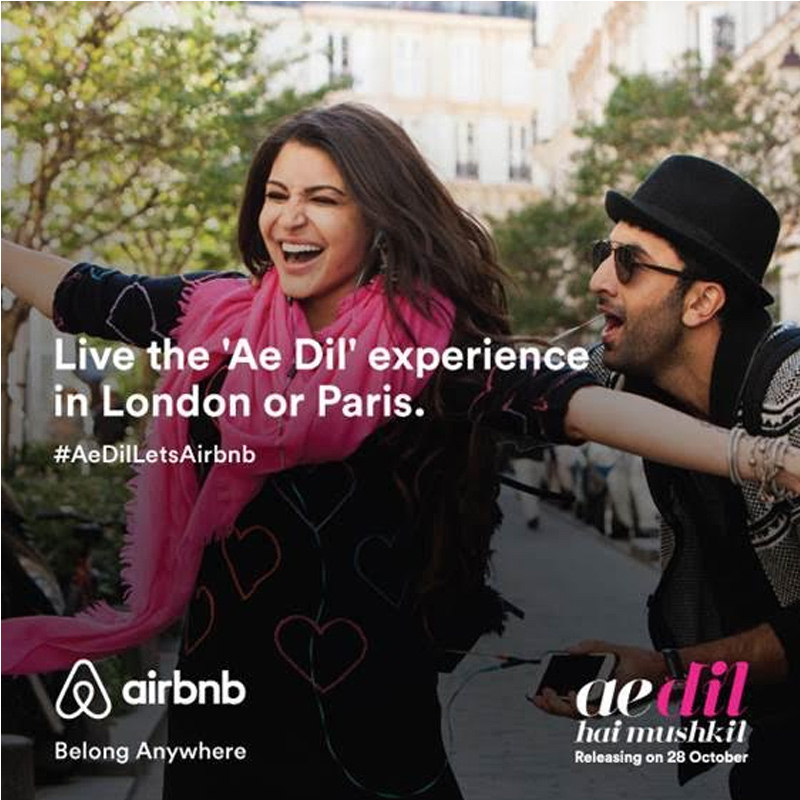
    Community-driven hospitality company Airbnb in its ‘Ae Dil Lets Airbnb’ contest gives participants a chance to live the ‘Ae Dil’ lifestyle by revisiting the characters’ on-screen journeys in London or Paris, including local recommendations from the stars such as Ranbir Kapoor’s favourite restaurant and Karan Johar’s preferred cafes and insider shopping spots.

    This curated access to two of the world’s most dynamic cities mirrors the central ethos of Airbnb, offering unique, local insight that lets you “Live like a local.”

    Dharma Productions head and director Karan Johar said: “London’s grandeur and the romance of Paris have always enticed Bollywood buffs from every generation. The contest is a great way for travelers and Bollywood aficionados to relive the romance of film. I am thrilled to see Airbnb recreate the ‘Ae Dil Hai Mushkil’ experience for fans by giving them a chance to win a transformative journey in two of the world’s most iconic cities.”

    Prospective participants have to create a dream ‘Wishlist’ of five Airbnb properties in London or Paris on the Airbnb platform (either website or app). Participants can make as many wishlists as desired and title them under a cinematic name to increase their chances of winning. Two lucky winners will be selected based on the most creative name for their Wishlist and will get the chance to travel to either London or Paris with a guest.

    The contest opened today and closes on 30 October 2016 at noon. Each of the two winners will receive (one winner for London and one winner for Paris) a 3 nights/4 days stay for the winner and one friend.

  • Social media ‘Ae Dil Lets Airbnb’ contest starts

    Social media ‘Ae Dil Lets Airbnb’ contest starts

    NEW DELHI: A social media contest has been launched to celebrate the upcoming smash release of ‘Ae Dil Hai Mushkil,‘ a Bollywood feature starring Fawad Khan, Ranbir Kapoor, Anushka Sharma and Aishwarya Rai Bachchan.

    Community-driven hospitality company Airbnb in its ‘Ae Dil Lets Airbnb’ contest gives participants a chance to live the ‘Ae Dil’ lifestyle by revisiting the characters’ on-screen journeys in London or Paris, including local recommendations from the stars such as Ranbir Kapoor’s favourite restaurant and Karan Johar’s preferred cafes and insider shopping spots.

    This curated access to two of the world’s most dynamic cities mirrors the central ethos of Airbnb, offering unique, local insight that lets you “Live like a local.”

    Dharma Productions head and director Karan Johar said: “London’s grandeur and the romance of Paris have always enticed Bollywood buffs from every generation. The contest is a great way for travelers and Bollywood aficionados to relive the romance of film. I am thrilled to see Airbnb recreate the ‘Ae Dil Hai Mushkil’ experience for fans by giving them a chance to win a transformative journey in two of the world’s most iconic cities.”

    Prospective participants have to create a dream ‘Wishlist’ of five Airbnb properties in London or Paris on the Airbnb platform (either website or app). Participants can make as many wishlists as desired and title them under a cinematic name to increase their chances of winning. Two lucky winners will be selected based on the most creative name for their Wishlist and will get the chance to travel to either London or Paris with a guest.

    The contest opened today and closes on 30 October 2016 at noon. Each of the two winners will receive (one winner for London and one winner for Paris) a 3 nights/4 days stay for the winner and one friend.

  • Facebook’s India-focused news feed feature launched

    Facebook’s India-focused news feed feature launched

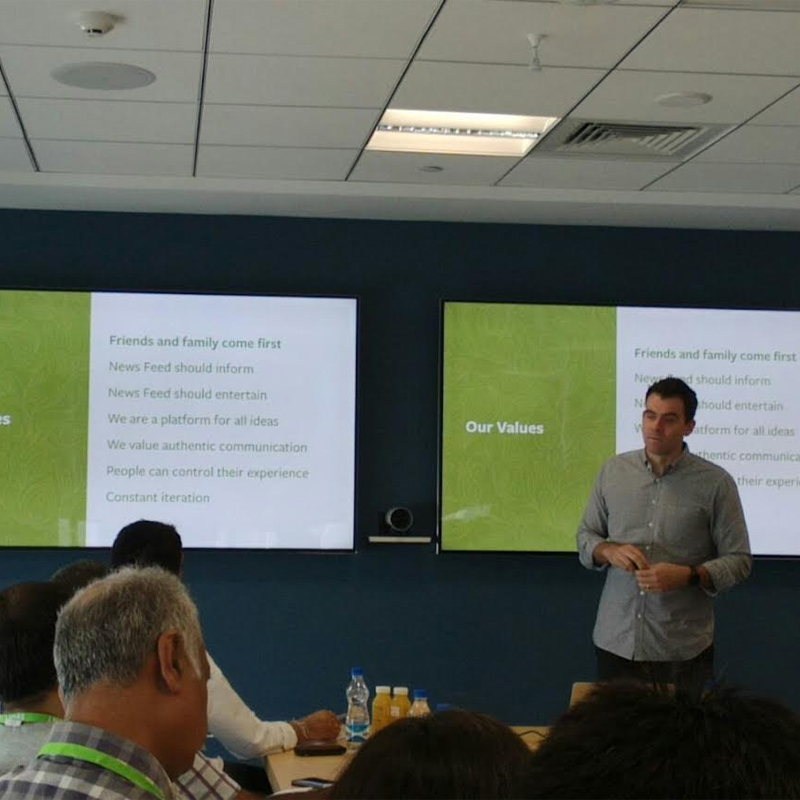
    GURGAON: Social media giant Facebook a short while ago announced a new feature for providing India-focused news feeds. This decision was announced at Facebook’s yet-to-be-officially-launched office here.

    Among the features of the new architecture will be:

    1. Client side ranking

    2. Fetching stories throughout the day

    3. Surfacing stories from your phone (you haven’t seen)

    4. Inserting new loaded stories into people’s feeds while they scroll

    These features will be rolled out today to a limited number of users at first. It’s (mobile) Android-only — for now. “Facebook has tested these features globally but the user engagement is the highest in India as it addresses specific Indian needs such as low connectivity,” Facebook VP product management Adam Mosseri said.

    Among its many firsts, Facebook Messenger’s Data Saver option recently started rolling out to Android phones in India. A new setting has been spotted on the app in the latest Google Pixel smartphone and an older Samsung device running Android 5.1. The setting was not available on an iOS version of the app.

    Facebook has started rolling out the feature to regular app users as well. Users have the option of toggling on/off the data saver mode in the settings. Facebook Messenger will also show much data it has saved per session. One can also reset this data count, depending on your needs.

    Also, Facebook recently introduced new features to allow one to order food, request an appointment with a local spa, get a quote and even book movie tickets with your friends’ recommendations as you travel to a new place.

  • Facebook’s India-focused news feed feature launched

    Facebook’s India-focused news feed feature launched

    GURGAON: Social media giant Facebook a short while ago announced a new feature for providing India-focused news feeds. This decision was announced at Facebook’s yet-to-be-officially-launched office here.

    Among the features of the new architecture will be:

    1. Client side ranking

    2. Fetching stories throughout the day

    3. Surfacing stories from your phone (you haven’t seen)

    4. Inserting new loaded stories into people’s feeds while they scroll

    These features will be rolled out today to a limited number of users at first. It’s (mobile) Android-only — for now. “Facebook has tested these features globally but the user engagement is the highest in India as it addresses specific Indian needs such as low connectivity,” Facebook VP product management Adam Mosseri said.

    Among its many firsts, Facebook Messenger’s Data Saver option recently started rolling out to Android phones in India. A new setting has been spotted on the app in the latest Google Pixel smartphone and an older Samsung device running Android 5.1. The setting was not available on an iOS version of the app.

    Facebook has started rolling out the feature to regular app users as well. Users have the option of toggling on/off the data saver mode in the settings. Facebook Messenger will also show much data it has saved per session. One can also reset this data count, depending on your needs.

    Also, Facebook recently introduced new features to allow one to order food, request an appointment with a local spa, get a quote and even book movie tickets with your friends’ recommendations as you travel to a new place.

  • Twitter ads pro ecosystem to be created by Simplilearn

    Twitter ads pro ecosystem to be created by Simplilearn

    MUMBAI: Global professional training company Simplilearn has launched an initiative aimed at creating a larger ecosystem of Twitter-advertising aware professionals. Simplilearn is presenting educational content, powered by Twitter, as the core of its certification in Twitter Advertising which will educate marketers on how to leverage Twitter successfully for their business’s digital and social media marketing efforts.

    Twitter ads have strategically benefited Fortune 500 and small and medium enterprises in customer acquisition, customer and user engagement as well as brand building. Edric Subur from Twitter’s marketing team is presenting on the power of Twitter Advertising through Simplilearn’s Online Self-Learning (OSL) model.

    Edric Subur from Twitter’s marketing team, said, “We are really excited to work with Simplilearn to distribute a structured Twitter Ads course to thousands of marketing professionals. Many marketers are interested in leveraging Twitter Ads to grow their business but are unsure of what’s the best way to do it.”

    Simplilearn chief business officer Kashyap Dalal, said “The Certification in Twitter Advertising will also be a part of Simplilearn’s flagship offering – the Full-stack Digital Marketer Masters Program Learners on this course will be trained to make the most of Twitter’s advertising platform, gain insights into audience targeting and content strategies, and learn how to measure results accurately to gauge the success of Twitter ad campaigns.”

    Simplilearn is one of the world’s leading providers of online training for IT, Software Development, Project Management, Data Science, Cloud Computing, Digital Marketing, and many other emerging technologies.

  • Twitter ads pro ecosystem to be created by Simplilearn

    Twitter ads pro ecosystem to be created by Simplilearn

    MUMBAI: Global professional training company Simplilearn has launched an initiative aimed at creating a larger ecosystem of Twitter-advertising aware professionals. Simplilearn is presenting educational content, powered by Twitter, as the core of its certification in Twitter Advertising which will educate marketers on how to leverage Twitter successfully for their business’s digital and social media marketing efforts.

    Twitter ads have strategically benefited Fortune 500 and small and medium enterprises in customer acquisition, customer and user engagement as well as brand building. Edric Subur from Twitter’s marketing team is presenting on the power of Twitter Advertising through Simplilearn’s Online Self-Learning (OSL) model.

    Edric Subur from Twitter’s marketing team, said, “We are really excited to work with Simplilearn to distribute a structured Twitter Ads course to thousands of marketing professionals. Many marketers are interested in leveraging Twitter Ads to grow their business but are unsure of what’s the best way to do it.”

    Simplilearn chief business officer Kashyap Dalal, said “The Certification in Twitter Advertising will also be a part of Simplilearn’s flagship offering – the Full-stack Digital Marketer Masters Program Learners on this course will be trained to make the most of Twitter’s advertising platform, gain insights into audience targeting and content strategies, and learn how to measure results accurately to gauge the success of Twitter ad campaigns.”

    Simplilearn is one of the world’s leading providers of online training for IT, Software Development, Project Management, Data Science, Cloud Computing, Digital Marketing, and many other emerging technologies.

  • Govt adapting new communication strategies, says I & B minister

    Govt adapting new communication strategies, says I & B minister

    NEW DELHI: Minister of state for information and broadcasting Rajyavardhan Rathore today said that the Government has been redefining and adapting the content and information dissemination strategy in accordance with the changing paradigm in communication space, especially in the social media.

    Rathore said, due to technology change, information generation pattern and information consumption has changed today. The minister said this after releasing the book “India Connected: Mapping the Impact of New Media” here today. The book has been jointly authored by Dr Shalini Narayanan and Dr. Sunetra Sen Narayanan.

    Elaborating, the minister said news broadcasters today were following social media trends for designing debates and discussions on their channels.

    Rathore said the Government has been conducting seminars and workshops to train officers in social media with the latest tools and techniques to effectively communicate with citizens.

    The book outlines the impact of social media while comparing it with the traditional media. The book flags challenges and opportunities that social media offers in the Indian setting.

  • Govt adapting new communication strategies, says I & B minister

    Govt adapting new communication strategies, says I & B minister

    NEW DELHI: Minister of state for information and broadcasting Rajyavardhan Rathore today said that the Government has been redefining and adapting the content and information dissemination strategy in accordance with the changing paradigm in communication space, especially in the social media.

    Rathore said, due to technology change, information generation pattern and information consumption has changed today. The minister said this after releasing the book “India Connected: Mapping the Impact of New Media” here today. The book has been jointly authored by Dr Shalini Narayanan and Dr. Sunetra Sen Narayanan.

    Elaborating, the minister said news broadcasters today were following social media trends for designing debates and discussions on their channels.

    Rathore said the Government has been conducting seminars and workshops to train officers in social media with the latest tools and techniques to effectively communicate with citizens.

    The book outlines the impact of social media while comparing it with the traditional media. The book flags challenges and opportunities that social media offers in the Indian setting.