Tag: social media

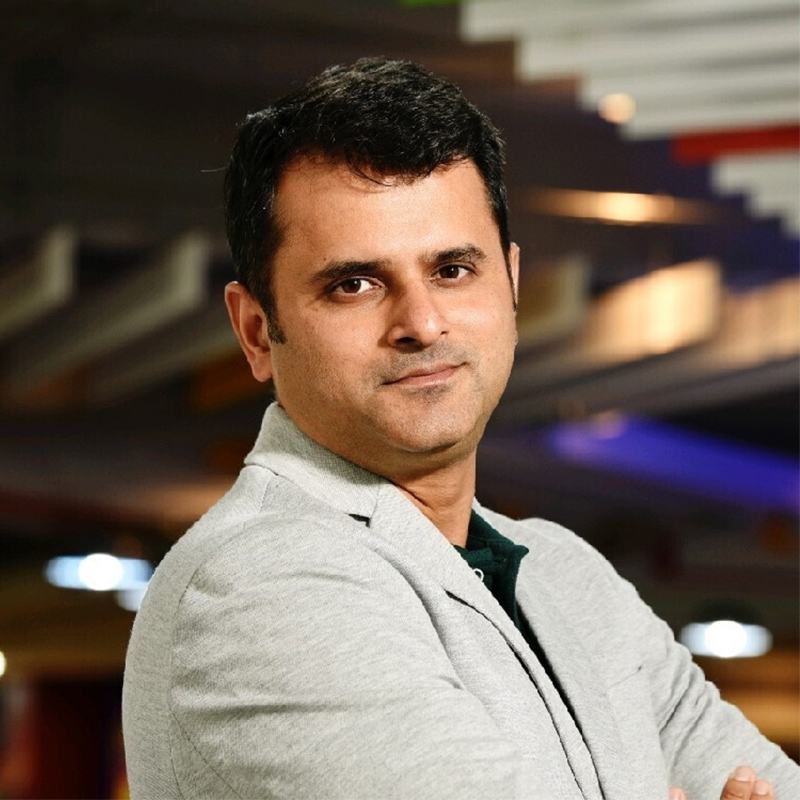
  • Shree Das is the new social media PR head of Britannia Industries Limited

    Shree Das is the new social media PR head of Britannia Industries Limited

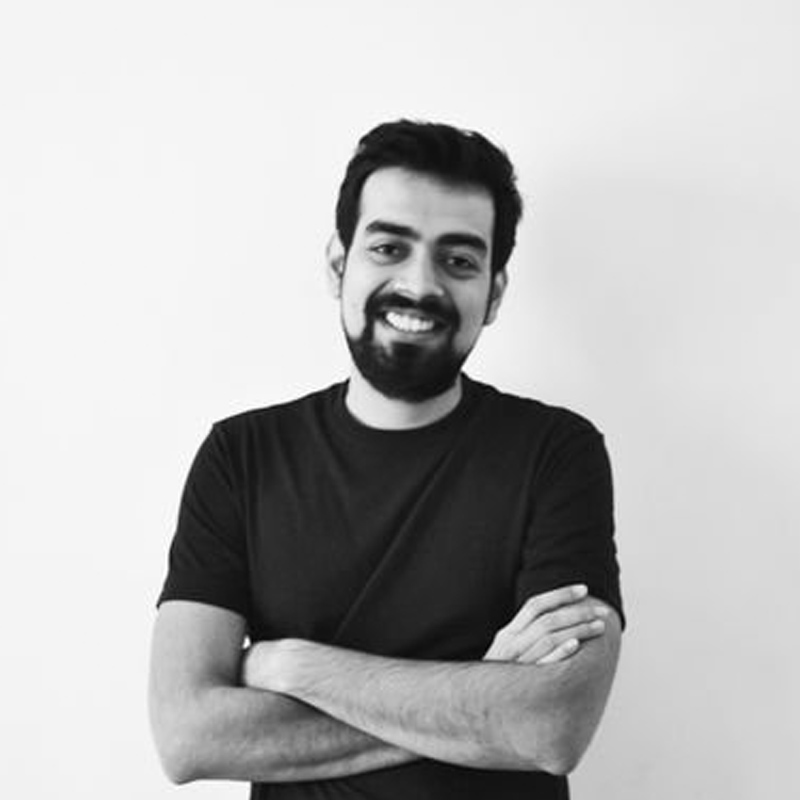
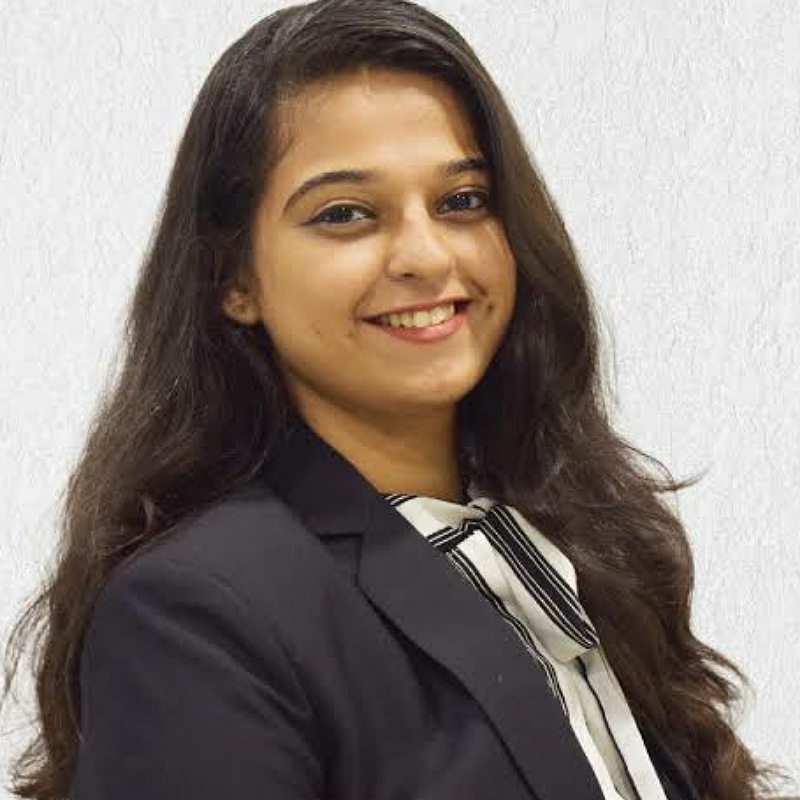
    Mumbai:  In recent development, Shree Das seasoned communication and PR professional joined Britannia Industries Limited as Social Media and PR head. Earlier she served as vice president at Publicis Consultants Asia where she was responsible for operational efficiency for the Bangalore region.

    While expressing her joy on LinkedIn’s post she said, ‘ After over a decade of building corporate reputation programs for the tech and startup community, I am over the moon to tell the story of a 130+ year old FMCG giant. I am very happy to share that I have joined Britannia Industries Limited to steer Public Relations and Social Media for the brand. Let’s work together to tell people how Britannia is shaping to be the Global Total Foods Brand, and doing that responsibly with an equal commitment to boosting the local economy.’

    Earlier she also worked in companies like Xiaomi India, Lenovo India, and Unacademy.

  • Creatorpreneurs and Tier ll+ Cities Lead as Creator Economy

    Creatorpreneurs and Tier ll+ Cities Lead as Creator Economy

    Mumbai: The report explores the booming creator economy and highlights the emerging trends they witnessed in 2023. Currently valued at over Rs 100 billion and involving around 300 million people worldwide, the industry has shifted gears this year.  

    Enclosed herewith is a comprehensive report summary –

    1.    Rise of Creatorpreneurs:

    The creator economy, once dominated by entertainers, is now witnessing a significant shift towards education and knowledge sharing, giving rise to a new breed of creators- “creatorpreneurs”.

    Today, nearly 2X as many creators prefer to establish themselves as sustainable business owners rather than chase celebrity influencer status with books and podcasts witnessing the biggest y-o-y growth in creation.

    Sectors such as personal development, health & fitness, personal finance, etc., have seen significant growth, indicating a strong demand for creator-led educational content.

    2.    Growth:

    The e-learning industry is projected to exceed Rs 460 billion by 2026, representing a vast opportunity for creators in the educational space.

    On Classplus alone, the earnings of non-academic creators have soared by 2.5X in 2023 from the previous year. The number of creators using the platform has also grown by 300 per cent from 2021.

    3. Shift from Social Media to Other Digital Learning Products:

    Fearing the unpredictability of ad revenue and seasonal brand deals on social media, creators are diversifying their income streams and turning to entrepreneurship to build sustainable revenue through digital learning products.

    77 per cent of creators said algorithm changes had a moderate-to-significant impact on their audience engagement. Additionally, 25 per cent of creators estimated they’ve lost Rs 1,000- Rs 9,999 in revenue due to algorithmic changes, and 24 per cent estimated Rs 10,000-Rs 49,999 in losses.

    4 .   2023 Saw the Rise of Fin-fluencers:

    The rise of the creator economy has coincided with an increase in financial awareness among retail investors. The number of investor accounts has surged from 3.93 crore in December 2019 to 13.23 crore by the end of October 2023.

    In line with these trends, finance and investment education is an emerging category across platforms. They are teaching courses ranging from basic financial literacy to advanced investment strategies, catering to various levels of expertise and interest.

    5.    Upskilling for Professional Growth:

    Creator-led courses are gaining traction as alternatives to the traditional education system. The appeal lies in its flexibility and accessibility, allowing individuals to upskill at their own pace from anywhere at an affordable cost. (The course listings of creators on Classplus typically range from 1k for bite-sized video courses to Rs 50k for certification courses.)

    The demand for online creator-led courses is soaring with coding, digital marketing, and personality development witnessing remarkable growth.

    Professionals are also engaging with leaders from major tech companies for 1-on-1 mentorship and consultations.

    Every month, 15 million learners visit Classplus powered apps of these creators to upskill themselves on skills in digital marketing, coding, communication, etc.

    6.   Boom in Categories for “Bharat”:

    Social Media has become a medium for successful business owners to share their expertise and insights, thereby enabling others to start and grow their own micro-businesses.

    This trend is significantly empowering individuals, particularly women in Tier II+ India to generate income and start successful ventures. Around 70 per cent of the audience accessing courses by these creators using Classplus are from Tier II+ cities and towns.

    Some courses gaining momentum-

    ○      Organic Farming

    ○      Makeup Art

    ○      Jewellery Designing

    ○      Cooking & Catering

    ○      Fashion Designing

    7. Increasing Focus on Health and Well-Being

    ·  Around 94 per cent of Indians are worried about their own and their family’s health and feel that lifestyle changes like exercising, yoga and dieting will benefit their health and overall wellbeing. People are spending more on gym memberships, yoga classes, and curated diet plans.

  • Diwali delight: Festive trends and social media illumination with Sprinklr Insights

    Diwali delight: Festive trends and social media illumination with Sprinklr Insights

    Mumbai: Much more than just an annual tradition, the celebration of the biggest festival in India – Deepawali or Diwali – holds a cherished place in the hearts of many. Signaling the onset of a lively season brimming with countless cultural connections and celebrations, enchanting lights, and vibrant rangolis, this exuberant festival echoed joy throughout the country this weekend – making it one of the most talked-about occasions of the year online.

    As this festive fervor captivates the minds of brands and consumers nationwide, we have compiled a snapshot of the trends and data surrounding the excitement that illuminated social media platforms in the anticipation and celebration of the vibrant Festival of Lights.

    This data has been compiled using the social listening capabilities of Sprinklr Insights, aggregating mentions from India across selected news outlets, and social media platforms like Twitter and Reddit. Sprinklr Insights allows businesses and organizations to monitor, track, and analyze social media conversations and mentions related to their brands, products, or topics of interest.

    Most Popular Regions

    Diwali

    Of the more than 1.8M mentions Diwali received online in India over the last few weeks, a majority came from the metro regions across the country. The festival of lights glimmered most brightly across the capital city Delhi followed closely by Mumbai, with over 17.2K and 11.3K online & social media mentions respectively. Other metro cities such as Chennai, Hyderabad, and Bengaluru welcomed the festival wholeheartedly, with 7.2K, 5.3K, and 4.9K mentions respectively. Among Tier 2 cities, the celebrations remained jubilant with mentions averaging at slightly over 2K in Jaipur (2.78K), Kolkata (2.69K), and Lucknow (2.27K).

    Most popular conversations

    Diwali

    Amidst the myriad of festive conversations that lit up social media, those surrounding Culture and Festivities took center stage,  comprising the majority of conversations around Diwali at 87.3 per cent. Of the remaining conversations, those around Offers and Discounts stood out, making up for a majority of conversations at 9.4 per cent.

    Most popular brand conversations

    Diwali

    Capturing the celebratory pulse of Indian consumers, several noteworthy brands brightened the festivities further by actively engaging in the Diwali conversation. Overall, leading the way for festivities were Consumer Tech brands, clocking in a remarkable 22.62K plus mentions. In line with this trend, consumer tech giant WhatsApp emerged as the frontrunner in amplifying the festive spirit accumulating over 22,241 mentions.

    Diwali

    Following suit, e-commerce and quick commerce brands secured 7.7K plus and 6.4K plus mentions respectively. Brands under these categories  – including Amazon (5.6K), Flipkart (1.7K), Vivo (1.5K), and Swiggy (1.4K), – trailed behind WhatsApp as they amplified the festive spirit further with topical offers and themed interactions.


  • 64% Indian streamers are more receptive to ads on streaming platforms than social media: Magnite report

    64% Indian streamers are more receptive to ads on streaming platforms than social media: Magnite report

    Mumbai: Magnite, the independent omnichannel sell-side advertising platform, on Tuesday released a study entitled “India Embraces the Streaming Era” that found ads on streaming platforms capture more attention than ads on social media. Nearly two-thirds of India’s streamers (64 per cent) are more responsive to advertising on streaming platforms, with many stating they often search for the product (48 per cent) and make a purchase (33 per cent) after the fact.

    The study also found that free or ad-supported content is preferred to paying for an ad-free experience. 80 per cent of streamers prefer to watch ad-supported content versus subscribing to an ad-free platform for a monthly fee.

    “OTT is unmatched in its ability to engage viewers, and we commissioned this study to better understand consumption patterns across the rapidly growing Indian streaming audience,” said Magnite managing director, Asia Gavin Buxton. “One of the study’s key findings shows that OTT advertising outperforms other mediums like social media when it comes to attention and purchasing power. With three-quarters of video viewers streaming more now than a year ago, advertisers should be actively exploring this channel to reach the right audiences.”

    According to the study, two thirds of streamers prefer to watch streaming services over traditional TV, and streamers rank the quality of content, platform usability, and content discovery as the top factors driving their decision to stream. The majority (75 per cent) of streamers are streaming more video content than a year ago, and 66 per cent expect to stream more next year.

    “We are witnessing the next stage in streaming’s evolution—one where the lines between SVoD, AVoD, and FAST are being blurred as we see audiences continue to fragment,” said Samsung Ads, India senior director Prabhvir Sahmey. Whilst globally we’re seeing the major streaming giants introduce ad-funded and hybrid models, locally we’ve seen the adoption of these freemium models in India gain considerable viewership. It is exciting to see such a promising future for ad-supported streaming confirmed both recently in our TV ad engagement study and validated in this new report from Magnite.”

    “The migration of audiences from linear TV to streaming signals an opportunity for our clients who are looking to invest in CTV and incorporate TV buys into their overall advertising strategies with screen-agnostic planning,” said Omnicom Media Group chief digital officer, APAC Bharat Khatri. “With the breadth of available inventory increasing and the preference for streaming across India according to Magnite’s research findings, advertisers should take note of where viewership is moving and invest in OTT to reach highly engaged viewers watching their favourite shows. At the same time, we are seeing a big shift happening on the measurement front, with viewability amounting to three seconds or half of an ad flashed on rapidly scrolling screens. It’s easy to see a growing gap between the opportunity to be seen and actually being seen, thus the need of the hour is to start optimising based on attention to generate incremental value across creative, media planning, and buying, and in turn improve brand health and performance.”

    Additional key findings from Magnite’s study include:

     ●  Mobile commands the majority of streamers’ time, and 88 per cent of viewers reported a positive viewing experience on smartphones, comparable to the number that reported a positive viewing experience on TV screens.

    ●  Mobile is the top streaming device, but time spent streaming on CTV is growing as smart TVs are introduced into Indian homes. 59 per cent of streamers are now watching CTV and spending an average of eight hours per week streaming content on a big screen.

    ●  Live streaming is becoming mainstream. Nearly all streamers (86 per cent) said they watch live content through streaming platforms, with streaming being particularly prevalent across news, sports, and reality content. Streamers are more likely to watch live programming on streaming platforms than on traditional TV.

    Check the full report here. ( https://www.magnite.com/research/india-streaming-era/).

  • Apurva Chandra talks about credibility of social media, RPD and direct-to-broadcast: CII The Big Picture Summit 2022

    Apurva Chandra talks about credibility of social media, RPD and direct-to-broadcast: CII The Big Picture Summit 2022

    Mumbai: At the Big Picture Summit organised by the Confederation of Indian Industry (CII) on 16 & 17 November, among the many dignitaries that were in attendance and spoke on various topics, the ministry of information & broadcasting (MIB) secretary Apurva Chandra was also present.

    On his recent visit to the Global Media Congress in Abu Dhabi, he made some observations and spoke about the same. He raised his concern (as well as the concern of many) with regard to the fact that the use of social media is on the rise and traditional media is on the decline.

    “The use of social media is increasing – that is how the consumption of media now takes place. And within that too, there is the short video format, which has become more popular. In fact, I was surprised to learn that youngsters now turn to TikTok for search and not Google anymore – TikTok has now become a more popular search engine as compared to Google because nowadays short videos are available for anything and everything,” he stated.

    Chandra elucidated that now there is an issue of credibility. “For people of our age, the credibility of the media is paramount. Achieving credibility in social media will be the challenge. The media authorities will also have to consider that viewers’ tastes are changing towards shorter and shorter versions.”

    He went on to reveal that the next big thing that MIB is working on is direct-to-mobile broadcast. A pilot study by IIT Kanpur and Sankhya Labs on direct-to-mobile broadcasting that had been undertaken in Bengaluru has been successful; a similar pilot study will be launched soon in Noida or someplace near Delhi.

    He added, “There are 20 crore households, 60 crore smartphone users, and 80 crore broadband users. Once we start direct-to-mobile broadcasting, the reach of the TV media would be much higher.”

    Additionally, Chandra mentioned that they are also working on the issue of TRP ratings.

    “The reverse path data (RPD) pilot has also been successful; the report has been submitted. We will now take it forward on integrating more and more RPD. The major concern was that the number of households involved in Barc ratings is very low and it should be increased. Once RPD is implemented, the TRP will become much larger,” he assured.

  • First Care’s BuddsBuddy hands over social media duties to Team Pumpkin

    First Care’s BuddsBuddy hands over social media duties to Team Pumpkin

    Mumbai: Team Pumpkin has acquired the digital mandate of First Care’s brand, BuddsBuddy. The account will be handled by the agency’s team based out of Bengaluru.

    As a part of this digital mandate, Team Pumpkin will handle the social media marketing duties for BuddsBuddy and help in strategizing the brand’s digital activities. Speaking of this partnership, Team Pumpkin co-founder and CEO Ranjeet Kumar said, “We are delighted to have BuddsBuddy onboard with us. At Team Pumpkin, we believe in growing exponentially with upcoming trends and innovations while staying rooted in consistency. We plan to build a new and fulfilling path for BuddsBuddy as per their vision and enhance it with our creative and strategic planning.”

    BuddsBuddy is committed to providing baby care products across India with a mission to solve a parent’s baby-care challenges. Their approach is “Know, Sow, Reap, Resolve, and Repeat.” The approach stands for knowing the challenge, sowing effort to resolve the challenge, reaping the results from the community, resolving inadequacies, and repeating the process for ever-evolving baby care needs. From feeding & nursing to grooming and health & safety, BuddsBuddy offers a wide range of high-quality baby products at affordable prices.

    Expressing his views on this new association, BuddsBuddy co-founder and CEO Krishna Sighakolli said, “We are thrilled to work with Team Pumpkin as their vast experience in the baby care segment will help us with a distinct path to foray into this exciting industry. Their agency’s creative & strategic minds will take our brand to new heights.”

  • Vavo Digital announces collaboration with six content creators for LinkedIn

    Vavo Digital announces collaboration with six content creators for LinkedIn

    Mumbai: Vavo Digital has initiated a structured initiative to lend a fresh perspective to influencer marketing by exploring the coming-of-age social media platform LinkedIn.

    At the onset of this pursuit, Vavo Digital identified and signed up six key influencers. In the upcoming quarter, it aims to onboard 50+ talents on LinkedIn and further boost influencer marketing on this digital platform created especially for professional relationships.

    By onboarding personal branding experts Punita Parekh, M. Ayushi, and Shubhangi Madan, chartered accountant Palak Rathi, financial analyst Siddhant Garg, and audit analyst Sanskriti Pandey to facilitate collaborations with brands, the agency envisions assisting brands in reaching out to their target audiences through collaborations with these exclusive talents.

    Currently, the influencers onboarded are predominantly in the finance category; however, the agency envisions expanding the portfolio by being more inclusive and acquiring talent across multiple categories like technology, career coaches, HR professionals, marketing, public speakers, and content writers/freelancers.

    Commenting on the onboarding of these exclusive talents, Vavo Digital founder and CEO Neha Puri said, “As the first step towards establishing influencer marketing as a practical method on LinkedIn, the platform recently introduced a ‘creator mode’ that provides supplementary features and tools to users once activated. This significantly paved the way for content creators to establish themselves on LinkedIn. As an influencer myself, I view LinkedIn as an apt platform to associate with professional brands and gain a larger outreach. I believe it certainly helps to reach the right set of thriving entrepreneurs, as LinkedIn is home to all top decision makers, and that helps extensively in the appropriate development of emerging brands.” 

    At Vavo Digital, we are so pleased to have onboarded a talented set of independent content creators like Punita Parekh, M. Ayushi and Shubhangi Madan, Palak Rathi, Siddhant Garg, and Sanskriti Pandey from varied genres. We look forward to expanding the roaster and executing impactful campaigns for our brands. We aim to not only enhance the brand’s visibility but also create more engagement with the audience,” she added.

  • GUEST ARTICLE: New trends in the video production market 2022

    GUEST ARTICLE: New trends in the video production market 2022

    Mumbai: There is no doubt that video marketing is the most engaging medium to connect with consumers and is also enthusiastically embraced by the masses.

    A recent report indicates that YouTube has experienced a 20–30 per cent increase in views, and social media videos have reached an all-time high, with 56 per cent of consumers watching more videos each month on social media platforms. While video production is gaining momentum, the focus is not limited to humorous skits or influencers. Rather, there are several companies dedicated to creating videos that deliver value to their customers. 

    In a recent study, four out of ten internet users follow brands that interest them (and are considering purchasing from). Also, 35 per cent of YouTube views are attributed to brand-owned videos, and 70 per cent of e-commerce brands have increased their advertising budgets for videos.

    Looking closely, we have found the following trends in marketing video production that are expected to continue into 2022 and beyond. 

    ●     Short-form video

    The short-form video has gained traction across almost all content platforms, including Instagram Reels, Snapchat, and YouTube Shorts. There is a likelihood that this trend will continue, with videos becoming “snackable,” which means they can be consumed between other forms of content in a short attention span.

    When it comes to what needs to be served to the consumers, a marketer needs to be able to achieve more within a shorter period of time. In most cases, you will have less than 30 seconds to catch your audience’s attention and explain your point. Fortunately, video allows you to achieve this. Visuals, audio, and text can be combined effectively to communicate a shorter message. 

    Let’s take a look at a few best practices for short-form video production:

    ●     The first few seconds matter – Gain their attention right away to prevent them from swiping or clicking away.

    ●     Don’t forget mobile – As over 75 per cent of video content is viewed on mobile devices, it is essential to use mobile-friendly links and vertical formats for viewing. With the latest video technology, it is even possible to create videos that adjust based on the device used by the viewer.

    ●     Posts affect where it goes – Keeping in mind that different websites and apps have differing content styles that work best and often have different audiences when making videos is essential.

    ●     Animated Explainer Videos

    Animation explainer videos enable you to capture your audience’s attention while maintaining it throughout the video. The most appealing aspect of animated explainer videos is that they showcase your brand’s personality in an enriching and informative manner.

    Many companies worldwide continue to use animated videos to promote their products and services. Animated videos are also used for various purposes, such as educating customers, training new employees, and many others.

    Moreover, since more and more people are viewing videos on their mobile devices, creating videos that are optimised for smaller screens is paramount. Forecasts indicate that animated explainer videos will become more popular as a form of video marketing by 2022.

    ●     Shoppable social media videos

    A shoppable and interactive video marketing strategy will dominate the video marketing segment in 2022. A viewer can be a part of the story or message by participating in the video. You may receive a different result if you click on the other objects that are projected on the screen.

    There may also be questions or choices you must make that have an impact on the video’s plot. Over the years, shoppable videos have also evolved. In 2022, shopping videos will significantly increase the interaction level among their customers. As a result, shoppers will have an easier time, and conversions will increase dramatically.

    Shopping can be performed directly from the video, hence there is no need to leave the site. This trend is unmatched in popularity.

    ●     Webinars and live streams

    A live stream or live webinar has become an increasingly popular way of sharing content in the past few years. It is a great way to increase brand awareness and traffic to your website, and it allows your followers to interact directly with you.

    Combining this approach with the podcast offers you the opportunity to leverage multiple channels for marketing purposes. Apart from this, businesses and content creators can use live webinars to generate leads and sell products.

    If you plan on conducting live webinars, you should invest in a good-quality microphone.

    ●     Vertical videos 

    If you scroll through social media feeds, you will notice that most videos are vertical in nature. The orientation of a vertically oriented video differs from that of a horizontally oriented landscape video.

    In 2017, Snapchat and Instagram began supporting these videos, and their popularity has continued to increase with TikTok. In vertical videos, the viewer may see more of the subject’s face than in horizontal videos. Moreover, they may feel closer to the matter as the camera is closer to their faces.

    This eventually makes it ideal for sharing on social media platforms, where users scroll through their feeds and wish to view quick, engaging videos. However, this video style is likely to remain popular for the foreseeable future.

    ●     User-generated content

    There is no doubt that marketing strategies rely heavily on user-generated content, and video content is no exception. User-generated content is one of the top trends in video marketing for 2022, and YouTube’s ability to attract and retain users indicates its effectiveness.

    According to studies, user-generated video content receives ten times as many views as branded content. The good news doesn’t stop there: once users land on a site via UGC, they spend twice as much time as they used to on the previous content. It is also well known that user-generated video can convert users into customers at a rate almost double that of static content.

    Video UGC also increases the likelihood that these users visit an e-commerce site and make a purchase by 184 per cent, and makes sure that these users spend 45 per cent more on the e-commerce website. This approach is particularly effective in industries that heavily rely on user opinions, such as travel and health.

    Even if your company does not operate within these industries, video content generated by users is a practical part of your video marketing strategy for 2022. 
    Final Thoughts

    It is undeniable that the trend of using video content in marketing has continued over the past decade. To succeed in digital marketing, you must have a detailed understanding of video marketing trends. No matter if you are a professional videographer or not, you should be familiar with the use of video content in marketing and design. You will see incredible results if you incorporate it into your online marketing strategy. Take advantage of all the trends and statistics related to video marketing on our website. This would aid your marketing campaigns and social media efforts to ensure that your prospects remain engaged with your content.

    The author of this article is GPPL co-founder and managing partner Anjali Chauhan.

  • Vijay Sales campaign garners 2.56 mn impressions across social media

    Vijay Sales campaign garners 2.56 mn impressions across social media

    Mumbai: Vijay Sales’ latest campaign for its new store launch has garnered 2.56 million cumulative impressions across social media. Conceptualised and executed by Puretech Digital, the campaign included an interactive contest to generate more buzz for their new store openings in Telangana and Andhra Pradesh via their launch film.

    Vijay Sales announced a hook step challenge called the ‘#VijaySalesMove’ and collaborated with social media influencers, to promote the challenge and the presence of the stores. Puretech Digital strategically roped in regional influencers to bring in a local and personal touch to the activity. Influencers like Pranavi Manukonda and Aqsa Khan participated and posted reels doing the hook step. The audience was encouraged to recreate the hook step and win exciting prizes.

    The “#EkkadakiVelaali” campaign contest was announced on 29 July 2022 and ran for one month, until 31 August. The contest winners were revealed on 1 September, and the three winners and runners-up were gifted with exciting prizes like OnePlus televisions and boAt headphones.

    Speaking on the success of the activity, Puretech Digital’s branded content vertical RevUp business director Aastha Beecham said, “The campaign was centred around engaging the audience of the region to make them aware of the launch of the Vijay Sales stores in Telangana and Andhra Pradesh.  From the feisty rap composition to the hook step challenge, we had a great time shaping this new, fresh messaging tone for the brand. The “#EkkadikkiVellaali” campaign received an overwhelming response from the audience, making it a great success for us and the brand as well.”

    Commenting on the association, Vijay Sales director Karan Gupta said, “Our partnership with Puretech Digital has enabled the integration of a creative facet to our communication, and with this campaign, it has only gotten better. This campaign is very close to us, and the agency has delivered effectively due to the foundation of the relationship we’ve held for the last two years.”

  • Elon Musk makes a human appeal to advertisers few hours before Twitter deal

    Elon Musk makes a human appeal to advertisers few hours before Twitter deal

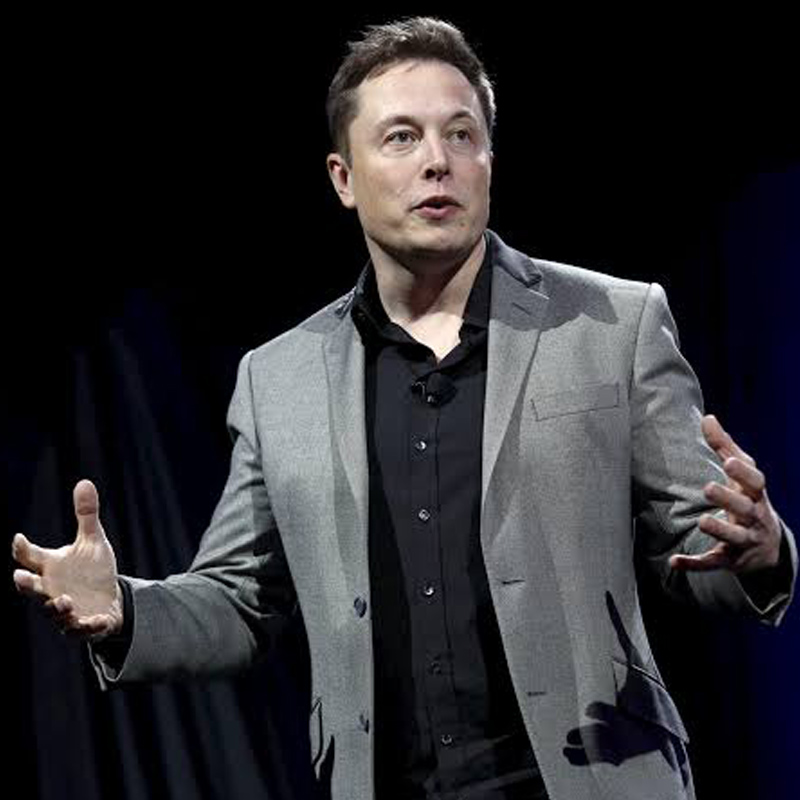
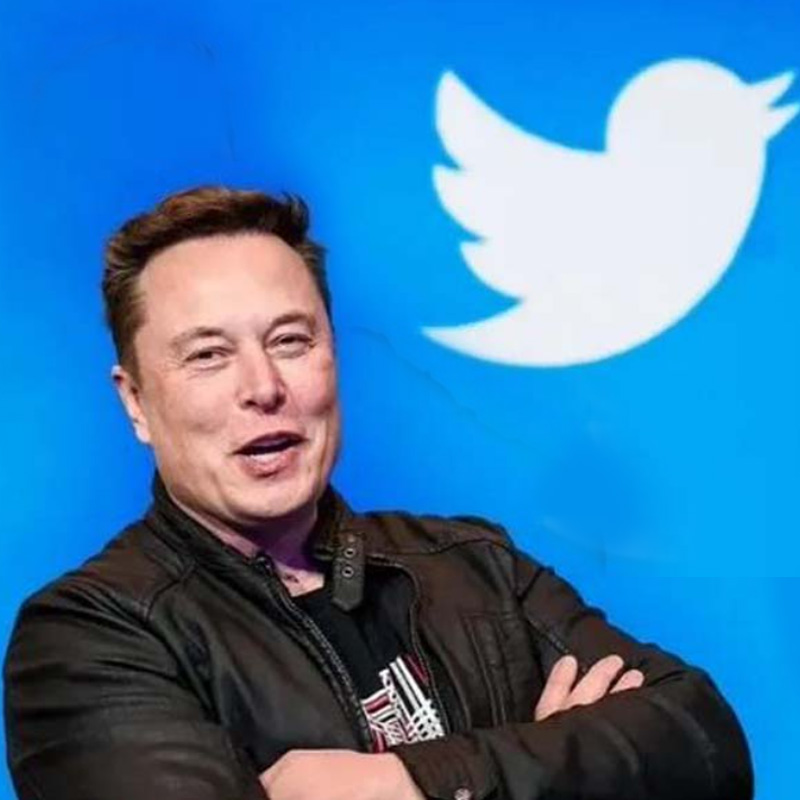
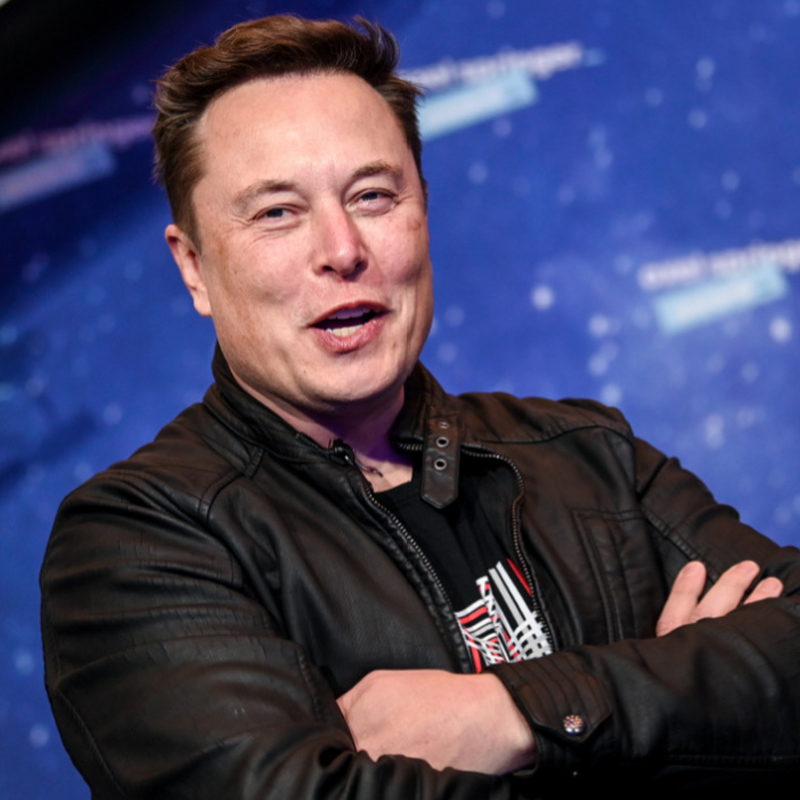
    Mumbai: Elon Musk, the billionaire businessman, donned a serious hat with his human appeal on Twitter, just hours after his amusing entry at the company’s headquarters in San Francisco, California, with a toilet sink in his hand on Thursday. He also posted a video on the social media platform with the caption, ‘Entering Twitter HQ-Let that sink in.’ And this time around, the Tesla chief is determined to seal the $44 billion deal on 28 October, which is reflected in his Twitter bio as it now reads “Chief Twit.”

    In his most recent post, Musk expresses his concern, has requested advertisers to work together, and says that he is buying Twitter to help humanity. The post reads, “I wanted to reach out personally to share my motivation for acquiring Twitter. There has been much speculation about why I bought Twitter and what I think about advertising. Most of it has been wrong.”

    He goes on, “The reason I acquired Twitter is because it is important for the future of civilization to have a common digital town square, where a wide range of beliefs can be debated in a healthy manner without resorting to violence. There is currently a great danger that social media will splinter into far right-wing and far left-wing echo chambers that generate more hate and divide our society.”

    As Musk points out in his post, “In the relentless pursuit of clicks, much of traditional media has fueled and catered to those polarised extremes, as they believe that is what brings in the money, but, in doing so, the opportunity for dialogue is lost.”

    Citing his reasons for buying out the social media platform, he explains, “That is why I bought Twitter. I didn’t do it because it would be easy. I didn’t do it to make more money. I did it to try to help humanity, whom I love. And I do so with humility, recognising that failure in pursuing this goal, despite our best efforts, is a very real possibility.”

    He adds, “That said, Twitter obviously cannot become a free-for-all hellscape, where anything can be said with no consequences! In addition to adhering to the laws of the land, our platform must be warm and welcoming to all, where you can choose your desired experience according to your preferences, just as you can choose, for example, to see movies or play video games ranging from all ages to mature.”

    “I also very much believe that advertising, when done right, can delight, entertain, and inform you; it can show you a service or product or medical treatment that you never knew existed but is right for you. For this to be true, it is essential to show Twitter users advertising that is as relevant as possible to their needs. Low relevancy ads are spam, but highly relevant ads are actually content,” brings out Musk.

    He wraps up his post with, “Fundamentally, Twitter aspires to be the most respected advertising platform in the world that strengthens your brand and grows your enterprise. To everyone who has partnered with us, I thank you. Let us build something extraordinary together.”

    Musk originally offered to buy the social media company earlier in April. But later backed out of the deal in July. After Twitter sued the 51-year-old billionaire, he offered to complete the deal. The court ordered Musk to do so by 28 October 2022.