Tag: social media

  • Facebook’s billion-dollar push to woo content creators

    Facebook’s billion-dollar push to woo content creators

    New Delhi: As its rival TikTok continues to rise up the charts, the social media giant Facebook has announced that it is all set to invest over $1 billion to reward creators for creating content on Facebook and Instagram by the end of 2022.

    The announcement is part of the US giant’s big-term plans to up its game against YouTube and TikTok which have been setting new records. The Chinese video sharing app has thrived despite the government bans, and recently became the first non-Facebook mobile app to surpass three billion downloads since 2018 when it became available globally.

    According to mobile analytics firm Sensor Tower, the milestone makes TikTok the fifth nongame app to cross the threshold, following WhatsApp, Messenger, Facebook and Instagram- all owned by Facebook. The US social media giant is now gearing up to compete with its rival’s spectacular rise.

    “From artists to style experts and budding entertainers, creators drive so much of the passion and creativity we see across our apps. By the end of 2022, we plan to invest over $1 billion in programs that give you new ways to earn money for the content you create on Facebook and Instagram,” Facebook CEO Mark Zuckerberg said in a FB post. “We want to build the best platforms for millions of creators to make a living. Investing in creators isn’t new for us, but I’m excited to expand this work over time.” 

    The company said the idea is to reward creators, especially those just starting out. The investment will include new bonus programs that pay eligible creators for hitting certain milestones when they use FB’s creative and monetisation tools. The company will also provide seed funding for creators to produce their content. “Our goal is to help as many creators as possible find sustainable, long-term success on our apps,” it said.

    Some programs are already available to select creators by invitation but the platform will now launch a dedicated place for bonuses within the Instagram app soon and later in the Facebook app. Instagram’s bonus programs will include incentives to use Reels,a feature developed post rise of TikTok.

    “This investment brings together our many programs and initiatives across the company that support the creator community and enable them to earn a sustainable income on our apps. It complements our growing suite of monetisation tools,” said the company.

  • Digital Media Ethics Code will make publishers accountable: I&B Jt Secy Vikram Sahay

    Digital Media Ethics Code will make publishers accountable: I&B Jt Secy Vikram Sahay

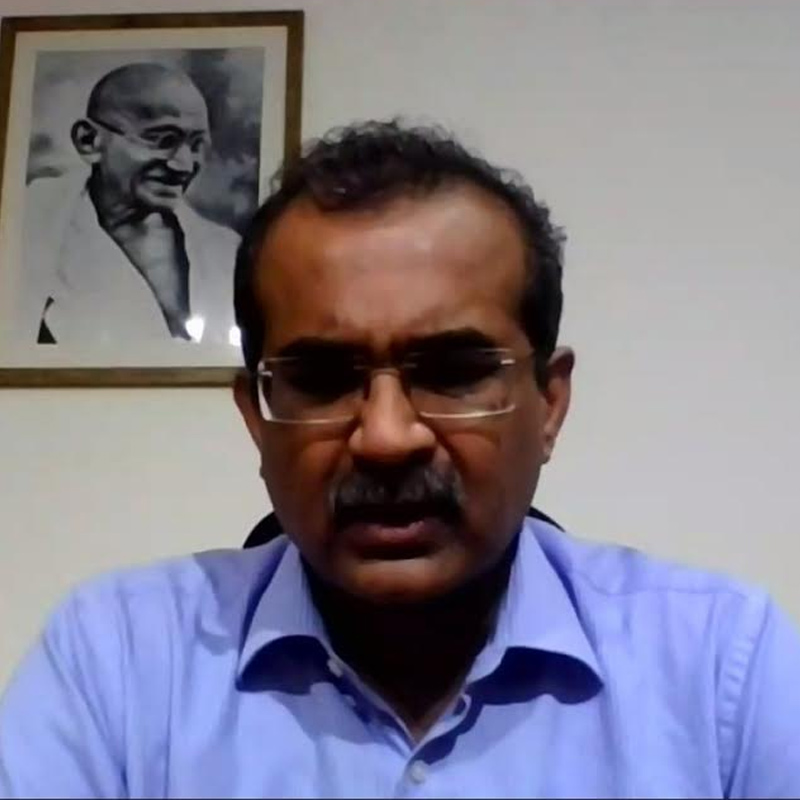
    New Delhi: As the government’s stand-off with a few social media companies continues over the new IT rules, ministry of information and broadcasting joint secretary Vikram Sahay said that Digital Media Ethics Code is aimed at addressing the grievances of the common man, and should be viewed as a ‘citizen-centric legislation’.

    “Digital Media Ethics Code is aimed at stopping transmission of content which is objectionable to women or harmful to children. Presence of a regulatory body can control and stop the spread of fake news as well as make the publishers accountable. It is essentially citizen-centric legislation,” he said on Tuesday.

    The MIB joint secretary was speaking at a webinar on ‘Digital Media Ethics Code’ organised by Press Information Bureau, Maharashtra and Goa for improving stakeholder understanding of Part III of the Information Technology (Intermediary Guidelines and Digital Media Ethics Code) Rules, 2021, that came into effect on 26 May.

    India is the world’s fastest growing OTT market and the market is expected to reach $2.9 billion by 2024 which is an annual growth of 28.6 per cent. Sahay said the new rules become all the more important, amid this recent explosion of digital content. “The purpose of the Digital Media Ethics Code is to stop transmission of content which is objectionable to women or harmful to children,” he added.

    Elaborating on how the online news portals are the major source of news among Indians under 35 years of age and that there is a 41 per cent increase in time spent on such news apps, Sahay said, “When there are content regulators like Press Council of India for newspapers and Cable TV Network Act, 1995 for News on TV there has been no such regulation for news on digital platforms. Similar is the case for OTTs which do not have a regulation unlike that of Cinema Halls or Television.”

    The new rules notified on 25 February, came into effect on 26 May recommend a three-tier mechanism for the regulation of all online media. According to the new IT Rules, social media and streaming companies will be required to take down contentious content quicker, appoint grievance redressal officers and assist in investigations. The rules also seek to regulate the functioning of online media portals and publishers, over-the-top (OTT) platforms and social media intermediaries.

    “There will be an inter-departmental committee to deal with unresolved complaints by news publishers or regulatory bodies and for that it is imperative that disclosure of information in public domain regarding grievance redressal by publisher and self-regulating body is done,” said the joint secretary.

    Sahay also added that the I & B ministry will collect basic information about people working on news portals or OTT platforms, in a prescribed format by the stakeholders. “More than 1800 of people working on news portals or OTT platforms have already submitted their details to the ministry, where most of them have submitted voluntarily,” he added.

    Digital news publishers, representatives of film industry, Over the Top (OTT) platforms and online content producers attended the webinar, along with academicians, researchers, students and officers of state government of Maharashtra and Goa.

  • New IT rules will empower and protect social media users: Ashwini Vaishnaw

    New IT rules will empower and protect social media users: Ashwini Vaishnaw

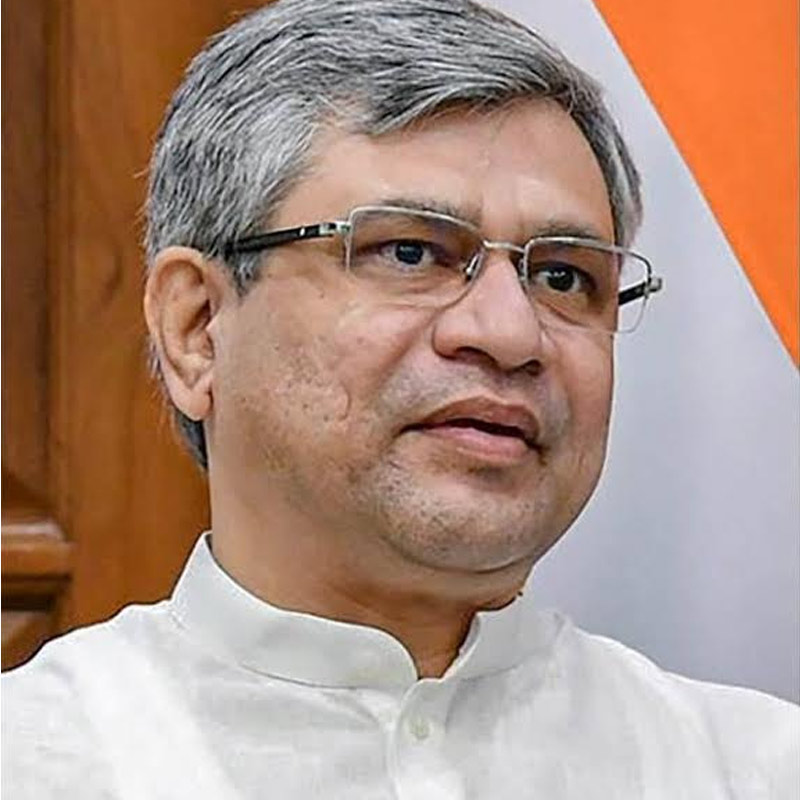
    New Delhi: The new IT rules will empower and protect users and ensure a safer social media ecosystem, said the union IT and communications minister Ashwini Vaishnaw who recently took charge of the ministry post the cabinet reshuffle.

    “Reviewed the implementation and compliance of Information Technology Rules, 2021 along with my colleague Rajeev Chandrasekhar ji. These guidelines are empowering and protecting users and will ensure a safer and responsible social media ecosystem in India,” Vaishnaw said in a post shared on Koo, which is considered a competitor to Twitter in India.

    Vaishnaw’s statement comes amid a continued standoff between the government and some social media platforms over the new rules. Twitter, which had been in the eye of the storm over its alleged failure to comply with the new IT rules in India, on Sunday named Vinay Prakash as its resident grievance officer for India, according to the company’s website.

    The new rules notified on 25 February, came into effect on 26 May recommend a three-tier mechanism for the regulation of all online media portals and publishers, over-the-top (OTT) platforms, and social media intermediaries. Under the new rules, each significant social media company with over 50 lakh users is required to appoint a chief compliance officer, a nodal contact person for 24×7 coordination with law enforcement agencies, and a resident grievance officer. All three should be resident Indians and their details be put on the company’s website.

  • GUEST COLUMN: Deciphering social media Humanology during pandemic

    GUEST COLUMN: Deciphering social media Humanology during pandemic

    New Delhi: Before 2020, if any individual ever put a requirement about a hospital or medicines on their social media timeline, the only people to respond to those posts would be their friends and professional relations. It was highly unlikely if an unknown (or unconnected) individual jumped in to respond or help.

    However, the second wave of Covid-19 broke this myth. When someone posted an SOS message, the entire community, irrespective of whether they were connected or not, jumped in to help them. Within minutes, the seeker had the list of hospitals to dial in, vendors for an oxygen cylinder, masks, sanitisers, vials, doctors, and home remedies.

    As the days went by, the number of these SOS turned into thousands flooding the timelines. There was a barrage of WhatsApp messages, Twitter posts, Insta Stories, Posts, and others sharing the names & contacts of the verified vendors/places of these above-mentioned amenities created by people who are not content creators.

    The content creators and influencers played their roles. Technology enthusiasts created live blogs, tools that maintained the real-time verified status of the hospitals, doctors, and other necessities on the social media accounts for free of cost. Once an SOS query was answered there was a heart-warming response. The scenario reflected the age-old proverb – ‘Neki Kar, Dariya Mein dal’ (Be Discreet with your Kindness).

    And it was not just a common man who used this medium, several hospitals and institutions used the social platforms to update their daily/hourly status and raise SOS to the government.

    So, what changed in 2021? Why did people become so proactive on social media to help each other? What did they get out of this? Before we dig deep into this psychographic analysis of this question, let us understand the behaviour of most people on social media, especially who they engage with & how they do it.

    Social media has always been like a digital mohalla (neighbourhood) where one lives with fast friends, daily acquaintances, casual acquaintances, professional acquaintances, and dormant relations. On most occasions, our deepest engagements are with either fast friends or professional connections. However, with everyone else, this relationship of engagement is very casual.

    Stronger Together!

    People realised that they were probably facing the worst ever humanitarian crisis and the only chance to survive this was through fighting it together. Now they could not go outside physically to help them, so the only option was to help digitally. This meant they could order medicines, find doctors, connect with hospitals, ambulances, and others.

    Online Connection to on-ground Solution!

    Once helping each other became a duty for responsible netizens, they started realising the power of social media and connections. They moved a step beyond just sharing the jokes and news and saw that they were part of the real action where lives mattered. Their small contribution can help someone. A simple idea that even if an existing connection could save one single life, it would be worth it.

    CONTENTment

    It gave them a lot of peace and satisfaction as they were able to help each other. Sharing is caring! They had a platform to express happiness or displeasure about the situation where they will not be judged. This feature has always been there and people used it excessively during the pandemic. The affected shared their challenges & remedies; the ones who suffered losses shared their thoughts & displeasure about the situation and the ones who were safe were able to take learnings from the affected ones.

    Together We Win!

    Together these voices collaborated and were able to gather domestic and global attention. They believed that they were a part of a movement where people will read/hear/see their plight and chip in to help. And finally, people were able to seek genuine responses that mattered. They were turning out to be influencers aka god’s light for many others. This user-generated response mechanism created a strong trust in their mind for the platform and engaged them even further to the mediums.

    A big reason for this massive shift in behaviour was the need of people at large, especially when India’s entire healthcare system was under immense pressure.

    However, there was also a flip side to it. It led to a lot of misinformation also wherein information about several untested medications was also making rounds on social media which could easily lead to reputation damage for a long time.

    As a digital marketer, I believe in the semantics of social media platforms and connections. This shift is going to stay, social media as a social support platform is a colossal example of changing human behaviour & technology.

    (Jankana Kaul is CEO, Natter. The views expressed in the column are personal and Indiantelevision.com may not subscribe to them.)
     

  • Trell’s latest masterclass gives tips to budding content creators

    Trell’s latest masterclass gives tips to budding content creators

    Mumbai: Content creators today have become one of the crucial aspects of product marketing as they influence the decision of buyers, and make recommendations that are beneficial to both the brand and the consumer.

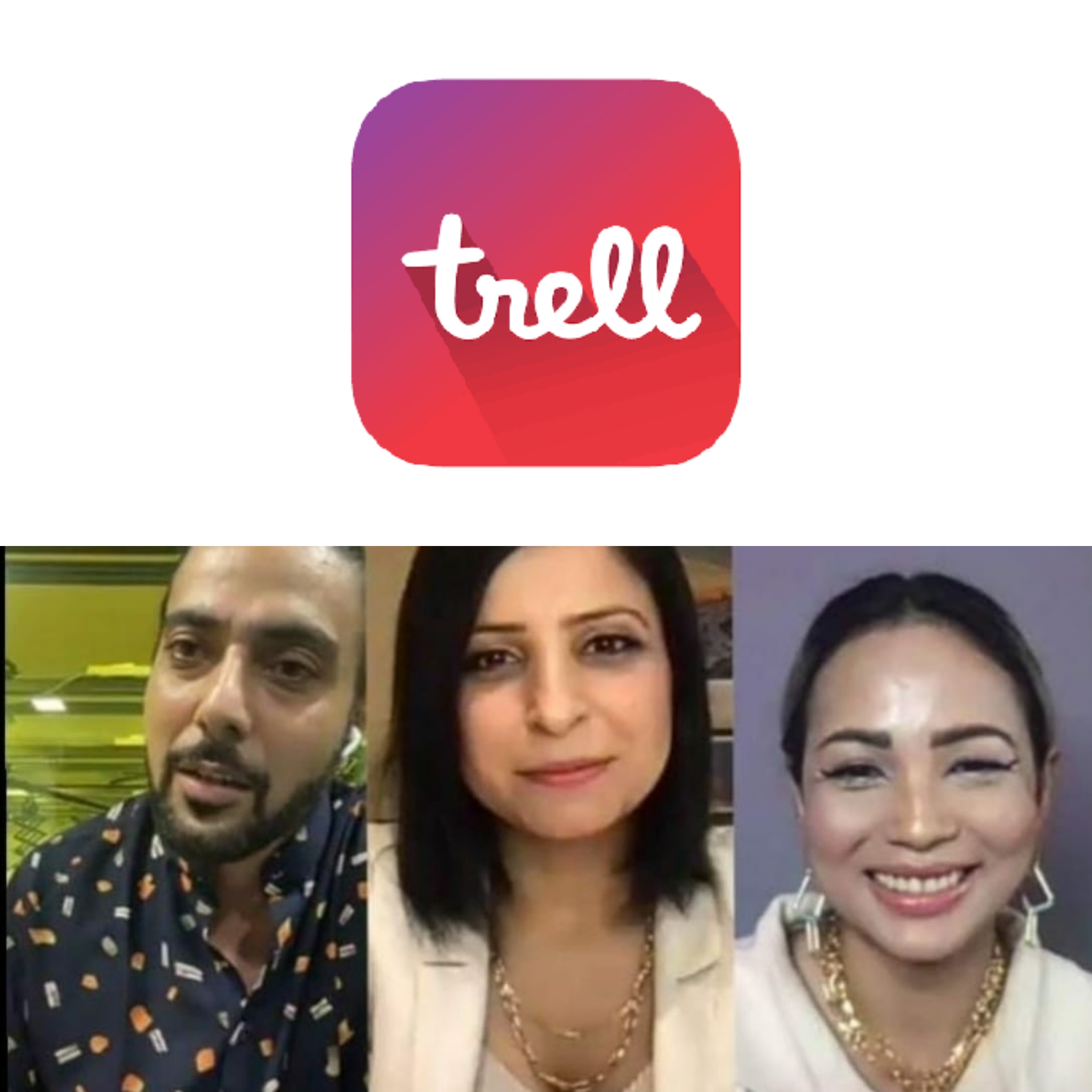
    Against this backdrop, lifestyle content app Trell recently conducted a masterclass with celebrity chef Ranveer Brar and Trell content creator Nilu Thapa, in which they shared their professional experiences and useful tips for budding content creators.

    “The only secret recipe about good content I have nailed down is that I took some time to discover myself in front of the camera through my content,” said Ranveer Brar. “In order to be authentic and to be able to connect with people, it’s important to learn and recognise to be yourself, be unique, and comfortable with your flaws.“

    “The biggest life lesson that I can share is to be patient and consistent with your content. A viral video doesn’t ensure huge followers but a viral video does ensure exposure,” he further added.

    “It is very important to have a vision when you create content, to have your own identity, vibe and signature,” said fashion and beauty influencer Nilu Thapa. “If you create the content blindly by following trends, it might not appear authentic to your audience, and you won’t be able to relate to it as well. It’s essential to create content which is organic, unique, and of the best quality.”

    “The aim of this Masterclass was to give a platform to content creators to learn from renowned influencers and better their content creations on social media,” said Trell’s VP & content head Parul Menghani. “We plan to do a lot of initiatives for content creators and provide them with better opportunities which can help them to grow along with Trell.”

    Trell has content creators creating content on various categories including health and fitness, beauty and personal care, travel, food, and more.

  • Parliamentary panel asks Google, Facebook to comply with new IT rules

    New Delhi: The Parliamentary Standing Committee on Information Technology (IT) has directed US tech giants Facebook and Google to comply with the new IT rules, which came into effect on 26 May.

    Both Facebook and Google officials had appeared before the Parliamentary panel on Tuesday regarding the issue of safeguarding citizens’ rights and preventing the misuse of social/online news media platforms. The panel chaired by Congress MP Shashi Tharoor had asked the officials of the social media sites to appear in person on the issue.

    According to media reports, the representatives were made aware of certain loopholes in their existing data protection and privacy policy mechanism and were asked to have stringent safeguards in place to protect the data privacy and data security of their users. The meeting was attended by Facebook India associate general counsel Namrata Singh and the company’s director of public policy Shivnath Thukral.

    Google officials also informed the committee that between January and March 2021, YouTube removed over 9.5 million videos for violating its community guidelines. “95 percent of these videos were first flagged by machines rather than humans. Of those detected by machines, 27.8 percent never received a single view & 39 percent received one and ten views,” officials told the committee, “During this same quarter, YouTube terminated over 2.2 million channels for violating its Community Guidelines. In this same period. YouTube removed more than one billion comments, the majority of which were spam and were detected automatically.”

    While officials from Facebook, Google, and Twitter have also appeared before the panel, representatives of YouTube and other Social Media Intermediaries will also be summoned in the coming weeks over the issue.

    The new IT (Guidelines for Intermediaries and Digital Media Ethics Code) rules, 2021 were notified on 25 February and came into effect on 26 May. The rules recommend a three-tier mechanism for the regulation of all online media. As per the rules, each significant social media intermediary is required to appoint a chief compliance officer, a nodal contact person for 24×7 coordination with law enforcement agencies, and a resident grievance officer. All three should be resident Indians.

  • Telegram rolls out new features, adds group video calling

    New Delhi: As its rival WhatsApp continues to be embroiled in a legal controversy with the government, Telegram has seized the moment to launch some new features for its users. 

    The messaging app has announced its latest update, which allows group video calls and screen sharing across all devices, tablets, and desktops. The update allows users to turn their camera on or share their screen during voice chats in groups – on all devices, including tablets and desktops, which can be used for online classes, business meetings, and family gatherings.

    The Group Video Call feature is the third major voice chat update from Telegram in the last six months. The audio-only participants are unlimited, and video is currently available for the first 30 people who join the voice chat. However, this limit will increase soon as voice chats take on streaming games, live events, and more, it said in its blog post. “When you are using a desktop app, anyone who starts sharing their screen will be pinned automatically. This is especially useful when small teams meet to coordinate their work,” it added.

    The app has also improved noise suppression on voice chats, for clear audio and a dedicated bot menu. There is also a new update that allows animated backgrounds, animated emojis and enables the import of customized third-party stickers as well. “These multi-colour gradient wallpapers are designed algorithmically and move with beautiful looking aesthetics every time users send a message. Telegram is offering this feature along with many default themes pre-installed,” it said in its blog post.

    The app has also enhanced user security measures in its latest update. Users will now get login info reminders, which according to the company, is an essential feature that will keep a user’s phone number up to date on Telegram. “Android users will get these reminders in the next update, for now, they can simply update their phone number by tapping on it in Settings,” it said.

  • ZASH set to acquire remaining 20 % stake in TikTok rival Lomotif

    Mumbai: ZASH Global Media and Entertainment on Thursday announced it has agreed to acquire the remaining 20 per cent stake in the video-sharing platform, Lomotif. In February, ZASH entered into a definitive agreement to acquire a majority controlling interest in Lomotif.

    The global expansion of Lomotif is currently underway in India, the world’s second-largest market, and a country where competitor TikTok is banned. With the number of social media users in India expected to be nearly 450 million in 2023, the penetration into the Indian market is a major focus for Lomotif and the parent company ZASH.

    Speaking about its strategic business move, ZASH’s co-founder Ted Farnsworth said, “We believe very strongly in the user-generated contact space (UGC) and it is a great honor for us to be able to purchase the remaining shares of Lomotif. With the growth that we have seen recently and continue to see overall in UGC, we feel that this is the perfect positioning to become one of the top leaders competing with TikTok and others for Vinco and Zash as the completion of our two company’s merger becomes imminent.”

    The addition of Lomotif enhances ZASH’s offering by adding a short-form video component to its overall ecosystem. Lomotif has recently introduced a new format for talent discovery titled “You’ve Been Scouted,” which invites users to compete in a global competition to crown the platform’s top music performer and reward them with a record label deal and album produced by Grammy Award winning, multi-platinum mega producer Teddy Riley. The launch proved to be a success achieving over one million downloads in the first 30 days alone, said the company.