Tag: Social Commerce

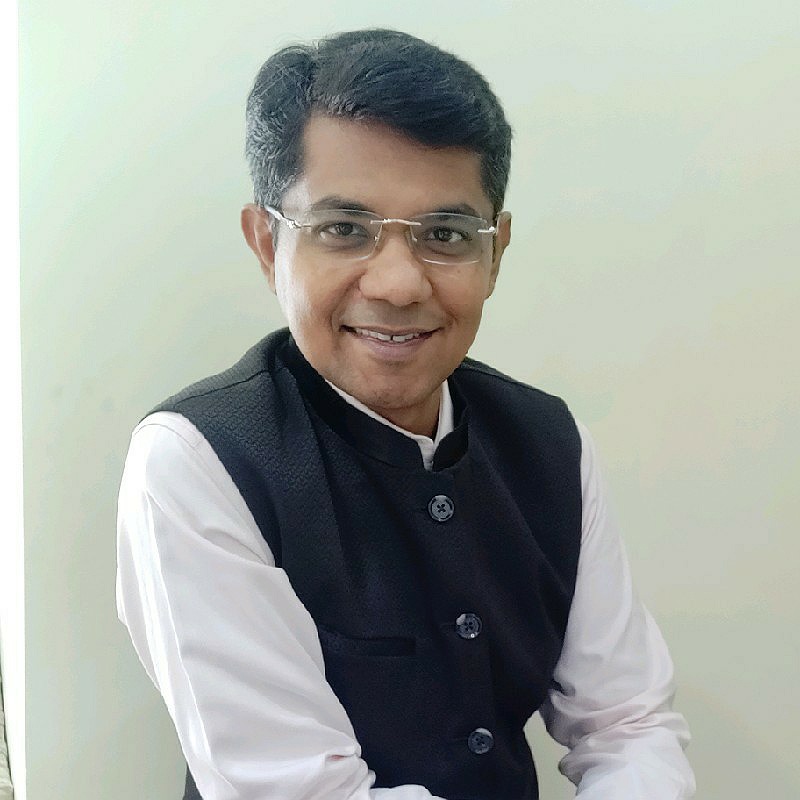
  • Myntra’s Achint Setia joins Zalora Singapore as chief revenue & marketing officer

    Myntra’s Achint Setia joins Zalora Singapore as chief revenue & marketing officer

    Mumbai: Myntra CXO and head of marketing & social commerce business Achint Setia has announced he is moving on from his current role at the fashion e-commerce major. He has joined fashion e-retailer Zalora Singapore as chief revenue & marketing officer. Setia took to LinkedIn to make the announcement. At Zalora, he leads the revenue and profit & loss for the regional cluster along with driving the marketing function for the group. 

    Earlier in January this year, Flipkart-owned fashion e-commerce platform Myntra had promoted Achint Setia to the position of marketing and social commerce business head. In this role, Setia was responsible for building the Myntra brand, loyalty program (insider), user growth, content-led commerce, and live commerce businesses. He was previously the vice president and business head – social commerce at the fashion portal, having joined it in August 2018.

    Setia has business building expertise in consumer tech and media with cross-functional experience across marketing, operations, strategy, content, product development, and analytics.

    Before joining Myntra, he worked with companies like McKinsey & Co, Microsoft R&D, and Viacom18 Media.  

    An alumnus of Stanford’s Graduate School of Business, as well as the Indian School of Business, Setia also holds a Bachelor’s degree in Computer Engineering from NSIT.

  • Achint Setia named marketing & social comm business head at Myntra

    Achint Setia named marketing & social comm business head at Myntra

    Mumbai: Flipkart-owned fashion e-commerce platform Myntra has promoted Achint Setia to the position of marketing and social commerce business head. He was previously the VP and business head – social commerce at the fashion portal.

    In his new role, Setia will be responsible for building Myntra brand, loyalty program (Insider), user growth, content-led commerce, and Live commerce businesses.

    “Starting another new chapter at Myntra helping people look good and feel good! Thanks to my teams, mentors and well wishers,” Setia said in a LinkedIn post, announcing his new role.

    Setia is a business building expertise in consumer tech and media with cross-functional experience across marketing, operations, strategy, content, product development, and analytics.

    He joined Myntra as VP of marketing in 2018 and led brand, sale events, digital and performance marketing in that role. He conceptualised, launched and scaled the Myntra loyalty programme (Insider) and the venture into content to commerce play (Myntra Studio).

    Before joining Myntra, he worked with companies like McKinsey & Co, Microsoft R&D, and Viacom18 Media.  

  • 53% online shoppers favour social commerce owing to affordability, transparency & convenience: Report

    53% online shoppers favour social commerce owing to affordability, transparency & convenience: Report

    Mumbai: The combination of social media with digital commerce is seeing huge growth in India considering the benefit it brings to customers as well as businesses. Currently, there are 157 million social commerce shoppers, which is 53 per cent of the total shoppers in the country, according to a report by WATConsult, an Isobar company. This number is expected to grow at a rate of 45 per cent to reach around 228 million by the end of 2022.

    The hybrid digital agency, from the house of dentsu India has released ‘Digital Commerce in India – Social Commerce,’ the second report of WATInsights – digital commerce series. The report by Recogn, WATConsult’s research division that provides consumer & business insights, explores the consumer sentiments and attitude towards using social media platforms for shopping.

    For businesses, it brings cost-effectiveness and reach through digital marketing, as it connects them directly to their customers. At the same time, the recommendations and comments help customers make a buying decision. This ensures that products are offered at affordable prices with an ability to shop on the platform itself rather than switching to other e-commerce apps or websites.

    As per the report, most consumers use social media apps like YouTube, WhatsApp, Facebook and Instagram to shop online. Apart from YouTube, the younger customers prefer to shop on Instagram and Facebook, while the older customers prefer to shop on Facebook and WhatsApp. Social commerce users are very likely to make online purchases from ShareChat in the future, says the report.

    While a large majority of these customers are thrilled with the concept of browsing through social media platforms and shopping at the same time, the shopping behaviour varies between males and females, the report noted. Most male shoppers scroll through social media without any intention of making a purchase and if they end up making one, it’s because the marketing campaign initiated by the brand has played a vital role in influencing the buyer. On the other hand, female shoppers specifically search for their preferable brand on the app to either know more about the product/service or to validate their final choice.

    Social commerce is becoming popular as more and more Indian customers are moving online and discovering newer ways of shopping. Moreover, it includes a range of immersive shopping experiences, wherein consumers can buy customised products/services without switching apps.

    “Social media and e-commerce are paving strong inroads in the regular Indian internet users’ daily routine. Since the shopping environment on social media has ripened, there is huge potential to drive sales through these platforms. Hence, the need for an optimised system revolving around building customer trust and creating seamless experiences is critical,” said Isobar India group CEO Heeru Dingra. “With the customer being at the core of these platforms, focusing on rich customer feedback in the form of comments, opinions, reviews, etc. will help brands cater to their audience effectively and improve their brand consideration and loyalty. This issue of WATInsights reports the pulse of today’s shoppers and serves as an invaluable resource for anyone who intends to demystify social commerce in India.”

    WATConsult managing partner Sahil Shah added, “Shopping was, is & will always be social. Platforms, behaviour and mediums will keep evolving while more and more people will go online to shop. This report gives a deep view into what the current consumer behaviour is and highlights that social media in paid, owned and earned terms does get the maximum contribution across the funnel; especially where it matters the most, e-commerce.”

  • Myntra forays into social commerce with ‘M-Live’ platform

    Myntra forays into social commerce with ‘M-Live’ platform

    Mumbai: Myntra has announced its foray into influencer-driven social commerce at scale, to cater to the evolving content consumption patterns and shopping preferences of consumers. As a part of this launch the Flipkart-owned online fashion store also unveiled M-Live, becoming one of the major ecommerce platforms in the country to adopt the interactive, and real-time live shopping model.

    With the launch of its social commerce charter, Myntra is looking to transform the way consumers shop by bridging the gap between inspiration and commerce while bringing both under one single platform, said the brand in a statement.

    “With Myntra Fashion Superstar, Myntra Studio, and now M-Live, an immersive live video shopping experience, we are heralding a new age in fashion and beauty, making big strides in the social commerce landscape, with our path-breaking tech-pivoted solutions,’ said Myntra social commerce VP and business head Achint Setia. “At the heart of our social commerce initiative, is our desire to offer unparalleled content-led shopping formats to our customers, while harnessing the power of the creator ecosystem and technology.”

    “Built for today’s consumers who are gradually progressing from text-based or catalogue-based shopping to influencer-guided interactive experiences, the charter also offers brands an avenue to build salience with a highly engaged fashion-forward customer base, for new launches, collaborations, and showcase hero products along with a host of other benefits,” he added further.

    The social platforms today are considered to drive nearly 70 per cent of purchase decisions for fashion-forward consumers with fashion and beauty being the most popular categories in the social commerce realm as per industry reports. Pivoted on community, connection, and trust, Myntra believes that as the future of shopping, its social commerce charter is likely to play an important role in defining the way its customers shop.

    Myntra’s social commerce business has three distinct propositions that aim to add composite value to consumers, creators, and brands alike: Myntra Fashion Superstar, Myntra Studio, and now M-Live.

    M-Live aims to facilitate a real-time engagement between consumers and brands by allowing influencers and experts to host live video sessions of product and styling concepts curated by them, on the Myntra app, enabling viewers to shop instantly, said the brand.

    Users can enter these live events through the Studio section of the Myntra app, which are quite similar to Instagram Live sessions. One can post questions, share their feedback, see other comments and also follow the creator hosting the livestream. Additionally, there is a dedicated product tray at the bottom of the screen which would display all the products that are being showcased by the influencer. A user can tap on any product to add it to his/ her wishlist or purchase them by placing orders without leaving the livestream. Myntra Studio currently engages about 20 per cent of Myntra’s monthly active user base and the brand expects this to grow to 50 per cent in the next three-four years.

    With its foray into social commerce, Myntra is set to create a new eco-system for consumer-influencer engagement by providing the necessary turf for influencers to engage with and acquire new followers under one roof. The influencers would also get the opportunity to partner with leading Indian and global lifestyle brands, said the statement.

  • Beauty, food delivery & grocery are most purchased online categories in India: Report

    Beauty, food delivery & grocery are most purchased online categories in India: Report

    Mumbai: Live shopping and conversational commerce are gaining popularity in India, with nearly nine out of 10 people saying they enjoyed the shopping experience, as per a report released by global data and measurement-driven media agency Essence on Monday. Beauty (39 per cent), food delivery/ takeaway (30 per cent), and grocery (29 per cent) were the most purchased categories online in the country, stated the report. More than half of the respondents spent between Rs 1,000 and Rs 5,000 on average on a single transaction on social media, even as there is a growing preference for newer payment methods such as digital wallets and mobile payments.

    88 per cent of the respondents said they are likely to buy via social media, as per the report which aims to help brands unlock the potential of social commerce. Essence has unveiled its first-ever social commerce report, which investigates the rapidly growing trend of consumers buying products and services directly on social platforms. The report illustrates the significant opportunity brands have in social commerce, with three out of four people surveyed globally saying they are likely or highly likely to buy through social media in the future.

    According to the Essence survey, 41 per cent of respondents worldwide made purchases or intend to make purchases involving social platforms. While social media platforms have always provided an environment for buyers and sellers to interact, the survey demonstrates a shift towards organised commerce on platforms. Increasingly, social commerce enables discovery, browsing and purchasing to take place on one platform without the need to interact with any external websites or applications. Ultimately, it creates a seamless experience with fewer clicks and higher potential revenue and conversion rates.

    Global Trends

    China, unsurprisingly, is the leader in social commerce, which is forecast to account for 13 per cent of total e-commerce sales in 2021, the report indicated. According to the Essence survey, almost 80 per cent of consumers in China purchased items on social media. India came a close third after Singapore followed by Indonesia, with 49 per cent of consumers.

    Transaction Value

    In most countries, the average transaction value on social commerce is higher than the average transaction value on e-commerce transactions. Respondents in Japan recorded the highest average transaction value, between $96.74 to $483.67 for social commerce, followed by the United States, which had an average transaction value between $101 and $200.

    The higher value transactions look to be driven primarily by men (35 per cent) and by millennials in the 25 to 44 age segment (72 per cent), noted the report. Both the male and the 25 to 44 age segments are skewed towards the purchase of higher-value categories such as hardware, home cleaning, luxury, and furniture.

    Live Shopping and Streaming

    Social innovations have propelled the growth of virtual shopping. Live shopping and conversational commerce experiences increase the propensity to buy on social media. Four out of five respondents are likely to buy on social media if they have watched a livestream or participated in conversational commerce. Livestreaming has emerged as a major factor in luxury social e-commerce.

    “We expect that the future of online shopping – and not just social commerce – will be discovery-driven. Customers tend to be exposed to new and innovative products as they browse more on social media or encounter algorithmically mediated recommendations from friends and family on social platforms,” said Essence technology and e-commerce senior director Aniket Basu. “E-commerce is maturing as a field, with social media giving brands and retailers new ways to reach audiences and new growth opportunities. In this environment, social commerce serves as a key future-proofing method for the next five years and beyond.” 

    While the use of livestreaming in e-commerce was primarily centred in the Asian market, it is now commonplace worldwide. Luxury brands including Hermès, Louis Vuitton and Burberry all launched their Fall or Winter 2021 shows by livestreaming worldwide. Brands such as L’Oréal are also driving growth in the luxury beauty segment, partly because social media enables the brand to interact with consumers, influencers, beauty advisers and salespeople on the same platform. These innovations and collaborations are driving sales of luxury items both online and offline.

    The research indicates that most consumers enjoy the livestream shopping experience, with almost half (43 per cent) of respondents claiming to have enjoyed it and 39 per cent of respondents highly enjoyed it. These statistics held up not only in China, but also in other markets where social commerce is still in its infancy. Globally, 85 per cent of the respondents who watched shopping livestreams report that they are more likely to purchase via social media.

  • Trell eyes the next 100 mn online shoppers in Tier II and Tier III cities

    Trell eyes the next 100 mn online shoppers in Tier II and Tier III cities

    KOLKATA: Social commerce, one of the biggest drivers of e-commerce today has witnessed exponential growth in recent years. This holds particularly true since the onset of the pandemic that saw a surge in online shopping. 

    Besides social commerce, online video content has also experienced skyrocketing demand as people spend an increasing amount of time browsing for engaging, and relatable content.

    Having chartered a remarkable growth trajectory, Trell is now offering products from distinguished beauty and personal care brands including Lakmé, Tresemme, and Ponds, amongst 50 labels including MyGlamm, Bombay Shaving Company, Mirabelle, Ustraa, Biotique, Plum, Mamaearth, Lotus, Khadi Essentials and OGX to name a few, with attractive discounts on its recently launched ‘Shop’ section.

    While Trell takes pride in catering to the wellness needs of its users and providing a seamless shopping experience, it also benefits the content creators on the platform. The front running platform empowers these micro-entrepreneurs by enabling them to monetize their tried and tested recommendations in their videos. On the Trell Shop website, while buying products, customers can now make informed purchases by viewing videos by expert creators just before adding the product to their cart.

    Speaking on how the platform caters to a myriad of lifestyle categories, Trell co-founder Pulkit Agrawal said, “The idea of launching Trell’s Shop section came after extensive research and study on consumer behaviour and preferences. Today, users creating and consuming content on Trell can also purchase desired products from eminent brands at their convenience. As Trell continues to evolve and grow, we will be expanding our product offerings to achieve our goal of becoming a global leader in the space.”

    Offering content in seven regional languages including Marathi, Kannada, Tamil, Bengali, Malayalam, Telugu, and Hindi apart from English, the content creators on Trell hail from Tier-II and Tier-III cities. Trell has also noted that over 70 per cent of purchases on the Trell Shop are from these cities.

  • Meesho raises $300 million in fresh funding

    Meesho raises $300 million in fresh funding

    KOLKATA: Social commerce platform Meesho has raised $300 million in a new round of funding led by SoftBank Vision Fund 2. The latest investment values Meesho at $2.1 billion.

    The start-up will use the new fund raise to strengthen its talent pool across verticals — tech, product, and business, among others. It saw participation from existing investors — Prosus Ventures, Facebook, Shunwei Capital, Venture Highway and Knollwood Investment.

    SoftBank Investment Advisers managing partners Munish Varma said, “Globally, SoftBank has always been excited to back founders that provide unique solutions for the local market. By using the power of artificial intelligence and machine learning, Meesho has created a platform for many small business owners to sell to the next cohort of internet users.  We look forward to being a part of this journey.”

    Meesho aims to simplify e-commerce for all small businesses in India. It will help the company to build a platform which is pro-small businesses with policies and tools to help even the smallest of sellers to list and do business on Meesho. This will empower small business owners to reach customers through all online channels.

    In the past year, the platform has seen tremendous growth across small businesses and entrepreneurs seeking to move their businesses online, Meesho founder and CEO Vidit Aatrey said.

    “With the new round of funding, we are extremely thrilled to have SoftBank onboard. We are focused on expanding our vision — from helping aspiring women entrepreneurs to creating Meesho as a single ecosystem that will enable all small businesses in India to succeed online,” he added.

    Over the last six years, Meesho has successfully enabled over 13 million individual entrepreneurs to start their own online businesses with zero investment, bringing the benefits of e-commerce to more than 45 million customers in the country. Till date the company has delivered orders from 100K+ registered suppliers to over 26,000 pin codes in more than 4,800 cities, generating over 500 crore in income for individual entrepreneurs and serving customers in more than 4,500 tier-2 cities and beyond.