Tag: Sitare Zameen Par

  • Rajhans Cinemas rolls out the red carpet for Surat’s real stars

    Rajhans Cinemas rolls out the red carpet for Surat’s real stars

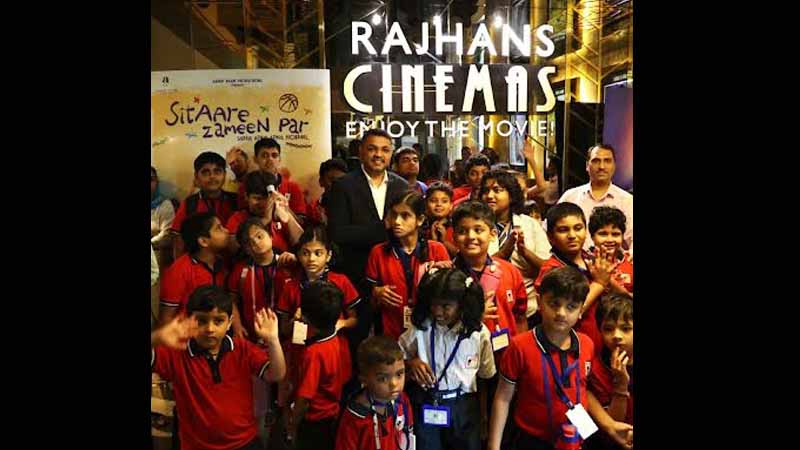
    MUMBAI: Rajhans Cinemas swapped blockbusters for big hearts this week, hosting a special screening of Sitare Zameen Par exclusively for specially-abled children across Surat. The event, held at Rajhans Cinemas Vesu and Katargam, welcomed bright young viewers from Anand Special School for Education and Training and Deep Special Educational Trust, turning an ordinary day into one packed with popcorn, purpose, and plenty of smiles.

    As part of the brand’s commitment to “happiness beyond the screen”, Rajhans pulled out all the stops—right from accessible seating to an army of volunteers ensuring comfort and care for every child. The atmosphere was electric, brimming with laughter, wide-eyed wonder, and a few happy tears from parents and caregivers alike.

    Speaking on the occasion, Rajhans Cinemas chairman Jayesh Desai said, “We believe cinema has the power to unite, heal, and inspire. This special screening is a small step toward creating inclusive experiences that bring smiles and joy to every heart.”

    For Rajhans Cinemas, the initiative signals more than corporate social responsibility—it’s a reaffirmation of their ethos: entertainment for all, empathy at the core.

    And in a world of superheroes and stardust, it was clear who the real stars were that day.

  • Aamir Khan slams Hindi cinema’s bad scripts, says good films can’t be stopped

    Aamir Khan slams Hindi cinema’s bad scripts, says good films can’t be stopped

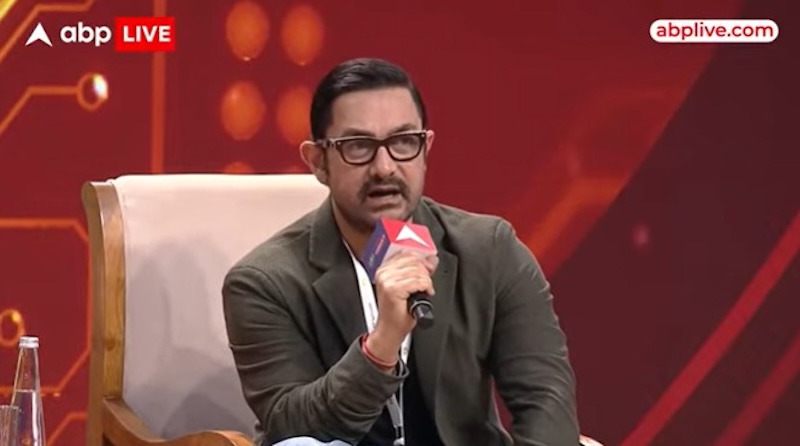
    MUMBAI: Hindi cinema needs to raise its game—and fast. That was the clear message from celebrated actor and filmmaker Aamir Khan at ABP Network’s high-octane India @ 2047 Summit, a national thinkfest charting India’s journey to becoming a fully Viksit Bharat by its centenary year.

    “India has no shortage of stories. The problem is the way we’re telling them,” Khan quipped in a sharp takedown of the Hindi film industry’s recent flops. “Hindi cinema is making bad films. You can’t stop a good film, and you can’t force a bad one to be a hit.”

    He didn’t hold back in comparing the current business model unfavourably to the booming south Indian industry. “We release films theatrically, and in eight weeks they’re available at home. Why would anyone go to a theatre?” he asked, pointing to a post-pandemic shift in viewing habits and a shrinking window between theatrical and satellite premieres.

    Speaking in the session The Attention Industry: Telling the Best Stories, Khan struck a nuanced note. “Box office numbers matter, but they’re not the only yardstick. We also need better stories, better policy support, and frankly, more screens.”

    Taking a macro view, Khan welcomed initiatives like Waves that support the creative industries, urging deeper government collaboration. “India has only 10,000 screens. For Hindi films, we get just 5,000. Compare that with China’s 90,000 or the US’s 35,000. We need more theatres, faster licensing, and incentives to build supporting infrastructure,” he said.

    Khan also teased his upcoming film Sitare Zameen Par, calling it a spiritual successor to his 2007 classic Taare Zameen Par. 

    “It carries the inclusion theme ten steps forward, but this time through comedy. My character Gulshan is a hot-headed basketball coach—the opposite of the gentle Nikumbh,” he smiled. “It’s about how we each define what ‘normal’ means.”

    In true method-actor style, Khan recounted not bathing for days while filming Raakh and Ghulam, laughing, “I had to look like I lived on the streets!”

    On his long-cherished dream of adapting the Mahabharat, Khan said, “That’s a sacred story. It won’t let you down—but you could let it down.” While coy about which character he’d play, he admitted, “Krishna inspires me a lot.”

    He also reflected on missing the re-release of cult comedy Andaz Apna Apna due to the Pahalgam terror attack. “We were devastated. I couldn’t bring myself to attend the premiere. But I trust the government will bring the perpetrators to justice.”

    Recounting a post-Article 370 visit to Srinagar, Khan noted, “There was peace and calm. The lockdown had just ended, but it felt like normalcy was returning.”

    On his unusual compensation model, Khan revealed he doesn’t charge fees upfront. “If the film profits, I earn. If it flops, I don’t. I didn’t take a rupee for Laal Singh Chaddha. I believe in putting my money where my mouth is.”

    At 58, Khan may be selective in his projects, but his voice still packs punch. Hindi cinema makers consider yourself warned.