Tag: SIMCON

  • Media Communication Policy being drafted to ensure access to information

    Media Communication Policy being drafted to ensure access to information

    NEW DELHI: A Media Communication Policy is under formulation in the Information and Broadcasting Ministry to address communication needs and enhance access to information.

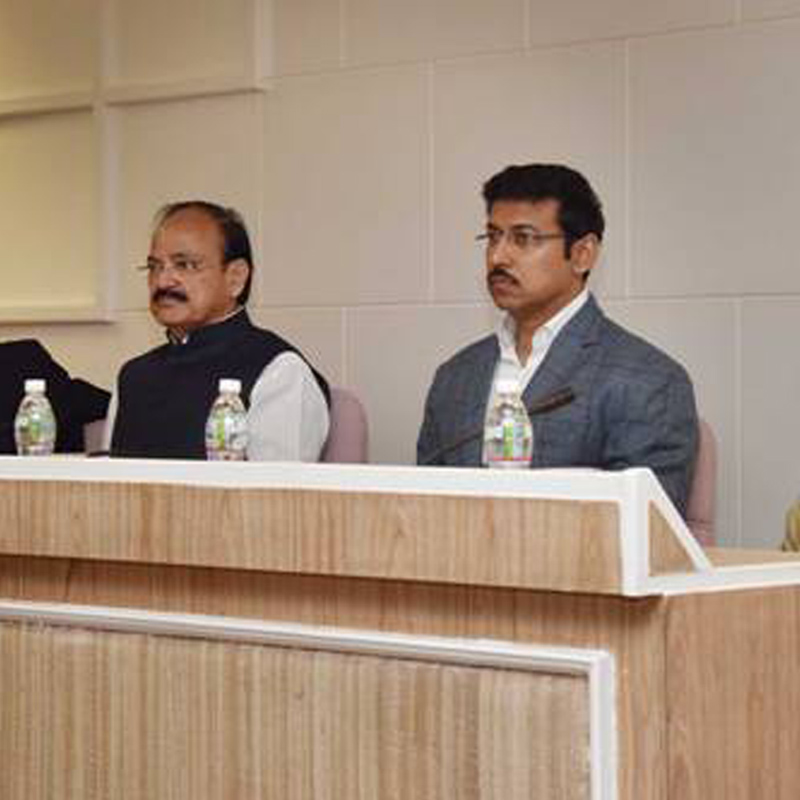
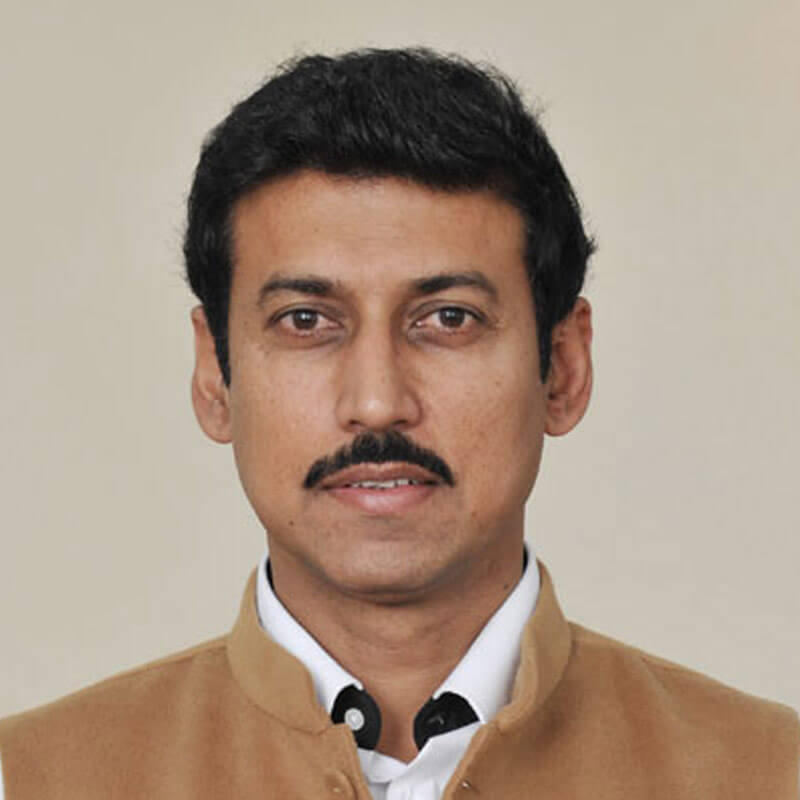
    Stating this, Minister of State for I and B Rajyavardhan Rathore told Parliament today that the aim would also be to promote national dialogue on development issues by all citizens; and ensure timely, orderly and effective growth and dissemination of Government information.

    This was decided in the State Information Ministers’ Conference (SIMCON) held on 9 and 10 December 2016.

    Various issues concerning State and Central Governments on integrated and effective dissemination of information were discussed.

    It was decided that the policy will be finalized in consultation with States.

    Integrating Government communication with development and enabling participation from citizens to improve decision making and implementation of Government programmes will be the aims of the policy, the Minister said.

    He said facilitating systematic use of communication and information strategies contributes in large measure to more effective use of Government resources and better implementation of Government programmes and policies thereby contributing to improved quality of life of citizens. 

    Also Read:

    Mass Comm courses in regional languages significant: Naidu

  • Most film-friendly state to get Rs 1-cr cash award

    Most film-friendly state to get Rs 1-cr cash award

    NEW DELHI: The most film-friendly state in India will henceforth receive a cash award of Rs 10 million (Rs 1 crore) in addition to Rajat Kamal and certificate.

    This was announced by information and broadcasting minister M Venkaiah Naidu at the opening of the 28th State Information Ministers Conference (SIMCON) on Saturday.

    The award was instituted in the National Film Awards given away on 3 May this year, and the first award had gone to Gujarat. But, there was no cash component involved.

    The minister said this had been done to encourage the ease of film shooting. Naidu suggested that the prize money may be used by the winning state towards film facilitation. Meanwhile, the minister of state for information and broadcasting Rajyavardhan Rathore said a website was soon being set up for film facilitation and permissions.

    Rathore urged the states to set up film facilitation units to ease out film shooting permissions as well as ensure seamless movement of their equipment.

    The ministry was in the process of setting up a central portal for all such related permissions and welcomed states to also collaborate in this platform as a part of ease of doing business initiative, he added.

  • Most film-friendly state to get Rs 1-cr cash award

    Most film-friendly state to get Rs 1-cr cash award

    NEW DELHI: The most film-friendly state in India will henceforth receive a cash award of Rs 10 million (Rs 1 crore) in addition to Rajat Kamal and certificate.

    This was announced by information and broadcasting minister M Venkaiah Naidu at the opening of the 28th State Information Ministers Conference (SIMCON) on Saturday.

    The award was instituted in the National Film Awards given away on 3 May this year, and the first award had gone to Gujarat. But, there was no cash component involved.

    The minister said this had been done to encourage the ease of film shooting. Naidu suggested that the prize money may be used by the winning state towards film facilitation. Meanwhile, the minister of state for information and broadcasting Rajyavardhan Rathore said a website was soon being set up for film facilitation and permissions.

    Rathore urged the states to set up film facilitation units to ease out film shooting permissions as well as ensure seamless movement of their equipment.

    The ministry was in the process of setting up a central portal for all such related permissions and welcomed states to also collaborate in this platform as a part of ease of doing business initiative, he added.

  • North-East plan: DD channel Arun Prabha launch in early Jan; 90% subsidy for community radio

    North-East plan: DD channel Arun Prabha launch in early Jan; 90% subsidy for community radio

    NEW DELHI: Information and Broadcasting Minister M Venkaiah Naidu announced that a new dedicated Doordarshan channel Arun Prabha would be launched in the first half of January 2017.

    The channel would showcase richness, variety and diversity of local culture and would seamlessly integrate North East with the entire country.

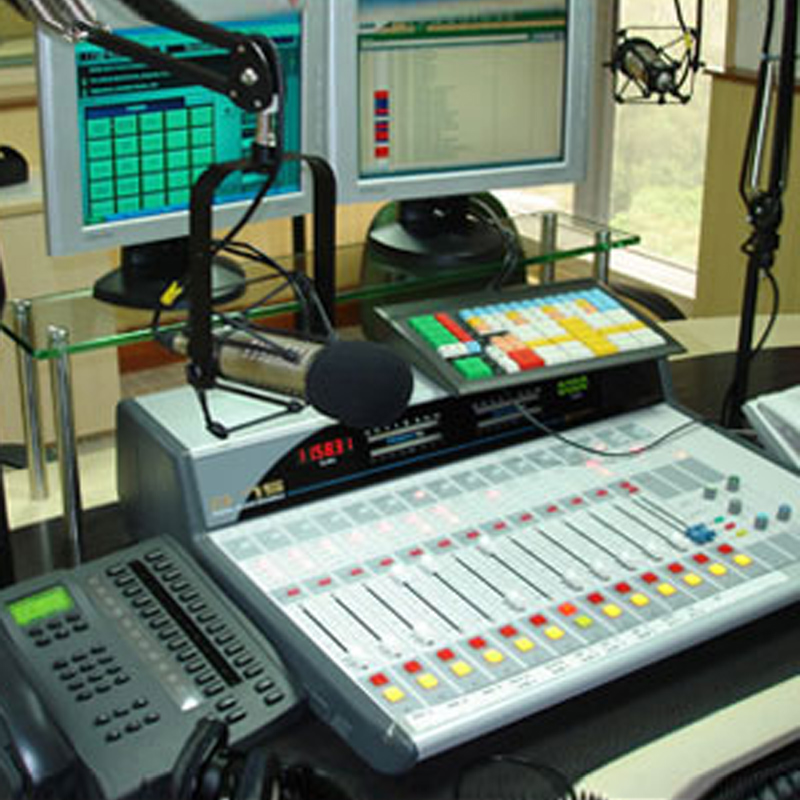
    In a scenario where the number of operational community radio stations remains 191 after more than a decade of launch of the scheme, the government today said those setting up community radios can now get a subsidy of 75% in all states except the north eastern states where it will be 90%.

    Naidu made this announcement towards the conclusion of the first session of the 28th State Information Ministers Conference (SIMCON) here. He said the community radio station is an extraordinary medium which disseminates information in localised content.

    A total of 235 entities have signed the grant of permission agreement for community radio and indiantelevision’s sister concern radioandmusic.com reported in March this year that a total of 272 applications were still under the consideration of the government from educational institutions, non-governmental organisations, Krishi Vigyan Kendras and state agricuture universities. Some of these date back to 2011.

    Though the scheme was announced more than a decade earlier, the reach of CRs was extended in 2006 to include NGO and community-based organisations with at least three years legal existence.

    A total of 115 community radio stations recently received interim renewal of their Grant of Permission Agreement (GOPA) till 31 December 2016. An announcement by the ministry had said that the renewal till 31 December 2016 is till the renewal of GOPA on regular basis, whichever is earlier.

  • North-East plan: DD channel Arun Prabha launch in early Jan; 90% subsidy for community radio

    North-East plan: DD channel Arun Prabha launch in early Jan; 90% subsidy for community radio

    NEW DELHI: Information and Broadcasting Minister M Venkaiah Naidu announced that a new dedicated Doordarshan channel Arun Prabha would be launched in the first half of January 2017.

    The channel would showcase richness, variety and diversity of local culture and would seamlessly integrate North East with the entire country.

    In a scenario where the number of operational community radio stations remains 191 after more than a decade of launch of the scheme, the government today said those setting up community radios can now get a subsidy of 75% in all states except the north eastern states where it will be 90%.

    Naidu made this announcement towards the conclusion of the first session of the 28th State Information Ministers Conference (SIMCON) here. He said the community radio station is an extraordinary medium which disseminates information in localised content.

    A total of 235 entities have signed the grant of permission agreement for community radio and indiantelevision’s sister concern radioandmusic.com reported in March this year that a total of 272 applications were still under the consideration of the government from educational institutions, non-governmental organisations, Krishi Vigyan Kendras and state agricuture universities. Some of these date back to 2011.

    Though the scheme was announced more than a decade earlier, the reach of CRs was extended in 2006 to include NGO and community-based organisations with at least three years legal existence.

    A total of 115 community radio stations recently received interim renewal of their Grant of Permission Agreement (GOPA) till 31 December 2016. An announcement by the ministry had said that the renewal till 31 December 2016 is till the renewal of GOPA on regular basis, whichever is earlier.

  • Improved tech & states role; curbs on Peace TVs, cable sans DD in new integrated policy: Naidu

    Improved tech & states role; curbs on Peace TVs, cable sans DD in new integrated policy: Naidu

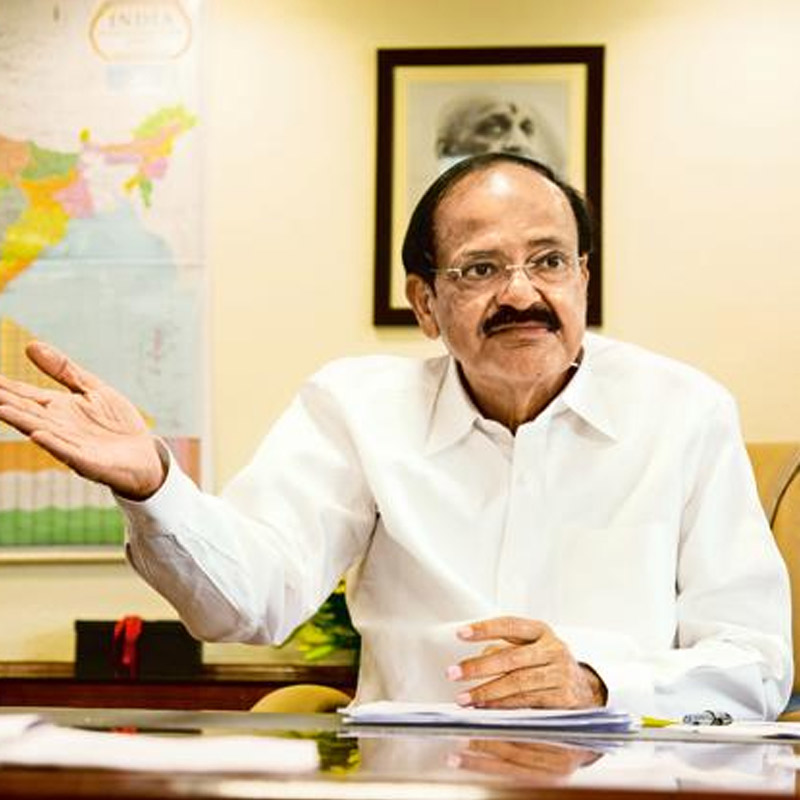
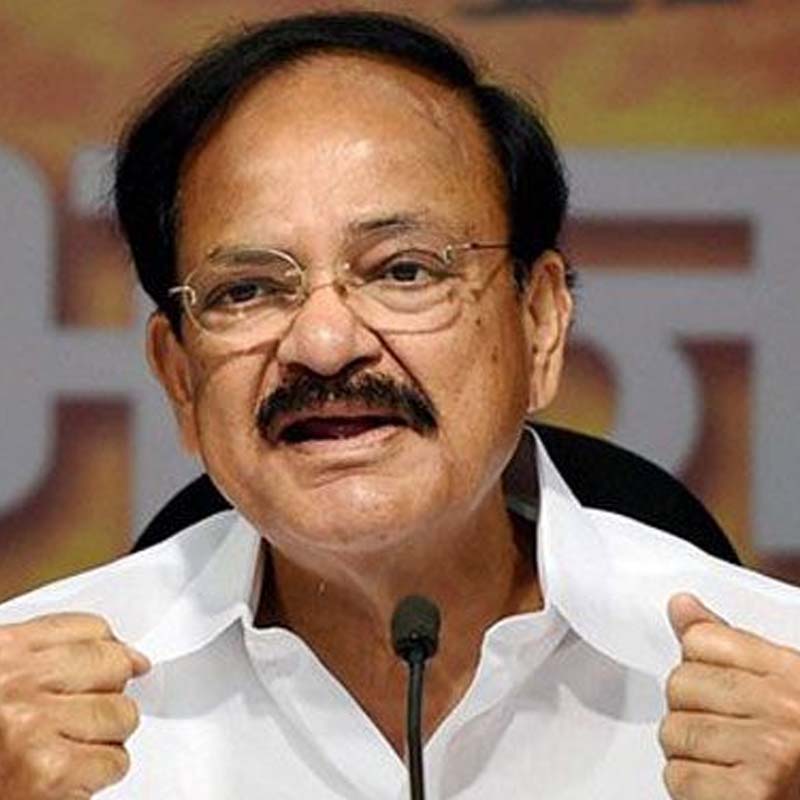
    NEW DELHI: Information and broadcasting minister M Venkaiah Naidu today laid emphasis for evolving a comprehensive “national information and communication policy” to provide citizens “enhanced access to information.”

    Addressing the 28th state Information Ministers Conference (SIMCON) here, Naidu said the Centre and the states should work together in various areas, including in dissemination of effective information, to push integrated development.

    “We need an integrated and holistic approach and coordination between the centre and states is essential,” Naidu said.

    The meet was attended by minister of state for information and broadcasting Rajyavardhan Rathore, secretary Ajay Mittal and other senior officials of the ministry apart from representatives of different states.

    The proposed policy would be prepared in consultation with states in the spirit of cooperative federalism and the principle of Team India which the prime minister firmly believed in, Naidu added.

    Elaborating on the proposed contours of the policy, Naidu said the broad objectives should be to enhance access to information and communication infrastructures and new technologies, especially in rural areas; to promote national dialogue on development issues by all citizens and facilitate informed participation of people in setting development agenda and its execution.

    The policy should rationalise multi-sectoral investments in information and communication hardware and software through their consolidation and appropriate integration in development plans and planning structures; to ensure timely, orderly and effective growth of information and communication institutions and professions through standards setting, capacity building and human resource development; and broadly define the roles of different governments at various levels and other stakeholders.

    It should preserve national cultural identity and enhance the development of cultural and artistic capabilities and institutions, while enabling productive regional and international exchanges and support national and local development initiatives, and to improve the quality of life of the people, by facilitating systematic and effective use and coordination of communication and information strategies and outcomes.

    The challenge before such a policy was to analyse the ingredients of the communication environment including competencies and resources that are critical.

    The minister further stated that the initiation of such a policy would integrate development communication, development agendas linking planners, beneficiaries and implementers of development actions. It was the endeavour of the proposed policy to make people informed participants in decision-making and development planning process. Such a communication approach also enabled policy makers to look at people as part of a solution.

    Naidu said all-round and integrated development cannot materialise without effective dissemination of information. “People have the right to information,” he said.

    While the country has evolved policies on various subjects like environment and health, there is no such policy for communication and information dissemination.

    “The centre and the state should work together to evolve the communication policy,” he said, adding that Ajay Mittal and senior officials have been directed to work with the states to work on a draft policy at the earliest. “It should also work to preserve national cultural identity,” Naidu added.

    Naidu said India has unique strength in its cultural richness and its heritage. “Any Tom, Dick and Harry came and conquered…They ‘might have’ robbed our wealth, but they could not take away our heritage,” he said.

    Naidu referred to the prime minister Narendra Modi’s repeated emphasis on ‘Sabka Saath Sabka Vikas (development with all and development for all)’ and said even leaders such as B R Ambedkar and Deen Dayal Upadhyay had laid emphasis on the development of ‘Antyodhaya’ – the last man in the queue.

    The minister said the states should take advantage of the reach of public broadcasters — All India Radio and Doordarshan, and give them “preferential treatment.” These organisations do not run with commercial considerations, he emphasised. He said that strict action should be taken against those cable operators who do not show DD News.

    Naidu said with regard to violation of cable TV operators laws, the states should appoint designated officers in all districts to ensure that no major violation like the Peace TV episode is repeated. He would be writing to chief ministers again in this regard, the minister said. (‘Peace TV’ of Zakir Naik had allegedly telecast various programmes which instigated youths towards radical thinking.)

    Speaking earlier, Mittal gave an overview of the deliberations of the first day’s meeting highlighting some of the key discussion points across sectors and suggestions received from the States. During the course of the deliberations, the separate wings of the ministry, films, broadcasting, information and Prasar Bharti (AIR & DD) made presentations regarding the policy initiatives and issues for discussions and convergence with states.

    The minister also visited the various stalls and multimedia exhibitions showcased by the media units of the ministry namely, National Film Archives of India, which organised the multimedia exhibition on the theme ‘Azaadi 70 Saal- Yaad Karo Qurbani’. The exhibition showcases the film industry’s contribution to Independence and was organised to celebrate 70th year of India’s Independence. The three themes covered include ‘Rise and Revolt: Cinema of Social Reform’, ‘Our Freedom Fighters-Through the lens of Cinema’ and ‘Saluting our Soldiers’.

  • Improved tech & states role; curbs on Peace TVs, cable sans DD in new integrated policy: Naidu

    Improved tech & states role; curbs on Peace TVs, cable sans DD in new integrated policy: Naidu

    NEW DELHI: Information and broadcasting minister M Venkaiah Naidu today laid emphasis for evolving a comprehensive “national information and communication policy” to provide citizens “enhanced access to information.”

    Addressing the 28th state Information Ministers Conference (SIMCON) here, Naidu said the Centre and the states should work together in various areas, including in dissemination of effective information, to push integrated development.

    “We need an integrated and holistic approach and coordination between the centre and states is essential,” Naidu said.

    The meet was attended by minister of state for information and broadcasting Rajyavardhan Rathore, secretary Ajay Mittal and other senior officials of the ministry apart from representatives of different states.

    The proposed policy would be prepared in consultation with states in the spirit of cooperative federalism and the principle of Team India which the prime minister firmly believed in, Naidu added.

    Elaborating on the proposed contours of the policy, Naidu said the broad objectives should be to enhance access to information and communication infrastructures and new technologies, especially in rural areas; to promote national dialogue on development issues by all citizens and facilitate informed participation of people in setting development agenda and its execution.

    The policy should rationalise multi-sectoral investments in information and communication hardware and software through their consolidation and appropriate integration in development plans and planning structures; to ensure timely, orderly and effective growth of information and communication institutions and professions through standards setting, capacity building and human resource development; and broadly define the roles of different governments at various levels and other stakeholders.

    It should preserve national cultural identity and enhance the development of cultural and artistic capabilities and institutions, while enabling productive regional and international exchanges and support national and local development initiatives, and to improve the quality of life of the people, by facilitating systematic and effective use and coordination of communication and information strategies and outcomes.

    The challenge before such a policy was to analyse the ingredients of the communication environment including competencies and resources that are critical.

    The minister further stated that the initiation of such a policy would integrate development communication, development agendas linking planners, beneficiaries and implementers of development actions. It was the endeavour of the proposed policy to make people informed participants in decision-making and development planning process. Such a communication approach also enabled policy makers to look at people as part of a solution.

    Naidu said all-round and integrated development cannot materialise without effective dissemination of information. “People have the right to information,” he said.

    While the country has evolved policies on various subjects like environment and health, there is no such policy for communication and information dissemination.

    “The centre and the state should work together to evolve the communication policy,” he said, adding that Ajay Mittal and senior officials have been directed to work with the states to work on a draft policy at the earliest. “It should also work to preserve national cultural identity,” Naidu added.

    Naidu said India has unique strength in its cultural richness and its heritage. “Any Tom, Dick and Harry came and conquered…They ‘might have’ robbed our wealth, but they could not take away our heritage,” he said.

    Naidu referred to the prime minister Narendra Modi’s repeated emphasis on ‘Sabka Saath Sabka Vikas (development with all and development for all)’ and said even leaders such as B R Ambedkar and Deen Dayal Upadhyay had laid emphasis on the development of ‘Antyodhaya’ – the last man in the queue.

    The minister said the states should take advantage of the reach of public broadcasters — All India Radio and Doordarshan, and give them “preferential treatment.” These organisations do not run with commercial considerations, he emphasised. He said that strict action should be taken against those cable operators who do not show DD News.

    Naidu said with regard to violation of cable TV operators laws, the states should appoint designated officers in all districts to ensure that no major violation like the Peace TV episode is repeated. He would be writing to chief ministers again in this regard, the minister said. (‘Peace TV’ of Zakir Naik had allegedly telecast various programmes which instigated youths towards radical thinking.)

    Speaking earlier, Mittal gave an overview of the deliberations of the first day’s meeting highlighting some of the key discussion points across sectors and suggestions received from the States. During the course of the deliberations, the separate wings of the ministry, films, broadcasting, information and Prasar Bharti (AIR & DD) made presentations regarding the policy initiatives and issues for discussions and convergence with states.

    The minister also visited the various stalls and multimedia exhibitions showcased by the media units of the ministry namely, National Film Archives of India, which organised the multimedia exhibition on the theme ‘Azaadi 70 Saal- Yaad Karo Qurbani’. The exhibition showcases the film industry’s contribution to Independence and was organised to celebrate 70th year of India’s Independence. The three themes covered include ‘Rise and Revolt: Cinema of Social Reform’, ‘Our Freedom Fighters-Through the lens of Cinema’ and ‘Saluting our Soldiers’.

  • Penal provision remains as TV channel renewal abolition comes into immediate effect

    Penal provision remains as TV channel renewal abolition comes into immediate effect

    NEW DELHI: Even as Information and Broadcasting Minister M Venkaiah Naidu announced doing away with the annual renewal permission for television channels provided annual payment was made 60 days before the due date, the Ministry in a note in the evening said non-payment in time will be considered violation of the guidelines.

    The note on the Ministry website which said the order was coming into immediate effect also warned that violators would attract penal provisions under the Uplinking and Downlinking Guidelines.

    Meanwhile, Naidu announced that the 28th State Information Ministers Meet (SIMCON) would be held in the capital on 9 and 10 December.

    Critical issues pertaining to the films sector, community radio and social media are on the agenda.

    Speaking at a Consultative Committee of members of Parliament attached to the Ministry, Naidu also said the focus of the Ministry is to make the processes online,thereby promoting transparency and accountability.

    In the meeting that concentrated on the Registrar of Newspapers in India, Naidu said there was a need to update contemporaries and revise the legal mechanism in the print sector and to give statutory backing to Print Media Policy and various guidelines. In this context, the Minister apprised the members about the salient features of the proposed Press and Registration of Books and Publication (PRBP) Bill.

    Also read

    http://www.indiantelevision.com/regulators/ib-ministry/tv-channels-annual-renewal-abolished-963-companies-to-benefit-161111


  • Penal provision remains as TV channel renewal abolition comes into immediate effect

    Penal provision remains as TV channel renewal abolition comes into immediate effect

    NEW DELHI: Even as Information and Broadcasting Minister M Venkaiah Naidu announced doing away with the annual renewal permission for television channels provided annual payment was made 60 days before the due date, the Ministry in a note in the evening said non-payment in time will be considered violation of the guidelines.

    The note on the Ministry website which said the order was coming into immediate effect also warned that violators would attract penal provisions under the Uplinking and Downlinking Guidelines.

    Meanwhile, Naidu announced that the 28th State Information Ministers Meet (SIMCON) would be held in the capital on 9 and 10 December.

    Critical issues pertaining to the films sector, community radio and social media are on the agenda.

    Speaking at a Consultative Committee of members of Parliament attached to the Ministry, Naidu also said the focus of the Ministry is to make the processes online,thereby promoting transparency and accountability.

    In the meeting that concentrated on the Registrar of Newspapers in India, Naidu said there was a need to update contemporaries and revise the legal mechanism in the print sector and to give statutory backing to Print Media Policy and various guidelines. In this context, the Minister apprised the members about the salient features of the proposed Press and Registration of Books and Publication (PRBP) Bill.

    Also read

    http://www.indiantelevision.com/regulators/ib-ministry/tv-channels-annual-renewal-abolished-963-companies-to-benefit-161111