Tag: Siju Prabhakaran

  • Zee Tamil to present new show Thirumathi Hitler

    Zee Tamil to present new show Thirumathi Hitler

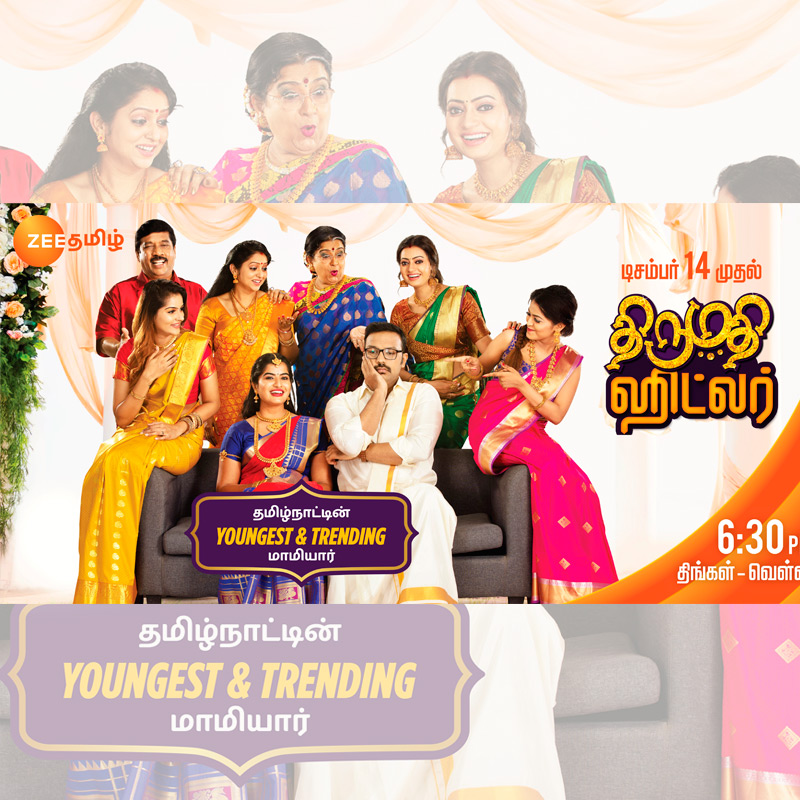
    MUMBAI: Tamil general entertainment channel – Zee Tamil is known for its unique show concepts and distinct storylines that Tamil audiences have cherished and loved over the last decade. The channel is set to enthrall the viewers like never before by bringing Tamil Nadu’s youngest mother-in-law – Thirumathi Hitler, a fresh and unique fiction show which is sure to tickle your funny bone. Launching on 14 December, Thirumathi Hitler will be telecasted on weekdays from Monday-Friday between 6:30-7:00 pm  on Zee Tamil and Zee Tamil HD.

    Thirumathi Hitler, is a fun filled dramedy that revolves around the young, bubbly, and charming girl Hasini, played by the talented Keerthana Poduval whose motto in life is to take on challenges anytime someone defies her abilities. In contrast to her personality is the perfectionist AJ a.k.a Abhinav Janardhan who preaches high standards and forces his way-of-life on those around him. As the story evolves, their unique love entanglement turns into a comedy of errors as Hasini finds herself to be the mother-in-law to three daughter-in-law who are much older than her. The drama that ensues forms the crux of this rib-tickling show.

    Popular actor Amit Bhargav plays the character of AJ and is accompanied by esteemed industry veterans including Actress Ambika, playing the mother of the hero and Professor Gnanasambandam, playing the father of the heroine. The other star cast include Actress Keerthana-stepmother of the heroine, Sowmiya, Bhavya Shree & Subbalakshmi play the role of daughter-in-laws. The show is being produced under the banner of Aayshmaan Production by Aaysha Abdullah & Armaan Abdullah with creative direction by S.N Rajkumar.

    Zeel  EVP & cluster head-south business Siju Prabhakaran said, “The launch of Thirumathi Hitler is an extension of our vision to be varied and distinct in the range of fiction storylines that we present to our audiences. The show is light-hearted and fresh in its approach towards life and the society around us. We are confident that the show will transcend the boundaries of age and spread fun, joy and excitement among our viewers”.

    Click Below to watch the promos of Thirumathi Hitler

    Launch Promo 1:

    Launch Promo 2::

  • Zee goes into overdrive down south as festive season approaches

    Zee goes into overdrive down south as festive season approaches

    MUMBAI: Down south, leading Indian TV network, Zee Entertainment Enterprises Ltd (Zeel) is penning a new script in its run-up to the festive season.  When the Indian government announced the lockdown, it slammed the doors tight on the inflow of revenues for the whole economy – with the exception of a few sectors. Television channels, which are reliant on ad revenues from companies mesmerising consumers to go out and buy products through TVCs, in particular, felt the pain immediately. Even as bound-at-home India watched more and more television, advertisers turned off the advertising tap. Result: for nearly four months, and more, anywhere between 50-80 per cent of broadcast revenues disappeared poof into thin air.

    Broadcast executives have been working day and night – since the gradual lifting of the lockdown two months back – to get advertisers to spend more and pay more the advertising spots. Most of them are banking on the upcoming festival season to get them out of the hole they are in currently. Yes, they are expecting a spike but they are wise enough to know that it is going to lag behind the massive festive ad bumps they had in 2018 and 2019.

    Zeel, which was a very close number two in the viewership sweepstakes nationally (with its share of 21 per cent just behind Star’s 22 per cent) in the four weeks between week 32 and 35, has a very robust southern language business cutting across general entertainment and movie channels in Kannada, Telugu and Tamil. Like other networks, Zeel’s southern cluster  too  saw its revenues getting bashed, and has recently redone the programming for some of its channels and is planning to keep doing it even more in the forthcoming months.

    Please read more news on Zee South  

    “Consumer connect is at the heart of our business and every channel did their own understanding of consumers and picked up on viewership trends and emerging habits,” says ZEEL south business EVP & cluster head Siju Prabhakaran. “We used these learnings as insights during our return in each of the markets. Our channels therefore have made a strong comeback in each of our markets `backed with great content.”

    While southern viewers gorge on their local heroes and stories in each of their languages, they have also been open to consuming series from other languages and regions as long as they are dubbed. Prabhakaran, therefore, cross dubbed content from the different language networks and put the shows on air. And it worked: cross –pollination of good content with the language being the main facilitator has helped the network to retain its viewers.

    Zee Kannada and Keralam were amongst the first ones to start airing fresh episodes and fresh shows in June thanks to the fact that the governments of those states permitted TV productions to commence. With no new movies being released or produced, the new episodes came as a breath of fresh air for Zee Kannada, pole-vaulted it to leadership during prime time and in the non-fiction and fiction categories.

    Prabhakaran is looking at further strengthening Zee Kannada’s line up. Says he: “During the upcoming festive season, we have great offerings for our viewers, with our marquee property Zee Kudumba Awards and this weekend we are also launching comedy Kiladigalu. In addition, we launched a new season of SaReGaMaPa on Zee Kannada recently with 9.8 TVR. Zee Kannada has around 36 – 37 per cent market share.”

    Assessing the Andhra Pradesh and Telangana market, he points out that Zee Telugu, which was on a recovery path,  has emerged stronger during this time. Zee Telugu is the number one channel in Andhra Pradesh market within the GEC space. The channel launched 14 fiction shows in one single day. To announce its comeback, it  launched a brand campaign called “Vinodaniki Aahvanam” meaning “Welcoming back the entertainment” with brand ambassadors from its prime time shows.

    Zee Telugu is itching to launch its marquee property Zee Kutumba awards and bring on the world television premiere of Saaho and two new fiction shows during the upcoming festive season.

    Zee Tamil returned with fresh shows during the latter half of June. “In Tamil Nadu, the market was most affected in initial phases. However, post comeback we are a strong number two gaining slot leadership, two shows amongst the top five, and four shows amongst the top 10. It is also the number one channel in the prime-time slot and a leader in the fiction genre,” avers  Prabhakaran.

    Zee Tamil has an interesting line-up for the festival season with Zee Kutumba awards, world television premieres of interesting movies like Ennai Nooki Payum Thotta, Saaho. It is also launching two new fiction shows- Suryavamsam and Dr. Ambedkar – in the third week of September.

    The less than two-year-old Zee Keralam is also gaining ground, says Prabhakaran, with its 13 per cent share of Kerala market and new non-fiction show are  on the production floors, awaiting a flag off on the channel.

    Read more news on ZEEL  

    Its movie channels Zee Thirai in Tamil and Zee Picchar in Kannada were launched prior to lockdown and today occupy the number three (20 per cent share in Chennai; 17 per cent in urban markets) and number two slots. The Telugu movie channel Zee Cinemalu grew organically with the growth in movie watching during the lockdown leading to its market share increasing to 27 per cent from 22 per cent earlier.

    Shares Prabhakaran:  “Across southern markets, we have a great cluster story, as a network. Zee has 21 per cent share of the all India viewership and 1/3 of the viewership comes from the south cluster. The south region itself gained prominence. In times to come with the content line-up these would be a strong set of channels. Therefore, in terms of our festive plans- during October and November, all channels are doing three to five launches of their own in their own markets in fiction and non-fiction.”

    Prabhakaran expects all this action to translate into a rise of ad revenues. Says he; “We see September with the festival buoyancy push ad revenues up to November. With businesses coming back and retail outlets opening up, it presents a conducive environment for people to go out and shop given the general opinion that we can co-exist with the pandemic in the current situation till a vaccine is found. Therefore, we see the comeback of advertising as a positive sign.” 

    He asserts that July onwards ad-rates have been coming back on track and will only improve further in the coming months and possibly reach pre-Covid2019 levels. Post-Diwali he is expecting a steady increase in revenue.

    “When Onam came we did not know how it would turn out, but surprisingly in the last week of Onam things did pretty well. I wouldn’t compare it with the previous years, but it did reasonably well. For the past couple of years, Kerala has gone through a lot, but this year at least people could go out and shop,” he shares.

    Onam is the starting point of the festive season followed by Ganesh Chaturthi, Diwali, Dussehra, Christmas, and New Year. “Our content pipeline is testimony to the fact that we are looking at a very strong festive season,” he points out. “Also, there are a lot of categories, which did not advertise in Q1 and Q2. These have now postponed their media investments to Q3 and Q4. I think the festival is going to be the bigger recovery because if something gets to a point of inertia it needs a bigger push to bounce back.”

    Brands, which would have opted for print advertising or OOH, are now looking at television as a medium, he believes, because it's the fastest and best way to target the masses who are still bogged down at home. Automobile, telecom, e-commerce, real estate, edutech, and retail are the sectors, which are likely to go ballistic in the coming few months, giving a lift to economic activity. And in the process, hopefully, Zeel’s southern cluster.

  • Brands need to motivate consumers to buy during Onam

    Brands need to motivate consumers to buy during Onam

    MUMBAI: As Kerala preps itself for Onam celebrations, brands are trying to recoup some of the profits that had been forsaken because of pandemic. 

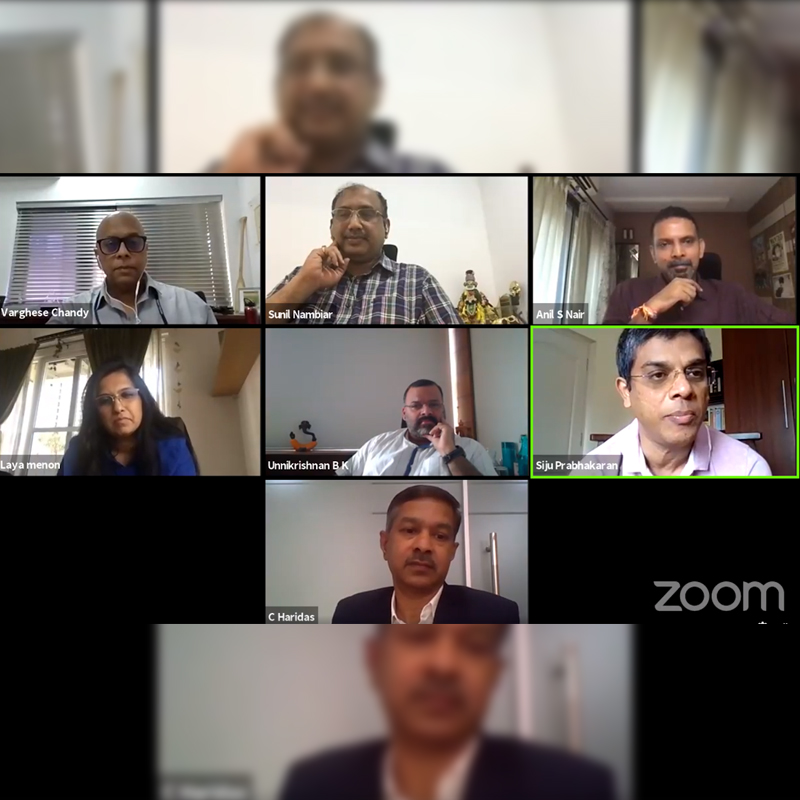
    At indiantelevision.com's ‘The Comeback Of Kerala: Onam Returns’, the fifth session was about understanding overall brand sentiments.This panel was moderated by Kalyan Jewellers independent director Anil S Nair. The panellists included Lodestar UM, IPG Mediabrands executive vice president Laya Menon, Asianet News Network VP Unnikrishnan BK, Malayala Manorama VP marketing Varghese Chandy, Zee Entertainment enterprises limited south cluster head Siju Prabhakaran, Mathrubhumi Group national cluster head Sunil Nambiar and Blue Star Ltd VP sales and marketing cooling and purifications products division C Haridas.

    According to Nair, for the past three years, Onam in Kerala has been affected by floods and now Covid2019. It has impacted the consumer requirements and sentiments.

    C Haridas said, “Though there is an air of caution, people will start spending from Onam. People are positive and they are hoping that the spending spree will start. Onam is the first festival in the long list, it is a melting ground for all product categories. However, consumers will need the right kind of value and motivation then they will be happy to spend.”

    He further added that consumers are actually spending on the basis of a need. In Kerala there is a surge in the sale in water purifiers and air conditioners to maintain the humidity. As per him it is a brand's responsibility to create a need in the market.

    Nambiar shared that in the past six months, there has been a total change in the way in which people have accepted this as new normal. He also added that except for the first few months consumer sentiment is more positive now. However, he believes that the Onam market is going to be very dynamic, but there needs to be a right plan to pull the consumers. Media also has a major role to play in that.

    Elaborating more about the media's role in influencing consumer sentiment, Unnikrishnan highlighted that the month of April came as a blow, but post 15 August he believes the market will pick up and from being in a saving mode people will start to spend.

    Menon pointed out that the usual classifieds are still coming and the level of briefs have not come down. As per her, Kerala is still doing better than other states, giving it a reason to become more optimistic. She also thinks that marketers across categories are looking at spending and advertising rates will go up.

    Prabhakaran said that brands should look at how they are responding during this crucial time. According to him, over-reliance on Onam is not a very good sign, there needs to be another festival where consumers have the propensity to spend.

    Panellists are of the common opinion that Onam is just not Kerala’s interest, it is nations interest to make it successful. It is the right time to sell products but for that there needs to be proper advertisement and promotions.

    Also, they noted that brands should not wait till 15 August to see how the market is performing, but they should start advertising now. Offers need to be floated now in order to create a buzz. Brands should give irresistible offers during this Onam to attract more consumers.

  • Dubbing comes to a standstill; subtitling goes on

    Dubbing comes to a standstill; subtitling goes on

    MUMBAI: The outbreak of Covid2019 has not only brought the film and TV production industry to a halt, but even the associated sectors. The dubbing industry is one.

    However, the pandemic hasn't stopped people from consuming content. In fact, people are consuming content more than ever. According to a recent study conducted by KPMG, there has been a perceptible increase in media consumption during the last few weeks as people have remained homebound.

    With no new content in the making, most dubbing and subtitling companies are suffering huge losses.

    Business Of Languages (BOL) founder and CEO Rahul Bhatia says, “Currently, the dubbing industry has completely shut down. In this case, working from home is also not possible. We, in fact, tried doing it with artists with setups available at home but the outcome was not that great. So, technically everything is shut down as far as dubbing is concerned.”Prime Focus Technologies AVP Dubbing Bipin Doshi said, "Creating fresh viewing content requires lot of personal interaction which in the current scenario is neither permitted nor advisable. This means localizing existing or older content is the only option to ensure that audience currently ensconced at home gets entertained. Traditional method of dubbing currently is on a halt due to the restrictions in place but PFT is working on couple of approaches to start the dubbing process without endangering health of team or talent."

    Bhatia says that though dubbing is not happening,  other kinds of works like e-learning content where video reference is not required are going on. It can be recorded on the phone and shared with the client. Apart from that, IVR and audiobox projects are also being conducted from the confines of people's homes.

    Even for dubbing content in the regional language, Bhatia says it is not possible without studios and proper artists.

    Mega Media Studio MD John Joseph says that nobody is approaching for dubbing work right now. Most of the films are halfway through and those which are lined up do not have a release date.

    "Covid2019 has immensely affected our studio. Nothing is happening right now on the production side but post-production work is slowly happening. We are just continuing with films which were happening in the studio before lockdown."

    According to Joseph, unless films are completed, they cannot go ahead with the dubbing work.

    Doshi begun taking tentative steps for remote dubbing last year and managed to do a couple of tests just before the lockdown came into place. According to him voice quality is something that will take a while in addressing. The output will get homogenised to a certain extent and better quality can be achieved if talent can acoustically treat their rooms, mics are used etc so that voice quality can be monitored. It is important to solve for change in room tonality which is inherently found when audio is recorded in different setups.

    He adds, "Although we have begun using remote dubbing solutions it has lot of technical and user end challenges as this industry has never tried it before."

    Fakt Marathi Enterr10 MD Shirish Pattanshetty, however, says that the dubbing industry is making use of some other sectors to survive.

    "As far as industry norm goes people have been deferred from operating dubbing studios but some large corporates are using dubbing to their benefit to tap various content for different languages to ensure there is freshness in the content to cater to the audiences so that the retention level is high," he says.

    As the lockdown continues, no new episodes are being made. So, Pattanshetty thinks that the second-best option would be to dub the existing projects into native languages that are demanded by the audiences. He also believes that dubbing content is a beter option that showing OTT shows on TV.

    On the contrary, subtitling is happening with the help of cloud-based platforms where artists are translating the content and sharing on the platform. The cloud-based solutions enable them to download and transfer easily and quality issues do not come into play like they do for audio in dubbing.

    Cloud-based solutions enable editors also to work from home as long as they have stable broadband connectivity. Prime Focus Technologies has a cloud-based solution on its flagship product called CLEAR for content sharing, viewing and reviewing of the same at the other end. For localization, the options of reviewing multi-language audio tracks without creation of additional video screeners is a lifesaving facility. "Ability to give access through independent user IDs with watermarking of the content ensures online viewing of the files without having to send them to any one separately," Doshi adds.

    While different states are mulling over various lockdown-lifting strategies, Bhatia says, “We have to wait till the government grants permission to resume work. We work with a lot of professional dubbing artists but due to the lockdown most of them are in their hometown. So, we are waiting for permission so that people could travel. As of now we are completely clueless what is going to happen next.”

    Pattanshetty thinks that even if Mumbai  remains shut there would be dubbing studios based out of Pune, Kolhapur or Sangli who could ensure work is delivered to other connecting places. If Delhi becomes fully functional, Hindi content can take help from Delhi studios.

    Bhatia also points out that even after the lockdown is lifted clients will cut down the numbers of hours of dubbing. As cost-cutting measures, they might want to have only 20 hours of dubbed content rather than 50 hours.

    Joseph says, "We are currently suffering as there is no payment coming in. Initially, we would be finishing three to four movies a month and now we are restricted to just one."

    In a recent announcement, Kerala cultural affairs minister AK Balan  said that the Malayalam film industry will soon resume the post-production work of pending films. Meanwhile, FEFSI association president RK Selvamani has requested the Tamil Nadu government to grant them the permission to resume post-production works such as dubbing, re-recording and editing for films and TV soaps. Additionally, the Karnataka government has also granted indoor shoot permission with minimal 18 to 20 people. While there were rumours that the Maharashtra government was likely to give some leeway, the sudden spurt in the number of cases has closed that door.

    ZEEL executive vice president and cluster head South business Siju Prabhakaran says, “We are waiting for the Maharashtra government to grant permission to resume post-production work. In the meantime it is a good opportunity for people to use footages of short-form content which is pending for a long time.”

    Although new shows are not in production, ZEEL says it has certain shows as backup which will be used in the content pipeline for future. Prabhakaran adds that audiences know short-form content are sometimes shot on the phone and there is a possibility that it will have a technical snag. As far as a proper TV serial or a film is concerned, it requires a dubbing studio.

    For now, the dubbing industry doesn't have a way out and industry players are waiting for a revival strategy.

  • Zee Thirai to fulfil demand for content and star-driven movies

    Zee Thirai to fulfil demand for content and star-driven movies

    MUMBAI: Zee has covered most of the regional space with its GEC and movie channels. With the launch of Zee Thirai it strengthened its footprint in the southern market. Unveiling the plans and programming strategies for the channel to have strong consumer pull in Tamil market, Zee Entertainment Enterprises Ltd. (ZEEL) South Cluster Head Siju Prabhakaran says, “Our commitment is to keep ourselves in-line with the demand for content driven or star driven movies in that market.”

    He further says, “The ability to differentiate viewers by offering brand propositions and our engagement with audiences, are what we believe will make us stand apart from other players and help us garner viewership share.”

    Zee Thirai has 400 plus library strength and it will aggressively acquire movies from time to time both star-driven and content-driven. The library would be shared between Zee Tamil and Zee Thirai but there will be big movies which might air on Zee Tamil first and then come to Zee Thirai or there could be certain movies which might premiere only on Zee Thirai.

    “We believe in the regional market and specifically in southern market which is very strong. Otherwise we would not be investing in it. These are growing markets and there is tremendous scope for us to grow in this market too,” says Prabhakaran.

    He also informs, “Through our brand we are trying to communicate that we will celebrate Tamil cinema in the best possible way and this celebration will extent to the channel's offering. Every week there will be new premiere and this is a first of its kind that any regional channel is offering.”

    Viewership trends in southern market is different from other markets. The audiences in this market consumes more content in the morning and afternoon. To grab maximum eyeballs from those slots, Zee Thirai has strategised by offering a breakless movie slot in the afternoon and in the morning slot it will show classical movies from yesteryear.

    “All these product offerings make Zee Thirai very interesting. It is available on all leading DTH operator/ players and lot of cable operators are carrying it. In fact, those who have not carried it yet are getting constant enquiries,” says Prabhakaran.

    The channel is looking at both advertising and subscription-driven revenue models. “We have just launched the channel and I am sure once the audience build up happens, advertisers will follow but it’s very important that we get the product right first. If the consumer pull is created, advertisers are always willing to support brands which build consumer base.”

    Tamil is one of the largest regional markets in our country and movie as a space is the second largest genre after general entertainment. Movie channels specifically contribute around 12 per cent viewership. With the increase in the number of movies released in the theatre, it is a value proposition for the broadcasters to have movie channels. Movie viewership has also grown on the television.

    He opines, “In Tamil Nadu, we have been growing from strength to strength in the last 3 to 4 years. We are able to establish ourselves as a strong number two channel in market. In a market where there are difficulties but we have managed to get very strong viewership, it gives us confidence to launch other channels.”

    Prabhakaran also hopes by the end of the 12 months, Zee Thirai becomes a strong brand. “We definitely want to be amongst the movie watching audience. We want to be able to capture the minds of our audience,” he concludes.

  • Tamil Nadu market is underpriced by national advertisers: Zeel’s Siju Prabhakaran

    Tamil Nadu market is underpriced by national advertisers: Zeel’s Siju Prabhakaran

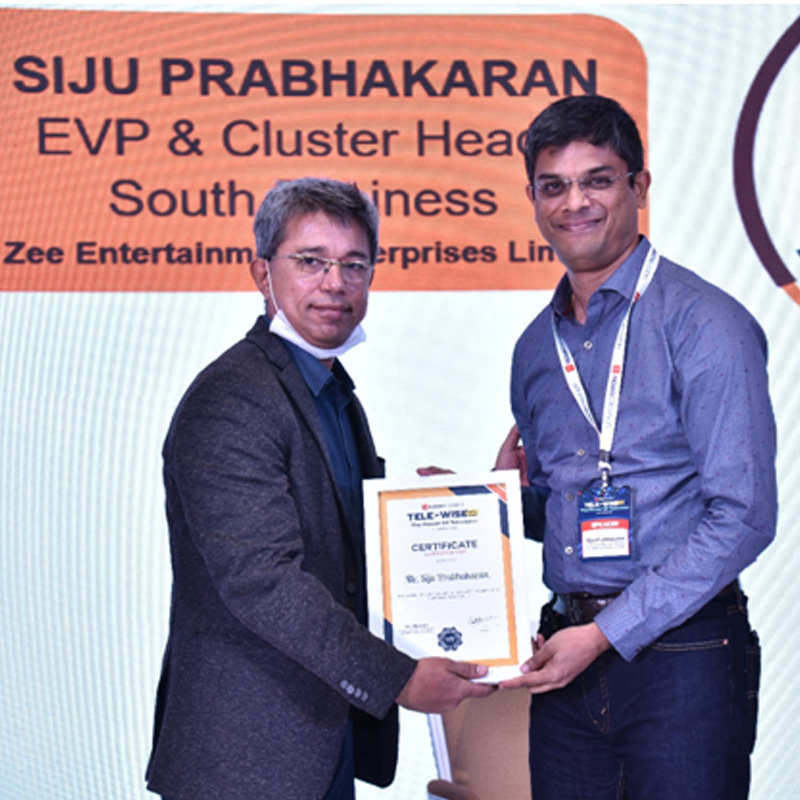
    Chennai: The first edition of Indiantelevision.com’s Tele-Wise Tamil saw Zee Entertainment Enterprises Ltd EVP & cluster head- south business Siju Prabhakaran have a tete-a-tete with Indiantelevision.com founder, CEO, editor-in-chief Anil Wanvari. He revealed that although Tamil is the second largest language market after Hindi GEC with a vibrant local retail advertiser base, it is underpriced by national advertisers. 

    Sharing his views on local advertising, Prabhakaran said, "We all know that Tamil Nadu has a great and vibrant retail advertiser base and that’s something that we all take pride in. But the fact is that within south, Tamil Nadu is very different from other markets because of its retail ecosystem. When it comes to the retail advertising base, it is not only based on ratings but they also have their own mechanism to see the trending shows in the market."

    He further said, "This is the only market where every quarter has some sort of high point for retail advertisers. Some of the national advertisers do not understand the whole phenomenon. So for even a very small brand we have seen that they believe in the power of advertising and TV advertising, in particular, is something which people have taken to."

    Enunciating the reason for the parity in price, he said, "Retail advertisers are ready to pay the premium price because they are closer to the content. National advertisers can only justify with the number but the local advertiser see what a show is doing beyond ratings and so they are able to give premium pricing beyond ratings," he added. 

    Answering to Wanvari's question about what kind of solution does the channel provide to retail advertisers, Prabhakaran said, "We ask advertisers to come and be a part of the content ecosystem. There is a brand solution team which works with some of the retail advertisers on a regular basis so that they get a good touch and feel of what we are doing."

    Speaking numbers, Prabhakaran added, "For us around 30 per cent comes from retail but still we are under-indexed when it comes to retail advertising. My sense is that the Tamil Nadu market should be closer to 36-37 per cent from retail advertising."

    At Tele-Wise Tamil, BARC India also revealed that Tamil Nadu's TV viewership has grown by 21 per cent in the last two years and is in line with local consumption.

    Sharing his views on the impressions, Prabhakaran said, "People who have been working in this market are dealing with this number on a weekly basis. When BARC comes and presents in this form and in comparison with the other market, it’s fascinating and I think that’s where the Rs 2000 crore market is residing. For any regional market to flourish, language is the biggest part and Tamilians take pride in their language."

    Wanvari also inquired on whether the impressions are been acknowledged by the advertisers in Tamil market. Prabhakaran answered, "If we look at the impressions in thousands the whole pricing is under-indexed and there is huge scope. If we look at the FMCG segment, their price from south for their product in maximum and when it comes to media for the same, the media is under-priced in Tamil Nadu. There is a paradox when it comes to FMCG who use the media but are not willing to acknowledge the price. At the same time, advertisers are ready to acknowledge the reach that some of the shows get but we still have a long way to go when it comes to correcting advertising. While it’s a Rs 2000 crore industry with nine per cent of the population giving 12 per cent of the viewership, there is a gap which we need to cover."

    Films form an important part of both content creators and advertisers here. "The thriving film market is always a great part. If we look at all over India wherever the film market is doing well, television follows that and keeps pace with it. We saw that 350 hours of original content minus the films is what all GEC put together creates. That’s 50 hours per day of original content. It’s a great sign with so much of original content and regional consumption habit, almost 90 per cent of consumption is happening in Tamil language. That’s what any regional market would aspire to have and we are lucky to cater to this audience base," he opined.

    Wanvari also asked him about the challenges face by the Zee group as a late entrant compared to others in the market. Prabhakaran replied, "Though we have been here for more than 10 years now but it is a tough market. If we look at it, almost 80 -90 per cent of viewership was split between two channels when we entered. Intuitively, one would think that it is the best market to enter as the concentration is between two players but at the same time it is a very habit-driven market because television meant one particular channel for a very long time to audiences. So to break that sort of habit is not easy. The fact that it has a very tough distribution system is not an easy thing. For almost eight-odd years we were running under tremendous loss but post digitisation the content ecosystem opened up and we saw opportunities coming our way."

    Tamil television market is highly driven by fiction content. Prabhakaran said, "Fiction is something that we take pride in. Zee Tamil has been able to break into the very strong fiction ecosystem which was there in this market."

    Speaking on the challenges faced today, Prabhakaran said, "For starters we are the competition now and the best part is that it is an advertisers’ delight from a planning point of view. There is a basket which is looking at a few channels and that’s always a good situation to be in."

    He further said, "We see the content ecosystem having evolved with new players coming in, with better production that we are seeing all around television. The pace of storytelling has evolved from what it was maybe 5 to 6 years back. The big change I feel is there are new creators that have come in because the production ecosystem in Tamil Nadu is not as limited as before. The new players have helped to expand the whole content ecosystem. It’s a great time for Tamil television where good, vibrant content is there."

    Addressing the topic of good TV script writers, Prabhakaran said, "It’s not just the problem of Tamil market. Across the country there is a lack of writing talent because young writers get swayed by OTT or films. It is the responsibility of the broadcaster to make TV more attractive. There is an urgent need for young writers and other technicians to come to TV."

    In terms of pricing of content, Zee Tamil produces very cheap as compared to others like the Hindi language belt. Explaining the reason behind it, Prabhakaran said, "That has to do with being a new entrant in any market. When we are entering late, there is some cost that we have to pay and beyond that new entrants need to create some sort of difference – it could be in terms of scale, creative execution, casting etc there is a great opportunity there."

    He further added, "Now when we see Tamil Nadu market in last two-three years, big sets are being made, better technologies are used to create content. These are all steps in the right direction,” he concluded.

  • Zee Tamil is summit partner for Indiantelevision.com’s Tele-Wise Tamil

    Zee Tamil is summit partner for Indiantelevision.com’s Tele-Wise Tamil

    MUMBAI: Zee Tamil has partnered Indiantelevision.com for the first edition of Tele-Wise. In its debut edition, Tele-Wise will showcase the power of television in the very significant Tamil Nadu market. The event will be held on 6 August 2019 at the ITC Grand Chola, Chennai.

    Tele-Wise Tamil aims to create a platform for industry stakeholders to understand, analyse and find potential solutions to issues faced by broadcasters and advertisers in the state. While Tamil Nadu boasts of a vibrant TV ecosystem, industry watchers are convinced there is scope to push the envelope on content, advertising and distribution fronts.

    The state has over 35 channels offering Rs 11.6 crore seconds of advertisement annually, the Tamil TV boasts of Rs 2,000 crore-plus potential. For perspective, that is nearly 10 percent of India’s total TV ad spend coming from just one state.

    "With the television industry witnessing churns of changes and development, we believe that dialogue among stakeholders would be key to uncovering the nuances of the market and discovering its potential. We are happy to be partnering with the first edition of Indiantelevision.com's Tele-Wise in Chennai and look forward to the multi-layered debates and discussions that are sure to bring significant value to all attendees," ZEEL EVP and cluster head south business Siju Prabhakaran said.

    Tele-Wise Tamil will comprise a series of one-on-one chats, panel discussions and presentations dissecting all the important factors at play in the state are broadcasting business.

    The day-long summit will see some of the finest minds in the ecosystem will weigh on the bright spots of the Tamil market and highlighted the areas that need fine-tuning.

    The audience will get insights into how national and local advertisers are looking for as well as views of some of India’s biggest broadcasters.

    Among the key speakers at the summit will be ZEEL EVP and cluster head south business Siju Prabhakaran, News18 Network CEO – languages Karan Abhishek Singh, BARC India COO Romil Ramgarhia, Vikatan Group MD B Srinivasan among others.

  • ZEEL’s Siju Prabhakaran on TRAI tariff order impact, regional growth and rural viewership

    ZEEL’s Siju Prabhakaran on TRAI tariff order impact, regional growth and rural viewership

    MUMBAI: The situation created by the new TRAI tariff order (NTO) has become a reality check for the whole television industry. Big networks could earlier ensure that several channels are clubbed together by the DPO but now with power in the hands of the consumer, each channel has to fight hard for every TV set. Indiantelevision.com caught up with Zee Entertainment Enterprises Ltd (ZEEL) south cluster head and Zee Tamil business head Siju Prabhakaran, discussing the impact of the regime on its regional cluster’s viewership and advertising pattern, the scope of regional TV viewing against mushrooming OTT platforms and others.

    He is of the opinion that unique content will always get your channel to be picked. Breaking the myth that rural audiences aren’t engaged, Prabhakaran says that, in fact, rural viewers are more loyal than urban viewers.

    Edited Excerpts: 

    Could you elaborate a bit about the performance of the south cluster channels? Has the viewership increased or decreased?

    We, as a network, have a healthy growth this year. We have our strong number 2 channel in Tamil which is Zee Tamil. We have also seen a huge growth in fiction. Even in Karnataka, Zee Kannada is the number 1 channel this year. That is a big shift from last year where we were in second place and this has come on the back of great fiction and non-fiction content where we have always been very strong. Part of the growth of the cluster has also been possible because of the launch of Zee Keralam.

    How has been the impact on the viewership pattern due to the implementation of the new TRAI tariff order?

    As per BARC’s rules, we are not in a position to quote number. Having said that, we do have an advantage from the TRAI tariff order that the consumers select the channel that they want and they pay for only those channels. The making is in their hands, so the brands and channels which have been built on the back of great content, always get picked. We do see Zee channels being picked.

    What do you think is the impact of the TRAI tariff order on the whole regional space?

    We know for a fact that India is a country of many languages and if you give good content in their own language, they would rather prefer that. To that extent, regional content is growing across India and in the southern regional space there has been a great penetration of TV. This growth will have an impact on advertising and subscription because viewers are willing to watch and pay for it. But the other aspect is that we need to improve the advertising rates in the regional space.

    Several consumers had complained of a blackout due to the implementation of NTO. Did that affect you in any form?

    There were obviously timelines set and there were many extensions that happened but the whole transition for the regional segment has been very smooth. There wasn’t any blackout as such, there must have been a few issues here and there but consumers have been asking for the in-demand channels.

    Will this new regime also affect your content strategy? Especially since bills are rising and consumers could be forced to unsubscribe some channels.

    While the regime has come now, consumer focus was always there because in this business consumers’ love for content is what we want. Yes, it is more responsibility on content providers and broadcasters and for that we are continuously keeping an ear to the ground to understand consumer preferences and changes so that we can make our content strategy on the basis of that.

    It was reported that the Adex on Hindi GECs reduced to 9 per cent in FY18 as compared to an increase of 5.4 per cent in regional channels. What, according to you, is the reason?

    There are two aspects to it. First is the huge quantity of content that is now being offered in regional versus previously where English or Hindi was the focus. Second is the quality of content. The formats, the best of storytelling and films are available in regional markets and the scale is only improving. The quality of making is also equal to some national market shows. Even OTT platforms are making good regional content today.

    As you said, OTT platforms are constantly investing in regional content. Does that add more pressure on regional TV? How is regional TV competing with OTT?

    If you look at the viewership data, the time spent on TV is growing. TV as a medium is only growing. But having said that, OTT is giving a lot of original content and content that is available on TV. So the good way to look at it is that both will grow at a different level. Maybe since it’s a new space and it will grow at a much faster pace, but TV is a more stabilised medium.

    In rural areas, do you think consumers will be willing to pay for the regional channels? How are you attracting these rural audiences?

    Yes! In every region, there is always an upper hand rural market and conventional understanding is that rural areas are more rooted in language culture. If we are giving content that resonates with the rural audience, they are more loyal than urban audiences.

    With IPL ongoing and with elections around the corner, do you think that the viewership pattern for the regional segment is going to be affected? Any plans to alter your programming line-up?

    IPL has been going on for more than 10 years now so broadcasters know their timings too. Elections are also a periodic phenomenon that comes after 4-5 years. One needs to understand that most of the channels are habit driven channels and they are the part and parcel of daily entertainment. We do have launches planned across our channels. So these things don’t matter as such.

  • Zee South biz head Prabhakaran says: “Growth trajectory is our focus”

    Zee South biz head Prabhakaran says: “Growth trajectory is our focus”

    Zee Tamil, a Zee Entertainment Enterprises Limited (Zeel) Tamil channel, today unveiled a new brand logo during the launch of the Tamil edition of ZEEL’s homegrown reality musical show – Sa Re Ga Ma Pa. The previous season of the Tamil edition was Sa Re Ga Ma Pa Little Champs, the current edition is for seniors. 

    A new daily weekday fiction show is set for launch tomorrow. Earlier this month the channel had announced two new fiction showsDevathaiyai Kandean and Niram Maaratha Pookal that went on air on 9 October in the 130pm and 2pm time slots.

    The channel has also announced a south Indian films female actor as brand ambassador in Jyothika.  An HD Tamil channel will also be launched on 16 October. Zee Tamil was launched in 2008. Earlier, along with the corporate branding changes across the channels under Zeel, Zee Tamil’s logo also underwent a change.

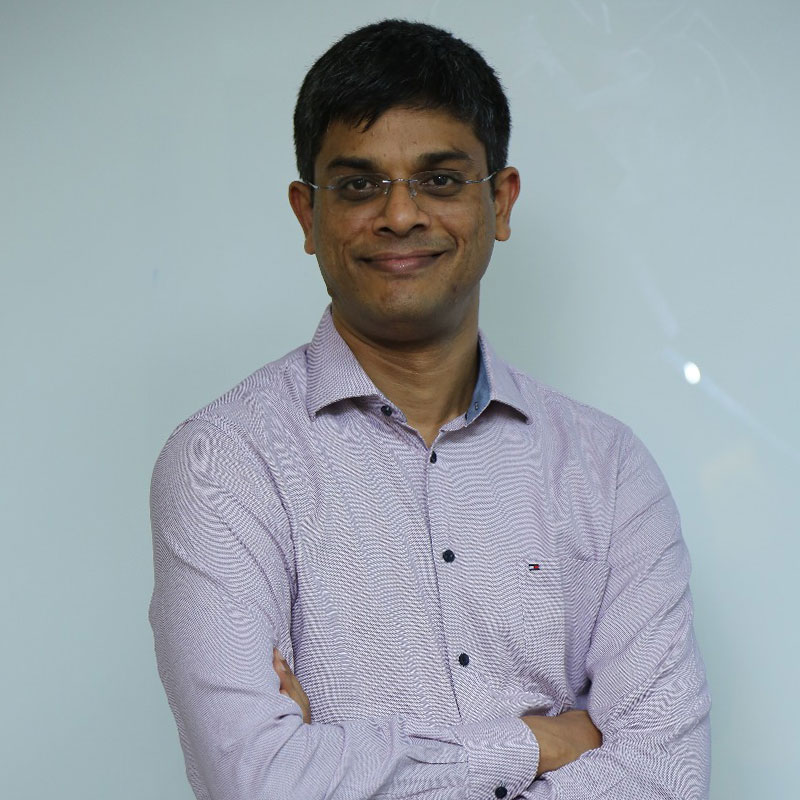
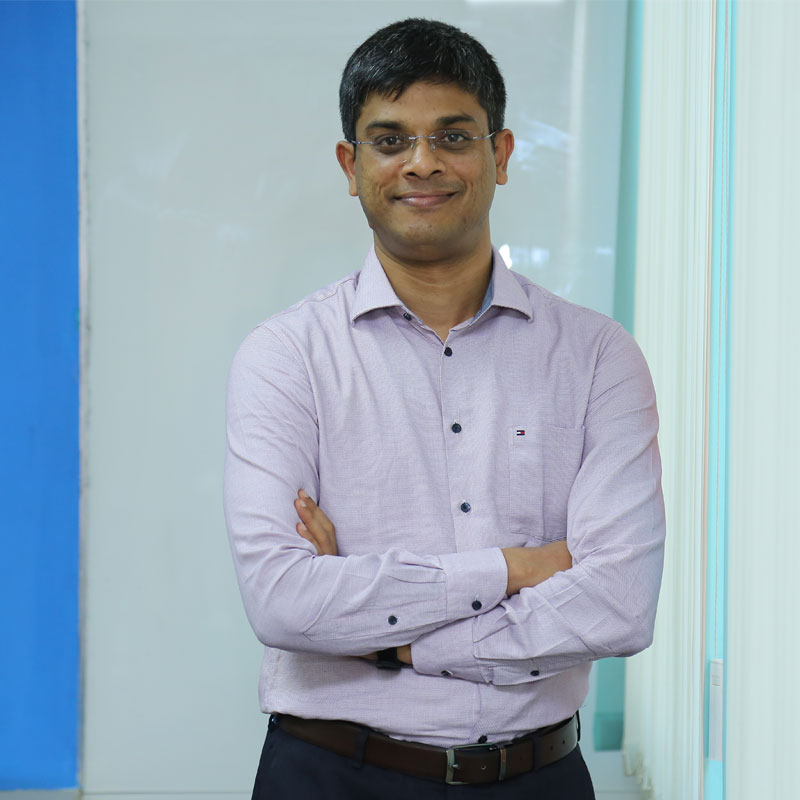
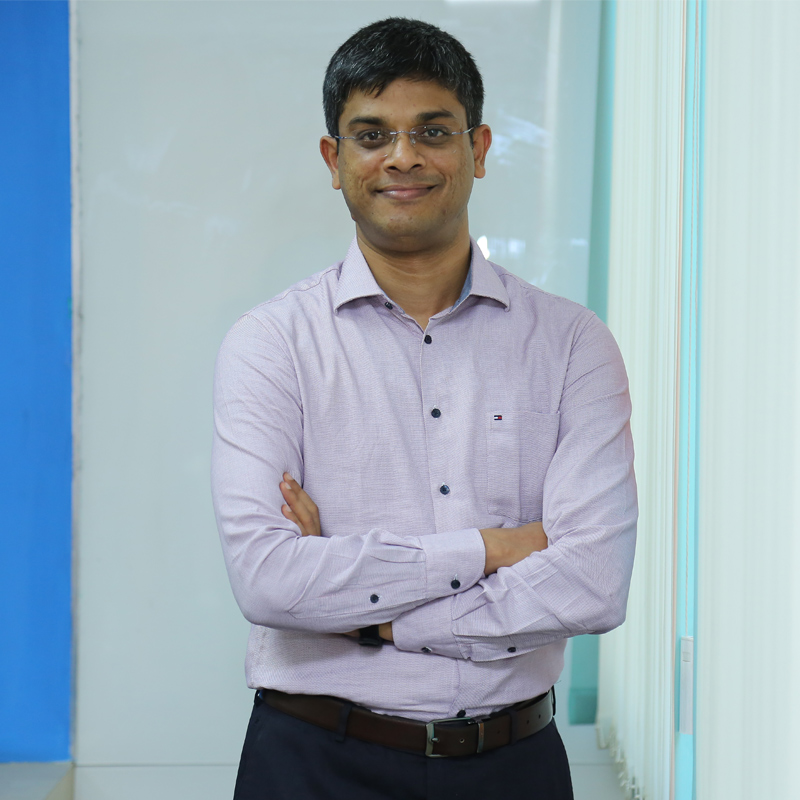
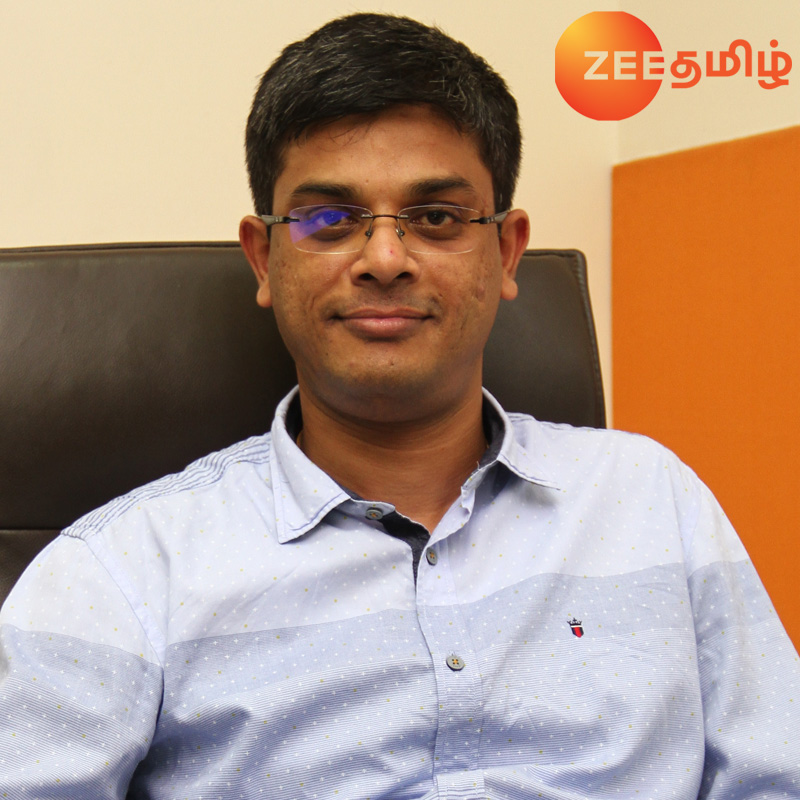
    Siju Prabhakaran is Zeel cluster head – South Business and executive vice president. He has been associated with the brand for over seventeen years during which he has held several roles and responsibilities. As the cluster head for the South Business, Siju is responsible for Zee Tamil, Zee Kannada, Zee Telugu and Zee Cinemalu. In his current position, he plays a significant role in driving the business growth of the South Cluster by strategizing for the profit and loss in these markets.

    Siju spoke with The Indian Television Group’s Tarachand Wanvari and shared details and thoughts about the new branding, the way forward for Zee Tamil, the audience demographics of Tamil Nadu, etc.. Excerpts of the interaction:

    What is the reason for the brand change?

    Zee Tamil is in the process of a beautiful change. Change is the only constant. Actually, when we took this journey two years back, we saw the growth that Zee Tamil has been witnessing in the last 15 to 16 months. Our consumer study showed that there is a need for change – from a viewer point of view.

    After an extensive consumer exercise and study we at Zee Tamil understood that one of the key challenges for today’s woman in Tamil Nadu is the ever growing need to progress with times and take the leap but also her innate belief in preserving her traditions and values. This becomes even pronounced between different generations, where striking a balance and finding the means to do it becomes her guardrail.

    Building on this consumer sentiment and  with the objective of giving our audiences inspiring sparks that will help them strike the balance between preservation and progress and then thrive in it, the channel has revealed its new brand proposition, “Manadhaal Inaivom, Maatrathai Varaverppom” which translates “let’s bridge hearts, and welcome change”.

    What are the steps that you intend to take during or for the brand refresh process?

    As a part of the brand refresh, we have come up with a brand film – basically a TVC. The new brand logo will be launched on the 15th of October at around 2000 hours, on our flagship show, Sa Re Ga Ma Pa.  The unveiling of the brand logo would take place with the entire family of Zee Tamil artists which would be a part of this. At the same time, the marketing campaign across all platforms will roll out. On the 16th, we are also launching a new show called Sembarathi which will air at 2100 hours. Just last week, we had the launch of 2 afternoon fiction shows in the afternoon band. There is a combination of new content offering and the entire brand campaign. We are also extending an HD channel to our viewers which will be available across all platforms from the 16th of October which is also a part of the brand refresh.

    Please elaborate about the brand refresh marketing campaign. What kind of spends will you make? How many TVCs, hoardings, ads? Who is handling the creatives for the campaign?

    Lowe is our new creative agency. The TVC has been shot by the national award winning director Sudha of the Saala Khadoos fame . Our in-house team has also played a part in the execution. Two TVCs’ of 90 seconds each will be shared on our network – Zee Tamil and other TV and news channels. We have an extensive print and digital and outdoor campaign across Tamil Nadu.

    As I said, the campaign will start on television on the night of 15th October, on our flagship show Sa Re Ga Ma Pa when the unveiling of the logo will take place. On 16th, the outdoors and print will start rolling out. This will be backed by on-ground activities, and the campaign will run for about four to six weeks.

    Through this campaign, we want to have maximum impact. It is not a regular campaign. Since we have a great brand ambassador – we also want to leverage on that. We are backing the brand proposition with great content. The campaign will be a 360 degree one – we plan to use all mediums for the new brand message. I don’t have the details of the exact number of the hoardings, but there will be a number of them across all major cities and towns in Tamil Nadu.
    I can’t share spend numbers, but I assure you that our spends will be substantial – about three to four times more than the amount that we spend on the launch of a regular campaign.

    Could you explain the new logo? What does it mean? You had changed your logo earlier when your corporate branding changed ….

    The entire logo showcases radiance and positive energy and that is where the colours have come from. Each market will have its own unique extension of the main corporate brand – with its regional inspiration. This Zee Tamil change is a part of that whole activity on the channel. When the Zee Corporate logo had changed, of course, Zee Tamil’s logo had also changed.

    What about the HD channel? In an analogue market such as Tamil Nadu?

    Tamil Nadu is a market with a huge DTH penetration, even though it is largely still an analogue market, but DTH has been able to make a good entry into it. As a commitment to adding value to our consumer, HD is a natural fitment. Offering HD with our investment in movies and growth plans, it is a natural extension that we 

    How about advertisers?

    There has been a good increase in the advertising segment. Tamil Nadu is a good market for advertisers. The brand campaign will see a huge value for the advertisers; we are also partnering with a few advertisers on this campaign. The advertiser value proposition is something which is a key focus of the brand campaign.

    You mentioned movies. What are your plans for movie acquisitions in a market such as Tamil Nadu that is driven by films?

    There is a legacy advantage that leaders and first movers in the market have had. But as a group, our commitment to movies across markets is constant. This year – we have acquired rights for Rajanikanth’s 2.0 across markets and Vijay’s Mersal which is a Diwali release.

    Zee Tamil is generally ranked third or fourth with Sun TV topping, followed by KTV and Star Vijay according to BARC data. How has Zee Tamil changed in terms of market viewership with respect to the competition? Star Vijay has seen growth in numbers with Bigg Boss and Kamlahasan…

    Zee Tamil is the fastest growing channel in terms of viewership for the past couple of years. To put it in the proper perspective – Sun obviously is the leading channel. And it leads not only in the Tamil market, but also on an all-India level. KTV only showcases movies – so it does not come under the GEC market for Chennai. So the ranking would be 1 – Sun TV, 2 – Vijay TV, 3- Zee Tamil.

    Around two years ago, Zee Tamil was at a five percent market share. Currently, we are at a 15 percent market share. We have had a tremendous growth. We were at a number two position in the market for almost 30 weeks, beating Star Vijay about five months back. The whole idea behind the campaign is to drive the next level of growth.

    Yes, Bigg Boss has been a great win for Star Vijay because it brought in new audiences that were earlier not present and that also helped its other programs.

    Could you tell us about Tamil audiences in general? Is Tamil Nadu also a youth driven market?

    Tamil Nadu is the largest regional market in the country. This is a market with great TV penetration – about 95 to 96 percent, high literacy rate, great urban and rural divide, a great market for advertisers. There has been a great growth in the market. When we grow, we grow at the expense of somebody else, similarly, the other channels are also growing at the expense of others. But the market is at the cusp of a huge market change. And with all the content initiatives, growth is something on the cards.

    If you look at the classification of the audience, there is definitely a young population which is consuming the television market and the reason for the content initiatives in the non-fiction space is a testimony that young people are interested towards this; the only thing is that they don’t want monotonous content. They want something that is new and of a smaller duration which is reflective all over the nation.

    What are your plans for the future?
    Growth trajectory is our focus. With the campaign, we want to strengthen our position in the market and look at offering something new and up the content offering across all genres including fiction and non-fiction. Digital is something that we are working on for upping our game. Zee Tamil is well connected across all cable and digital platforms. We have our content available on Ozee – which is going to be Z5. We have a good viewership base there, which is something that we are looking to build.

  • Siju Prabhakaran to head the Zee Tamil business

    Siju Prabhakaran to head the Zee Tamil business

    MUMBAI: Zee Kannada business head Siju Prabhakaran, will now take over as the business head – Zee Tamil. He replaces N S Easwaran who has decided to move out of ZEE.


    Prabhakaran has been with ZEE for over 15 years now and has experience in sales as well. He will report to ZEEL MD and CEO Punit Goenka.


    Elaborating on his new role Prabhakaran said, “Tamil Nadu is a market with huge potential. This is one market where television viewing is a habit that is quite difficult to break. I’m looking forward to bringing the necessary changes to this habit that will benefit Zee Tamil and help us grow in leaps and bounds.”