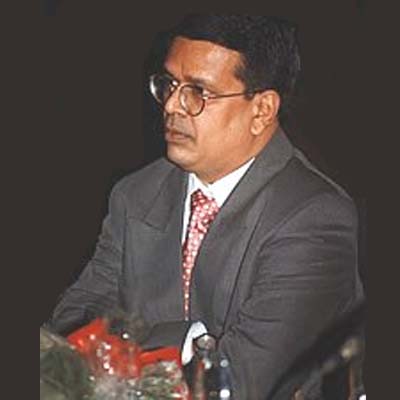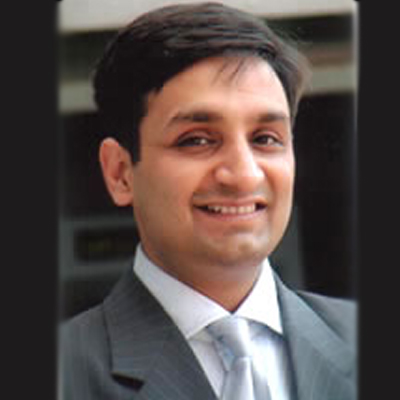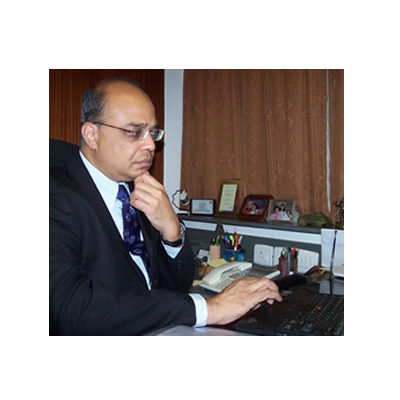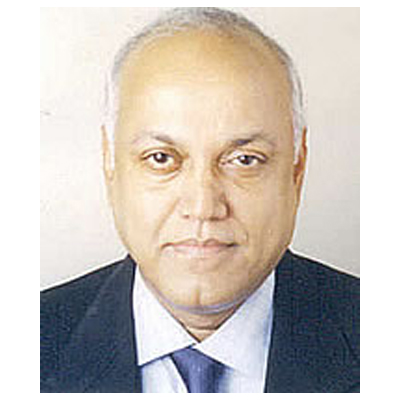
Tag: Sibabrata Das

  • ‘Peak fragmentation affecting rev growth’ : Zeel executive director revenue and niche channels Joy Chakraborthy

    ‘Peak fragmentation affecting rev growth’ : Zeel executive director revenue and niche channels Joy Chakraborthy

    There are early indications that the advertising economy is slowing down. With many parts of the world awash in economic gloom, there are forecasts that guide India‘s television advertising revenue market to a below double-digit growth this fiscal.

    Zee Entertainment Enterprises Limited (Zeel) executive director revenue and niche channels Joy Chakraborthy believes the sports segment will see a degrowth while the Hindi general entertainment channels (GECs), caught in a four-horse race, will lose their pricing power.

    Though advertisers are exercising caution in spending, rate hikes are taking place in certain genres like movie and regional channels. Even in case of Hindi GECs, certain programmes can get rate hikes.

    In an interview with Indiantelevision.com‘s Sibabrata Das, Chakraborthy talks about peak fragmentation affecting revenues and what the industry needs to do to beat growth blues.

    Excerpts:

    Zeel posted a measly 0.5 per cent rise in first-quarter ad revenue over the year-ago period. So are we heading for an ad slowdown due to stresses in the global economy or is it is due to a fall in ratings of the flagship Hindi general entertainment channel Zee TV?

    Advertisers are exercising caution in spending. They are entering into quarterly and shorter term deals; not too many annual deals are happening. We will be hit both by a possible slowdown and a fall in viewership of Zee TV. But at the same time, we have the highest GRP-to-revenue conversion.

    Major spenders like FMCGs have said that they will be slashing their ad budgets as their profit margins are getting squeezed. How deep will the television advertising economy be hit?

    There is a concern, but at the same time many of the FMCG companies are launching variants. If HUL states that it is slashing its ad budget, frankly speaking it is no more a scare. But what could be disturbing is that we are seeing a drop in high-yielding inventories filled by telecom, banking and finance and real estate companies. We are hoping that like telecom which came in a big way a few years back, we will see a new category emerge. India being an emotional country, a single strong wave can lead to a turnaround.

    But don‘t FMCGs account for 55 per cent of the total TV ad pie?
    It is not that FMCGs are going to retreat. They are redeploying their ad monies. While their spends on cricket and Doordarshan are getting reduced, they are increasing their allocations to GECs, regional markets and other genres. And if HUL and Marico cut their spends, ITC and others will up them. There is too much competition in the category.

    Will broadcasters be able to implement effective ad rate hikes?
    Broadcasters have almost filled up their ad inventories. Perhaps, what has increased is ‘float deals‘ (whenever inventory ia available, channels give them to clients at a marginal discount rsate) given to FMCGs. Rate hikes, however, are taking place in certain genres like movie and regional channels. Zee, for instance, will see ad revenue growth in Marathi, Bangla, Kannada and Andhra Pradesh markets. Even in case of Hindi GECs, certain programmes can get rate hikes. Celebrities, for instance, attract a premium.
    ‘Advertisers are exercising caution in spending. But if HUL states that it is slashing its ad budget, frankly speaking it is no more a scare. What could be disturbing is that we are seeing a drop in high-yielding inventories filled by telecom, banking and finance and real estate companies‘

    In case of Hindi GECs, we are moving from a three-horse race last year to a fight among the four at the top with the resurgence of Sony Entertainment Television. How is this going to affect the genre?

    As we move to a four-horse race, Hindi GECs will lose their pricing power. The genre will see growth but there will be revenue fragmentation. Media agencies will be in a better bargaining position.

    How hard will Zeel be hit considering that its flagship channel Zee TV will most likely continue to be placed No. 4 during the festive season?

    It does worry us. But in case of a slowdown, advertisers like to hedge their bets. The comfort zone for them could be that Zee TV wouldn‘t fall further; it can only go up. And the difference between the top-rung GECs is mainly one show. After Jhansi Ki Rani fared well during its run at the 8 pm slot, its replacement Shobha Somnath Ki has not been doing well. We are relaunching that show.

    Let‘s also not forget that advertisers and agencies are not opportunists; they do not dump the ship but value long term relationships and the network strength.

    Will Zee TV, which contributes about 40 per cent of the network‘s ad earnings, see a degrowth?

    We are seeing strong growth in many of our channels. In fact, eight of our channels have posted peak monthly revenues in August. But, yes, there will be some impact if Zee TV loses GRPs.

    Considering that there is a slowdown and the GECs are caught in a fight among four at the top, what is the growth forecast for the television sector?

    Television will grow at 10-12 per cent this year, faster than print which will crawl at 2-3 per cent. But there is still a lot of ground to cover. We believe the television ad revenue size is Rs 107.50 billion compared to print‘s Rs 119 billion.

    Another abnormal thing this year is that the Dussehra and Diwali festive season falls in the same month (October). Television has limited inventory. If this would have stretched over two months, the sector would have gained.

    A proper picture of the growth pace will, however, emerge after we get the trends in November and December.

    Sports was a big revenue driver in FY‘11. Will it sustain that momentum this fiscal?

    Sports will see degrowth. Sports broadcasters earned a combined ad revenue of Rs 15 billion in FY‘11, buoyed by the World Cup and the Indian Premier League (IPL). But this fiscal their ad revenue will be under attack because of India‘s debacle against England. The India-West Indies series was affected as some of India‘s stars were not playing. Seeing the performance of the Indian team, the Champions League Twenty20 is obviously facing the music.

    Sports broadcasters only focus on property-based selling. They should also strategise on RODP (run of day part) and ROS (run on schedule) selling. We are doing that in a big way.

    How difficult is it to push hard for revenue growth in such a cluttered television market even for niche genres?

    The biggest problem in the television industry is that fragmentation is peaking. There are 18 music and 15 English entertainment channels. Where is the money going to come from? Revenue gets affected because of fragmentation.

    Zee is in a fortunate position as it has the largest bouquet of channels. The niche channels have also built a brand equity over the years. We are seeing 10-15 per cent growth in this segment. But for new channels that are to come up, there is no bandwidth on both analogue cable networks and DTH platforms.

    You are not happy with the way distribution is evolving?

    The underreporting of subscriber numbers is hurting the industry. Broadcasters are feeling the pinch with content costs climbing, as ad sales is still funding the television business. Whatever a broadcaster earns as pay revenue goes out as carriage fees. The cable TV sector needs transparency.

    Is slowdown good in that sense as it will act as an entry barrier for more launches?

    Slowdown is good in a way as it will ensure that networks with sustaining power will gain. The No. 1 and No. 2 players will take away most of the monies. Costs will also get corrected as companies try to protect their bottom lines.

    But at the same time there is one player every year who spoils the market. In the movie channel space, for instance, Viacom18 drove the acquisition price insane last year. This year Star is doing it.

    Do you see an opportunity for leading broadcasters like Zee to get smaller networks outsource their ad sales?

    Personally, I feel there will be media-selling consortiums, led by big networks. We are evaluating partnerships in markets where we do not compete.

    The time has also arrived for us to dig deep into the regional markets. We have formed a retail team and they are tapping such clients.

    How beneficial has it been from a growth perspective as you have been handling the ad sales of television as well as print with DNA under your belt?

    Print is very scheme-led, there are too many hidden deals, and no timely research is available. The circulation gains can‘t be monetised immediately. But in print you can do a lot more innovations. Print and television buyers are totally different in mindset but the basic business principle remains the same.

    DNA has benefited from Zee‘s deep relationship with media agencies. Zee, on the other hand, has been able to gain access to a wider breadth of clients. We would have benefited more from the synergies if we had not lost GRPs (gross rating points) and our channel positions were healthier.

  • ‘Buyout valuations will now be decided in terms of ARPU rather than carriage growth’ : IMCL MD and CEO Ravi Mansukhani

    ‘Buyout valuations will now be decided in terms of ARPU rather than carriage growth’ : IMCL MD and CEO Ravi Mansukhani

    IndusInd Media and Communications Ltd (IMCL), the media subsidiary company of Hinduja Ventures Ltd, plans to raise $100 million, a major chunk of which will be used to fund acquisitions.


    Operating its cable TV business under the InCablenet brand, IMCL had earlier planned an initial public offering (IPO) but changed its stance as the newly listed cable TV entities, Den Networks and Hathway Cable & Datacom, dropped in market value.


    Even on the acquisition front, IMCL has changed gears. Earlier, the focus was to buy small-sized cable TV networks and expand geographies. Now it targets big-ticket acquisitions, expecting the sector to consolidate as the government chalks out a schedule for digitisation across the country.


    Slow on the broadband path, IMCL is experimenting on new technologies where it will not have to entirely overhaul its network to load on broadband capability.


    In an interview with Indiantelevision.com’s Sibabrata Das, IMCL managing director and chief executive officer Ravi Mansukhani talks about how the acquisition game is going to move from carriage calculations to valuations based on ARPU (average revenue per user) growth as the cable TV sector transitions into the digital era.


    Excerpts:

    Why is IMCL taking so much time in readying its IPO?
    We are in the market to raise $100 million ahead of the IPO and have mandated Deutsche Bank for this. We want to first build a solid valuation base. We believe the value of the top-rung MSOs will get a significant boost once the government fixes up a schedule for digitisation. We want to also expand on our size before we go for a public float.


    We have separately raised Rs 1 billion of debt from General Electric. So funding is being taken care of. We are getting ready to move into top gear.

    Have you finalised on how you are going to raise this amount?
    We are weighing various options. We are looking at mezzanine structures. The final structuring will depend on what fund-raising instrument we select.

    Are we going to expect acquisitions or a drive to greater digitisation?
    We plan to use three-fourth of the amount raised for acquiring cable TV networks. We are looking at small and big-ticket acquisitions. We believe there is going to be consolidation in the industry. For digitisation, we have a separate funding plan to meet the capex requirements.

    Why has there been a change in stance as the earlier focus was to buy small-sized cable TV networks and expand geographies?
    We see an opportunity out there as the other leading MSOs like Hathway Cable & Datacom and Den Networks are not on a buying spree. The valuations have dropped and we are ready to make big-ticket acquisitions ahead of the government‘s digitisation schedule. The acquisition focus now will be not on expanding into new geographies but on consolidating and growing in existing operational cities.

    Will the acquisition game change even as the government lays out a roadmap for digitisation across the country?
    The game will definitely change. A few years back, when the pace was set by new entrants such as Den and Digicable, acquisitions were based on carriage calculations and TRP cities were favoured. Now, as digitisation creeps in, buyout valuations will be decided in terms of ARPU growth. So we have decided to consolidate and expand in areas where we already exist like Maharashtra. There is no point in spreading lean.

    “We are in the market to raise $100 mn ahead of the IPO. We want to first build a solid valuation base. We believe the value of the top-rung MSOs will get a significant boost once the govt fixes up a schedule for digitisation. We want to also expand on our size before we go for a public float”

    Do you see MSOs fighting amongst each other once the digitisation programme is announced?
    MSOs would rather consolidate and expand where they are strong; their focus would be on digitising their existing network. MSOs can‘t create a fight today without being attacked; too much is at stake.

    How will MSOs counter the DTH invasion?
    India will remain primarily a cable country. Yes, in a diversified and fragmented market, DTH will have space. But being the incumbent player, cable TV has a distinct advantage. Besides, it is cheaper priced, bandwidth is no issue and it can be interactive. MSOs will also start launching server-based local channels as in the digital era, space will open up for more channels. There will be need for local news and events. DTH can‘t offer these channels.

    How much of IMCL‘s network is digitised?
    We have over half a million digital set-top boxes (STBs) installed. Out of the 28 cities that we operate in, we provide digital services in 17 cities via 10 digital head-ends.


    If the government‘s digitisation plan is on stream, we will deploy close to two million additional boxes in Phase 1. We are going to fund our digitisation through lease and vendor financing.

    Why is IMCL‘s broadband story yet to emerge?
    Our focus has not been on broadband in the past because the franchisee operators have been providing it. Though we provide broadband in nine cities, our revenues from this segment stood at just Rs 50-60 million in FY‘11.


    We plan to have a strong broadband story once the digital path is properly spelt out. We are currently experimenting on new technologies where we will not have to entirely overhaul our network to load on broadband capability.


    We won‘t have a problem building up broadband revenues once we have pushed the digital STBs in. The script will change after the government announces the sunset date for the digitally notified areas. It is companies like You Telecom who will need to grow their cable TV presence in order to provide broadband.

    Hathway has announced it would launch its HD service in June. When are you getting into this segment?
    Our first priority is to offer digital service. We will then graduate to HD. The market is still not ready for it. HD boxes are on the anvil and we will introduce them into the market in the next few months.

    IMCL‘s total income jumped 23 per cent to Rs 4.03 billion in FY‘11. What growth do you estimate in FY‘12 and what is the outlook on carriage income?
    We expect revenue to grow between 20-25 per cent. This will be higher if we raise capital fast and make big-ticket acquisitions.


    We saw 18-20 per cent growth in carriage income in FY‘11. We expect strong growth from this stream as more and more channels get launched in the fiscal.

  • ‘The ability to de-risk is more now’ : UTV Motion Pictures chief executive officer Siddharth Roy Kapur

    ‘The ability to de-risk is more now’ : UTV Motion Pictures chief executive officer Siddharth Roy Kapur

    UTV has expanded its movie slate for the fiscal and is eyeing a revenue of Rs 4.5 billion from this segment, up 43 per cent from the year-ago period.

    Upping its operations over the years, UTV has a roster of 12 movies this fiscal. UTV‘s scale-up goal: to have a peak pipeline of 15 movies a year.

    Narrowing its risks, UTV has indulged in a high element of pre-sales activities. The environment has been conducive as prices for satellite TV telecast rights have ballooned with Viacom18 planning the launch of a Hindi movie channel next year. The syndication model, widely popular last year, is being thrown out of the window.

    After delisting from London‘s Alternative Investment Market (AIM), UTV Motion Pictures is not looking at raising further capital as the business has reached a self-generation mode.

    In an interview with Indiantelevision.com‘s Sibabrata Das, UTV Motion Pictures chief executive officer Siddharth Roy Kapur talks about the balance film studios need to perfect between scale and a de-risked strategy.

    Excerpts:

    Indian movie studios were talking of scale a few years back. Now de-risking seems to be the mantra. Is it because in the process of scale some of the studios burnt their fingers?
    Building scale and de-risking are not parallel processes. It is just that the ability to de-risk is more now with the overall slate of movies going up.

    But the trend is to lock in the music and satellite television telecast rights before the theatrical release of the movies. Haven‘t studios increased the pre-sales deals this fiscal?
    The opportunities have definitely increased as the market for satellite TV rights has heated up with a broadcaster planning to launch a Hindi movie channel. The syndication model, widely popular last year, is being thrown out of the window. As broadcasters are chasing exclusive rights, the rates have gone up. This is working out well for the broadcasters and the producers.

    Also, with a diversified and expanded slate, studios have been able to derive higher values. We at the early part of the fiscal, for instance, had locked in Rs 2.37 billion from pre-sales of different rights.

    Aren‘t you in the process sacrificing an upside potential?
    We are offered a premium even before the movie is out. And if we foresee a significant upside potential, we do not go for pre-sales. We decide on a film-to-film basis.

    We have also come out with new models. In case of Raajneeti, we did a satellite deal based on the theatrical performance of the film. We looked at higher slabs based on the performance index.

    But don‘t you have a de-risking approach for each movie?
    We have developed the ability to de-risk on each movie. As a strategy, we look at de-risking on the satellite and music rights front. On the theatrical distribution front, we prefer to handle it ourselves.

    With pre-sales opportunities on the rise, aren‘t you tempted to scale up further?
    We have managed to scale up to 12 movies a year and have a diversified slate in terms of genre and talent. We have a mix of movies ranging between as low as Rs 30 million and as high as a blockbuster can cost. We have the ability to release in 45 countries.

    As for the future, we are looking at a 12-15 movie slate. We feel that it is not a feasible model to scale up more if you are to maintain the same level of quality control.

    Around 50 per cent of the slate will be through co-productions. UTV will, however, handle the marketing and distribution of these movies.
    ‘We are looking at a 12-15 movie slate a year. We feel that it is not a feasible model to scale up more if you are to maintain the same level of quality control‘

    So are we going to see a slower growth in the top line?
    We are on course to achieve a turnover of Rs 4.5 billion this year (up from Rs 3.15 billion). There will be organic growth and we will also do bigger movies.

    With more multiplexes and digitisation coming up, there will be growth in theatrical revenues. We also don‘t see a softening in rates for satellite TV rights in the near future as broadcasters have planned for their growth.

    Our focus, though, will be on profitability. We are confident of posting a 20 per cent year-on-year bottom line growth for the next three years.

    UTV Motion Pictures delisted from London‘s Alternative Investment Market. Is it now looking at raising funds for its movie business?
    We are pretty much well funded and have no fund raising plan. The business has reached a self-generation mode.

    Is the slate firmed up for the next fiscal as well?
    We are sitting in a pretty position and expect to see strong growth in the next fiscal. We have only 3-4 titles to lock up. Our pre-planning is well in place. As a studio, we stand in a unique position as we are a producer and not a content aggregator.

    Is UTV looking at aggressively producing movies in regional languages, particularly Tamil and Telugu?
    We are keeping watch on how the regional play is emerging. But our focus will be totally on the Hindi slate. Strategically, Bollywood is our core business. We may do a one off movie in the regional space on a tactical basis.

    In the south, the game is riskier and the ability to de-risk lower. The theatrical dependence is huge in the south. The sensibilities are also different.

    In the revenue mix, how much does theatrical account for?
    The box office accounts for 55 per cent of the revenue mix, while 20-25 per cent comes from sale of satellite TV rights. Music accounts for 5-7 per cent, overseas for 7-10 per cent; home video for 3-5 per cent and the remaining comes from new media. Going ahead, theatrical will fall to 50 per cent while new media will increase.

    Piracy impacts our overseas home video revenues. We see that compensated over the years by the growth in the new media space. The launch of 3G in India will also augment our new media revenues.

    Has there been a correction on the cost front?
    Costs have fallen to a suitable level for the industry as a whole, but a lot more needs to be done.

    UTV has expressed concern over the rise in marketing costs. How far has the industry come together on this issue?
    There has been a 10-15 per cent increase in promotion and publicity expenses over last year. The industry spends around 50 per cent of the theatrical revenue for domestic marketing, if one calculates the net distributor share to each of the producers. Due to the competitive framework and the increase in media options, we tend to out-shout each other. We are advertising more than we need to.
    A meeting took place among some film producers and everyone seems to be committed to see that this gets corrected as it is affecting our profit margins. It is work in progress and a solution, hopefully, should be on sight soon.

    UTV has shied away from releasing films during the IPL Indian Premier League). Will you be more conscious to plan the movie releases in such a way that bumpiness does not happen from quarter to quarter?
    UTV will have some releases during the IPL this time. While we are looking at ways to ensure that bumpiness does not take place, the right release date is our top priority.

    Yash Raj Films is trying to create a segment for youth films. Do you think the industry has matured for a segmentation approach?
    The first task is to find a great story. This may or may not include some target groups. But the secret to success is working on interesting scripts. Working backwards is not always the solution.

  • ‘Market needs to rationalise their payouts to distribution bouquets’ : MSM Discovery President Rajesh Kaul

    ‘Market needs to rationalise their payouts to distribution bouquets’ : MSM Discovery President Rajesh Kaul

    MSM Discovery is targeting Rs 10 billion in FY’11, an almost 40 per cent jump over the year-ago period, as it adds Neo Cricket into its distribution muscle.

    The rise in revenues will also be aided by stronger performance from some of the existing channels such as Sony Entertainment Television (Set) and Sab.

    Being the only distribution company that has entertainment and sports channels in its bouquet, MSM Discovery expects cable networks to rework their payouts to broadcasters and not take their decisions based on legacies.

    Shepherding MSM Discovery‘s growth drive to combine the subscription revenues of an entertainment and a sports bouquet is Rajesh Kaul. As president of the joint venture company between Multi Screen Media (formerly Sony Entertainment Television India) and Discovery, his 11-year stint at ESPN Star Sports could come into use as he hopes to play the ‘soft-and-hard‘ tactics game to ramp up revenues.

    In an interview with Indiantelevision.com‘s Sibabrata Das, Kaul talks about the need to drive up consumer ARPUs and have a regulatory policy that is fair to all stakeholders including broadcasters.

    Excerpts:

    Will the addition of Neo Cricket and Neo Sports compensate the loss of the Viacom18 channels including Colors?
    I can‘t comment on the exit of the Viacom18 channels as the matter is sub judice. But we are still the biggest distribution company in the country.

    When we had taken up the distribution of Colors, Sony Entertainment Television was around 75 GRPs and Sab 35 GRPs. Today, Sony is 197 GRPs while Sab has touched 134 GRPs.

    So a big change has happened to our existing channels. And we are the only distribution company that has entertainment and sports channels in our bouquet.

    Which is why MSM Discovery is targeting a turnover of Rs 10 billion this fiscal?
    I can‘t comment on the financials but we are looking at a 40 per cent growth. With the addition of the Neo channels, we should be getting the combined subscription revenues of an entertainment and a sports bouquet.

    Isn‘t that an ambitious target in today‘s environment when broadcasters are jostling for space in choked analogue cable networks?
    We expect a redistribution of monies to take place. We are the only bouquet in the industry which has 3 out of the top 10 channels – Sony, Max and Sab. The mother channel, Sony, may not be No. 1 at this stage but is doing well. With KBC coming in and Amitabh Bachchan hosting the game show, the channel‘s ratings can only get better. We have leaders in Discovery, Animal Planet and Aaj Tak.

    We also have the biggest sporting content in IPL (Indian Premier League) and BCCI cricket. We are, in fact, the best sports providing bouquet in the country. Let the cable networks and the DTH operators analyse the content and rationalise their payouts on the ground rather than be influenced by legacies.

    Are you hinting at subscription monies moving out of ESPN Star Sports (ESS) as sports content has got fragmented?
    I can‘t comment on whether ESS‘ content pool has weakened. What I can say is that probably people need to pay more to Neo and rework their payouts. For the next 15-20 days, we are going to carry out this campaign across the country to educate the trade.

    Sources who are familiar with the deal say Neo is guaranteed a payout of Rs 2.7 billion net over three years. Isn‘t this an expensive deal as it excludes the DTH side of the distribution business?
    Without getting into the commercial terms of the deal, let me state that we have paid the right value for the product. India cricket does not come cheap.
    ‘With the addition of the Neo channels, we should be getting the combined subscription revenues of an entertainment and a sports bouquet‘

    Market sources say Neo was making an annual subscription revenue of Rs 600 million from analogue cable. Isn‘t your payout on the higher side particularly when the BCCI cricket has to be shared with the pubcaster?
    Neo has got a guarantee of around 20 Test matches over three years that will not be simulcast on Doordarshan. That gives 100 days of Test cricket exclusive on Neo. Test matches still have a fan following and a very loyal base. We, in fact, will have 3-4 months of BCCI cricket, including ODIs and T20s, and almost 2 months of IPL in a calendar year. That puts us in a formidable position. While for all broadcasters major growth in the past has come from DTH, we also expect a healthy analogue growth this year because of Neo.
    A correction is needed in the payouts. And redistribution has to take place, both in entertainment and sports bouquets.

    Has Star Den become weaker after the exit of the Disney and Network18 group channels to Sun18 while in your case you tapped Neo?
    Yes, I think so. But it is for the trade to decide.

    The market feels that MSM Discovery has not exploited the IPL to drive its pay-TV revenues to the maximum. Is this true?
    I agree that we haven‘t collected as much money as we should have, particularly when the IPL has become bigger in value. We need to collect the IPL money (from distribution) now. And with Neo and other things (improvement in performance of some of our existing channels), we will give it a combined push to ramp up our revenues.

    Will you deploy the ‘hard‘ distribution tactics that you learnt during your 11-year stint at ESS?
    I am hoping that the hard approach will not be needed. We will give friendship a chance. If people are not being fair, we have to use different strategies. For the next one month, as we have the India-Australia and India-New Zealand series, we will educate the trade on the depth of our content.

    Are you looking at adding more channels to the bouquet?
    Both the partners (Multi Screen Media and Discovery) are looking at launching new channels over the next 18 months. They are considering different genres – regional, music, kids, infotainment. They have deep pockets and are committed to investing in this market. This gives security to the joint venture company. Besides, we are talking to distribute third party channels.

    The Telecom Regulatory Authority of India (Trai) has come out with a pricing cap for all digital addressable systems. The broadcasters have moved the court. What is your take on this?
    I can‘t run into specifics as the matter is residing in the court. But on a more generic level, we feel Trai has been fair to other stakeholders so far except the broadcasters.

    What do you think will drive the distribution business for the sector as a whole?
    There is one thing that has not happened on the distribution front. Consumer rates, which are the cheapest in the world, will have to go up. That is where the actual business is – and not carriage. The MSOs have not worked on subscription rates because of carriage revenue. All broadcasters should come together to help MSOs collect more subscription from the ground and the consumers. Consumer ARPUs (average revenue per user) have to increase. That is going to drive the industry.

    Why is that not happening?
    I think the internal trust between the MSOs and the broadcasters is not there. The MSOs and the broadcasters are also fighting amongst themselves.

    What gives you hope that this will change now?
    Frankly, I do not have too much of hope. But I think good sense is ultimately going to prevail over us because there is pressure on bottom lines for everybody. Maybe this will lead to this kind of revolution.

    But DTH has not been able to drive up ARPUs?
    My concern is that in this country ARPUs, whether analogue or cable, are low. DTH played the penetration game when they possibly could have taken a premium position. The need of the hour is for ARPUs to go up. I hope that consumer rates will rise in case of DTH.

    What do you think will drive cable digitisation?
    Cable digitisation is going to be a slow process in India. Cas (conditional access system) was not implemented properly and could not be a success. The regulator also should have come out with a policy that made all the stakeholders happy to push for digitisation. A cap at Rs 5 was, perhaps, not the right decision. Besides, digitisation would require huge capital and India is a vast country.

  • ‘IPL franchise ownership seems to be driven by celebrity rather than commercial reality’ : Intangible Businesses valuation director Richard Yoxon

    ‘IPL franchise ownership seems to be driven by celebrity rather than commercial reality’ : Intangible Businesses valuation director Richard Yoxon

    The Indian Premier League (IPL) defied financial gravity at a time when the world was struggling to fight the menace of recession. Even as capital became scarce, the world’s hottest cricket property managed to renegotiate a nine-year broadcast deal in 2009 for a whopping $1.6 billion. The earlier agreement, signed a year ago, had valued the TV rights for $1.03 billion over 10 years.


    The temporary refuge in South Africa was a welcome aberration, establishing the IPL as a global property. In 2010, the IPL became bigger and better as it attracted larger audiences, costlier sponsorship deals and fatter franchise bids, growing the cricket economy.


    Then came the Lalit Modi saga and charges of match-fixing, rigging of bids, financial irregularities and betting. The architect of the IPL is now suspended and a clean-up exercise has begun.


    A parallel has often been drawn between the IPL and the English Premiere League (EPL) that houses some of the world’s iconic soccer clubs including Manchester United.


    The IPL, however, has a big mountain to climb. Its TV rights, the main revenue supply for the entire structure including the teams, went for much less. Last year the EPL‘s TV rights bundles were acquired for $2.6 billion for 3 years. And it‘s not just a big difference in value. More importantly, the EPL‘s TV rights will be renegotiated twice before the IPL‘s current deal expires.


    But the IPL is just three years old and has seen a stupendous growth. It can learn important lessons from the EPL as it scales up, including doing shorter term TV deals in future as the property gets well established.


    The IPL team owners should also be cautious in not repeating the mistakes committed by their EPL counterparts. Some of the EPL club owners have funded their acquisitions through huge debt and have gone on to pay unrealistic amounts to purchase players. In fact, the EPL clubs are popularly known as the ‘rich boys‘ toys‘ that appeal to the owner‘s ego and vanity.


    In an interview with Indiantelevision.com‘s Sibabrata Das, Intangible Businesses valuation director Richard Yoxon talks about the challenges that sports properties face as they grow up to be run like big commercial businesses.


    Excerpts:
     
     
    Will it be right to compare the IPL as a potential sports property that can grow to the scale of the EPL in future?

    I think the IPL has more in common with the American franchise sports such as NBA and NFL than with the EPL. The success of English football was built on interest from local communities and commercialisation came a lot later. American sports and the IPL, on the other hand, were created and driven by commercial objectives.


    Football is the major sport in most countries. NBA, NFL and baseball are only major sports in the US while India is the only major economy where cricket is the number one sport.


    Can the IPL leapfrog?

    On the basis of global appeal, the IPL will never come close to the EPL. Commercially it‘s possible due to the size and growth of the Indian economy, but I think it‘s unlikely except in the very long-term as in a global context cricket is small beer compared to football.


    In a renegotiated deal in 2009, the IPL‘s TV rights went for $1.6 billion for 9 years. In contrast, last year the EPL‘s TV rights bundles were acquired for ?1.7 billion ($2.6 billion) for 3 years. A very big difference. More importantly, the EPL‘s TV rights will be renegotiated twice before the IPL‘s current deal expires.


    England has 3 professional leagues below the EPL and over 90 professional clubs!


    The Indian economy (2009 GDP $1,235 billion) will need to be multiple times bigger than the UK economy (2009 GDP $2,184 billion) for the IPL to leapfrog the EPL.


    Several EPL clubs are sunk in debt while the IPL has run into controversies very early in life. Do you see sports businesses being in trouble across the world?

     Not many football clubs currently or historically make a profit. It is often suggested that the clubs are ‘rich boys‘ toys‘ that appeal to the owner‘s ego and vanity. Football clubs are trophy assets rather than profit centres. This is a key similarity as I think IPL franchise ownership seems to be driven by celebrity rather than commercial reality.


    Are the allegations of match-fixing, rigging of bids and betting going to impact the IPL as a brand?

    The events are certainly not helpful but the impact will be minimal in the long-term if the BCCI acts promptly and transparently to address the problems. The Indian public loves Twenty20 cricket and the competition‘s format. This love affair with the game is not going to change as long as the game is cleaned up commercially. What‘s the alternative? I can‘t imagine the Indian public switching to football, hockey, kabaddi or even test cricket with equal fervour and enthusiasm.


    What is the IPL worth in value after 3 years of existence and how does it compare with the EPL?

    I think there is nothing wrong with the progress made to date by the IPL. I think the BCCI / IPL has done amazingly well in a short space of time.


    But we haven‘t valued either brand. Brand Finance valued the IPL brand at $4.13 billion, but I struggle to understand how the brand of a business whose main source of income is a 9-year TV deal for $1.63 billion can be worth so much.
     

    ‘IPL franchises certainly do need to scale up to justify the high franchise fees. The amount they need to scale up in the time available appears unrealistic‘


    But you have valued the IPL franchises and they are much below that of Brand Finance‘s estimates. Why?

    Brand Finance is, perhaps, more optimistic than us. Regarding the IPL, they have more ambitious growth rate projections and are less conservative in discounting.


    But if you look at our valuations, the top four teams are almost having similar values (Royal Challengers Bangalore at $37.7 million to Chennai Super Kings‘ $36.1 million). There can‘t be any particular team breaking too far ahead at this stage because there is no big difference among them. The difference is mainly due to the size and level of interest in the IPL franchise‘s catchment areas. Rajasthan Royals ($27.5 million) is distinctly disadvantaged compared to Royal Challengers Bangalore and Mumbai Indians (5th at $32.7 million).


    Do you see revenue streams a big problem with the IPL teams?

    They certainly do need to scale up to justify the high franchise fees. The amount they need to scale up in the time available appears unrealistic.


    As far as licensing and merchandising revenues go, the IPL franchises can tap their growing fan base. There will be a limitation, though, if you compare it with EPL clubs like the Manchester United where the shirts are even bought by the Japanese or the Chinese. The IPL team merchandise will find it difficult to cross the global boundaries and communities outside the Indian diaspora.


    What are the lessons the IPL needs to learn from the EPL?

    The IPL needs to negotiate shorter TV deals. I suspect that the IPL‘s 10-year deal (renegotiated deal after a year is for 9 years) was driven by necessity as the concept was unproven at the time of the negotiation. A longer deal was probably needed to get to potential franchise owners on-board by providing the assurance of guaranteed revenues and media coverage over a sufficient period to justify the initial franchise setup costs.


    The IPL is a closed shop. There‘s no promotion or relegation. Teams should earn the right to play in the IPL rather than buy their way in. The British public loves an underdog (hence I follow Rajasthan Royals in the IPL) and it is great for the sport when a small team gains promotion to the EPL on a shoestring budget and even beats one of the big names (Burnley won promotion to the EPL last year and beat Manchester United in their first home game).


    It is equally interesting when the big teams face the threat of relegation despite significant investment in players (Newcastle relegated last year). Relegation also maintains interest for longer; once teams are out of contention to win the IPL there‘s little to play for. It would be good to see the IPL develop feeder leagues to give smaller cities the opportunity to develop teams and aspire getting a sniff of the big time.


    When did the EPL commercialise?

    Football is a fabric of British society; it has been developed over 120 years. But the first big step towards commercialisation was when TV deals were renegotiated in 1992. Twenty top clubs separately negotiated for TV rights, which became the main driver for their increase in revenues. Previously, the TV rights were negotiated collectively for all the 90 clubs.


    Merchandising is a huge income for certain big clubs like the Manchester United. But for most of the clubs, the main income is from TV. Portsmouth, for instance, reported a total income of $60 million last season, out of which $40 million came from TV.


    Why has the enterprise value of the EPL come down recently?

    The same reason as any other market or business. Recession! Leisure and entertainment expenditure is cyclical. It‘s to be expected that consumers spend less on leisure and entertainment during recessionary times. In the medium and long-term, leisure and entertainment is a fast growing but highly competitive market.


    Why have the EPL clubs amassed huge debt?

    Two reasons. First, leveraged buyouts. Manchester United and Liverpool were bought by Americans using debt finance which was pushed onto the club‘s balance sheets. The clubs did not create these debts.


    The second reason is bad management – spending more than the club can afford in the hope that any resulting success will pay for the gamble.


    Is there a current crisis?

    What crises? The EPL is as popular as ever. Football clubs going bust is nothing new. The fans suffer in the short-term but the club survives.


    There are no major threats to the EPL. It‘s been going on since 1888 (rebranded in 1992); it‘s survived two world wars and hooliganism in the late 1970‘s / 1980‘s. The current exchange rate and increased income tax rates make playing in England less appealing financially for the world‘s top footballers. This has yet to have an effect but this summer I expect we‘ll see less big name players than usual moving the EPL in favour of Spanish, Italian and German leagues. This will not affect popularity in the UK but may have an impact on global interest in the medium term.


    Have foreign owners contributed to the financial mess?

    International investors have actually made the EPL economy much bigger. The problem has been with the buyouts being funded by debt and the purchase of players at a very high price. 
     

    Does the EPL need a restructuring?

    No. Some clubs need probably restructuring but the EPL is a profitable business. The supporters of several clubs would like new owners (Manchester United, Liverpool). Overtime, I suspect and hope that we will see more clubs owned by supporter‘s trusts, similar to the Barcelona model.

  • ‘One individual is not capable of running IPL’s complex business ecosystem’ : Brand Finance India managing director Unni Krishnan

    ‘One individual is not capable of running IPL’s complex business ecosystem’ : Brand Finance India managing director Unni Krishnan


    The Indian Premier League (IPL) is caught in the midst of a storm with dark clouds hovering over team ownership issues, sources of funding, corruption and match-fixing charges.


    Lalit Modi, the architect of the IPL, is being accused of holding hidden stakes in some of the franchises. Income-Tax sleuths have broadened their probe into the financial details of the IPL by conducting nationwide raids cut across Multi Screen Media (MSM), World Sport Group and the franchise owners.


    So how will these chain of events affect the brand value of the IPL pegged at $4.13 billion?


    In an interview with Indiantelevision.com‘s Sibabrata Das, Brand Finance India managing director Unni Krishnan says the risks for brand value erosion are significant if the IPL does not quickly put in place proper management systems and processes.


    Excerpts:


    With controversy swirling around the IPL, is there a need now to downgrade the brand?

    It is too early to take a call on this. The probe has started and we will have to wait for the government to come out with a final report on the investigations before we can comment on whether the IPL brand is fractured.


    But in our February report, we had cautioned that the IPL branded ecosystem is rapidly approaching an inflexion point. We had predicted this to happen in the next 6-10 months. This has come sooner than that.


    Surely, there are definite weaknesses regarding brand value governance and transparency, management systems and processes. But have we got a revised value of the IPL brand? Not yet.


    Does this mean that there is no brand erosion at this stage?

    The risks for brand value erosion are significant if things are not managed swiftly and the stakeholder relationships start weakening. But the truth is that the IPL is a very valuable brand created in a very short period of time. The wealth that can be created by the brand is going to be substantially significant for many stakeholders. A conducive ecosystem has to be created to move the brand to the next level.


    But will it be safe to say that the IPL brand has got tainted?

    The fault is not with the IPL brand. Some people are commenting that the property be nationalised. That is not how you run a global commercial property like the IPL. Iconic brands such as the IPL are national assets and a source of wealth creation. The question is whether we have the capability and determination to put systems and processes in place to manage one of the best brands we have produced. If we fail to do so, and all the allegations also turn out to be true, the brand will take a big knock.


    Enough dirt is thrown on Lalit Modi, the architect of the IPL. Now it looks like the man who created and built the IPL property would be thrown out. Will that not damage the IPL brand?

    Let us not confuse the individual called Modi with the business and the brand. One individual is not capable of running such a complex business ecosystem like the IPL. The need is to fix the weaknesses.


    Are you suggesting a proper balance of power system?

    As the architect of IPL, Modi has done a great job. But for such a large-scale property, we need 10-12 key members. We are not sure if the IPL governing council acts as a rubber stamp. We need to go through these questions urgently if are to create a sustainable brand property.


    The IPL brand is a set of complex relationships with fans, franchises, sponsors, business houses and players. This can create huge value in future if properly managed – not by one individual but by a system.

      
    ‘The IPL is a global commercial property produced from India. The unfortunate part is that if we don‘t do a clean-up action, we would be destroying it not due to any competition but because of our own action‘


    A fundamental problem being raised is that the revenues do not match the sudden flood of investments that have gone into the IPL. Are you worried about a possible nexus between the IPL organisers, the politicians, the big corporates and the Bollywood celebrities?

    There is an entry price to every business. Substantial investments are required and the revenue potential is huge. If there are misconducts like match-fixing and betting, then obviously the guy watching the game will turn off. So will sponsors. Years ago, when the first match-fixing charges were made, there was a brief period of lull. But that does not mean that cricket has died in India. The key question is governance and transparency.


    Is there inherent strength at the IPL franchise level?

    There has to be transparency at the ownership level too. Media reports are suggesting murkier deals. We don‘t know at this stage what is the truth. But sporting properties have to be run like proper businesses. Look at how the English Premiere League (EPL) has hurt itself. The club owners chased iconic players and made unrealistic purchases through a huge load of debt. Sports businesses can be lucrative but proper regulations have to be in place.
     

     Is the IPL an overheated economy?

    Is there value to be created? Yes. There are strong revenue and marketing opportunities.


    Most of the clubs, however, have not yet put the systems and processes in place to manage these opportunities. Take the licensing and merchandising (L&M) business which is pegged globally at $108 billion. This is not a Mickey Mouse number. Manchester United has 25-30 per cent of its revenues coming from L&M. But in India, this revenue stream is not visible in many of the clubs. We have to build the requisite bandwidth to monetise these opportunities.

     
    Is this a struggle between the old and the new India?

    As a country, we need to move away from intrigues and corrupt systems to a phase where we develop international properties. We can‘t run these properties with the same baggage as we move from a developing to a developed country. The tussle between the old and the new India will lead to pain and tribulations. But the fact is that we have created a positive property in the IPL which can provide sustainability in the long run for various stakeholders.


    People are seeing a new India through the IPL. This goes much more than cricketing business; it is about brand India. On a much broader level, IPL has demonstrated the coming of age of India‘s commercial prowess on a global stage.

     
    Does this remain as a dream at this stage?

    The developed world is looking at the IPL as a global property produced from India. The IPL has changed the very perception of India in the global stage. The unfortunate part is that if we don‘t do a clean-up action, we would be destroying IPL not due to any competition but because of our own action. The moment of truth has arrived for us. We have to face it with independence and courage. Can we live up to the expectations that we have created? It will be a sad essay if we don‘t deliver.

     
    How do we move the IPL up from one-third its value ($4.13 billion) to a level that it can sit along with the EPL ($12 billion)?


    That is only an indicative figure we have given to compare a property developed in one part of the world with another that has achieved maturity status. The IPL has hardly scratched the surface. It has a long way to go and a considerable value to realise before it lives up to its full revenue and brand potential.

     
    Brand Finance has more than doubled the brand value of the IPL from its first evaluation. What are the reasons for this?

    We are seeing a remarkable increase in revenues from broadcasting (as deal was renegotiated) and sponsorship. We have also considered the IPL‘s capability to draw in fans and viewership.

     
    Why have you upgraded Chennai Super Kings (CSK) to the top as the most valued IPL franchise (Rs 2.24 billion, up 35.5%)?

    There are 3-4 breakaway clubs. We have looked at teams who have managed cricket as a product and blended this with marketing and commercial excellence. The two performances have to be done simultaneously.


    CSK is beginning to put the various pieces together, synergising between their enterprise (India Cements) and their IPL business. We are also seeing Mumbai Indians show a remarkable revival this year, both in performance on the field and in their commercial activities.

     
     Why has Kolkata Knight Riders (KKR) slipped in your latest brand value estimate (Rs 2.13 billion, up 20.6%)?

    KKR topped in our first round as it has an iconic brand like Shah Rukh Khan. This gives it an undue advantage. But they are not able to exploit this to the maximum. Their performance as a cricket team has also been bad. If this trend continues over the next few seasons, then it will seriously erode the brand value of KKR.

  • ‘Fragmentation has actually helped the Hindi GEC ad market to grow’ : ZEEL Chief Revenue Officer Joy Chakraborthy

    ‘Fragmentation has actually helped the Hindi GEC ad market to grow’ : ZEEL Chief Revenue Officer Joy Chakraborthy

    Zee Entertainment Enterprises Ltd (Zeel) has a pool of channels that would drive its topline. The transfer of the six regional entertainment channels from Zee News Ltd (ZNL) would reduce Zeel‘s dependence on Zee TV as Zee Marathi, Zee Bangla and Zee Telugu write good revenues. The gain could be to the tune of Rs 4.4 billion on an annualised basis.


    Zeel went through a second wave of consolidation when it decided to bring under it ETC‘s broadcasting business. while ETC Music will complement Zing, ETC Punjabi stays as a strong force in the Punjabi market.


    Zeel‘s south story is set to bloom. With market leader Sun TV deciding to up ad rates across its network channels after a gap of two years, Zee Telugu is in a strong position to shore up its revenues on the back of soaps, movies and a dance-based reality property in Aata. Zee Kannada is also on the growth track.


    Competition from the two Star regional channels could hurt Zee Bangla and Zee Marathi in the long run. Star Jalsha has become a clear No. 1, but Zee Bangla is currently holding on to its revenues due to unduplicated viewership and a smart utilsation of inventory and ad pricing. The Bengali general entertainment channel (GEC) ad market could, however, expand.


    Despite Star Pravah‘s rise, Zee Marathi continues to be in leadership position and is aided by Zee Talkies.


    Bruised by a weak property in Indian Cricket League (ICL) that ran out of action last year, Zee has plans to launch a few sports channels.


    Maximising the company‘s value share is Zeel chief revenue officer Joy Chakraborthy. His academic armoury includes graduation from National Defence Academy, masters in marketing management from NMIMS and, more recently, the Advanced Management Program from Harvard Business School.


    In an interview with Indiantelevision.com‘s Sibabrata Das, Chakraborthy talks about the company‘s focus on revenues, profitability and monetisable GRPs.


    Excerpts:


    How much topline growth would come to Zeel due to the transfer of six regional entertainment channels from Zee News Ltd?
    Zeel would be a big beneficiary as the six regional entertainment channels are riding good revenues. They will also help us offer complementary media propositions to our advertisers. We expect Zeel to add about Rs 4.4 billion on a full year basis due to this transfer.

     
    So Zeel‘s dependence on Zee TV will reduce?

    One can‘t undermine the contribution of our flagship brand in our bouquet of channels. With the regional GECs, we will, of course, have more driver channels in the bouquet such as Zee Marathi, Zee Bangla and Zee Telugu. Nonetheless, Zee TV’s contribution to the overall ad pie of Zeel will be in the region of 35-37 per cent.
     

    Doesn’t that spread out Zeel’s risks at the right time when we are seeing the emergence of a new star in Colors and further fragmentation in the Hindi general entertainment channel (GEC) space?
    With the industry maturing, fragmentation is obvious. In fact, fragmentation has actually helped the Hindi GEC ad market to grow. The introduction of Colors has transformed the GEC space from a bi-polar into a tri-polar segment with each of the three players creating their own relevance. As such, we expect the Hindi GECs would take away Rs 24 billion in ad revenues during FY’10 (i.e. up from Rs 19 bn in PY). And going forward, this space is bound to grow if all players get their pricing strategy right. 
     

    But hasn’t the 3-horse race for the top slot in the GEC space damaged the pricing power and impacted Zee TV?
    Zee TV is the No. 1 revenue channel. It gets maximum campaigns and advertisers spend due to two key reasons: consistency in ratings and effective leverage of a huge network. Also, we sell more on plain vanilla FCT (free commercial time) with few but quality innovations.


    While our rival networks have taken to very expensive programming, we have delivered with soaps and reality content without flashing Bollywood stars. We have developed Dance India Dance and Saregamapa into our strong reality properties. We have also stayed away from buying GRPs through movies. Our focus is profitability – and not just simply becoming a No 1 GRP channel.


    Also, advertisers don’t buy GRPs; they want relevant ratings. A lot of channels are running break-free content. What is the use? An afternoon GRP is not the same in value as a primetime GRP. And Zee TV has been leading consistently in primetime. So, the point is to develop “monetisable GRPs”. 
     

    What about the economic downturn?
    There is no doubt that broadcasters have experienced a tightening of their revenues. But the slowdown has resulted in a host of positives (especially for television – as a medium).


    Clients and agencies have intensely evaluated their ad-spends and experimented with mediums. They have invested in value-for-money genres where risks were low like GECs and movies. High value flashy investments were curtailed. They have looked at TV a lot more optimistically than print. While ad spends on TV will end at Rs 91 bn for the year, (up from Rs 83 bn in PY), print will grow only marginally from Rs 98.20 bn to Rs 99.30 bn.


    In fact, the last four months have been particularly good for us. Being the largest network has helped us in attracting advertisers. Though we saw a slump in ad spends from real estate, banking & finance sectors, it has been compensated by FMCG, telecom and auto, which have been high spenders on GECs. 
     

    ‘A lot of channels are running break-free content. What is the use? An afternoon GRP is not the same in value as a primetime GRP. The point is to develop monetisable GRPs‘ 
     

    Has cricket eaten into the GEC space?
    We had expected that our biggest threat would come from cricket. But it has under-delivered. Cricket has taken a severe beating, resulting in some channels offering guaranteed CPRP deals. As such, advertiser confidence on GECs has been high.


    On the whole, with Tam expanding its panel this year and the economy improving, GECs will stand to gain. 
     

    Have the movie channels also been hit by recession?
    Advertisers in this downturn have realised the true potential of television in terms of reach. With consumption expected from every nook and corner, the Hindi Cinema genre, which is high on reach, played a very crucial role in the marketer‘s overall communication scheme. This has led to the Hindi Cinema genre witnessing significant growth in revenues despite a marginal fall in GRPs. This growth has come from rate increase as inventory has always been 100 per cent utilised.. Though GECs have been the first to air big ticket movies, movie channels, being well penetrated, go beyond Tam markets, and are value-for-money proposition for advertisers. Zee Cinema’s consistent performance is due to its strong presence not only in the metros but also in the smaller towns and rural markets. 
     

    Sun TV network has increased its ad rates after two years. Will this augment Zeel‘s revenues from its south-language regional channels?
    Despite being a leader, Sun TV’s pricing has always been highly cost-effective. For any market to expand, the leader has to take a leap in pricing. Hence this initiative by Sun TV will only help the entire Southern market grow further. We are doing particularly well in the Telugu space and are highly optimistic on Zee Kannada as well. South will be the big story for us in the years to come. The transfer of the southern channels to Zeel will help our regional sales team as they can offer a complete regional package.
     

    Will the rise of the two Star regional channels hurt Zee Bangla and Zee Marathi?
    In the Bengali GEC space, Zee Bangla has lost its leadership position to Star Jalsha, but, over the last couple of months, we have undertaken new initiatives and the channel is looking up again. More importantly, our focus has been to ensure profitability and towards that end we are, even today, writing much more revenues than Star Jalsha. This is primarily because of our two-pronged strategy: optimal inventory utilisation and appropriate pricing. One of the noteworthy propositions of Zee Bangla is its high unduplicated viewership. All of this has helped us ensure against loss of any campaign. Having grown, we now hope that Star Jalsha increases its rates to sustain the market expansion.


    In Marathi, we are almost three times that of our nearest competitor. Zee Marathi is a clear leader and is well complemented by Zee Talkies, both in terms of revenues and viewership. 


    Zee‘s sports business falls under your ambit. Are there plans to launch more channels?
    The various sports-led initiatives of Zee that straddle not only on-air (Ten Sports & Zee Sports) but also on-ground properties like Mumbai FC, AIFF (All India Football Federation) and cricket (Zimbabwe & Sri Lanka) are a part of my Sales responsibility. Print properties like All Sport Magazine also come under me.


    In our sports business, our focus has always been to look beyond cricket. So, our sales approach will also be one that is inclusive of all sports genres wherein we shall bundle various properties. And, yes, given the potential that we foresee in the near future, we are in the process of evaluating new channels.


    With the producers going on strike and Bollywood having less releases and hits this year, what has been the impact on music channels ETC and Zing?
    For the film-based trade genre, ETC is a must-have. Moreover, in this genre the buying parameter is not GRP-led; instead, the trade evaluates the channel‘s brand equity. Being the undisputed leader in this space, ETC has performed exceedingly well.


    Post relaunch, Zing has aggressively followed an approach of co-creating value propositions that are customised to its business constituents’ communication objective. This approach has helped showcase a much greater value proposition to our advertisers, insulating us from the vagaries of hits and flops. The channel has posted higher revenues.
     

  • ‘NDTV is a debt-free company and we are sitting on a cash pile of $70 million’ : NDTV Group CEO KVL Narayan Rao

    ‘NDTV is a debt-free company and we are sitting on a cash pile of $70 million’ : NDTV Group CEO KVL Narayan Rao

    Two years back, Dr Prannoy Roy-promoted NDTV Ltd crafted a growth path in the entertainment business. Riding a bull run, the news broadcasting company launched NDTV Networks Plc to house subsidiary arms NDTV Imagine Ltd and NDTV Lifestyle.


    NBC Universal invested a whopping $150 million for an indirect 26 per cent in NDTV Networks at a time when valuations were running high. Besides, NDTV raised $100 million in step-up coupon bonds.


    The global downturn led to the exit of NBCU, freeing NDTV to scout for investors for its non-news verticals. US-based Scripps Networks snapped up 69 per cent stake in NDTV Lifestyle while Turner International agreed to take 92 per cent of NDTV Imagine.


    So where does this leave NDTV? Are its growth wings clipped?


    In an interview with Indiantelevision.com‘s Sibabrata Das, NDTV Group CEO KVL Narayan Rao says at the end of a whole chain of transactions NDTV is left with a cash pile of $70 million to focus on its news business while retaining portions of the non-news business.


    Excerpts:


    What prompted you to get out of the entertainment business?
    We wanted to focus on what we are best at: running news operations. We are a credible news organisation and there is enough scope to grow that. Besides, we will still retain 5 per cent stake (3 per cent post issue of primary shares to Turner) in NDTV Imagine. As for the Hindi GEC space, it was clear that a strong international strategic partner would bring in funding and global expertise. We are delighted that we have this deal with Turner.


    Did the global downturn and the exit of NBC Universal spur the chain of events?
    No. We bought out NBCU‘s stake. As a result, we got the opportunity to find a good investor who would run the company.


    NBCU had invested $150 million for the 26 per cent stake. Did you pay $25 million to buy back their stake?
    The deal is confidential. I can‘t comment on that.


    Was the deal with Turner dependent on repurchasing the bond holders who would have held 20 per cent in NDTV Networks?
    We had set out to do a few things. Buying back the bond holders was part of that process. We paid $72.4 million for that. This allowed us to pursue investors for our different verticals.


    But wouldn‘t the payout have been $115 mn (along with interest payments)?
    There was a negotiation that took place. We bought out the bonds and that allowed our subsidiaries the flexibility for restructuring and financing the businesses including being able to access bank finances for working capital and other requirements.


    ‘We wanted to focus on what we are best at: running news operations. We are a credible news organisation and there is enough scope to grow that‘


    Did you decide to retain a higher stake in NDTV Lifestyle because it would involve less funding while NDTV Imagine would guzzle in more money?
    We entered into an agreement with the US-based Scripps Networks which has experience in creating lifestyle brands. They took a 69 per cent stake and the transaction value was $55 million.


    Will NDTV get $30 million while the balance go as investments into NDTV Lifestyle?
    I can‘t comment on the specifics.


    Two years back, NDTV decided to expand because of a bull run. The market tanked and the scenario changed dramatically. Was it a mistake to expand into the non-news business?
    We have completed a chain of transactions. But at the end of it, NDTV is a debt-free company and we are sitting on a cash of $70 million. Perhaps, we are the only TV news organisation that would be sitting on such a large cash pile. We will still have some non-news businesses running. We also have NDTV Convergence. We have a decent future to look forward to.


    NDTV had posted a standalone net loss of Rs 731.8 million on a turnover of Rs 3.09 billion for the fiscal ended 31 March 2009. How do you plan to turnaround in the news business?
    For FY‘09, we had a one-time cost of around Rs 400 million. We have taken substantial cost-saving measures this year.


    Do you have major plans to invest in NDTV Convergence?
    It is one of our important properties. A lot, though, will depend on getting the right revenue model.


    NDTV has shut down MetroNation Delhi. Do you have any revival plans?
    It is too early to comment on this.

  • ‘We are considering an IPO’ : Venus Records & Tapes director Ratan Jain

    ‘We are considering an IPO’ : Venus Records & Tapes director Ratan Jain

    Venus Records & Tapes director Ratan Jain is a busy man, collecting box-office feedback from his new release De Dana Dan.


    Built on Rs 670 million with Eros as an equal partner, the movie is crucial to Jain‘s expansion plans. He is readying a movie with Priyadarshan and another with Abbas-Mastan after having stayed away from film production for a brief while due to an unrealistic rise in prices.


    Venus has one-third of its revenues coming from music. With a correction in prices, the company plans to swing back into acquisition of titles.


    Venus is also considering an initial public offering (IPO) to fund its expansion plans.


    The company expects to clock a revenue of Rs 1.20 billion this fiscal on the back of a big movie release and the music business.


    Cutting across his busy schedule, Jain speaks to indiantelevision.com‘s Sibabrata Das and Ashish Mitra about the need to be cautious in an overheated movie market.


    Excerpts:


    Why has Venus been slowing down on movie production and acquisition of music rights for the last couple of years?

    The prices skyrocketed and we decided to stay outside the ring. Some companies wanted to scale up and actors and technicians jacked up their rates to an unrealistic level. The movie industry went haywire. The same thing happened to the music industry. For the films that we released, we, however, kept the music rights. But it did not make business sense for us to acquire music rights at such inflated prices.


    Do you see the prices having fully corrected?

    They have definitely corrected to a large extent and things have come to some state of reality. But some actors and technicians are still looking at extremely high rates. Despite a fall in the cost structure, there is a scale down in the number of movies being produced this year.


    Venus has swung back into action with a big budget movie De Dana Dan. Has the co-production with Eros come at the right time for you?

    The movie is made on a budget of Rs 670 million and it is a 50:50 joint venture project with Eros. While Eros has kept the home video and international distribution rights, we have the India distribution and satellite TV rights. Baba Arts is handling the distribution for us. Early indications from the box office show that the movie is going to be a hit.


    Priyadarshan makes out-and-out comedy films. De Dana Dan also marks the return of all three protagonists of Hera Pheri – Akshay Kumar, Suniel Shetty and Paresh Rawal.


    Will this movie spur you to scale up particularly as it comes after a gap of more than a year since your last film Maan Gaye Mughal E Azam?

    Yes, Maan Gaye… released on 22 August 2008. And I rolled the shooting of De Dana Dan on 26 November last year, the day the terrorists struck in Mumbai. I remember when we were in a middle of a shoot, we got a call from a friend of mine that terrorists were firing at CST.


    As far as my film goes, we do a research of at least six months and then go in for shooting. This film has taken exactly a year.


    I don‘t see Venus doing more than two movies a year. We could also be doing smaller movies but it is difficult to market and release them. We have two projects in the pipeline – one with Priyadarshan in August and the other with Abbas Mastan.


    Will you go for a syndication model or sell outright the satellite TV rights for De Dana Dan?

    We are in advanced negotiations to sell the rights. Syndicating the movie to multiple broadcasters is good for channels but not for us. It takes time to recover money. And it has worked when you have big hits like Jab We Met and Singh is Kinng which can have many runs across channels. Syndication also works when you have a basket of films.


    ‘We expect to clock Rs 1.20 billion in FY‘10. Venus is not just surviving on movie releases. We have a strong music business. We also trade in satellite TV and video rights‘


    Have prices for satellite rights slumped this year?

    Prices have fallen compared to last year. Internal competition and entrants have spoilt the market. We had fictitious prices ruling the market.


    Has the downturn affected your revenues?

    There is no recession in the entertainment business. We clocked over Rs 1 billion last fiscal and are expecting to have a turnover of Rs 1.20 billion in FY‘10. Venus is not just surviving on movie releases. We have a strong music business. We also trade in satellite TV and video rights.


    What steps are you taking to boost your revenues from the music segment?

    Music accounts for 30-40 per cent of our total turnover. Besides mainstream Bollywood, we bring out music CDs of all kinds including ghazals, regional languages and bhajans. We are exploiting the digital and mobile platforms. A major chunk of our revenue comes from downloading.


    But you haven‘t been acquiring music rights aggressively in recent years?

    With the prices going berserk, we largely stayed out of it. But we have a vast library, holding over 3000 music titles. While 600 are film music titles, the remaining are non-film music titles.


    On the movie front, we have negative rights of 50 movies.


    Zee had shown interest in acquiring 60 per cent stake in Venus in 2006. What went against the deal?

    There were commitment issues. While at that time we thought of that as an expansion route for us, now we are not looking at such alliances.


    Are you looking at other ways of raising capital to fund your expansion plans?

    We are considering an initial public offering (IPO). We were not ready for a public listing then. Now we have taken the necessary steps. We could also be looking at a pre-IPO placement. But we haven‘t frozen our plans yet.
     

  • ‘We will be the No. 1 distribution company this fiscal’ : Zee Turner chief executive officer Dinesh Jain

    ‘We will be the No. 1 distribution company this fiscal’ : Zee Turner chief executive officer Dinesh Jain

    Zee Turner Ltd, the joint venture distribution company between Zee and Turner, is eyeing a revenue of Rs 10 billion this fiscal on the back of a faster growth from DTH while pay-TV income from cable TV stays strong.


    In the earlier fiscal, Zee Turner had clocked Rs 7.5 billion after adding Ten Sports into the bouquet.


    Regionalisation will be a big growth driver for Zee Turner. With Zee Telugu and Zee Kannada turning around, the contribution from the southern region is also set to improve.


    Adding channels in the bouquet, which has a strong mix of general entertainment, movies and kids content, would form a part of Zee Turner‘s growth strategy. The plan is to have 50 channels within two years.


    In an interview with Indiantelevision.com‘s Sibabrata Das, Zee Turner Ltd. chief executive officer Dinesh Jain talks about the company‘s bouquet strength across 16 genres, the efforts to fill in the gaps and the next wave of pay-TV revenue growth in a digital environment.


    Excerpts:


    Zee Turner has set an ambitious revenue target of Rs 10 billion this fiscal. Has this growth momentum since the last fiscal been led by the addition of Ten Sports?

    Yes, Ten Sports has contributed but our organic growth has also been significant. I can‘t, though, comment on what our target is. But we expect to get a little under 20 per cent growth from cable TV while revenue from DTH will be at a faster pace. We, after all, have the widest bouquet with 35 channels.


    But isn’t the weight of the bouquet a weakness in today’s environment where cable TV networks have no bandwidth and charge hefty carriage fees?

    Providing such a wide choice is, in fact, our biggest strength. We have presence across 16 genres and have the maximum number of movie and regional language channels. In the Hindi general entertainment channel space, Zee TV is very powerful. And we have the strongest kids content in Cartoon Network and Pogo. We are a top-of-the-mind bouquet.


    Our plan, in fact, is to have 50 channels within the next two years. We may not release all the channels to all parts of the country. But they can be driver channels for the relevant market. We will increase the width and depth of our portfolio.


    But Zee Turner is still not the largest broadcasting distribution company in terms of revenue?

    Yes, our revenues are not in line with the strength of the bouquet. But we are the fastest growing company today. We will be the No. 1 distribution company this fiscal.


    Will the new wave of pay-TV revenue growth come from the regional markets?

    Regionalisation is a big thing for us. We have the largest bouquet of regional channels. We have, for instance, big drivers in Zee Marathi and Zee Bangla. News is also becoming regional and in local language. Zee has launched several regional news channels.


    We have set up task forces to cater to these regional portfolios. We are connecting the interiors for the regional packages and doing local trade marketing. We see big growth coming from our regional channels.


    Even in the South, which was a weak link, Zee Turner would be on a stronger wicket with the turnaround of Zee Telugu and Zee Kannada?

    The contribution from the South has increased as our Telugu (Zee Telugu) and Kannada (Zee Kannada) language channels started delivering. But we also had a strong base there due to our English content, led by HBO, Zee Studios and Zee Cafe. We have added WB, the English movie and entertainment channel, this year.


    We expect the pay-TV revenues from regional channels to look up, including the South. Zee Marathi, Zee Telugu and Zee Kannada will give us faster growth. We will also be taking our Zee News Uttar Pradesh and Zee Tamil (which will transition increasingly to a news channel) channels pay in the next 6-12 months. This will mean that all the 35 channels in our bouquet will be pay.


    Do you still miss the English news genre in the bouquet after CNBC TV18 moved out?

    We do not have channels in genres such as infotainment, travel, English general news and English business news. There are some regional languages where we are also absent. For completing our portfolio, we would be looking at filling such gaps.
     

     ‘Regionalisation is a big thing for us. We have the largest bouquet of regional channels. We have big drivers in Zee Marathi and Zee Bangla. Zee has also launched several regional news channels‘
     

     The government has recently come out with a Headend-In-The-Sky (HITS) policy. How do you see this impacting Zee Turner?

    HITS offers another great opportunity for digitisation and addressability. We expect the Telecom Regulatory Authority of India (Trai) to come out with a pricing policy for HITS. As long as the delivery platforms and addressability are similar, the pricing policy should be same.


    Do you strongly feel that Trai needs to lift the freeze on pricing?

    The freeze in pricing has led to anomalies. Different channels in the same genre are priced differently because they were launched in different dates. The price freeze will not, thus, impact the channels equally.


    A case in point is Zee Sports. If Zee Sports is to acquire a cricketing property paying as much as Star Cricket does, it will be at a disadvantage because of the price freeze. Launched later, Star Cricket is priced higher.


    Trai, in fact, is looking at revisiting the price freeze issue. Today there is enough competition in the market for channels not to start profiteering from high prices.

     
     Is Zee Sports turning out to be a liability as it is devoid of cricket after failing to bag the BCCI rights?

    No, but then there is definitely an opportunity loss. However, it is overcome by the strength of the bouquet.


    How is Zee Turner gearing up for the digital environment?

    We are building capabilities for the digital environment – be it IPTV, DTH, cable TV or 3G devices. India will have all models successful because it is such a huge market. We have created vertical heads separately for digital, analogue cable and commercial business 18 months back to bring more focus into these business segments.


    Do broadcasters see faster growth coming from DTH?

    Cable TV currently accounts for 70 per cent of the broadcasters’ pay-TV revenues. We see the industry settling at an equal ratio between analogue cable and digital platforms within two years.  


    Broadcasting distribution companies have entered into joint ventures like Zee Turner, MSM Discovery and Star Den. Is there scope for further consolidation?

    There are still many splinter groups such as Sahara and UTV. At some stage, they may decide to align. We are looking at such opportunities and alliances.


    Cable networks have been consolidating over the last few years. How do you see this impact broadcasting companies?

    The market is getting matured and organised. Though we are seeing the emergence of bigger MSOs (multi system operators), this will mean that the business is getting more rationalised. Bigger cable companies will look at improving bandwidth. There will be huge upsides – much like the coming together of organised retail helping FMCG companies.
     

    , Zee Studios and Zee Cafe. We have added WB, the English movie and entertainment channel, this year.


    We expect the pay-TV revenues from regional channels to look up, including the South. Zee Marathi, Zee Telugu and Zee Kannada will give us faster growth. We will also be taking our Zee News Uttar Pradesh and Zee Tamil (which will transition increasingly to a news channel) channels pay in the next 6-12 months. This will mean that all the 35 channels in our bouquet will be pay.


    Do you still miss the English news genre in the bouquet after CNBC TV18 moved out?
    We do not have channels in genres such as infotainment, travel, English general news and English business news. There are some regional languages where we are also absent. For completing our portfolio, we would be looking at filling such gaps.