Tag: Shruti Bhargava

  • Shruti Bhargava returns to Republic Media Network as national branded content head

    Shruti Bhargava returns to Republic Media Network as national branded content head

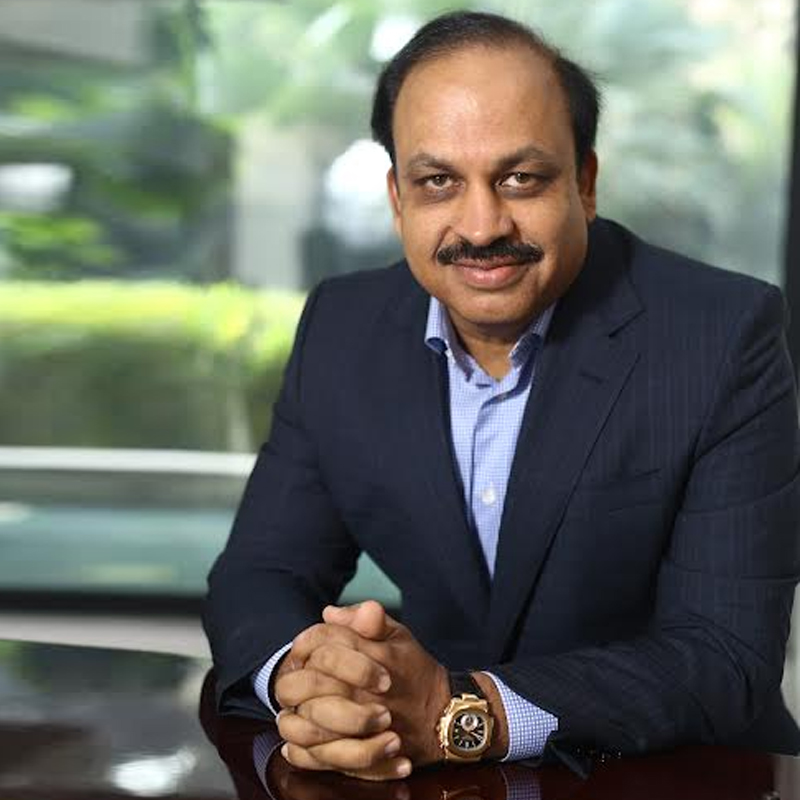
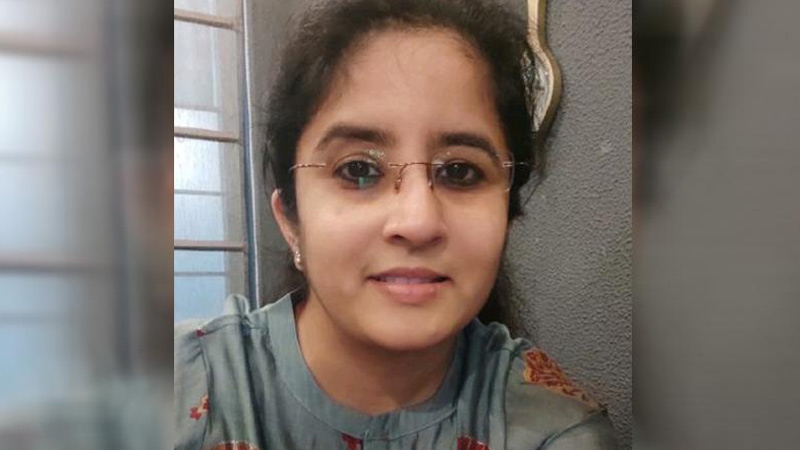
    MUMBAI: Shruti Bhargava has officially commenced her new role as the national head of branded content and associations at Republic Media Network. In her announcement on LinkedIn, she expressed her gratitude, stating, “Thank you Hersh Bhandari for your unwavering support and for the opportunities to help me grow in the professional journey.”

    With over 15 years of extensive experience in the media industry, Shruti Bhargava’s career reflects remarkable growth and versatility.

    She has held significant leadership roles, including general manager – north at Republic World since January 2024, overseeing operations and advertising revenue across platforms. Prior to this, she served as regional head – north & east India at Goldmines Telefilms, managing advertising revenue for diverse television channels. Between April and December 2022, she was general manager at Republic World, spearheading branded content initiatives and campaigns.

    Earlier, as deputy general manager at Republic Media Network Sales, she led the North India business for Republic TV from June 2021 to March 2022.

    Bhargava’s career also includes senior manager positions at TV Today and HT Media Ltd, where she managed advertising sales and marketing strategies across radio, television, digital, and print media, cementing her reputation as a well-rounded leader in the industry.

    Bhargava’s academic background includes a Bachelor of Technology in computer science from the Indian Institute of Technology, Kanpur, and a master’s degree from the University of Illinois at Urbana-Champaign. Additionally, she has participated in significant initiatives such as the International Antarctic Expedition as a Climate Force Ambassador.

    As Bhargava steps into this new chapter at Republic Media Network, her vision is set on strengthening brand partnerships and creating impactful content that resonates with audiences across the nation.

  • Advertisers demand good news on TV

    Advertisers demand good news on TV

    Mumbai: 2020 was a tough year for industries across the board, including media and entertainment.

    Most observers believed that television news would be immune to the killing nature of the novel corona virus. After all anxious TV news viewers were following minute-by-minute updates about Covid2019’s life threatening rampage and the scores of carcases that were piling up in hospital mortuaries or cemeteries and the by banks of the Ganges – in the virus’ wake. However, this quest for covid2019 updates died soon thereafter as depressed and disturbed TV watchers wanted some better tidings. But that was not to be: controversy after controversy made the top news on daily bulletins 24×7. Net result: viewership of news TV went down south, as did advertising.

    Freedom of expression is a cherished and valued fundamental right. Yet, certain news media outlets have often wielded it to cast aspersions, and run media trials and ended up portraying the accused as guilty, thus irking TV viewers even more. Then there are the high-decibel studio debates, which often end up with no conclusion except for some attention-grabbing visuals.

    Many a commentator, politician, socialite and influencer bemoan the dumbing down and degradation of TV news. As do a section of viewers.  Listen to what eye comfort and eyewear ecomm fim Lenskart, media head, Anupam Tripathi. has to say.

     “Negative programming on news channels is bound to affect a certain set of audience that is niche or more mature to an extent.”

    Berger Paints India, general manager – marketing, Sudhir Nair agrees that that the overly dramatised content catalysed viewers to  cut down on TV news during the pandemic, and it was the lack of new content that actually made them switch to digital and social media outlets for the latest. 

    So what is the way out? One way out is to present developments in a positive way, talk about the good that is going on in society and government, focus on how life is getting better, not worse, points out Tripathi.

    “Unlike the DD days when everyone in the family was glued to a television set for any form of content, the younger lot now has the option to switch to another screen. So if the news channels do not take up the challenge of making their programming more positive and interesting, they might lose this audience. It is important to remember that today the competition is not with other genres, it’s with every other device that is selling news,” adds Tripathi.
     
    Nair goes as far as to say that it’s about time that the TV news sector reinvents its programming and the way it approaches news stories. “it would be great if we could see more positive and inspiring stories,” he adds.

    According to most marketers, a news channel must also bear in mind that it too is a brand which has to take care of its goodwill and credibility and provide a safe environment for TV commercials.  In the past there have been examples where advertisers have either individually or collectively announced that they would refrain from advertising on channels that got into unnecessary controversies. Hence the importance of responsible programming.

    Hence, says a marketer, that it’s interesting that some news networks have announced that the new offerings from their stable will present news through a positive lens, not just a critical, doubting one.  Droom CMO Mohit Ahuja welcomes this trend, adding that “news media is among the top three advertising mediums because of its high reach and affinity among our target group.”

    That should be good news for those who are coming up with channels offering good news.

  • Premium MTB & kids’ bikes drove higher profitability during pandemic: Hero Cycles’ Pankaj Munjal

    Premium MTB & kids’ bikes drove higher profitability during pandemic: Hero Cycles’ Pankaj Munjal

    “The world is a lot faster now, but still, it’s the steady consistent approach that wins”, Pankaj Munjal wrote on a microblogging site in August last year, alluding to the age-old fable of the rabbit and tortoise.Words of wisdom that hold true today more than ever, when the world has been brought to a virtual grinding halt by the novel coronavirus.

    While the COVID-19 outbreak has hurt many sectors, the two-wheeler sector has largely been insulated, and even witnessed growth. The pandemic has firmly put the spotlight on a corona-safe, sustainable and environment-friendly mode of transit- good for good health. And what epitomises it better than the humble bicycle!

    Hero Cycles Ltd, the flagship company of Hero Motors Company, was established in 1956 in Ludhiana Punjab, manufacturing bicycle components. HMC, chairman and managing director, Pankaj M Munjal had joined the company in 1988. In 2015, he took over the reins of the company from his father and founder of Hero Cycles, Om Prakash Munjal. Today, the brand is considered the single largest producer of bicycles in the world, producing over 19,000 cycles per day.

    A cycling enthusiast himself, Munjal likes to stay ahead of the curve. Being one of the earliest makers of cycles in India hasn’t deterred the brand from evolving with the times. Hero recently dived into the eco-friendly, electric cycles market, with the launch of its Hero Lectro range of e-bikes. With the rocketing fuel prices, e-cycles could well be a pocket-friendly, safe and sustainable transit solution for the young consumer, while also being a turning point in the country’s cycling culture.   

    IndianTelevision’s Anupama Sajeet caught up with the two-wheelers veteran – Hero Motors Company, chairman and managing director, Pankaj M Munjal for an in-depth conversation on the Indian cycle market, the impact of the pandemic, its latest offering of  e-cycles and the plans to reach out to people through digital campaigns. Munjal also shares his views on the emerging trends, opportunities and challenges in the sector and on the road ahead for the cycle company

    Edited excerpts:

    On the challenges to the cycle industry due to the pandemic

    Initially, there was a constraint in supply and logistics due to the lockdown & other macro factors that led to a restriction on imports. Towards the end of last year, local disruptions prevented the movement of freight trains, causing further supply shortages. However, the government policies helped us to keep going. The challenges for the cycling industry are the same as they were before lockdown — the issues related to the safety and infrastructure of cyclists. We believe that simple measures like a dedicated lane for cycles and e-bikes can encourage more people to adopt cycling.

    On the opportunities presented by the pandemic

    The cycle industry posted a quick recovery after the lockdown. In the past one-and-a-half years, Hero Cycles has witnessed a 100 per cent increase in demand. Our traditional bicycles witnessed a 50 per cent increase in demand while the demand for electric cycles went up by 100 per cent, especially among the young people in urban India where cycling emerged as a viable alternative for health, fitness, and recreation when gyms and studios were closed. It presented a major opportunity to motivate the mobile urban youth about the suitability of cycles and e-bikes. The benefit of switching to a more eco-friendly mode of transport was evident by the impact of lockdown on air pollution and improvement in air quality across India.  

    On the brand’s market share & growth over the last year

    The Indian bicycle market, combining the organised and the unorganised markets, is estimated to produce and sell about 18 million to 20 million units. Hero Cycles has nearly 42 per cent of the share in the organised market. We have seen a spurt in the number of first time cycle users in the past 1.5 years and an improved product mix comprising premium and kids’ bikes with a market share of over 50 per cent now- have driven higher profitability.

    On the new emerging trends in the Indian cycle market

    Demand for premium kids bicycles, nearly 40 per cent of the demand, grew during the pandemic, driven by fitness and leisure needs. The pandemic has increased the number of people focusing on general health and immunity-building through exercise, while children have opted for cycling as a means of recreation. As a result, we have seen a 100 per cent increase in the demand in the premium MTB (mountain bike), and kids segments. The demand in the export segment grew by more than double.

    On the seasonal outlook

    With the second wave ebbing, we are seeing markets opening and therefore there is a palpable increase in demand. Demand for cycles does not have any relation with the seasonal variations like monsoons; rather it is the time when leisure activities like people going for trails or weekend rides generally increase, and therefore may drive fresh demand.

    On the e-cycles market in India and potential for growth

    Hero Lectro e-cycle has an estimated 70 – 80 per cent market share in India. Our wide portfolio of e-cycles ensures that we are catering to all those who may benefit from e-cycles — right from someone who needs it for daily commute to somebody wanting to have fun and adventure on long-distance journeys. We have introduced many innovations over the last few years such as the connected bikes with an iSmart app, detachable battery, USB charger and many more.

    India has immense potential to adopt e-bikes, provided the challenges that impede its growth are taken care of. Lack of adequate charging infrastructure is a problem, though Hero Lectro E-Cycles do not need any dedicated charging infrastructure; one can charge the e-cycle from any regular socket. And that readies the vehicle within a few hours for a 25km plus journey on a single charge. Additionally, Hero Lectro is creating dedicated retail and service channels for E-Cycles with our first-ever Experience and Service centre having been launched recently in Chennai. It is important for our potential customers to be aware of its benefits and make a conscious choice towards e-cycles.

    On the way ahead and plans for global expansion

    Hero Cycles is looking to add a manufacturing capacity of two million SKD (Semi Knocked Down) bikes per annum immediately, with the International e-Cycle Valley project in Punjab, built at an investment of nearly Rs. 200 crore. The state-of-the-art Hero Industrial Park is a significant milestone in HMC’s journey to becoming a global leader and a critical link between the company’s global engineering and manufacturing chain. While 50 acres of the Valley houses the factory, another 50 acres will have a dedicated Suppliers Park. Hero E Cycle Valley has been envisaged as the manufacturing hub to meet the rising demand for exports, currently done to Germany and the UK. Our plan is to have a large market in Europe and integrate it fully with our manufacturing facilities in India.

    On the brand’s 2021 marketing roadmap

    In the coming months, focusing on both urban and semi-urban areas, Hero Cycles will roll out digital & and on-the-ground activities to continue generating awareness about the products, especially the premium, off-road MTB bikes and kids cycles, as well as their benefits among the youth, in view of the increased focus on fitness and health due to pandemic.

  • Network18 posts net profit of Rs 121 cr in Q1′ 21

    Network18 posts net profit of Rs 121 cr in Q1′ 21

    New Delhi: Network18 Media & Investments Ltd reported a consolidated net profit of Rs 121.51 crore for the first quarter ended June 2021. The company had posted a net loss of Rs 60.60 crore for the April-June period of the previous fiscal.

    Consolidated revenue from operations rose 50.47 per cent to Rs 1,214.43 crore, as against Rs 807.07 crore in the corresponding quarter a year ago. The operating margin stood at 15.5 per cent, highest-ever in the first quarter, despite the impact of the second wave. News margin at 15 per cent, revenue up 17 per cent YoY, while digital News maintained its break-even; revenue rose 89 per cent YoY (up 44 per cent vs Q1FY20).

    Total expenses were at Rs 1,080.79 crore, up 23.99 per cent from Rs 871.65 crore earlier.

    TV News advertising remained resilient despite the second wave, led by a rise in news consumption and digital events replacing physical ones. News genre viewership jumped 28 per cent quarter-to-quarter led by the second wave and multiple state and elections. “The TV News ad-revenue remained in growth territory vs Q1FY20, adjusted for election-linked advertising, Digital News was minimally impacted by the second wave. Growing salience of the medium for advertisers as well as consumers (especially during COVID peaks) supported revenue,” said the company.

    Network18 Chairman Adil Zainulbhai said, “The second wave of COVID-19 could have been the dominant theme for the industry and indeed for us during the quarter…. but it wasn’t. We have been able to continue our businesses relentlessly and profitably. While advertising hit a speedbreaker (primarily in entertainment), growing engagement on our platforms across TV and Digital make us confident of delivering for all our stakeholders even amidst a choppy environment. We continue to invest to ramp up offerings on our class-leading digital platforms, as their reach expands to highest ever levels. At the same time, we are selectively creating segmented offerings to enhance our TV portfolio in a capital-efficient manner.”

  • GUEST COLUMN: Deciphering social media Humanology during pandemic

    GUEST COLUMN: Deciphering social media Humanology during pandemic

    New Delhi: Before 2020, if any individual ever put a requirement about a hospital or medicines on their social media timeline, the only people to respond to those posts would be their friends and professional relations. It was highly unlikely if an unknown (or unconnected) individual jumped in to respond or help.

    However, the second wave of Covid-19 broke this myth. When someone posted an SOS message, the entire community, irrespective of whether they were connected or not, jumped in to help them. Within minutes, the seeker had the list of hospitals to dial in, vendors for an oxygen cylinder, masks, sanitisers, vials, doctors, and home remedies.

    As the days went by, the number of these SOS turned into thousands flooding the timelines. There was a barrage of WhatsApp messages, Twitter posts, Insta Stories, Posts, and others sharing the names & contacts of the verified vendors/places of these above-mentioned amenities created by people who are not content creators.

    The content creators and influencers played their roles. Technology enthusiasts created live blogs, tools that maintained the real-time verified status of the hospitals, doctors, and other necessities on the social media accounts for free of cost. Once an SOS query was answered there was a heart-warming response. The scenario reflected the age-old proverb – ‘Neki Kar, Dariya Mein dal’ (Be Discreet with your Kindness).

    And it was not just a common man who used this medium, several hospitals and institutions used the social platforms to update their daily/hourly status and raise SOS to the government.

    So, what changed in 2021? Why did people become so proactive on social media to help each other? What did they get out of this? Before we dig deep into this psychographic analysis of this question, let us understand the behaviour of most people on social media, especially who they engage with & how they do it.

    Social media has always been like a digital mohalla (neighbourhood) where one lives with fast friends, daily acquaintances, casual acquaintances, professional acquaintances, and dormant relations. On most occasions, our deepest engagements are with either fast friends or professional connections. However, with everyone else, this relationship of engagement is very casual.

    Stronger Together!

    People realised that they were probably facing the worst ever humanitarian crisis and the only chance to survive this was through fighting it together. Now they could not go outside physically to help them, so the only option was to help digitally. This meant they could order medicines, find doctors, connect with hospitals, ambulances, and others.

    Online Connection to on-ground Solution!

    Once helping each other became a duty for responsible netizens, they started realising the power of social media and connections. They moved a step beyond just sharing the jokes and news and saw that they were part of the real action where lives mattered. Their small contribution can help someone. A simple idea that even if an existing connection could save one single life, it would be worth it.

    CONTENTment

    It gave them a lot of peace and satisfaction as they were able to help each other. Sharing is caring! They had a platform to express happiness or displeasure about the situation where they will not be judged. This feature has always been there and people used it excessively during the pandemic. The affected shared their challenges & remedies; the ones who suffered losses shared their thoughts & displeasure about the situation and the ones who were safe were able to take learnings from the affected ones.

    Together We Win!

    Together these voices collaborated and were able to gather domestic and global attention. They believed that they were a part of a movement where people will read/hear/see their plight and chip in to help. And finally, people were able to seek genuine responses that mattered. They were turning out to be influencers aka god’s light for many others. This user-generated response mechanism created a strong trust in their mind for the platform and engaged them even further to the mediums.

    A big reason for this massive shift in behaviour was the need of people at large, especially when India’s entire healthcare system was under immense pressure.

    However, there was also a flip side to it. It led to a lot of misinformation also wherein information about several untested medications was also making rounds on social media which could easily lead to reputation damage for a long time.

    As a digital marketer, I believe in the semantics of social media platforms and connections. This shift is going to stay, social media as a social support platform is a colossal example of changing human behaviour & technology.

    (Jankana Kaul is CEO, Natter. The views expressed in the column are personal and Indiantelevision.com may not subscribe to them.)


  • TV advertising shows record growth in Jan-Mar 2021: BARC

    TV advertising shows record growth in Jan-Mar 2021: BARC

    NEW DELHI: The overall growth in television ad volumes during the first two months of the year has further consolidated in March, said Broadcast Audience Research Council (BARC) on Friday.

    According to the television monitoring agency, 456 million seconds of ad volumes was recorded during the January to March period, the highest since 2018.

    The latest data offers a glimmer of hope to the television industry which has been struggling to get back on its feet amid the second wave of Covid2019.

    The growth in ad volume was observed across all genres. While the news genre recorded a growth of 25 per cent, the surge in the GEC space was 21 per cent. The movies genre saw an uptick of 23 per cent.

    According to BARC, growth of ad Volumes on TV observed in Jan-Mar 2021 was broad-based, with advertisers across the spectrum accounting for the higher levels. The top 10 advertisers, as well as the next 40, registered healthy growth at 37 per cent and 31 per cent respectively.

    E-commerce sector continued to show a healthy growth of 13 per cent in January to March 2021 compared with the same period in 2020.  

    The digital-native brands under education (3X growth), pharma/health care (7X growth) and BFSI (55 per cent growth) categories also continued to propel growth of the ECOM sector in Jan to March 2021 compared to 2020. The top 20 advertisers drove more than 50 per cent of ad Volumes during this period, showed the data.

    Festivals and special events like Sankranti and Republic Day in January garnered the highest ever ad volumes in 2021 since 2018, reported BARC.

    With a promising start to the year, the expectations for higher ad spends have definitely gone up for the coming months.

  • Madison Media wins 23 new businesses in FY 2020-21

    Madison Media wins 23 new businesses in FY 2020-21

    Mumbai: Madison Media has created a record by winning 23 new accounts in a financial year, the agency said in a press statement. Amidst the nationwide lockdown and work-from-home, the new business wins amounted to a billing of $211 million as per Convergence New Business Report published in March 2021.

    The agency bagged the accounts of various firms, including Abbott Nutrition, RSPL Group, RSH Global – Joy Cosmetics, Welspun, Indira IVF, Licious, Weikfield, M3M India, Liebherr, Educational Testing Service (ETS), Aliens Group, Wonder Masala, Vijay Bhoomi, Practo, Gold Drop Oil, NextGen Software, McDonald’s integrated performance, Dhani Loans, Atomberg, Alchem Industries, Sunpure Oil, PAPA Brands, amongst others.

    Madison Media OOH partner & group CEO Vikram Sakhuja said, “When the going gets tough, the tough get going. As the pandemic impacted advertising spends profoundly we saw an opportunity to establish the link between media and marketing outcomes and doubled down on our pitch efforts. The result – 23 wins! I am overwhelmed by the teamwork, spirit, and smarts of our Madison family.”

    The home-grown agency also received a top score of A+ in the Comp Pitches Report for 2020 by Recma.

    Meanwhile, it also continues to handle media planning and buying for blue chip clients like Godrej, Marico, Asian Paints, Titan, Tata Consumer Products, Blue Star, TVS, Raymond, Viacom 18, Ceat, Pidilite, Bajaj Electricals, McDonald’s, Lodha, gaana.com, and many others.

    Madison Media is part of Madison World, India’s largest homegrown communication agency established in 1988. Madison World through its 11 units served last year, as many as 500 Advertisers.

  • Pay-TV revenue to grow at 7 per cent CAGR over 2020-25: MPA report

    Pay-TV revenue to grow at 7 per cent CAGR over 2020-25: MPA report

    New Delhi: India is among a handful of countries where there is great scope for further penetration of television. Since the turn of the millennium, pay-TV connections have more than doubled in Indian households, though data in the public domain indicates there still remain an additional 100 million homes to penetrate.

    Now, a new report published by Media Partners Asia (MPA) forecasts India’s pay-TV industry will grow at roughly seven per cent CAGR between 2020-25. The growth will be accompanied by a significant uptick in the total industry revenues, including subscription and advertising which will reach $12.3 billion by 2025, said the industry analysts.

    The report, entitled India Pay-TV Distribution 2021 released on Monday, predicts that more than 96 per cent of India’s pay-TV homes will be digitalised by 2025.  The total pay-TV subscribers will further expand from 127 million in 2020 to 134 million during the period.

    Distribution dynamics

    The MPA has pegged India’s active DTH homes to grow from 58 million in 2020 to more than 68 million in 2025. Meanwhile, cable’s share of pay-TV subscribers will decline from 54 per cent in 2020 to 46 per cent by 2025; IPTV will pick up a small share after rolling out later in 2021.

    MPA India vice president Mihir Shah said, “Robust backend systems, the ability to offer consumers flexibility in choosing channel packages under NTO and the exit of leading private channels from DD Free Dish helped the DTH pay-TV sector grow even after the new TRAI tariff regulations came into effect.”

    Going forward, DTH will be the key driver of growth fulfilling the needs of the majority of new TV households entering into the pay-TV ecosystem. “Premium cable subscribers in urban centers remain vulnerable to churn as uptake of quality fiber-based broadband services including IPTV grows in affluent pockets of urban India,” he added.

    Monetisation, investment and the outlook for broadcasters

    The total pay-TV industry revenue, including subscription and advertising, had declined 10 per cent year-on-year in 2020 to $8.9 billion as the economic downturn post-Covid eroded advertising. The projections show that the recommencing of fresh content and live sports together with improvements in consumer and economic sentiment will lead to a sharp recovery in 2021. Pay-TV advertising will grow at 12 per cent CAGR over 2020-25 after a 25 per cent contraction last year.

    During 2020, pay-TV broadcasters generated $4.4 billion in total revenue (62 per cent from advertising and 38 per cent from subscription), down 17 per cent year-on-year. A sharp recovery is expected over the next two fiscals with the channel business and advertising primarily driving this expansion.

    According to Shah, TRAI’s heavy spate of regulations in recent years depressed investment in pay-TV content, which could have a detrimental impact on the quality of content available for the mass market.

    “We expect that more consolidation will play out in the broadcasting industry as recent tariff amendments force incumbent broadcast networks to recalibrate existing channel portfolios. The economics of less popular channels and several niche channels are no longer viable. A new and less draconian regulatory framework will help revitalise content creation in the pay-TV industry while also helping to bolster pricing power for pay-TV platforms,” he stated.

  • #Throwback2020: Cable operators start adapting to stay relevant

    #Throwback2020: Cable operators start adapting to stay relevant

    KOLKATA: Charles Darwin coined the phrase ‘survival of the fittest’ while studying the phenomenon of natural selection in the evolution of life. This concept applies to the inanimate world, too – as exhibited by the Indian cable industry. With changing consumption patterns, advancements in technologies, there are few consistently profit-making cable TV service providers left in the market.

    Then came Covid2019, affecting the supply chain and normal operations. More people turned to online platforms for entertainment, further imperiling the industry. In order to survive, it became vital to adapt – and many large and mid-level cable operators did just that, by innovating business models for sustainability.

    As the countrywide lockdown was implemented, cable TV operators encountered multiple roadblocks. For instance, a part of the workforce in big cities, and students who went back to their hometowns or native villages did not renew their subscriptions. The closure of commercial establishments like hotels and offices also impacted the subscriber base along with financial stress among lower income groups. Due to lack of fresh content on major entertainment channels, live sports content, a number of subscribers downgraded their subscription packs. All of these factors caused a difficult first half of FY21 for consumers.

    The sales of new set top boxes dropped for 75 per cent of cable TV operators during Covid2019, while nearly 84 per cent operators reported a drop in collection, a survey study by INTIN said. And it’s not just for a brief period – 77 per cent multiple system operators (MSOs) expected a decline in revenue in FY21 and some of them even estimated the drop to be greater than 25 per cent.

    Along with subscriber loss, local cable operators faced the issue of payment collection due to restrictions during the stringent lockdown. While it initially led to a drop in revenue, it compelled most MSOs as well as LCOs to adopt digital payment practices. Major MSOs like GTPL Hathway, Siti Networks, IMCL acknowledged that more consumers and local cable operators embraced digital payment options post-Covid2019. However, some of the LCOs who are working on ground also cautioned that the number of consumers paying digitally is still not substantial, albeit the noticeable improvement during lockdown.

    The pandemic has further solidified the need to adopt hybrid boxes among MSOs. Hathway Digital, Den Networks, Siti Networks, IMCL, GTPL Hathway have already launched or are working on rolling out hybrid boxes. Although the roll out has been delayed due to the Covid crisis for some companies, they have set the target of finishing the task within this fiscal itself.

    In addition to providing OTT platforms like Netflix, Amazon, Hotstar on their boxes, foraying into the OTT space could be a big gamechanger for the industry, Intin recommended. Large MSOs often have upwards of 80 local cable channels, which can be readily primed to their own OTT platforms. Currently, only 24 per cent of cable TV players have their own OTT platforms offering pure-play cable content.

    Moreover, the operators who will be able to skinny bundles with an internet connection will thrive in this changing ecosystem. As more people worked from home, attended e-classes, consumed more online content, the demand for high-speed wired broadband has gone up rapidly. The wired broadband sector has continued to grow throughout the year, standing at 21.51 million subscribers as of October. The cable operators have gained from this growth substantially, as all listed MSOs have reported an increase in broadband subscribers.

    But while it is easier for larger players to invest in new technologies, it could be a challenge for the minnows to survive. According to a report from Omid, the number of local cable operators has gone down by 30 per cent between 2015 and 2020. Number of local cable operators is predicted to fall to around 20,000 by 2025, down from about 40,000 in 2019. It also mentioned that consolidation between larger pay TV players like Airtel TV, Dish and TataSky is also possible following the merger of Dish TV with D2H and the acquisition of cable operators Hathway and DEN by Reliance Jio.

    Like other sectors in the media and entertainment industry, cable operators also witnessed some significant changes in regulations. As part of the government’s move to decriminalise smaller offences, the ministry of information and broadcasting (MIB) proposed to remove jail terms for violating Cable TV Networks Regulation Act. Punishments for offences committed under the act would be limited to seizing the equipment of the operator, cancellation of the license, a ban of up to 30 days on the broadcasting of the channel, forcible running of apology scrolls and so on.

    The operators started off 2020 with the amended new tariff order (NTO 2.0) wherein they had to adjust network capacity fee and multi-TV connection charge. In the middle of the Covid crisis, TRAI recommended that all STBs provided to customers must support interoperability and urged the MIB to make it mandatory by introducing the requisite provisions. The viability of the move was questioned and stakeholders warned that it would be a very high-cost operation.

    On the bright side, MIB permitted infrastructure sharing between HITS operators and MSOs, meeting the long-pending demand of the TV distribution sector. The amended guidelines also allow sharing of transport stream transmitted by HITS platforms, between HITS operators and MSOs. As many MSOs across the country are facing a cash crunch, the infrastructure sharing could help them reduce operating expenses.

  • 2020: An eventful year for DTH

    2020: An eventful year for DTH

    KOLKATA: Over the past year all the direct-to-home (DTH) operators in India have embraced the change in the ecosystem. The industry has started reinventing its offerings in a big way to combat the threat posed by OTT players. Throughout 2020, leading DTH operators struck partnerships with OTTs big and small, expanded value-added service portfolio, rolled out several offers to keep consumers hooked.

    The sector currently has 70.58 million subscribers as of 30 June 2020, according to the latest data shared by the Telecom Regulatory Authority of India (TRAI). While the industry lost two million subscribers in 2019, it has added around six lakh subscribers in the first half of the year. In addition to that, a Crisil report has projected four-six per cent revenue growth for FY21 reaching Rs 22,000 crore.

    After the first quarter, the progress of the industry has been murkier. Although traditional TV consumption surged due to Covid2019, with some benefit for distribution platforms, lack of fresh content, migration post-lockdown, closure of commercial establishments led to churn later. Many consumers also degraded their subscription packages due to the absence of new episodes of daily soaps and live sports.  

    “DTH subscribers surged initially in lockdown but over time consumers started optimising channel subscriptions due to limited fresh content. Subscribers expected to increase by six to seven per cent as fresh content has returned to TV and cable TV subscribers move to DTH,” a CII-BCG report said. According to industry estimates, the operators’ consumer acquisition started coming back to normal since late July.

    Expanding content portfolio to retain, acquire subscribers:

    As a response to the unprecedented crisis, the DTH companies not only took steps like incentive bundles, new free platform services, but kept innovating. Hybrid set top boxes turned out to the buzzword for DTH sector this year as all the players have upped their efforts in this segment. Then the pandemic gave a pronounced nudge to the demand for hybrid boxes. Market leader Tata Sky aggressively promoted its new box Tata Sky Binge+ throughout the year. The company has even brought down the price to Rs 2,999 from Rs 5,999 – at a time when fixed broadband and smart TV segment are seeing rapid growth in India.

    Its rival Airtel has also been pushing cross-platform content strategy since the launch of Airtel Xstream in late 2019. The surge in video consumption has boosted its uptake massively, leading to 50 per cent viewership increase in the early part of lockdown. On the other hand, Dish TV is going big not only on Android box connected devices Dish SMRT Hub and d2h Stream, but also its OTT platform Watcho for Dish TV and d2h users. Watcho crossed five million subscribers during the lockdown. However, the player causing major disruption is Reliance’s Jio TV+ for JioFiber set-top box users. Along with aggregating content from 12 leading OTT players, it offers a single sign-in support.

    Hybrid set-top boxes were introduced a few years ago but did not get much traction. With consumption going up both on linear TV and OTT, the demand for these devices has been on the upswing. But the demand is till now limited to the top 15 cities, the top tier of the market.

    In 2020, DTH operators focused on further bolstering their value added services. One of the major areas has been educational content, perhaps in reaction to classes being conducted online in India. Apart from that, fitness services and cinematic experiences were also expanded by these players, especially Dish TV and Tata Sky.

    Manufacturing moves to India:

    To streamline set top box manufacturing and delivery, DTH players have decided to shift a significant portion to the country. Tata Sky partnered with Technicolor to develop STBs for the Indian market that will be manufactured and distributed locally. Dish TV, too, intends to shift its production to India by the first quarter of 2021. Additionally, it plans to start manufacturing major components of the STB as well as its accessories in India. Both players claimed that it would push the government’s Make in India vision. For long, local STB manufacturers have complained that Chinese companies have taken away their business. The move has shone a ray of optimism for them.

    Regulations impacting the sector:

    As the industry woke up to the amended new tariff order (NTO 2.0) at the beginning of 2020, the DTH players had to adjust network capacity fee, multi-TV connection charges. During the Covid2019 crisis, TRAI recommended that all DTH and cable STBs provided to customers must support interoperability and urged the ministry of information and broadcasting (MIB) to make it mandatory by introducing the requisite provisions. In response to TRAI’s consultation paper, industry leaders such as TataSky, Dish and Reliance Jio opposed it. The viability of the move was questioned and stakeholders warned that it would be a very high-cost operation.

    The cloud over license fee lifts:

    But the year has ended on a positive note, with the MIB issuing a much-awaited clarification on the matter of licence fee. DTH license will be issued for 20 years and license fee will be collected quarterly. Further, the period of license may be renewed by 10 years at a time. The annual fee has been revised from 10 per cent of GR to eight per cent of AGR. Sharing of infrastructure between DTH operators and 100 per cent FDI have also been approved by the cabinet, among other amendments. 

    The industry believes clarity over license fee will bring certainty in terms of planning and investment. In a very recent communication, the MIB has stated that the existing licensees are required to clear pending dues before applying afresh for a license to provide DTH services,.

    DD Free Dish’s revival:

    Prasar Barati-run free-to-air DTH platform DD Free Dish also had its moments this past year. All the four major broadcasters that had pulled out of DD Free Dish in 2019 after the new tariff order was implemented returned to the platform in 2020. Star Utsav, Sony Pal, Zee Anmol, Colors Rishtey and Zee Anmol Cinema had successfully bid on the 45th e-auction for placement. Many new channels have come on board, including three movie channels in the recent auction.