Tag: Shripad Kulkarni

  • Mathemedia: Shripad Kulkarni launches podcast for media’s next era

    Mathemedia: Shripad Kulkarni launches podcast for media’s next era

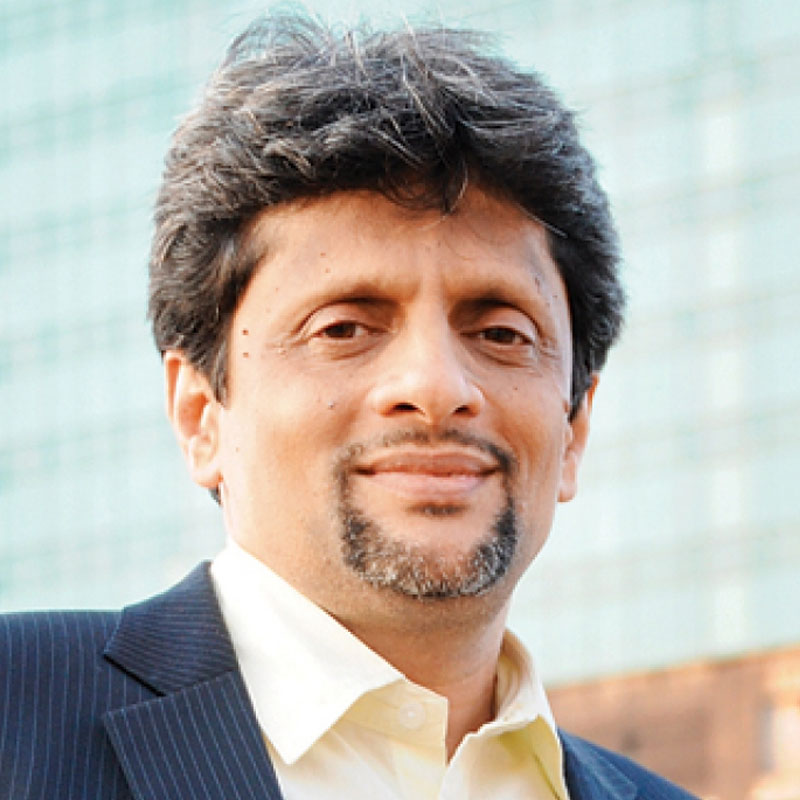
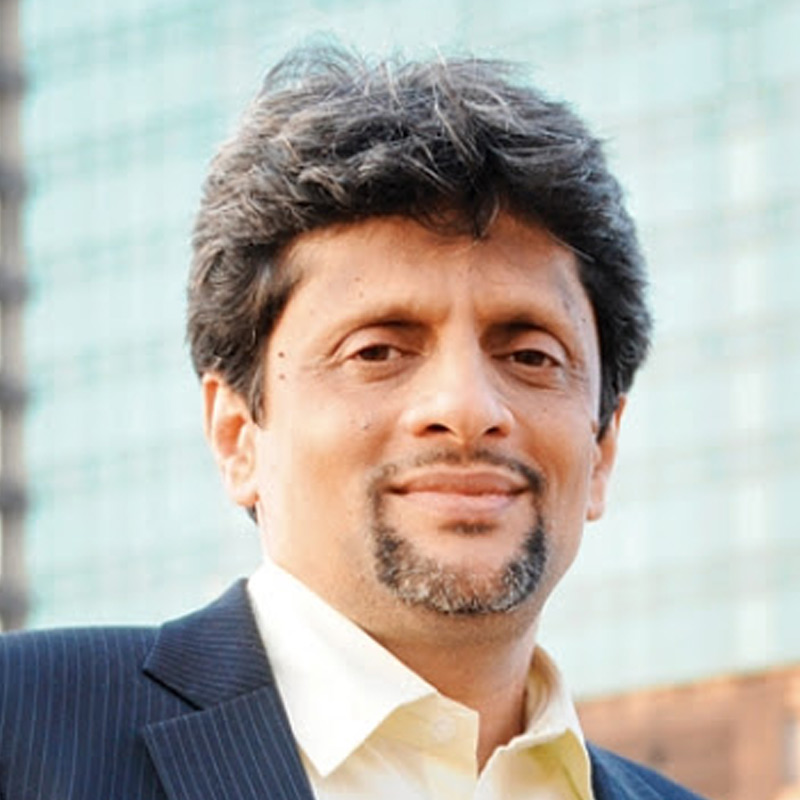
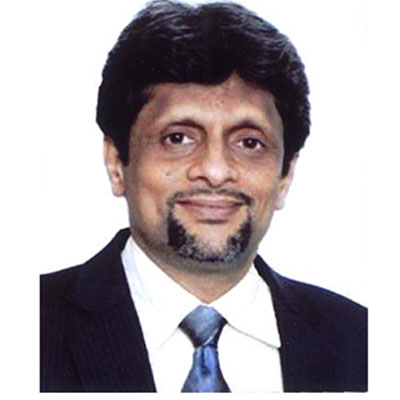
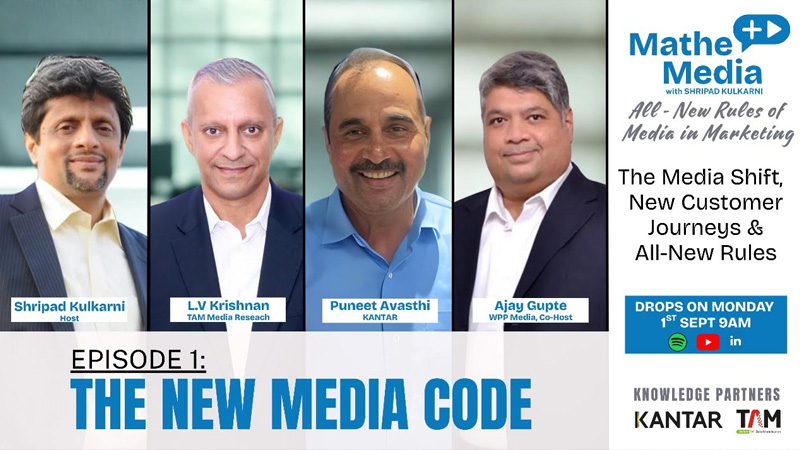
    MUMBAI:  Shripad Kulkarni, veteran media maven and former ceo of Vizeum, is launching MatheMedia, a first-of-its-kind podcast that promises to crack the code of India’s fast-changing media landscape.

    Streaming from 1 September 2025, the long-format series blends a CMO briefing with a masterclass, featuring over 25 industry heavyweights from advertising, tech, publishing, and brand leadership. The opening episode, aptly titled ‘The New Media Code’, will bring together voices such as L.V. Krishnan (TAM Media Research), Puneet Avasthi (Kantar), and Ajay Gupte (WPP Media) to decode the seismic shifts shaking the industry.

    “We live in a world of channel chaos, with more platforms and fragmented audiences than ever before,” said MatheMedia, founder, Shripad Kulkarni. “Gone are the days when we could think & work linear & measure with a linear mindset. Today’s marketer faces multiple challenges. With more category entry points, brand assets & personalised messaging needs, brand strategy is being redefined. Brand custodians face growing pressure from a crowded network of channels and partners. It’s time for new rules in strategy, media, measurement, and collaborations.”

    The podcast’s 12-episode debut season will tackle hot-button issues: the rise of AI in advertising, quick commerce, evolving consumer journeys, and the urgent need for unified, privacy-compliant measurement systems. Expect candid debates, sharp insights, and a dash of storytelling to simplify complex industry jargons.

    Guests lined up include Schbang’s Akshay Gurnani, Google India’s Priya Choudhary, Dentsu Creative Isobar’s Sahil Shah, and India Today’s Vivek Malhotra, to name just a few. Think of it as a roundtable where India’s top media minds redraw the playbook for marketers navigating chaos.

    Kulkarni, who has advised marquee brands from Fevicol and BMW to Airbnb and Yes Bank, brings his three-decade expertise and signature wit to the mic. His goal is to help professionals not just adapt to disruption, but shape it.

    Episodes will drop every Monday across Spotify, YouTube, LinkedIn and Instagram. So, whether you’re a CMO, a curious marketer, or just wondering why your ads keep following you around the internet, MatheMedia might just be the formula you need.


  • It is time for Good News Today

    It is time for Good News Today

    Mumbai: Over the last year, people across the world have faced unprecedented challenges caused by the pandemic. All through this, television served as a window into the world, providing news of everyday events happening across the globe. The coverage across news channels documented the unsurmountable toll that the pandemic took on every aspect of our lives.

    Amid the gloom, there were stories of human sacrifice, hardships, and challenges that inspired people to step up and help others. Stories of Good Samaritans who delivered food to patients kept under isolation and mobilised oxygen supply to those who needed it the most. There were human-interest stories of dhabas that had been deserted during the pandemic and bounced back with the support of their ardent patrons.

    For the longest time, coverage of politics has taken precedence over other subjects for news channels. At a time, when the country is limping back to some sort of normalcy, perhaps it is these stories, that need to be told more than ever.

    “The trend in news media worldwide is to have a strong point of view and take a ‘stance’ in the country’s social-political scenario. That’s a classic way to get more eyeballs from the constituency the stance represents,” said renowned ad sales trainer and Marcom advisor to challenge brands, Shripad Kulkarni.

    There has always been a debate between giving what the audience wants over what you think they need. However, the chase for higher TRPs has led news channels into a rush for ‘breaking news’ and ‘sensationalist headlines’. Experts concur that over a long term, the content of news channels is largely responsible for attracting/ repelling audiences.

    The focus on negative stories also tends to create a bias towards a certain kind of worldview. Swedish statistician Hans Rosling demonstrated through tests that people believe the world is poorer, unhealthier, more dangerous than it actually is. He attributes this bias not to random chance but to a one-sided view of the world that is depicted in the media.

    “In-depth coverage and over the top coverage are not the same thing. There is a point by which too much becomes way too much. Honestly, I think Dilip Kumar (referring to his death) deserved more bandwidth than Raj Kundra – the young people need to know more about his story, from many different angles,” opined Social Access Communications’ founder Lynn De Souza.

    While the news genre continues to play the role of incremental reach builder/ frequency driver as per the structure of different markets, experts highlight that the recent changes in the news ecosystem have somehow diluted its attractiveness. Also, it is this nature of engagement with the news channels that the advertisers are also re-evaluating. 

    “Undeniably, content associations deliver the maximum value for advertisers but, the uncertain nature of content has made advertisers wary of associating with news as sponsors or as on-screen associates,” said Wavemaker India, chief strategy officer, Premjeet Sodhi, emphasising the need for more “regionalisation and localisation” in news coverage, as well as a need to appreciate the changes in mindsets of the small town/ rural consumers with their increased access to media.”

    In the era of the “attention economy,” each channel has created its own unique way of bringing news to the consumers and that may impact the viewers’ choice of channels. Maybe, it’s time, they explore good news as that differentiating factor to connect with their audiences.

    This also explains why the latest launch of channels like Good News from The India Today group offers a chance for the TV news genre to reinvent itself to bridge this widening gap. This also augurs well for brands and advertisers who are keen to invest in the news genre for maximum returns on value.

    “The ultimate product is the content and it is for the news channels to re-discover and re-define News and built their own unique approach to delivering news and analysis. And, this is something that has been done by these very channels in the past. The consumers’ expectations have changed; the market dynamics have changed and the news channels have to tune their strategic direction to the new reality,” added Sodhi.

    The latest example of that has been the coverage of India’s historic feat at the 2020 Tokyo Olympics. Stories that uplifted the morale of the nation in tough times, and gave them something to cheer about. It also drew attention towards the dreams and aspirations of Young India. There were so many backstories not just about Indian athletes but other treasured moments like the first joint gold that has not been properly featured on most of the news channels.

    “With respect to ROI for brands and advertisers, I think TV news is the genre that gives maximum return on value. News works out much more effectively because you can have a lot of frequency- and even in terms of CPR efficiency, nothing can come close to news so far. The only downside perhaps, is that a lot of planners think that you have reached stagnancy with the news. But we have experimented in the past that if you take the right path and expand your choice you can get an optimum reach with news,” says a senior media planner.

  • IPL 2020: Brands opt for spot buying over bigger packages

    IPL 2020: Brands opt for spot buying over bigger packages

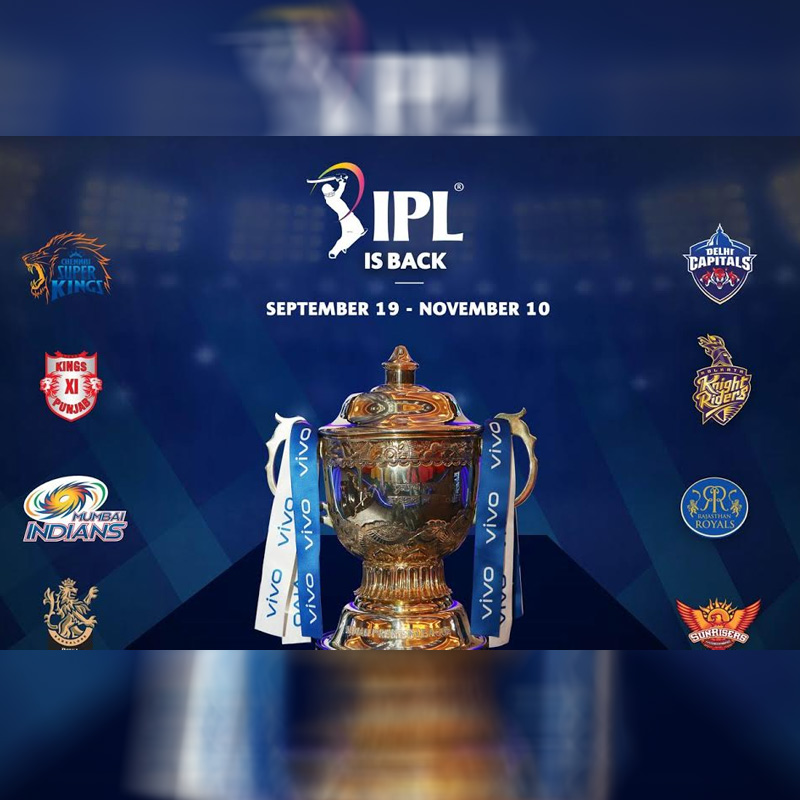
    NEW DELHI: It was being coined for long by the industry insiders that IPL will bring respite to the broadcasters from tardy advertising revenues that they are dealing with since the onset of Covid-19 pandemic, in early March.

    The tournament will take place in UAE this year between September 19 and November and is touted to be the biggest Live Sports event this year. Undoubtedly, there is a lot of excitement about the property among consumers, broadcasters and brands.

    It has been widely reported that Star has set a target of Rs 3000 crore in advertising revenues for IPL this year.

    Media Ant co-founder Samir Chaudhary shares, the ad rates for Star Sports are pretty much the same as the last time, Rs 13-15 lakhs per 10 seconds but on Hotstar it has gone up from ‘120 CPM in last season to ‘180 CPM.

    Interestingly, the experts pointed that while the advertisers are happy to go ahead with this high impact property, they are also playing it safe when it comes to buying ad slots on Star Sports and Hotstar for the tournament. Unlike every year, brands are not flocking to buy package deals but are smartly investing in spot buying, a leading marketing expert tells us. He adds that this is also the reason that ad rates have been slightly up this year. 

    Several reports indicate that Star has already sold a large part of their ad inventory and the rest of the inventory will be sold close the bigger matches. A lot will also depend on the viewership numbers of the tournament. For the record, IPL has always been able to clock high viewership numbers. In 2019, the cricketing league clocked a viewership of 462 million.

    Media veteran Shripad Kulkarni notes, “For Star Sports, these are the rates that they have begun with but it is a very dynamic situation this time. It will all depend on demand and supply. Also, usually, they used to open the FCTs once the sponsors were finalised but they don’t have much time now, so all of this is running parallely. I am hoping for the sake of all us that there is a last-minute surge in the prices as many are looking at it as a point of revival.” 

    Interestingly, this year, IPL is coinciding with the festive season which is further helping its cause. Traditionally brands are keen to advertise during this season to reach out to their consumers who are in a good mood to purchase. Advertisers have a very small window and they prefer to go all in during this time. So, this year, it is expected that advertisers will be happy to pay a premium for IPL slots to reach out to their consumers.

    In a recent interaction with Indiantelevision.com CEO, founder, and editor-in-chief Anil Wanvari, Havas Media group MD India Mohit Joshi had noted that good 25-30 per cent of this year’s festive season spends will be taken by forthcoming the cricketing league, scheduled to happen between 19 September and 8 November.

    Another expert insisted that the market sentiments are fairly positive right now and a number of brands are in the process of buying ad slots. Though, he adds that the sponsorship rates are running about 25 per cent low this year. 

    The positive sentiment around the property was further enhanced with the announcement of Dream11 replacing Vivo as the title sponsor. The fantasy league brand bought the sponsorship right for Rs 222 crore.

    On the digital front, Disney + Hotstar will play a major role this year. Several industry experts have pointed that they are expecting good viewership on Hotstar and therefore the ad rates are slightly higher, maybe up to 50 per cent more than the last time.” It is expected that a lot of brands will be keen to experiment with IPL on the digital front.

    Surprisingly, Kulkarni is expecting a dip in the ad rates for Hotstar to the tune of 25-30 per cent from the last season. He also agrees that a lot is going to depend on demand and supply. The rates might be revised as the season progresses and viewership numbers are revealed. 

    In terms of the number of FCTs sold, all the media experts maintained that many brands, from the ed-tech, automobile, and FMCG categories, are in the discussion phase and confirmations will follow in the next two weeks. 

  • Triton Communication appoints Shripad Kulkarni as media operations head

    Triton Communication appoints Shripad Kulkarni as media operations head

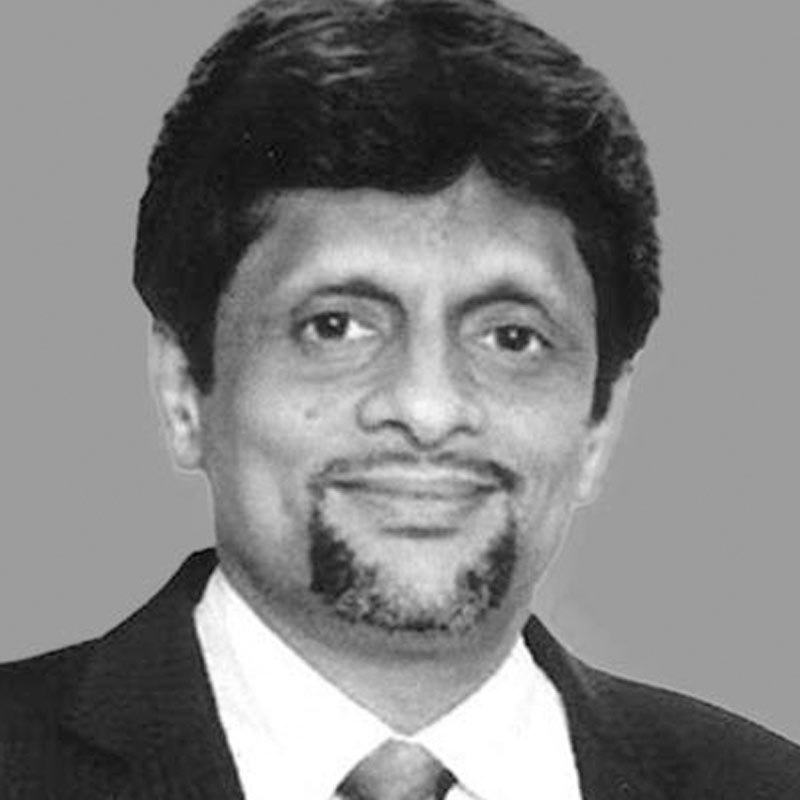
    MUMBAI: Triton Communications has appointed Shripad Kulkarni as head of media operations. Prior to this, Kulkarni was MD at Vizeum India. He started his career as a media planner at Contract India.

    Kulkarni brings with him over 25 years of experience  of professional exposure in the media industry, were he worked with Oigvly, Carat India, Percept Media etc.

    Shripad was also a member of Media Research User Council (MRUC). He was also with the technical committee for India’s first outdoor research survey IOS.

    Kulkarni holds a masters degree in statistics from the Mumbai University, an MBA degree from JBIMS, and a diploma in Operations Research from the Operations Research Society of India, Kolkata.

  • Vizeum launches Binary, special advisory unit for media clients

    Vizeum launches Binary, special advisory unit for media clients

    Mumbai: “Media business is, in the short term, headed for a tipping point, driven by the changing consumer-media interface,” emphasises Vizeum India MD Shripad Kulkarni, who strongly believes that media companies need a definitive transformation strategy in place now.

    “While planning marketing communication for a media client, an agency’s focus is on acquiring new customers/ audience and retaining them. Thus, you have to wear very different hats,” Kulkarni states, speaking exclusively to indiantelevision.com.

    Keeping these two point of views in mind, Vizeum has launched a strategic advisory and consultancy for media networks in the print/TV and radio domain. “We are currently establishing a separate specialist team outside our media planning and buying outfit to handle media clients, because it needs a unique orientation and perspective,” Kulkarni asserts. This unit will be headed by Shilpa Dhanu, who has over 20 years’ experience in media strategy and Marcom with TV channels.

    The agency also caters to several major media clients including Viacom18. Dentsu Aegis Network strengths in Digital are unparalleled and this is a major advantage Vizeum has. With Isobar, iProspect WATConsult and Web Chutney they have a suite of companies specialising in every major aspect of digital depending on the need.

    As an entrepreneur, Kulkarni has good experience in consulting and training media organisations such as Indian Newspaper Society, Sony Television, Red FM and many other media companies. Binary thus claims to have just the right combination of old-world learning and new-age solutions for the challenges faced by mainstream media.

    The service would offer focused transformation strategies and customised solutions for TV channels, radio stations and print media. The service covers two modules which would be customised to each media network as per the specific need of the business. India is a market where mainstream media is still growing. So managing the transition is an immediate plan of action. But there must be a Digital Transformation Roadmap.

    The Transition module covers four services :1) New age pricing and sales strategies for revenue maximisation titled RevenueMax; 2) A holistic marcom strategy relevant in the new milieu called True 3600; 3) Trainware to getting the team trained for the new age challenges and 4) Sales Assist: technology based real time sales support.

    This will also include update on various happenings and trends across media, competitive analysis of rates across regional publications, analysis of ad spends by category for TV and print, special analysis of various databases like IRS/TAM/TGI are some of the specialised offerings of this advisory. Under this module, the special unit will also cater to the client’s creative requirements as per the marketing communications plans.

    The transformation roadmap, likewise covers five stages : a digital review covering an audit, evaluating the business model and assessment of the new business model needs, content strategy, assessing routes for the ‘new company’, followed by digital transformation roadmap. “This is a unique Service and I am quite bullish on the business prospects,” Kulkarni added.

    Kulkarni strongly believes that media companies, although are brands themselves, have special media management requirements that is distinct from a FMCG or automobile brand. “The fact that a brand comes to a media company to reach out to an audience differentiates it from a regular advertiser,” he said.

    Vizeum India was recently awarded the media duties of one of the giants of film studio – Warner Bros Pictures. Following the win, the first movie from the Warner Bros slate that Vizeum worked on was “The Conjuring 2.” For the record, after the theatrical run of its recent release Batman v Superman, Warner Bros has now lined up as many as 15 new releases in 2016. Apart from this, the agency also caters to several major media clients including Viacom18.

    To how media clients spend differently than other brands, Kulkarni added that films and television channels operate on different ecosystem altogether. “Speaking specifically of television channels, to start with, we consider how it can use its own channel differently, because at the end of the day the broadcaster is a medium of its own. Brands and advertisers come to a broadcaster, so that its his strength. Maximising own media is the starting point. The second question a broadcaster asks is how it can maximise its reach through its home network,” Kulkarni explains.

    Keeping a clear idea of the end goal makes the planning sharper and more efficient. “The broadcaster needs to be sure of what it is chasing — new audience, or the channel’s loyal audience or home network. The media planners then need to ask if its client’s chasing the end goal through one property or multiple property, and what will get it tune ins. That’s the single-minded proposition. Because, once the tune-in happens, the channel, and the program take care of the rest,” Kulkarni adds.

    In that way films and channels are similar; in both cases the opening week or weekend (for the former) makes a huge difference.

    As per industry guesstimates, on an average, a leading GEC spends Rs 25 to 30 crore worth of media within its home network in the first two to three weeks of a show launch. If one were to monetise the value of the media, the channels’ use in it own network, it is the value of the advertising opportunity the broadcaster has lost. Beyond this, a channel can spend close to Rs 1 crore–5 crore if ‘across network’ promotion is involved, which would include outdoor and on-ground activation as well. This figure may rise up to Rs 10 crore if the channel’s home network isn’t strong enough.

  • Vizeum launches Binary, special advisory unit for media clients

    Vizeum launches Binary, special advisory unit for media clients

    Mumbai: “Media business is, in the short term, headed for a tipping point, driven by the changing consumer-media interface,” emphasises Vizeum India MD Shripad Kulkarni, who strongly believes that media companies need a definitive transformation strategy in place now.

    “While planning marketing communication for a media client, an agency’s focus is on acquiring new customers/ audience and retaining them. Thus, you have to wear very different hats,” Kulkarni states, speaking exclusively to indiantelevision.com.

    Keeping these two point of views in mind, Vizeum has launched a strategic advisory and consultancy for media networks in the print/TV and radio domain. “We are currently establishing a separate specialist team outside our media planning and buying outfit to handle media clients, because it needs a unique orientation and perspective,” Kulkarni asserts. This unit will be headed by Shilpa Dhanu, who has over 20 years’ experience in media strategy and Marcom with TV channels.

    The agency also caters to several major media clients including Viacom18. Dentsu Aegis Network strengths in Digital are unparalleled and this is a major advantage Vizeum has. With Isobar, iProspect WATConsult and Web Chutney they have a suite of companies specialising in every major aspect of digital depending on the need.

    As an entrepreneur, Kulkarni has good experience in consulting and training media organisations such as Indian Newspaper Society, Sony Television, Red FM and many other media companies. Binary thus claims to have just the right combination of old-world learning and new-age solutions for the challenges faced by mainstream media.

    The service would offer focused transformation strategies and customised solutions for TV channels, radio stations and print media. The service covers two modules which would be customised to each media network as per the specific need of the business. India is a market where mainstream media is still growing. So managing the transition is an immediate plan of action. But there must be a Digital Transformation Roadmap.

    The Transition module covers four services :1) New age pricing and sales strategies for revenue maximisation titled RevenueMax; 2) A holistic marcom strategy relevant in the new milieu called True 3600; 3) Trainware to getting the team trained for the new age challenges and 4) Sales Assist: technology based real time sales support.

    This will also include update on various happenings and trends across media, competitive analysis of rates across regional publications, analysis of ad spends by category for TV and print, special analysis of various databases like IRS/TAM/TGI are some of the specialised offerings of this advisory. Under this module, the special unit will also cater to the client’s creative requirements as per the marketing communications plans.

    The transformation roadmap, likewise covers five stages : a digital review covering an audit, evaluating the business model and assessment of the new business model needs, content strategy, assessing routes for the ‘new company’, followed by digital transformation roadmap. “This is a unique Service and I am quite bullish on the business prospects,” Kulkarni added.

    Kulkarni strongly believes that media companies, although are brands themselves, have special media management requirements that is distinct from a FMCG or automobile brand. “The fact that a brand comes to a media company to reach out to an audience differentiates it from a regular advertiser,” he said.

    Vizeum India was recently awarded the media duties of one of the giants of film studio – Warner Bros Pictures. Following the win, the first movie from the Warner Bros slate that Vizeum worked on was “The Conjuring 2.” For the record, after the theatrical run of its recent release Batman v Superman, Warner Bros has now lined up as many as 15 new releases in 2016. Apart from this, the agency also caters to several major media clients including Viacom18.

    To how media clients spend differently than other brands, Kulkarni added that films and television channels operate on different ecosystem altogether. “Speaking specifically of television channels, to start with, we consider how it can use its own channel differently, because at the end of the day the broadcaster is a medium of its own. Brands and advertisers come to a broadcaster, so that its his strength. Maximising own media is the starting point. The second question a broadcaster asks is how it can maximise its reach through its home network,” Kulkarni explains.

    Keeping a clear idea of the end goal makes the planning sharper and more efficient. “The broadcaster needs to be sure of what it is chasing — new audience, or the channel’s loyal audience or home network. The media planners then need to ask if its client’s chasing the end goal through one property or multiple property, and what will get it tune ins. That’s the single-minded proposition. Because, once the tune-in happens, the channel, and the program take care of the rest,” Kulkarni adds.

    In that way films and channels are similar; in both cases the opening week or weekend (for the former) makes a huge difference.

    As per industry guesstimates, on an average, a leading GEC spends Rs 25 to 30 crore worth of media within its home network in the first two to three weeks of a show launch. If one were to monetise the value of the media, the channels’ use in it own network, it is the value of the advertising opportunity the broadcaster has lost. Beyond this, a channel can spend close to Rs 1 crore–5 crore if ‘across network’ promotion is involved, which would include outdoor and on-ground activation as well. This figure may rise up to Rs 10 crore if the channel’s home network isn’t strong enough.

  • “We plan to double staff in a year in pace with client growth”: Vizeum India MD Shripad Kulkarni

    “We plan to double staff in a year in pace with client growth”: Vizeum India MD Shripad Kulkarni

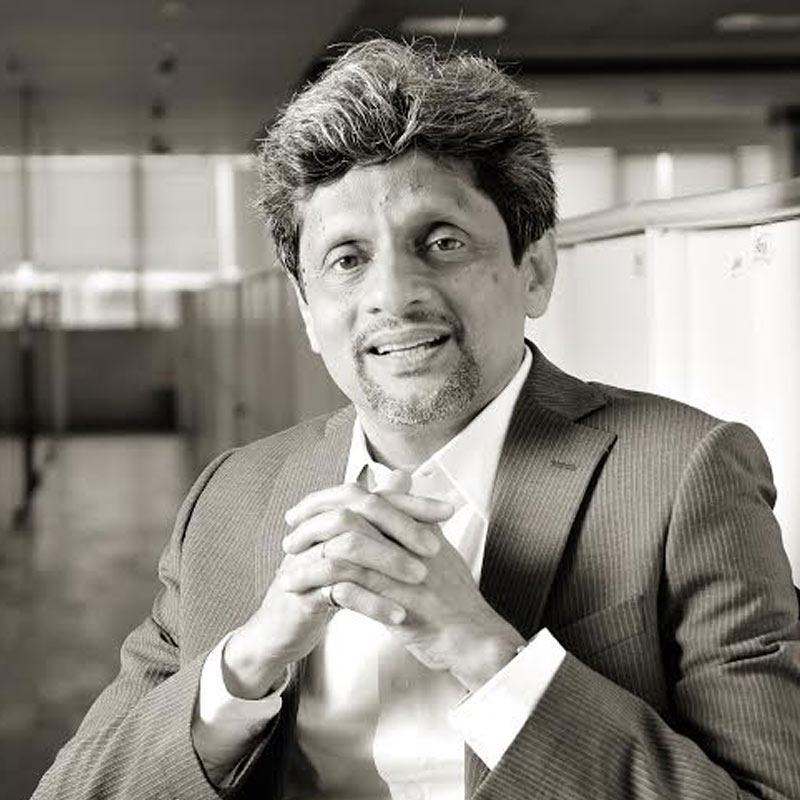
    Shripad Kulkarni is man on a mission. The mission is to transform Vizeum India digitally, not with just an add-on digital arm but from within. Thereafter, establishing the agency as an indispensable AoR partner for clients seeking real measurable value addition from its media management. And the last few account wins including Warner Bro. and TCL show that he is on the right track.

    The agency is believed to handle Rs 200 crore worth of media businesses spread across all its clients, of which the last quarter has been a significant contributor.

    But these numbers are not fruits of labour of just the past few months. Its foundation was laid when Kulkarni had joined Vizeum India as the managing director in 2015 from Percept Allied Media (where he was the CEO), following Dentsu Aegis Network (DAN) Ashish Bhasin’s laying out of his vision for the agency.

    It will be an understatement to say that the soft spoken professional had taken that vision seriously. It’s been a little over a year, and Kulkarni is already confident that the agency will double itself around the end of next financial year.

    In a freewheeling conversation with indiantelevision.com’s Papri Das, Kulkarni delves into his grand plans to realise this target, and more.

    Excerpts:

    What were your personal benchmarks in the last one year of working for Vizeum?

    I have kept a very ‘people first’ approach to my targets within the company since I joined almost a year back. The large team that operates in Delhi is undergoing its digital training  and familiarisation with the tools available within the agency and the group. The last quarter has given us a positive indication that the strategy is working. We have got Warner Bros, we have Panasonic as a client and just recently signed up as the media agency for TCL Corp.

    Given the momentum, I see a significant increase in our client portfolio in the coming few years. We want to double our staff strength in 12 to 18 months to handle this increase in new businesses and our entire budget planning is being worked out to favour this development.

    The one P&L structure that DAN follows is best in terms of getting integrated marcom planning done, and getting various specialists in verticals to work for a brand. The fact that a very high proportion of the revenue of the group comes from digital says a lot about DAN  as a future facing agency.

    Every media agency is ramping up to be the ‘all rounder’ these days. How differently is Vizeum positioned in the market?

    One has to understand that digital is changing your customers, and their linear behaviour in the purchase cycle; the classic AIDA (Attention, Interest, Desire, Action) is no longer working. Now that is a fundamental shift that we must align everyone to, even if one is planning for television. Based on this, we are remodeling Vizeum, to keep our clients up to date.

    At the core of the remodelled Vizeum, with its refreshed approach to traditional media with digital outlook, we believe that media can directly make a difference to business. Media can add value to businesses because of this entire disruption digital is doing across all media, and this significant value addition will be measurable.

    Has this fundamental shift impacted how television planning and buying happens?

    To start with, these days you have to look at video and not television, when doing planning for television, because there is a good chunk of the audience that watches TV on the Internet. There are youngsters who enjoy binge watching or as and when they want to. They are hardly watching television the way we know it. So that is changing the entire paradigm so that even the medium that was classically entirely outbound and spewing messages at its audiences is now changing.

    Another interesting aspect of this paradigm shift is how technology has made TV media more target-oriented. Technology now allows advertisers  to target people who have viewed their ads on television. We have experimented with this technology with a few of our clients where we have embedded certain beacons on their TV ads, and identified which  of the consumers had their smartphones around. Now these consumers could be reached digitally as well, now that we have made sure they had seen the TVC.

    We will soon see that technology and data is going to alter the way the entire marcom industry functions. It will require us agencies and clients as well to understand the complete customer decision journey, and accordingly reach out to them with specific messages at certain stages of the customer purchase journey.

    Do most of your clients come to you keeping a specific media in mind or do they have a specific outcome in mind, regardless of where the spend goes?

    Well of course a client has an outcome in mind to begin with. But the way the industry, and actually media itself, is getting more and more fragmented, advertisers too are seeking specialised use of media — some are looking at digital agencies, some are looking at mainline agencies, some are looking at agencies that are good at search engine optimisation, some are preferring social media only agencies and some are even doing it in house. I think the missing piece is a strategic direction across all media vehicles towards the outcome.

    Sounds like a massive level of unlearning and relearning on the part of the planners and buyers….

    Absolutely. In fact we are currently training every single planner under Vizeum with digital knowledge and skill sets. A planner classically handles mainstream media, and he can plan for digital. But we are aiming to make each one of them experts in digital. Every planner must know digital strategy on a par with an agency squarely into digital marketing. We plan to achieve this within one year, and there will be continuous refresher courses to keep them up to date.

    We have already initiated since a few months ago. It has picked up momentum and we should be able to see some of its results by the next quarter. The ultimate goal is to get all staff, irrespective of the department to be digital savvy. It is a DAN initiative.

    How do you measure a certain campaign’s performance? Is there any yardstick that Vizeum follows?

    Campaign performance must be measurable from day one, and it must be definitive and making a difference to the business. To achieve this, we look at performance in a three by three metric — three minutes, three weeks and three months of the  time spent on a campaign, where each time period gives us specific and significant measure of the campaign’s effectiveness. Certain tools that  we have developed using Facebook data, or Youtube data, or Google data, give us instant feedback on how a campaign is fairing.

    To start with, we can have this performance measure of all digital campaigns running for a few minutes to a day or, as we put it three  minutes to a day.. It will give an instant idea of what is working and what isn’t, which allows creatives to tweak a campaign. For example, if you have six campaigns or creatives running on Youtube, we can now tell which one is performing well, keeping a brand and campaign in mind.

    We make a second assessment after a campaign runs for a week, when we have significant data on it. For certain categories, this time period can extend to a month to be able to gather reliable data.

    The third assessment is made around the three month mark that leaves a planner with a lot of data to play with and analyse keeping quantitative results in mind. This assessment can give us insights on the brand health. In other words, we keep monitoring different measures at different entry points of a campaign within different parameters. We are heading towards an arrangement where we ask for compensations based on such performances.

    Where do you think the media management industry is headed in the next few years and what factors will impact it?

    We are doing a study called India 2020, where we are trying to understand the trends across the world and try and predict the entire media ecosystem of 2020 in India. We believe this disruption is going to stay for a while and lead to digital spends growing by leaps and bounds. As of now we are looking different simulations of different scenarios. We have narrowed down to three such scenarios for the time being based on how quickly high speed data will be available in our country. Whether it is brought about by Reliance Jio or the government, it doesn’t matter, but high speed internet is a deciding factor in the simulations. It will also need to be affordable and services will be free is what I believe. Open wifis will also be a huge thing.

  • “We plan to double staff in a year in pace with client growth”: Vizeum India MD Shripad Kulkarni

    “We plan to double staff in a year in pace with client growth”: Vizeum India MD Shripad Kulkarni

    Shripad Kulkarni is man on a mission. The mission is to transform Vizeum India digitally, not with just an add-on digital arm but from within. Thereafter, establishing the agency as an indispensable AoR partner for clients seeking real measurable value addition from its media management. And the last few account wins including Warner Bro. and TCL show that he is on the right track.

    The agency is believed to handle Rs 200 crore worth of media businesses spread across all its clients, of which the last quarter has been a significant contributor.

    But these numbers are not fruits of labour of just the past few months. Its foundation was laid when Kulkarni had joined Vizeum India as the managing director in 2015 from Percept Allied Media (where he was the CEO), following Dentsu Aegis Network (DAN) Ashish Bhasin’s laying out of his vision for the agency.

    It will be an understatement to say that the soft spoken professional had taken that vision seriously. It’s been a little over a year, and Kulkarni is already confident that the agency will double itself around the end of next financial year.

    In a freewheeling conversation with indiantelevision.com’s Papri Das, Kulkarni delves into his grand plans to realise this target, and more.

    Excerpts:

    What were your personal benchmarks in the last one year of working for Vizeum?

    I have kept a very ‘people first’ approach to my targets within the company since I joined almost a year back. The large team that operates in Delhi is undergoing its digital training  and familiarisation with the tools available within the agency and the group. The last quarter has given us a positive indication that the strategy is working. We have got Warner Bros, we have Panasonic as a client and just recently signed up as the media agency for TCL Corp.

    Given the momentum, I see a significant increase in our client portfolio in the coming few years. We want to double our staff strength in 12 to 18 months to handle this increase in new businesses and our entire budget planning is being worked out to favour this development.

    The one P&L structure that DAN follows is best in terms of getting integrated marcom planning done, and getting various specialists in verticals to work for a brand. The fact that a very high proportion of the revenue of the group comes from digital says a lot about DAN  as a future facing agency.

    Every media agency is ramping up to be the ‘all rounder’ these days. How differently is Vizeum positioned in the market?

    One has to understand that digital is changing your customers, and their linear behaviour in the purchase cycle; the classic AIDA (Attention, Interest, Desire, Action) is no longer working. Now that is a fundamental shift that we must align everyone to, even if one is planning for television. Based on this, we are remodeling Vizeum, to keep our clients up to date.

    At the core of the remodelled Vizeum, with its refreshed approach to traditional media with digital outlook, we believe that media can directly make a difference to business. Media can add value to businesses because of this entire disruption digital is doing across all media, and this significant value addition will be measurable.

    Has this fundamental shift impacted how television planning and buying happens?

    To start with, these days you have to look at video and not television, when doing planning for television, because there is a good chunk of the audience that watches TV on the Internet. There are youngsters who enjoy binge watching or as and when they want to. They are hardly watching television the way we know it. So that is changing the entire paradigm so that even the medium that was classically entirely outbound and spewing messages at its audiences is now changing.

    Another interesting aspect of this paradigm shift is how technology has made TV media more target-oriented. Technology now allows advertisers  to target people who have viewed their ads on television. We have experimented with this technology with a few of our clients where we have embedded certain beacons on their TV ads, and identified which  of the consumers had their smartphones around. Now these consumers could be reached digitally as well, now that we have made sure they had seen the TVC.

    We will soon see that technology and data is going to alter the way the entire marcom industry functions. It will require us agencies and clients as well to understand the complete customer decision journey, and accordingly reach out to them with specific messages at certain stages of the customer purchase journey.

    Do most of your clients come to you keeping a specific media in mind or do they have a specific outcome in mind, regardless of where the spend goes?

    Well of course a client has an outcome in mind to begin with. But the way the industry, and actually media itself, is getting more and more fragmented, advertisers too are seeking specialised use of media — some are looking at digital agencies, some are looking at mainline agencies, some are looking at agencies that are good at search engine optimisation, some are preferring social media only agencies and some are even doing it in house. I think the missing piece is a strategic direction across all media vehicles towards the outcome.

    Sounds like a massive level of unlearning and relearning on the part of the planners and buyers….

    Absolutely. In fact we are currently training every single planner under Vizeum with digital knowledge and skill sets. A planner classically handles mainstream media, and he can plan for digital. But we are aiming to make each one of them experts in digital. Every planner must know digital strategy on a par with an agency squarely into digital marketing. We plan to achieve this within one year, and there will be continuous refresher courses to keep them up to date.

    We have already initiated since a few months ago. It has picked up momentum and we should be able to see some of its results by the next quarter. The ultimate goal is to get all staff, irrespective of the department to be digital savvy. It is a DAN initiative.

    How do you measure a certain campaign’s performance? Is there any yardstick that Vizeum follows?

    Campaign performance must be measurable from day one, and it must be definitive and making a difference to the business. To achieve this, we look at performance in a three by three metric — three minutes, three weeks and three months of the  time spent on a campaign, where each time period gives us specific and significant measure of the campaign’s effectiveness. Certain tools that  we have developed using Facebook data, or Youtube data, or Google data, give us instant feedback on how a campaign is fairing.

    To start with, we can have this performance measure of all digital campaigns running for a few minutes to a day or, as we put it three  minutes to a day.. It will give an instant idea of what is working and what isn’t, which allows creatives to tweak a campaign. For example, if you have six campaigns or creatives running on Youtube, we can now tell which one is performing well, keeping a brand and campaign in mind.

    We make a second assessment after a campaign runs for a week, when we have significant data on it. For certain categories, this time period can extend to a month to be able to gather reliable data.

    The third assessment is made around the three month mark that leaves a planner with a lot of data to play with and analyse keeping quantitative results in mind. This assessment can give us insights on the brand health. In other words, we keep monitoring different measures at different entry points of a campaign within different parameters. We are heading towards an arrangement where we ask for compensations based on such performances.

    Where do you think the media management industry is headed in the next few years and what factors will impact it?

    We are doing a study called India 2020, where we are trying to understand the trends across the world and try and predict the entire media ecosystem of 2020 in India. We believe this disruption is going to stay for a while and lead to digital spends growing by leaps and bounds. As of now we are looking different simulations of different scenarios. We have narrowed down to three such scenarios for the time being based on how quickly high speed data will be available in our country. Whether it is brought about by Reliance Jio or the government, it doesn’t matter, but high speed internet is a deciding factor in the simulations. It will also need to be affordable and services will be free is what I believe. Open wifis will also be a huge thing.