Tag: Shobhit Singh

  • How Indian brands hit the festive marketing jackpot in 2025

    How Indian brands hit the festive marketing jackpot in 2025

    MUMBAI: If there’s anything we Indians look forward to as much as our morning chai and newspaper, it’s the festive season. Homes come alive with the glow of diyas, embodying the victory of good over evil; floors bloom with rangoli and laxmi charans; the air fills with laughter, and the sweet aroma of mithai. And amid all this joy, brands flood algorithms, billboards, and social media timelines, eager to strengthen their customer base or build one from scratch. It’s the most lucrative time of the year for brands, with marketers pulling out all stops to win over audiences. For instance, international brands go all out to strike a chord with their Indian diaspora. Who would’ve thought we’d ever see a Diwali Barbie draped in a Anita Dongre lehenga choli? With cultural resonance ticked off and fair representation for the brown community, this isn’t just festive marketing, it’s festive marketing on steroids.

    Back home, Indian brands aren’t far behind, leaving no stone unturned during the peak festive season. The festive marketing report card for India’s FMCG sector is glowing. This year, the festive season didn’t just light up homes; it set marketing budgets ablaze. With recent GST cuts lowering costs and boosting consumer sentiment, brands rolled out campaigns that evoke creativity, value, and cultural relevance.

    For instance, launching gold scheme campaigns is fairly common in the retail jewellery industry, but Tanishq changed the script altogether. The House of Tata brand launched a campaign, headlined by former cricketer Sachin Tendulkar, encouraging households to repurpose existing gold, estimated at 25,000 tonnes in homes, into new designs. This reduces dependence on gold imports, which account for nearly 99 per cent of India’s annual requirement. By highlighting locally sourced and recycled gold, the campaign shifts the focus toward Indian production and sustainability, while still tapping into the cultural significance of gold during festivals.

    Meanwhile, it’s no news that the concert economy in India is booming. Recently, celebrated rapper and singer Travis Scott brought his Circus Maximus World Tour to India. Bookmyshow’s new campaign ‘Travis Wali Diwali’ shows how some brands can make the most of such moments and bring in attention from their target audience. Set in a vibrant Delhi household, the film shows how young Indians blend tradition with contemporary flair, from Travis-inspired rangolis and cactus-themed décor to stylish fusion outfits. The film captures the true spirit of a generation that embraces global trends while staying rooted in India’s festive culture.

    Squidjc founder Siddharth Jalan believes that last year’s post-pandemic, bargain-heavy approach is giving way to “premium storytelling” that taps into culture and identity rather than just price. He noted that consumers aren’t hunting for deals as much as they are looking to feel “part of the broader narrative.” For instance, “People don’t want a brand or a product, they want the story. Can I buy into the story? That’s when I’ll purchase your product,” he added.

    Meanwhile, Abhay Group managing director and co-founder Apurv Modi points out that the ad-spend boom is being fuelled by newer platforms and formats. The rise of quick commerce, precise digital targeting and interactive hoardings is enabling brands to be everywhere i.e physical stores, social media platforms, and even hyperlocal outdoor screens.

    The two leaders find common ground in noting how digital-out-of-home (DOOH) and hyperlocal advertising are gaining traction as outdoor screens become programmatic and locally tailored. At the same time, brands are diversifying across channels such as quick commerce, social media apps like Whatsapp, and precision-targeted digital spaces, reflecting how today’s consumers shop and engage. Modi added that experiential rewards and bundled offers are replacing simple markdowns, creating stronger perceived value.

    On similar grounds, Jalan emphasises that Gen Z and emerging consumers are drawn to campaigns that lean into sustainability, inclusivity and regional identity, rather than just discount tags.

    Influencer marketing has become another critical avenue. “Budgets are increasingly moving toward micro-influencers and mixed-use influencers who can authentically connect with niche audiences. Consumers are inspired by brands that integrate culture and identity into their messaging,” he explained.

    Other notable industry moguls said this year marked a clear shift towards campaigns that marry value, emotion, and innovation: a trinity that made festive marketing more personal and purposeful than ever before. And with recent GST cuts lowering costs and lifting consumer sentiment, brands across the country are rolling out campaigns that club all these factors.

    “This year, festive marketing is becoming even more value, and emotion driven. Compared to
    previous years, we’re seeing a greater emphasis on regional relevance, personalisation, and
    deeper engagement, rather than just top-of-the-funnel campaigns,” said Hyfun Foods head of marketing Vincent Noronha. “The recent GST rate cuts, especially packaged foods, have certainly freed up some marketing budgets. This provides both established and emerging brands, particularly regional players, an opportunity to increase visibility during the busy festive window.”  

    The brand recently launched its campaign “Hyfun Khao Sona Pao,” offering a direct incentive of winning gold to its customers. The campaign taps into the Indian tradition of auspicious gold purchases during festivals, creating an immediate call-to-action beyond the product itself. By strategically combining OOH advertising in Bengaluru and Delhi NCR with digital ads and quick commerce platform banners, the brand has orchestrated a cohesive, high-recall marketing blitz to leave a lasting imprint on consumers.

    In a similar vein, for skincare brand Joy Personal Care (RSH Global), GST cuts and rising disposable incomes are driving broader festive engagement. CMO Poulomi Roy notes, “Economic stability, along with government measures such as GST rate reductions and tax exemptions up to ₹12 lakh, has boosted consumer confidence and purchasing power. Coupled with renewed optimism and increasing disposable incomes, these conditions are encouraging brands to invest more actively in festive campaigns.” Consumers now seek fresh looks and meaningful brand experiences, prompting brands to maintain engagement throughout the season via targeted offers, new product launches, and regional content, she added.  

    Roy predicts that with rising disposable incomes leading to greater affluence, certain FMCG and food categories might witness the first wave of increased consumption particularly dairy, cheese, biscuits, sauces, condiments, and instant food products. In the personal care segment, stronger traction for larger pack sizes in everyday categories such as lotions and shampoos is anticipated.

    Whereas, incense sticks manufacturer and supplier Zed Black’s director Ankit Agrawal pointed out, “Lower GST rates bring cost flexibility, allowing us to reinvest in regional activations and consumer engagement.” The brand unveiled an experiential campaign featuring an eight-foot Durga idol made of incense sticks during Pujo in Kolkata, illustrating the shift from generic festive greetings to immersive storytelling. Premiumisation is a key driver, with consumers upgrading to aesthetically appealing, long-lasting products, from masala agarbatti to white-stick series.

    However, Jalan offered a measured view, “GST reductions are more of a motivator than a game-changer. Consumers may feel happier, but purchasing habits haven’t shifted dramatically. For brands, the opportunity lies in leveraging the festive moment effectively and delivering value without compromising brand equity.”  

    He also identified key categories seeing an uptick in festive campaigns. “Beauty, fashion, and footwear are booming, along with niche segments like spices and seeds. There’s a post-pandemic appetite for premium, culturally resonant, and exotic products, giving brands more room to innovate and engage.”

    There has been another consequential observation being made around the industry during this festive season: the resurgence of OOH and DOOH campaigns, but with a twist.

    The role of outdoor advertising has evolved. Hyperglocal business head Sumit Taneja, observed that “brands are investing heavily in OOH and point-of-purchase branding to build stronger festive visibility.” Large-format sites, high-street displays, and transit zones, combined with in-store décor and last-mile activations, are converting awareness into purchase. Real-time data, automation, and immersive displays ensure campaigns reach consumers where they shop, travel, and celebrate.

    Meanwhile, The Stone Sapphire India managing director & CEO Shobhit Singh had a lot to add regarding the surge of DOOH campaigns. “In an over-crowded and noisy digital environment, outdoor media delivers scale, visibility, and credibility, especially in high footfall locations like malls, shopping areas, and residential developments. For purchases in gifts for the home and toys, where sight and gift-giving are very important experiential elements to OOH, such as interactive displays, augmented reality billboards, and 3D displays, are connecting the offline life with digital storytelling. OOH is no longer stagnant; it is establishing itself as a dynamic storytelling opportunity, activating festive sentiment and impulse purchases,” he opined.

    Roy offered a slightly different perspective. “While traditional OOH may not always directly drive engagement, formats that encourage interaction and enhance the overall experience are proving to be more effective. Interactive setups near shopping hubs and digital OOH enhanced with augmented AI can deliver stronger engagement and create more memorable brand experiences, both during the festive season and beyond.”  

    Jalan also agreed on the fact that DOOH is seeing a resurgence. “Outdoor is evolving. Digital billboards are no longer prohibitively costly, and even smaller startups can leverage them for short bursts of highly targeted campaigns. Hyperlocal digital outdoor, near points of sale, is increasingly being used to drive sales with a higher ROI,” he said.  

    Personalisation and technology are also playing a key role. “There’s tracking software that allows brands to analyse movement around a billboard and even create interactive afterimages in real time. While this isn’t widespread yet in India, it’s an example of how innovation is shaping engagement,” he added.

    Similarly, Roy also shed some light on emerging technologies influencing festive campaigns. “Martech continues to be strong. Brands are using data analytics and audience insights to better understand purchase intentions, personalize festive messaging, and deliver more relevant consumer experiences across digital and offline touchpoints,” she opined.

    What stands out this festive season is how brands are pushing beyond conventional campaigns to create experiences that truly resonate with consumers. From hyperlocal DOOH activations and interactive outdoor displays to storytelling rooted in culture, identity, and emotion, marketers are finding innovative ways to capture attention and engagement. Technology, personalisation, and cultural insight are no longer optional, they are essential tools in connecting with audiences in meaningful ways.


  • TSS dishes out a festive feast of cookware and toys this Diwali

    TSS dishes out a festive feast of cookware and toys this Diwali

    MUMBAI: This Diwali, The Stone Sapphire India Pvt. Ltd. (TSS) is laying out a spread of innovation, celebration and everyday magic and it’s all wrapped up in a shiny new product lineup across homeware and toys. Whether you’re hosting a grand family dinner or chasing superheroes around the living room, TSS has something that might just become the talk of your Diwali gathering.

    Leading the charge is Corelle, the globally loved dinnerware brand, which is offering a never-before festive deal on its iconic dinner sets. Priced from Rs 6,599 onwards, this is the first time Corelle has dropped its price tags in India and it’s doing so to support good old-fashioned in-store shopping. While online discounts continue to battle for attention, TSS is taking a stand for traditional retailers, encouraging consumers to rediscover the joy of festive browsing in their local markets. With elegant designs, unbeatable durability, and that signature lightweight feel, Corelle dinner sets are now easier to gift or keep than ever before.

    But it’s not just the table getting a glow-up. Corelle is also setting new standards in the kitchen with the launch of Duranano: the world’s only uncoated non-stick cookware. Crafted using patented Nano Technology and made from 100 per cent pure stainless steel, Duranano skips the chemical coatings altogether. The result? Cookware that’s 1.5 million times more abrasion-resistant and 3.5 times tougher than your regular stainless steel pans. It’s the kind of gear that says “I care about your health” while still making sure your festive ladoos don’t stick. In a season where indulgence is inevitable, Duranano makes a strong case for clean, conscious cooking, without taking the fun out of frying.

    Over in toy territory, TSS’s homegrown brand Skoodle is giving Diwali gifting a superhero-sized upgrade. Enter the Marvel RC cars & bikes series, featuring officially licensed designs that bring the action straight to your living room. From rugged monster trucks to sleek superhero bikes, these remote-controlled rides combine speed, style and storylines kids already love. Whether you’re shopping for a young fan or secretly hoping for a go at the controls yourself, this range promises festive excitement with every rev of the engine.

    Speaking about the launches, TSS managing director and CEO Shobhit Singh summed up the season’s spirit, “This Diwali, our focus is on innovation with purpose, introducing products that enhance everyday living while supporting India’s trusted retail ecosystem.” It’s a sentiment that runs through every offering in the TSS catalogue this year, thoughtful, well-crafted and rooted in real-world usefulness, but with just enough sparkle to feel special.


  • Stone Sapphire India Pvt Ltd  appoints Shobhit Singh as the CEO

    Stone Sapphire India Pvt Ltd appoints Shobhit Singh as the CEO

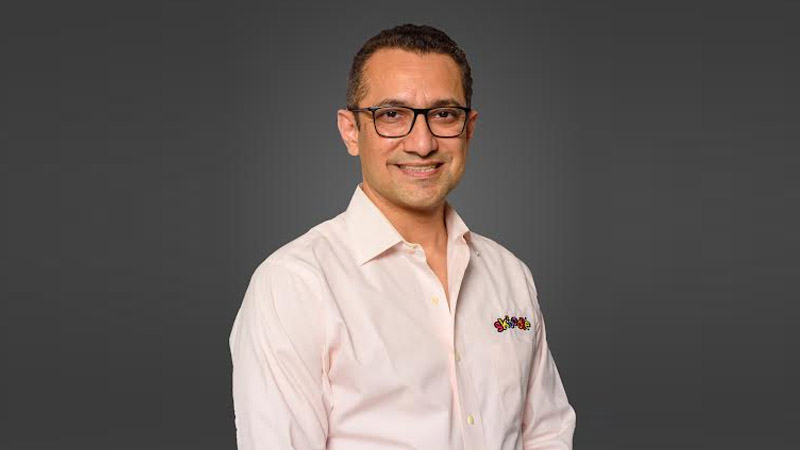
    Mumbai: Stone Sapphire India Pvt Ltd, a manufacturing and distribution company, has announced the appointment of Shobhit Singh as chief executive officer (CEO). Previously serving as director, Singh’s new role is a strategic move aimed at enhancing the company’s market position and expanding its reach across various sectors.

    Shobhit Singh, who has been instrumental in driving growth and innovation within the company, brings a wealth of experience and a visionary approach to his new role. Under his leadership, Stone Sapphire India Pvt Ltd aims to become the world’s largest iconic distribution brand company, focusing on relevance and value-added products across multiple categories.

    “I am honoured to step into the role of CEO and lead Stone Sapphire into its next phase of growth,” said Stone Sapphire India Pvt Ltd CEO Shobhit Singh. “Our vision is to bring iconic and relevant brands to the Indian retail market, catering to diverse customer needs. We aim to achieve a significant milestone of clocking INR 1,000 crore in revenue over the next four years while maintaining our commitment to quality and customer satisfaction.”

    Stone Sapphire India Pvt Ltd, known for its diverse product range, including toys, stationery, homeware, and sports equipment, is set to adopt a sector-agnostic approach. The company plans to expand its portfolio to include fast-moving consumer goods (FMCG) and other household categories. This strategic shift aims to capture a larger share of the Indian retail market by introducing brands that bring value and relevance to customers.

    “Stone Sapphire’s journey started with a strong focus on kids’ products, but we are now moving towards a broader market presence,” added Singh. “Our goal is to cultivate purpose-driven brands that not only meet customer needs but also enrich the lives of our employees, dealers, and distributors. We are committed to creating a business that is relevant to all stakeholders, including suppliers, consumers, investors, and partners.”

    In addition to expanding the product portfolio, Stone Sapphire India Pvt Ltd is focused on strengthening its distribution network. The company recently opened a new office in Noida in addition to its offices in Mumbai and Baroda, along with depots in Delhi and Bangalore. This expansion is part of a larger strategy to make the company’s distribution system more robust and efficient.

    “We believe that our people are the cornerstone of our success,” said Shobhit Singh. “We are investing in hiring top talent at various levels, including CXOs, to bring best practices and professional expertise into the company. Our aim is to create a business that thrives on innovation, technology, and strategic growth.”

    Outside of his professional responsibilities, he enjoys sports and meditation. His commitment to personal well-being and continuous learning reflects the company’s values of positivity and persistence.

    With Shobhit Singh at the helm, Stone Sapphire India Pvt Ltd is poised for a transformative journey, aiming to set new benchmarks in the Indian retail market.