Tag: Shekhar Gupta

  • Arnab Goswami steps down from Editors Guild of India

    Arnab Goswami steps down from Editors Guild of India

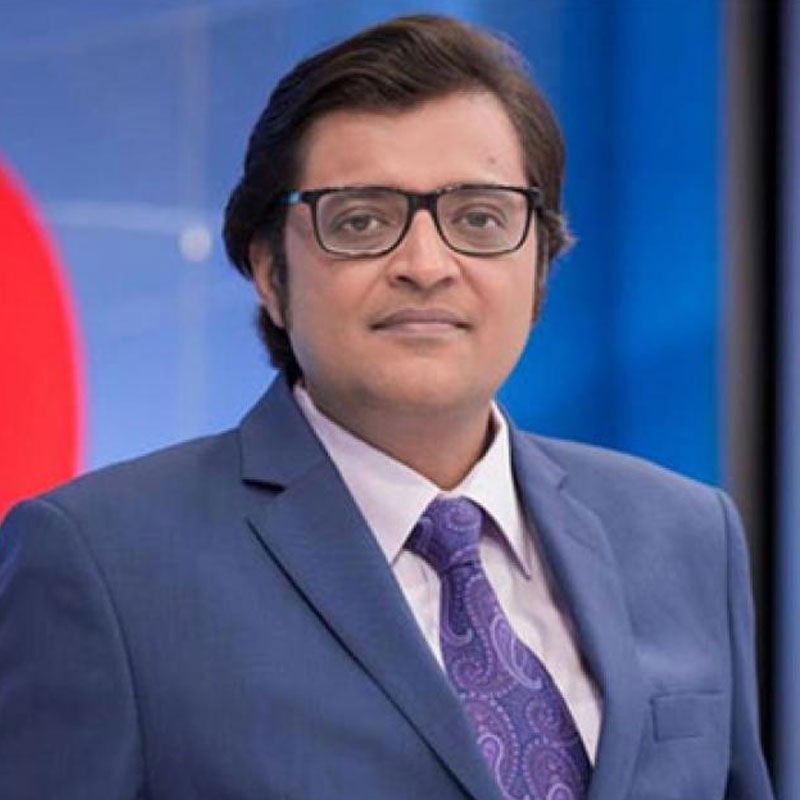
    MUMBAI: Republic Media Network’s founding member and editor-in-chief Arnab Goswami has resigned from the membership of Editors Guild of India while anchoring a live debate show. He was discussing the silence by the ‘liberal media' on the lynching of three people in Maharashtra’s Palghar on Monday.

    Urging panellists to pause during a live debate, he said: “I have been a member of the Editors’ Guild of India for a long time and I, on live television, resign for its absolute compromise on editorial ethics, for being an organisation for operation only for personal interests.”

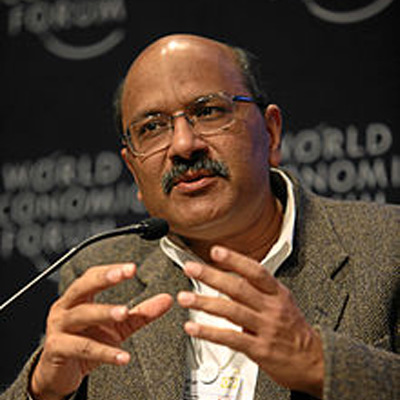
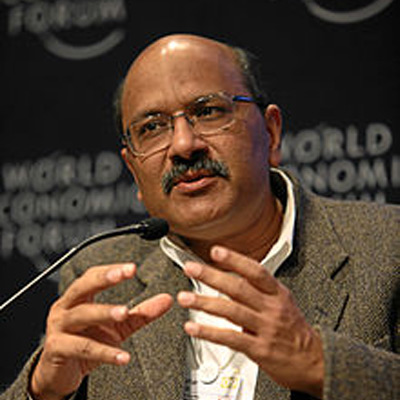
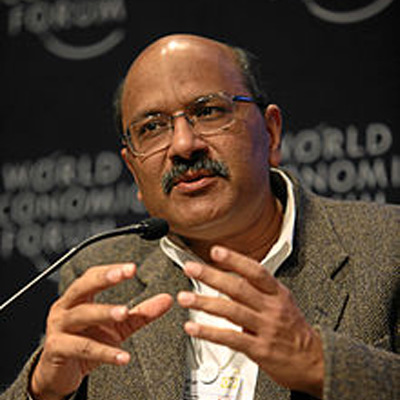
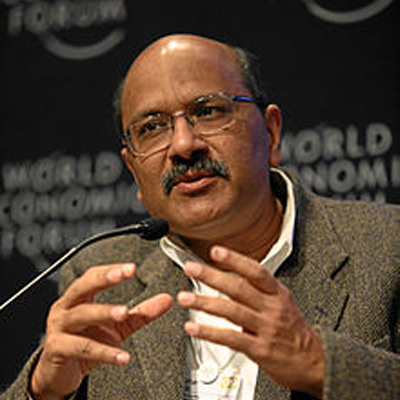
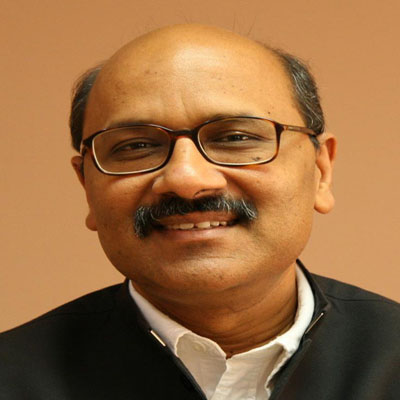
    He also accused EGI president Shekhar Gupta of leading the “compromise on journalism” for not speaking on incidents like this as well as against the spread of fake news amid the COVID-19 pandemic. 

    He said: “Shekhar Gupta, whatever remaining credibility of the Editors Guild of India has been destroyed by its abject silence on a series of fake news stories. It has been a self-serving organisation.”

    EGI is an association of editorial leaders in India, committed to free, fair and independent journalism. Goswami is one of the members of the Editors Guild of India.

  • Editors come out in support of NDTV

    MUMBAI: Editors of various reputed media organisations and well-known personalities yesterday came out in support of NDTV, the offices of which and residence of promoters were raided by CBI recently. The Press Club of India had organised a meet to protest against the attack on freedom of press.

    Senior journalist Rajdeep Sardesai said, “I believe in the present atmosphere, silence is not an option. This a moment when we have to be on the right side of history.”

    Senior journalist Kuldip Nayar said, “During the Emergency, nobody had to tell anybody what to do. Today, when we are facing more or less the same situation – not (to) that extent – all of us have to ensure we don’t allow anybody to muzzle free speech.”

    Senior journalist Raj Chengappa said: “Any attack or raid is a serious threat particularly if residences and offices are being raided in such a manner.”

    Senior journalist and former minister Arun Shourie said: “I have a couplet for Narendra Modi: He who was occupying this throne before you. He also had a similar belief that he was God. First they used incentives like ads, then a subterranean atmosphere of fear. Now, they are using a third instrument of overt pressure. They have made NDTV an example of that. Anybody who has tried to lay a hand on the press in India, has had their hand burnt. The CBI has not been able to answer the facts put out by NDTV. There is even an article on The Wire. The facts are irrefutable.”

    He added: “We have only three protections: our solidarity, the court, the protection of our own readers and viewers.”

    Former Rajya Sabha Member HK Dua said: “Last time, most of the press community did not stand up. They crawled, as (L.K) Advani famously said. Then came the defamation bill.
    We got together, it became a national movement. (Late prime minister) Rajiv Gandhi sought talks but we refused. The unity of the press won the battle. The bill had to be withdrawn as the people were against (it). Similar signs are visible now. Unless we are united, we can meet the same fate. This is a wake-up call, we have to be vigilant and cautious of such attacks.”

    Jurist Fali Nariman said: “Freedom after speech is what freedom of speech is all about.
    No one is immune from being prosecuted under a criminal offence, but the manner, circumstances give me reason to believe all of this is unjustified attack on press and media freedom. On 2nd of June, an FIR is lodged by the CBI — seven years after the event. Why it was not brought to light earlier was not mentioned earlier in the complaint. The CBI did not bother to find out. The first thing CBI is expected to do, once a such complaint is filed, is seek NDTV’s response. But that wasn’t done.”

    He added: “When any government agency files a complaint against a media company, it must first enquire from the owners what they have to say in the matter before conducting raids. This is not a matter of courtesy or favour, but a constitutional duty.”

    “Whenever there is a majoritarian government, there is this tendency. We must resist it,” he said.

    India Today group editor-in-chief Aroon Purie said: “I strongly believe the freedom of the media is inviolable in a democracy. Such a move also undermines basic tenets of free speech.”

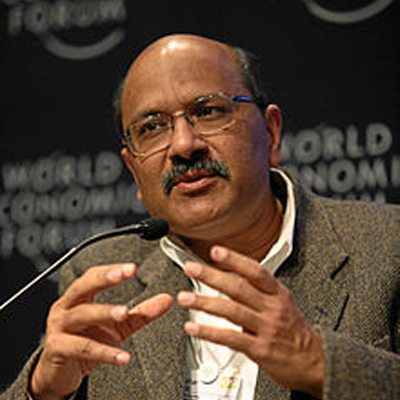
    Senior journalist Shekhar Gupta: “This is an issue that concerns the mother of all our institutions – the free press. This is an assault on the free press. Social media got us all disoriented. I hope NDTV will continue to do what it is doing. Our job is to speak truth to power.”

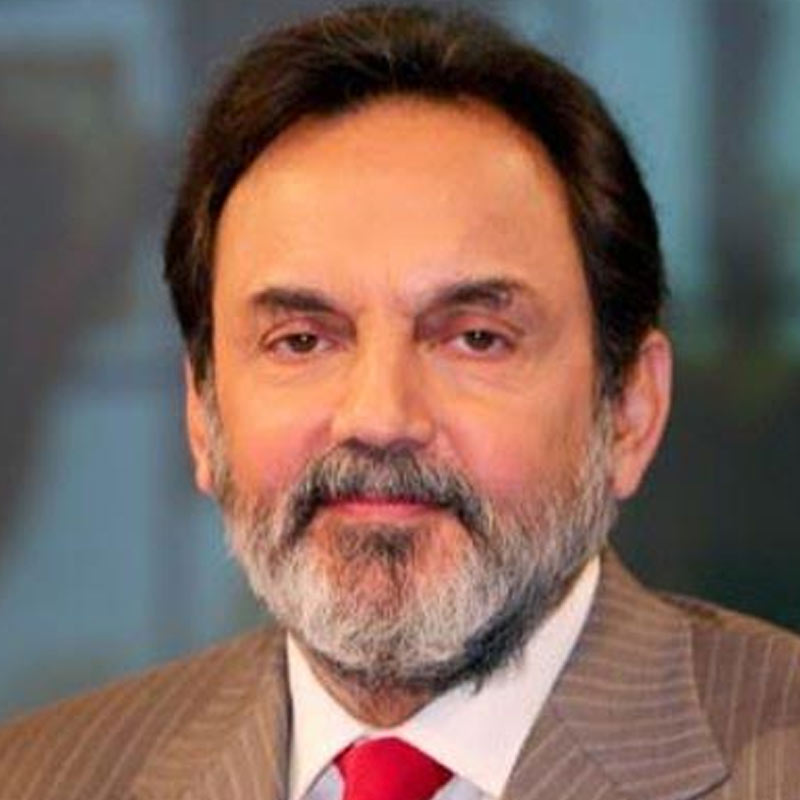
    NDTV co-founder Dr Prannoy Roy said: Once I went to China, they asked me aren’t you a bit jealous of our skyscrapers? I said we have the best skyscraper: free speech. This is not just a flimsy case against NDTV. It is a signal to all of us: we can suppress you even if you haven’t done anything. Their message is: crawl, or we’ll come for you. I say: Stand up and they’ll never do.”

  • Govt hands NDTV India 24-hr ban for breach of content code

    Govt hands NDTV India 24-hr ban for breach of content code

    MUMBAI: In what is being viewed in certain quarters as an assault on media freedom reminiscent of Rajiv Gandhi government’s bid to gag media in late 1980s, the Prannoy Roy and family-controlled NDTV India, has been directed by the government to go off air for 24 hours from 9 November 2016 as a penalty for breaching telecast norms related to security issues.

    NDTV is exploring all options against this 24-hour ban with opinion split on the issue. While a section of views on social media supported the government action, many who part of the Indian media criticised it saying it reminded them of Indira Gandhi-imposed Emergency in India in 1977.

    Confirming the recent development, Ministry of Information and Broadcasting (MIB) sources said that Hindi news channel NDTV India has been accused of airing images and revealing information regarding defence locations while covering the Pathankot terrorist attack a few months back. The sources added that NDTV India was given a chance by an inter-ministerial committee (IMC) of the government to put forth its viewpoint on the allegations and was found wanting.

    Indiantelevision.com made futile attempts to get in touch with NDTV for independent reactions, including newly-anointed group CEO KVL Narayan Rao and his predecessor Vikram Chandra.
    However, in a statement put out by NDTV on its website (http://www.ndtv.com/communication/ndtv-statement-on-order-against-our-hindi-channel-ndtv-india-1621155), the company said, “The order of the MIB has been received. It is shocking that NDTV has been singled out in this manner. Every channel and newspaper had similar coverage. In fact NDTV’s coverage was particularly balanced. After the dark days of the Emergency when the press was fettered, it is extraordinary that NDTV is being proceeded against in this manner. NDTV is examining all options in this matter.”

    The IMC, the government sources said, was earlier in favour of handing out a one-month ban, which was diluted to 24 hours later.
    The matter pertains to the coverage of Pathankot defence areas after a terrorist attack in January this year. The IMC has blamed NDTV India of providing on-air information about ammunition stockpiled in the airbase, fighter-planes, rocket-launchers, fuel-tanks, etc. The committee felt that such crucial information could have been readily picked by up by hostile nations and could have compromised lives of civilians and defence personnel.

    The committee has also mentioned that the channel appeared to give out the exact locations of terrorists on air, thus compromising counter offensives by India.
    In its reply, the channel said that it was a case of subjective interpretation and most of the information they had put out was already in public domain in print, electronic and social media.

    A section of Indian media reacted strongly against such a government move.

    “Govt pulling TV news channels off air is a dangerous trend. Don’t want sarkari babus deciding what content they like and what they don’t,” India Today (TV) and Aaj Tak Managing Editor Rahul Kanwal tweeted.

    A former NDTV star and presently with India Today group, Rajdeep Sardesai, said in a series of tweets, “One of India’s most sober and responsible channels NDTV India to be banned for a day by I and B ministry. NDTV today, who tomorrow? Media should be accountable, scrutinised, but with transparency and not selectively.”


    Shekhar Gupta, former editor of the Indian Express Group and presently anchoring a digital news venture, said in a tweet, “What’s shocking is lack of protest/outrage. Reprehensible, somebody in Ind(ia) having power to ban news channels as in Pak(istan). Tom(orrow), it’ll be print.”


    Meanwhile in an another development, the NBSA (News Broadcasting Standards Authority), the self-regulatory body of news channels under the News Broadcasters’ Association ( NBA) late last month asked NDTV, the English news channel,  to air an apology covering for showing an incorrect map of India

    The letter from NBA to NDTV stated the complaint was studied and the channel was directed to run an apology (full screen) prior to 9 pm on 5 November.

    While  NBA refused to comment on this matter, it is learnt that MIB had forwarded to NBSA complaints received by it from people, especially by one person who had taken up this issue on social media in a big way.

  • Govt hands NDTV India 24-hr ban for breach of content code

    Govt hands NDTV India 24-hr ban for breach of content code

    MUMBAI: In what is being viewed in certain quarters as an assault on media freedom reminiscent of Rajiv Gandhi government’s bid to gag media in late 1980s, the Prannoy Roy and family-controlled NDTV India, has been directed by the government to go off air for 24 hours from 9 November 2016 as a penalty for breaching telecast norms related to security issues.

    NDTV is exploring all options against this 24-hour ban with opinion split on the issue. While a section of views on social media supported the government action, many who part of the Indian media criticised it saying it reminded them of Indira Gandhi-imposed Emergency in India in 1977.

    Confirming the recent development, Ministry of Information and Broadcasting (MIB) sources said that Hindi news channel NDTV India has been accused of airing images and revealing information regarding defence locations while covering the Pathankot terrorist attack a few months back. The sources added that NDTV India was given a chance by an inter-ministerial committee (IMC) of the government to put forth its viewpoint on the allegations and was found wanting.

    Indiantelevision.com made futile attempts to get in touch with NDTV for independent reactions, including newly-anointed group CEO KVL Narayan Rao and his predecessor Vikram Chandra.
    However, in a statement put out by NDTV on its website (http://www.ndtv.com/communication/ndtv-statement-on-order-against-our-hindi-channel-ndtv-india-1621155), the company said, “The order of the MIB has been received. It is shocking that NDTV has been singled out in this manner. Every channel and newspaper had similar coverage. In fact NDTV’s coverage was particularly balanced. After the dark days of the Emergency when the press was fettered, it is extraordinary that NDTV is being proceeded against in this manner. NDTV is examining all options in this matter.”

    The IMC, the government sources said, was earlier in favour of handing out a one-month ban, which was diluted to 24 hours later.
    The matter pertains to the coverage of Pathankot defence areas after a terrorist attack in January this year. The IMC has blamed NDTV India of providing on-air information about ammunition stockpiled in the airbase, fighter-planes, rocket-launchers, fuel-tanks, etc. The committee felt that such crucial information could have been readily picked by up by hostile nations and could have compromised lives of civilians and defence personnel.

    The committee has also mentioned that the channel appeared to give out the exact locations of terrorists on air, thus compromising counter offensives by India.
    In its reply, the channel said that it was a case of subjective interpretation and most of the information they had put out was already in public domain in print, electronic and social media.

    A section of Indian media reacted strongly against such a government move.

    “Govt pulling TV news channels off air is a dangerous trend. Don’t want sarkari babus deciding what content they like and what they don’t,” India Today (TV) and Aaj Tak Managing Editor Rahul Kanwal tweeted.

    A former NDTV star and presently with India Today group, Rajdeep Sardesai, said in a series of tweets, “One of India’s most sober and responsible channels NDTV India to be banned for a day by I and B ministry. NDTV today, who tomorrow? Media should be accountable, scrutinised, but with transparency and not selectively.”


    Shekhar Gupta, former editor of the Indian Express Group and presently anchoring a digital news venture, said in a tweet, “What’s shocking is lack of protest/outrage. Reprehensible, somebody in Ind(ia) having power to ban news channels as in Pak(istan). Tom(orrow), it’ll be print.”


    Meanwhile in an another development, the NBSA (News Broadcasting Standards Authority), the self-regulatory body of news channels under the News Broadcasters’ Association ( NBA) late last month asked NDTV, the English news channel,  to air an apology covering for showing an incorrect map of India

    The letter from NBA to NDTV stated the complaint was studied and the channel was directed to run an apology (full screen) prior to 9 pm on 5 November.

    While  NBA refused to comment on this matter, it is learnt that MIB had forwarded to NBSA complaints received by it from people, especially by one person who had taken up this issue on social media in a big way.

  • AAAI kickstarts partnership with Subhas Ghosal Foundation lecture series with Shekhar Gupta

    AAAI kickstarts partnership with Subhas Ghosal Foundation lecture series with Shekhar Gupta

    MUMBAI: The Advertising Agencies Association of India (AAAI) has partnered with the Subhas Ghoshal Foundation to create the AAAI-Subhas Ghosal Memorial Lecture series.


    The first lecture in the series will be given by veteran journalist Shekhar Gupta of the Walk The Talk fame. Gupta will speak on ‘Changing Role of Media in Today’s India’ on 9 October at ITC Grand Central in Mumbai.


    On the tie up, AAAI president Dr Ambi M G Parameswaran said, “The partnership with Subhas Ghosal Foundation gives us a great platform to invite thought leaders from various domains to share their perspectives on the changing discourse on media, advertising and society. Through this effort we will also remember one of the visionaries of Indian advertising.”


    The AAAI-Subhas Ghosal Memorial Lecture series will see notable personalities from the field of media and advertising sharing their views on various topics of interest to the advertising, media and marketing fraternity.

  • Side effects of high decibel quotient on news channels

    Side effects of high decibel quotient on news channels

    MUMBAI: Surprisingly the largest read English newspaper in the world hails from India. More surprisingly, India, which is often perceived as a country suffering from poverty with low literacy rate has a whopping 99,660 publications registered with the Registrar of Newspaper in India (RNI). The story of pride and honor doesn’t end there; the country has in excess of 90 24×7 news channels operating in more than 10 languages. Such is India’s journalistic story.


    Take a walk down memory lane and you’ll see that Indian media received global recognition on many occasions. Young aspirants were inspired by the words of P Sainath, Shekhar Gupta and Aroun Shourie. While Indian Express’ blank editorial page to protest emergency enthralled journalism of courage in young minds, R Jagannathan business analysis informed readers about numbers in the most exquisite manner. Indians were not only reading but were also watching headlines in World This Week with Dr Prannoy Roy in the broadcast medium.


    While the past makes us nostalgic, the ecstasy in present poses a threat to the future. Senior journalists are taking on each other on public forums. More than news, anchors are speaking about ratings, whereas hashtags like #presstitutes, #whoownsNDTV #traitortimesnow are trending on social media. Competition has transformed to jingoism and campaigns are launched to take on each other. While one is calling the other’s show hysteria, the other is claiming to be the best in the business. Not only that jingoism is going to such an extent that reputed journalists are tagging and bantering with each other on Twitter.


    And all this to garner high ratings, which in turn will bring 12 money-making minutes per hour to the channel! But what about the millions who are following these veteran journalists on social media platforms? Why has minting money become the foremost target of news channels? And more importantly, how will it stop?


    Almost every news channel now has a campaign, which indirectly depicts loopholes in the ratings of Times Now’s prime time show News Hour hosted by the effervescent Arnab Goswami. What’s more, Times Now has now launched a campaign hitting out at the other four English news channels namely India Today Television, NDTV 24×7, CNN-IBN and NewsX.


    Not long back Goswami directly targeted Rajdeep Sardesai after Sunanda Pushkar’s coverage on erstwhile Headlines Today (now India Today Television). Goswami went to such an extent that Sardesai went on to offer an indirect apology when he wrote, “Yes, we are driven by a TRP culture and see a murder case involving the rich and famous as ideal fodder. Yes, this case must be thoroughly investigated. But are we conducting a media trial based on sensationalizing facts?”


    Sardesai’s blog further added, “Last night, I carried a video of the dead body with marks on it. We saw it as evidentiary value and, therefore, relevant to the case. On hindsight, in showing close ups of the body, we erred: could we not have just blurred the body pictures? I plead guilty. Sunanda deserves justice. She also deserves dignity, in death as in life.”


    Goswami also publicly opposed NDTV’s decision to premiere India’s Daughter – a documentary directed and produced by Leslee Udwin on the Delhi rape case. The Government of India intervened and a decision was passed to forbid the premiere. It must be noted that Times Now also aired a controversial documentary on Purulia Arms Drop featuring interviews of accused Kim Davy and Peter Bleach. The documentary exposed many holes in the Indian judicial system and Times Now’s investigative journalism witnessed mass acknowledgement. So when Times Now airs a controversial documentary, it’s investigative journalism and if NDTV does so it’s an insult? Nirbhaya’s parents had no problem with the documentary, so what was the real issue? Was insecurity of others getting higher viewership the problem? What happened to freedom of expression?


    A senior media planning executive is of the opinion that at the end of the day, ratings is what planners look at and that’s the reason why all this is happening. The more the eyeballs… the more the brand interest. “Negative publicity does not result in brands rejection until and unless viewers reject the show and stop watching it,” the planner adds.


    The most recent development in this entire scenario is Times Now’s new campaign hitting on the other four channels, which earlier took the campaign route to criticize News Hour.


    Speaking to Indiantelevision.com, journalism professor of Calcutta University Tapati Basu says, “There are a huge number of young minds who want to be journalists. A majority of them look at Arnab, Barkha and Rajdeep for inspiration. Them bantering with each other for whatever reason impacts those igniting minds. They should set an example, a path, which young ones will follow and grow. And not only students, this public bantering affects the mass too. As of now there is no downward trend in enrollment.”


    Former Symbiosis media dean and current Amity University dean Ujjwal K Chowdhury opines, “The campaign of picking on each other is not healthy. The attempt of any news-initiative campaign should be on the strengths of the initiative and not on others’ weaknesses. And when you resort to such a campaign, you are actually giving importance to your rivals perhaps more than they deserve. Or, at least more than what YOU think they deserve. Having said this, sensationalism and commodification of news have been on the rise, more so in television and the thought that only talking loud, creating quarrels on screen, taking moral high positions, and playing to the emotions, almost playing to the gallery are sure shots of success. So, there is bound to be a backlash.”


    On the issue of negative impact on students, Chowdhury feels, “There will not be any perceived impact of this campaign on media education in general, or journalism in particular. However, the buzz is out that newer ways to tackle Times Now type of journalism are needed. The exclusive interview of Lalit Modi by India Today Television is one such way. Original, incisive and investigative journalism will be respected and become more popular ahead.”


    Sardesai is the largest followed Indian journalist on Twitter with 2.42 millions. Barkha Dutt, whose footage from the warfront still gives goose bumps to many, holds the second position with 2.34 million followers. On the other hand, Goswami has so far failed to take the Twitter bait and is unlikely to hop on to the social networking site anytime soon. However, Times Now, which is almost synonymous with Goswami, has 2.48 million followers. No matter the permutation combination, at least 20 per cent of those followers will be aspiring journalists, who look up to the stalwarts for inspiration. These veteran journalists also have a moral responsibility towards the younger lot. In the end, it’s not just about the 12 money-making minutes per hour.


    Three Parting Thoughts:


    “The true function of journalism is to educate the public mind, not to stock it with wanted and unwanted impressions.” MK Gandhi


  • Shekhar Gupta quits India Today group, to pursue entrepreneurial interests

    Shekhar Gupta quits India Today group, to pursue entrepreneurial interests

    MUMBAI: Two months after joining the India Today group, Shekhar Gupta has decided to relinquish his duties as vice chairman of India Today group and editor in chief of news properties. He will now be the editorial advisor to India Today Group.


    Meanwhile, India Today Group chairman Aroon Purie will resume responsibilities of editor-in-chief. In an official statement, Poorie says, “Shekhar has spent the last two months getting to know the organization, and we him. After much thought and discussion, we have decided to restructure our arrangement to our mutual benefit.”


    Gupta will pursue his creative and entrepreneurial interests. His column, ‘National Interest’, will continue to be published along with other articles that he will pen exclusively for the India Today magazine. He will support the group as a sounding board, critic and mentor and will attend the India Today weekly news meetings to brainstorm with the team. 


  • There is no foundation funded journalism in India: Shekhar Gupta

    There is no foundation funded journalism in India: Shekhar Gupta

    MUMBAI:  Social media is the new hub for news breaks.  The role that the platform played during the recently concluded ‘election of the century’ set the tone for the future of journalism in the country.  And stressing on the same was India Today group editor in chief of news properties and vice –chairman Shekhar Gupta at a session on ‘Media and Governance’ at Indian Merchants Chamber.


    Gupta said that social media like Twitter will affect governance in India. Calling social media as the new form of journalism that is used to break many stories, he also cautioned that it spreads urban mythologies. He went on to add that  if a war like situation arises, leaders having mass following on Twitter will find it difficult to control a “Twitter storm” from the Twitterati.  Gupta also expects the new government to make phone calls to media owners and it is during this time the media will be tested he said.


    Speaking about the turnover of the Indian media industry he quoted  a press article which mentions that the total turnover of the Indian media industry including entertainment is less than that  of telecom giant Bharti Airtel.


    He pointed out that India’s demographics and an aggressive literate policy were fuelling the growth in Indian media. He compared the outburst of channels and publications in the media to the 1962 war where the Indian army had expanded suddenly. He also lamented about the fact that today’s TV journalist were inadequately trained in classrooms as well as newsrooms and as such the media is going down the value chain.


    At a time when serious discussions are taking place about media ownership with the latest one being Reliance Industries’ acquisition of Network18, Gupta said that the media has always been owned by the corporate and stated, “There is no foundation funded journalism in India”. He also said that large corporate companies are not in the business to milk money out of media organisations as for them the investment is too less.  Gupta said the only worry for him was “funny people” owning the media. He explained how a particular political family at the regional level controls the distribution of media in a north Indian state.


    Speaking about the ad revenue of news channels, he explained that FMCG advertisers like soaps, toothpastes and aerated drinks first go to general entertainment channels (GECs) like Star Plus, Colors or Sony where they get high viewership. The second option is sports channels which again have high viewership and last in line are news channels that have no choice left and have to offer ad slots at cheaper rates.


    Gupta was previously the editor in chief of Indian Express and a well known host on NDTV for his show Walk the Talk. When asked what will be his new role at India Today group, he said that his essential job was still the same although it was a different universe. “It is still what it was, except it is not a broadsheet daily. This group is diverse as it has 36 titles including magazines and channels like Headlines Today and Aaj Tak,” he said.

  • Rajdeep Sardesai-Sagarika Ghose to join India Today group?

    Rajdeep Sardesai-Sagarika Ghose to join India Today group?

    MUMBAI: India’s power news couple – Rajdeep Sardesai and Sagarika Ghose – may be headed for Aroon Purie’s India Today group.


    While Sagarika is joining Living Media magazine India Today as editor at large, Rajdeep is reported to have got an offer to join the TV Today Network, which he confirmed to Indiantelevision.com.


    Said Sardesai: “Yes, Shekhar Gupta – vice-chairman, India Today group and editor in chief of news properties and I have been in discussion and we go back a long way. But I have not yet taken a decision. I am currently, focusing on my book for the next six weeks as I have to complete it by then.”


     Sources close to the India Today group however revealed that both Sagarika and Rajdeep have accepted the offer made to them. Their joining date is expected to be 1 August.  


    The India Today group has gone through some changes on the editorial front in the past few months with the magazine’s editor Kaveree Bamzai stepping down, Headlines Today managing editor Nalin Mehta quitting and Karan Thapar launching his show on the channel. 


    Sources indicate that Gupta has decided to give the group a new independent editorial thrust, something along the lines that the Indian Express group had in its heydays.

  • Shekhar Gupta moves to India Today, Raj Kamal Jha is new editor of Express Group

    Shekhar Gupta moves to India Today, Raj Kamal Jha is new editor of Express Group

    NEW DELHI: Shekhar Gupta has joined the India Today group as the vice chairman of the India Today Group (ITG) and editor-in-chief of all its news properties. These include all its news and business publications, news TV brands and all related news and business digital brands.


    Gupta, editor-in-chief of the Indian Express, had announced his resignation on 2 June through a farewell mail to the staff.


    Announcing the appointment, ITG chairman Aroon Purie said, “This is a homecoming for Shekhar. He joined India Today in 1983 and was here for 12 eventful years during which he was an outstanding journalist. Shekhar is by far the best reporters’ editor in Indian journalism today. Because of his fierce independence and integrity, he attracts and inspires the finest talent, and I look forward to him bringing an entire ecosystem of excellence on editorial as well as corporate platforms.”


    Gupta will also, in association with Purie, launch a series of unique new editorial products that will showcase, 24X7, the finest in investigative reporting and interpretative commentary.


    “At a personal level, our friendship has grown as we have bounced ideas off each other about the rapid changes in our business,” said Purie. “So Shekhar’s return is a moment of deep satisfaction and vindication of my belief, our shared belief, in the power of good journalism to help make sense of the noise rather than to add to it. Gupta has also promised to liberate me from day-to-day operations so that I can work to guide the Group into a future of great promise, growth and excitement.”


    “It’s a privilege to have the opportunity,” said Gupta, “to return to the India Today Group to work with Aroon and his fine teams and nurture the most trusted news brands. ITG, with its commitment to excellence and credibility, is best placed to meet the biggest challenge in our business today: to earn the trust and respect of our readers and viewers.”


    Gupta will report to Purie, and will be responsible for the editorial quality of all news and business brands. He will work closely with Group CEO Ashish Bagga and enable him to effectively grow readership and viewership profitably.


    Meanwhile, Raj Kamal Jha has been named chief editor of the Indian Express.


    In a decision just a day after Shekhar’s decision, chairman Viveck Goenka announced that Unni Rajen Shanker will take Jha’s place as editor. Until now, Unni was managing editor.


    Both Jha and Shanker joined the daily in 1996. Goenka said in a mail to the staff that Jha has brought to the newsroom creativity, clarity and depth, three qualities increasingly rare in our business. “Jha could not have a stronger partner in the newsroom than managing editor Unni Rajen Shanker,” he added.


    Jha will report to Goenka.


    In the mail, Goenka who is also MD of the Group said: “With much regret, I accept Shekhar Gupta’s resignation as editor-in-chief of The Indian Express. I truly appreciate his letter to all of us and I wish him the very best.”


    Shekhar leaves on June 15, just a year short of his 20 years here — another moment of transition in the long history of this great institution.


    When I chose him for the position of editor in 1995, I was taking no leap in the dark. I was absolutely convinced that Shekhar, then 38, was the best person to guide this newspaper into the future. And I feel more than vindicated today.


    So many news breaks (I have happily lost count) delivered by the finest reporters, editors, sub editors, designers and photographers, a team I am very proud of,  team which is the envy of every newspaper publisher: three International Press Institute Awards for Excellence in Journalism; the most questioning opinion section in the business and the most generous, too, given how it welcomes dissenting voices; a renewal of talent each year by the youngest and the brightest from our campuses – Shekhar leaves the newspaper stronger than ever.


    Key to each one of these achievements has been the consistently stellar work of the Express team under the leadership of editor Raj Kamal Jha. Raj’s leadership is grounded in his commitment to professional excellence and uncompromising integrity. He brings to the newsroom creativity, clarity and depth, three qualities increasingly rare in our business. This not only inspires his colleagues, it powers them to realise their best potential.


    Raj could not have a stronger partner in the newsroom than managing editor Unni Rajen Shanker.


    Unni has been a reporter, an editor, a resident editor (Mumbai) and editor of the Express News Service. He brings to his leadership a deep understanding of all the different roles in the changing newsroom and an unrivalled sense of fairness and empathy. It’s this that enables him attract the finest talent and then nurture them. Unni is one of the pillars of the Express.


    Since they joined in 1996, both have steered change and are, therefore, ideally placed to help guide the paper into the future. That is why, to facilitate a seamless transition, I am proud to repose my faith in them and redesignate them for their new roles.


    Raj will be chief editor and will report to me. Unni will be editor.


    I look forward to working closely with them. They will find me every bit as supportive as all their predecessors, including Shekhar did, as we plan and implement exciting new upgrades to all our news brands.


    There is work to do.


    We have witnessed a remarkable election and an even more remarkable victory that bring with it challenges for all of us in the news business whose mission is to question, to report, to interpret and to analyse.


    I firmly believe and, more so, given the changes in the media landscape, that these are challenges best suited for The Indian Express given how strongly independence and courage are wired in our genes. I believe that the present news media environment in India offers us an opportunity to rededicate ourselves to what we do best: faithful and courageous journalism. With all the shrill voices on TV, the paid news in print and the corporate funded or politician backed news organizations, The Indian Express must be the voice India can turn to and trust. Speaking truth to power is hard wired in the genes of our editorial teams. The “Express” commitment to this legacy, mine and that of the future generation, will certainly endure. The newsroom is and will be the most sacred space in our institution.


    I am committed to raising the bar and instilling a fresh new energy in our editorial teams. In addition to revamped content, I look forward to closely integrating all our news operating systems because our growth is now across platforms. This was evident last month, during Verdict 2014.


    We had print editions that were reported and produced to the finest standards and a digital edition that broke all our records with over 52 million page views, more than 100,000 active users for eight hours, a live video news stream from the Express newsroom, all of this making us among the five most visited news sites in the country.


    Looking ahead, that’s the road we take. Not only reporting the news first but also being the first to understand it and question its assumptions. This means better stories, better analyses, better pictures, better everything and ensuring that The Indian Express journalism of courage reaches the reader wherever she is, whenever she wants it, whichever device she wants to receive it on.


    Shekhar, whether he is at the Express or not, will always be a part of this journey. For, he leaves us with a sense of determination and purpose. And a wonderful tool-kit of ideas and values that we will use and keep adding to.


    Please join me in wishing him, once again, the best of luck as he scales what I am sure will be a new professional summit.


    And, Raj and Unni, let us  get to work. I wish you and your teams my very best.


    Best always,


    Viveck Goenka”