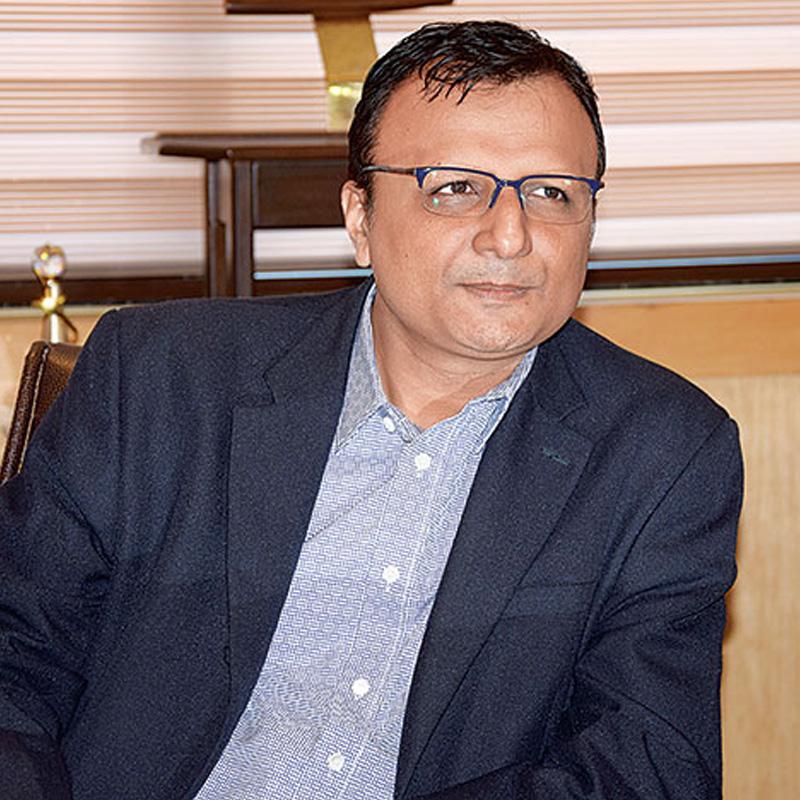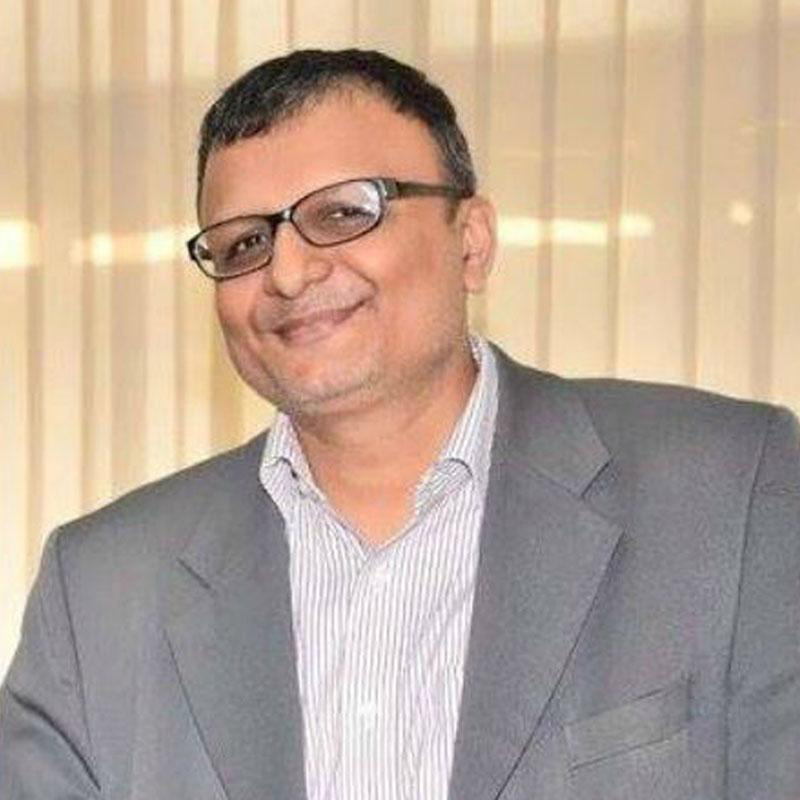
Tag: Shashi Shekhar Vempati

  • Prasar Bharati has seen a big change in its revenue in the last five years, says former CEO Shashi Shekhar Vempati

    Prasar Bharati has seen a big change in its revenue in the last five years, says former CEO Shashi Shekhar Vempati

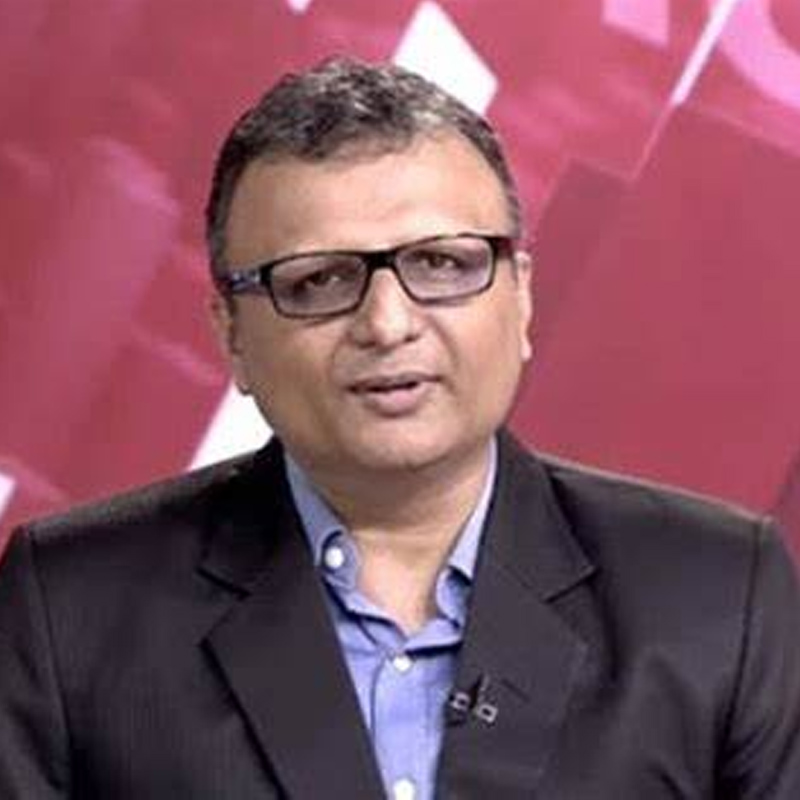
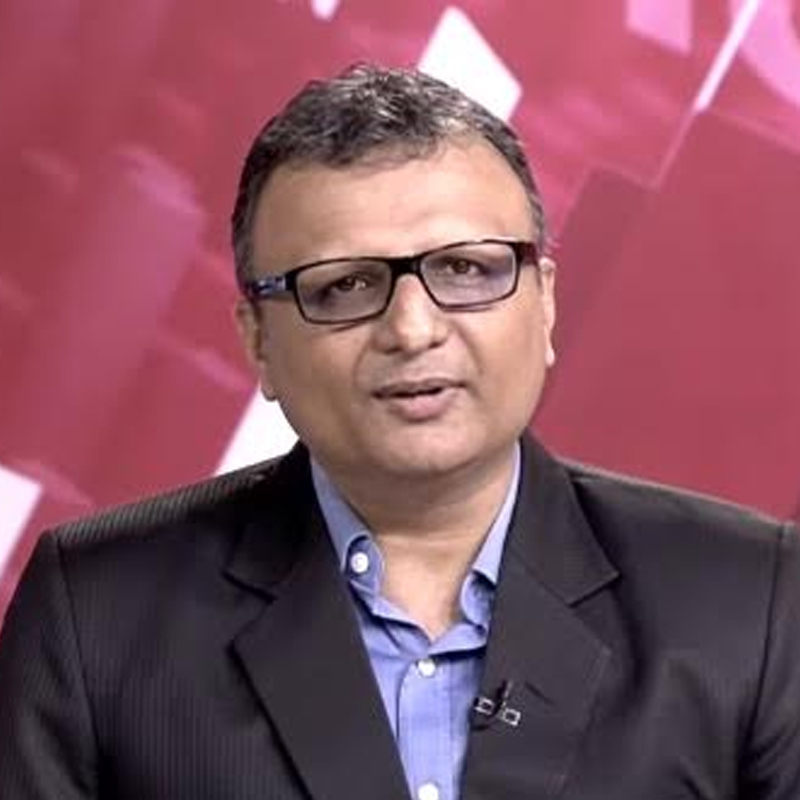
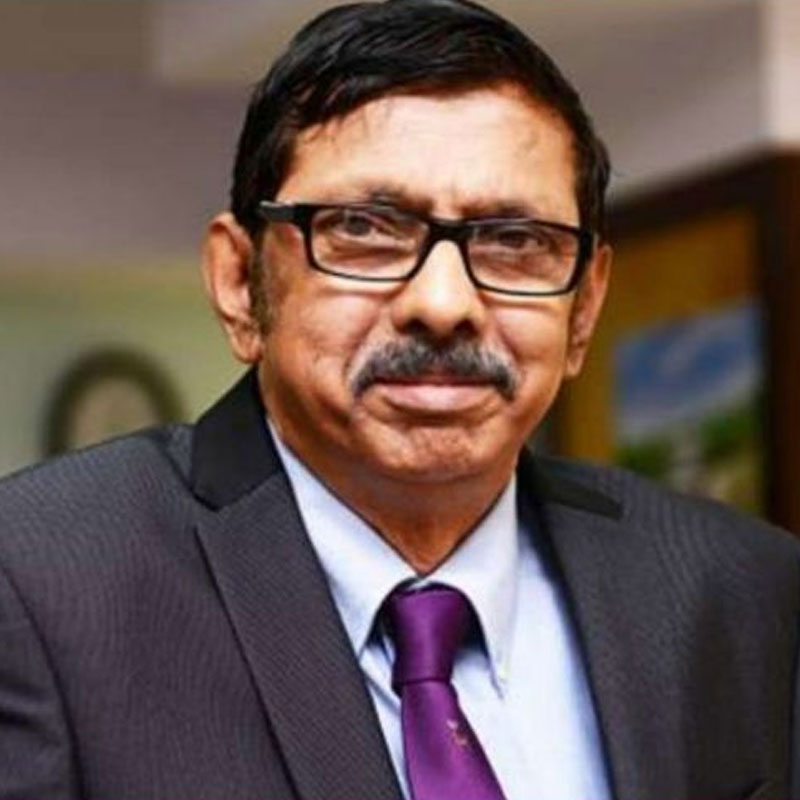
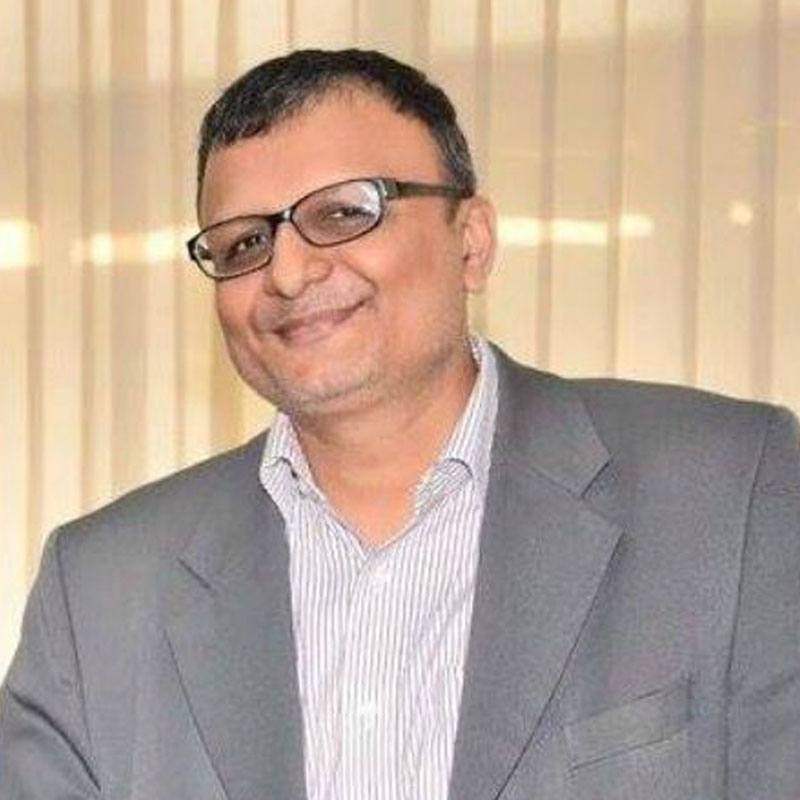
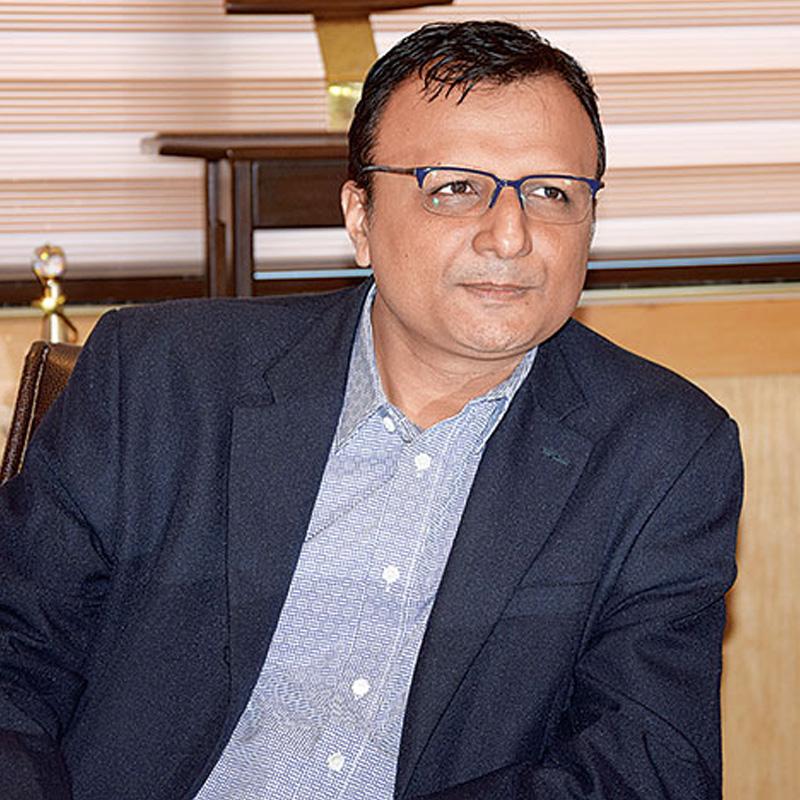
    Mumbai: Former Prasar Bharati CEO Shashi Shekhar Vempati joined broadcast journalist and host of ‘Media Dialogues’ on CNBCTV18 Anuradha Sengupta in conversation about his tenure at the public broadcaster recently.

    India’s public broadcaster Prasar Bharati is one of the largest broadcasting organisations in the world that runs a vast terrestrial network in addition to the satellite. During the interview, Vempati noted the changes brought during his tenure including phasing out obsolete technologies, figuring out the manpower roadmap for digital technology, and growing Prasar Bharati’s own media platforms like Free Dish and NewsOnAir app.

    The biggest change at Prasar Bharati

    Vempati highlighted that in the last five years the biggest change at the public broadcaster was the change in its revenue mix. In FY22, the public entity reported that commercial revenues were up by 13 per cent. Historically, the government was the primary source of revenue for the broadcaster via advertising & sponsored content. “What has changed in the last five years is how non-traditional sources of revenue have reduced dependence of government sources of revenue on DD and AIR,” said Vempati.

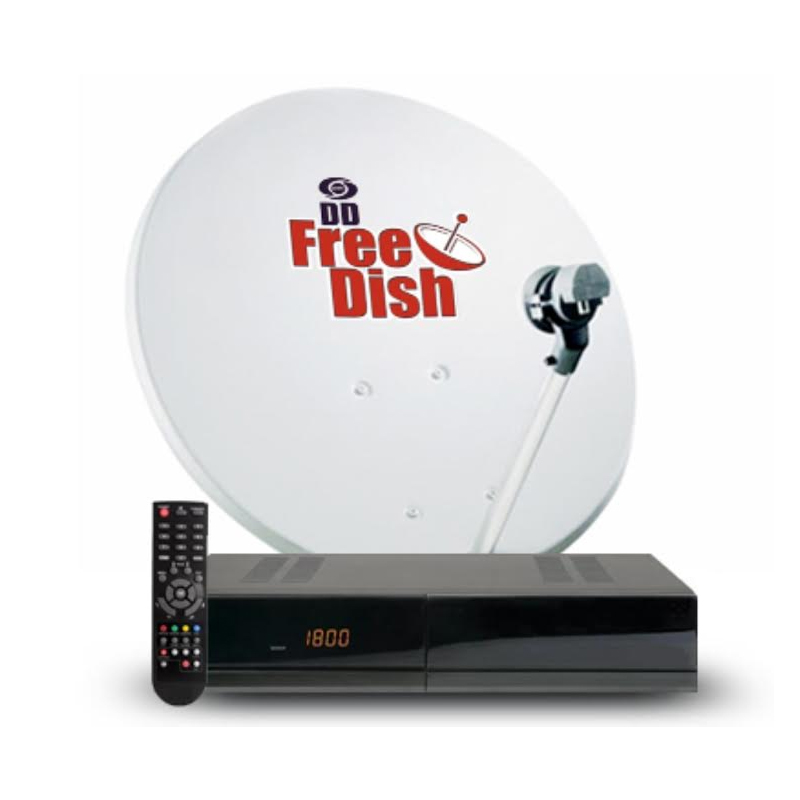
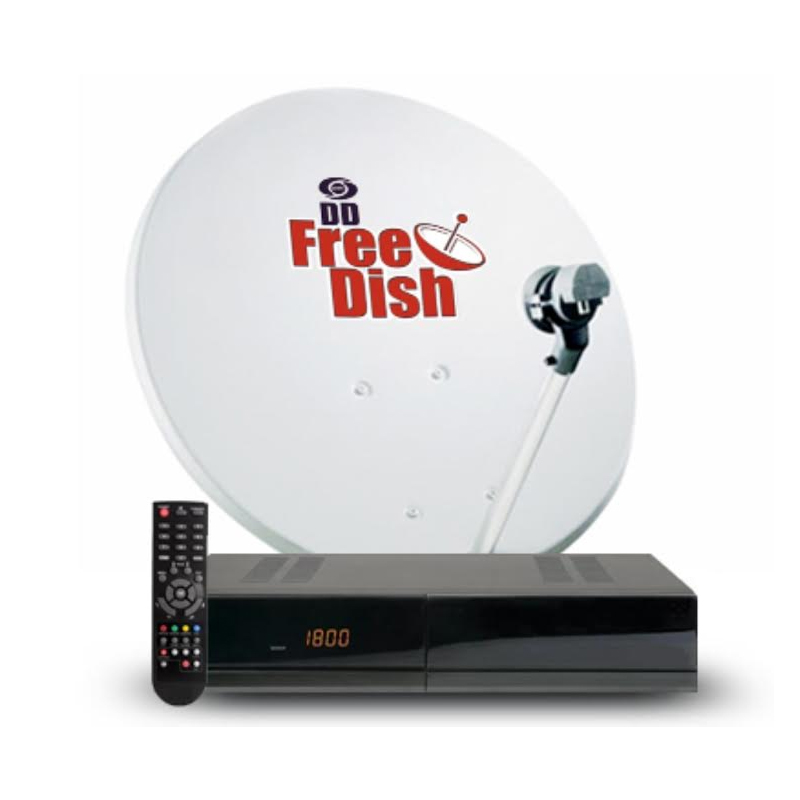
    “A big component of this reduced dependence is because of DD Free Dish. When I joined as CEO, Free Dish revenue used to be about Rs 270 crore and in the last financial year and this year it has crossed Rs 700 crore and touched Rs 750 crore,” he stated.

    Further adding, “There were hardly any digital revenues five years ago and now digital revenues amount to several crores and are growing fast at almost 30-40 per cent a year.”

    “We also have assets like TV towers that are leased out to private FM broadcasters and telecom operators which generates another Rs 100 crore in terms of revenue,” said Vempati.

    “The revenue growth that you’re seeing is largely contributed by these non-traditional sources of revenue. Interestingly, our radio revenues also saw recovery during Covid so that also contributed to overall growth,” he explained.

    Journey of DD Free Dish

    The public broadcaster’s free-to-air DTH (direct-to-home) platform reaches 43 million homes in India, as per EY (Ernst & Young) estimates and up to 50 million homes, as per Vempati’s personal views. This makes it the largest DTH service provider in the country, more than twice the size of any private DTH player in the country.

    Vempati praised the foresight of the late NDA government under Atal Bihari Vajpayee that they envisioned a platform of this nature. The cabinet gave its approval in 2003-04 with the stipulation that the platform should be self-sustaining and not be a recurring liability to the public broadcaster. It was important to bring private players onto the platform so that it pays for itself.  

    Initially, the placement of private channels happened through a committee process until 2010 when there was a need to make the process more transparent. A Telecom Disputes Settlement and Appellate Tribunal (TDSAT) ruling directed the public broadcaster in 2010 to frame a policy regarding terms and conditions for the broadcast of private channels via its DTH platform.

    The public broadcaster introduced an auction process where private channels had to bid for slots on the Free Dish platform. Over the years, the policy evolved from offering one base price for all broadcasters to offering a differentiated base price based on genre and language of the channel. This move resulted in immense value creation for Prasar Bharati and unlocked the potential of the DD Free Dish platform.

    Free Dish impact on private broadcasters

    There exists a love-hate relationship between private broadcasters and the free DTH platform as they gain access to immense reach, especially in the Hindi heartland, but the trade-off is the subscription revenues from this massive customer base.

    Vempati stated, “The DD Free Dish is only growing especially during the lockdown. The educational channels that were made available on the platform were a huge draw for audiences. The dealers who sell these set-top-boxes (STBs) also reported to us that it is impossible to keep up with the demand.”

    “Now, as we add more languages, the viewership of DD Free Dish is growing beyond the Hindi heartland. The promised 200 educational channels means that Free Dish still has an enormous headroom for growth,” claimed Vempati.

    Vempati observed that DD Free Dish has given rise to competitiveness in the TV broadcast industry where younger channels have been able to challenge the dominance of incumbents. He said, “If you see the Hindi genre, when I look at the ratings, there are several Free Dish channels in the top ten in terms of viewership. Ultimately, the public broadcasters’ purpose is to enable more choice to the consumer.”

    Vempati commented on private broadcasters pulling their flagship channels from DD Free Dish. He said, “This was a consequence of the new tariff order (NTO) regime which had an unintended impact on DD Free Dish. I see it as a transient phenomenon. The big players have other channels and have not completely exited the platform. It is a change that the media sector is going through and I’m hoping that we come out of it and get back on track.”

    Policy framework

    The trends in media consumption have shifted its dominance from traditional devices such as TV and radio to devices such as smartphones & smart TVs. While Vempati was not supportive of regulations in terms of pricing, he said regulations do have a role to play and supported the creation of a media regulatory framework not just for the broadcast sector but all media.

    During Vempati’s tenure, the public broadcaster signed a memorandum of understanding (MoU) with IIT Kanpur to develop direct-to-mobile broadcasting capabilities to reach more than 800 million mobile internet users in the country.

    He said, despite being the largest market for mobile phones, there’s very little standardisation in India. “Look at the emphasis China has put on creating standards. India is making an effort for the first time with 5Gi telecom technology standards. And with direct-to-mobile broadcasting, we have the opportunity to take a leadership position.”  

    Vempati’s run-in with TV ratings

    Another initiative taken by the public broadcaster was to air footage of Ramanand Sagar’s Ramayan on DD Free Dish during the lockdown.

    “When the lockdown was announced we debated on what to do, and I must compliment the PM and Prakash Javadekar (former union minister of information and broadcasting) to come up with the idea that we should air these epics,” recalls Vempati. “They insisted that it should be Ramayan that is aired first as it appeals to such a broad section of society.”

    The oddity was that Doordarshan’s popular shows were not the property of the public broadcaster but sponsored programmes. So, Prasar Bharati reached out to the Sagar family that owned the rights to the programme, the tapes were retrieved and special permission was granted to air the archival footage.

    “I feel this is the first time that the entirety of India has watched Ramayan because the first time it was aired only on the terrestrial network that was available only to a limited part of the country,” said Vempati. “All of India truly watched Ramayan during the lockdown which saw spectacular numbers and for the first time, Doordarshan’s rates were in the lakh plus range. When I look at global numbers apart from the finale of American sitcom M.A.S.H, Ramayan beat the charts!”

    Vempati was also part of the committee instituted by the ministry of information and broadcasting in 2020 tasked with looking into the rigging of TRPs and strengthening the overall ratings measurement system. Speaking about the TV ratings framework, Vempati noted that it was an interesting challenge for the committee and especially since the public broadcaster Prasar Bharati was also a client of Broadcast Audience Research Council (Barc). Addressing the lingering question of whether ratings are robust and credible, Vempati stated, “The important thing to remember is that Barc ratings are sample-based and not objective reality. When you start to infer viewership estimates by Barc as an objective reality that’s when you get into trouble.”

    While the committee made several recommendations to Barc on its corporate governance, technology and processes, ultimately Vempati believes that it is a question of business practices. “In a competitive environment, unless all players respect and adhere to certain business practices, you’ll always question the rating framework. Then it is a question of business culture and competition and ratings cannot solve that problem.”

    “The news genre has very erratic viewing patterns and there was a need to smoothen the fluctuations in the ratings which is why we rolled out the four-week rolling average,” said Vempati. “But business practices such as landing pages are beyond the ability of algorithms to solve. It is a business issue. My advice is that the industry should come to a consensus on how landing page data should be measured or there should be regulatory intervention. For example, a regulatory stipulation that only platform services can be on landing pages.”

    Vempati said that he was proud of being part of phasing out analogue terrestrial TV at the public broadcaster which he believes was one of the biggest reforms during his tenure. This freed up resources for digital and Free Dish and enabled Prasar Bharati to invest in the future.

    An outsider in the bureaucratic environment of Delhi, Vempati noted that his time at Prasar Bharati helped him understand the difficulty and complexity of the challenges in the public sector. He said, “The microcosm of small reforms that we tried to do gave me a sense of the complexity and challenges & better appreciate the job of the PM,” He concluded that the public sector would benefit greatly from having private-sector talent and professionals come in.

  • Prasar Bharati’s DG M K Agarwal gets additional charge as CEO

    Prasar Bharati’s DG M K Agarwal gets additional charge as CEO

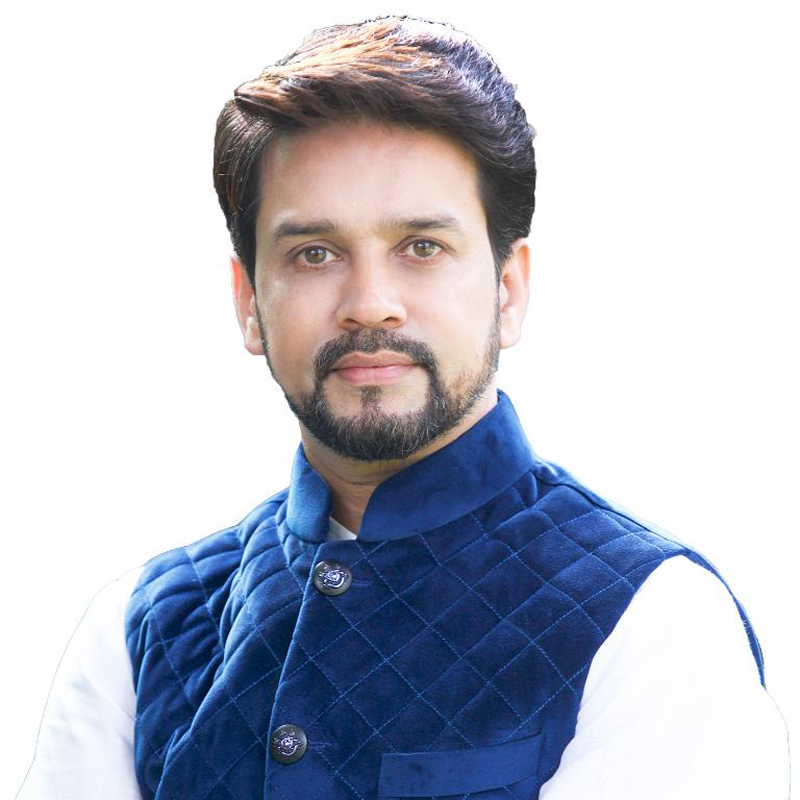
    Mumbai: The minister of information and broadcasting Anurag Thakur has approved an additional charge as CEO to Prasar Bharati’s Director General (DG) Mayank Kumar Agarwal. 

    He was previously associated with Doordarshan and Doordarshan News at the public broadcaster.

    Shashi Shekhar Vempati has departed from the public broadcaster. Agarwal’s appointment is effective till the joining of a regular incumbent to the post of CEO or until further orders. 

  • Prasar Bharati inks deal with Yupp TV to expand DD India’s global reach

    Prasar Bharati inks deal with Yupp TV to expand DD India’s global reach

    Mumbai: Prasar Bharati has signed a memorandum of understanding with OTT platform Yupp TV to distribute DD India in USA, UK, Europe, Middle East, Singapore, Australia and New Zealand.  

    The content hosting agreement was signed by Prasar Bharati CEO Shashi Shekhar Vempati and Yupp TV founder and CEO Uday Reddy.

    The deal was signed “to expand the global reach of DD India channel, to put forth India’s perspective on various international developments on global platforms and to showcase India’s culture and values to the world,” said the ministry of information and broadcasting in a statement.

    DD India is Prasar Bharati’s international channel. The channel through various programmes offers international viewers India’s perspective on all domestic and global developments. “DD India is available in more than 190 countries and acts as a bridge between India and the Indian diaspora spread across the world,” said the statement.

    The programming on the channel is presented in a thought-provoking manner with sharp analysis and commentary and cutting-edge visual presentation. One of the popular shows is “Bio-Quest,” a series that deals with the origin of Covid-19. Some of the other high viewership shows are “India Ideas,” “World Today,” “Indian Diplomacy,” “DD Dialogue,” “News Night” etc.

  • Barc reaching out broadcasters to inform about new reporting standards: I&B minister

    Barc reaching out broadcasters to inform about new reporting standards: I&B minister

    Mumbai: The minister of information and broadcasting Anurag Thakur told the Lok Sabha that the Broadcast Audience Research Council (Barc) India is reaching out to all constituents to sufficiently inform and educate them about new augmented data reporting standards and would require eight weeks’ time to resume the reporting of individual news channels.

    In October 2020, Barc announced that it would cease publishing weekly individual ratings of news and niche genres for an initial period of 8-12 weeks. The I&B ministry directed Barc to maintain the status quo in February 2021 in view of alleged reports of manipulation of rating data and review the whole ecosystem of publishing of ratings.

    A committee was instituted under the chairmanship of Prasar Bharati CEO Shashi Shekhar Vempati which made recommendations on strengthening corporate governance and bolstering technical oversight of the existing rating agency.

    “In the spirit of the recommendations of the above-said TRP Committee and Trai, various steps on corporate governance and on streamlining of processes and their transparency have been taken by Barc,” said Anurag Thakur. “The management involvement in the rating generation process has been institutionally removed. The Oversight and Technical Committees within Barc have been strengthened for data validation and methodology. The access protocols for data have also been revamped and tightened. Notwithstanding the existing processes put in place by Barc, reforms are a continuous process and policy prescriptions as may be required are made by the government from time to time.”

    “After review of the steps taken by Barc on corporate governance and on streamlining of processes and their transparency etc. Barc had been asked on 12 January to resume the release of the news ratings,” he added.

  • DD Free Dish emerged as enabler of competitiveness in M&E industry: Prasar Bharati CEO

    DD Free Dish emerged as enabler of competitiveness in M&E industry: Prasar Bharati CEO

    Mumbai: With a presence in over 40 million households, DD Free Dish has emerged as an enabler of competitiveness in the media and entertainment industry, said Prasar Bharati CEO Shashi Shekhar Vempati on Wednesday, highlighting the stupendous growth recorded by the platform in recent years.

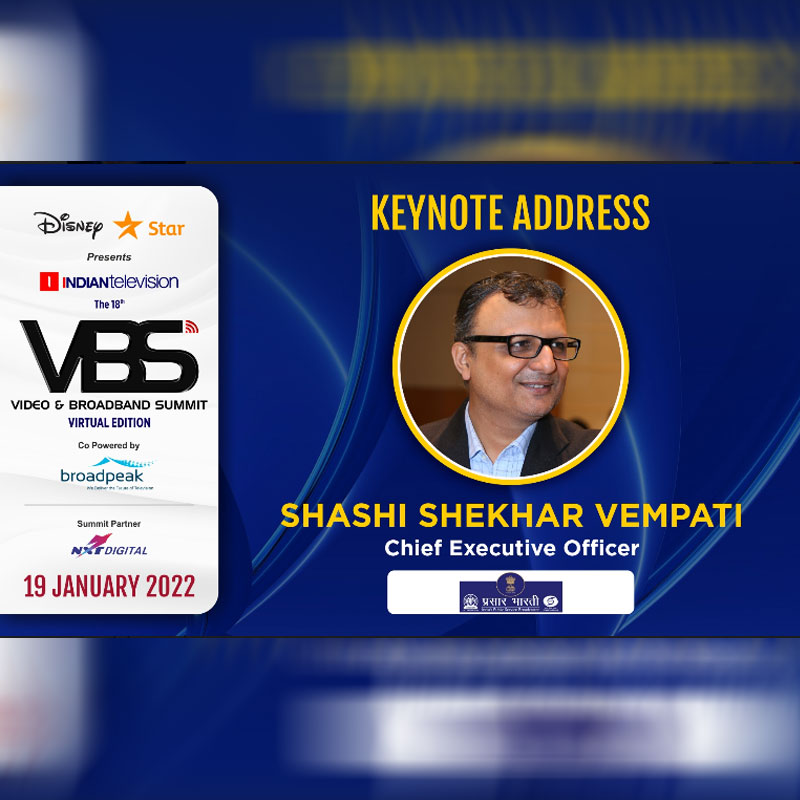
    Vempati delivered the keynote address at the 18th edition of the Video and Broadband Summit (VBS) organised virtually by Indiantelevision.com on Wednesday. The day-long summit was co-powered by broadpeak, with Disney Star as the presenting partner and Nxtdigital as the summit partner.

    Talking about the growth of DD Free Dish, the Prasar Bharati CEO said it was present in two crore households when he joined the public broadcaster in 2017 and has since doubled its base. “It was because of the Free Dish audience that channels like Dangal and genres like Bhojpuri have come of age,” he remarked. “There have been new, upstart channels that have challenged the incumbent bigger media houses. It has created a platform for people to sample content and subscribe to whatever they want to watch.

    DD Free Dish now in 40 million households

    During his five-year association with the public broadcaster, Vempati shared that he has observed striking changes in the way that the TV and video viewing market has evolved. According to him, the key factors that are driving this change are regulatory interventions, the decision by the government to phase-out analog terrestrial TV and the rise of OTT and digital.

    “The pandemic had a tremendous impact on the way we work,” he elaborated. When I joined the organisation, everything was paper-based but now we’ve become IT-based. The situation has forced us to think innovatively and put technology first.”

    Public Broadcaster’s Digital Turnaround

    Prasar Bharati’s digital growth has doubled every year with its YouTube channels clocking more than a billion views every month. The public operator which operates more than 400+ radio stations is now delivering its radio services via the News On-Air app. “While the app has several million downloads and an active listener base, it has also become a proxy for us to understand what people like to listen to on the radio,” said Vempati. “Analytics from the app gives us insights like which is the top city for online radio listening (Pune) and which streams do people prefer in every city. It also lets us know what time people are listening and which programmes they love the most.”

    He added that it was astounding that India has not leveraged its strength as the biggest media market and largest English-speaking market to build a local ecosystem for technology that can support the M&E sector. “As a public broadcaster, we invest (capital spending via government grants) up to Rs 100-200 crore in technology and it is very saddening to see this infusion of funds leaving the country,” he noted.

    Need for indigenous technology-development

    Most of the technology requirements of the M&E industry in India are imported and royalties go to entities in other countries. “We need to build a local ecosystem of technology vendors to supply the industry with all kinds of equipment,” said Vempati. “That’s why it is important that we focus on indigenous standards development.”

    For example, most of the 5G tech stack has been framed by entities in other markets. Prasar Bharati has recently signed a MoU with IIT Kanpur to develop IIndian-specific standards for 5G that allow for convergence between broadband and broadcast. This will allow for new opportunity areas such as direct-to-mobile broadcasting that will be in line with India’s unique needs to deliver content directly to mobile.

    Prasar Bharati developing next generation broadcast solution

    “With millions of people live streaming every event, it is going to raise the costs of the network and the pipes are going to choke. The telcos will not be able to handle so much traffic and that will lead to buffering. The way out is having the ability to offload steaming traffic to broadcast infrastructure if necessary. This benefits everyone including big OTT platforms,” he added.

    Another opportunity area that Vempati sees is innovation in the supply-side economics of content. “Why is content so expensive?” he asked. “There is a need to deliver higher quality content at lower cost and India should be cost leaders in terms of creating content, seeing the enormous talent base that we have. The M&E industry in India is looking for its “Walmart moment” when it comes to bringing down the cost of content. We should find innovative means, technologies, and approaches that can bring down the cost of content.”

  • Barc to resume news genre ratings with immediate effect: MIB

    Barc to resume news genre ratings with immediate effect: MIB

    Mumbai: The ministry of information and broadcasting (MIB) has asked Broadcast Audience Research Council (Barc) India to resume TV audience measurement ratings for the news genre with immediate effect and also release three months of data for the genre in a monthly format.

    As per the revised system, the reporting of news and niche genres shall be on a four-week rolling average concept. “This is to ensure fair, equitable representation of true trends,” said MIB in a statement on Wednesday. 

    The ministry has also set up a ‘working group’ under the chairmanship of the Prasar Bharati CEO for the consideration of leveraging the Return Path Data (RPD) capabilities for the use of TRP services, as also recommended by the Telecom Regulatory Authority of India (Trai) and the TRP committee report. The committee shall submit its report in four months’ time.

    In a statement, the I&B ministry said, “In the spirit of the TRP committee report and Telecom Regulatory Authority of India (TRAI’s) recommendation dated 28.04.2020, M/s Broadcast Audience Research Council (BARC) has undertaken revision in its processes, protocols, oversight mechanism and initiated changes in governance structure etc.  The reconstitution of the board and the technical committee to allow for the induction of independent members have also been initiated by BARC.  A permanent oversight committee has also been formed. The access protocols for data have been revamped and tightened.”

    According to MIB, Barc has indicated that in view of changes undertaken by it, they are reaching out to related constituencies to explain the new proposals and are in readiness to actually commence the release as per the new protocols.

  • I&B ministry forms Joint Working Group for audience measurement sampling

    I&B ministry forms Joint Working Group for audience measurement sampling

    Mumbai: The ministry of information and broadcasting (MIB) has formed a Joint Working Group to formulate a mandate for exploring data capturing capabilities in Set Top Boxes (STBs) for audience measurement sampling.

    With Prasar Bharti CEO Shashi Shekhar Vempati as the chairman and DTH association president Harit Nagpal as a member, the joint working group will have one representative each from MeitY, BIS, Barc India, and AIDCF. It will submit its report to the I&B ministry within the next four months.

    The current guidelines for the TV Rating Agencies prescribe the use of panel homes, drawn by establishment survey and representative of the TV viewing population, for carrying out the Audience measurement. However, the latest recommendations from the Telecom Regulatory Authority of India (Trai) and TRP committee headed by Prasar Bharati CEO suggested combining traditional sample-based statistical approaches with big data approaches like Return Path Data in STBS.

    The new working group has been entrusted to study different aspects of the data capturing including Return Path Data (RPD) in the context of the audience measurement, international practices, and security of the viewership data. “It will also study successful global best practices in RPD, like that of Canada, the models undertaken by Barc India and other independent experiments by DTH operators and other relevant stakeholders,” said the ministry on Wednesday.

    The Group will specify minimum standards for RPD capable STBS, SOPs for certification and audit of the same, and specify common protocols, data standards, and modifications to current rating methodology so that data from RpD capable STBS could be integrated into the current TV ratings system.

    Additionally, it will specify minimum standards for any smartphone-based Apps to augment the above proposed RPD system for integration into the current TV ratings.

    -Specify SOPs for certification and audit of the same.

    -Evolve a consensus for how such different data sets including RpD/ smartphone-based data collection will be priced/ costs shared within the framework of the TV ratings system.

    -Specify consent-based privacy framework to govern all such data collection and use within TV ratings.

    -Establish timelines for rollout of above with a clear roadmap to guide all stakeholders while laying out points of responsibility for the same. 

  • #Retrace2021: Inching towards a connected future of audience measurement

    #Retrace2021: Inching towards a connected future of audience measurement

    Mumbai: It was for the first time since the 1960s, that Nielsen’s measurement lost a “seal of approval” from the industry that uses it, as leading advertisers and TV networks sought alternate means of counting their audiences. The TV measurement company had long faced criticism from the Video Advertising Bureau (trade organisation representing the advertising sales departments of networks and distributors) over undercounting the TV viewing during the pandemic, and the exclusion of broadband-only homes. The months-long feud culminated in the suspension of accreditation of Nielsen’s national and local TV ratings service by the Media Ratings Council, effective mid-September 2021.

    Also read: Nielsen loses accreditation for TV measurement service

    Matters were further compounded by NBCUniversal launching a measurement RFP in August, calling for “measurement independence”. In September, even as Nielsen CEO David Kenny acknowledged the gap and bias in measurement as a result of the exclusion of broadband-only homes representing nearly 30 per cent of TV households in some local markets, ViacomCBS announced its partnership with software and data platform, VideoAmp for TV measurement data. The move opened the way for other networks to explore alternative means of counting their audiences.

    Also read: ViacomCBS teams up with VideoAmp for TV Measurement after Nielsen loses accreditation

    At the centre of this growing dissatisfaction with the panel-based measurement system was the Connected-TV revolution and the under as well as misrepresentation of the large universe of the audience that has either completely cut the cord or is consuming both linear and CTV across devices and platforms. The industry was clamouring for a unified identifier that could bring about fundamental changes in the current measurement system which oversimplifies viewing across CTV by extending linear TV measurement standards to it and/or combining two viewing data sets that do not have common metrics.

    Hopes were now pinned on Nielsen ONE, Nielsen’s single cross-media product providing reach and frequency metrics by delivering a holistic, deduplicated view of both content and ad performance regardless of screen, device or platform.

    Laying the groundwork for implementing the new flagship currency across local, national and digital measurement towards the end of September, Nielsen announced the “Impressions First Initiative” for impression-based buying and selling in local markets across the US, as well as the integration of Broadband-Only Homes into local measurement in January 2022. The impression-based currency will deliver a more complete, precise and representative audience measurement, along with the added benefit of enabling cross-platform audience measurement, it said. 

    Going full-throttle on its digital transformation, in October Nielsen unveiled a new brand campaign, including a new identity, reflecting the company’s focus on delivering digital-first and global-first media solutions in three areas—measurement, audience outcomes and content services. The shift signaled the combining and enhancing its measurement solutions into the single cross-media measurement solution, Nielsen One.

    Announcing the year’s biggest development and the culmination of a long wait, on 21 December 2021, Nielsen unveiled the first iteration of Nielsen ONE, ‘NielsenONE Alpha’ with Disney and MAGNA as participants. The newest deduplicated ad-measurement will continue to evolve with new feature additions, enhancements, and model improvements leading up to the launch of the final product in the fourth quarter of 2022.

    Aligning India with the global digital shift  

    While the connected TV/OTT ecosystem in India is not as well developed and deeply entrenched yet, it is relevant here to recall Barc India’s intent to initiate ‘one video view’ measurement, announced in September 2020 by ex CEO Sunil Lulla. At the height of the TRP scam that broke out around the same time, a section of the industry had expressed doubt regarding some stakeholders derailing the ratings agency’s efforts and intentions to bring forth a unified, cross-platform measurement system.

    Also read: Nielsen to launch new commercial metrics to track individual ads on TV

    The TRP committee formed in the aftermath of the scandal recommended measures to reinstate faith in the current rating system by strengthening corporate governance within Barc India at the board level through independent technical oversight, term limits, and wide representation that minimises conflicts of interest. The 39-page report also pushed for the formation of multiple rating agencies in competition to Barc India and creating a specialised regulator to oversee all of them.

    Even as it addressed the pitfalls in linear TV measurement, the four-member panel led by Prasar Bharati CEO Shashi Shekhar Vempati laid down the framework for a comprehensive transformation and democratisation of the country’s rating systems and standards in line with the global shift towards digital.

    Considering the increasing convergence between STBs and smart media devices and the emergence of hybrid boxes capable of both CAS compliant linear TV viewing and internet streaming-based OTT viewing, the committee recommended a Return Path Data (RPD) mandate in all future STBs deployed by Distribution Platform Operators (DPOs). It also noted the emergence of smartphone-based apps capable of interacting with such hybrid boxes as paving the way for additional avenues for RPD data capture and relay.

    Further, it suggested the government/regulator examines incentives and policy interventions including FDI norms in the media audience measurement technology space so that India emerges as the hub for global innovation in this sector.

    Acknowledging the growth in digital advertising as well as the trend of linear TV viewing over interfaces other than traditional televisions and beyond the threshold of conventional households, the committee stressed the need for regulatory interventions to foster innovation while allowing for value chains to evolve, keeping pace with global trends and local market dynamics.

    “A hallmark of digital innovations over the past few decades has been disintermediation within value chains and disruption across industry domains, leveling the playing field and spurring competition. The world of linear television ought to be no exception to such disintermediation between buyers and sellers of media. There are no reasons why new models of advertising such as platform-based advertising, location-based advertising, programmatic advertising, etc must not emerge,” it said while adding that the guidelines prescribed must not privilege any one business model over another, nor create barriers to the emergence of more efficient business models.

    The above recommendations are both practicable and necessary considering the pace at which television viewing is evolving in India. As per mediasmart’s India CTV Report 2021, CTV viewing in India is on a significant uptick and increased by 31 per cent, compared to 81 per cent globally. Even though India is still a young market, it has tremendous potential for CTV adoption by consumers. In April 2020, 21 per cent of CTV viewing households were cord-cutters (households who cut the cord within the past five years), whereas 22 per cent were cord-nevers (households with no cable/satellite subscription in the past five years).

    Ormax Media research pins the Indian OTT audience universe at 353.2 million people, translating into a penetration of 25.3 per cent. According to various other estimates, the figure including YouTube is roughly 500 million. As regards CTV adoption, Madison’s Q2 report revealed that smart TV shipments grew by almost 65 per cent, claiming an 80 per cent share of the total TV shipments. Their massive adoption was fuelled by starting price points as low as Rs.15000.

    Given that TV as a medium still has considerable scope for growth in India, preparing for a connected future may seem like a long shot at this juncture. However, the Indian market which is often typecast as ‘underdeveloped’ is also a curious one where the digital revolution is being brought about by smartphones that have outmaneuvered PCs as the primary or base medium. With the current regulatory regime that seems to accelerate the clear segmentation of audience between Free Dish and streaming services by allegedly disincentivising Pay/Cable TV, we might be in for more surprises. 

  • #Retrace2021: The year of regulatory challenges and no TRPs for news channels

    #Retrace2021: The year of regulatory challenges and no TRPs for news channels

    Mumbai: The year 2021 began with a rather chaotic legacy handed over by 2020. In the aftermath of the TRP Scam, TV ratings for the news genre remained suspended throughout the year. The legal tussle between Telecom Regulatory Authority of India (Trai) and broadcasters over the rollout of the New Tariff Order (NTO) 2.0 continued to dominate the headlines.

    Adding to this, was the Information Technology (Intermediary Guidelines and Digital Media Ethics Code) Rules, 2021 (IT Rules, 2021), announced in February which set the ball rolling for regulation of digital and social media. This was followed by the Cable Television Networks (Amendment) Rules, 2021 (CTNA 2021) and the proposed amendments to the Cinematograph Act, 1952, all of which sought to regulate content across media including digital, and align it with ‘public interest’.

    Also Read: SC refuses to grant interim protection to Tandav makers

    The year began with the controversy over the Amazon Prime web series ‘Tandav’ which became the tipping point for the government which was already deliberating the regulation of digital media including social. The show and its star cast was accused of hurting the religious sentiments of a particular community prompting the show’s director Ali Abbas Zafar to issue an unconditional apology on social media. The spate of FIRs and threats continued unabated despite the omission of two ‘objectionable’ sequences, and apologies from the platform and its then country head Aparna Purohit.

    Also Read: Tandav : And the future of storytelling

    While the hitherto pampered OTT-verse was bracing itself for government oversight, the pay-TV universe continued to be cannibalised by it and DD Free Dish at the top and bottom tiers. Even as distribution players worked on diversifying their offerings to embrace the imminent digital takeover and on building new ones to challenge Free Dish, they kept pushing for regulatory interventions to tackle the issue at its core. Though well within its rights to strive for survival, in the process of manoeuvring these challenges, the industry ended up creating another flashpoint between the regulators/government and itself.

    2021 closed with a trailer to the next big fight with Trai questioning the availability of linear channels on OTT and telco apps which, it said, is in violation of Clause 5.6 of Policy Guidelines for Downlinking of Television Channels dated 5 December 2011. Broadcasters, on the other hand, invoked section 37 of the Copyright Act 1957 known as Broadcast Reproduction Right (BRR) to justify their channels’ presence on their own OTT platforms and third-party aggregator apps. Also because they are not licensees under Trai Act, they do not fall under the scope of Trai Act or Interconnection Regulations or Clause 5.6 of Downlinking guidelines.

    Here, we take a look back at the regulatory events and challenges that re-defined the Indian TV industry in 2021.

    Legal tussle over NTO 2.0

    One of the biggest developments of the year was the pronouncement of the Bombay High Court order on the NTO 2.0 case on 30 June. After a legal tussle that lasted over a year, Trai had managed to get a green signal from the court on the implementation of the amended rules. While the HC upheld the constitutional validity of NTO 2.0, it termed one of the twin conditions “arbitrary”, according to which the maximum retail price of an a-la-carte channel could not be more than one-third the maximum rate of a channel in the bouquet.

    Also Read: NTO 2.0 Verdict : Who Wins What?

    Following the notification of NTO 2.0 in January 2020, several broadcasters under the umbrella of the Indian Broadcasting and Digital Foundation (IBDF) and a couple of other private channels challenged the amendment terming it “arbitrary and in violation of their fundamental right”. The NTO 2.0 prescribed linkage between a-la-carte price and bouquet via the imposition of twin conditions on bouquet pricing, and reduction in price cap from Rs 19 to Rs 12 for pay channels, thereby incentivising a-la-carte alone.

    Having recognised the adverse impact of NTO (2019) on all stakeholders including consumers, broadcasters and distributors refused to accept the judgement and challenged it further in the Supreme Court in July. After a series of adjournments, the apex court, on 30 November, posted the matter for hearing on 15 February 2022.

    Meanwhile, in November, Trai moved the deadline for implementation of NTO 2.0 from 1 December 2021 to 1 April 2022. Distribution platforms like DTH and cable will now have to seek subscriber choice till 31 March 2022, it said. The deadline for broadcasters to come up with their new reference interconnection offers (RIOs) and simultaneously publish the required information about channel and bouquet offerings, as well as their MRPs on their websites was also extended to 31 December.

    Also Read: Trai extends NTO 2.0 implementation to 1 April 2022

    Several large networks including ETV, Discovery Communications, Sun TV, Times Networks, ZeelL, SPNI, and others had come out with their new RIOs in October-November. In what looked like a refusal to back down, the broadcasters preferred to pull their popular channels out of the bouquets instead of reducing the price to Rs 12. Their move flies in the face of the regulators’ assertion and intention of preserving the interest of customers.

    Despite the short-lived benefits of incentivising à la carte and changes in NCF for broadcasters and distributors, the attempt to regulate channel pricing was soon recognised by all stakeholders as being counterproductive. Aside from having an overall negative effect on reach and viewership for broadcasters, it led to the shutting down of many niche channels which became inviable as a result of NTO implementation. The impact for distributors was felt when customers gravitated towards either OTTs or Free Dish to counter the increase in their monthly subscription bills.

    Also Read: DTH operators write to Trai over broadcasters offering pay channels on DD Free Dish

    The implementation of NTO 2.0 will further hasten this migration. Foreseeing the detrimental scenario, Direct-to-home (DTH) service providers including Tata Sky and Airtel Digital TV wrote to Trai in September asking the regulator to address the issue of broadcasters making their pay channels available on DD Free Dish. Alleging that this goes against the current tariff regime which mandates the designation of channels as either pay or FTA and prohibits their bundling together, they once again raised the demand for such designation to remain constant across distribution platforms.

    Also Read : There needs to be a level-playing field : Tata Sky CEO Harit Nagpal

    Further, in a letter dated 28 December written to Prime Minister Narendra Modi, the Delhi-based All Local Cable Operators Association alleged that the Trai and broadcasters are “forcibly pressurising” MSOs to implement the new tariff order, which will lead to cable TV operators, national MSOs and independent MSOs incurring huge losses. The NTO 2.0, if implemented, will lead to the unemployment of lakhs of families connected with the cable TV industry, it said. Several other representative organisations have also raised the issue with the government and regulators frequently.

    Also Read : Trai vs Broadcasters : Impact could be larger than expected

    IT Rules, 2021 & Cable Television Networks (Amendment) Rules, 2021:

    The introduction of the Information Technology (Intermediary Guidelines and Digital Media Ethics Code) Rules, 2021 by the ministry of electronics and information technology (MeitY) in February sought to regulate social media, digital platforms, and streaming services in the country through a three-level grievance redressal mechanism.

    The “soft-touch regulatory architecture” comprised Level I – self-regulation by broadcasters, Level II – Self-regulation by registered self-regulating bodies of the broadcasters, and Level III – oversight mechanism by the central government. Later in June, the government extended this framework to Cable TV with the Cable Television Networks (Amendment) Rules, 2021.

    Also Read: MIB amends Cable TV rules for redressal of broadcast related complaints

    Also Read: Trai issues new consultation paper to regulate monopoly in Cable TV services

    The new regulations, along with proposed amendments to the Cinematograph Act, 1952, brought together all forms of media in the country barring newspapers under the three-layer regulatory mechanism. Consequently, they also ran into troubled waters with broadcasting associations like NBA and IBDF and some independent players filing several petitions in various high courts.

    News Broadcasters Association (NBA) president Rajat Sharma wrote to the then I&B minister Prakash Javadekar requesting the exclusion of digital news platforms owned and run by traditional news media from the purview of the provisions of the new IT Rules, 2021. In July the organisation approached the Kerala HC with a writ petition contending that the oversight mechanism gives the executive “unfettered, unbridled and excessive powers to regulate the content of TV channels of news broadcasters.”

    Also Read : No exemption for mainstream media from IT rules

    The IBDF, Sun TV Network, and SJ Clement filed separate petitions challenging the constitutional validity of Part III of IT Rules 2021 and CTN Amendment Rules 2021 in the Madras high court.

    In May, IBF had renamed itself as IBDF bringing all digital/OTT platforms under its purview. It also announced plans to form a new subsidiary – an industry-led Self-Regulatory Body (SRB) called Digital Media Content Regulatory Council (DMCRC) to serve as a second-tier mechanism at the appellate level specifically for digital. The DMCRC is similar to Broadcast Content Complaint Council (BCCC) which IBF had successfully implemented for the linear broadcasting sector in 2011. 

    Also Read: Former SC judge Justice Vikranjit Singh Sen appointed chairman of IBF’s new self-regulatory body

    Overhaul of TRP ratings

    The committee on TRP ratings formed by the government in the aftermath of the 2020 TRP Scam came up with its recommendations pushing for the formation of multiple rating agencies in competition to Barc India and creating a specialised regulator to oversee all of them. The 39-page report submitted by the committee early this year was shared with Broadcast Audience Research Council (Barc) India and other broadcasters in November to take the discussions forward.

    Led by Prasar Bharati CEO Shashi Shekhar Vempati, the four-member team also included – IIT Kanpur, professor of statistics, department of mathematics and statistics, Dr Shalabh; C-DOT executive director Dr Rajkumar Upadhyay; Decision Sciences Centre for Public Policy professor Pulak Ghosh.  After consultation with stakeholders such as Barc India, MDPL, Zappr Media, Nielsen India, and Tata Sky AMS, the committee had issued several specific and sweeping recommendations on the technical aspects of TV rating measurement in India.

    Observing a broad consensus among industry stakeholders in favour of leveraging return data capabilities, it recommended that RPD should be made mandatory for set-top-boxes (STBs) deployed by distributed platform operators (DPOs). The collection of viewership data by DPOs is to be governed by privacy norms prescribed by the government/regulator. 

    Also Read : Govt committee seeks to set up specialised regulator for media ratings

    The report noted that crowdsourcing approaches could be economical alternatives to RPD and should be open to rating agencies to enrich panel-based measurement. The committee also batted for an open data ecosystem allowing academics and independent researchers access to algorithms and raw datasets to analyse, validate and enrich them.

    The television rating system in India had come under scanner in October 2020 when Mumbai Police claimed in a press briefing that they have probed a case of manipulation of TRPs and found some incriminating evidence. The police said the accused were allegedly bribing the households to keep a particular channel running, leading to several arrests. Three news channels, Republic TV, Fakt Marathi, and Box Cinema were named in an alleged TRP tampering scam. BARC had also temporarily suspended the publishing of weekly data for news channels, which remains in limbo to date.

    Also Read: MIB to implement TRP ratings recommendations soon: Anurag Thakur

    Making satellite-broadband services cheaper

    The cost of satellite-broadband services continues to remain on the higher side in the country, posing a major challenge to its wide adoption by the end-users. The issue was also taken by India’s telecom regulator which is looking for ways to drive down the rates of satellite broadband. Early this year, Trai also floated a discussion paper and sought views to make satellite communications more affordable in the country. 

    Among other issues, Trai also sought views on whether satellite service licensees should be allowed to obtain bandwidth from foreign satellites for providing IoT connectivity. Also, whether any specific or all bands should be permitted for provisioning satellite-based IoT connectivity. It also invited suggestions on whether a new licensing framework should be proposed for the provision of satellite-based connectivity for low-bit-rate applications or the existing licensing framework may be suitably amended to include the provisioning of such connectivity.

    Also Read: Trai seeks suggestions to make satellite broadband services affordable

    5G roll-out and spectrum clash:

    Earlier in the year broadcasters expressed concern over the rollout of 5G at a near-clashing frequency. Their apprehension was that the spectrum range of 3.0-3.6GHz identified for 5G does not allow for a buffer or ‘guard band’ before satellite television operates at 3.7 to 4.2 GHz. This could lead to disruption in television and radio services in the country. Even though welcoming of 5G has held great opportunity for the M&E industry in the era of convergence, broadcasters said that in the event they had to move to a higher frequency, the government should intervene with subsidies to offset the cost incurred.

  • Prasar Bharati developing next generation broadcast solution

    Prasar Bharati developing next generation broadcast solution

    Mumbai: Prasar Bharati has entered into an MoU with IIT Kanpur to develop next generation broadcast solution/roadmap for digital terrestrial broadcasting consistent with emerging standards such as 5G broadcast.

    “The sanction for the Proof of Concept (PoC) of next generation broadcasting has also been conveyed to IIT Kanpur,” the minister of information and broadcasting Anurag Thakur told the Lok Sabha on Tuesday. “The selection of an appropriate next generation broadcast technology and Digital Terrestrial Transmission (DTT) roadmap of Doordarshan depends upon evaluation of this PoC.”

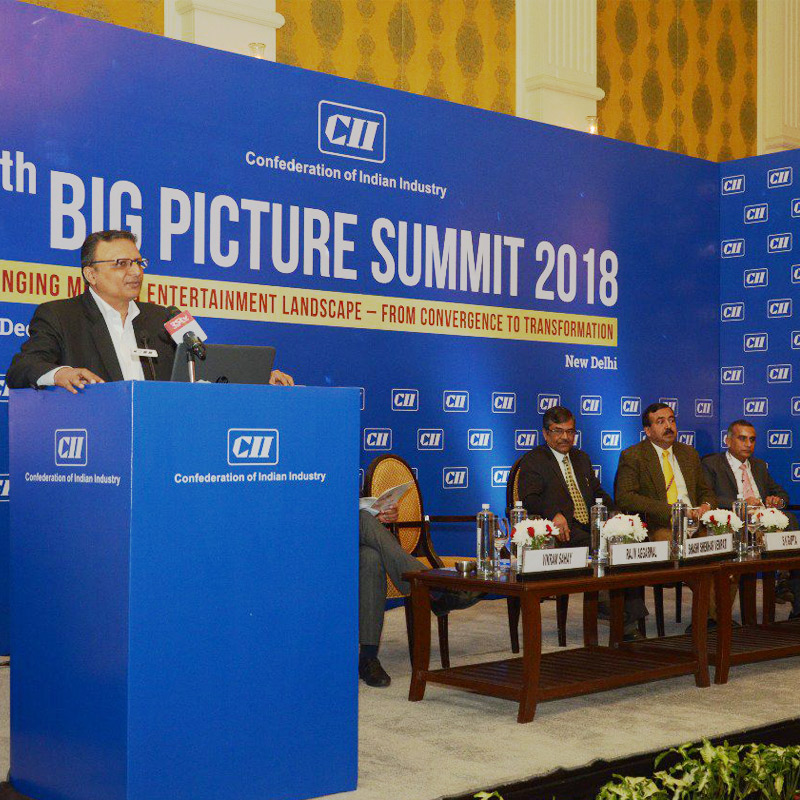
    Speaking at the CII Big Summit last month Prasar Bharti CEO Shashi Shekhar Vempati had also stressed upon the need for convergence across infrastructure and content creation.

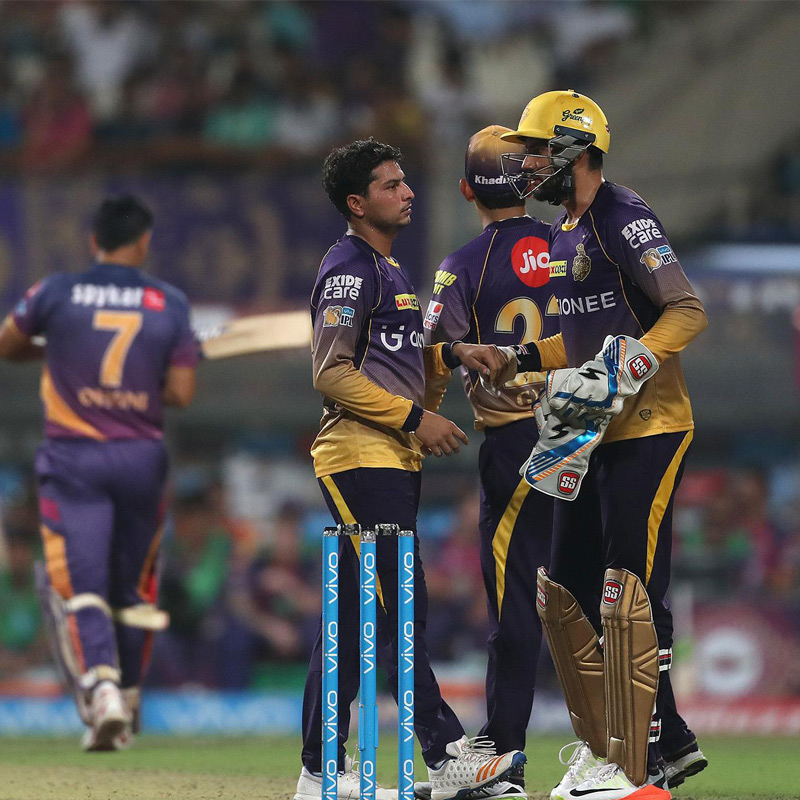
    He said that if the collaboration with IIT Kanpur is successful it will be possible to directly receive broadcast signals on smartphones in future. “In the event of a high-viewership event like the Indian Premier League (IPL), there is no reason why millions of users need to receive that content on a unicast mode through the internet. If this works, all of the content can be delivered directly on broadcast frequencies to people on their smartphones or smart TVs,” he said.

    The public broadcaster is already working on bringing convergence across TV and radio so that a lot of exclusive radio content can be made visually rich and available for TV audiences. PM’s ‘Mann Ki Baat’ was the first such example. Prasar Bharati is following the same format where a camera is put up in the studio all-day long for another show ‘Rangoli’.