Tag: Shah Rukh Khan

  • Hindi cinema shines bright at Filmfare’s 70th night

    Hindi cinema shines bright at Filmfare’s 70th night

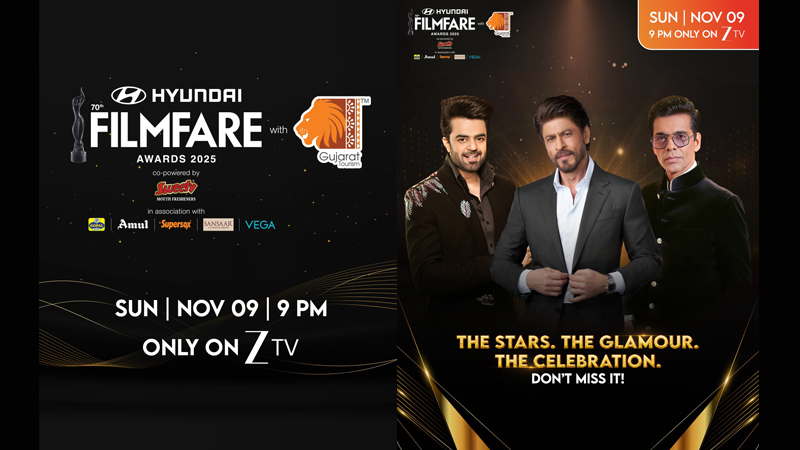
    MUMBAI: Lights, camera, nostalgia! The 70th Hyundai Filmfare Awards 2025 with Gujarat Tourism turned Ahmedabad into the heart of Hindi cinema, where stars, stories and songs collided in a night of pure cinematic magic. The telecast of the unforgettable evening airs on 9 November at 9 pm across Zee TV, Zing and Zest, promising fans a front-row seat to the glamour, grandeur and golden memories.

    Hosted by the ever-charismatic Shah Rukh Khan, joined by Karan Johar and Maniesh Paul, the ceremony was a dazzling blend of celebration and emotion. The event honoured not just the brightest stars but the creative minds behind the camera, directors, writers, musicians and technicians, all of whom keep Indian cinema’s soul alive.

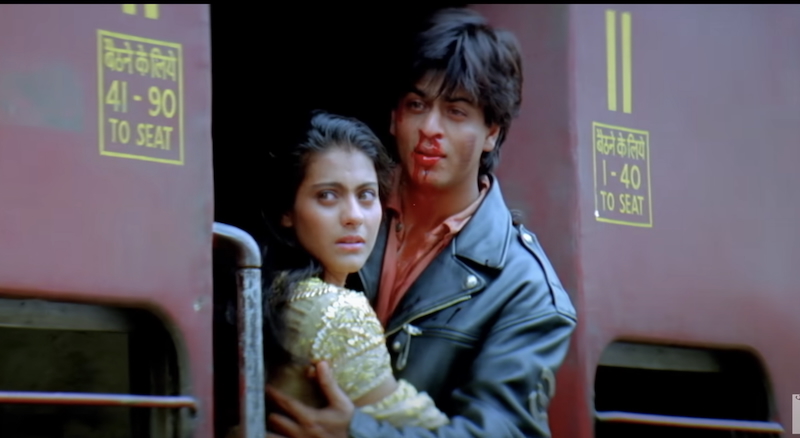
    One of the night’s most goosebump-inducing moments came when SRK and Kajol brought back the magic of Dilwale Dulhania Le Jayenge, Kuch Kuch Hota Hai and Kabhi Khushi Kabhie Gham, leaving the audience awash in nostalgia. Adding a heartfelt touch, Abhishek Bachchan paid tribute to his legendary father with a dynamic medley of Amitabh Bachchan classics, from Khaike Paan Banaras Wala to Jumma Chumma.

    The evening’s rhythm soared higher with Akshay Kumar’s powerhouse performance of timeless hits and Kriti Sanon’s glamorous homage to Zeenat Aman, who, along with Shyam Benegal, received the prestigious Lifetime Achievement Award. Ananya Panday brought Gujarat’s vibrant culture to life, while Siddhant Chaturvedi saluted Hindi cinema’s dance icons with electrifying energy.

    Taking the celebration sky-high, a stunning drone show lit up Ahmedabad’s skyline, tracing the evolution of Hindi cinema through the decades. A nostalgic ‘Cine Icon Awards’ segment revisited legends like Bimal Roy, Sridevi, Dilip Kumar, Nutan, and Amitabh Bachchan, right up to the 1990s icons SRK, Kajol and Karan Johar.

    The telecast also captures intimate moments, from the audience joining SRK to wish Big B a happy birthday to Ravi Kishan and Abhishek Bachchan winning their first-ever Filmfare trophies.

    So, polish that popcorn bowl and prepare for an unforgettable evening. The 70th Filmfare Awards 2025 promises everything Hindi cinema stands for, emotion, entertainment and eternal magic, on 9 November at 9 pm only on Zee TV, Zing and Zest.


  • Netflix rolls the YRF reel worldwide

    Netflix rolls the YRF reel worldwide

    MUMBAI: Lights, camera, nostalgia! Netflix and Yash Raj Films (YRF) hit play on a golden reel of Hindi cinema memories, bringing five decades of cinematic gems to screens around the world. The streaming giant sealed a landmark partnership with India’s iconic studio, opening its vault of classics, blockbusters and heart-throbs for global audiences to binge on.  

    The celebration began with a star-studded line-up. Shah Rukh Khan fans were treated to nine of his biggest hits, including Dilwale Dulhania Le Jayenge, Veer-Zaara and Chak De! India, which dropped on November 1, marking the superstar’s birthday weekend. Salman Khan’s action-packed trio Ek Tha Tiger, Sultan and Tiger Zinda Hai will roar onto Netflix on December 27, his birthday.

    Romance buffs can look forward to November 14, when timeless Yash Chopra classics like Chandni, Lamhe and Silsila begin streaming. Ranveer Singh’s infectious energy arrives on December 5 with Band Baaja Baaraat and Gunday. The festive season gets even brighter with 34 YRF crowd-pleasers, including Hum Tum, Bunty Aur Babli and Mujhse Dosti Karoge, set to stream two at a time between December 12 and 28.

    The reel keeps rolling into 2026, with the Dhoom trilogy revving up from November 28 and the Mardaani series joining on January 22. Valentine’s week will see eight heart-fluttering romances like Saathiya and Bachna Ae Haseeno streaming from February 7.

    “For over 50 years, Yash Raj Films has shaped the heart of Indian cinema,” said YRF CEO Akshaye Widhani. “Bringing this legacy to Netflix lets the world experience the colour, the music and the magic of India.”

    Netflix India vice president of content Monika Shergill added, “This partnership celebrates Indian cinema in all its glory, allowing fans to relive the magic while new audiences discover its timeless charm.”

    Whether you’re chasing Dhoom-style thrills or humming Tujhe Dekha To in your living room, Netflix’s latest drop has turned every night into a Hindi cinema blockbuster.


  • Cinépolis rolls out the red carpet for SRK fans

    Cinépolis rolls out the red carpet for SRK fans

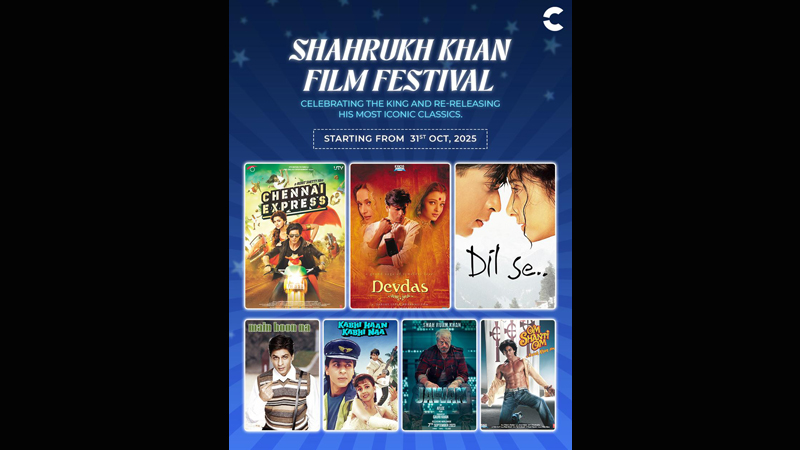
    MUMBAI: It’s time to fall in love all over again. Cinépolis India is turning up the nostalgia with a cinematic celebration fit for the king of Hindi cinema. Beginning October 31, the multiplex chain is hosting the Shah Rukh Khan Film Festival across 24 cities, inviting fans to relive the actor’s most iconic performances where they belong, on the big screen.

    The line-up reads like a love letter to Hindi cinema itself, spanning Kabhi Haan Kabhi Naa, Devdas, Main Hoon Na, Om Shanti Om, Chennai Express, Dil Se, and Jawan. Each screening promises a return to those unforgettable moments of romance, drama and charm that defined generations of moviegoers.

    “Few actors have shaped Indian cinema like Shah Rukh Khan,” said Cinépolis India managing director Devang Sampat. “This festival celebrates his legacy by recreating the shared joy of watching his films together in theatres. At Cinépolis, we want every film to feel like an experience.”

    Running through the first week of November, the festival will light up Cinépolis theatres from Delhi and Lucknow to Bengaluru, Pune, Hyderabad, Kolkata and beyond. With seven blockbusters, 24 cities and countless memories, this tribute is pure Hindi cinema magic, curtain up, arms outstretched, and hearts wide open.


  • IMDb: Indian cinema sheds its Bollywood skin

    IMDb: Indian cinema sheds its Bollywood skin

    MUMBAI: Forget popular Hindi movies (read that as a word we, at indiantelevision.com prefer not to use: Bollywood). The Hindi film industry’s stranglehold on Indian cinema is over, replaced by a dazzling mosaic of regional powerhouses that are collaborating, competing and conquering audiences from Chennai to Chicago. That is the striking conclusion of a new report from IMDb, the world’s most popular film database, which has crunched data from 250 million monthly users to chart 25 years of transformation in Indian cinema.

    The analysis, released on 30 September and titled 25 Years of Indian Cinema (2000-2025), covers the top five most popular Indian films released each year between January 2000 and August 2025. It paints a picture of an industry in flux, one that has moved decisively away from the Hindi-centric model that dominated the turn of the millennium. The 130 films examined collectively garnered more than 9.1 million user ratings—an average of over 70,000 per film—offering a unique longitudinal view of global audience tastes across languages, formats and release models.

    “The Indian film industry has always been cyclical, so this quarter century mark is a good vantage point to look forward and see what that evolution means for stories and storytellers in the years ahead,” says  IMDb India.  head Yaminie Patodia. The data, she argues, provides a singular, neutral proxy for audience engagement, independent of platform, geography or release window. “This moment marks a coming of age for Indian cinema—one that embraces a richer tapestry of voices from across industries, driven by collaborations and diverse narrative styles.”

    The numbers tell a compelling story of disruption and democratisation. The mass-appeal film is staging a remarkable comeback, with audiences across India gravitating towards stories in which they see themselves reflected rather than aspirational fantasies set in foreign locales. 12th Fail (2023), a gritty drama about civil service examination candidates, stands as the sole Hindi film to crack the top ten most popular Indian films in southern states over the past five years—proof that regional boundaries dissolve when the story resonates with universal themes of struggle and ambition.

    shah rukh khan

    This shift represents a fundamental recalibration of audience preferences. For decades, Hindi cinema dominated through sheer industrial muscle and distribution networks, even in markets where Hindi was barely spoken. Now, audiences are voting with their attention spans, and they are choosing authenticity over linguistic familiarity. The mass movie—once derided by critics as lowbrow—has been rehabilitated as the truest expression of popular sentiment.

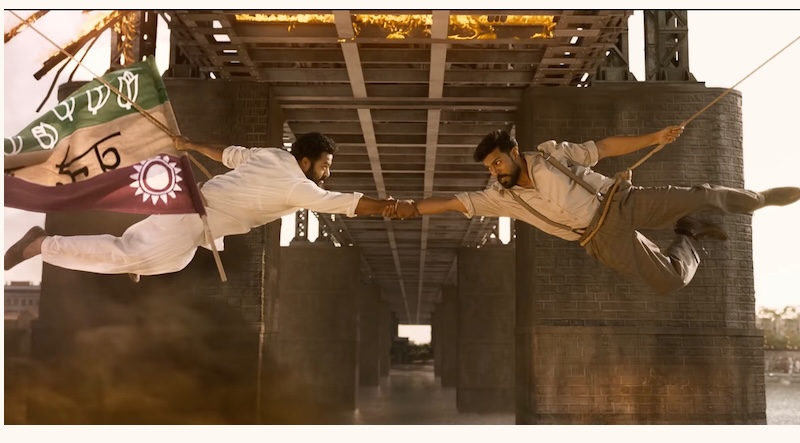
    Cross-industry collaboration is driving unprecedented scale. Twelve of the 25 most popular films from the past five years feature substantial partnerships across direction, casting, music and distribution. Directors such as Lokesh Kanagaraj and S.S. Rajamouli, each with four titles in the dataset, are the architects of this new pan-Indian cinema, crafting spectacles that transcend linguistic lines. Rajamouli’s RRR and the Baahubali franchise exemplify this approach: Telugu-language films with national appeal, global reach and budgets to match Hollywood blockbusters.

    These collaborations are strategic, not accidental. A Tamil director might cast a Kannada star, commission music from a Hindi composer and distribute through a Telugu production house. The result is a film that feels local everywhere and foreign nowhere, a cinematic Esperanto that speaks to shared cultural touchstones rather than regional peculiarities.

    The star system, too, is evolving in ways that would have seemed unthinkable a generation ago. Shah Rukh Khan remains king, appearing in 20 of the top 130 films analysed—a testament to his enduring appeal and canny project selection. But the nature of stardom itself has changed. Today’s stars function less as guaranteed box-office magnets and more as multipliers of a film’s inherent strengths. The days of a star “carrying” a mediocre script through sheer charisma are largely over. Audiences, empowered by streaming services and social media, are savvier and more demanding.

    Hrithik Roshan and Aamir Khan follow Shah Rukh with 11 films each in the dataset, then Deepika Padukone with 10, Ajay Devgn with seven, and Amitabh Bachchan, Priyanka Chopra Jonas and Rani Mukerji with six apiece. The report suggests it is time to stop searching for “the next Shah Rukh Khan”—not because there are no talented actors, but because the industrial conditions that created such singular dominance no longer exist. The market is too fragmented, the competition too fierce, and audiences too diverse for any one star to achieve comparable hegemony.

    Perhaps most intriguingly, language has morphed from barrier to genre. Telugu and Kannada films excel in spectacle-driven entertainment—think gravity-defying action sequences and operatic emotional beats. Malayalam cinema has carved out a reputation for grounded realism, tackling social issues with nuance and restraint. Tamil films have found success in balancing social themes with commercial appeal, delivering messages wrapped in entertainment.

    Audiences now use language as a reliable shorthand for narrative style, choosing films based on preferred storytelling approaches rather than viewing language as an obstacle. A viewer seeking escapist entertainment might opt for a Telugu film regardless of whether they speak the language, trusting subtitles to bridge the gap. This represents a profound shift in how Indian cinema is consumed and understood—not as a collection of separate industries defined by linguistic boundaries, but as a spectrum of narrative styles that happen to be expressed in different tongues.

    Aamir Khan dominates the “crossover hits” category—films with high global popularity that have travelled far beyond the usual markets for Indian cinema. His Dangal, PK, Taare Zameen Par and 3 Idiots have conquered international audiences with their universal themes and emotional accessibility. Indeed, 3 Idiots is the most popular Indian film worldwide on IMDb, with 468,000 user ratings and an aggregate score of 8.4 out of ten. The film’s critique of India’s pressure-cooker education system resonated from Beijing to Berlin, proof that specific cultural contexts can illuminate universal human experiences.

    Aamir KhanGeography matters, and the report reveals fascinating regional preferences. RRR is the most popular Indian film of all time in America, where its action spectacle and historical themes found an audience hungry for something different from the Marvel formula. 3 Idiots holds the top position in Britain, the rest of Europe and Australia, markets where Indian diaspora populations remain substantial. Dangal tops charts in the UAE and China—the latter a particularly significant achievement given China’s restrictive quotas on foreign films. K.G.F: Chapter 2 is most popular in Pakistan, Baahubali 2: The Conclusion in Singapore, and Taare Zameen Par in Brazil.

    These geographical variations underscore how different markets respond to different aspects of Indian cinema. American audiences seem drawn to epic scale, European audiences to social commentary wrapped in comedy, Chinese audiences to sports dramas, and Pakistani audiences to action thrillers. Understanding these preferences is crucial for an industry that increasingly depends on international revenues to justify its ballooning budgets.

    Directors have emerged as the key architects of this new era. Lokesh Kanagaraj, S.S. Rajamouli, Sanjay Leela Bhansali, Rajkumar Hirani and Farhan Akhtar have each delivered four hits in the 25-year period analysed. Their success underscores a broader truth: in this new era of Indian cinema, the director’s vision matters as much as the star’s wattage. Rajamouli’s name alone can guarantee an opening weekend; Bhansali’s aesthetic is instantly recognisable; Hirani’s brand of socially conscious comedy has defined a genre.

    This directorial ascendancy mirrors global trends. Just as audiences flock to see “the new Christopher Nolan film” or “the latest from Denis Villeneuve”, Indian audiences are beginning to follow directors as much as stars. The auteur theory, long dismissed in India’s star-driven industry, is finally finding purchase.

    The report, drawing on IMDb’s vast database and global reach, provides a rare neutral perspective on an industry often analysed through the distorting lens of box-office collections—a metric plagued by opacity, manipulation and regional variation. User ratings, whilst imperfect, offer a more democratic measure of engagement and satisfaction.

    The data suggests Indian cinema has reached a genuine coming of age—one that embraces a richer tapestry of voices from across industries, driven by collaboration and diverse narrative styles. The old Hindi cinema hegemony is dead, replaced by something more complex, more interesting, and potentially more sustainable: a true national cinema that honours regional identities whilst building bridges between them. Long live Indian cinema.

  • Diviniti crafts National Film and Phalke Awards

    Diviniti crafts National Film and Phalke Awards

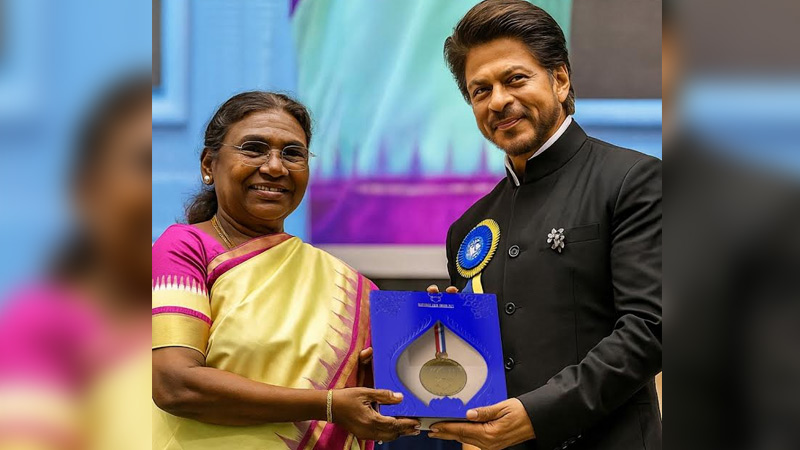
    MUMBAI: Talk about a golden touch! Diviniti, famed for its fine craftsmanship and timeless elegance, has once again etched its mark in Indian cinema by creating the National Film Awards trophies and the Dadasaheb Phalke Award, the country’s highest cinematic honour.

    For legends like Shah Rukh Khan, Mohanlal and Rani Mukerji, holding a Diviniti-crafted trophy was more than recognition, it was artistry meeting achievement. “It is an extraordinary privilege for Diviniti to craft honours that celebrate the finest talent in Indian cinema,” said Diviniti director Amushree Jha. “Every creation must embody not just beauty but also legacy, and seeing icons hold our work fills us with immense pride.”

    Diviniti’s association with the nation’s most prestigious awards is no one-off. The brand has long worked with government ministries and the office of the president of India, creating exclusive mementoes presented at national occasions of great significance.

    From its beginnings in spiritual and luxury gifting to becoming a trusted name in bespoke honours, Diviniti continues to craft artefacts that stand as symbols of pride, prestige and permanence. This enduring partnership with India’s highest cinematic accolades underscores not just craftsmanship, but a legacy woven into the very fabric of the nation’s cultural milestones.  
     
     
  • Thums Up serves a toofani twist as SRK and Jagapathi dig into biryani

    Thums Up serves a toofani twist as SRK and Jagapathi dig into biryani

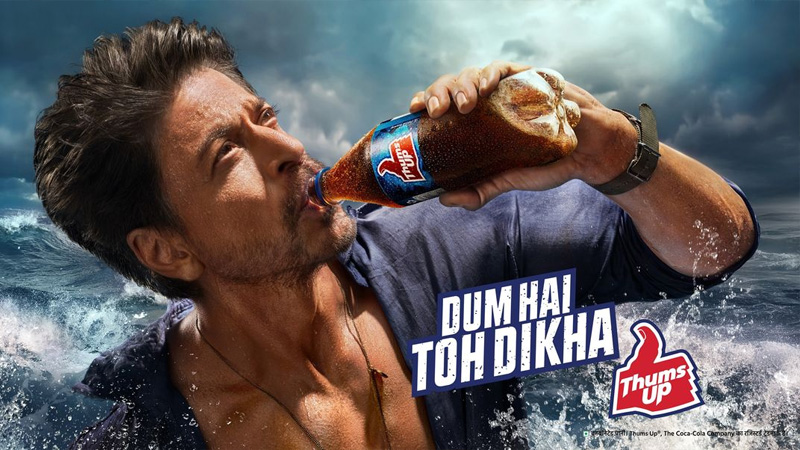
    MUMBAI: When Shah Rukh Khan and Jagapathi Babu lock horns, you expect fireworks this time, the spark came from a plate of biryani and a bottle of Thums Up. Thums Up, Coca-cola India’s billion-dollar blockbuster, has dropped its latest campaign, “Biryani Ek Nahi, Do Haath Se Khaate Hai”, directed by Karthik Subbaraj and fronted by Bollywood royalty SRK alongside Telugu powerhouse Jagapathi Babu. The TVC starts with a tense face-off that quickly dissolves into a toofani moment once biryani and the fizzy cola arrive, elevating the meal into a cultural ritual.

    Over the last three years, Thums Up has steadily claimed biryani as its gastronomic soulmate turning what was once an instinctive pairing into what the brand calls a “social currency.” From the Toofani Biryani Hunt in 2023 to today’s cinematic campaign, the message has stayed consistent: biryani isn’t meant to be rushed. Keep aside the spoon, silence the phone, and savour every grain with one hand on the biryani and the other wrapped around a chilled Thums Up.

    With SRK quipping about the endless Hyderabadi vs Lucknowi vs Kolkata biryani debates (“but what’s undisputed is the way we enjoy it”), and Jagapathi Babu emphasising biryani as a tradition best enjoyed slow, the campaign doubles down on indulgence over interruption. Backed by Coca-cola India’s integrated roll-out across TV, digital, social and on-ground activations, the campaign will also hand fans exclusive biryani vouchers, extending the ritual from screen to plate.

    As Coca-Cola category head India and Southwest Asia for sparkling flavours Sumeli Chatterjee puts it, Thums Up isn’t just adding fizz to biryani; it’s turning the meal into a “moment people want to share, repeat and make their own.” And with star power, spice, and a thunderous taste, the toofani pairing looks set to remain India’s most flavourful ritual.

  • Hindi cinema royalty’s and fintech mogul’s bid to shake up India’s spirits trade

    Hindi cinema royalty’s and fintech mogul’s bid to shake up India’s spirits trade

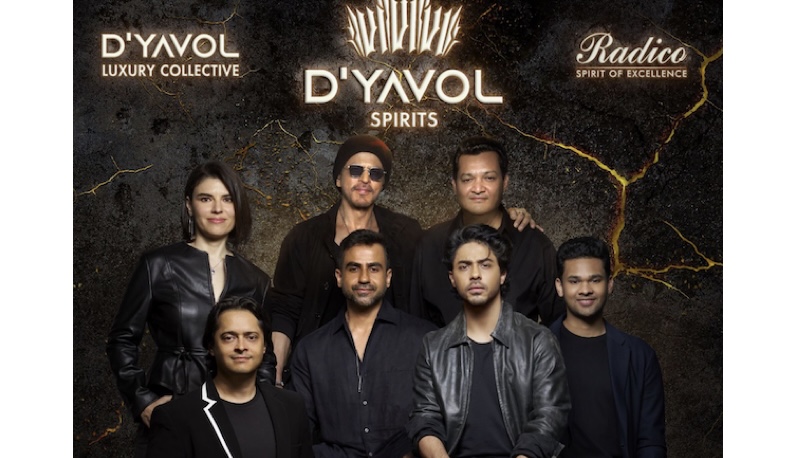
    MUMBAI: India’s premium spirits market has attracted an unlikely trio: Hindi cinema superstar Shah Rukh Khan, Zerodha co-founder Nikhil Kamath, and established liquor manufacturer Radico Khaitan. Their joint venture, D’yavol Spirits, promises to blur the lines between celebrity endorsement and serious entrepreneurship in India’s rapidly premiumising alcohol sector.

    The partnership announced on  12 August brings together  SRK’s  global star power,  Kamath’s disruptive business instincts, and Radico Khaitan’s manufacturing prowess. The venture will launch with a luxury tequila, targeting both domestic consumers and international markets with what the partners describe as “bottled-in-origin” products carrying “rich regional provenance.”

    The collaboration reflects India’s evolving relationship with premium alcohol. Domestic consumption has shifted dramatically upmarket as disposable incomes rise and social attitudes liberalise. Premium spirits now command growing shelf space in urban markets, whilst younger consumers increasingly view expensive liquor as lifestyle statements rather than mere intoxicants.

    For Radico Khaitan, the partnership represents a calculated bet on celebrity-backed brands. The Uttar Pradesh-based company has built a portfolio around traditional Indian spirits like whisky and rum, but faces intensifying competition from international brands and craft distilleries. Abhishek Khaitan, the company’s managing director, frames the venture as combining “proven expertise in blending, marketing and distribution” with celebrity charisma.

    SRK’s involvement extends beyond typical endorsement deals. His son Aryan Khan co-founded D’yavol  Luxury Collective, which already produces award-winning spirits in smaller quantities. The family’s deeper engagement suggests genuine entrepreneurial ambition rather than mere brand licensing.

    More intriguing is Kamath’s participation. The Zerodha co-founder has emerged as one of India’s most prominent fintech entrepreneurs, building a discount brokerage that democratised stock trading for millions of Indians. His pivot into premium alcohol signals confidence in India’s luxury consumption trends.

    “Tomorrow’s best brands will be built on history, culture, and craftsmanship,”  Kamath said, positioning D’yavol as an “Indian brand with the intent and ability to compete anywhere in the world.”

    Such ambitions face considerable hurdles. India’s alcohol market remains heavily regulated, with individual states controlling distribution and taxation. Export opportunities exist but require navigating complex international regulations and established brand loyalties.

    Moreover, celebrity-backed spirit brands have mixed track records globally. Whilst some achieve genuine commercial success, others struggle once initial publicity fades. The key lies in building authentic brand narratives beyond celebrity association.

    D’yavol’s emphasis on “cultural resonance” and “globally-sourced bottled-in-origin products” suggests awareness of these challenges. The brand promises to combine international production standards with Indian creative vision, potentially appealing to both domestic premium consumers and diaspora markets.

    The timing appears favourable. India’s premium spirits segment is growing rapidly, driven by urbanisation and generational change. Meanwhile, Indian brands are gaining international recognition across categories from fashion to technology.

    Whether D’yavol can translate celebrity star power and entrepreneurial expertise into sustained commercial success remains uncertain. The spirits industry demands patience, consistency, and deep market understanding—qualities that don’t always align with celebrity timelines or disruptive business models.

    For now, the partnership represents another data point in India’s premiumisation story. As domestic consumers develop more sophisticated tastes and global ambitions, expect more unlikely collaborations between entertainment, technology, and traditional industries.

    The proof, as always in the spirits trade, will be in the drinking.

  • Zomato onboards Shah Rukh Khan as its new brand ambassador

    Zomato onboards Shah Rukh Khan as its new brand ambassador

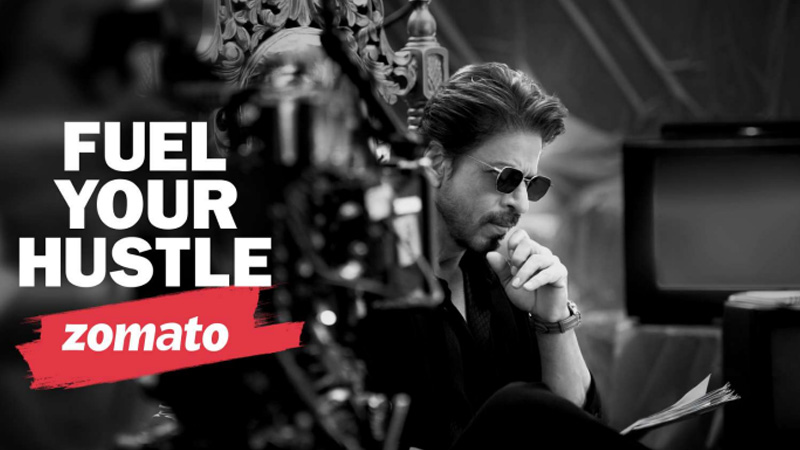
    MUMBAI – Zomato announces a landmark association with global superstar, Shah Rukh Khan, welcoming him as its new brand ambassador. The announcement follows Shah Rukh Khan’s recent appearance in Zomato’s latest campaign, Fuel Your Hustle, which celebrates the quiet grind behind some of India’s most celebrated names.

    Through the campaign and this association, Zomato aims to resonate with every individual who truly believes in hard work and consistency and reinforce its commitment to supporting their journey with food.

    Commenting on the association, Zomato marketing head, Sahibjeet Singh Sawhney said, “Shah Rukh Khan’s journey, from humble beginnings to global icon, mirrors the grit and persistence we believe in. No shortcuts, just relentless progress. We’re excited to welcome him as our brand ambassador, inspiring millions to keep showing up and fuelling their ambition. His influence transcends generations and borders and is a reminder for India to keep at it.”

    Shah Rukh Khan added, “Zomato’s story is one of hustle, innovation and a love for bringing people closer to what they cherish most—great food. It’s a journey that resonates with me deeply, and I am thrilled to be part of a brand that has become a household name across India.”

  • Zomato’s ‘Fuel Your Hustle’ campaign serves a hot tribute to India’s silent strivers

    Zomato’s ‘Fuel Your Hustle’ campaign serves a hot tribute to India’s silent strivers

    MUMBAI: Zomato is dishing out a power-packed ode to perseverance with its latest campaign, ‘Fuel Your Hustle’, starring a heavyweight cast of Indian icons: Shah Rukh Khan, Mary Kom, AR Rahman, and Jasprit Bumrah.

    The emotionally charged campaign spotlights the sweat behind the stardom, tracing each personality’s journey through rare archival footage — some of it never seen before — and gritty behind-the-scenes moments from iconic matches, studios, and film sets. The film is underscored by a stirring track from Kalmi (Nikhil Kalimireddy), the voice behind the viral anthem “Big Dawgs”.

    In a world chasing instant wins, ‘Fuel Your Hustle’ flips the script. It’s a celebration of those long, unglamorous hours of hustle — whether it’s SRK’s early theatre days, Mary Kom’s fight against the odds as a mother and champion, Rahman’s studio grind, or Bumrah’s rise from the nets to global cricketing glory.


    A post shared by Zomato (@zomato)


    Commenting on the campaign, Zomato marketing Sahibjeet Singh Sawhney said, “This campaign is for a new generation of doers, a reminder that even the stars they look up to started small, stumbled, and kept going. It’s a cheer for the millions of Indians building something, following dreams, caring for loved ones and for themselves, even when it’s hard and no one’s clapping.”

    “We’re rooting for those chasing what they care deeply about and showing up for it consistently. Food is just their fuel and we’re glad to be a small part of their journey,” he added.

    Posted by Deepinder Goyal, Zomato’s CEO, and live across YouTube, Instagram, and outdoor touchpoints, the campaign rolls out as a full-throttle 360-degree blitz across digital, print, and social media.

    (If you are an Anime fan and love Anime like Demon Slayer, Spy X Family, Hunter X Hunter, Tokyo Revengers, Dan Da Dan and Slime, Buy your favourite Anime merchandise on AnimeOriginals.com.)

  • Zomato serves up a motivational feast with Fuel Your Hustle campaign

    Zomato serves up a motivational feast with Fuel Your Hustle campaign

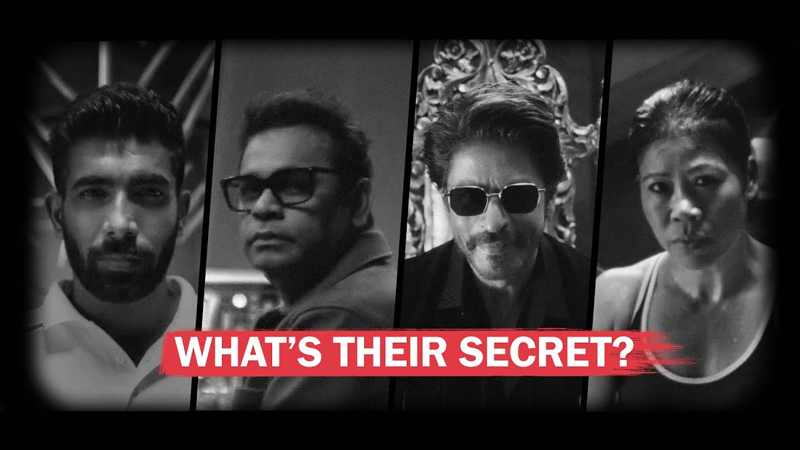
    MUMBAI: Food delivery and experiences company Zomato has dished out a high-octane, monochrome television commercial, “Fuel Your Hustle”, drawing comparisons to Nike’s iconic “Just Do It” ethos. The star-studded TVC features Hindi cinema’s Shah Rukh Khan, cricketing ace Jasprit Bumrah, boxing legend Mary Kom, and musical maestro AR Rahman, all united in a quest to uncover the “secret ingredient” of greatness.  

    The film is tied together by a compelling music track from Kalmi (Nikhil Kalimireddy), best known for his hit “Big Dawgs”. The background score features a dynamic blend of Indian and western sounds, characterised by a prominent use of percussion and drums that amplify the motivational fervour. 

    The advert kicks off with an intriguing question: “What’s their secret ingredient? Their secret sauce for greatness? What do they know that others don’t?”. What follows is a compelling visual narrative of each icon’s relentless dedication to their craft. Khan is seen meticulously re-taking scenes, Rahman passionately wrestling with his keyboards to perfect a tune, Kom relentlessly skipping and sparring in the boxing ring, and Bumrah unleashing thunderous deliveries that send stumps cartwheeling. 

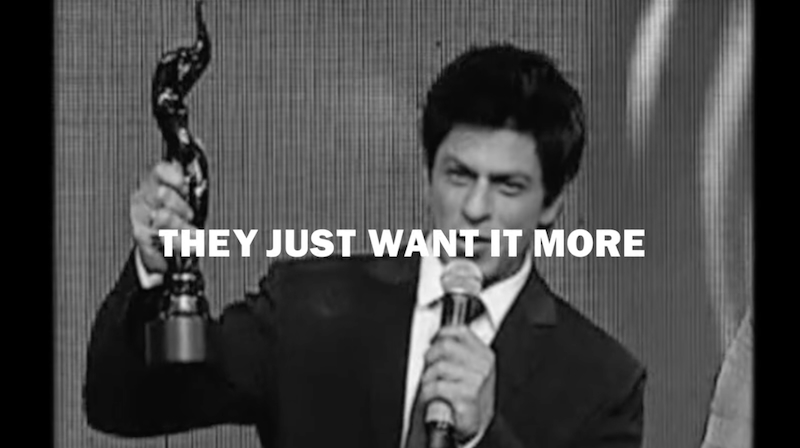
    A montage of candid shots interspersed with their rigorous routines is accompanied by a haunting voiceover. It declares, “They know the taste of sweat. The salt of tears. They wake up when it’s dark. They show up when it’s hard. They know what it takes, retakes, mistakes. The truth is they are just like you and me. There’s no secret recipe. They JUST WANT IT MORE. THE SECRET INGREDIENT IS HUSTLE. FUEL YOUR HUSTLE. Zomato.” 

    The TVC, with its powerful personalities, stirring message, and driving soundtrack, undoubtedly commands attention. It not only positions Zomato as a brand that embodies its own “hustle,” but also aims to inspire the common person to fuel their ambitions. This ad suggests that Zomato is hungry for more, and wants its customers to feel the same zest for life.