Tag: self-censorship

  • Rules focus on self-classification, not censorship: Javadekar tells OTTs

    Rules focus on self-classification, not censorship: Javadekar tells OTTs

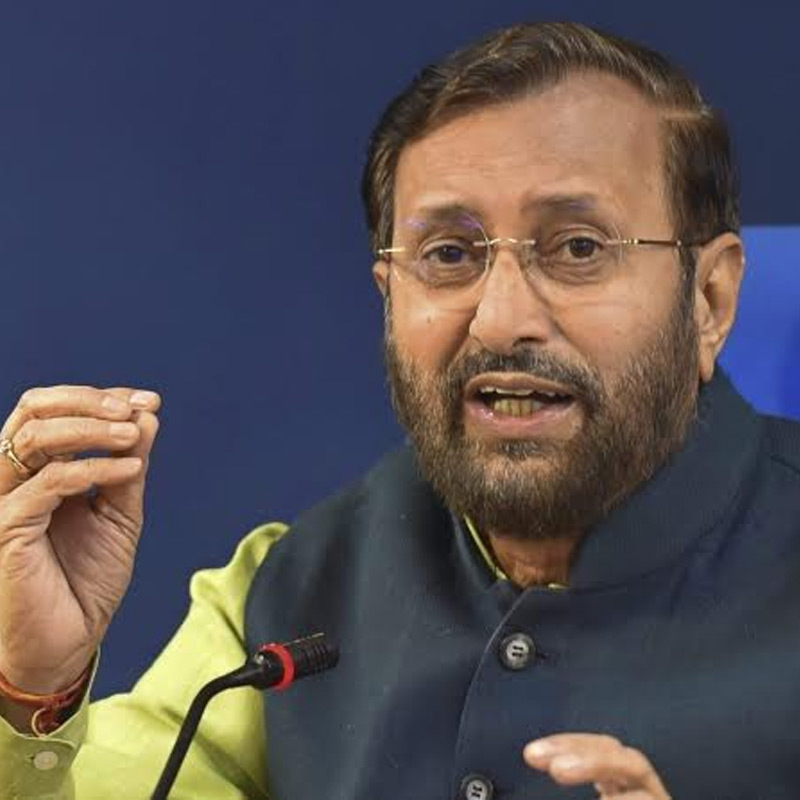
    KOLKATA: Minister of information and broadcasting Prakash Javadekar on Thursday held an interaction with representatives of various OTT platforms including from Disney+ Hotstar, Amazon Prime, Netflix, Jio, Zee5, Viacom18, Shemaroo, Mx Player, ALTBalaji.

    The Union minister mentioned that the government had engaged in several rounds of consultation with OTT players in the past and stressed the need for self-regulation.

    Javadekar stated that he had received representations from cinema and TV industries that while there were regulations for them, none existed for the video streaming industry. Thus, it was decided that the government would come out with a progressive institutional mechanism for OTT players and develop a level playing field with the idea of self-regulation. The minister appreciated that many OTT platforms had welcomed the rules.

    Informing the industry representatives about the provisions of the rules, the minister said it merely requires them to disclose information and that there is no requirement of registration of any kind with the ministry. He added that a form for this will be ready soon. Quelling fears over curtailment of creative freedom, he stated that the new digital media rules focus on self-classification of content instead of any form of censorship. Further, OTT platforms are expected to develop an effective grievance redressal mechanism.

    Previously, the Centre had proposed a three-tier mechanism for these platforms for content-related issues. The first tier would be officials appointed by these companies. As a second-tier, there would be a self-regulatory body that would address complaints. The third tier would be a government-appointed panel.

    Dispelling rumours, the minister clarified that in the self-regulatory body, no member will be appointed by the government, and that an inter-departmental committee will be formed to look into complaints that remain unresolved at the self-regulatory level.

    The industry representatives welcomed the rules and thanked the minister for addressing most of their concerns. Finally, the minister added that the ministry is open to any clarification or queries from the industry.

  • OTT platforms may soon adopt self-censorship

    OTT platforms may soon adopt self-censorship

    MUMBAI:  Leading OTT players clearly don’t want the government interfering with their content or creating rules like broadcast. So, Netflix, Hotstar, Reliance Jio and some other streaming services may soon adopt a voluntary censorship code.

    As part of the code, the platforms will remove content that has been banned by the courts and that disrespects the national flag, emblem, hurts religious sentiments or promotes violence or terrorism against the country, or even shows children in sexual acts. These are codes that even the broadcast industry follows.

    Economic Times citing sources reported on the self-censorship initiative. However, tech companies including Amazon, Facebook and Google are unlikely to sign up for the code as this move of could set an example of how to regulate internet and meddle with creative freedom.

    The code is likely to include a “redressal mechanism” allowing the users of the streaming platform to issue complain in case they think that the over-the-top (OTT) services have violated the code. Eventually, this mechanism may transform in an “adjudicatory body” that will resolve the complaints filed by the customers.

    According to the report, ZEE5, Times Internet, Eros Now and AltBalaji are in favour of the code and the Internet and Mobile Association of India (IAMAI) is facilitating the process. It also added that the players who don’t think it as a very wise step opine it would lead to an unnecessarily nervous environment and validates the government’s point of view that the internet needs regulation.

    Allegedly, the whole process has been opaque and closed-door while content creators have not been included in the discussions. The opposition group to the court also believes the process has been swayed by companies that want OTT companies to be at a more level playing field with broadcasters.