Tag: SC

  • Funds-starved BCCI may move SC citing England series urgency

    Funds-starved BCCI may move SC citing England series urgency

    MUMBAI: With England’s tour of India just a day away, the BCCI plans to move the Supreme Court on Tuesday seeking an order allowing it to enter into contracts for the sake of Rajkot Test. Saurashtra’s premier city is to host the first India-England Test from Wednesday.

    The BCCI, as per protocol, has informed the Justice RM Lodha committee that the Supreme Court would be moved because of the urgency with which it needs to act as regards the Rajkot Test.

    With the apex court and the Justice Lodha committee disallowing the Board of Control for Cricket in India to use its funds until an independent auditor goes through them, the latter is getting desperate. If the IPL media rights auction had gone ahead as planned, it would have reportedly fetched BCCI around Rs 30,000 crore (US$ 4500 million approx).

    BCCI secretary Ajay Shirke told The Telegraph that their hands were tied as the Justice Lodha committee had neither set the threshold limit for them to award contracts nor had it appointed an independent auditor as per the October 21 directions of the Supreme Court. They were, therefore, filing an interim application, he added. Certain basic agreements with specific vendors had to be entered into by the BCCI, and each of them would become a contract.

    If the Supreme Court doesn’t pass an order allowing BCCI to engage in contracts, which in any case won’t be big, then the board does not see how the first Test could be played, Shirke said.

    In fact, in its interim application, BCCI would also be praying that the needful be done by the Justice Lodha committee before the start of the second Test in Visakhapatnam from November 17 so that the same issues did not come up again.

    The New Indian Express meantime reported that the BCCI will file an urgent petition seeking relaxation on releasing funds to state units that are scheduled to host the five-match Test series. Moreover, the BCCI will also ask the court to allow it to sign a Memorandum of Understanding with the England and Wales Cricket Board for the series to go ahead. The BCCI will argue that an adverse decision from the court will force it to call off the series.

    Last week, Shirke had written to the Lodha panel seeking directions on signing the MoU with ECB. However the panel informed the board that MoU is not a mandate for the series to go ahead and it cannot release the funds until all the necessary details are furnished.

  • US$ 4.5 bn expected from IPL rights; SC recommends accounts scrutiny

    US$ 4.5 bn expected from IPL rights; SC recommends accounts scrutiny

    MUMBAI: The Supreme Court on Friday froze all financial transactions between the BCCI and state cricket associations by directing the apex body not to disburse any funds till it resolves to abide by the Justice RM Lodha panel recommendations on reforms by 3 December . The top court ordered that none of the BCCI’s member-state associations will get a rupee till it complies in “letter and spirit” with the Lodha Committee reforms.  

    In a judgment, which was not announced beforehand or notified in the court’s cause list, a Bench, led by Chief Justice of India T.S. Thakur stood firm by its October 7 decision to choke the financial stream of the BCCI’s 25 state cricket associations till they fall in line. The judgment, pronounced by Justice D Y Chandrachud, asked the panel secretary to send a copy of the apex court order to the ICC chairman Shashank Manohar.

    The judgment asked the committee to appoint an independent auditor to scrutinise the BCCI accounts and set financial limits for contracts. According to reports, BCCI is expecting close to USD 4.5 billion from sale of three IPL rights – TV, internet and mobile.

    BCCI president Anurag Thakur and secretary Ajay Shirke have been ordered to file compliance reports before the Committee and the Supreme Court in two weeks.

    Chief Justice Thakur, on October 7, made the court’s stand clear by ordering that the BCCI will not disburse Rs. 16.73 crore each to 12 state cricket associations. These associations were yet to get the balance payment of their share from nearly Rs. 2,500 crore the BCCI had received towards compensation on account of termination of Champion League T 20.

    The appointment of auditors is significant as the multi-million dollar Indian Premier League (IPL) media rights are to be awarded for the next 10 years, starting 2018. Sony Pictures Networks holds the current IPL media rights till 2017, which it won with a whopping USD 1.6 billion bid. 

    Star India, Twitter, Facebook, Sony Pictures and Reliance Jio are now the major names in fray for the media rights.

    Here are the top developments of the BCCI-Lodha panel case: On July 14, 2016, a two-judge Supreme Court bench, that included current Chief Justice of India TS Thakur, empowered the Justice RM Lodha-led panel to implement a series of reforms to bring in more transparency in BCCI’s style of governance. The committee suggested major reforms that included age caps, tenure restrictions, one-man-one-post, one state-one-vote, among others. The reforms were binding and would apply to the Board as well as its state units.

    Lodha panel set BCCI two deadlines – September 30 to make constitutional changes (adopt the Memorandum of Association and Rules) and December 15 for the Board to form a nine-member Apex committee that will replace the powerful working committee

    BCCI appointed former Supreme Court judge Justice Markandey Katju to review the Lodha panel recommendations. Katju called the Lodha panel “unconstitutional and illegal.” The BCCI promptly filed a review petition in the Supreme Court in July.

    In August, BCCI secretary met the Lodha committee saying the AGM will conduct “routine” business. On the contrary, the Board advertised inviting applications for the post of selectors. Its agenda also included formation of a new working committee and even an ombudsman – all in defiance of Lodha panel orders.

    Saying the BCCI conducted more than just “routine” matters, the Lodha panel filed a status report to the Supreme Court on September 28, complaining of non-compliance of its orders. The panel wanted BCCI’s top brass to be “superseded”. 

    BCCI, on October 1, cherry-picked a few Lodha panel recommendations but made no decision on the important proposals like one-state-one-unit and age and tenure caps for officials. BCCI also decided to disburse large sums of money (approximately Rs 400 crore) earned from TV rights to state units as infrastructure grants.

    Lodha panel told BCCI’s bankers – Bank of Maharashtra and Yes Bank – to stop disbursing grants to state units without its approval. BCCI president Anurag Thakur told media that freezing of accounts will force BCCI to cancel the India vs New Zealand Test series. Justice Lodha clarified on October 4 that BCCI was misinterpreting its order to the banks. The panel never stopped any money for staging matches.

    The Supreme Court, on 6 October, gave an ultimatum to the BCCI to ‘unconditionally’ accept the Lodha reforms or it will pass an order. BCCI refuses to give any such undertaking asking for time till 17 October. The top court gave the BCCI time till December 3 to implement reforms recommended by the Lodha panel. 

    The court had made it clear that continued defiance by state associations would witness their shares invested in fixed deposit accounts until they change their minds. The court had barred further disbursal of amounts, courtesy a resolution passed by in the Annual General Meeting held on November 9, 2015 or “any subsequent resolution” by the BCCI or its Working Committee, until the state associations submit their written undertakings to unconditionally comply with the Lodha reforms.

  • US$ 4.5 bn expected from IPL rights; SC recommends accounts scrutiny

    US$ 4.5 bn expected from IPL rights; SC recommends accounts scrutiny

    MUMBAI: The Supreme Court on Friday froze all financial transactions between the BCCI and state cricket associations by directing the apex body not to disburse any funds till it resolves to abide by the Justice RM Lodha panel recommendations on reforms by 3 December . The top court ordered that none of the BCCI’s member-state associations will get a rupee till it complies in “letter and spirit” with the Lodha Committee reforms.  

    In a judgment, which was not announced beforehand or notified in the court’s cause list, a Bench, led by Chief Justice of India T.S. Thakur stood firm by its October 7 decision to choke the financial stream of the BCCI’s 25 state cricket associations till they fall in line. The judgment, pronounced by Justice D Y Chandrachud, asked the panel secretary to send a copy of the apex court order to the ICC chairman Shashank Manohar.

    The judgment asked the committee to appoint an independent auditor to scrutinise the BCCI accounts and set financial limits for contracts. According to reports, BCCI is expecting close to USD 4.5 billion from sale of three IPL rights – TV, internet and mobile.

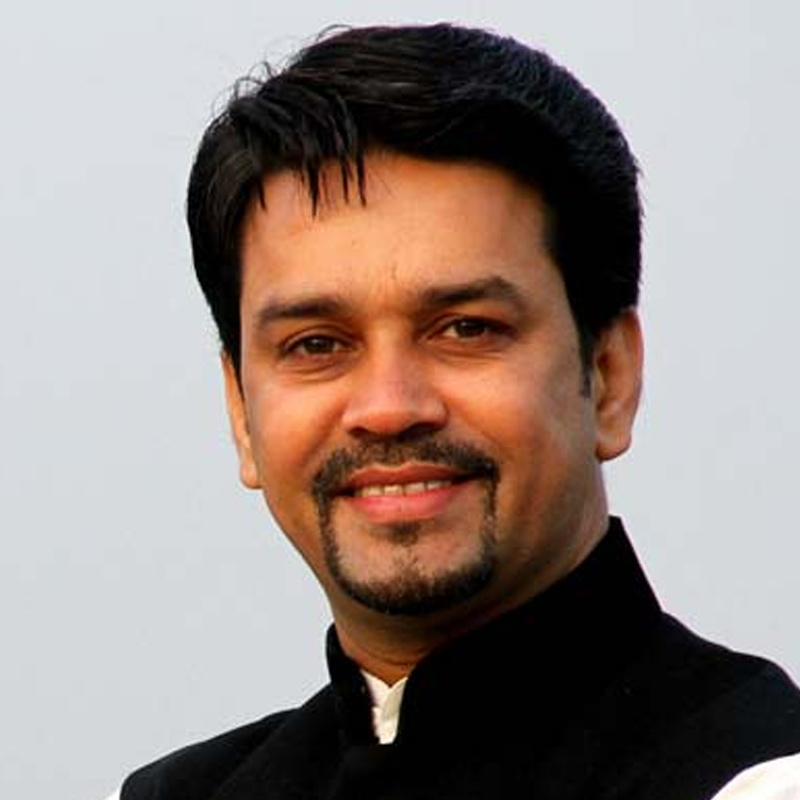
    BCCI president Anurag Thakur and secretary Ajay Shirke have been ordered to file compliance reports before the Committee and the Supreme Court in two weeks.

    Chief Justice Thakur, on October 7, made the court’s stand clear by ordering that the BCCI will not disburse Rs. 16.73 crore each to 12 state cricket associations. These associations were yet to get the balance payment of their share from nearly Rs. 2,500 crore the BCCI had received towards compensation on account of termination of Champion League T 20.

    The appointment of auditors is significant as the multi-million dollar Indian Premier League (IPL) media rights are to be awarded for the next 10 years, starting 2018. Sony Pictures Networks holds the current IPL media rights till 2017, which it won with a whopping USD 1.6 billion bid. 

    Star India, Twitter, Facebook, Sony Pictures and Reliance Jio are now the major names in fray for the media rights.

    Here are the top developments of the BCCI-Lodha panel case: On July 14, 2016, a two-judge Supreme Court bench, that included current Chief Justice of India TS Thakur, empowered the Justice RM Lodha-led panel to implement a series of reforms to bring in more transparency in BCCI’s style of governance. The committee suggested major reforms that included age caps, tenure restrictions, one-man-one-post, one state-one-vote, among others. The reforms were binding and would apply to the Board as well as its state units.

    Lodha panel set BCCI two deadlines – September 30 to make constitutional changes (adopt the Memorandum of Association and Rules) and December 15 for the Board to form a nine-member Apex committee that will replace the powerful working committee

    BCCI appointed former Supreme Court judge Justice Markandey Katju to review the Lodha panel recommendations. Katju called the Lodha panel “unconstitutional and illegal.” The BCCI promptly filed a review petition in the Supreme Court in July.

    In August, BCCI secretary met the Lodha committee saying the AGM will conduct “routine” business. On the contrary, the Board advertised inviting applications for the post of selectors. Its agenda also included formation of a new working committee and even an ombudsman – all in defiance of Lodha panel orders.

    Saying the BCCI conducted more than just “routine” matters, the Lodha panel filed a status report to the Supreme Court on September 28, complaining of non-compliance of its orders. The panel wanted BCCI’s top brass to be “superseded”. 

    BCCI, on October 1, cherry-picked a few Lodha panel recommendations but made no decision on the important proposals like one-state-one-unit and age and tenure caps for officials. BCCI also decided to disburse large sums of money (approximately Rs 400 crore) earned from TV rights to state units as infrastructure grants.

    Lodha panel told BCCI’s bankers – Bank of Maharashtra and Yes Bank – to stop disbursing grants to state units without its approval. BCCI president Anurag Thakur told media that freezing of accounts will force BCCI to cancel the India vs New Zealand Test series. Justice Lodha clarified on October 4 that BCCI was misinterpreting its order to the banks. The panel never stopped any money for staging matches.

    The Supreme Court, on 6 October, gave an ultimatum to the BCCI to ‘unconditionally’ accept the Lodha reforms or it will pass an order. BCCI refuses to give any such undertaking asking for time till 17 October. The top court gave the BCCI time till December 3 to implement reforms recommended by the Lodha panel. 

    The court had made it clear that continued defiance by state associations would witness their shares invested in fixed deposit accounts until they change their minds. The court had barred further disbursal of amounts, courtesy a resolution passed by in the Annual General Meeting held on November 9, 2015 or “any subsequent resolution” by the BCCI or its Working Committee, until the state associations submit their written undertakings to unconditionally comply with the Lodha reforms.
  • HCs’ informed about SC decision to transfer all DAS cases to Delhi HC

    HCs’ informed about SC decision to transfer all DAS cases to Delhi HC

    NEW DELHI: The registry of the Supreme Court has finally sent to all the concerned high courts the directive of the apex court for transfer of all cases seeking extension to digital addressable system for cable television to Delhi High Court with a view to avoid conflicting decisions’.

    Court registry officials told indiantelevision.com that the order of the apex court of early this month had been sent on 16 April. A copy of the order was also sent to the Delhi High Court and it was now up to that court to fix a date.

    The officials said that the attempt would be to first receive from the various high courts the papers relating to the petitions, which almost all had pleaded shortage of set top boxes for seeking extension or stay of DAS which became effective 1 January 2016.

    Earlier, the apex court had accepted the plea of the central government that ‘it would be justand proper for this court to withdraw all those cases pending in different high courtsand transfer the same to Delhi High Court.’

    In its order of 1 April, justices V Gopala Gowda and Arjun Mishra had said on the transfer petition filed by the central government that ‘in future, if any case on the same legalquestion is filed before the high court(s), such case(s) shall also be transferred to theDelhi High Court’.

    The Supreme Court registry was directed to communicate the order tothe registrar general(s) of the respective high courts for transmitting the records of thecases pending before the respective high courts to Delhi High Court.

    The order took on record the fact that the All Sikkim Cable Operators Association
    had withdrawn from the High Court of Sikkim. The court also noted that one petitioner, JBM Cable Network, had refused to accept notice but this service would be considered sufficient. Ironically, the Information and Broadcasting Ministry had on 12 January written to its counsel in Punjab and Haryana High Court that it had understood the Hyderabad order to mean a pan India stay while asking him to defend the case.

    Buit later, the ministry sources admitted to indiantelevision.com that there was a misreading of the Bombay High Court directive. The Court had merely refereed to the Kusum Ingots & Alloys Ltd vs the Union of India 2004 case to say that if one high court gives a stay, another high court can act in similar fashion if the facts are similar – in this case, shortage of STBs. Thus, they agree that the high court stay was only confined to Maharashtra and not pan-India.

    Earlier, the Indian Broadcasting Foundation had withdrawn its petition after the Supreme Court said that the order of the Bombay High Court did not imply any pan-India stay.

    Meanwhile, cases are pending in the high courts of Bombay, Hyderabad (with separate petitions for Telengana and Andhra Pradesh), Allahabad, Assam, Odisha, and Chhattisgarh for the entire states, apart from Tamil Nadu where prolonged legal cases have been pending since Phase I.
    In Karnataka, three individual stakeholders have got stay orders in Mangalore and Mysore areas while there is no state-wide stay.

    The Bombay High Court had referred in its order to the argument by counsel that the Supreme Court in the Kusum Ingot case had said that if similar circumstances persist in other states, then they can pass an order similar to one passed by an earlier court.

  • HCs’ informed about SC decision to transfer all DAS cases to Delhi HC

    HCs’ informed about SC decision to transfer all DAS cases to Delhi HC

    NEW DELHI: The registry of the Supreme Court has finally sent to all the concerned high courts the directive of the apex court for transfer of all cases seeking extension to digital addressable system for cable television to Delhi High Court with a view to avoid conflicting decisions’.

    Court registry officials told indiantelevision.com that the order of the apex court of early this month had been sent on 16 April. A copy of the order was also sent to the Delhi High Court and it was now up to that court to fix a date.

    The officials said that the attempt would be to first receive from the various high courts the papers relating to the petitions, which almost all had pleaded shortage of set top boxes for seeking extension or stay of DAS which became effective 1 January 2016.

    Earlier, the apex court had accepted the plea of the central government that ‘it would be justand proper for this court to withdraw all those cases pending in different high courtsand transfer the same to Delhi High Court.’

    In its order of 1 April, justices V Gopala Gowda and Arjun Mishra had said on the transfer petition filed by the central government that ‘in future, if any case on the same legalquestion is filed before the high court(s), such case(s) shall also be transferred to theDelhi High Court’.

    The Supreme Court registry was directed to communicate the order tothe registrar general(s) of the respective high courts for transmitting the records of thecases pending before the respective high courts to Delhi High Court.

    The order took on record the fact that the All Sikkim Cable Operators Association
    had withdrawn from the High Court of Sikkim. The court also noted that one petitioner, JBM Cable Network, had refused to accept notice but this service would be considered sufficient. Ironically, the Information and Broadcasting Ministry had on 12 January written to its counsel in Punjab and Haryana High Court that it had understood the Hyderabad order to mean a pan India stay while asking him to defend the case.

    Buit later, the ministry sources admitted to indiantelevision.com that there was a misreading of the Bombay High Court directive. The Court had merely refereed to the Kusum Ingots & Alloys Ltd vs the Union of India 2004 case to say that if one high court gives a stay, another high court can act in similar fashion if the facts are similar – in this case, shortage of STBs. Thus, they agree that the high court stay was only confined to Maharashtra and not pan-India.

    Earlier, the Indian Broadcasting Foundation had withdrawn its petition after the Supreme Court said that the order of the Bombay High Court did not imply any pan-India stay.

    Meanwhile, cases are pending in the high courts of Bombay, Hyderabad (with separate petitions for Telengana and Andhra Pradesh), Allahabad, Assam, Odisha, and Chhattisgarh for the entire states, apart from Tamil Nadu where prolonged legal cases have been pending since Phase I.
    In Karnataka, three individual stakeholders have got stay orders in Mangalore and Mysore areas while there is no state-wide stay.

    The Bombay High Court had referred in its order to the argument by counsel that the Supreme Court in the Kusum Ingot case had said that if similar circumstances persist in other states, then they can pass an order similar to one passed by an earlier court.

  • SC declines to crush TDSAT order that HITS players be treated at par with pan-India MSOs

    SC declines to crush TDSAT order that HITS players be treated at par with pan-India MSOs

    NEW DELHI: In an order that will not only have far-reaching consequences for broadcasters but may encourage others to take the headend-in-the-sky (HITS) route, the Supreme Court today rejected the challenge to the Telecom Disputes Settlement and Appellate Tribunal (TDSAT) view that HITS players should be treated at the same level as pan-India multi-system operators (MSOs). 

    The Tribunal had on 7 December last mandated that the reference interconnect order would be the starting point for negotiations between them and the distribution platforms. 

    The apex court decided the matter after hearing both sides on the issues raised.

    The appeal had been filed by the Indian Broadcasting Foundation (IBF), Star India and Taj TV after a similar appeal had earlier on 22 Januarybeen dismissed in the Delhi High Court as not maintainable on the ground that the broadcaster had an alternative remedy of appealing in the Supreme Court.

    The Tribunal had said, “It is difficult to see a HITS operator as different from a pan-India MSO and in our considered view a HITS operator, in regard to the commercial terms for an interconnect arrangement has to be taken at par with a pan-India MSO and must, therefore, receive the same treatment.” 

    The broadcasters had contended that the Tribunal through its order dated 7 December had completely taken away the freedom of contract. They also contended that the Tribunal had crossed its jurisdiction by passing an order on the TRAI regulation.

    The High Court had said that it did not feel the need to examine whether TDSAT had the jurisdiction to direct broadcasters to treat the HITS operator Noida Software Technology Park Ltd (NSTPL) at the same level as pan-India MSOs.

    That Court had heard arguments presented by Star India and NSTPL, whose petition had been accepted on 7 December by the Tribunal, which had asked Star India and Taj TV to execute fresh agreements with NSTPL. However, TDSAT had kept the operation of the judgment pending till 31 March this year.

    It had said that on past occasions as well similar suggestions were made with the hope of nudging the TRAI to take proactive steps to reduce the scope of disputes arising out of the regulations. “At the same time, the fact that regulatory intervention may be the ideal way forward cannot and should not be an excuse for this Tribunal to shirk the interpretative issues that have come before us. This is particularly so when there appears to be regulatory inertia,” TDSAT had said.

    The Tribunal had, on 18 December, impleaded Zee Turner and others in another petition by Star India against NSTPL and asked the broadcasters to produce the agreements between the broadcasters and major MSOs. It opined that some agreements have to be suspended by Star and Taj TV. 

    Though the TDSAT petition had been filed by NSTPL, it will also help Hinduja Group’s HITS platform NXT Digital, which entered into the fray last year. 

    TDSAT had directed Star and Taj, as well as the other broadcasters who had joined the proceedings as intervenors, to issue fresh RIOs in compliance with the Interconnect Regulations, as explained in the judgment within one month from the date this order becomes operational and effective. It will be then open to NSTPL to execute fresh interconnect agreements with Star and Taj, and with any other broadcasters on the basis of their respective RIOs or on negotiated terms within the limits.

  • SC declines to crush TDSAT order that HITS players be treated at par with pan-India MSOs

    SC declines to crush TDSAT order that HITS players be treated at par with pan-India MSOs

    NEW DELHI: In an order that will not only have far-reaching consequences for broadcasters but may encourage others to take the headend-in-the-sky (HITS) route, the Supreme Court today rejected the challenge to the Telecom Disputes Settlement and Appellate Tribunal (TDSAT) view that HITS players should be treated at the same level as pan-India multi-system operators (MSOs). 

    The Tribunal had on 7 December last mandated that the reference interconnect order would be the starting point for negotiations between them and the distribution platforms. 

    The apex court decided the matter after hearing both sides on the issues raised.

    The appeal had been filed by the Indian Broadcasting Foundation (IBF), Star India and Taj TV after a similar appeal had earlier on 22 Januarybeen dismissed in the Delhi High Court as not maintainable on the ground that the broadcaster had an alternative remedy of appealing in the Supreme Court.

    The Tribunal had said, “It is difficult to see a HITS operator as different from a pan-India MSO and in our considered view a HITS operator, in regard to the commercial terms for an interconnect arrangement has to be taken at par with a pan-India MSO and must, therefore, receive the same treatment.” 

    The broadcasters had contended that the Tribunal through its order dated 7 December had completely taken away the freedom of contract. They also contended that the Tribunal had crossed its jurisdiction by passing an order on the TRAI regulation.

    The High Court had said that it did not feel the need to examine whether TDSAT had the jurisdiction to direct broadcasters to treat the HITS operator Noida Software Technology Park Ltd (NSTPL) at the same level as pan-India MSOs.

    That Court had heard arguments presented by Star India and NSTPL, whose petition had been accepted on 7 December by the Tribunal, which had asked Star India and Taj TV to execute fresh agreements with NSTPL. However, TDSAT had kept the operation of the judgment pending till 31 March this year.

    It had said that on past occasions as well similar suggestions were made with the hope of nudging the TRAI to take proactive steps to reduce the scope of disputes arising out of the regulations. “At the same time, the fact that regulatory intervention may be the ideal way forward cannot and should not be an excuse for this Tribunal to shirk the interpretative issues that have come before us. This is particularly so when there appears to be regulatory inertia,” TDSAT had said.

    The Tribunal had, on 18 December, impleaded Zee Turner and others in another petition by Star India against NSTPL and asked the broadcasters to produce the agreements between the broadcasters and major MSOs. It opined that some agreements have to be suspended by Star and Taj TV. 

    Though the TDSAT petition had been filed by NSTPL, it will also help Hinduja Group’s HITS platform NXT Digital, which entered into the fray last year. 

    TDSAT had directed Star and Taj, as well as the other broadcasters who had joined the proceedings as intervenors, to issue fresh RIOs in compliance with the Interconnect Regulations, as explained in the judgment within one month from the date this order becomes operational and effective. It will be then open to NSTPL to execute fresh interconnect agreements with Star and Taj, and with any other broadcasters on the basis of their respective RIOs or on negotiated terms within the limits.

  • Jaitley, Bar Council deplore attacks on media; SC asks police to ensure safety

    Jaitley, Bar Council deplore attacks on media; SC asks police to ensure safety

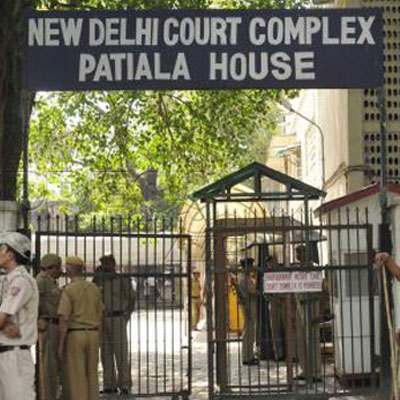
    NEW DELHI: Even as the Bar Council of India condemned the attacks by lawyers on media persons at Patiala House courts where the Jawaharlal Nehru University Students Union Kanhaiya Kumar was being produced, the Supreme Court asked the Delhi Police to ensure the security of all including media persons.

    The apex court also agreed to hear a petition by media persons in this regard. 

    Information and Broadcasting Minister Arun Jaitley, himself an eminent lawyer, also condemned the attacks in a tweet, saying: “Media has an unhindered right to report. Attack on Media persons is highly improper and condemnable.” 

    Media persons in Mumbai and Kolkata also held demonstrations in support of their Delhi colleagues. As was previously reported by Indiantelevision.com, the News Broadcasters Association (NBA) also deplored the attacks.

    Earlier reiterating that attacks on journalists discharging their professional duties was not acceptable, the Press Council of India had sought a report from the Delhi Police regarding the assault on media persons in the Patiala House Court complex.

    The events at Patiala House court resulted in a massive outrage and top editors of national media and hundreds of journalists yesterday demonstrated on the streets demanding action against those involved in beating up members of their fraternity in police presence and sought Supreme Court’s intervention in protecting freedom of speech.

  • Jaitley, Bar Council deplore attacks on media; SC asks police to ensure safety

    Jaitley, Bar Council deplore attacks on media; SC asks police to ensure safety

    NEW DELHI: Even as the Bar Council of India condemned the attacks by lawyers on media persons at Patiala House courts where the Jawaharlal Nehru University Students Union Kanhaiya Kumar was being produced, the Supreme Court asked the Delhi Police to ensure the security of all including media persons.

    The apex court also agreed to hear a petition by media persons in this regard. 

    Information and Broadcasting Minister Arun Jaitley, himself an eminent lawyer, also condemned the attacks in a tweet, saying: “Media has an unhindered right to report. Attack on Media persons is highly improper and condemnable.” 

    Media persons in Mumbai and Kolkata also held demonstrations in support of their Delhi colleagues. As was previously reported by Indiantelevision.com, the News Broadcasters Association (NBA) also deplored the attacks.

    Earlier reiterating that attacks on journalists discharging their professional duties was not acceptable, the Press Council of India had sought a report from the Delhi Police regarding the assault on media persons in the Patiala House Court complex.

    The events at Patiala House court resulted in a massive outrage and top editors of national media and hundreds of journalists yesterday demonstrated on the streets demanding action against those involved in beating up members of their fraternity in police presence and sought Supreme Court’s intervention in protecting freedom of speech.

  • SC grants relief to MS Dhoni in case over portrayal as Lord Vishnu

    SC grants relief to MS Dhoni in case over portrayal as Lord Vishnu

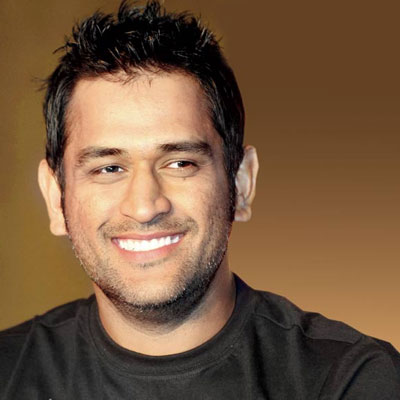
    NEW DELHI: Ace cricketer M S Dhoni got a stay from the Supreme Court on criminal proceedings initiated against him for hurting religious sentiments for being portrayed as Lord Vishnu in a magazine cover. 


    The apex court bunched his petition with plea of TV Today group head Aroon Purie who had also moved the court in the same case. The court had earlier stayed proceeding against Purie also. He was named in complaint for being editor-in-chief of Business Today, which published Dhoni’s photo. 


    The Special Leave Petition was against an order of the Karnataka High Court, which had refused to quash the criminal proceedings pending against him before a trial court in Bengaluru that was slated for today.


    The cricketer pleaded that the complaint filed against him was frivolous and the criminal proceedings needed to be quashed as it was filed just to harass him in the case.


    The High Court had said, “A celebrity and a cricketer like Dhoni should know the consequences of hurting religious sentiments of people. He should have known the consequences of doing such ads. These celebrities are signing ads without any responsibility. Their aim is to earn easy money without considering the problems it may create.”


    The complaint, filed by social activist Jayakumar Hiremath, had alleged that Dhoni was seen on the cover of a business magazine as Lord Vishnu, holding several things, including a shoe in his hands.


    Taking cognisance of the complaint filed by Hiremath, the Additional Chief Metropolitan Magistrate had registered a case against Dhoni under section 295 (injuring or defiling place of worship with intent to insult the religion of any class) along with 34 of the IPC.


    Dhoni had moved the High Court when summons were issued by the Magistrate to appear before him.