
Connect with us
Mumbai: As SBI Life Insurance’s latest financial results cast a shadow over its once-steadfast growth, policyholders may be left wondering: Who will secure your family’s future...
Mumbai: The world has been through some of the most unprecedented times over the last one year. Most of us have encountered life-altering disruptions in our...

Mumbai: Nothing about our lives or the world we dwell in today is like what we knew it to be, till a little more than a...

MUMBAI: SBI Life Insurance, one of the most trusted life insurance companies in India, today launched its latest integrated brand campaign ‘Apnoki #HimmatWaliSeeti’; that reiterates the...

MUMBAI: The celebration of Children's Day in India dates back to 1956. Children are regarded as the ‘future of the country’ and this day is celebrated...

MUMBAI: India's insurance industry is pegged to reach US $ 280 billion by 2020. As many as 24 life insurers are actively working to push insurance...
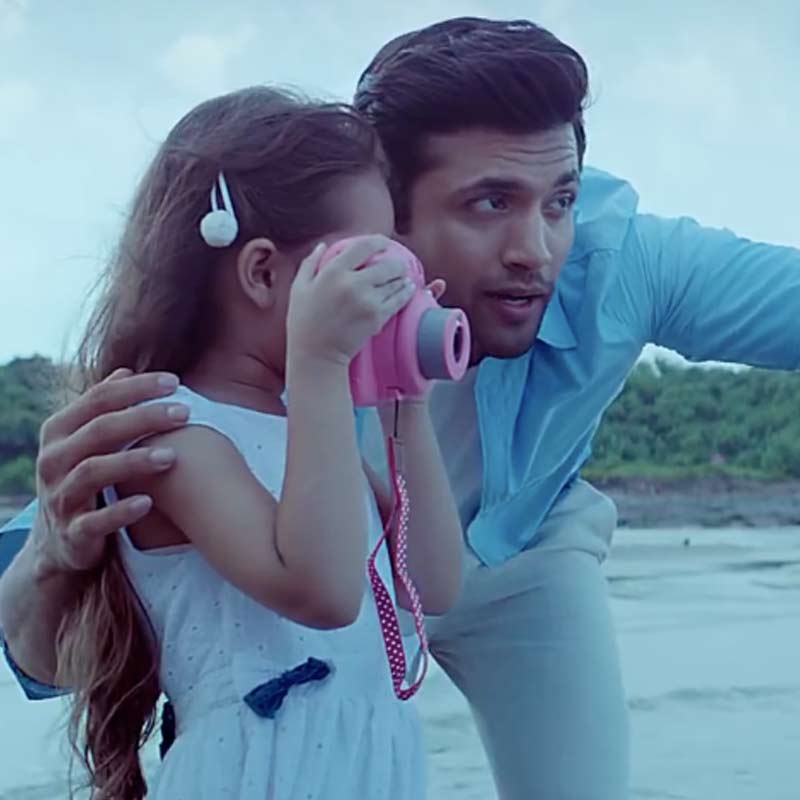
MUMBAI: SBI Life Insurance, one of the leading private life insurance companies in India, launched its ‘Main se Hum’ campaign today, establishing a sharp focus on...
MUMBAI: SBI Life in its effort to establish a deeper connect with its consumers has appointed Mullen Lintas as its creative agency and Mindshare as the...

MUMBAI: Sony Sab and Sony Pal senior VP and head of marketing Chandramohan Mehra has quit. Mehra is serving his notice period and is slated to...
MUMBAI: Hyperspace, the retail design studio arm of Posterscope India, part of Dentsu Aegis Network, has won the retail mandate for SBI Life Insurance. The mandate...
MUMBAI: SBI Life’s #PapaHainNa Social Media Campaign bagged LIMRA & LOMA 2016 Social Media Silver Bowl Award for Best Use of Social outside US. The idea...
MUMBAI: SBI Life’s #PapaHainNa Social Media Campaign bagged LIMRA & LOMA 2016 Social Media Silver Bowl Award for Best Use of Social outside US. The idea...

Mumbai: Secured digital cinema platform United Mediaworks (UMW) announced that its ad network had attained 1,10,000 seats per show. The company gets its revenue from content...

MUMBAI: On the occasion of Father’s Day, SBI Life launched emotional ballad #PapaHainNa in the form of a music video, celebrating the father – child relationship....

MUMBAI: SBI Life Insurance country head – emerging business Chandramohan Mehra has decided to quit after his eight years of association with the company. While...
MUMBAI: Furthering its efforts to educate its customers, SBI Life has launched a multi-media educational advertising campaign. The campaign includes seven ad-films in the TV campaign...



