Tag: Sanjeev Sachdeva

  • Hearing of DAS cases in Delhi HC put off to Oct

    Hearing of DAS cases in Delhi HC put off to Oct

    NEW DELHI: The hearing of the first bunch of cases relating to the stay orders on Phase III of Digital Addressable System has been adjourned by the Delhi High Court to 5 October as the court did not assemble after the lunch break.

    The cases were listed before Justice Sanjeev Sachdeva, who is also scheduled to hear on 13 September three more cases including that of Home Systems Pvt Ltd of Mumbai and another by Digiana Pvt Ltd which have been transferred to the Court.

    The application by the Indian Broadcasting Foundation (IBF) for being impleaded in the case also did not come up for hearing. However, it is expected that this may be mentioned on 13 September.

    Some of the cases scheduled for hearing today included the Rohtak Cable Operators’ Association, Andhra Pradesh MSOs Welfare Federation, Multi System Operators’ Welfare Association, Sai Big Star Welfare Association, Sree Devi Digital Systems, Federation of Telangana MSO, DEN Manoranjan Satellite, Victory Digital, Sri Chowdeshwary Cable Network, Shyam Baba Cable Network, Panchajanya Media, Bharat Digital Cable Network, Nashik Zilla Cable Operators Association, Bhima Riddhi Digital Services and Yogesh Cable Networks.

    A total of 62 cases had been filed by multi-system operators (MSOs) in various courts for extension in the deadline of Phase lll. Of these, 12 cases had been disposed of by respective courts and three cases had been withdrawn by the petitioners.

    In the 16th Task Force meeting, the Information and Broadcasting Ministry (MIB) had for the first time admitted that the Law Ministry had observed that the order passed by the Andhra Pradesh High Court staying Phase III “appears to have all lndia applicability”.

    (The Ministry had sought this opinion in view of the Bombay High Court making a reference to the Kusum Ingots case which had said that if one high court gives an order, others can give similar orders if similar circumstances exist. indiantelevision.com had reported in January this year that the MIB had told the Punjab and Haryana high court that it had ‘decided not to press the requirement of having a STB as for now till the decision of the cases which are pending before various other high courts’).

    The meeting had been told that there were no cases in twenty states but the MIB was not in a position to issue orders in view of the advice given by the law ministry.

    Earlier, the Indian Broadcasting Foundation had withdrawn its petition after the Supreme Court said that the order of the Bombay High Court did not imply any pan-India stay.

    Cases are pending in the High Courts of Bombay, Hyderabad (with separate petitions for Telengana and Andhra Pradesh), Allahabad, Assam, Odisha, and Chhattisgarh for the entire states, apart from Tamil Nadu where prolonged legal cases have been pending since Phase I.

    In Karnataka, three individual stakeholders got stay orders in Mangalore and Mysore areas while there is no state-wide stay.
  • Hearing of DAS cases in Delhi HC put off to Oct

    Hearing of DAS cases in Delhi HC put off to Oct

    NEW DELHI: The hearing of the first bunch of cases relating to the stay orders on Phase III of Digital Addressable System has been adjourned by the Delhi High Court to 5 October as the court did not assemble after the lunch break.

    The cases were listed before Justice Sanjeev Sachdeva, who is also scheduled to hear on 13 September three more cases including that of Home Systems Pvt Ltd of Mumbai and another by Digiana Pvt Ltd which have been transferred to the Court.

    The application by the Indian Broadcasting Foundation (IBF) for being impleaded in the case also did not come up for hearing. However, it is expected that this may be mentioned on 13 September.

    Some of the cases scheduled for hearing today included the Rohtak Cable Operators’ Association, Andhra Pradesh MSOs Welfare Federation, Multi System Operators’ Welfare Association, Sai Big Star Welfare Association, Sree Devi Digital Systems, Federation of Telangana MSO, DEN Manoranjan Satellite, Victory Digital, Sri Chowdeshwary Cable Network, Shyam Baba Cable Network, Panchajanya Media, Bharat Digital Cable Network, Nashik Zilla Cable Operators Association, Bhima Riddhi Digital Services and Yogesh Cable Networks.

    A total of 62 cases had been filed by multi-system operators (MSOs) in various courts for extension in the deadline of Phase lll. Of these, 12 cases had been disposed of by respective courts and three cases had been withdrawn by the petitioners.

    In the 16th Task Force meeting, the Information and Broadcasting Ministry (MIB) had for the first time admitted that the Law Ministry had observed that the order passed by the Andhra Pradesh High Court staying Phase III “appears to have all lndia applicability”.

    (The Ministry had sought this opinion in view of the Bombay High Court making a reference to the Kusum Ingots case which had said that if one high court gives an order, others can give similar orders if similar circumstances exist. indiantelevision.com had reported in January this year that the MIB had told the Punjab and Haryana high court that it had ‘decided not to press the requirement of having a STB as for now till the decision of the cases which are pending before various other high courts’).

    The meeting had been told that there were no cases in twenty states but the MIB was not in a position to issue orders in view of the advice given by the law ministry.

    Earlier, the Indian Broadcasting Foundation had withdrawn its petition after the Supreme Court said that the order of the Bombay High Court did not imply any pan-India stay.

    Cases are pending in the High Courts of Bombay, Hyderabad (with separate petitions for Telengana and Andhra Pradesh), Allahabad, Assam, Odisha, and Chhattisgarh for the entire states, apart from Tamil Nadu where prolonged legal cases have been pending since Phase I.

    In Karnataka, three individual stakeholders got stay orders in Mangalore and Mysore areas while there is no state-wide stay.

  • All Phase III DAS cases to be heard by Delhi High Court early next month

    All Phase III DAS cases to be heard by Delhi High Court early next month

    NEW DELHI: The Babus in the Information and Broadcasting Ministry would certainly breathe a sigh of relief with Dellhi High Court having fixed the hearing of the large volume of cases relating to the third phase of digital addressable system pending in different High Courts for early next month.

    Although the last Task Force Meeting of 26 July had been informed that the cases would be heard from 13 September 2016, Indian Broadcasting Foundation sources told indiantelevision.com that these have been pre-poned to 7 and 8 September 2016. Notices have already been issued to the Ministry as well as the petitioners in various cases.

    While a bulk of the cases will be heard on the first day by Justice Sanjeev Sachdeva, two cases which had been heard by Division Benches in the High Courts – Digiana Systems and Om Network – will be heard on 8 September by a division bench of the High Court comprising Chief Justice G Rohini and Justice Sangeeta Dhingra. .

    The single-bench cases include those by AP MSOs Welfare Federation, Federation of Telangana MSO, Bhima Riddhi Digital Services, Multi System Operator Welfare Association, Rohtak Cable Operators Association, Sai Big Star Welfare Association, Shyam Baba Cable Network, Bharat Digital Cable Network, Nashik Zilla Cable Operators Association and Yogesh Cable Networks.

    This follows acceptance of a petition by the Information and Broadcasting Ministry to the Supreme Court asking it to transfer all linked cases to one High Court to ensure faster justice.

    The Task Force meeting had been informed that a total of 62 cases had been filed in different Courts and 29 cases had been transferred by various courts to Delhi by July-end. There were no such cases in twenty states, the Task Force was told. Of the 62 cases, 12 had been disposed off by respective courts and 3 cases had been withdrawn by the petitioners.

    While the Andhra Pradesh and Telengana High Court had given orders extending the deadline of 31 December 2015 for Phase III, the Bombay High Court had referred to the Kusum Ingots judgment which had said that if similar situation prevails in all states, then the stay can be pan-India. This was because the plea taken in all High Courts was shortage of set top boxes.

    But for the first time, the Ministry had admitted that the Law Ministry had observed that the order passed by the Andhra Pradesh High Court staying Phase III “appears to have all lndia applicability”. For that reason, the I and B Ministry had in fact asked its counsel not to oppose the stay or extension orders in the High Courts.

    indiantelevision.com had reported in January this year that the MIB had told the Punjab and Haryana high court that it had ‘decided not to press the requirement of having a STB as for now till the decision of the cases which are pending before various other high courts’

    However, the Ministry later approached the apex court with a plea for transfer of all similar cases to one High Court and the apex court had asked Delhi to handle these cases and directed notices to be sent to all other High Courts to forward the files to Delhi.

    The I and B Ministry will attempt to get a vacation of stay or extension of deadline in the various courts. The Ministry may also attempt to get orders directing all broadcasters, multi-system operators and local cable operators to transmit or receive signals only on signing of inter-connect agreements as stipulated by the Telecom Regulatory Authority of India.

    Meanwhile, Secretary Ajay Mittal in the last Task Force meeting reiterated that it was firm on Phase IV of digital addressable systems for cable television to commence on 31 December this year.

    He cautioned that MSOs and LCOs should desist from transmitting or re-transmitting un-authorized TV channels which are not permitted by the Ministry. He informed that the Ministry has written to all the district collectors/magistrates in this regard to take action under the law against those who are violating the law.

  • All Phase III DAS cases to be heard by Delhi High Court early next month

    All Phase III DAS cases to be heard by Delhi High Court early next month

    NEW DELHI: The Babus in the Information and Broadcasting Ministry would certainly breathe a sigh of relief with Dellhi High Court having fixed the hearing of the large volume of cases relating to the third phase of digital addressable system pending in different High Courts for early next month.

    Although the last Task Force Meeting of 26 July had been informed that the cases would be heard from 13 September 2016, Indian Broadcasting Foundation sources told indiantelevision.com that these have been pre-poned to 7 and 8 September 2016. Notices have already been issued to the Ministry as well as the petitioners in various cases.

    While a bulk of the cases will be heard on the first day by Justice Sanjeev Sachdeva, two cases which had been heard by Division Benches in the High Courts – Digiana Systems and Om Network – will be heard on 8 September by a division bench of the High Court comprising Chief Justice G Rohini and Justice Sangeeta Dhingra. .

    The single-bench cases include those by AP MSOs Welfare Federation, Federation of Telangana MSO, Bhima Riddhi Digital Services, Multi System Operator Welfare Association, Rohtak Cable Operators Association, Sai Big Star Welfare Association, Shyam Baba Cable Network, Bharat Digital Cable Network, Nashik Zilla Cable Operators Association and Yogesh Cable Networks.

    This follows acceptance of a petition by the Information and Broadcasting Ministry to the Supreme Court asking it to transfer all linked cases to one High Court to ensure faster justice.

    The Task Force meeting had been informed that a total of 62 cases had been filed in different Courts and 29 cases had been transferred by various courts to Delhi by July-end. There were no such cases in twenty states, the Task Force was told. Of the 62 cases, 12 had been disposed off by respective courts and 3 cases had been withdrawn by the petitioners.

    While the Andhra Pradesh and Telengana High Court had given orders extending the deadline of 31 December 2015 for Phase III, the Bombay High Court had referred to the Kusum Ingots judgment which had said that if similar situation prevails in all states, then the stay can be pan-India. This was because the plea taken in all High Courts was shortage of set top boxes.

    But for the first time, the Ministry had admitted that the Law Ministry had observed that the order passed by the Andhra Pradesh High Court staying Phase III “appears to have all lndia applicability”. For that reason, the I and B Ministry had in fact asked its counsel not to oppose the stay or extension orders in the High Courts.

    indiantelevision.com had reported in January this year that the MIB had told the Punjab and Haryana high court that it had ‘decided not to press the requirement of having a STB as for now till the decision of the cases which are pending before various other high courts’

    However, the Ministry later approached the apex court with a plea for transfer of all similar cases to one High Court and the apex court had asked Delhi to handle these cases and directed notices to be sent to all other High Courts to forward the files to Delhi.

    The I and B Ministry will attempt to get a vacation of stay or extension of deadline in the various courts. The Ministry may also attempt to get orders directing all broadcasters, multi-system operators and local cable operators to transmit or receive signals only on signing of inter-connect agreements as stipulated by the Telecom Regulatory Authority of India.

    Meanwhile, Secretary Ajay Mittal in the last Task Force meeting reiterated that it was firm on Phase IV of digital addressable systems for cable television to commence on 31 December this year.

    He cautioned that MSOs and LCOs should desist from transmitting or re-transmitting un-authorized TV channels which are not permitted by the Ministry. He informed that the Ministry has written to all the district collectors/magistrates in this regard to take action under the law against those who are violating the law.

  • Delhi HC refuses to lift ban on ‘India’s Daughter;’ says media trial influences judges

    Delhi HC refuses to lift ban on ‘India’s Daughter;’ says media trial influences judges

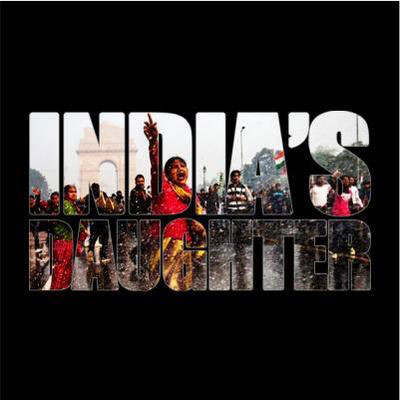
    NEW DELHI: The Delhi High Court today refused to stay the ban on BBC’s documentary India’s Daughter by British filmmaker Leslee Udwin on the Nirbhaya gang rape of December 2012, saying the case was sub judice in Supreme Court and allowing its display in the masses could affect the case.
     

    Justices BD Ahmed and Sanjeev Sachdeva said media trials tend to influence judges by subconsciously creating pressure. Although the judges said they were prima facie not opposed to airing of the documentary, it should be released after the Supreme Court decides the appeals of the convicts in the matter.
     

    “Media trials do tend to influence judges. Subconsciously a pressure is created and it does have an effect on the sentencing of the accused/ convict,” it said in support of its observation.


    The bench was of the view that the documentary could “interfere with the justice system” but refused to pass any interim orders. “Had it been originally placed before us, we would have asked you to place material before us on why the ban should be lifted. But it has come here from the roster bench of Chief Justice, so we will not pass any interim orders.”


    Observing that airing of the video could make or ruin the case of one of the rape convicts, Mukesh, it said, “Whether he has shown remorse or not would be considered at the time of his sentencing. Why not wait till the Supreme Court decision?”


    On the contention that ban on airing of the video till the apex court judgement could also lead to gag on reporting of all sub judice matters, the bench said, “We agree.” It said that earlier media had a self-imposed code of not reporting sub judice matters, but now “media has thrown it (the code) to the winds.”


    The Central government represented by advocate Monika Arora opposed airing of the documentary saying it would give a platform to the convict to air his views and that it also contains derogatory statements against the victim. 

    She also said that the Information and Broadcasting Ministry only issued an advisory to cable TV networks to abide by the magisterial court’s order banning airing of the documentary.

    The petitioners claimed that since the documentary was freely available on the Internet, and its viewing by lakhs of people had caused no untoward or law and order situation, there are no grounds for banning the video. The petitioners also said that parts of the convict’s interview are already part of the judgment in the case by the trial court and High Court and thus are public records.

    The court had earlier refused to give urgent hearing after three law students –Vibhor Anand, Arun Menon and Kritika Padode– in their two separate PILs said “fundamental right of freedom of speech and expression have been infringed due to government’s illegal action to ban the broadcast.” They had approached the High Court after a trial court on 4 March had banned until further orders the broadcast of the interview of 16 December, 2012 gangrape convict Mukesh Singh, allegedly conducted in July 2013 inside Tihar jail.


    Earlier, a trial court had restrained the media from broadcasting or publishing the interview of Mukesh Singh after the Delhi Police moved the court seeking the restraint. The Information and Broadcasting Ministry had also issued an advisory to all television channels not to broadcast the film or excerpts from it.


    The pleas had sought lifting of the ban on the ground that it is “a look at the mindset of one of the convicted rapists.” One of the pleas had also sought direction to the Bar Council of India to expedite action against the two lawyers — advocate AP Singh and ML Sharma — who had allegedly made derogatory anti-women remarks in the documentary. It also claimed that the parents of the gangrape victim have not objected to the telecast of the documentary.


    Meanwhile, Udwin told the Los Angeles Times that the Indian government should hang its head in shame for banning her film. 

    However, the government claims she was permitted to interview the convicts in jail when she said was doing research and would not use the film for commercial purposes. The film has already been aired in several countries including the United States and the BBC4 in the United Kingdom. NDTV was to have aired the film on International Women’s Day but could not do so in view of the ban.