Tag: Sanjay Vasudeva

  • Influencer Marketing Firm BuzzOne Expands To Malaysia

    Influencer Marketing Firm BuzzOne Expands To Malaysia

    MUMBAI: Leading Influencer marketing firm, BuzzOne, announced its expansion into the South East Asian market with the launch of its Malaysia operations, within months of opening its Philippines office in February this year. With this launch, BuzzOne becomes the first and only Indian Influencer Marketing firm to have multiple operations in the South East Asian markets of Philippines and Malaysia.

    The award winning firm also announced the appointment of Mark Rodrigues as Business Head of its Malaysia operations. With over 30 years of experience in the Malaysia market, Mark Rodrigues joins BuzzOne with a deep understanding of the local market and media marketing trends. In a short span of time, BuzzOne has emerged as one of India’s fastest growing Influencer Marketing firms. BuzzOne’s stellar clientele in India includes leading brands such as Amazon, Himalaya Wellness, Dettol PayTm, Vivo, Britannia, Nissan, Vivo and Puma among others.

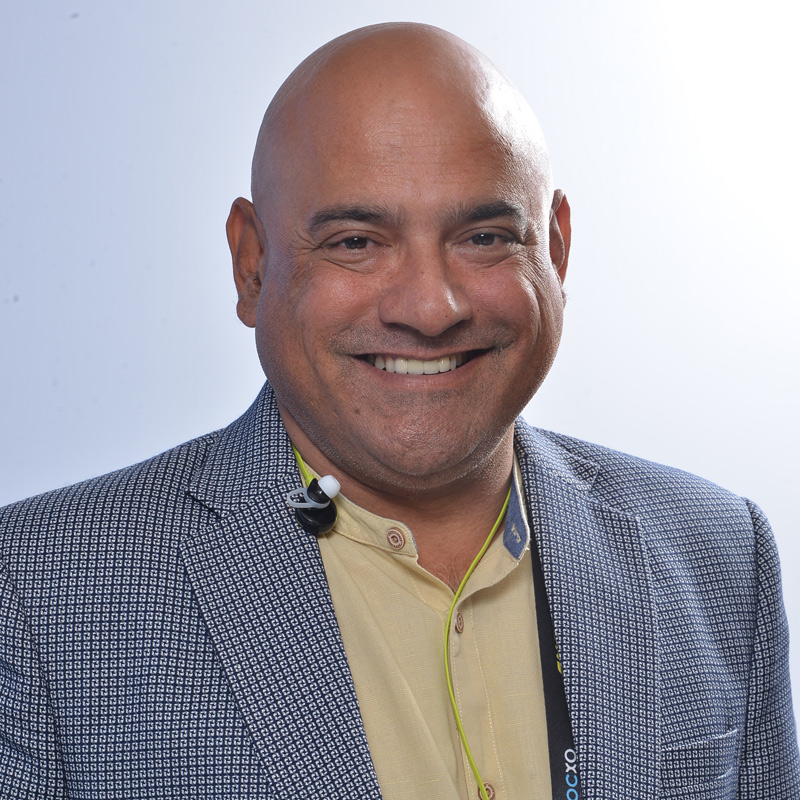
    Speaking on the expansion, Sanjay Vasudeva, Founder and CEO, BuzzOne Influencer Marketing, said, “I am thrilled and look forward to expanding BuzzOne’s current portfolio with deep penetration into the South East Asian market with the opening of our Malaysia & Philippines offices this year. Having studied the region carefully, Malaysia & Philippines are one of the most promising markets for influencer led campaigns in South East Asia. With Mark Rodrigues spearheading our team, I am confident BuzzOne will form a strong foothold in the Malaysian market.”

    According to industry reports, ad spending in digital media in Malaysia were US$512million in 2019. A growing Influencer Marketing market, Malaysia has shown unique trends such as Instagram emerging as the preferred platform for influencer marketing in the country and over with 80% of marketers investing in influencer marketing strategies in 2018. Malaysians trust lifestyle influencers’ opinions over opinions from traditional celebrities.

  • Influencer marketing firms will always be in beta: BuzzOne founder

    Influencer marketing firms will always be in beta: BuzzOne founder

    MUMBAI: Influencer marketing is one of the fastest growing phenomena in the marketing mix of brands today. As per ‘The Influence Report’ released by Zefmo Media Private Limited in 2018, 89 per cent of marketers believe that influencer marketing is effective in driving brand message across, and 62 per cent were planning their budgetary allocation towards engaging social influencers.

    Peer-to-peer interaction, an influx of trust from people with whom the customers can relate to on a personal level and comparatively lower cost to get engagement on digital platforms are some of the few factors that have been propelling the growth of this medium. To get some more insight into how this whole gamut of social influencing works, what the ticks and tricks of the trade are, and how can the brands make maximum out of this trend, Indiantelevision.com got into a candid conversation with BuzzOne Infuencer Marketing’s founder and CEO Sanjay Vasudeva on a rainy afternoon in Delhi.

    Vasudev started BuzzOne Influencer Marketing a few years back as a one-stop marketplace for brands and influencers to create conversations on social media using the great reach the latter had on various platforms. Over the years, the agency has created successful campaigns for a number of brands including Volkswagen, Nissan, Veet, Kissan, Britannia, ICICI and Future Generali, among others.

    Since then, it has come a long way. What has made influencer marketing popular today? Vasudev says, “Influencer marketing is social word of mouth. If you compare all the media of communications—be it print, TV, or digital—word-of-mouth has always been considered the biggest and most powerful of them all. I will give you a simple example; when you want to buy a car, you take opinions from your peers or family members who already have bought it and are using it. That’s how most of us make our choices.”

    He added that brands want more conversation on social media and influencers accelerate it by conveying the brand message in a style relatable to their followers.

    Sanjay contributes this exemplary growth to the dynamism of the industry as well. He mentions, “When we started four years back, influencer marketing was still in its infancy. It was based mostly around Twitter. But now, the spectrum has become so much larger; you have Instagram, Facebook, YouTube, and of course newer platforms like Snapchat and TikTok.”

    He adds, “Looking at this what I can say is that in the app business, we will always be in beta because platforms would keep changing and also new platforms would emerge. The platforms which were there earlier would become not so popular, for example, we have seen Twitter going down.”

    On being asked how does the influencer marketing firm like his keep pace with this dynamic shift, Vasudev says, “We have a propriety tool by which we keep a constant vigil on what kind of influencers are doing what and on what platforms. We then bucket them into various categories and genera. Further, the brands also have a point of view on certain influencers and platforms. We do our best to provide them with the best match.”

    Vasudeva also shares the perfect recipe to sort out the best face and medium to associate with any campaign. He notes, “Essentially, the first filter that should happen is to look at in what space the brand is operating and in what space it wants the communication to happen. For example, if an automobile brand wants to talk about the core features of the car, then it will be an automobile blogger’s dialogue. But if the same automobile brand wants to promote itself from the lifestyle perspective, then we will either pick people who talk about lifestyle or sometimes, maybe, fashion bloggers.”

    “Also, the biggest trend nowadays is that the content is moving from static images to videos. Thus, bloggers are becoming lesser and lesser relevant as people do not have time to read long write-ups. With content getting shorter, the impact of platforms like Instagram is gaining momentum. Another amazing platform is TikTok. The only problem with TikTok is that it doesn’t have any reporting API’s to keep a tab on the performance of the videos but it is still one of the most used platforms by influencers. It gives greater views at a much less cost than any other platform,” he shares.

    On a final note, he said that brands should not try to push their own ideas of the kind of content that influencers should create. “An influencer is very loyal to its audience and knows what kind of content works with them. Thus, brands should be very careful about their demands and should allow them to create content in their own style.”

  • The influence of influencer marketing

    The influence of influencer marketing

    MUMBAI: With changing advertising ecosystem, brands are exploring newer avenues to connect with consumers and market themselves. Social media influencer marketing is the new method that brands swear by. Although the trend is fairly new on the block, marketers are optimistic that it is only here to stay.

    Influencers, unlike celebrities, can be anywhere and they can be anyone. The key ingredient for being an influencer is to have a large following on the internet and social media (which could be either on Facebook, Twitter, Instagram or Snapchat). These influencers are easily recognised by their hundreds (if not millions) of followers, and that’s the target audience for brands.

    These mini celebrities of their kind help brands grow awareness and consideration while also helping them to drive sales. The best part about influencer marketing is that brands can have customised content for each influencer and it is not a “one product fits all” kind of a deal. Here, brands have control over the influencers they pick.

    Influencer marketing is not to be confused with viral celebrities who are paid to sweet talk about products and promote them. Here, the power is in the hands of influencers who use the product and promote it only if it makes sense for them. Having painstakingly amassed a ton of following, they would naturally be protective of their reputation and misguiding their followers.

    Twitter is the first option to experiment followed by Facebook, Instagram and bloggers. One tactic is to use their fan bases to grow the brand’s own social media following followed by creating engagement, sales, increase site traffic and drive SEO. A report by Zefmo India Influence Report 2018 says that due to its photo-sharing ability, 80 per cent of social media influencers predict Instagram to top the choice this year. 83 per cent of brands want product reviews, 70 per cent of them look sponsored posts while 48 per cent indulges in contests and giveaways.

    The share of influencer marketing budget today is what a typical digital marketing budget was in 2008, i.e., a mere 2-5 per cent. BuzzOne CEO and founder Sanjay Vasudeva notes that influencer marketing is huge in Indonesia, China, US and Europe and it is still in the nascent stage of acceptance in India but it is gaining currency as a lot of brands now want to experiment with it. “Influencer marketing in Indonesia is a part of every brand’s digital budget and is anywhere between 20-30 per cent. It is more than what they spend on Facebook and other social media platforms,” he adds.

    Brands are elated at the results these campaigns get them. 92 per cent of brands (as per the Zefmo report) will add influencer marketing to their marketing mix this year and 62 per cent are increasing the budget for it. People’s affinity with these people they choose to follow and their trust helps them in making positive purchase decisions.

    According to influencer marketing platform Buzzoka’s Influencer Marketing Outlook 2018, 46 per cent marketers around India attribute reach and engagement as the most important factor for using it, whereas 23 per cent marketers consider it to be a good alternative for traditional media. The report also suggests that 69 per cent marketers consider it to be a good medium to generate engagement, drive word of mouth and create quality content.

    Typically, marketers spend anywhere between 10-25 hours managing influencer campaigns which is quite a heavy investment of man hours. But a majority of brands custodians still prefer to manage influencer campaigns on their own instead of outsourcing it to their digital agency.

    Vasudeva notes that since advertising on digital is cheaper than television and other traditional mediums, the share of influencer marketing in digital budget will only keep on increasing.

    On an average, an influencer makes anywhere between Rs 20,000-30,000 per post. Although there are several pricing models available for brands including pay per post/video, free product or experiences, CPE (cost per engagement), CPC (cost per click), CPA (cost per acquisition), but payment as per performance is the common pricing method in the industry.

    The top two challenges for a marketer today while including influencer marketing in the digital budget would be to justify the return on investment and selection of right partner/platform.

    Given the tangible benefits of influencer marketing including follower engagement, driving traffic, and creating more authentic content, there is still a lot of space for Indian brands to leverage.

    Also Read :

    The rise of young execs in media agencies

    Kohli brand driving on the up

    Has advertising finally begun to embrace AI?

    2018 will be a year of video campaigns: WATConsult’s Rajiv Dhingra