Tag: Sanjay Tripathy

  • What is Third-Party Car Insurance Cover & How it Works?

    What is Third-Party Car Insurance Cover & How it Works?

    If you own a car or are planning to get one, you cannot take it on the roads without obtaining valid insurance for the same. Though there are two types of car insurance, third-party insurance is considered the most basic insurance that no vehicle owner can do without. If you’re ever caught driving an uninsured car, you will be heavily penalized by the authorities.
     
    Third-party insurance for car is comparatively affordable compared to other car insurance, but it also offers limited coverage. If you’re contemplating getting third-party car insurance from a well-known insurance provider but want to gather necessary information before making any purchase, this article is here to guide you. 

    Also Read – New to Insurance? Keep these 5 Things in Mind While Purchasing life Insurance  

    Third-Party Car Insurance: Things to Know

    The Indian Motor Vehicle Act mandates car owners to get at least third-party insurance for their registered vehicle if they don’t want to go ahead with comprehensive insurance. Third-party insurance primarily covers the vehicle owner against losses/damages caused to a third party during an accident. Like other insurance policies in the market, even third-party insurance for car has specific inclusions and exclusions that you should be aware of.

    Inclusions in a Third-Party Car Insurance

    Irrespective of your driving skills, driving on chaotic Indian roads can sometimes be challenging. And with so much crowd and traffic around, chances of unfortunate events, like road accidents, increase manifold. In such a situation, if you end up hurting/damaging a third party or his property, you will be liable to pay the damage cost to the other individual. It is during such cases when third-party insurance comes to the rescue. They cover car owners for:

    Also Read – Government Should Address The Long Pending Insurance Bill Sanjay Tripathy

    1. Personal Damages to Third-Party

    If a person gets hurt during an accident because of your car, you will have to bear his medical and other associated expenses. If you have taken third-party insurance, you can claim the financials involved from your insurance provider, and they’ll take care of the rest.     

    2. Property Damages to Third-Party

    Similar to personal damages, you are also required to pay the property damage cost to the third party. Whether you accidentally hit another vehicle or a street lamp post, you will be liable to pay for the damages caused because of your car. Luckily, it is also covered in third-party insurance, so policyholders don’t have to bear the brunt of such unexpected out-of-pocket expenses.  

    ● Exclusions in Third-Party Car Insurance

    While third-party car insurance covers the vehicle owner for personal and property damages caused to a third party, it doesn’t cover the damage caused to the policyholder. But this negative can be turned into a positive by adding a personal accident cover to your basic third-party car insurance. You will have to pay for personal accident cover separately, but the extra payment will be worth it, as it will bring along peace of mind.    

    Also Read – Insurance A Push Product in India Says Indiafirst Lifes Rushabh Gandhi

    ● Difference Between Comprehensive and Third-Party Car Insurance

    The fundamental difference between comprehensive and third-party insurance lies in coverage. While the third-party insurance protects the car owner from a property and third-party damage caused by his vehicle, the comprehensive insurance covers policyholders for both third-party and own damages. You should purchase comprehensive car insurance if you want maximum coverage. The insurance premium varies proportionately to the inclusions/coverage a policy offers, so don’t worry if you have to pay more for comprehensive insurance.  

    But before you purchase any insurance for your vehicle, always remember that no claim will be entertained if the policyholder was found driving in a drunken state or the driver had no valid driving license. Also, if a minor was found driving the car at the time of the accident, no claim will be fulfilled. So always be responsible while driving to avoid any unpleasant surprises during claim settlement.

    How does Third-Party Car Insurance Work?

    If a person meets an accident after taking third-party car insurance, the policyholder can raise a claim for the damage caused to a third party or his property. For claim settlement, the policyholder should inform the insurance company about the accident within the stipulated time as mentioned in the policy document and also furnish an FIR so the insurance company can take things forward. A surveyor will then be sent from the insurance provider’s end to assess the monetary damage caused and verify the same before sharing a detailed report with the insurance company. Based on the final report, the claim amount will be processed.

    You can either call the representative you’ve been in touch with from the insurance provider’s side or simply email them on their official email id with the necessary details. Having a good insurance company by your side is important if you want faster claim settlement and excellent customer support. So take your time and do the due diligence before purchasing third-party insurance from any insurance provider.   

    Taking third-party car insurance from a trustworthy insurance provider will enable you to drive legally on the Indian roads without any worry of traffic penalties or fines and save you from unexpected and unavoidable out-of-pocket expenses in case of a road accident. With so many benefits on the table, you shouldn’t think twice before getting your vehicle insured.  

    Also ReadCovid-19 Uplifts Health insurance Sector, But Premium Segment Sees Decline 
     

  • ‘Name and shame delinquent channels’

    ‘Name and shame delinquent channels’

    MUMBAI: Media buying and planning (advertising) agencies and brands reacted strongly or cautiously when it came to commenting on famous yet delinquent television channels suspected of wrongdoing by India’s only TV ratings points (TRP)  body. Broadcast Audience Research Council (BARC), the only television audience measurement body in India, temporarily suspended the review of viewership of three news channels. BARC had communicated to all the broadcasters that ratings for India News, TV9 Telegu and V6 News were suspended for four weeks owing to suspected mala fide practices.

    This decision may have had a bearing on advertising on the channels in question. Some industry experts were direct and forthcoming in their reactions, others were cautious, while some chose not to comment on the issue.

    Requesting anonymity, a senior media planner told Indiantelevision.com that the decision could have a mixed impact on the advertising revenue of the channels. There would be companies who believe in a particular channel since a long time. They may not get swayed by this temporary phenomenon. Companies who might want to launch a national campaign may take a channel’s current ratings into account before making their decision. Then, there are regional advertisers who want to see the effect of advertising on the ground — they may not take the BARC review into account at all. There would be some advertisers who would want to wait and watch for a while — 2-3 weeks before taking any decision.

    Dentsu Aegis chairman Ashish Bhasin lauded the BARC decision not to review certain errant channels for a period of time. “It is a bold step taken by BARC to name and shame the mischievous entities.” It sends out a warning message to the channels to behave, and will act as a deterrent for other possible mischief-mongers that could spoil the purity of the currency for a Rs 20000 crore annual TV advertising business in India, Bhasin said.

    About the impact on advertising, Bhasin said that the reputation of the errant channels would be affected owing to the suspension of review. “Although I am unaware of which channels were involved in what kind of wrongdoing, the channels would be disadvantaged due to the BARC action. In the medium to long term, the action would prove to be detrimental to the channels vis-a-vis advertising because the client decides to put his money on the basis of clear feedback and seeks value for every pie invested,” Bhasin added.

    Some experts were rather vocal about change in their approach. “I will certainly not recommend these channels for my clients,” an Initiative Media (formerly Lintas Media) business director told Indiantelevision.com.

    The business director said she would rather advise other substitute (surrogate) channels so that her clients do not suffer. She agreed that the BARC India decision may not directly impact regional and local brands, but, she said, media planners who would draw up annual national strategies for their respective clients would certainly keep the BARC India’s suspension decision in mind.

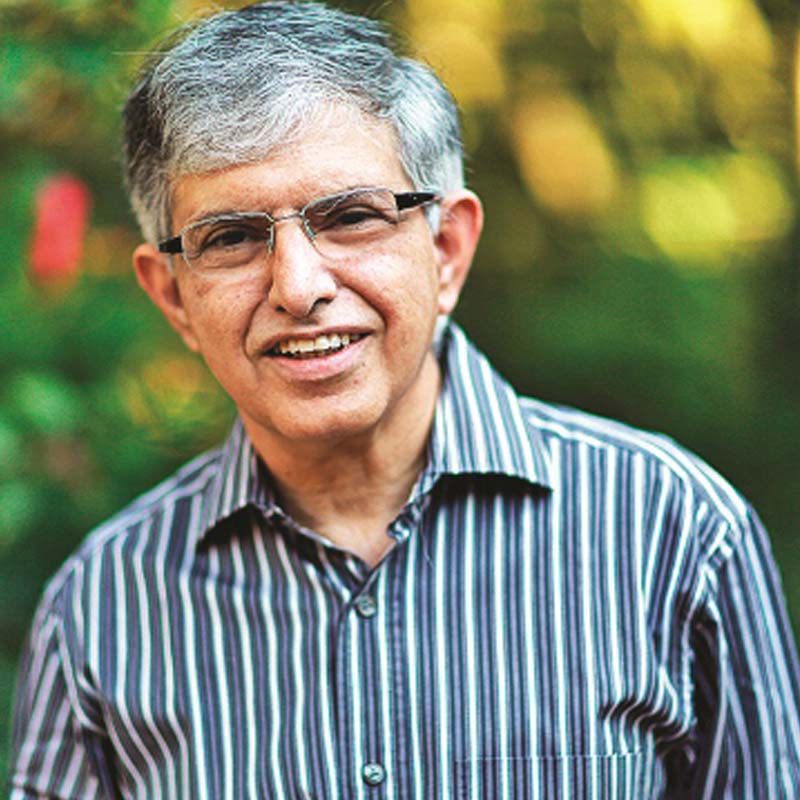
    However, some  client-companies were rather cautious. HDFC Life senior executive vice-president, marketing, analytics, digital & e-commerce Sanjay Tripathy said: “The channels concerned are denying any wrong-doing at this point. However, if the channels are found guilty of any wrongdoing as suggested in media reports, it is only fair then that they face the consequences. Prima facie, we believe before taking such a stance, due process would have been followed by the authorities by BARC (India) and should wait to this matter to be clarified before taking any hasty decisions.”  

    For the sake of an independent and unbiased article, IPG Mediabrands CEO Shashi Sinha chose not to comment since he chaired the technical committee of BARC India.

    “Advertisers who do not utilise the services of media buying agencies may continue to advertise on the errant channels,” said Madison World chairman Sam Balsara. “But, advertisers who take the help of agencies that use scientific methods of calculating GRPs (gross rating point) would over a period of time keep away from such channels,” he added. To a question whether advertisers would mind the temporary suspension, Sam said, “They would and they should.”

    Also Read :

    BARC India suspends three errant channels’ review


  • ‘Name and shame delinquent channels’

    ‘Name and shame delinquent channels’

    MUMBAI: Media buying and planning (advertising) agencies and brands reacted strongly or cautiously when it came to commenting on famous yet delinquent television channels suspected of wrongdoing by India’s only TV ratings points (TRP)  body. Broadcast Audience Research Council (BARC), the only television audience measurement body in India, temporarily suspended the review of viewership of three news channels. BARC had communicated to all the broadcasters that ratings for India News, TV9 Telegu and V6 News were suspended for four weeks owing to suspected mala fide practices.

    This decision may have had a bearing on advertising on the channels in question. Some industry experts were direct and forthcoming in their reactions, others were cautious, while some chose not to comment on the issue.

    Requesting anonymity, a senior media planner told Indiantelevision.com that the decision could have a mixed impact on the advertising revenue of the channels. There would be companies who believe in a particular channel since a long time. They may not get swayed by this temporary phenomenon. Companies who might want to launch a national campaign may take a channel’s current ratings into account before making their decision. Then, there are regional advertisers who want to see the effect of advertising on the ground — they may not take the BARC review into account at all. There would be some advertisers who would want to wait and watch for a while — 2-3 weeks before taking any decision.

    Dentsu Aegis chairman Ashish Bhasin lauded the BARC decision not to review certain errant channels for a period of time. “It is a bold step taken by BARC to name and shame the mischievous entities.” It sends out a warning message to the channels to behave, and will act as a deterrent for other possible mischief-mongers that could spoil the purity of the currency for a Rs 20000 crore annual TV advertising business in India, Bhasin said.

    About the impact on advertising, Bhasin said that the reputation of the errant channels would be affected owing to the suspension of review. “Although I am unaware of which channels were involved in what kind of wrongdoing, the channels would be disadvantaged due to the BARC action. In the medium to long term, the action would prove to be detrimental to the channels vis-a-vis advertising because the client decides to put his money on the basis of clear feedback and seeks value for every pie invested,” Bhasin added.

    Some experts were rather vocal about change in their approach. “I will certainly not recommend these channels for my clients,” an Initiative Media (formerly Lintas Media) business director told Indiantelevision.com.

    The business director said she would rather advise other substitute (surrogate) channels so that her clients do not suffer. She agreed that the BARC India decision may not directly impact regional and local brands, but, she said, media planners who would draw up annual national strategies for their respective clients would certainly keep the BARC India’s suspension decision in mind.

    However, some  client-companies were rather cautious. HDFC Life senior executive vice-president, marketing, analytics, digital & e-commerce Sanjay Tripathy said: “The channels concerned are denying any wrong-doing at this point. However, if the channels are found guilty of any wrongdoing as suggested in media reports, it is only fair then that they face the consequences. Prima facie, we believe before taking such a stance, due process would have been followed by the authorities by BARC (India) and should wait to this matter to be clarified before taking any hasty decisions.”  

    For the sake of an independent and unbiased article, IPG Mediabrands CEO Shashi Sinha chose not to comment since he chaired the technical committee of BARC India.

    “Advertisers who do not utilise the services of media buying agencies may continue to advertise on the errant channels,” said Madison World chairman Sam Balsara. “But, advertisers who take the help of agencies that use scientific methods of calculating GRPs (gross rating point) would over a period of time keep away from such channels,” he added. To a question whether advertisers would mind the temporary suspension, Sam said, “They would and they should.”

    Also Read :

    BARC India suspends three errant channels’ review


  • Leo Burnett launches new digital platform for HDFC Life

    Leo Burnett launches new digital platform for HDFC Life

    MUMBAI: With the advent of the digital age, the sky is the limit for innovation and creativity. In a bid to create acts and solutions that trigger a larger and much sought-after change for brands, Leo Burnett has developed a new digital platform for HDFC Life customers, enabling them to leave behind more than just financial legacy for loved ones.

    The digital platform called #MemoriesForLife allows the man of the house to record little anecdotes, words of wisdom and life lessons, so that he continues to
    guide his loved ones in his absence.

    This digital platform will be launched via an integrated campaign designed for both offline and online media.

    The idea comes from the customer understanding that, often, a lot is left unsaid in the strife for securing the future of loved ones.

    The way it works: Record your message on the #MemoriesForLife platform, set the date and time you want your loved one to receive it and HDFC Life is committed to ensure its delivery.

    This is a strategic move to shift insurance from a transactional space to an emotional space, and to remind the man of the house that he means a lot more to his family than just money.

    HDFC Life senior EVP, head marketing, products, digital & e-commerce Sanjay Tripathy said, “We at HDFC Life believe that today’s hard-to replace individuals are far more important to their families than just their financial legacy. With #MemoriesForLife, we have made a strategic move to shift life insurance from a transactional space to a more emotional one in the form of a time capsule. Also, this bolsters our position as a leader in the digital space improving the online end-to-end customer experience. Most of all, #Memories ForLife’ is a new opportunity for us to reinforce our brand promise of ‘Sar Utha Ke Jiyo’ in our customers’ lives where they can record life’s little and big lessons to help their loved ones lead a life of pride forever.”

    The brand film narrates the story of a young successful executive who forgoes a business trip to Singapore to spend his special day, his birthday with his mother. It is later revealed that it was after watching a poignant video of his father’s words of wisdom, recorded when he was 17 years old (10 years back), that propelled him towards this different path. The narrative emphasizes the power of the individual to guide his family through life’s many challenges, even in his absence.

    Leo Burnett chief creative officer RajDeepak Das adds, “For HDFC Life, this year we are helping them launch a new product in form of a strong engagement platform. Memories for Life is a great example of how we are pushing the bar in bringing innovation, co-creation and creative thinking together to build HumanKind brands. Our idea was to bring HDFC Life’s Sar Utha Ke Jiyo philosophy into practice. In our busy lives we often lose out on special moments with our loved ones. This film subtly reminds us about that, without losing the Sar Utha Ke Jiyo lens of the brand.”

    Watch the film here:

  • Leo Burnett launches new digital platform for HDFC Life

    Leo Burnett launches new digital platform for HDFC Life

    MUMBAI: With the advent of the digital age, the sky is the limit for innovation and creativity. In a bid to create acts and solutions that trigger a larger and much sought-after change for brands, Leo Burnett has developed a new digital platform for HDFC Life customers, enabling them to leave behind more than just financial legacy for loved ones.

    The digital platform called #MemoriesForLife allows the man of the house to record little anecdotes, words of wisdom and life lessons, so that he continues to
    guide his loved ones in his absence.

    This digital platform will be launched via an integrated campaign designed for both offline and online media.

    The idea comes from the customer understanding that, often, a lot is left unsaid in the strife for securing the future of loved ones.

    The way it works: Record your message on the #MemoriesForLife platform, set the date and time you want your loved one to receive it and HDFC Life is committed to ensure its delivery.

    This is a strategic move to shift insurance from a transactional space to an emotional space, and to remind the man of the house that he means a lot more to his family than just money.

    HDFC Life senior EVP, head marketing, products, digital & e-commerce Sanjay Tripathy said, “We at HDFC Life believe that today’s hard-to replace individuals are far more important to their families than just their financial legacy. With #MemoriesForLife, we have made a strategic move to shift life insurance from a transactional space to a more emotional one in the form of a time capsule. Also, this bolsters our position as a leader in the digital space improving the online end-to-end customer experience. Most of all, #Memories ForLife’ is a new opportunity for us to reinforce our brand promise of ‘Sar Utha Ke Jiyo’ in our customers’ lives where they can record life’s little and big lessons to help their loved ones lead a life of pride forever.”

    The brand film narrates the story of a young successful executive who forgoes a business trip to Singapore to spend his special day, his birthday with his mother. It is later revealed that it was after watching a poignant video of his father’s words of wisdom, recorded when he was 17 years old (10 years back), that propelled him towards this different path. The narrative emphasizes the power of the individual to guide his family through life’s many challenges, even in his absence.

    Leo Burnett chief creative officer RajDeepak Das adds, “For HDFC Life, this year we are helping them launch a new product in form of a strong engagement platform. Memories for Life is a great example of how we are pushing the bar in bringing innovation, co-creation and creative thinking together to build HumanKind brands. Our idea was to bring HDFC Life’s Sar Utha Ke Jiyo philosophy into practice. In our busy lives we often lose out on special moments with our loved ones. This film subtly reminds us about that, without losing the Sar Utha Ke Jiyo lens of the brand.”

    Watch the film here:

  • Industry veterans gear up for Standard Chartered Mumbai Marathon

    Industry veterans gear up for Standard Chartered Mumbai Marathon

    MUMBAI : The city is already counting down the days to the biggest annual sporting extravaganza that Mumbaikars look forward to — the Standard Chartered Mumbai Marathon, which is scheduled to take off in the wee hours of 17 January.


    Be it the health minded ones or the record breakers or even those who simply run for a cause , every year the footfall at the marathon has only seen an upward growth. Several reports say that this year the figures may go up by four – five per cent. 


    With Mumbai as the stage, it is inevitable that several media personalities will also be taking part in the event, apart from the big names from other industries like finance and technology. 


    Familiar faces from media, advertising and marketing world who are expected to continue their tradition of running for the marathon include Grey Group India chairman and managing director Sunil Lulla, Ideas@bharatkapadia.com founder Bharat Kapadia and triggerbridge managing director and co-founder S Yesudas amongst others.


    Yesudas confesses his life has been very hectic given his new portfolio as an entrepreneur and the launch of his new venture. Yet, he wouldn’t give Mumbai Standard Chartered Marathon a miss for the world. In fact, he recalls how he barely made it to his last year’s agency conference in Bangkok just to run for the marathon.


    Having said that, he adds, “I wouldn’t go all out this year unlike my previous runs for the marathon. The reason is my injured right knee.” Because of which, Yesudas hasn’t been active lately in preparing for the marathon.


    “I participated for the Trivandrum Marathon in November, but since then I haven’t been running much. To get good timing, practicing long runs is a must, therefore this year I will be taking it easier,” Yesudas explains.


    It isn’t just Yesudas whose Mumbai Marathon will be marred a bit by injury. Well known marathon runner from the industry HDFC Life senior executive vice president Sanjay Tripathy will also skip running the full marathon due to the same. Nevertheless, Tripathy can’t help count us down the reasons why one should take running up. “Running is my passion and I have a torrid love affair with it! Running for a marathon has taken me beyond my comfort zone and helped me relax, take control over my mind and stay focused on a day to day basis,” shares Tripathy.


    “I have been training myself since 2003 to participate in marathons all over the country. Every year I work on increasing my intensity and distance while reducing the amount of time. Unfortunately, this year, I will be unable to participate in the marathon as I had a bad fall on my knee a month back. A stress fracture in the femur of my left leg will keep me out of running for a good eight to 12 weeks. But injuries are a part and parcel of a runner’s life and I am determined to come back stronger,” he adds.


    Industry veteran and well known marathoner Kapadia is up for the challenge this year as well. Last year, he managed to bring down his run time to 2 hours 12 mins from 2 hours 17 mins in the previous year. He hopes to beat his own record this year as well. “This will be my ninth year running in the Mumbai Marathon. My regular practice sessions are up. I usually start three and a half months before the D-Day. Right now I am going easy on running and concentrating on the right diet. The first three days of the week was protein heavy diet, while the next three days will be carbohydrate heavy,” shares Kapadia, who adds that he stopped long runs last Sunday to give his body rest.


    Having said that, Kapadia doesn’t run after ranks or timings in a marathon. “I personally keep three things in mind when running a marathon. Firstly my target is to complete the entire run; secondly I make sure I have fun on the way; and lastly to keep myself injury free,” he says.


    Grey Group India’s Lulla too plans to enjoy the marathon with his friends rather than keeping an eye on the clock while running. “I am doing stretches and abs to keep myself flexible for the time being,” he informs. 


    “This year the marathon isn’t about setting goals and breaking personal record for me. Been there and done that for the last few years. This year is about enjoying the run. I have been in and out of the city the entire year and hence hardly had the time to practice and prep up for the marathon. Not that it bothers me as this year my prime motive is to have fun with my friends who run together with me. I plan to take it slow and easy, saying hello to everyone on the way and maybe even clicking several picture to commemorate the day.”


    In fact, to mark the day and instil the idea of running for just fun, Lulla and his group of friends will be sporting T-shirts with #quickie written on it.


    While few familiar names are staying off the track this year, Yesudas doesn’t expect that to effect the footfall at the marathon, nor the industry’s representation in it. “I have a feeling several new faces will be seen running this year. I know that several of my friends within the industry have been gearing up to make their debut,” he says.

  • MRUC elects Ushodaya Enterprises director I Venkat as chairman

    MRUC elects Ushodaya Enterprises director I Venkat as chairman

    MUMBAI: Ushodaya Enterprises director I Venkat has been elected as the chairman of Media Research Users Council (MRUC) for a period of two years.


    Venkat will replace GroupM South Asia CEO CVL Srinivas.


    The decision was taken by MRUC board of directors at its 21st annual general meeting held on 25 September, 2015.


    Additionally, HDFC Life senior executive vice president Sanjay Tripathy has taken over from Multi Screen Media president Rohit Gupta as the new MRUC vice chairman.


    MRUC CEO Shaswati Saradar has decided to move on after handling the Council for a span of five years and Radhesh Uchil has been nominated as the new MRUC CEO.


    DDB Mudra Group executive director N P Sathyamurthy, who earlier headed the Marketing Committee as the chairman, has replaced Paritosh Joshi as chairman of the Technical Committee. 


    Spatial Access CEO Nikhil Rangnekar has been named as the new chairman of the Marketing Committee. 


    Srinivas and Joshi will serve as mentors for the Council.

  • Industry sees higher growth than GroupM’s 12.6 per cent estimate

    Industry sees higher growth than GroupM’s 12.6 per cent estimate

    MUMBAI: “Acche din aa gaye hai,” said GroupM south east Asia CEO CVL Srinivas while unveiling the agency’s ‘This Year, Next Year 2015’ annual report.


    As per the report, India’s advertising investment is expected to reach an estimated Rs 48,977 crore in 2015, up 12.6 per cent from last year with digital leading the pack with 37 per cent growth and television following at 16 per cent.


    Last year, the growth of 12.5 per cent was attributed to the heavy ad spending due to the general and state elections and industry categories like e-commerce and telecom. Keeping the same positive attitude, the agency feels that 2015 will also move upwards.


    Agreeing with it, the industry believes that with the economy going up in a positive manner, the numbers could even go higher.


    Speaking to Indiantelevision.com, Parle Products marketing general manager Praveen Kulkarni says, “ARPU (average revenue per user) is going to be better this year and ad spends will increase further.”


    According to him, various initiatives taken by the government will bear fruits in the coming months. “2015-2016 will see a positive turnaround in the economy and the overall AdEx can grow up to 15 per cent,” he adds.


    Voicing the same sentiments, HDFC Life marketing, product, digital and e-commerce senior executive vice president Sanjay Tripathy, sees an upward trend across all media. “The gross domestic product (GDP) grew at 6.9 per cent in 2013-14, and if it continues to grow, then AdEx is bound to increase as well. I see it going even beyond 12.6 per cent and as for digital, it can go up to 40 per cent,” he states.


    However, L&K Saatchi & Saatchi India CEO and managing partner Anil Nair is a little conservative about the numbers. “Digital has various buckets from where the revenue comes in. Apart from media, there are other digital assets like apps as well. I don’t think we can put a number on the growth as I feel the industry will take at least one more year or so to touch a 37 per cent growth number,” he says, as he believes that numbers could increase for categories like retail but one cannot generalise.


    “Definitely, the medium is growing faster than the rest but I would still peg it a little lower,” Nair adds.


    As for the television, with new channels being launched by networks as well as investment in the digital platform and the ICC World Cup followed by the Indian Premiere League (IPL), the medium is moving forward.


    Stating the example of recently announced yet-to-launch &TV, ZEEL chief sales officer Ashish Sehgal believes that with new channels comes added inventory. “World Cup and IPL will obviously help the channels as well as digital mediums. And as and when Broadcast Audience Research Council (BARC) releases its data, the advertising spend on television will see an upward trend as well,” he says.


    However, Sehgal is a little cautious as well and believes that the numbers will be more close to reality when the next financial year begins in April.


    The out-of-home (OOH) sector will see a drop this year as the agency estimates it to grow only by four per cent. Milestone Brandcom (part of Dentsu Aegis Group) MD and CEO Nabendu Bhattacharyya adds, “I guess GroupM has based the report on last year’s general elections but I believe that the sector will continue to grow by 10 per cent as the economy is stable. With e-commerce investing heavily on the medium and support of real estate and jewellery brand as well as infrastructure growing across cities and towns in the country, the medium has nothing to fear.”

  • Government should address the long-pending insurance bill: Sanjay Tripathy

    Government should address the long-pending insurance bill: Sanjay Tripathy

    Life insurance is one of the most important segments of the financial services industry and has contributed immensely to boost various sectors in the economy through its ability to make long term investments, and provide huge employment opportunities. Currently the sector is reeling under tough economic environment and regulatory changes that have been instituted in last couple of years. The industry needs support from the government of India, to help it in further contributing to nation building in the coming years.


    As an immediate step, the new government should address the following to boost growth in the life insurance industry:


    1. Re-looking at the current investment limits for tax rebates and certain current tax provisions would augur well for the industry. Life insurance is a socio economic instrument. In absence of any strong social security system by the government, at least the investment in life insurance premiums should be given additional limit of at least Rs 1 lakh, instead of clubbing the same with other investments u/s 80C of the Income tax Act, 1961. This will inculcate the habit of systematic and consistent long-term savings among retail investors. The present limit of Rs 1 lakh has not been increased in the past several years.


    2. To encourage customers to meet their retirement needs, investment in pension premium should be given separate deduction. Currently, such investments are clubbed with 80C investments. Annuity has been an unpopular investment choice because of its tax disadvantage. The maturity proceeds from Annuity are currently fully taxable as income, which effectively means that income is taxed twice.


    3. The current limit of Rs 15,000 in health insurance must be enhanced to at least Rs 50,000. Currently an individual gets a deduction of Rs 15,000 for health insurance premiums paid (apart from a similar deduction on premiums paid on the lives of their parents).


    Growing inflation has increased the cost of medical treatment. This has made it necessary for health insurance to be taken by every individual. In order to help the common man in meeting increased medical costs, offering more tax incentives would help in promoting health insurance.


    4. The service tax charged to insurance companies has been increased to 12 per cent from the existing 10 per cent and the rate on life insurance policies where entire premium is not toward risk cover increased to 3 per cent for the first year and maintained at 1.5 per cent for subsequent years. At the same time mutual funds are exempted from such tax.


    Overall, the change in tax has rendered life insurance at a position of disadvantage vis-a-vis MFs, PPFs, NPS, etc. Revisiting these changes will definitely provide the necessary impetus to help attract funds into long term savings and protection products offered by the life insurance industry.


    5. Armed with an absolute majority, the new government is expected to address the long pending insurance bill, which looks to raise the foreign direct investment (FDI) cap in the sector from the current 26 per cent to 49 per cent. FDI relaxation would encourage long-term fund inflow that would both encourage the growth of insurance in India as well as provide the government with access to funds to aid infrastructure growth.


    Moreover, insurance industry has seen negative job creation as number of agents and employees have been on the wane. FDI would get in greater investments into the sector and make it an attractive proposition for good talent.


    We also expect clarity to emerge on the road map of DTC and GST. This would help the industry better plan in the implementation of the new regulations.


     (These are purely personal views of HDFC Life senior executive vice president marketing product, digital & e-commerce Sanjay Tripathy and indiantelevision.com does not subscribe to these views.)

  • Star India gets AdSharp; targets regional advertisers

    Star India gets AdSharp; targets regional advertisers

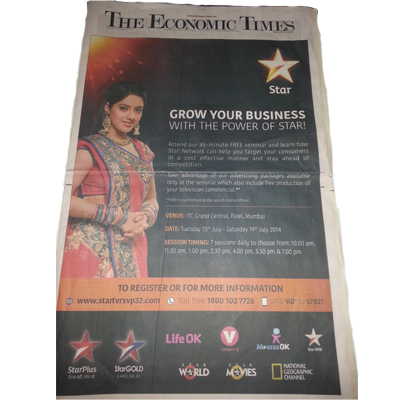
    MUMBAI: The Modi sarkar promised acche din aane wale hai. If one saw the full page advertisement by India’s leading TV network Star India in The Economic Times on 3 July then it looks like good days could be coming the way of regional, small and medium advertisers which have been looking at advertising on the mainline GEC but have found the sticker price too high.


    The who’s who of the advertising industry took notice of the path-breaking step initiated by Star network CEO Uday Shankar.


    The network’s advertisement says, “Grow your business with the power of Star!” and invites marketers, planners and advertisers to attend  free  45-minute seminars through which they can get familiarised with the art of targeting their customers in a cost-effective manner to stay ahead of the competition.


    The target advertiser is  those businesses which are still not advertising on television. Media observers believe that India is a land of opportunity and various small and medium sized businesses have an opportunity to grow by advertising their products on TV, but have been loath to do so because they don’t have agencies, TVCs and also find the cost exorbitant. They cite the example of CavinKare’s Chik shampoo which began as a small regional player, but went on to challenge even the MNCs successfully. 


    The Star India seminars are likely to give more details for its, soon-to-be launched offering, AdSharp, which marks the network’s plunge into geo-targeted advertising in an organised manner. Through it, advertisers can target customers region specifically, as the ads will be local.


    The network which has advertising revenues of around Rs 5,000 crore annually is hoping to increase those top line numbers by luring the small and medium advertiser.


    The first of such seminars will start from Mumbai (15-19 July), followed by Pune (24-26 July), Delhi (5-9 August) and the last will be in Ahmedabad (21-23 August). Registration began almost a month back.


    The invitees can choose from the seven sessions offered in each day-long seminar. The day will not be just about selling and buying of geo-targeted air time by its ad sales team; attending advertisers will also get a chance to get a TV commercial produced free for them by Star India on taking up a package.


    HDFC Life senior executive vice president – head marketing, product, digital & e-commerce Sanjay Tripathy believes that Star India’s first of its kind initiative is laudatory and “will help the network increase its client base.”


    Rivals also expressed appreciation.  Zee’s chief sales officer Ashish Sehgal believes that Star’s seminar campaign  will educate advertisers who have been sitting on the periphery on how to market locally and eventually help expand the overall TV ad market.


     “We have been offering geo-targeted advertising for more than a year now with Amagi. We are part of almost every geo-targeted advertising plan that Amagi does for smaller regional advertisers, and this has worked well for us,” says Sehgal while highlighting that technology plays an important role here. “Broadcasters can choose to outsource geo-targeting to a third party or do it in-house; we have chosen the former so far.”


    Similarly, Amagi’s co-founder KA Srinivasan says that if the largest Indian broadcast network starts pushing geo-targeted advertising then it validates what he and some others have been doing for years now. “It is a good move for the industry and geo-targeting will only pick up in the coming years.”


    Star’s Adsharp which was scheduled to launch by June end, will now be launched by next week or so. It has opted for Cisco as its technical partner for the geo-targeting service.