Tag: Sanjay Gupta

  • Nissan India celebrates #SpiritOfMotherhood

    This year, Nissan has taken an unconventional approach to celebrate Mother’s Day.

    With its new digital short film, Nissan’s #C expresses the emotions, sincerity, hard work, love, warmth and much more, that are associated with motherhood, transcends everything, and also defies gender.

    Nissan is a global full-line vehicle manufacturer that sells more than 60 models under the Nissan, Infiniti and Datsun brands.

    Sharing his views on the film, Sanjay Gupta, vice president marketing, Nissan Motor India, said, “Nissan salutes and respects the spirit of motherhood that defies gender in today’s day and age. On this Mother’s Day, this video captures and celebrates the spirit of motherhood in each one of us.”

  • Pro-Kabaddi and Vivo sign five-year title sponsorship deal

    MUMBAI: Pro-Kabaddi League has signed on Vivo as the title sponsor for five years. The upcoming fifth Pro-Kabaddi season will have contests with up to 12 teams and more than 130 matches spread across 13 weeks. Vivo Pro-Kabaddi Season 5 will kick off in July 2017 on Star Sports.

    Through this association, Vivo aims to strengthen its consumer connect with the audience across India as Pro-Kabaddi League is the second most followed sport after cricket. This will help in achieving a stronger brand recall and excellent visibility for the brand.

    Speaking about Vivo Pro-Kabaddi, Star India managing director Sanjay Gupta said, “Vivo happens to share a common vision with Star Sports to make Pro Kabaddi one of the finest leagues in the world. Vivo coming on board as the title sponsor is a significant milestone in the growth story of the league. Star Sports will continue its efforts to elevate the stature of the sport further.”

    Pro Kabaddi has seen a phenomenal growth over the last four seasons with packed stadia and record viewership numbers, emerging as a benchmark for sports leagues in India. Significantly, the high popularity of Pro Kabaddi has evoked continually surging sponsor interest. This fast-growing interest from across the ecosystem reflects the national appeal of the sport.

    Speaking on the occasion, Vivo India CEO Kent Cheng said, “This association is important for us as Pro Kabaddi League has reached incredible heights and now proudly stands as one of the most successful leagues in India.”

    Earlier seasons have shown that Kabaddi is a sport the popularity of which cuts across all audience. With this association, Vivo aims to target the right audience and capture the hearts of Indians.

  • Star’s five marketing strategies that helped sports grow in 2016

    Star’s five marketing strategies that helped sports grow in 2016

    “Business has only two functions: marketing and innovation,” is a lesser known observation of Milan Kundera, the Czech-born French writer who’s more famous for Unbearable Lightness of Being and more such thought-provoking novels.

    Why are we cross referencing Kundera in a write-up for sports marketing campaigns? Simply because Star India and its bouquet of sports channels, marketed under brand Star Sports, are following Kundera’s words to a T— and successfully too.

    In a dynamic world of sports broadcasting where events are now held and telecast almost round the year — at times various big ticket events held and aired live the same day in different part of the globe in different time zones — it is difficult to ensure the success of every league or tournament in terms of advertising revenue. Behind the numbers’ game, lot of research is done to finalise marketing strategies, which are aimed to ensure that audiences are given exactly what they want, where they want and how they want.

    With some smart packaging, marketing and advertising, Star India has managed not only to acquire broadcast rights for the region for some of the big sporting events, but also get the eyeballs — and advertising revenue — to justify the millions of dollars it is sinking into Indian sports. A business newspaper reported last year that Star India has bet Rs. 200 billion (Rs. 20,000 crore) on sports. This money has been ploughed into not only getting the rights for Indian cricket, Summer Olympics and sundry other games, but also into building lesser sports like kabaddi and cash in on football’s popularity by creating an Indian football league with participation of retired international stars.

    We look at five marketing strategies of Star India, helmed by Chairman and CEO Uday Shankar and his deputy Sanjay Gupta, which helped the respective sports aired on Star Sports grow in terms of viewership in India.

    1. India vs. England Test Series

    In an age where T20 and slam-bang form of cricket is being aggressively promoted and vastly followed, it has been a refreshing change to see Test cricket getting good viewership. India had been itching to take revenge over England, a side which had defeated the Indian cricket gladiators in three consecutive Test series prior to this.

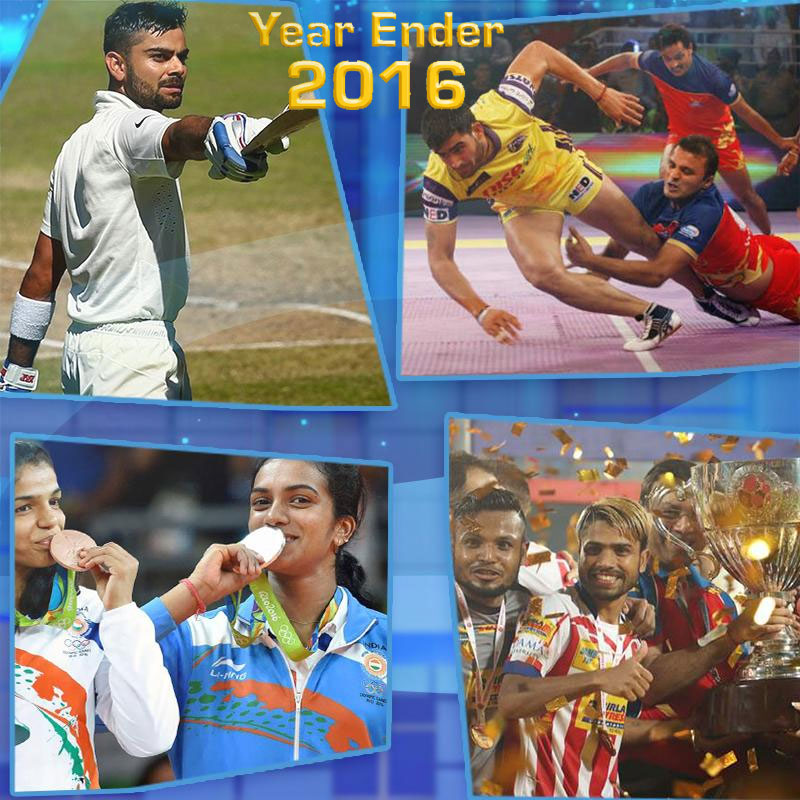
    Building up the tension with #scoretosettle, Star Sports network used the Virat Kohli factor very effectively and the response was satisfying. The five-match Test series had a reach of 159 million viewers. BARC recorded a total of 728 million impressions in the India urban market and a total of 1,217 impressions in the all-India market. The fourth Test had the highest rating with 4.9, proving the series was the biggest of the year.

    Virat Kohli scored a brilliant 235 in the fourth Test and the rise of Karun Nair and Jayant Yadav had Indian viewers glued to their TV screens. There would have been additional viewers reached via Star’s digital platform Hotstar that too streamed the matches. The series was won 4-0. It was not only Team Virat that put on a sterling performance in recent times, but also Star Sports in terms of viewership.

    2. ICC Cricket T20 World Cup

    In a heavily marketed campaign of the year, the T20 World Cup was being played on the Indian soil for the first time in its history. Quirky, gripping and nationally-emotional TVCs were made and beamed on national television starting early 2016. With #T20WC as easy and relatable as ever, the match between India vs. Pakistan trended with #maukamauka, setting the tone for brilliant support for the Men in Blue. India defeated Pakistan comfortably, riding on Virat Kohli’s brilliant half century after the team, at one time, was tottering at 23/3 due to a fearful Mohammed Amir spell. India reached the semi-finals, only to be defeated by eventual winners West Indies.

    The tournament reached 393 million people in India, one of the highest viewed tournaments in 2016. The India vs. Pakistan game got a rating of 17.3 across the Star Sports network, becoming the most watched T20 game ever since the 2007 WC final played between the arch-rivals.

    While the cricket on display was high quality, credit must be given to the marketers who too did their job magnificently. Video snippets and memes capturing Mauka-man’s reactions were also pushed in real-time during the match and after it, which contributed to #IndvsPak overtaking the tournament’s official hash tag during the game.

    The Mauka Mauka campaign, originally devised in 2015 by Ranchi-born Suresh Triveni for Star Sports, not only connected with cricket fans instantly, but also got featured in a Forbes’ list of five best sports marketing campaigns that went viral in 2015. Even as the campaign’s character still connects with viewers when used by Star Sports, writing about it in 2015 Forbes said, “Occasionally, a campaign hits a nerve and it catches the attention of a whole country. For India, this is that campaign.”

    3. Rio Summer Olympics 

    It doesn’t get bigger than the Olympics, does it? In one of the most apt hash tags in Indian markets last year, Star Sports used #issebadakuchnahi in the build up to the Rio Olympics 2016. Rest as they say, is history. Female badminton player PV Sindhu reached the finals and was part of an extensive marketing programme by the Star network.

     The tall and powerful Indian, who catapulted overnight as a superwoman in an overtly patriarchal country, lost to Spain’s Caroline Marin in a well-fought three-set final 21-19, 21-12 and 21-15. The match recorded 17.2 million impressions, the most viewed programme on that day across all genres in India. In total, 202 million viewers tuned in to watch the Rio Games on television and 10 million (Star’s internal figures) watched the live streaming on Star’s digital sibling, Hotstar.

    The whole scenario of Indian alternative sports or non-cricket games has changed after the Rio Olympics. Fans found new heroes in gymnast Dipa Karmakar, Sindhu, wrestler and bronze medallist Sakshi Malik, Aditi Ashok and various other sports personalities. As part of the story-telling, Star Sports brought their stories to fans via videos, images and content and ensured continuous engagement with fans throughout the tournament with conversations peaking when India clinched two medals (badminton and wrestling). So thought out was the marketing engagement unleashed by Star Sports that it even dug out the noodle-haired Indo-Canadian Kamal Sidhu, one of India’s fav music veejays and TV anchors during the mid 1990s and early 2000s, as the host for pre-live Olympics programmes.

    #BillionCheers, a 360-degree campaign that happened before, during and after the Olympics helped #Rio2016 become one of the top trending hash tags in India in 2016.

     4. India Super League

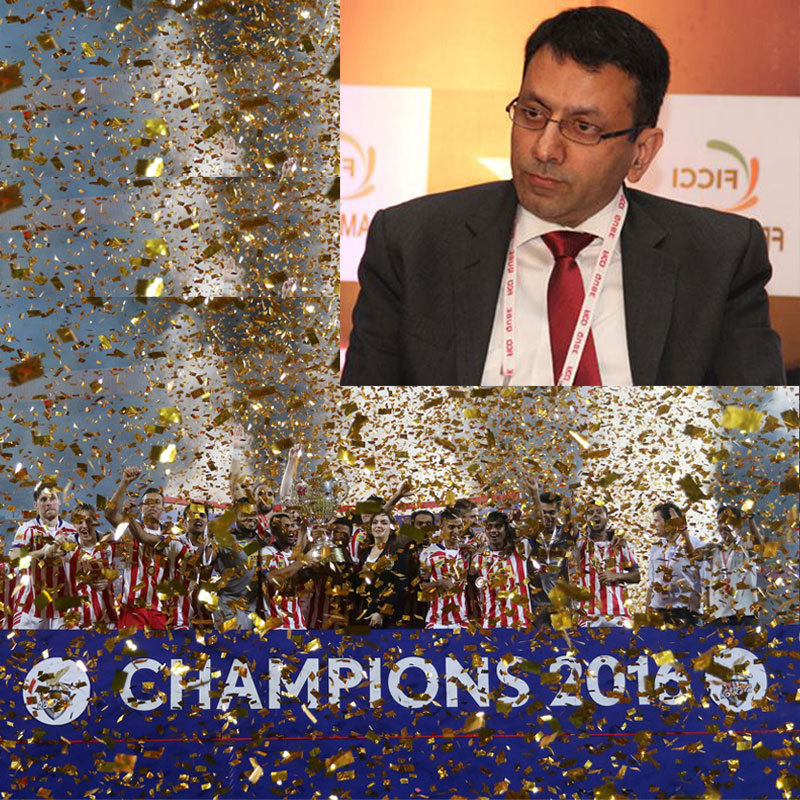
    The Indian football extravaganza was one of the hottest tournaments in 2016 in terms of viewership. The league saw the arrival of 2010 World Cup Golden Ball winner Diego Forlan join hands with Mumbai City FC, taking the side to the semi-finals for the first time in three editions. The league was won by Atletico de Kolkata, which defeated fellow first season finalists Kerala Blasters at a wildly-cheering houseful Kochi Stadium in Kerala.

    Using the Diwali fervour as a peg to enhance viewership, Star Sports network used a tagline of ‘Ye Diwali Football wali’ to connect the game to the audiences and the soccer culture of the nation. While 41 million fans tuned in to television to watch the final, it was a rise of 41 per cent viewership compared to the final of ISL 2015. In Kerala, the ISL matches were viewed more than the 2016 T20 cricket WC semi-final between India and West Indies and the Euro 2016 final.

    In West Bengal, the match had a higher viewership than the IPL 9 final. The league saw a total viewership of 216 million and a steep growth in rural viewership, cumulatively reaching 101 million viewers in a new high for the sport. This edition of the league also registered double view-time as compared to 2015 on the digital platform Hotstar.

    5. Kabaddi World Cup

    Arguably the alternative sport of 2016, kabaddi grew manifold with two editions of Pro Kabaddi League (PKL) and the men’s World Cup in the same year. The viewership of every event grew as time progressed and the game can now boast of having a dedicated audience, both on ground and on TV and digital platforms. The fourth edition of the PKL posted 10 million average BARC impressions and is the only league in the country to have registered a growth trend in four editions. The league has shown a growth of 51 per cent in the last four seasons and has been one of the key reasons for India’s good performance in the World Cup.

    As India snapped up the World Cup, the men’s edition clocked a whopping 114 million impressions spread across 33 matches over 16 days. Star helped building its audience with #readytoraid and a TVC that captured well rural India, the topography the game is primarily associated with.

    The women’s kabbadi challenge was even better. In the marketing strategy, Star Sports highlighted that women regularly challenge gender stereotypes in the society and can cross the line in kabaddi as well – the hash tag being an apt #crosstheline. After women’s kabaddi in PKL IV, the first two matches got a viewership of 38 million, the highest any women’s sport has got in India ever. The tournament had a total viewership of 90.4 million, with an average of 6.7 million impressions as per BARC data. This number is 2.3 times higher than the second semi-final between New Zealand and West Indies, the highest rated women’s game till date. Thus, women’s kabaddi Challenge features amongst the top 10 sporting events watched on Indian television over the last one year.
  • Star’s five marketing strategies that helped sports grow in 2016

    Star’s five marketing strategies that helped sports grow in 2016

    “Business has only two functions: marketing and innovation,” is a lesser known observation of Milan Kundera, the Czech-born French writer who’s more famous for Unbearable Lightness of Being and more such thought-provoking novels.

    Why are we cross referencing Kundera in a write-up for sports marketing campaigns? Simply because Star India and its bouquet of sports channels, marketed under brand Star Sports, are following Kundera’s words to a T— and successfully too.

    In a dynamic world of sports broadcasting where events are now held and telecast almost round the year — at times various big ticket events held and aired live the same day in different part of the globe in different time zones — it is difficult to ensure the success of every league or tournament in terms of advertising revenue. Behind the numbers’ game, lot of research is done to finalise marketing strategies, which are aimed to ensure that audiences are given exactly what they want, where they want and how they want.

    With some smart packaging, marketing and advertising, Star India has managed not only to acquire broadcast rights for the region for some of the big sporting events, but also get the eyeballs — and advertising revenue — to justify the millions of dollars it is sinking into Indian sports. A business newspaper reported last year that Star India has bet Rs. 200 billion (Rs. 20,000 crore) on sports. This money has been ploughed into not only getting the rights for Indian cricket, Summer Olympics and sundry other games, but also into building lesser sports like kabaddi and cash in on football’s popularity by creating an Indian football league with participation of retired international stars.

    We look at five marketing strategies of Star India, helmed by Chairman and CEO Uday Shankar and his deputy Sanjay Gupta, which helped the respective sports aired on Star Sports grow in terms of viewership in India.

    1. India vs. England Test Series

    In an age where T20 and slam-bang form of cricket is being aggressively promoted and vastly followed, it has been a refreshing change to see Test cricket getting good viewership. India had been itching to take revenge over England, a side which had defeated the Indian cricket gladiators in three consecutive Test series prior to this.

    Building up the tension with #scoretosettle, Star Sports network used the Virat Kohli factor very effectively and the response was satisfying. The five-match Test series had a reach of 159 million viewers. BARC recorded a total of 728 million impressions in the India urban market and a total of 1,217 impressions in the all-India market. The fourth Test had the highest rating with 4.9, proving the series was the biggest of the year.

    Virat Kohli scored a brilliant 235 in the fourth Test and the rise of Karun Nair and Jayant Yadav had Indian viewers glued to their TV screens. There would have been additional viewers reached via Star’s digital platform Hotstar that too streamed the matches. The series was won 4-0. It was not only Team Virat that put on a sterling performance in recent times, but also Star Sports in terms of viewership.

    2. ICC Cricket T20 World Cup

    In a heavily marketed campaign of the year, the T20 World Cup was being played on the Indian soil for the first time in its history. Quirky, gripping and nationally-emotional TVCs were made and beamed on national television starting early 2016. With #T20WC as easy and relatable as ever, the match between India vs. Pakistan trended with #maukamauka, setting the tone for brilliant support for the Men in Blue. India defeated Pakistan comfortably, riding on Virat Kohli’s brilliant half century after the team, at one time, was tottering at 23/3 due to a fearful Mohammed Amir spell. India reached the semi-finals, only to be defeated by eventual winners West Indies.

    The tournament reached 393 million people in India, one of the highest viewed tournaments in 2016. The India vs. Pakistan game got a rating of 17.3 across the Star Sports network, becoming the most watched T20 game ever since the 2007 WC final played between the arch-rivals.

    While the cricket on display was high quality, credit must be given to the marketers who too did their job magnificently. Video snippets and memes capturing Mauka-man’s reactions were also pushed in real-time during the match and after it, which contributed to #IndvsPak overtaking the tournament’s official hash tag during the game.

    The Mauka Mauka campaign, originally devised in 2015 by Ranchi-born Suresh Triveni for Star Sports, not only connected with cricket fans instantly, but also got featured in a Forbes’ list of five best sports marketing campaigns that went viral in 2015. Even as the campaign’s character still connects with viewers when used by Star Sports, writing about it in 2015 Forbes said, “Occasionally, a campaign hits a nerve and it catches the attention of a whole country. For India, this is that campaign.”

    3. Rio Summer Olympics 

    It doesn’t get bigger than the Olympics, does it? In one of the most apt hash tags in Indian markets last year, Star Sports used #issebadakuchnahi in the build up to the Rio Olympics 2016. Rest as they say, is history. Female badminton player PV Sindhu reached the finals and was part of an extensive marketing programme by the Star network.

     The tall and powerful Indian, who catapulted overnight as a superwoman in an overtly patriarchal country, lost to Spain’s Caroline Marin in a well-fought three-set final 21-19, 21-12 and 21-15. The match recorded 17.2 million impressions, the most viewed programme on that day across all genres in India. In total, 202 million viewers tuned in to watch the Rio Games on television and 10 million (Star’s internal figures) watched the live streaming on Star’s digital sibling, Hotstar.

    The whole scenario of Indian alternative sports or non-cricket games has changed after the Rio Olympics. Fans found new heroes in gymnast Dipa Karmakar, Sindhu, wrestler and bronze medallist Sakshi Malik, Aditi Ashok and various other sports personalities. As part of the story-telling, Star Sports brought their stories to fans via videos, images and content and ensured continuous engagement with fans throughout the tournament with conversations peaking when India clinched two medals (badminton and wrestling). So thought out was the marketing engagement unleashed by Star Sports that it even dug out the noodle-haired Indo-Canadian Kamal Sidhu, one of India’s fav music veejays and TV anchors during the mid 1990s and early 2000s, as the host for pre-live Olympics programmes.

    #BillionCheers, a 360-degree campaign that happened before, during and after the Olympics helped #Rio2016 become one of the top trending hash tags in India in 2016.

     4. India Super League

    The Indian football extravaganza was one of the hottest tournaments in 2016 in terms of viewership. The league saw the arrival of 2010 World Cup Golden Ball winner Diego Forlan join hands with Mumbai City FC, taking the side to the semi-finals for the first time in three editions. The league was won by Atletico de Kolkata, which defeated fellow first season finalists Kerala Blasters at a wildly-cheering houseful Kochi Stadium in Kerala.

    Using the Diwali fervour as a peg to enhance viewership, Star Sports network used a tagline of ‘Ye Diwali Football wali’ to connect the game to the audiences and the soccer culture of the nation. While 41 million fans tuned in to television to watch the final, it was a rise of 41 per cent viewership compared to the final of ISL 2015. In Kerala, the ISL matches were viewed more than the 2016 T20 cricket WC semi-final between India and West Indies and the Euro 2016 final.

    In West Bengal, the match had a higher viewership than the IPL 9 final. The league saw a total viewership of 216 million and a steep growth in rural viewership, cumulatively reaching 101 million viewers in a new high for the sport. This edition of the league also registered double view-time as compared to 2015 on the digital platform Hotstar.

    5. Kabaddi World Cup

    Arguably the alternative sport of 2016, kabaddi grew manifold with two editions of Pro Kabaddi League (PKL) and the men’s World Cup in the same year. The viewership of every event grew as time progressed and the game can now boast of having a dedicated audience, both on ground and on TV and digital platforms. The fourth edition of the PKL posted 10 million average BARC impressions and is the only league in the country to have registered a growth trend in four editions. The league has shown a growth of 51 per cent in the last four seasons and has been one of the key reasons for India’s good performance in the World Cup.

    As India snapped up the World Cup, the men’s edition clocked a whopping 114 million impressions spread across 33 matches over 16 days. Star helped building its audience with #readytoraid and a TVC that captured well rural India, the topography the game is primarily associated with.

    The women’s kabbadi challenge was even better. In the marketing strategy, Star Sports highlighted that women regularly challenge gender stereotypes in the society and can cross the line in kabaddi as well – the hash tag being an apt #crosstheline. After women’s kabaddi in PKL IV, the first two matches got a viewership of 38 million, the highest any women’s sport has got in India ever. The tournament had a total viewership of 90.4 million, with an average of 6.7 million impressions as per BARC data. This number is 2.3 times higher than the second semi-final between New Zealand and West Indies, the highest rated women’s game till date. Thus, women’s kabaddi Challenge features amongst the top 10 sporting events watched on Indian television over the last one year.
  • ISL 2016 shows growth; final gets 41 million TV views

    ISL 2016 shows growth; final gets 41 million TV views

    MUMBAI: The third season of the Hero Indian Super League was one of the most watched and followed footballing properties in India in 2016. With eight teams vying hard and looking equal on the paper, it was set to be a thrilling contest on cards. Atletico de Kolkata won the equally fought final in a penalty shootout, defeating fellow finalists of 2014, Kerala Blasters at a packed Kochi Stadium.

    The final was seen by 54,000 fans in the stadium, while 41 million fans tuned in on television to follow the nail biting drama (BARC, CS4+, U+R, all Channels). The total viewership was a rise of 41 per cent as compared to the final of 2015, shattering all records on the TV viewership of the league in history.

    Numbers suggest that finalists’ were being ably supported by their respective states. In Kerala, the ISL final became the most viewed sporting event in 2016, eclipsing the 2016 T20 World Cup semi-final (India vs West Indies) and the Euro 2016 final. In West Bengal, the ISL final had a higher viewership that that of IPL 9 finals (BARC, CS 4+, U+R Average Impressions).

    With a total viewership of 216 million as compared to 207 million last year, it is easy to understand that the football league is growing steadily (BARC, CS4+, U+R). One of the One of the highlights of the season was the sharp increase in rural India viewership registering a cumulative figure of 101 million, indicating the widespread appeal of the sport. Furthermore, key metro markets like Mumbai and Chennai emerged as one of the top performers this season recording a surge of more than 50% over last year along with a cumulative 20 per cent spike in viewership in Tamil Nadu.

    Football Sports Development Ltd founder & chairperson Nita Ambani, optimistic about the rising popularity of the game in India, said, “The overwhelming response from fans is testament to the vision we have for the league, and it reaffirms our faith that the ‘Indian football is moving in right direction. The response from newer markets like Tamil Nadu and Mumbai, and further growth in established markets like West Bengal, Kerala etc shows the appetite for the sport. Stadium attendance, viewership numbers and growth on digital platform this season further encourages us to reset our benchmark for the season ahead.”

    The third season of ISL has recorded a surge of over 25 per cent in overall viewer engagement vis-à-vis ISL 2015. This showcases the enhanced quality of play complemented by new look graphics and the best of experts on the commentary panel, cutting across demographic boundaries and capturing the imagination of a diverse fan base.

    2016 edition also took the digital medium by storm, registering double view-time, which was 2.3 times over last year on both Hotstar and Jio platform combined. The phenomenon of the Hero ISLwas also visible at the stadiums throughout the season in all ISL club cities, with fan armies and football enthusiasts filling up an average of over 84 per cent seating capacity, the highest across all three seasons.

    Star India managing director Sanjay Gupta said, “The kick-off to the Hero ISL in 2014 signified the birth of a footballing nation. This is a long term journey however we are very encouraged by the incredible fan affinity and increase in following of the league and the sport in a short span of three years. We had dreamt of the day when Indian footballers would emerge as sporting heroes and this season of the Hero ISL has seen many new stars emerge. Further the quality of play and multi-lingual, high quality broadcast content has delivered record engagement levels amongst fans. The deeper penetration of the league into Urban and Rural India and the explosive growth of digital consumption augurs well for the future of football in India.”

  • ISL 2016 shows growth; final gets 41 million TV views

    ISL 2016 shows growth; final gets 41 million TV views

    MUMBAI: The third season of the Hero Indian Super League was one of the most watched and followed footballing properties in India in 2016. With eight teams vying hard and looking equal on the paper, it was set to be a thrilling contest on cards. Atletico de Kolkata won the equally fought final in a penalty shootout, defeating fellow finalists of 2014, Kerala Blasters at a packed Kochi Stadium.

    The final was seen by 54,000 fans in the stadium, while 41 million fans tuned in on television to follow the nail biting drama (BARC, CS4+, U+R, all Channels). The total viewership was a rise of 41 per cent as compared to the final of 2015, shattering all records on the TV viewership of the league in history.

    Numbers suggest that finalists’ were being ably supported by their respective states. In Kerala, the ISL final became the most viewed sporting event in 2016, eclipsing the 2016 T20 World Cup semi-final (India vs West Indies) and the Euro 2016 final. In West Bengal, the ISL final had a higher viewership that that of IPL 9 finals (BARC, CS 4+, U+R Average Impressions).

    With a total viewership of 216 million as compared to 207 million last year, it is easy to understand that the football league is growing steadily (BARC, CS4+, U+R). One of the One of the highlights of the season was the sharp increase in rural India viewership registering a cumulative figure of 101 million, indicating the widespread appeal of the sport. Furthermore, key metro markets like Mumbai and Chennai emerged as one of the top performers this season recording a surge of more than 50% over last year along with a cumulative 20 per cent spike in viewership in Tamil Nadu.

    Football Sports Development Ltd founder & chairperson Nita Ambani, optimistic about the rising popularity of the game in India, said, “The overwhelming response from fans is testament to the vision we have for the league, and it reaffirms our faith that the ‘Indian football is moving in right direction. The response from newer markets like Tamil Nadu and Mumbai, and further growth in established markets like West Bengal, Kerala etc shows the appetite for the sport. Stadium attendance, viewership numbers and growth on digital platform this season further encourages us to reset our benchmark for the season ahead.”

    The third season of ISL has recorded a surge of over 25 per cent in overall viewer engagement vis-à-vis ISL 2015. This showcases the enhanced quality of play complemented by new look graphics and the best of experts on the commentary panel, cutting across demographic boundaries and capturing the imagination of a diverse fan base.

    2016 edition also took the digital medium by storm, registering double view-time, which was 2.3 times over last year on both Hotstar and Jio platform combined. The phenomenon of the Hero ISLwas also visible at the stadiums throughout the season in all ISL club cities, with fan armies and football enthusiasts filling up an average of over 84 per cent seating capacity, the highest across all three seasons.

    Star India managing director Sanjay Gupta said, “The kick-off to the Hero ISL in 2014 signified the birth of a footballing nation. This is a long term journey however we are very encouraged by the incredible fan affinity and increase in following of the league and the sport in a short span of three years. We had dreamt of the day when Indian footballers would emerge as sporting heroes and this season of the Hero ISL has seen many new stars emerge. Further the quality of play and multi-lingual, high quality broadcast content has delivered record engagement levels amongst fans. The deeper penetration of the league into Urban and Rural India and the explosive growth of digital consumption augurs well for the future of football in India.”

  • Urban Ladder unveils new look; distribution channel

    Urban Ladder unveils new look; distribution channel

    MUMBAI: Urban Ladder now has a new logo and tagline – ‘Let’s Create’ that symbolizes the process of creating a beautiful home with the brand, with an aim to get every one on their creative side.

    The new logo and brand identity has been developed in-house by Urban Ladder’s creative and brand team. The logo encourages every individual to bring out the artist in them, hoping to inspire customers to create something new every time they look at the logo.

    The new brand identity also reflects the philosophy that will define the brand’s strategy going forward. “You’ll see us live this philosophy in many ways. Our new lines of products will reflect the changing sensibilities. We will launch new experiences and technologies that let every individual play designer. Also, a new look and voice that reflects our renewed purpose,” Urban Ladder CMO Sanjay Gupta shared with the press.

    The e-tailer is also opening up new distribution channels to reach out to new customers.

    “In the past we have feared dilution of brand Urban Ladder on other distribution channels which are not controlled and owned by us. But all the work on distinctive product design and an excellent customer experience will now ensure that the brand experience will be very consistent across different platforms. Today it is easy for our customers to walk into a friend’s home and identify an Urban Ladder product from a distance. That is the level of coherence and consistency we want the brand to have. Our new brand identity and brand purpose will help us achieve that across many new platforms and touchpoints,” and co-founder, Urban Ladder CEO Ashish Goel added.

  • Urban Ladder unveils new look; distribution channel

    Urban Ladder unveils new look; distribution channel

    MUMBAI: Urban Ladder now has a new logo and tagline – ‘Let’s Create’ that symbolizes the process of creating a beautiful home with the brand, with an aim to get every one on their creative side.

    The new logo and brand identity has been developed in-house by Urban Ladder’s creative and brand team. The logo encourages every individual to bring out the artist in them, hoping to inspire customers to create something new every time they look at the logo.

    The new brand identity also reflects the philosophy that will define the brand’s strategy going forward. “You’ll see us live this philosophy in many ways. Our new lines of products will reflect the changing sensibilities. We will launch new experiences and technologies that let every individual play designer. Also, a new look and voice that reflects our renewed purpose,” Urban Ladder CMO Sanjay Gupta shared with the press.

    The e-tailer is also opening up new distribution channels to reach out to new customers.

    “In the past we have feared dilution of brand Urban Ladder on other distribution channels which are not controlled and owned by us. But all the work on distinctive product design and an excellent customer experience will now ensure that the brand experience will be very consistent across different platforms. Today it is easy for our customers to walk into a friend’s home and identify an Urban Ladder product from a distance. That is the level of coherence and consistency we want the brand to have. Our new brand identity and brand purpose will help us achieve that across many new platforms and touchpoints,” and co-founder, Urban Ladder CEO Ashish Goel added.

  • Star Plus salutes Moms through Dhoni, Kohli and Ajinkya in promos

    Star Plus salutes Moms through Dhoni, Kohli and Ajinkya in promos

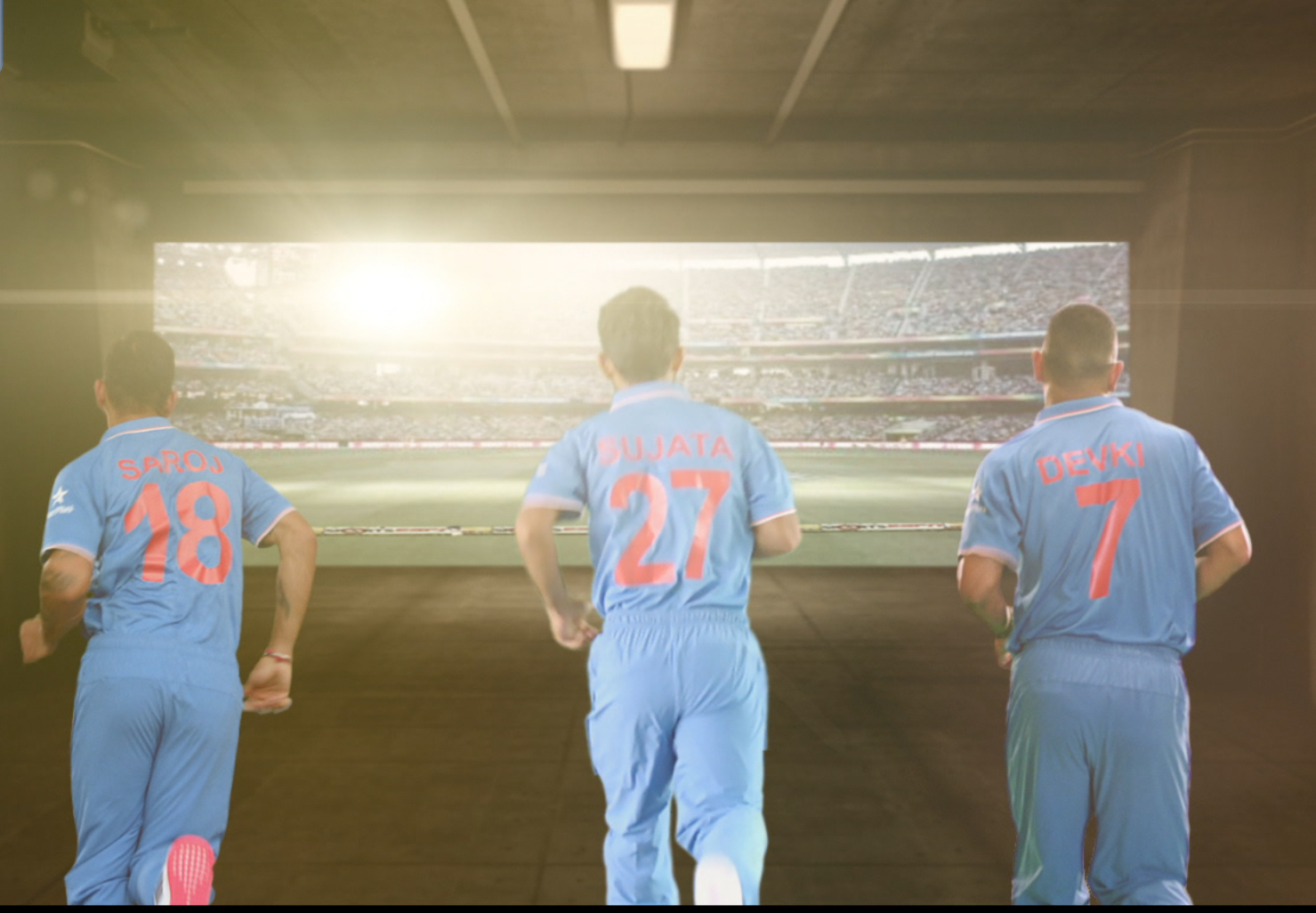
    MUMBAI: Moms are what make each one of us who we are. That’s something we all acknowledge in private, and sometimes in public. The Twenty First Century Corop subsidiary Star India has roped in India’s cricket superstars MS Dhoni, Virat Kohli and Ajinkya Rahane for a TV campaign for Star Plus in which the trio has dropped their surnames or their own names from their jerseys,  replacing it with their respective mom’s names.

    The campaign (part of the Nayi Soch initiative) – sure to warm the cockles of many an Indian heart and possibly bring a lump to our throats – rolled out on TV screens just as the one day series between India and the Kiwis commenced.

    The intent: Star India says is to push forward the agenda for Indian women, something which it has been doing through its entertainment TV shows and promos. A press release issued by Star India says that the three promos are supported by the Board of Control for Cricket in India (BCCI)  and that it (as the Indian cricket team’s sponsor) along with the cricket board is seeking  to break the stereotypical societal notions around lineage and identity and the role of women in all our lives.

    In the promos, Dhoni, Virat and Ajinkya proudly acknowledge that they derive their identity as much from their mothers as their fathers.

    “We at Star India are very happy to partner with the BCCI for an iconic brand initiative of Nayi Soch. Star Plus has been a lighthouse brand for women,” says Star India managing director Sanjay Gupta. “We have always put women first, told their stories and are now set to take it to the next level by challenging orthodoxy and stereotypes that come in the way of progress for women.”

    http://www.indiantelevision.com/sites/drupal7.indiantelevision.co.in/files/styles/large/public/dhonistarplus_1.jpg?itok=qsNmJY_f

    In the MS Dhoni short film, a journalist questions him about the fact that he has put the name of Devki on his jersey. Dhoni responds with the usual calmness and smile on his face:
    “Main itne saal se, apne pita aka naam pahen raha tha, tab to aap ne kabhi nahin poocha, ki koi khaas vajaah.”
    (“For so many years, I wore my father’s name on my jersey, you never asked me if there is a special occasion.”)

    http://www.indiantelevision.com/sites/drupal7.indiantelevision.co.in/files/styles/large/public/ajinkyarahanestarplus_0.jpg?itok=TnDblKqp

    Ajinkya Rahane, in his film,  says
    “Log kahante hain, baap ka naam roshan karo, lekin mere liye ma (Sujata) ka naam roshan karna itna hi important hain.”
    (People say make your father proud and renowned, but for me making my mother proud and well known is as important)

    http://www.indiantelevision.com/sites/drupal7.indiantelevision.co.in/files/styles/large/public/viratstarplus_0.jpg?itok=FLdqxZrR

    The Virat Kohli film has him saying:
    “Aaj mein jo bhi hoon, Mummy ke vajaah se bhi hoon. To zaher si baat hain meri pehachaan bhi, sirf papa ke naam se kyon? Mein jitna Kohli hoon, utna Saroj bhi hoon.”
    (Whatever I am today is because of my Mummy. Then the question is why I am known only by my father. I am as much a Saroj as I am a Kohli)

  • Star Plus salutes Moms through Dhoni, Kohli and Ajinkya in promos

    Star Plus salutes Moms through Dhoni, Kohli and Ajinkya in promos

    MUMBAI: Moms are what make each one of us who we are. That’s something we all acknowledge in private, and sometimes in public. The Twenty First Century Corop subsidiary Star India has roped in India’s cricket superstars MS Dhoni, Virat Kohli and Ajinkya Rahane for a TV campaign for Star Plus in which the trio has dropped their surnames or their own names from their jerseys,  replacing it with their respective mom’s names.

    The campaign (part of the Nayi Soch initiative) – sure to warm the cockles of many an Indian heart and possibly bring a lump to our throats – rolled out on TV screens just as the one day series between India and the Kiwis commenced.

    The intent: Star India says is to push forward the agenda for Indian women, something which it has been doing through its entertainment TV shows and promos. A press release issued by Star India says that the three promos are supported by the Board of Control for Cricket in India (BCCI)  and that it (as the Indian cricket team’s sponsor) along with the cricket board is seeking  to break the stereotypical societal notions around lineage and identity and the role of women in all our lives.

    In the promos, Dhoni, Virat and Ajinkya proudly acknowledge that they derive their identity as much from their mothers as their fathers.

    “We at Star India are very happy to partner with the BCCI for an iconic brand initiative of Nayi Soch. Star Plus has been a lighthouse brand for women,” says Star India managing director Sanjay Gupta. “We have always put women first, told their stories and are now set to take it to the next level by challenging orthodoxy and stereotypes that come in the way of progress for women.”

    http://www.indiantelevision.com/sites/drupal7.indiantelevision.co.in/files/styles/large/public/dhonistarplus_1.jpg?itok=qsNmJY_f

    In the MS Dhoni short film, a journalist questions him about the fact that he has put the name of Devki on his jersey. Dhoni responds with the usual calmness and smile on his face:
    “Main itne saal se, apne pita aka naam pahen raha tha, tab to aap ne kabhi nahin poocha, ki koi khaas vajaah.”
    (“For so many years, I wore my father’s name on my jersey, you never asked me if there is a special occasion.”)

    http://www.indiantelevision.com/sites/drupal7.indiantelevision.co.in/files/styles/large/public/ajinkyarahanestarplus_0.jpg?itok=TnDblKqp

    Ajinkya Rahane, in his film,  says
    “Log kahante hain, baap ka naam roshan karo, lekin mere liye ma (Sujata) ka naam roshan karna itna hi important hain.”
    (People say make your father proud and renowned, but for me making my mother proud and well known is as important)

    http://www.indiantelevision.com/sites/drupal7.indiantelevision.co.in/files/styles/large/public/viratstarplus_0.jpg?itok=FLdqxZrR

    The Virat Kohli film has him saying:
    “Aaj mein jo bhi hoon, Mummy ke vajaah se bhi hoon. To zaher si baat hain meri pehachaan bhi, sirf papa ke naam se kyon? Mein jitna Kohli hoon, utna Saroj bhi hoon.”
    (Whatever I am today is because of my Mummy. Then the question is why I am known only by my father. I am as much a Saroj as I am a Kohli)