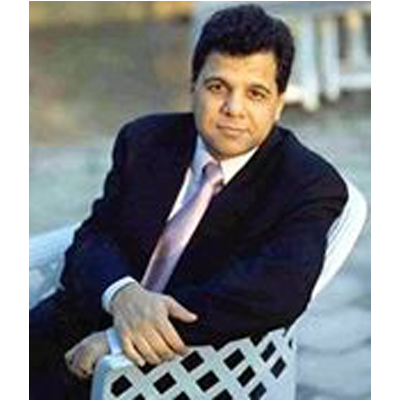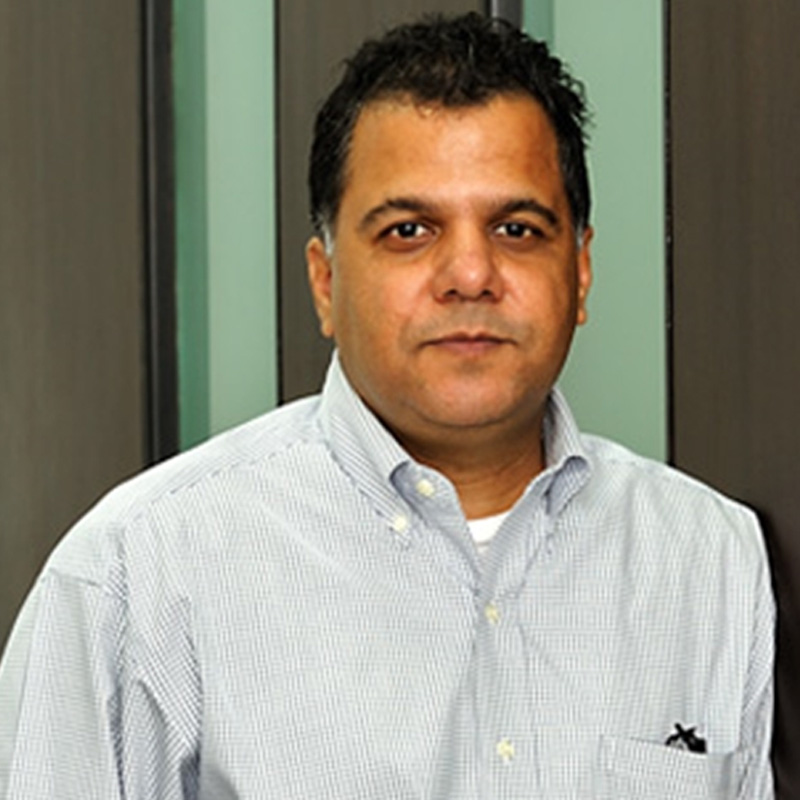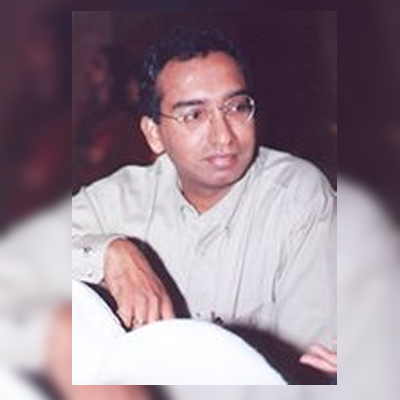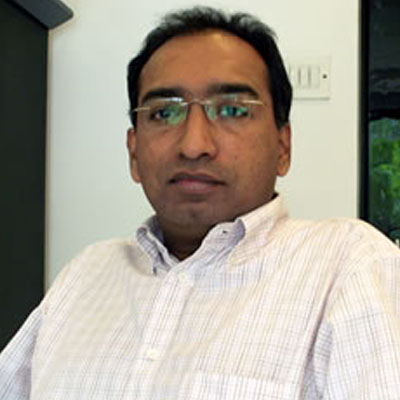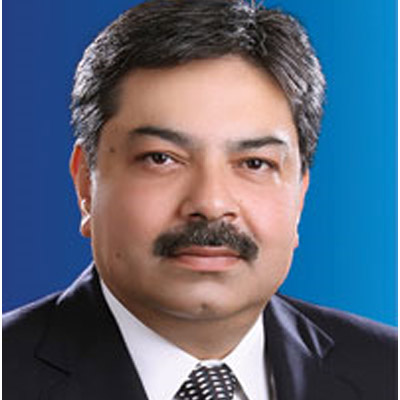
Tag: Sameer Nair

  • Will major studios go T-Vod in Bollywood?

    Will major studios go T-Vod in Bollywood?

    MUMBAI: Is this the shape of things to come? That’s a question most in the Indian film exhibition, production, distribution and streaming sectors are asking.

    The reference is to the deal that the world’s largest theatre chain AMC struck yesterday with Universal. It allows a crushing of the window of digital release of new films to at least three weekends (or 17 days) from the current 75-90 days following its rollout on cinema screens. 

    In March 2020, Universal pocketed $100 million from consumers who watched its film Trolls: World Tour when it released it on its premium video on demand (P-Vod) platform when theatres were shut in the US on account of the lockdowns courtesy the raging pandemic.

    That move had irked AMC to the extent that it had said it would not release any of Universal’s forthcoming releases in its 1000 theatres when they would reopen fully.  And the duo had been duelling ever since then.

    The agreement between the two now allows AMC to get a piece of the PVOD revenues that Universal will stand to earn from its releases on digital.  But the duo has agreed that films should first be released at a premium price point of around $20, and could be dropped to $3 to $5 only 90 days after their cinema debut.  

    For sure, going D2C on premium video on demand is better cash earning proposition for the studios as they get to keep 80 per cent of the collections as compared to theatres where the exhibitors retain 50 per cent.  But as everyone says going to the movies is an experience that cannot be replicated at home; hence the exhibition sector does have a long-term future.

    The breaking down of the 90-day bastion raises many questions:

    *Will other studios like Lionsgate, Warner Bros, Sony Pictures follow suit?
    * Will other theatrical chains and independent theatres too toe the line?

    * Will this change the business model that is prevalent in India as well as far cinema exhibition is concerned, way beyond the pandemic?

    So far, Indian film producers and distributors who don’t have the holding capacity have been taking to release their films on OTT platforms like Disney+ Hotstar, Netflix, Amazon or ZEE5 by selling them streaming rights as theatres have been shut for more than four months.  None of them has attempted to take the premium video on demand route. In fact, Disney+ Hotstar actually kept the premiere of the Sushant Singh Rajput-starrer Dil Bechara free for all in a bid to lure non-paying subscribers to sample the service.

    Theatre owners such as PVR and Carnival have been protesting these moves by producers and distributors and have been lobbying to get the governmental go-ahead to open the box office by August as four months of closure has weighed heavily on their financial viability. Of course, there will be severe restrictions – if and when the green flag is raised – in how many seats can be sold for every show.  Considering costs attached to every screening, opening might prove even more financially unviable for exhibitors as the movie-going audience may be loathe to go out, considering how the pandemic is spreading nationwide. Or maybe audiences might flock to the theatres only to have them shut down in case some of the screenings give rise to fresh infections.

    Ticketing company BookMyShow has launched its T-Vod platform and has already got a buy in from Shemaroo to release some of its unreleased film slate on it. None of them is an A-lister movie. Shemaroo says it will take the films onto SVOD later. At the time of writing, no other major had done so.

    However, Viacom18 Studios C0O Ajit Andhare's comments today about the Universal-AMC deal on Twitter gives a sense of the mood prevalent among producers and studios. “Important developments that will have implications for the future. T-VOD as I have been saying always is making the moves.”

    Applause Entertainment CEO Sameer Nair responded to Ajit with his view: “True that! But as long as we, as an industry, strive to keep multiple revenue streams alive, we will adapt and change with these shifting sands. The death knell will be monopolistic gatekeepers that dictate price and access to audiences.”

    The questions that the industry will have to find answers to are:

    * Will the big producers, studios and distributors take a leap of faith and release the big banner films which have been gathering dust?

    * Will they manage to get the streamers to agree to a premium transactional window independent of AVOD and SVOD?

    * Will they be able to market smartly and get enough consumers to watch the movies online to recover their investment  (if at least partly) to make the T-Vod effort – in terms of the lower price the streamers will give them for being a second window – worth it?

    * Will a mainline theatre chain like PVR, Inox or Carnival agree to partner with a major studio in the new windowing that the pandemic disruption has imposed on age-old business models?

    Movie watchers have shown they have the appetite to go digital: 95 million or so of them watched Dil Bechara within 24 hours of its release. An actor, whose untimely death the nation has been mourning, starred in the poignant tale. He was not even ranked in the same grade by the industry as other actors like Ranbir Kapoor, Ranveer Singh, Akshay Kumar, Shah Rukh Khan, Salman Khan and  Aamir Khan though he was supremely talented.

    Numerous big banner and big budget films have been awaiting a theatrical release. The pandemic looks un-stoppable currently with nearly 50,000 fresh Covid2019 cases being reported daily. There is no endgame in sight.

    Maybe it’s time some of the majors took the T-Vod plunge.  It’s over to the industry.

  • Applause Entertainment’s Sameer Nair on disrupting creativity & redefining storytelling

    Applause Entertainment’s Sameer Nair on disrupting creativity & redefining storytelling

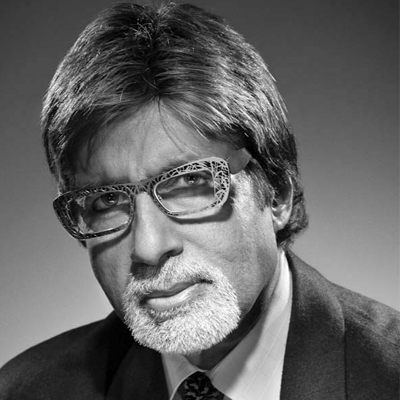
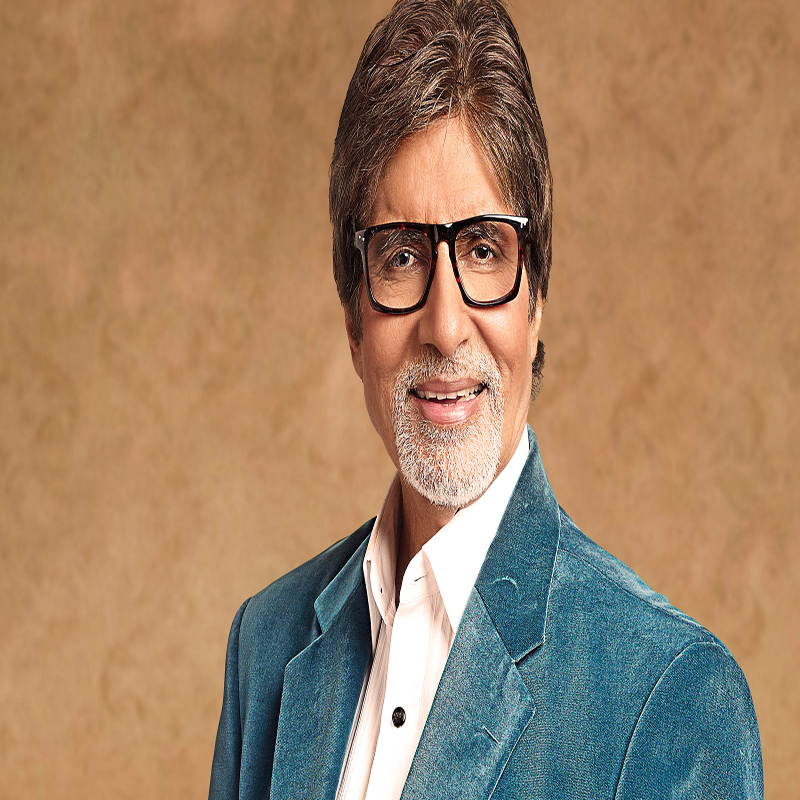
    Applause Entertainment CEO Sameer Nair, who was once a hotel management student, went on to discover his true passion for storytelling and eventually landed up in the media and entertainment industry. He spent close to three decades in understanding the TV business and created some great shows during his time at Star. Nair, credited for creating daily soap operas and bringing Kaun Banega Crorepati in our lives, is now focussed on creating premium content for modern-day audiences. According to him, premium cinematic television is something which India is missing and that is the void Nair is hoping to fill. The aim is also to create binge-worthy content for leading streaming platforms. Applause Entertainments upcoming projects include Udan Patolas, Avrodh- The siege within, Taj – A Monument of Blood and The Scam. The studio is also developing the original, multi-season series Seeker with partners Gurinder Chadha and Sunder Aaron.

    Nair, in a virtual fireside chat with Indiantelevision.com group founder, CEO and editor in chief Anil Wanvari, offered key insights into his company’s plans, creating content in today’s age and the importance of storytelling. Nair was always determined to set up his own creative studio and do all formats of content. He enjoys storytelling and loves working with creative minds. He is also positive about doing multinational collaborations in order to deliver quality content that can transcend boundaries.

    Edited Excerpts:

    Do you consider yourself a content pioneer?

    I think I have had a long career in this industry. I got acquainted with the media and entertainment business in the late eighties. I have been a content creator since then and I used to do advertising, documentaries and then I moved on to TV. Most people are unaware that I did a show called Chennai Doordarshan. After that, I spent many years with Star TV and then the famous Kaun Banega Crorepati happened. I have been lucky enough to be part of the television industry when it was in a pioneering stage. We started with a few hundred TV homes to now 200 million TV homes. I am fortunate to continue with the work that I enjoy doing. We did a lot of pioneering things. Whether I am a pioneer or someone doesn’t matter. As far as content disruption is concerned, I think it has been a natural evolution of what I have always been. This is something that I always wanted to do as a creator and I enjoy working with creative minds. Our business is a creative art-form and it takes a lot of moving parts to create what you are seeing on screen. So, I am having the time of my life.

    Do you believe you are disrupting creatively?

    The biggest disrupter happening in the past 20 years is the growth of the internet and how it is changing consumer behaviour and the pandemic has accelerated that. The things which were predicted that it will happen in the next seven to eight years is happening now. I think different people are doing different models but I am looking at investing money in creation and then taking it forward for licensing. Applause Entertainment is the movie hybrid business studio that looks after operating finance, attracting capital to content creation and then processing to licensing and monetisation.

    You had a well stretched out journey, after leaving Star TV you did quite a few films also, so how has it helped in your journey with the streamers now? Have you had to re-learn everything when you are making streaming shows?

    Way before the daily soap opera revolution happened, India used to present weekly programs. In the nineties, India produced some excellent shows. I have been a voracious consumer of all this content. I have grown up watching Hindi and English movies and American television.

    So, it is not so much about relearning, but it is a different style of storytelling which is popular in the West. They have done this kind of premium drama series that we are talking about now. So, it is a function of aligning the creative people we work with to deliver on that front. I think it is more about re-disciplining as in you get used to producing content in a way. At heart, I am a creative producer; I make things happen and execute them. As they say, history goes in a circle, it repeats itself, storytelling and universal truth remain the same but what changes are people, audiences, platform, modernity, social taste and social context. So, it is a variety of content that I like.

    If you go back in time, storytelling was happening in America and then came HBO which changed the way storytelling was done in television. Later, Netflix came and magnified what HBO was already doing.

    HBO redefined cinematic television. It attracted a lot of filmmakers and not just TV producers. I think the advantage India has is that currently, we have our HBO moment. The whole rise of OTT and devices in the last two to three years are HBO moments. The advantage is that we have a reference point as HBO. We have seen what they have done and are able to learn best practices from them. Also, the world has become a much smaller place, the scope of global learning, global understanding, adapting new shows, working with Indian and international writers is possible today. I believe creating global content is much more accessible now. At the end of the day no matter what the technology is it needs a compelling story to attract attention.

    What inspires you the most? Is it films, lives, books or to say whose work inspires you?

    I never went to film school but I have always been a fan of what we call as popular culture. While growing up my mother and I used to watch Hindi movies every week for the entire seventies. I watched a large amount of TV, Hollywood cinema, I am a big fan of Spielberg and I love the Rocky series. I am not fixated with any kind of thing, I love watching documentaries as much as I love watching comedies. I like reading books, especially short biographies. I derive inspiration from the lives of other people.

    What books do you love reading and what books you will recommend to our readers?

    I am reading a book called IBM and the Holocaust. It is about the Nazi journey and the Holocaust. I am reading 16 Stormy Days, about the creation of our constitution. Then there is a book called Within an Empire, it is my all-time favourite. I am also reading a book named Way Finder, then there is a book called A Case For God, The Unknown Man

    Do you have the ambition to become a writer, director or a showrunner?

    As a producer, we are anyway showrunners. The most important thing is the producer and executive producer which I am. I have done a few pieces but I think it requires a lot of effort and focus which I am not able to give now. About being a director, I have directed in the past but currently I am happy doing this producing business. Writing is a passion; it is something I want to do in the future.

    You were quite busy in the pandemic. You had Your Honour, Undekhi, Avrodh, Hostages season 2, Scam. Is it what you want the life at Applause Entertainment to look like? Are you looking at creating a studio like America, churning out stories every month?

    Last year we released one show every month. We did 12 releases before the pandemic happened and proceeded to do more three to five in the last four months. So that has been our plan in any case. We want to produce a large number of high-quality shows. Our goal at Applause Entertainment is to create a diversified content pipeline that includes long-form animation shows, movies, documentaries, short stories and many other stories. We are also collaborating with international partners where we are happy to co-produce and co-fund.

    The team at Applause Entertainment is looking at working with a variety of content, marketing and distribution partners. We are getting better with what we do, the learning process and after doing close to 16 shows, one gets to know the pitfalls, costs and other important aspects.

    What is your parameter of success? What is your runway to make the profit?

    We are a young company, maybe after five years, we will talk about year on year growth. We are a studio and part of showbiz; we have our business plan and the runway. The two big things that should come out of this is that we want to become a studio that is known for its creative output, quality of its product and then make money while doing so and also have fun while doing it. We are obviously not into the subscriber business; we are not a platform, so we are looking at working with a wider variety of content creators. Also, if the streamers get more subscribers, the company is automatically benefited. We are looking at a bigger horizon in the coming five to seven years. Our focus is to go local for global.

    Applause Entertainment wants to become a studio that is known for its creative output and quality shows. We are also looking at creating subsequent seasons of the existing shows as it gives more insight. We continue to develop things that we are currently doing, we are looking at engaging with streamers at an earlier stage for some specific things.

  • Locomotive Global’s Sunder Aaron on “Seeker” & upcoming projects

    Locomotive Global’s Sunder Aaron on “Seeker” & upcoming projects

    MUMBAI: Sunder Aaron’s Locomotive Global develops, produces and distributes Indian-themed TV projects for both the local and international markets. The company has now partnered with Sameer Nair’s Applause Entertainment and Gurinder Chaddha’s Bend It Films & TV for an international drama series named Seeker. Meanwhile the company is focussed on creating IPs and acquiring content.

    Elaborating more on this co-production and the series, Locomotive Global co-founder and principal Sunder Aaron tells indiantelevision.com that the story ideas and characters were created by him and Chaddha a couple of years ago. It was only recently that they approached Sameer Nair’s Applause Entertainment for the project. “Sameer has some terrific ambition for his company and the projects that they are doing and they are going to be doing going forward. So, it’s a really terrific firm,” he adds.

    The story is at the initial stage where the writers are busy in drafting the script. According to Sunder they will be ready to roll the camera by around the first quarter of 2021.

    Sunder also mentions that the shooting will happen in India as well as abroad. He says, “The story is based on the background of India. However, internationally, audiences and viewers are interested in authentic storytelling no matter where it comes from. First and foremost we want the viewers in India to enjoy this show, but I am sure we will find global audiences as well. We will get the primary idea of shooting location once the script is completed. Post that we can finalise the locations and do the recce. In season three we will take the story abroad. We have thought about creating multiple seasons of this show.”

    As far as direction is concerned, Chaddha will direct the pilot episode. Post that, depending upon the requirement, she may direct other episodes as well.  Typically, in a premium scripted television there is not one director. So in the case of Seeker, Chaddha will be the lead director who will make sure the tone and quality that she sets in the pilot episode gets followed by the other directors.

    The production house is in talks with multiple Indian and international directors. It is a hour-long ten-episode series. No production will happen overseas. As Applause Entertainment is the main studio, they will hire the line producers and simultaneously look after production work in India.

    He further adds, “Sameer has a very creative team at Applause, Gurinder and my company, the three of us will be looking at hiring key people. It is a joint production effort; we are producing it together. Casting will be done when things are finalised as there are many characters and we need to go a little deeper into things.”

    According to Aaron, funding will be done by Applause Entertainment.

    “We will put our series on a premium broadcast channel platform. We are also talking to several OTT platforms," he adds.

    By the first half of 2021 Locomotive Global will be ready with close to four premium television series that ilwill be taken to production. He says, “There are a number of shows which are under development. We are constantly acquiring IPs. We have acquired the rights of American series named Ray Donovan from CBS Studios International that will be remade in India. It will be mostly done by 2021.”

    The Making of Star India, was acquired by Locomotive Global Inc. in partnership with Sidharth Jain's company Story Ink. Sidharth Jain and Sunder Aaron  are producing the project together.  He is using the book as a primary source material for another scripted drama series set in the late 90s and early 2000s. He thinks that a lot has happened at the beginning when Star TV came to India. At the launch of the industry a lot of stories and shows were made on Silicon Valley and the internet boom but nothing on Indian television.

    He says, “I think the Indian television is an extraordinary story waiting to be told. We are adapting it in a way that will fictionalise that era and period. It will be something like Succession and Mad Men. We have started the development and we are working with writers but it will take some time.”

    Addressing the challenges that he foresees in the coming future, he notes that the most obvious challenge is production getting back up and accessing key talent.

    “Presumably, people will begin full-fledged shooting by the start of new year, but then it will be difficult to get technical talent. A lot of actors will be unavailable because they will be booked. Another important thing is to find another shooting location apart from Mumbai. We will have to look at other places where we can shoot like Hyderabad and Goa. I am doing a film project in Goa.”

    Aaron’s Hindi general entertainment channel Q India has also been severely impacted by the pandemic caused by Covid2019. Q India is completely advertising supported and it faced many challenges in terms of viewership and advertisement.

    He concludes, “We do not charge a subscription fee for the channel. We were on the verge of a lot of good projects but that got stalled due to pandemic. We are constantly working to evolve the channel under challenging circumstances. Despite the pandemic and the set back, I am sure I will get out of this situation. We were planning to create vernacular channels but that has got pushed now.”

  • Applause Entertainment partners with Gurinder Chadha and Sunder Aaron

    Applause Entertainment partners with Gurinder Chadha and Sunder Aaron

    MUMBAI: With a strong focus on building an exciting and ambitious content slate that serves a diverse set of audiences, Applause Entertainment has rapidly emerged as one of the leading studios in India. An Aditya Birla Group venture, the content studio led by media veteran Sameer Nair has announced its first International partnership with the highly acclaimed Gurinder Chadha’s Bend It Films & TV and Sunder Aaron's Locomotive Global, to expand its global footprint.

    Under this partnership the companies are developing an original, multi-season, drama series chronicling the life of an Indian Guru. This show titled Seeker witnesses the journey of a man who starts with noble intentions, his incredible rise to global fame and following even as he evolves into a grey mystic. The simple ashram gradually turns into an empire, soon too complicated for him to handle. With a colourful cast of characters and dark, complex layers, the series is currently under development and a multi-national writers room has been set up for it. It will feature an International Indian cast and be shot at various locations within and outside of India.

     Applause Entertainment CEO Sameer Nair said, “We are thrilled to announce our collaboration with Gurinder Chadha and Sunder Aaron. Gurinder’s passion for telling stories and the global expertise of Locomotive Global aligns well with our philosophy and strength for investing in and creating outstanding premium content. This is an incredible time to tell this particular story, about the faith of the human race in a higher power, and in the telling, to cater to a universal, global sensibility.”

    Award-winning filmmaker and Bend It Films & TV chairperson Gurinder Chadha said, “As an International Director and Producer, I have been inspired to witness the strong appetite that both Indian and global audiences have for original, ambitious, border-crossing drama series. I am excited about this creative collaboration with Sameer Nair and his team at Applause along with Sunder Aaron. "   

    Locomotive Global co-founder and principal Sunder Aaron said, "Applause Entertainment in a short time has already made waves in India. We are excited to be part of their mission to tell stories that also make waves around the world. We are thrilled to partner with a special talent in Gurinder Chadha and are extremely pleased to work with Bend It Films & TV and Applause Entertainment on this compelling and unique narrative project. Together, we are already working to bring together a brilliant team of writers and creators who will help us develop high quality scripts and present this fascinating story to a global audience."  

    Over the years, Gurinder Chadha has made her mark as one of the most reputed and notable content producers. She and her team are the minds behind the award winning – Bend it Like Beckham, Bride and Prejudice, Blinded By The Night, Viceroy’s House, Angus, Thongs and Perfect Snogging and the recently released drama series, Beecham House on Netflix India.

    Also partnering on the series is Locomotive Global Inc, a global media company led by Sunder Aaron, who has in the past worked on building channels for Sony Entertainment Television India, and has also cofounded Hindi language television network, The Q India. Aaron is a leading media professional focused on the creation and distribution of original premium content across the globe.

    Applause Entertainment is the first of its kind, Indian content and IP creation studio, creating premium content, and working with platform partners to entertain and delight their customers. It has created over 19 diverse shows across languages which are a combination of international format adaptations, book adaptations and originals.

    The studio introduced the Indian audiences to the official adaptations of popular international shows like Criminal Justice, Hostages, The Office and Your Honor, and is presently developing Indian versions of hit shows like Fauda and  Luther. Applause Entertainment has also created rich original content with shows like Rasbhari, City of Dreams, Bhaukaal and Hasmukh. All these drama series have found homes on leading global video streaming services like Disney+Hotstar, Amazon Prime Video, MX Player, Netflix and others. Recently, Applause Entertainment announced its latest multi-show deal with the refreshed SonyLIV 2.0.

    Follow Tellychakkar for the consumer facing news & entertainment

  • Sunjoy Waddhwa on the making of ‘Your Honor’

    Sunjoy Waddhwa on the making of ‘Your Honor’

    MUMBAI: Sony LIV’s latest drama-thriller, Your Honor produced for Applause Entertainment by Sphereorigins, is all set to release. In a special interaction with indiantelevision.com, Sphereorigins founder Sunjoy Waddhwa shed light on the making of the series.

    The original Israeli series was created by Ron Ninio and Shlomo Mashiach and distributed by Yes Studios. The Indian adaptation is helmed by Shool fame, E Niwas.

    The series is headlined in India by popular Bollywood actor Jimmy Sheirgill. The makers decided to cast Sheirgill because they wanted a face who can look more relatable to the audiences, who looks like a family man and not just a judge.

    The series was shot in 2019. It took 65 days to shoot the entire series, but seven months went into research, followed by four to five recce of the location. While in reality most of the mafias were based out of North India and Mumbai, Bihar and Uttar Pradesh are usually shown as the crime capital. Hence, Waddhwa decided to take a different route and chose the backdrop of Ludhiana, Amritsar, Chandigarh and Mumbai believing it will give a different tone, texture and colour to the series. Around 60 to 70 per cent of the series was shot in Punjab. More than 125 people were involved in creating this drama thriller.

    Waddhwa says, “A lot of effort went into the pre-production and designing the look and character of actors, giving authentic touch in terms of language and costume. The director, writer, production designer, they all worked collectively to give the show a more rustic feel.”

    In the series, Bishan Khosla (Jimmy Sheirgill), is a reputed judge whose teenage son Abeer (Pulkit Makol) is involved in a hit and run case. The victim of the accident is the son of a gangster. So, a lot of time went into the legalities. Waddhwa sought help from advocates and legal advisers to understand the details.

    He mentions, “My takeaway from this has been that the importance of having the script in hand and working properly as per the script and doing good research makes life easier.”

    As the shooting took place in the months of December and January, it was extremely cold. Apart from that, technicians and technical crew and fight master contributed to make it a scaled up version of television. As it is not a VFX-heavy series, the makers relied more on shoot material.

    “The entire shot taking and story thought process is very different as compared to a normal series. It is more like an extended film rather than a series. Most importantly, there was no set of rules, that it has to be made like an OTT show,” he further adds.

    When asked about dealing with comparison to the US adaption, Waddhwa quips, “For a Hindi-speaking audience it is a completely different show. Because this is in the dynamics of our situation. What value you add to the adaptation makes all the difference.”

    The original rights of the series belong to Applause Entertainment. Waddhwa also hints at making the sequel of the series after gauging audiences’ response.

  • Applause Entertainment’s Sameer Nair on digital content creation, self-regulation and creative freedom

    Applause Entertainment’s Sameer Nair on digital content creation, self-regulation and creative freedom

    MUMBAI: Creativity, freedom of expression, self-regulation and content quality are some of the factors that come into play for digital platforms. These topics were addressed in a fireside chat between House of Cheer founder and CEO Raj Nayak and Applause Entertainment CEO Sameer Nair, at Indiantelevision.com’s The Content Hub 2020.

    Nayak started off by stating that even though just 30 per cent of Indians have access to the theatre, films like Thappad and Badhaai Ho are growing in production and acceptance. Does this signal a diamond era for content creators? Nair agreed that the screen density in India is less in comparison to the US or China. However, he feels that television has played a big role in the distribution and dissemination of cinema. Even if just 30 per cent watch movies in the theatre, eventually more people watch it on TV.

    “From a consumption point of view, everyone is seeing. The big challenge is the lack of screens. Of late, there seems to be a push that all content needs to go to digital which, in my opinion, is not the best thing. The US has figured out this window where they first go to theatres and then to TV and DVD. So, there’s more monetisation. It’s a pity when they go directly to digital because you can’t extract revenue out of it when people are willing to go to theatres and buy tickers. Theatre screens need to be an opportunity taken. It’s a good time where different kinds of stories are being told. Smaller movies have also done well. But it’s always been in the history of Indian cinema where we have space for all kinds of things. In the year when Naseeb launched, we also had something like Jaane Bhi Do Yaaron,” he said.

    Nair has delved in various types of content creation from production houses to TV to digital, making him one of the most prominent faces of the industry. With Applause, his aim is on producing content for digital. “The digital medium makes consumers behave in a particular way and that creates a difference in the content,” he said. “TV has always been a one-way talk. You program a channel and give it to the consumer. The consumer can’t control the schedule. OTT and digital have given the consumer the power to choose what they want to see or read – when, where and how they like it.”

    Even though TV is dictatorial and one-way, it has been and is still successful, according to Nair. But the choice that digital provides is creating niches. “That’s why so much of international content is being consumed with subtitles. That wouldn’t have been possible in the pre-OTT era.”

    Nayak questioned Nair on the differentiation between the content found on digital and TV. Nair replied, “We missed a revolutionary step of doing premium subscription television. For digital series, we’re talking of what the US has done successfully for 25 years with shows like The Sopranos. That’s what we are doing now with OTT. All broadcasters have found one more place to show their content.”

    With his experience, Nair highlighted that TV is driven by ratings and that limits the kind of stories that can be told. But on OTT, you can tell those stories that are restricted by TV and this is driving the change in content.

    Nayak brought up the topic of creative freedom in times of growing censorship. Nair said, “If you’re a genuinely creative person, you will look to be subversive in any environment. There’s no such thing as freedom. You have to tell your story and get it out. During the Emergency, the government banned Aandhi which returned after the government changed. But because of the new medium, we can tell stories. TV didn’t allow it, not because there wasn’t any freedom but rather because the medium wasn’t conducive. The medium requires ratings and ratings require the lowest common denominator. Stories on mothers-in-law and daughters-in-law worked very well as a formula for TV.” However, even in this new freedom, Nair said, there are bad shows.

    Even though India is only just warming up to the series format, Nair feels we are already late. With India’s propensity to leapfrog technology, it is likely we may do so in content too. “Will India watch 60-minute episodes on 4G connection? There is a lot of talk about short-form content and other disruptors but right now, we have to look at making money. Going forward, we are looking at series and short-form content.”

    Nayak, who has decades of experience in the TV industry, quizzed Nair on the need for self-regulation. “On TV, since it was family viewing, we had restrictions. But, now with digital, we have great creative freedom. Both international and local are pushing the envelope. So do you think self-regulation is necessary and does it kill creative freedom?” he asked.

    “Self-regulation is a slippery slope. It puts you in a place where you accept that if you don’t regulate in that manner there will be repercussions,” Nair pointed out. “If you want to speak, there will always be someone who will be unhappy. Someone will protest to your freedom of speech. Different countries operate differently. The US is the freest. They are also a 200-year-old democracy and they have been at freedom longer. But people are pushing boundaries and finding new ways of expression and getting away with things. Most often the establishment finds it hard to figure out what you’re saying. That’s the sort of thing to do.”

    It’s a fact that known faces work well in promoting films and shows but a show like Jamtara performed well on Netflix with new faces too. “It always starts with the story and writing. We’ve done shows with stars and without. I don’t think you can knock down faces. They are faces for a reason, for marketing and have value. There are audiences out there who like them and want to see their work. The series format does allow us to take different stars and these tend to be an ensemble cast and not focussed on a single hero. So, the script is the hero,” explained Nair.

    The area to be cautious is that since the power lies with the viewer, they can choose to skip or stop watching. That’s where the story must be interesting. “Faces will get an audience but not keep them there,” he said.

    Applause Entertainment is in the process of creating the Indian adaptation of the popular Israeli series Fauda. Giving insights into its creation, Nair said, “From an adaptation point of view, it operates at two levels. One level is the socio-political issue of the place being set in Israel and Palestine. The other one is the thriller. We’ve separated the two. With what’s going on in India, we’re using that as fodder for dialogue and context. This environment lends itself to that.”

    Comparing filmmaking and writing in the US with India, Nair mentioned, “The US takes greater care to mitigate failure. They are more disciplined in their writing and production process. They tick a lot more boxes and we have also been doing that, even if not at the same level. Even in the series business, we are looking at international businesses and learning.”

    On his prediction for content creators in 2020, Nair said that there can’t be anything truer than stories being well-written. “Everyone feels not everyone gets an opportunity. But there’s a lot of work happening out there. It’s the nature of the business that not everything gets made and even great ideas get left behind. It’s nothing to be despondent about. You’ve got to keep at it and keep trying to tell your story,” he concluded.

  • Industry leaders provide valuable insights on content creation at The Content Hub 2020

    Industry leaders provide valuable insights on content creation at The Content Hub 2020

    MUMBAI: The fourth edition of The Content Hub 2020, presented by Indiantelevision.com, saw a gala turnout with scores of people eager to hear industry leaders speak about content and the way forward. While the first part of the day saw discussions on digital content and the second half went into understanding storytelling, research and OTT format, the last part saw a mix of audio content, movies and digital transformation.

    Before we venture into day two, here’s a wrap of what happened yesterday.

    The audio content business

    Rainshine Entertainment co-founder and COO Anuraag Srivastava in a fireside chat with Monisha Singh Katial explored the opportunity of the podcast business. The audio and podcast side is a new venture for the company where it dedicatedly has two verticals looking after AVOD and SVOD services.

    Srivastava believes the potential gap between the audience belonging to rural and urban space is increasing because the content on television is not heard on the radio anymore. So, podcast is a way by which small towns can plug in through radios. "One of the things that we see here, unlike the US, is that India entirely skipped the satellite radio market where we went from short wave to FM. There was never a serious radio or anything equivalent of radio where you paid to hear good content" he mentioned.

    A new wave is taking over big screens

    Rather than relying on big B-Town stars, new-age directors, writers, scriptwriters are focusing on delivering messages through stories. At the panel ‘The role of writers and directors in developing the magic script’ at The Content Hub 2020, the panellists agreed that the audience wants new stories in a familiar way.

    Screenwriter, script consultant and advisor Anjum Rajabalia, film director, writer and producer Hansal Mehta, screenwriter and director Hitesh Kewalya, film director, writer and producer Om Raut, dialogue writer and director Sumit Arora participated in the panel.

    The panellists opined that not only we have opened up to social issues but the crucial thing is that it is being led by good writing. He also added that people have begun realising the importance of a good script. The panellists also agreed that storytelling needs to be relooked at and constantly evolve. According to them, if the most politically, socially relevant and taboo topics can be told in a manner that can touch hearts, then stories will travel far. 

    Decoding new-age content

    The last couple of years have seen a huge evolution of content with the shifting paradigm. At The Content Hub 2020, the creators who are at the forefront of the change discussed the way forward and what are the new initiatives they are taking.

    Actor and creator Mallika Dua said she is looking at long-format content as well. She has been more into short format content. She also added that spending quality time online should be the focus rather than random scrolling. Pocket Aces founder Anirudh Pandita, who in a lighter note said that their mission is to solve boredom in India, mentioned that he is looking at two new segments.

    OML Entertainment chief executive officer Gunjan Arya said that working with creators and growing platforms have opened up more opportunities. OML is looking at making Comicstaan in Tamil. It is also working with OTT platforms to get content outside India.

    YouTube partnerships director Satya Raghavan said that while there is the platform’s traditional advertising-driven business, now it is also looking at subscription business including YouTube Premium, YouTube Music, etc. He also added that some partners can sell their own inventory on the platform which is another revenue stream. TVF content and business global head Rahul Sarangi spoke about the creator’s new focus in vernacular languages and output deals with major OTT platforms.

    Fireworks India CEO Sunil Nair said that it would not depend on influencers-based content. He also added that it’s not necessary for short-format apps to do cringy content.

    Digital content, self-censorship and more 

    Applause Entertainment CEO Sameer Nair took the stage with House of Cheer founder Raj Nayak to discuss the realm of TV and OTT content. Nair said that this trend of pushing everything to digital-first will not allow enough revenue to come through. Instead, we must follow the US approach of first releasing movies in the theatre and then giving them out on DVD or digital.

    When it comes to series-based content, Nair said that digital benefits in giving the user the power to decide rather than the broadcaster deciding for them. That's why international content is being consumed with subtitles. TV, though it was successful, it was a one-way street.

    Nayak posed a question on the need for self-censorship and whether it will kill creativity. To that Nair responded that self-regulation is a tricky area and people are finding innovative ways to tackle that. He also added that people realise that if they don't self-censor, they will face repercussions.

    Movies and their success

    The success of a film is never planned, it happens. This was the unanimous response of the panel moderated by Talkietive Content Creators co-founder Priyanka Sinha Jha, with panellists Reliance Entertainment group chief executive officer Shibasish Sarkar, Azure Entertainment chief executive officer Sunir Kheterpal and Zee Studios chief executive officer Shariq Patel.

    The panellists were of the view that the emotions embodied in the story of the film resonate with the audience then it definitely creates a market for itself. And, this is the biggest reason why Dangal and Bahubali both part one and two received huge success in the foreign markets like China.

    Moreover, the panellists also echoed the same view that the cost of talent is never sustainable. However, there is also value related to the face and that eventually ends up generating more revenue.

    There’s a market for everything and the business of films and content is here to stay no matter what platform it is released on.

    Stay tuned with us for more updates from day 2 of The Content Hub 2020.

    Day 1 Highlights

    The Content Hub 2020: An enriching and engaging first day

    The Content Hub 2020: Creators emphasise on importance of content quality over formats

    Check out the gallery from Day 1 of The Content Hub 2020

  • TV and video people who made an impact in 2019 – Part II

    TV and video people who made an impact in 2019 – Part II

    MUMBAI: Moving on to Part 2 installment of Indiantelevision.com’s TV and video people who stood out in 2019. The first part was put out on 2 January 2020, and highlighted executives in random order. We will be following a similar tack in the second installment too. We scoured developments through the year and the role the executive played in bringing those to fruition. Their actions should have been impactful on the company they work with, and on industry.

    We reiterate that best efforts have gone in preparing this list, and any misses are purely accidental, or out of ignorance; no malice is intended. The list is random – not in any order of importance.  Part 3 will follow soon. Read on:

    Mukesh Ambani & Manoj Modi

    Ambani and his college friend, and no 2 in Reliance Industries, Manoj Modi, were the talk of the town during 2019. The year saw Ambani roll out fixed wired broadband services under Jio Fiber. Lower-than-expected data and broadband costs is something Ambani has got us used to, so they don’t surprise us any more.

    Ambani and Modi followed that dictum with Jio Fiber as well.

    The year also saw them and the distribution team getting tied up with the assimilation of Hathway and DEN – two multisystem operators Reliance acquired in 2018.

    Ambani continued to battle with Airtel and Vodafone with lower priced plans, and lured away subscribers from the two forcing them to bleed. Add to that the whammy hurled at them by the government regarding adjusted gross revenue (AGR) amounts payable which amounted to Rs 1.47 lakh crore for the sector. Both Vodafone-Idea and Airtel ran up humungous losses. Succor came towards the end of 2019, when all three agreed to raise data rates, something which is expected to benefit the three in terms of accruals.

    The year also was the one when the group vacillitated between retaining its ownership of  Network18 and TV18 and dumping it to interested parties like Sony Pictures Network India. The news was that the deal was close to closure in early December 2019, but into the new year and announcements are yet to be made.


    Sameer Nair

    After redefining the TV industry in the first decade of this century, media veteran Sameer Nair has now taken on the bet of premium web content. The man who has seen the earliest phase of Indian TV industry now has been leading the resurrection of Kumar Mangalam Birla’s content studio Applause Entertainment.

    Taking advantage of the Indian OTT explosion, Applause Entertainment delivered originals in 2019 to Hotstar, MX Player, SonyLIV, Amazon Prime Video and is in talks with other players as well for new projects.

    Rather than building Applause as a production house, Nair has built it as a studio that is investing in content and working with the best talent – whether it is directors or producers or on screen talent.

    Under his leadership, Applause Entertainment has already put out shows like Criminal Justice, Hostages, and  Hello Mini. More are being gestated and developed, and 2020 is likely to see some more of its offerings being rolled out with a greater impetus being put on content by the international and local streamers.


    Nikhil Gandhi

    Nikhil Gandhi was just your ordinary fast rising young TV executive with lots of enthusiasm and energy for his job at the Times Network, as head of its entertainment news channel Zoom and its production arm Zoom studio. But he was catapulted into the limelight towards late 2019, with his appointment as the Indian head of TikTok, a short form video user generated content app, which is the fastest growing amongst all in the Indian firmament.

    TikTok is blazing a trail and the youth cannot get enough of it. In fact, a new star has emerged on the digital horizon – that of the TikTok influencer who competes with traditional celebrities, courtesy this Chinese app, which is part of ByteDance.

    Mid-2019, its turkey, however, looked to be cooked with the government banning it from the digital stores in India, following the Madras high court saying it encouraged pornography and digital content. However, the court reversed its decision soon thereafter, and the app’s downloads continued to grow in a flood.

    Gandhi is now in the hotseat at TikTok at a time when the world is grappling with monetising digital video- whether professionally generated or user generated better. At his disposal, he will have his experience as a man manager, a distribution executive, and later as a content creator. Combining that the with the digital insights from Chinese leadership at ByteDance, he could well take it on a higher trajectory in 2020.


    Vijay Subramaniam

    The once advertising sales exec today holds probably the most important position in content in India – that of the originals head of Amazon’s Prime Video offering. For the large part, he has kept out of the limelight. It’s to his credit that his international originals boss Jame Farrell has let him lead all the creative initiatives and take creative decisions in India.

    And with reason: the soft-spoken bespectacled executive has done a stellar job so far. The digital shows he has commissioned are some of the better written, developed, and produced in India – Inside Edge Part 1 and II, Mirzapur, Four More Shots Please, Comicstaan, and Family Man. All of these received critical acclaim apart from generating oodles of buzz.

    That – apart from the fact that a Prime membership promises overnight delivery – have helped accelerate subscriptions to the service. 2020 will bring its challenges for Subramaniam and his team. Netflix is aggressively investing in content, as are the other players like Zee5, Hotstar and Voot. The demand for good creators, writers is growing and there’s only a limited number who understand development for the digital space.


    Gaurav Banerjee

    Star India Hindi entertainment president and head Gaurav Banerjee – GB as he is known – has a long association with the organisation and ecosystem. A former TV news journalist and producer, he has, laong with his boss Uday Shankar, churned out TV shows for Star Plus and Star Bharat which have constantly ranked tops on the BARC ratings. In a world of digital intermediation, Star’s channels and TV shows  – some which have been running for thousands of episodes – continue to make waves with audiences.

    GB’s creative and content expertise will be put to the test in the coming year as he has to sign up creators, and create cutting edge content for Hotstar Specials at lower budgets than that of the international streamers. So far what he has unveiled has generated some buzz amongst audiences and the creative community.

    GB strongly believes in the power of storytelling, the flexibility of creators on OTT platforms. His focus on a variety of content can be seen in Hotstar’s content bank –  a sports documentary, a big edgy legal drama, thriller, comedy , and a female-centric drama. Banerjee is equally contributing to new age video content as he did to traditional TV.


    Tarun Katial

    Tarun Katial has had a career full of smash hits and his latest long-running date with the Zee group’s OTT platform Zee5 is no exception. Over the past two years, Katial has taken the platform to the top level in both the AVoD and SVoD segments. He has restructured the team and rebuilt business strategy with his boss Amit Goenka’s assent. His 3V strategy – vernacular, video and voice – has proved to be highly successful.

    From striking deals with telecom players, a unique content deal with ALTBalaji, to engaging with top talents across the regions, bringing new tools for advertisers and consumers – Katial and his team have been proactive in reaching the audacious mission of 15 million daily active users (DAU). With its unique but massy content, ZEE5 can be a real threat to Hotstar.  


    Danish Khan  

    Sony Pictures Networks India’s Sony Entertainment Television business head Danish Khan is a typical backroom TV executive, who shies away from publicity, preferring to let his work do the talking. He has over the past couple of years kept a sharp eye on profitability at the channel he heads, keeping away flamboyant spending. Sticking to the knitting of delivering good non-fiction shows  – like The Kapil Sharma Show, KBC – which attract audiences in drove, he has helped SET stay at the top of the entertainment channel pie. Not that he has not experimented with fiction, just that it has not been as successful as his non-fiction initiatives.  

    His good efforts were rewarded during the year; he was handed the additional  mandate of turbocharging its digital streaming initiative SonyLiv. A relative slow mover in the streaming sweepstakes, SonyLiv has a lot of catching up to do. And Danish – a lot of learning. But he has shown that he is up to the task, given the fact that he led marketing at the entertainment channel once and today he heads it.  

    To help him in his SonyLiv responsibility, Danish has roped in the A-Team that works with him at SET, Ashish Golwalkar and Aman Srivastava.

    Under his leadership the streamer is all set to increase its focus on subscription and original content while its business has largely been driven by advertising revenues and catalogue offerings till now.  

    Nina Elavia Jaipuria

    From heading marketing at Sony to heading Kids TV and Hindi mass entertainment at Viacom18, Nina Elavia Jaipuria has had an interesting journey.

    In September 2018, she was entrusted with the additional responsibility of leading Viacom18’s Hindi mass entertainment channels, bringing Colors, Rishtey and Rishtey Cineplex under her purview.

    Today, as head – Hindi and kids TV network, Jaipuria now leads two of the company’s foremost broadcast ventures. Under her leadership, in 2019, Hindi entertainment channels launched many fiction and non-fiction shows helping Colors stay on top, amongst the top three or four in the category throughout the year. The show Bigg Boss continued to make waves digitally in 2019, probably being one of the most talked about shows of the year.

    In 2020, Jaipuria will continue to take the brands to the next level with bold, disruptive and empowering stories for respective channels.  

  • Sameer Nair on Applause Entertainment’s shows, content creation and trends [Part 2]

    Sameer Nair on Applause Entertainment’s shows, content creation and trends [Part 2]

    MUMBAI: This is the second part of Indiantelevision.com’s conversation with Applause Entertainment CEO Sameer Nair. You can read the first part here.

    So within your company, is a format kind of a lab being developed going forward? Because I see opportunity in format, paper formats too while you’re creating content and you’re going to start licencing it in stage two I presume. That will be next year after the first wave is sold out.

    We hope the first of our shows streams at the end of March, so let’s see.

    So when will your agreements allow you to sell those globally?

    It depends. Some will be after a year.

    In the meanwhile are you looking at setting up a format lab? Like Zee has set up a format lab which is working on creating formats, Star is working on formats in house.

    No, I don’t think we are doing that. Currently, we are focusing on drama and fiction, not so much on the non-fiction part of business. And within that, if we find something that we really like, we proceed to make it. We are not really making a paper pilot or a pilot.

    We are not really making globally relevant content whereas the Turks make it, the Koreans are more advanced as a culture so their shows travel, but Indian shows are not really travelling, we’re getting $200, $250, maybe a Porus might get $3000 or $2000 per hour but not all shows are getting the money that they should.

    Actually, apart from US content which is the English content and which is what makes it a globally dominant soft power, I don’t think any other content is genuinely travelling.

    Today Turkish content is going at $150,000 an episode in west Asia.

    What I’m saying is that we’ve got a very large market, we’re a billion Indians. In any case, you’ve got to decide who you’re making this content for. There’s something known as primary audience and secondary audience. Narcos was not made for us, it was made for Latin American and North American audiences. We happened to like it, it went on to become a global hit and well, good luck. Like that, I’m sure a 100 other shows are made which we haven’t heard of. So what I’m saying is that as far as we are concerned, we are focused on telling great stories and we are catering to an extremely large Indian audience.

    Some shows do travel but you can’t set out to make something thinking it will straddle a global audience, even the Americans didn’t do that. When the Americans made Seinfeld, they didn’t make it to make Indians or Koreans or Japanese laugh, they made it to make Americans laugh. That the rest of the world laughs with The Big Bang Theory or FRIENDS or House of Cards or whatever is a happy outcome. So I think from a content creation point of view, we’ve got to focus on how we can tell great stories, how we can monetise those great stories and how can we make this business profitable.

    So you’re investing in production value, you’re investing in writing and I see that you’re investing in the cast.

    You’re investing in good actors, you’re investing in good writing, you’re investing in production values, good directors, you’re making these like essentially extended films, it’s all produced at one go, it’s post-produced at one go, so we are doing that and we should invest.

    Will all of these travel or will some of these travel?

    Some of these will travel, all may not. For example, The Office comes from abroad and I believe that a show like that should be made in every country because every country would have this dull sleepy office with the horrible boss from hell and the other terrible people we work with. But some will travel, I think something like City of Dreams will travel, that’s a nice political story. I find too many of my colleagues in this business stand on the shore and look towards the sea. I think we are a large enough country to stand on the shore and look inwards.

    That’s why Hollywood is a soft power.

    Hollywood is a soft power not for what they’re doing, it’s because it’s driven by the language.

    Roma is a Mexican film that went on to win so many Oscars.

    You know what, it is a cool fashionable thing to say that we should be all making stuff that the world applauds.

    But if you put sub-titles, everybody watches.

    I’m not disputing it, I’m saying that you’ve got to run a business, it is called showbiz. There’s show and there’s biz and they go together. So when you’re running a business you must be clear as to why you’re doing it. It cannot be for an amorphous global audience. If it’s a good story, the world will watch.

    There’s a science to get the world to watch, getting recommended, the social bars, etc.

    That comes after you’ve made a good story.

    Do you have a strategy to build this globally? Would you be investing as much to push these globally?

    It’s a process. You don’t plan for all these things, you’ve got to make it, you’ve got to put it out there, it gets some traction, it builds an audience, the word of mouth spreads, when things are going well you keep adding to it, it’s a process. I don’t think Ramesh Sippy set out to make Sholay, he set out to make a movie that proceeded to become Sholay. That’s how it goes. Everything happens like that.

    I believe that you’re more evolved than Ramesh Sippy in terms of understanding the ecosystem.

    No, not like that. I’m saying that even when you take a movie like Dangal, it went on to become a big success in China. In hindsight, we can all be geniuses and have 100 million reasons why that happened. But in the process of making it, it was not being made for that audience, it was being made for an Indian audience is what I’m saying.

    So around IP sharing, you’ve always told me that put your skin in the game then I’ll give you a piece of the action. The industry has started putting money where their mouth is. Producers like Siddharth Tewary, Abhimanyu Singh, Asit Modi have been putting their skin in the game and they’ve been retaining IP. How’s that going for you now that you’re on the other side?

    I remain exactly where I was. I think there should be a share of the spoils definitely because there’s a certain degree of a creative investment, there’s a certain degree of financial investment. I think it’s fair enough for people to want to have a share of it. So we are continuing with a similar model, we’re happy to do that. When I talk about putting skin in the game, I mean that. Not everyone has money, but there are different ways to do that. But again there’s so much debate that keeps happening about IP, that where are the shares of IP? I think the first important thing is to create IP. If you create intellectual property then you can derive value from them.

    I find too many people talking about IP without ever having created IP. So I think that focus is important. Beyond that, different models will emerge, we are already doing that. A lot of the international shows that we buy are represented by format owners who then proceed to give a share of what we have sold it for back to the original creator. It’s a process, internationally it’s been done forever. So I think it will happen in India as well. If the content community is not careful at this point in time, then it will just be a replica of TV.

    Do you fear that it could end up being a replica of what happened in TV?

    Currently, it seems to be approaching it in that manner, as in you get commissioned and that’s it, you have nothing left. If you indeed want to have a play beyond that, you must be willing to give up something, you must be willing to put something and you have to figure a way around it.

    So what are the different models that are available? Do you give the story rights, dubbing rights, sub-titling rights, Indian language rights, film rights or animation rights?

    No, this is an evolving market. Currently, the position is that we give nothing or we get nothing. But I think as it gets along it will sort of play out.

    Which of these will play along in the market or be more relevant to India?

    There are at least 10-15 streaming platforms. These are the early days, everyone is well funded, obviously serious competitors, nobody’s going away in a hurry, so I think the next 2-3 years will help define that as to who pulls ahead, who falls back, what kind of content works, how India responds to it and all of that. Currently, the default position of all the broadcast players is, well we want everything, even if it never goes on TV.

    So in terms of exports, we haven’t really grown.

    Again, now what will happen is you’ve created this great show, and it’s going to go onto a global platform, but now the platform itself wants to dub it into all international languages.

    If they give you a piece of it?

    So you’ve got to work all that out, it’s got to be figured out but the thing is that everyone is pushing in that direction. So your dream of having an Indian show that the whole world watches is around the corner now.

    Do we need legislation in place?

    I think that ship has sailed. Legislation and the opportunity of making a law out of this is long gone. This happened in the US in the 60s. Now I think if we indeed want to resolve this problem, we’ve got to be more creative about this. They’re not going to get a law passed.

    Javed Akhtar did that for the music industry.

    It’s a royalty thing. And the control of monetisation still rest with the music companies, it’s not with the composer.

    So at least, could we move in that direction?

    No, so the way to do that is for all the content creators to sort of galvanise and unite and work together and try and attract more money to the content creation business and have people believe in the process, believe in the thing that you can create content and that content can then be sold. Currently, the thing is that it sounds very risky, you’ve got to get commissioned from someone. If somebody is going to give you the money then I’ll move and make something. As long as it exists in that manner, it’s always going to be a hard sell and especially for something as large as a content business. A piece of music, a song, these are smaller pieces of content

    So you don’t see a solution?

    Not legislation, not at all.    

  • Sameer Nair on Applause Entertainment’s shows, content creation and trends [Part 1]

    Sameer Nair on Applause Entertainment’s shows, content creation and trends [Part 1]

    MUMBAI: Sameer Nair isn’t a man in a hurry. The seasoned media and entertainment industry executive describes the content creation business as a real get rich slow scheme and not a get rich quick scheme. He’s in it for the long haul and he’s here to stay. The Applause Entertainment CEO, who has been witness to many seismic shifts in showbiz, is among the most important and influential figures in the OTT ecosystem as India and the word scrambles to deliver consistent and credible content to consumers. During the third edition of Indiantelevision.com’s The Content Hub 2019, Nair gave the audience a tour d’horizon of the Indian and global content landscape. In conversation with founder, CEO and editor-in-chief of the Indiantelevision.com Group Anil Wanvari, the 53-year-old offered key insights into his company’s plans, creating content in today's age and making shows that grip the audience.

    You're collaborating with a diverse range of producers, there’s Deepak [Dhar], you’ve got BBC and you’ve got Nagesh [Kukunoor], so how did you go about selecting these guys to produce for your studio model?

    Actually, I’ve been working with all of them for all these years so we’ve done a lot of work before. When we set up Applause, the thought was to invest in content. I didn’t want to set up a company and be a production house because that’s not what we are, what we are is a studio which is investing in the production of content and we’re working with the best talent, best production houses, best writers, international formats, books, all sorts of things and we are investing money in content and then once its ready then we show it to platforms and hopefully they like it.

    So the thing was that you knew these guys and you knew that they could deliver, what if there’s someone absolutely new but has great ideas?

    No, actually it’s a mix. For example, Rasbhari is made with a producer called Tanveer Bookwala of Ding. I’ve known him from Balaji, but his is a relatively new company. Rasbhari has been selected for the Series Mania Festival in France as the only show from India, so it’s a big deal. It’s not necessarily about the big names, it’s really about storytelling and there’s a lot of creative talent out there and I think this premium drama series opens a whole new world because there is daily soap television for the fiction space and then there are the movies and that's a totally different beast. This is opening up a whole new world for writers, for directors, for creators and for actors. It’s not star-dependent, we work on great stories.

    So how far down are you on the road that you want to take? You’ve got about six series on board?

    Now we’ve produced 10, we’ve also done something in Tamil, we’ve also done a show in Bhojpuri, and we’ve of course done Hindi. We’ve got another 10 in production, we’ve got another 15-20 in development, so it’s actually quite a lot.

    Are you getting a good price on these or are they licensing deals?

    It’s both, it can be licencing, it can be outright, as in it depends and different platforms have different strategies and not necessarily every show works for everyone. Different people have different ways of doing it, but either way, I am here to help the platforms and work with them. They’ve got the harder job because they are the B2C business, they are the ones who’ve got to acquire customers, they’ve got to retain customers, and they’ve got to spend millions of dollars in doing all of that. What the biggest driving factor in customer retention is the quality of the content and the price you’re giving it at. 

    Are you getting the prices you want or is there a gap? My understanding is there is a gap.

    There’s no such thing as prices you want. We are not in any sort of 'get rich quick scheme'. This is a real 'get rich slow scheme'. I’m in no hurry. We’d like these shows to be liked by the audience, which should then allow us to do multiple seasons. That would be the thing. The platform should be happy and it should get a lot of traction.

    So that’s going to be the first outlet of sale. What happens after that? Do you go out globally with this or do you retain it for a while?

    It depends. On some shows our platforms are international platforms, they tend to be everywhere. In some cases, we have domestic platforms so there’s something left on the table for us to continue to sell. We are talking about language dubs, both domestic and international. We are talking about making the same show in another language when we get a chance. It’s brand new, we are a year and a half old, now we are doing our first round of deals, the shows will come out, and we’ll do a lot more.

    I think this is a great time, so we are investing in content and I think this is the time for all content creators to genuinely put their money where their mouth is because you keep hearing this debate about IP and ownership and is there anything left for us and all of that. This is the moment in time where it is possible for all the creators to get out there.

    Let’s talk about creativity in India. I’m seeing a bit of unfurling of creativity, a lot of creativity is being unleashed. Do you think that it has or there still needs to be a lot more unleashing of creativity?

    I don’t agree with this that we are somehow unleashing creativity now. If you take Indian cinema as an example, every year, and you can pick any year at random, has always produced a mainstream blockbuster that has gone out to become a hit, it’s also produced a big mainstream blockbuster that has bombed. In the same year, there have been sleeper hits and there have been art house movies.

    But now what appeared to be art house movies are becoming big hits.

    No, I’m saying even if you take the year for example when the movie Naseeb released, it was the big AB (Amitabh Bachchan) movie of the time. That was also the year Jaane Bhi Do Yaaro came. It was not an art house, but it went on to become a very successful movie. So this has been happening always, so what happens this year, happened last year, happens every year. I don’t think we have a problem with creativity. India is a very creative country. We are creative with accounting, we are creative with politics, and we are a creative country.

    But that being said, I think what is happening now is that the market has grown so we are spending more money on it. But the focus should be on content because that is the soul of the business. Finally, the consumers don’t know what’s behind the screen, they only know what’s on the screen and in this new digital world they just push play and if it captivates them and it holds them, they’re watching or they go away. So while all the tech is important and everything else is important, finally the consumer interface is the content.

    Haven’t you got stories being told that could not be told before?

    Of course.

    So in that sense, it’s unleashing the writing.

    It’s a good thing. Actually when you think about it, before satellite TV came Doordarshan used to do this. Doordarshan has done Tamas and Khandaan. Doordarshan has done a partition story. So there has been great work that has already happened on Doordarshan. Then satellite TV came along and it took the market in a direction and then the daily soap operas came along and took the market in an even more skewed direction. But that doesn’t mean India has not done that. So this is a good opportunity.

    But the filmmakers are looking at this as an opportunity too..

    This actually happened in the US in the late 90s. In the late 90s, TV had got to a point and Hollywood had become really big and that’s when premium drama broke out in the US, starting with HBO and Sopranos and then Showtime and everything else. In fact, a lot of Hollywood, all the film guys moved to TV. That was the golden age of American television and radio and it continues today. This, I hope, is going to be for India.

    Have we developed a Chuck Lorre in India? Will you do that?

    We will do that. It will happen. It’s just started. We are trying to work on an animated series, we are doing a lot of development on all sorts of new genres, all sorts of crazy shows. Rasbhari is that kind of show. We are doing a show called Salt City. It’s just about relationships, there’s nothing else to it. So there are so many things that are happening.

    I want you to commit that you’ll get a Chuck Lorre kind of a guy who can do the shows that he does in America in India.

    It depends. Chuck Lorre does a lot of shows, so it’s not just one type. So in that sense, many of these shows have been made and they have been made in India, some have worked very well, some have not. I don’t think Asit Modi is anywhere lesser than being Chuck Lorre. He is our version of it. We shouldn’t be bedazzled by that, but on the other hand, of course, there’s so much to learn, there’s so much creativity and so much stuff that they’ve done which we can adapt, which we can learn from. I don’t like to rip off anything, so I prefer to adapt.

    (Part 2 of this interview will be released tomorrow)