
Connect with us


MUMBAI: Netflix celebrated its upcoming 10-year journey in India at the 12th CII Big Picture Summit, with a lively session bringing together creators and industry leaders...
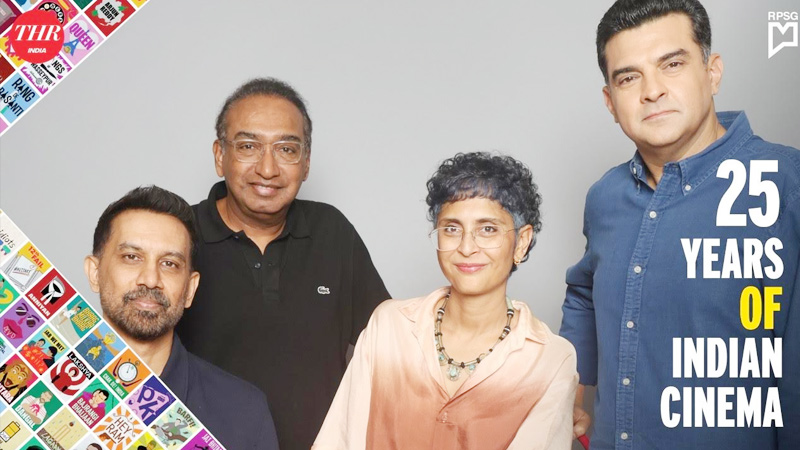
MUMBAI: Lights, camera, reflection! As IMDb turned the spotlight on 25 Years of Indian Cinema (2000–2025), a new script of change unfolded, one where superstardom is...
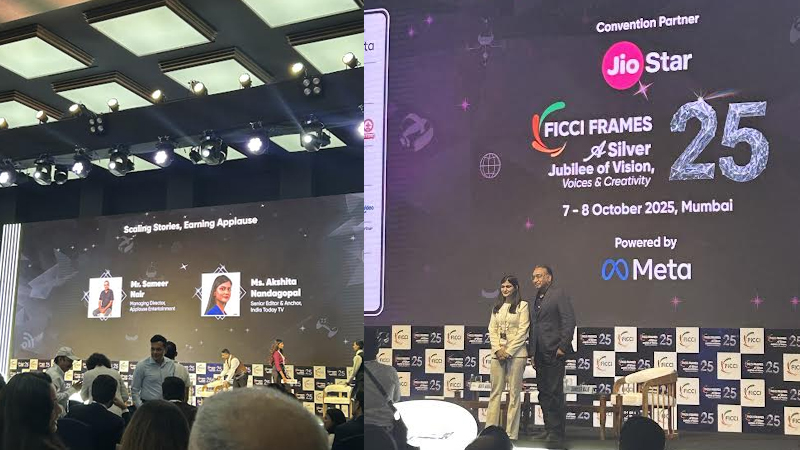
MUMBAI: At Ficci Frames’ silver jubilee edition, a candid panel discussion between Applause Entertainment managing director Sameer Nair and India Today senior editor and anchor Akshita...

MUMBAI: Lights, camera, silver jubilee! Ficci Frames, Asia’s leading media and entertainment conclave, is rolling out the red carpet for its 25th edition in Mumbai on...
MUMBAI: Eight years may seem young, but Kumarmangalam Birla-owned, Sameer Nair-led Applause Entertainment has already muscled into the top tier of India’s content business. Since its...
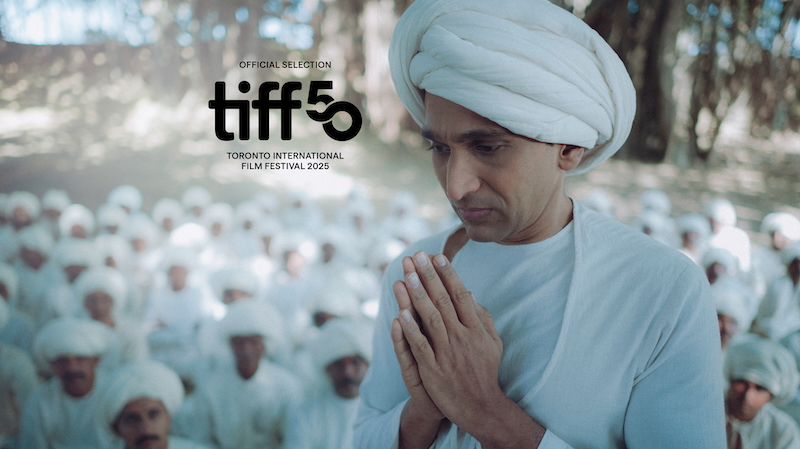
MUMBAI: In a landmark moment for Indian storytelling, Gandhi, the sweeping international series by Applause Entertainment and filmmaker Hansal Mehta, is set to make its world...

MUMBAI: India is flipping the page on adaptation history Jeffrey Archer’s bestsellers are finally getting their official real life adaptation close-up. Move over pirated plots and...
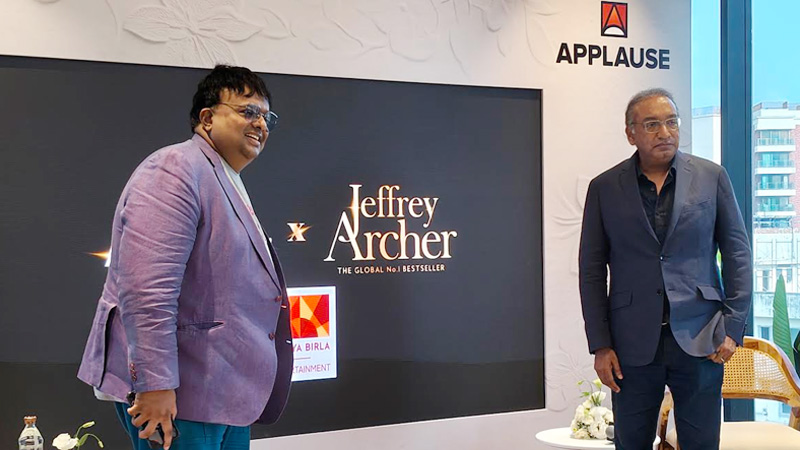
MUMBAI: When an Archer hits the screen, it’s bound to be cinematic. In a landmark move that marries British literary mastery with Indian storytelling flair, Applause...
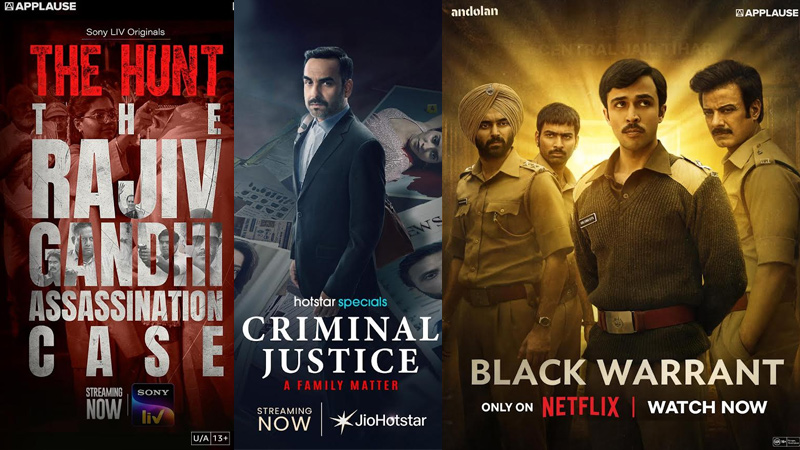
MUMBAI: It’s applause all the way for Applause Entertainment, the Aditya Birla Group-backed content powerhouse, as it scores three back-to-back streaming hits in the first half...
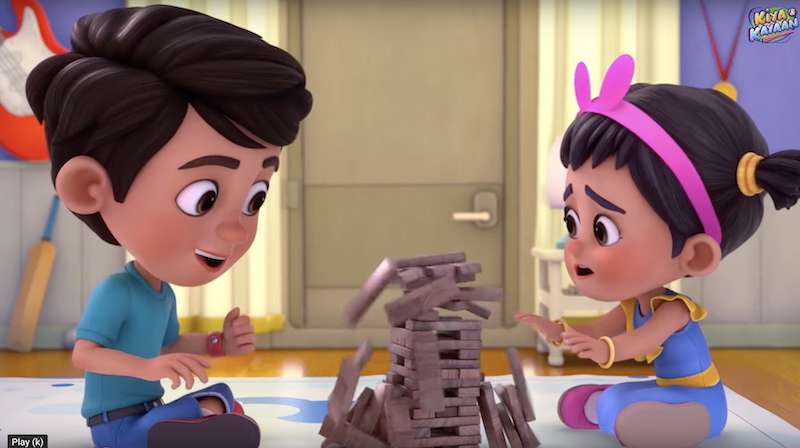
MUMBAI: Applause Entertainment is taking a bold leap into the world of kids’ animation with the launch of its brand-new YouTube channel, ApplaToon. Kicking off this...
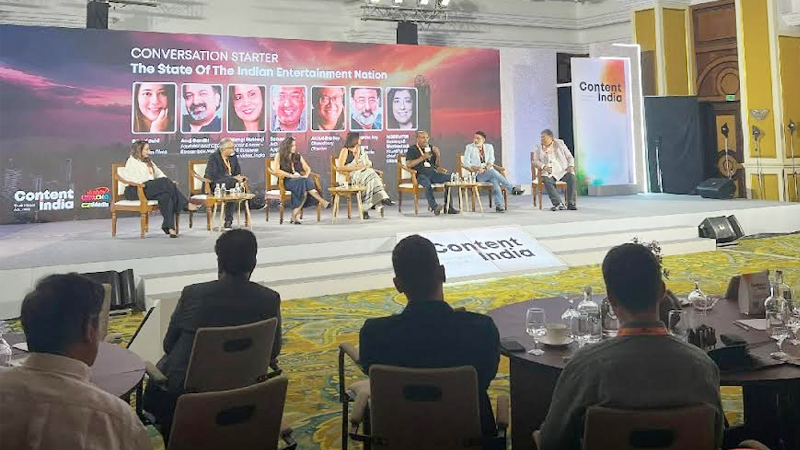
MUMBAI: If content is king, India’s entertainment industry is the kingdom where multiple rulers are emerging. At Content India 2025, industry stalwarts dissected the evolving media...
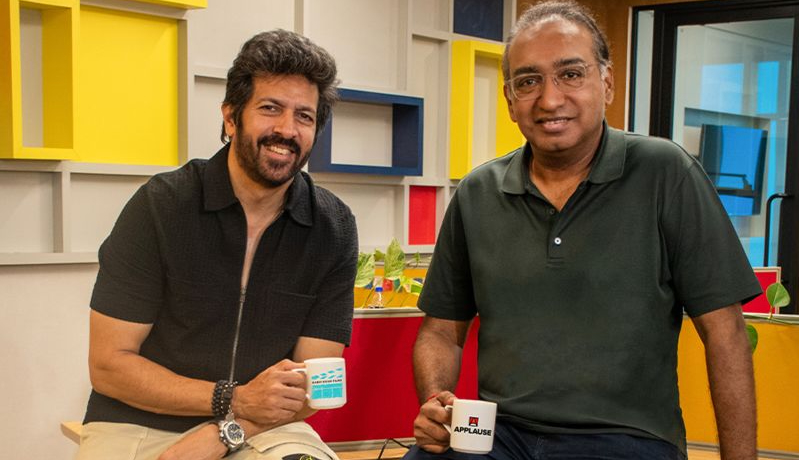
MUMBAI: Sameer Nair is known for telling stories that are well told either for the big screen or for the streaming platforms. Applause Entertainment – the...
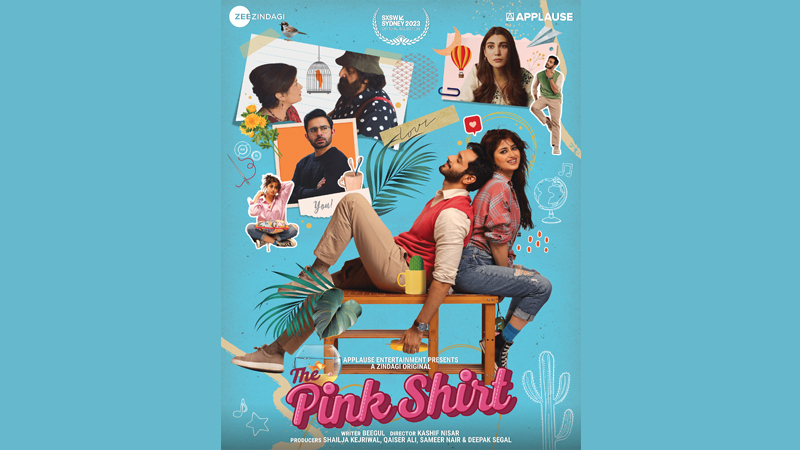
Mumbai: In a recently announced strategic partnership between the two renowned content studios Applause Entertainment and Zee’s Zindagi, for creating South Asian content; Sameer Nair and...
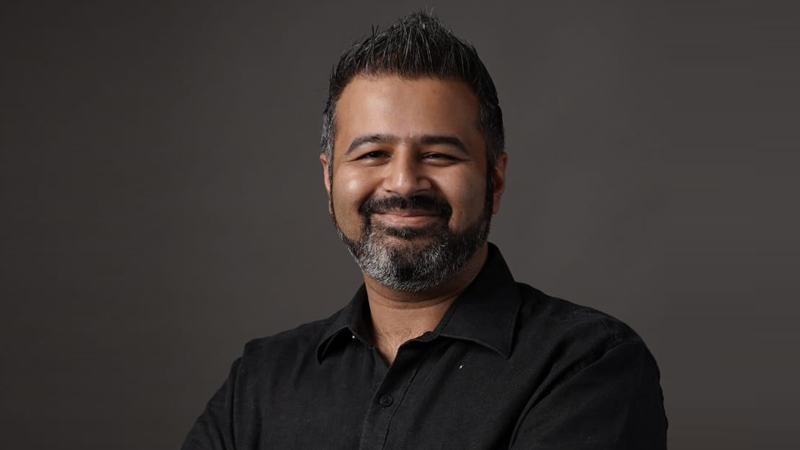
Mumbai: Yuvaa is India’s leading Gen Z-driven youth media, research and impact organisation. With the mission of empowering the youth by ‘making important things interesting’ for...
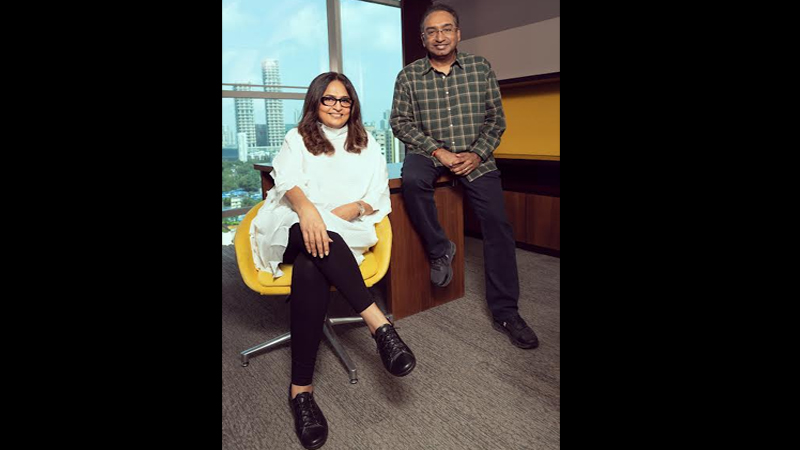
Mumbai: In a groundbreaking move, Applause Entertainment and Zindagi have joined forces to energise investment in South Asian content creation. Sameer Nair and Shailja Kejriwal, are...
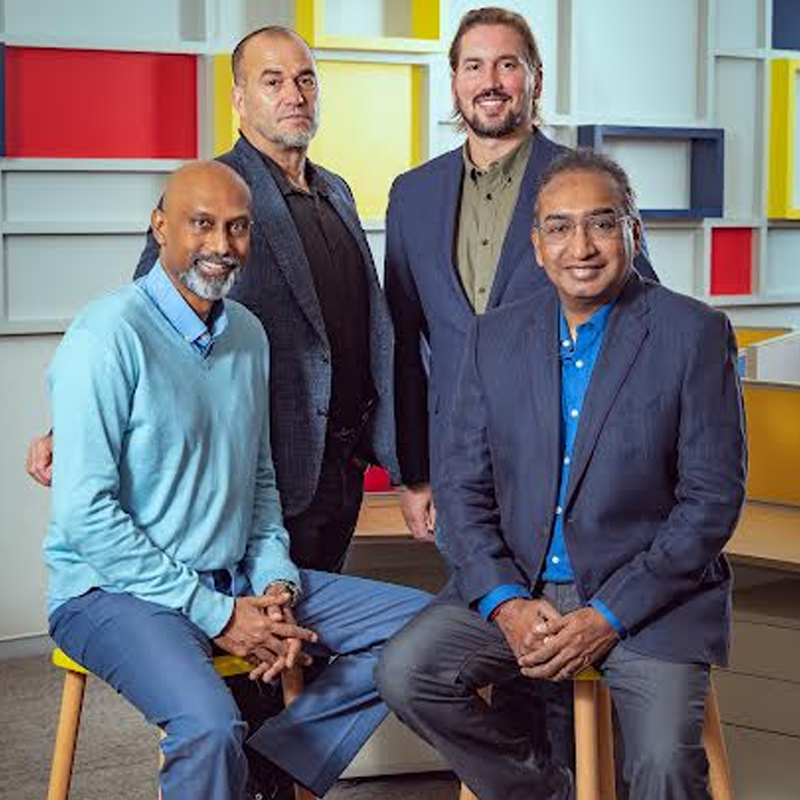
Mumbai: In collaboration with Locomotive Global, Applause Entertainment has teamed up with international content maverick Simon Mirren and his partner Benjamin Anderson to develop a crime...
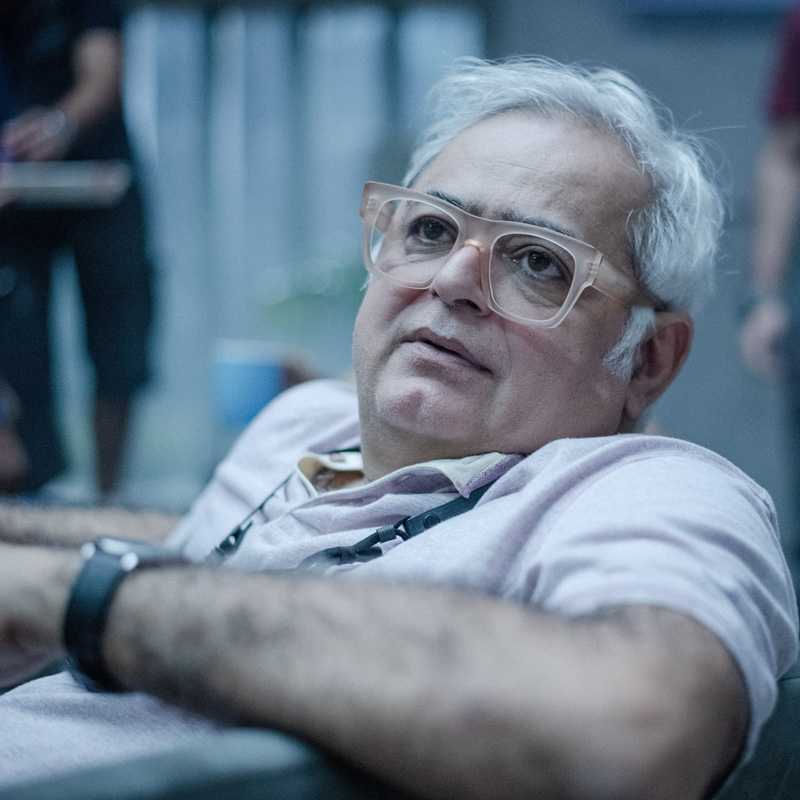
Mumbai: Applause Entertainment has once again teamed up with acclaimed director Hansal Mehta for a biopic series on the life and times of Mahatma Gandhi. ...
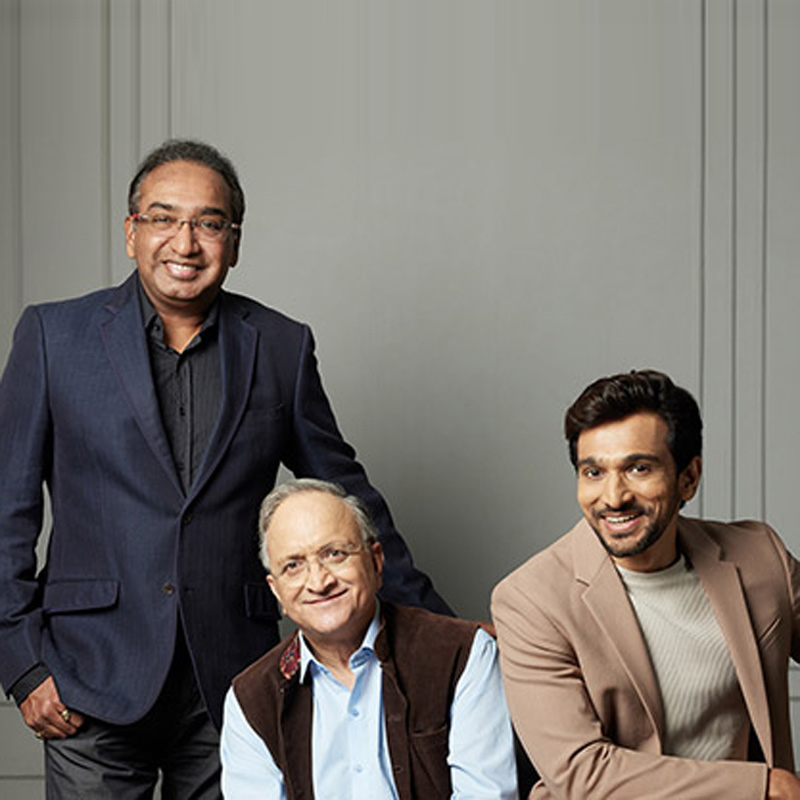
MUMBAI: Production house Applause Entertainment will make a series on Mahatma Gandhi. The company has bought the rights to two books by Ramachandra Guha. Actor Pratik...
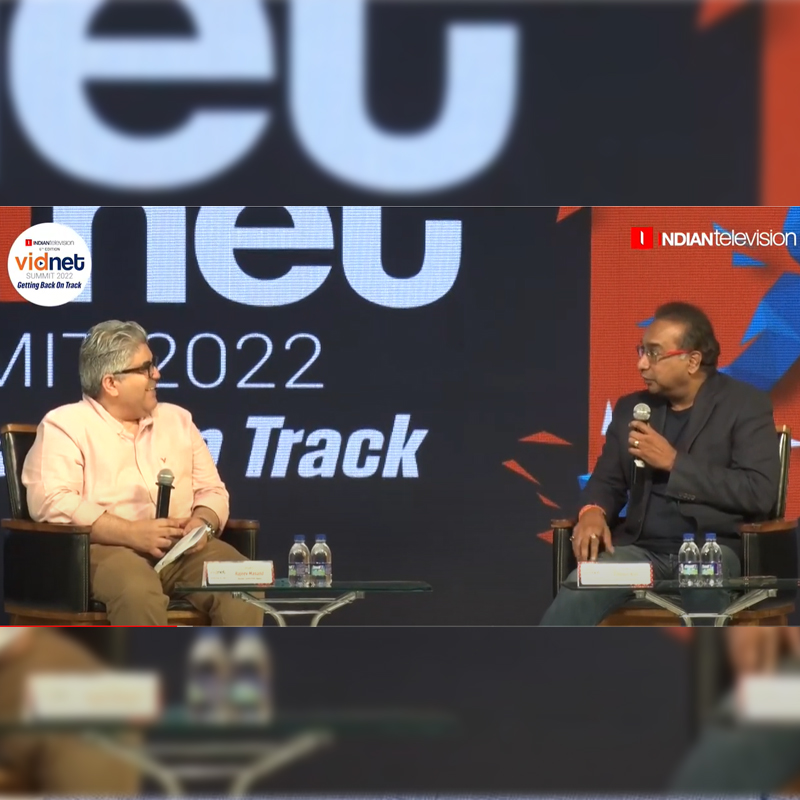
Mumbai: The OTT sector in India has witnessed a massive surge in viewership during the pandemic era with a host of new players and paid subscribers...
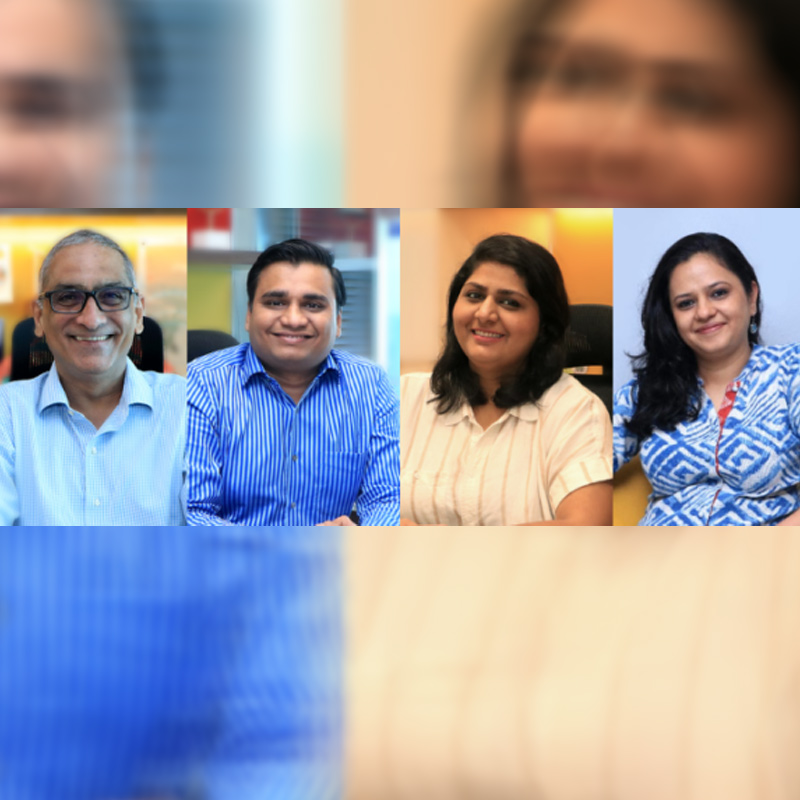
Mumbai: Content studio Applause Entertainment has announced key organisational realignments in its senior leadership team. Deepak Segal has been elevated as chief creative officer. Prasoon Garg...

Mumbai: Disney+ Hotstar has released the second trailer for “Rudra – The Edge of Darkness.” The six-episode series starring Ajay Devgn in the lead is slated...
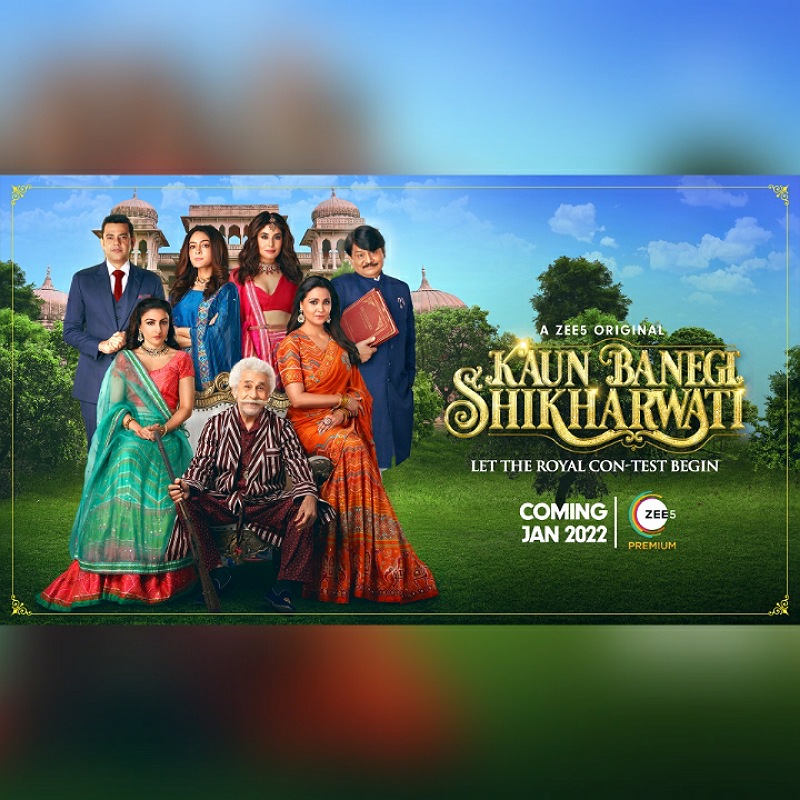
Mumbai: Streaming platform Zee5 has announced a strategic partnership with content and IP studio Applause Entertainment, a venture of Aditya Birla Group for a multi-show association. The...
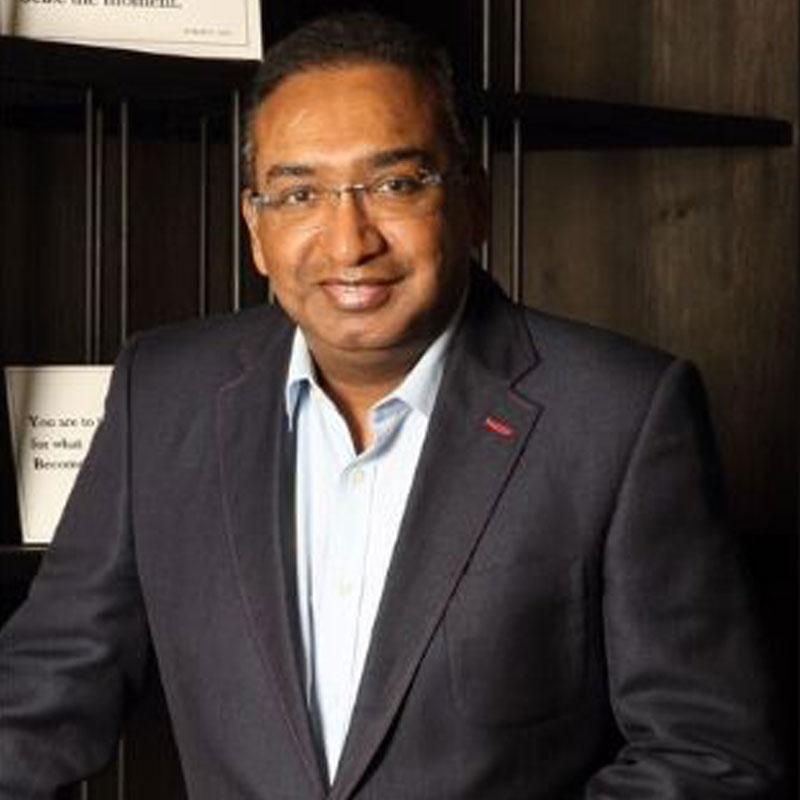
Mumbai: The OTT streaming business is not for the fainthearted and players with light wallets, said Applause Entertainment founder and chief executive officer Sameer Nair as...

Mumbai: Aditya Birla Group-backed content studio Applause Entertainment has announced a partnership with Amar Chitra Katha, a player in the children’s publishing segment. As part of...

NEW DELHI: Women have made tremendous strides over the years to achieve equal representation in the workplace. Many have broken the glass ceiling and risen to...

MUMBAI: After delivering a monster hit with Scam 1992: The Harshad Mehta Story, SonyLiv and Applause Entertainment are looking to recreate the magic with the second season of...

NEW DELHI: Innocent until proven guilty. In To Kill a Mockingbird, Atticus Finch passionately upheld this legal principle while defending a Black man who had all...
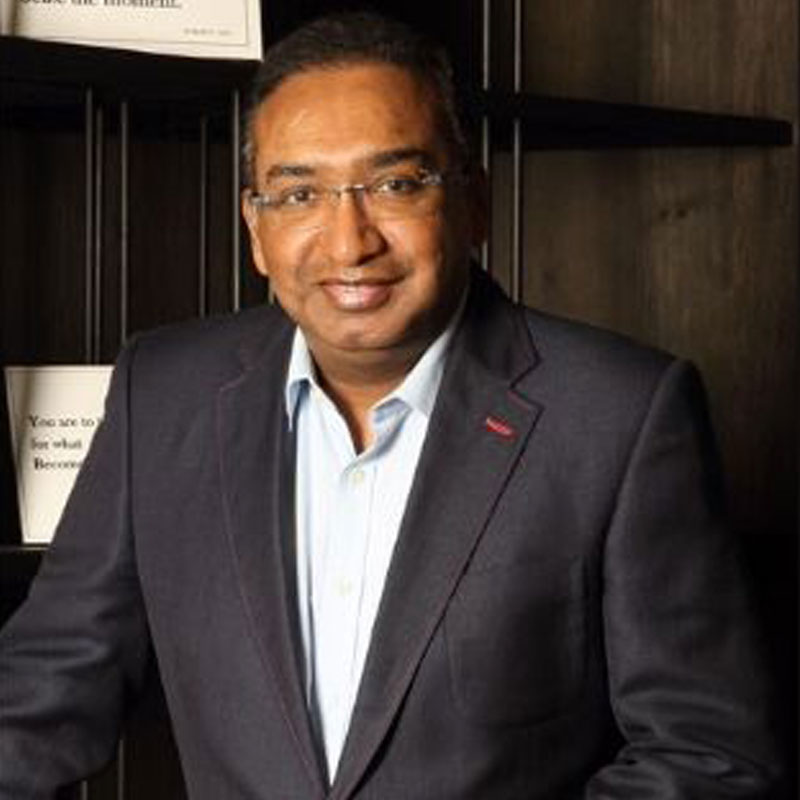
MUMBAI: Ever since the Covid2019 pandemic cast its shadow over the world, the consumption pattern of audiences has altered drastically. The entertainment industry, for one, has...

MUMBAI: The content ecosystem has witnessed a boom with the advent of streaming services and an upsurge in non-linear content consumption. Amidst the creative revolution, Applause...
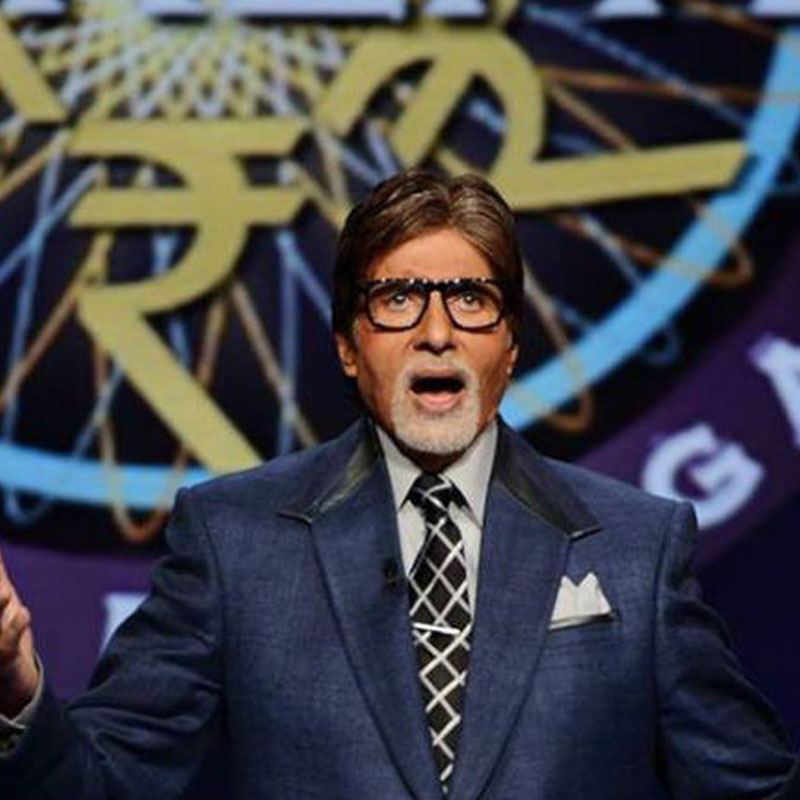
MUMBAI: It was in 1999 when Zee TV and Sony TV led the charts with shows like Amanat, Hasratein and Ek Mahal Ho Sapno Ka, while...
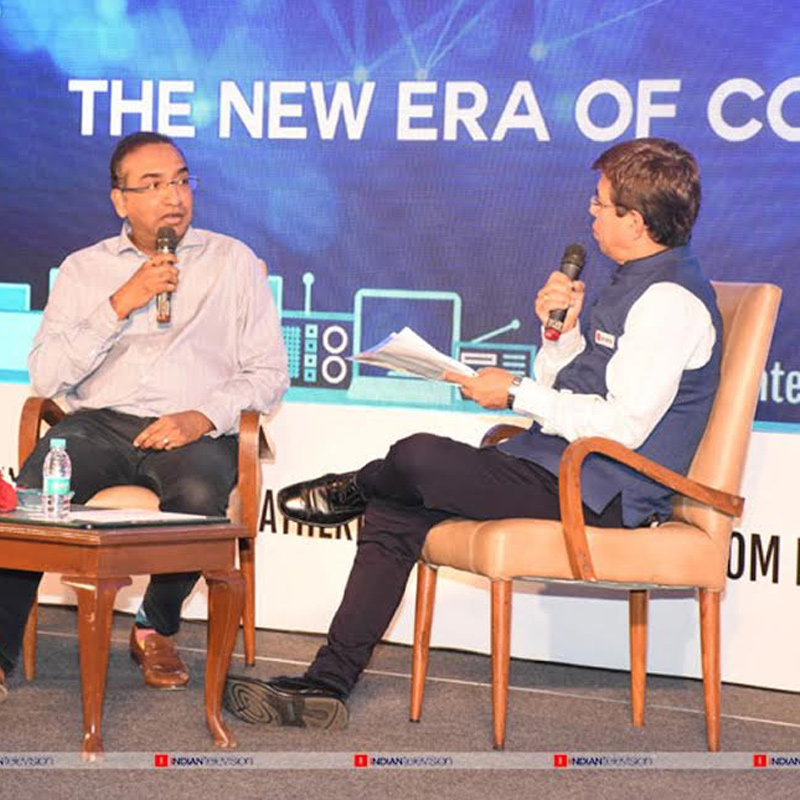
Many believe this is the golden age for content creators. Applause Entertainment is one of those at the forefront of creating digital content today. However, the...

MUMBAI: Is this the shape of things to come? That’s a question most in the Indian film exhibition, production, distribution and streaming sectors are asking. The...
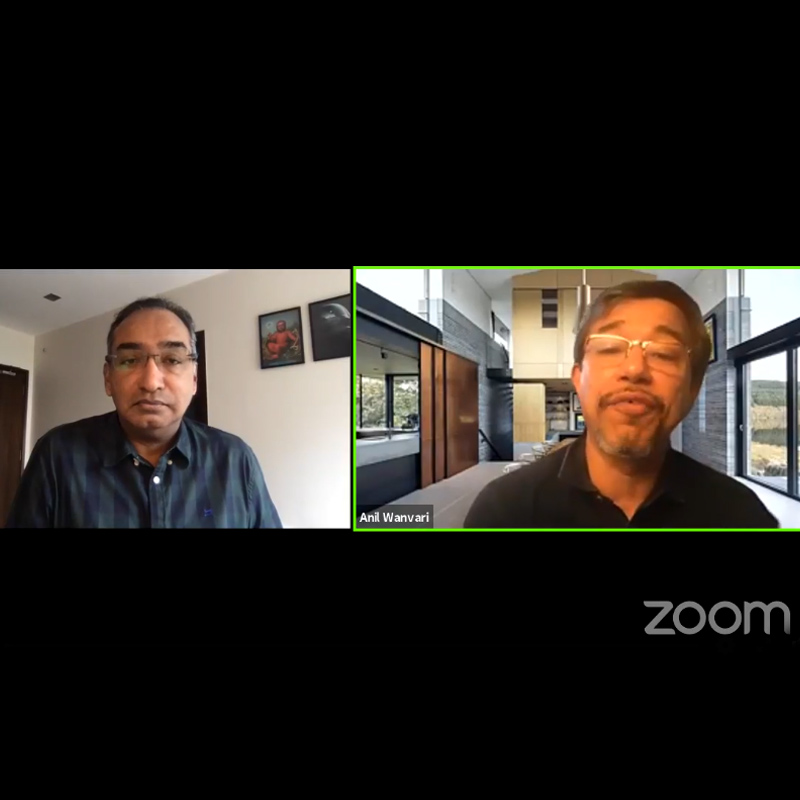
Applause Entertainment CEO Sameer Nair, who was once a hotel management student, went on to discover his true passion for storytelling and eventually landed up in...
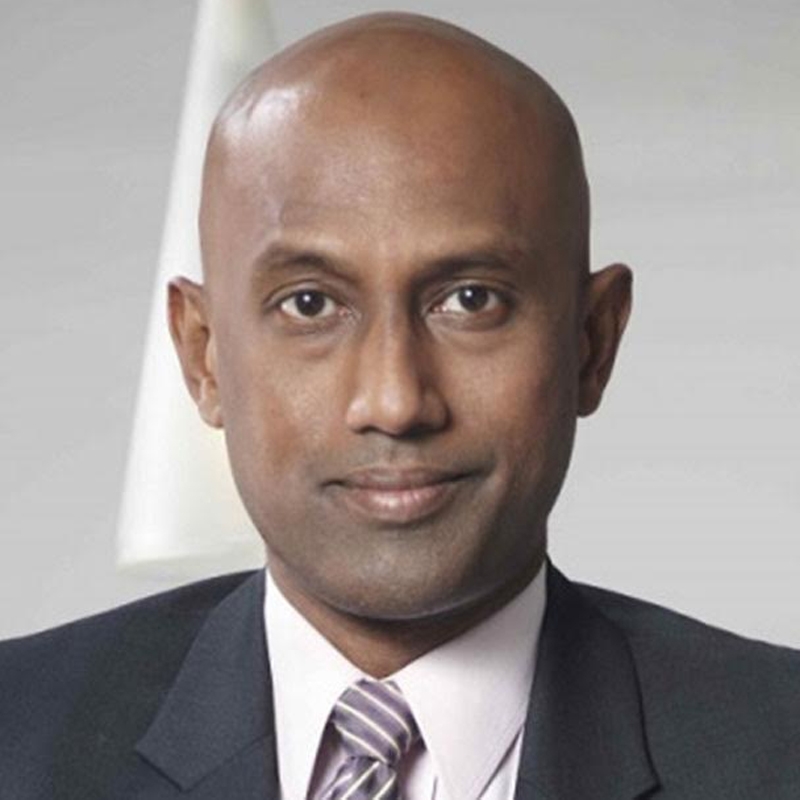
MUMBAI: Sunder Aaron’s Locomotive Global develops, produces and distributes Indian-themed TV projects for both the local and international markets. The company has now partnered with Sameer...

MUMBAI: With a strong focus on building an exciting and ambitious content slate that serves a diverse set of audiences, Applause Entertainment has rapidly emerged as...

MUMBAI: Sony LIV’s latest drama-thriller, Your Honor produced for Applause Entertainment by Sphereorigins, is all set to release. In a special interaction with indiantelevision.com, Sphereorigins founder...

MUMBAI: Creativity, freedom of expression, self-regulation and content quality are some of the factors that come into play for digital platforms. These topics were addressed in...
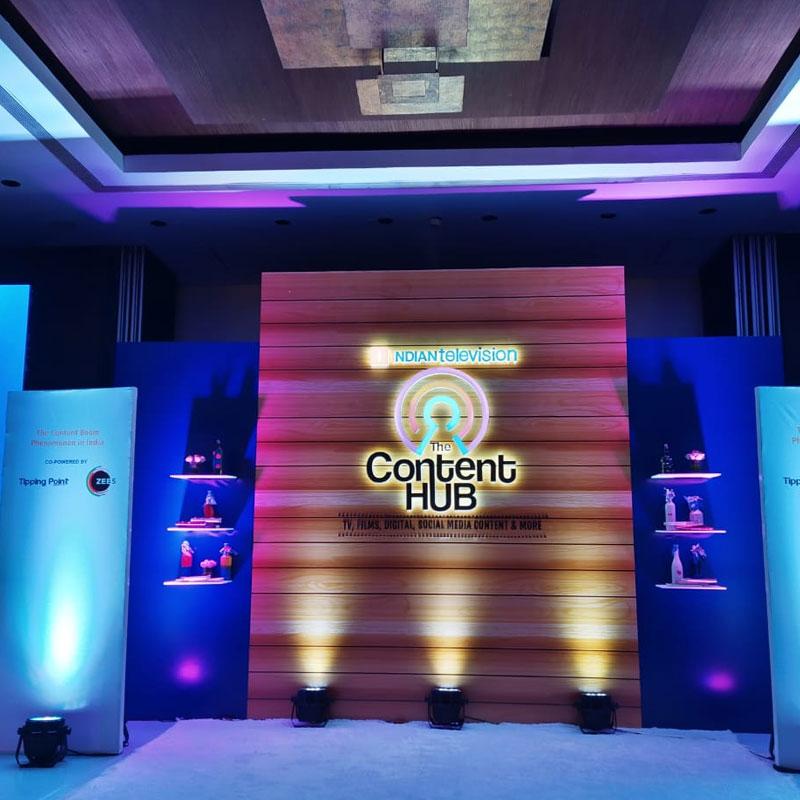
MUMBAI: The fourth edition of The Content Hub 2020, presented by Indiantelevision.com, saw a gala turnout with scores of people eager to hear industry leaders speak about...

MUMBAI: Moving on to Part 2 installment of Indiantelevision.com’s TV and video people who stood out in 2019. The first part was put out on 2...
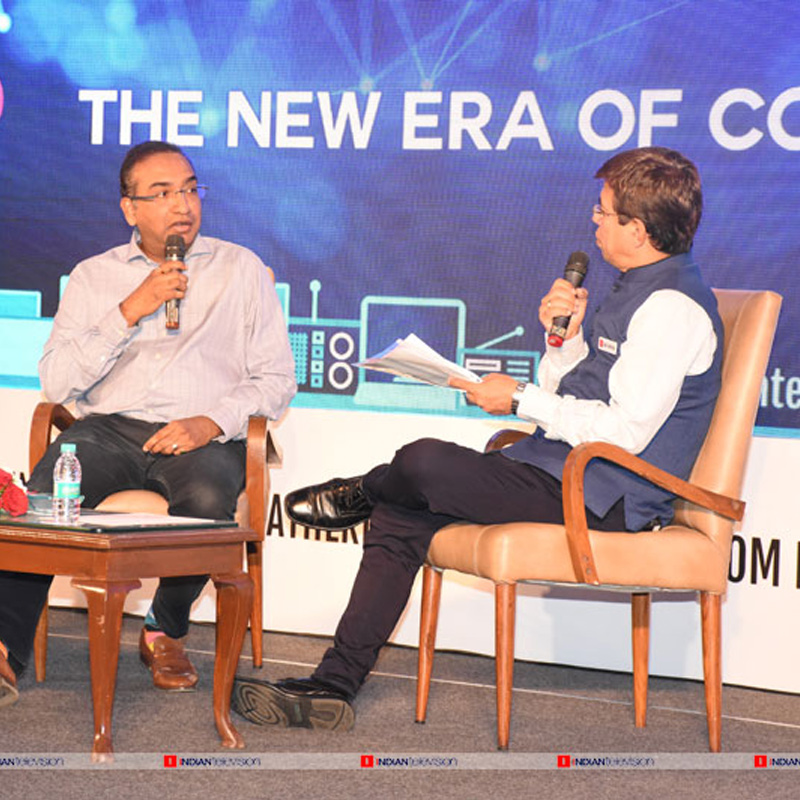
MUMBAI: This is the second part of Indiantelevision.com’s conversation with Applause Entertainment CEO Sameer Nair. You can read the first part here. So within your company,...
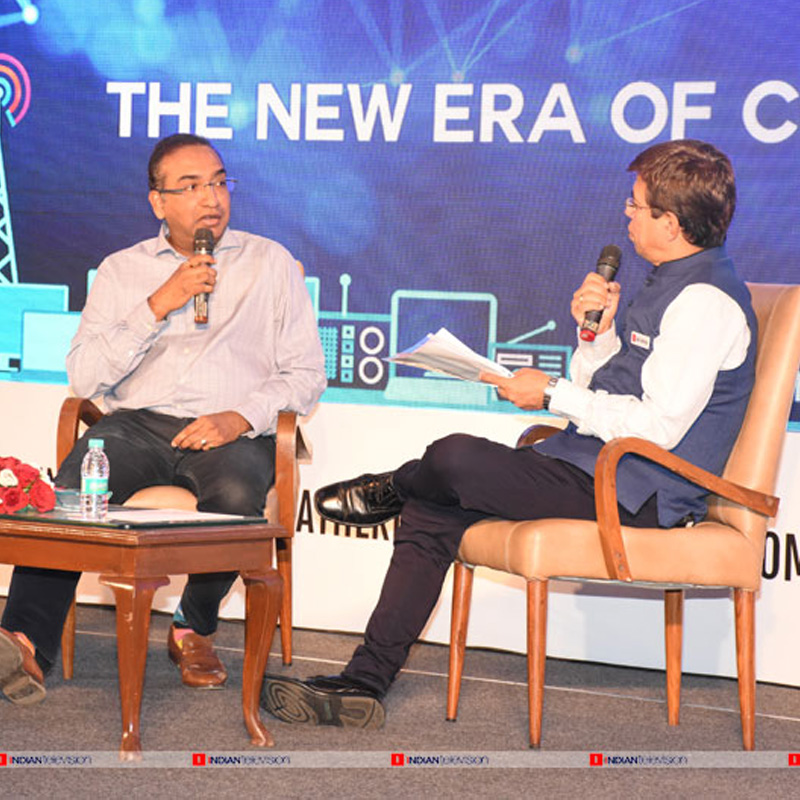
MUMBAI: Sameer Nair isn’t a man in a hurry. The seasoned media and entertainment industry executive describes the content creation business as a real get rich...
MUMBAI: He’s been in the television space during its golden age, worked with leading broadcaster Star India and production house Balaji Telefilms and witnessed the changing...

MUMBAI: Applause Entertainment has partnered with Contiloe Pictures to produce Taj – A Monument of Blood, a period drama series on the rise and fall of...
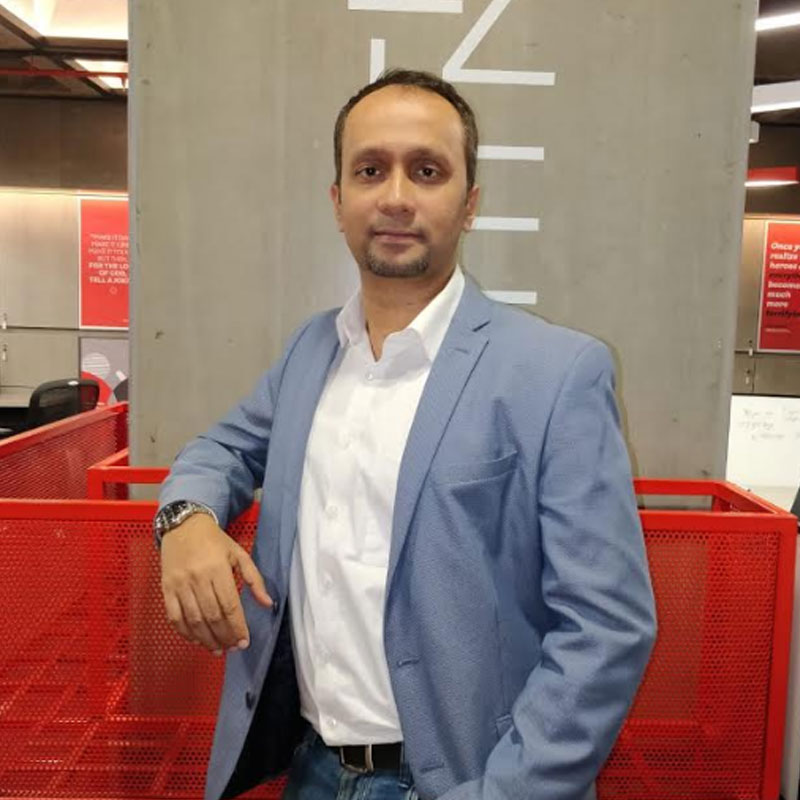
MUMBAI: Applause Entertainment, the Sameer Nair-led content studio from the Aditya Birla Group, has announced the appointment of Ashok A Cherian as their head of marketing...
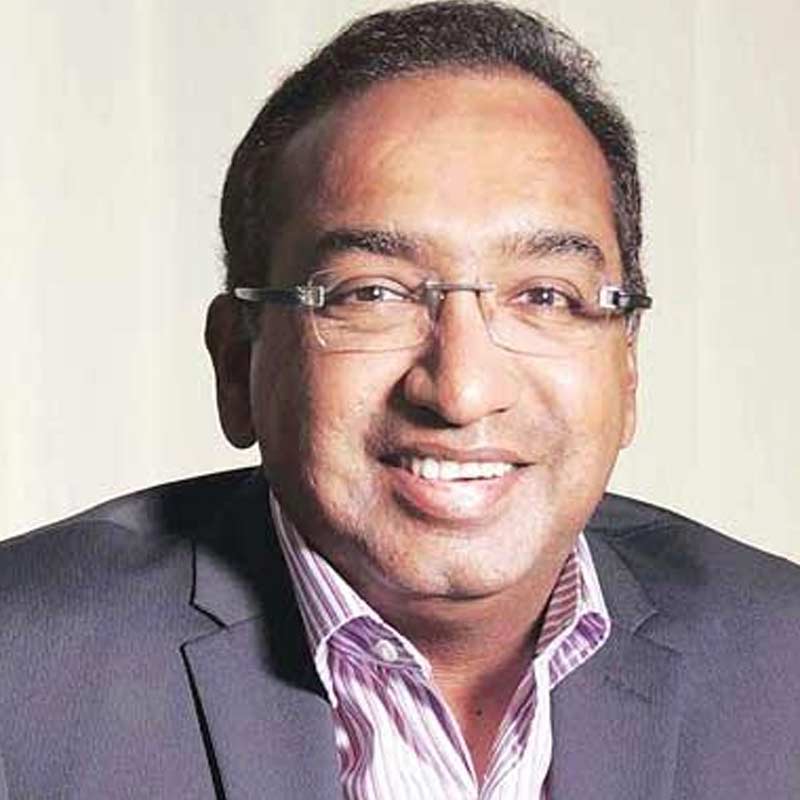
MUMBAI: Content and IP creation studio Applause Entertainment has now taken the local rights to three of Armoza Formats’ scripted series: the highly acclaimed crime-thriller Hostages...
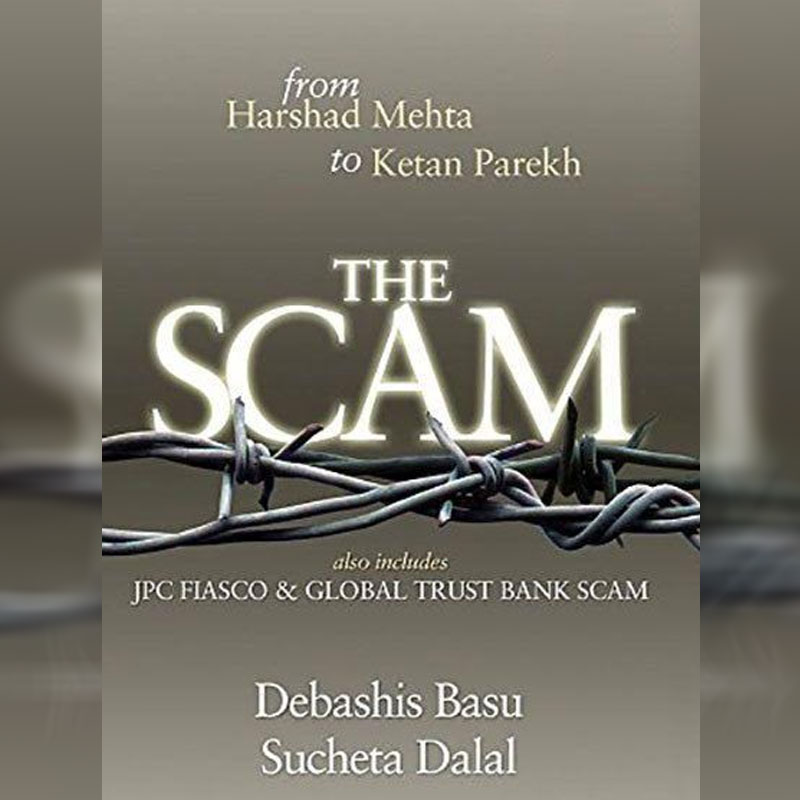
MUMBAI: For the first time ever, the true story behind one of the most notorious scams of the Indian Stock Market shall be brought on screen...
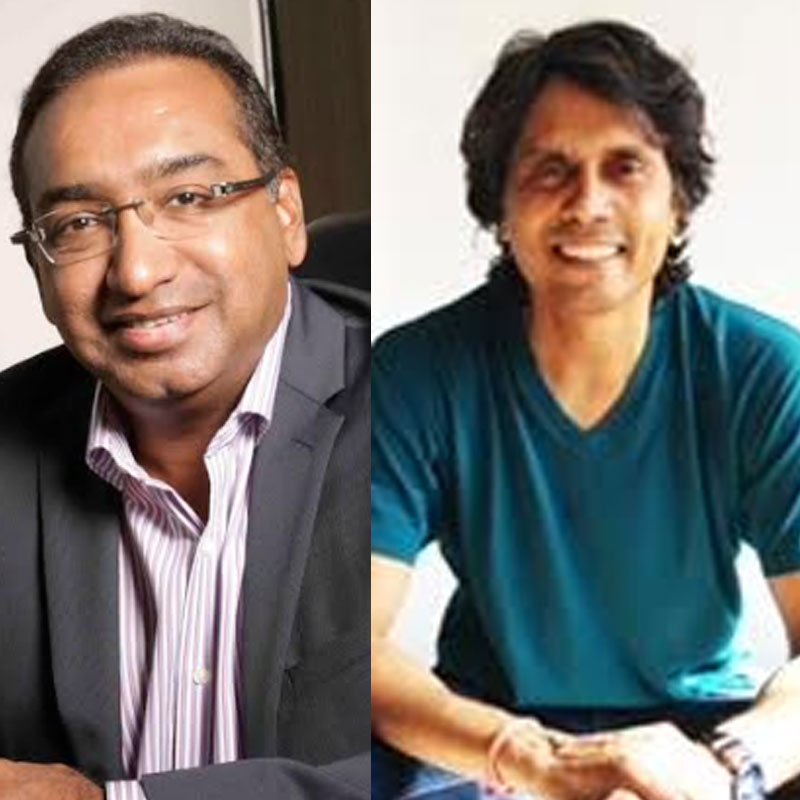
Applause Entertainment, helmed by entertainment veteran Sameer Nair, ropes in celebrated director Nagesh Kukunoor for a powerful political drama set in the backdrop of modern day...

MUMBAI: Applause Entertainment is making all the right moves. The Kumar Mangalam Birla-led outfit is all set to produce its first series based on the cross-border...
MUMBAI: He is a man of small stature and has a voice that at times breaks into a squeak. But veteran ad man Sam Balsara–who is...
MUMBAI: Sameer “Sam” Nair has made it a habit to go where many a man has gone before and failed. The only difference: he has made...



