Tag: Sam Balsara

  • MIB urges industry to buck up on implementing TV ratings

    MIB urges industry to buck up on implementing TV ratings

    NEW DELHI: There has been some hue and cry about the manner in which the Ministry of Information & Broadcasting (MIB) has apparently rushed to notify the latest policy guidelines for TV ratings. Following the notification, there have been fears that unless TAM goes to court and gets a stay order on the MIB’s guidelines, industry will most likely be without TV ratings for at least six to seven months. This is because Broadcast Audience Research Council (BARC) states that it will be ready to roll out its ratings only in the third or fourth quarter of 2014. 


    This has alarmed professionals such as Madison chairman Sam Balsara who has gone on record to state that the industry should plead with the Ministry to delay the implementation of the guidelines, and that the industry cannot do with a TV ratings-dark period. 


    MIB officials are pretty clear that this time it is for real. Says a senior Ministry official: “The entire TV ratings shouting match has been going on since 2007. Industry has been complaining that TAM’s methodology is flawed, and they have done nothing about it over the years. And the murmurings against it have been going on for more than a decade.” 


    He goes on to add, that MIB intervened only on the industry’s insistence and now the industry will have to drink its bitter dose of medicine, no matter what. 


    “We have given the industry and TAM enough time to rectify the situation and find an amicable authentic and reliable solution,” says another MIB official. “The Amit Mitra committee report indicated what needs to be done way back n 2010. Why wasn’t it followed and why were corrective steps not taken by TAM or the industry? TAM will have to follow the guidelines and register with us before 30 days are up, otherwise cease operating. We are not against individuals or companies; we are clear that a due process and the rules for TV ratings need to be followed so that transparency and credibility are associated with TV viewership ratings.” 


    In fact, another MIB official was quite critical of the industry-backed TV ratings body BARC too. 


    “It’s taken them three years to get here,” the senior official says. “First, BARC told us that the ratings will be up and running by June 2013, then they told us they would do so by March 2014, and now they are saying September or October 2014. This is simply not acceptable. We timed our rules and regulations based on the fact that BARC would be up by March 2014 and that industry would not have to be troubled by the absence of ratings.” 


    Another senior official appeals that the MIB cannot keep waiting forever for industry to get its act together. “The industry has been dragging its heels for a long time on the TV ratings issue. Now is the time for it to sprint to the finish line, and faster than ever before,” he says. The longer it takes to get its ratings going, the longer it will be without ratings.”


    The fact that TAM Media might challenge the Ministry’s notification in court has not disturbed the MIB at all. “If it goes to court, we will fight it tooth and nail,” says the MIB official. “Industry has to understand, the MIB means business. Let industry also be serious about its business.” 


    “It’s strange, isn’t it?” another official asks rhetorically with a smile on his face. “Industry complains when the ratings are there; they are complaining now that the ratings will not be there for some time. Let it realise that indeed there will be no ratings for a while and come up with a workable solution in their absence which works well for broadcasters, advertisers and agencies. The ball is in industry’s court now. ”
  • Raymond selects Madison to handle its Rs 100 crore AOR biz

    Raymond selects Madison to handle its Rs 100 crore AOR biz

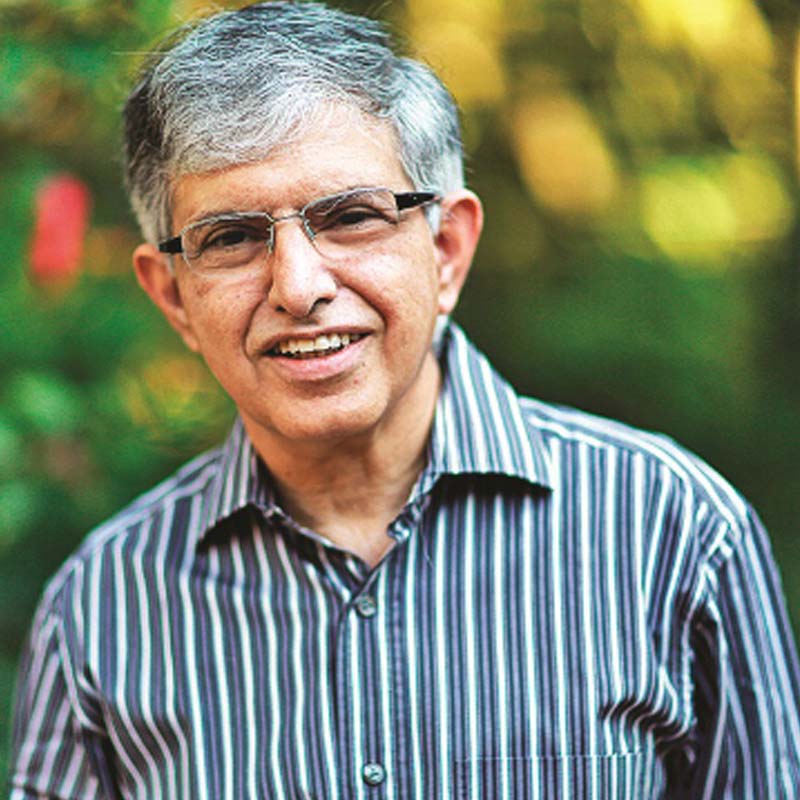
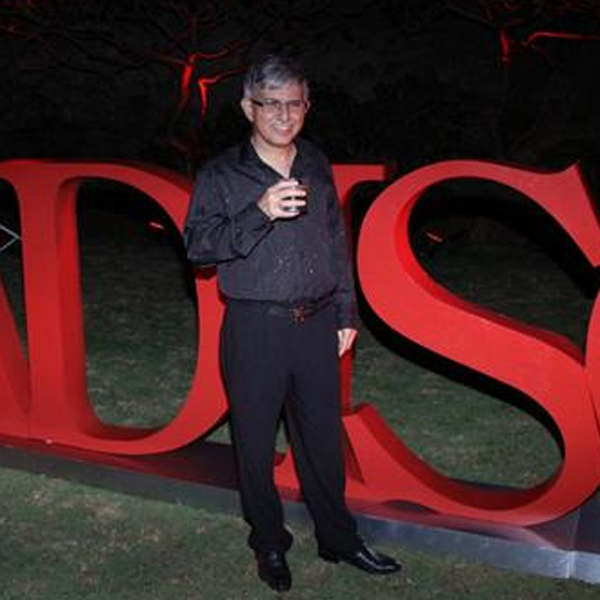
    MUMBAI: Textile, apparel and fashion retailer Raymond‘s tag line is “the complete man.” And it was looking for the complete media agency to look after its advertising spends. And it found that it in the Sam Balsara-founded Madison Media which will now be its agency of record (AOR), following a multi-agency pitch. Madison, which bills about Rs 3,000 crore on a gross level, will be responsible for the entire media mandate, including digital and out- of-home (OOH), for all Raymond group brands.

    The Raymond AOR including its branded apparel, denim, cosmetics and toiletries, engineering tools and hardware, auto components and prophylactics businesses is estimated to be worth about Rs 100 crore annually.

    Raymond director – marketing Mrinmoy Mukherjee said, “Raymond requires an expert media advisor and partner. We are delighted to have Madison on board as our media partner. Their leadership status as one of the best integrated media solutions agencies in India and well-integrated service and processes will help our brands scale newer heights of success.”

    Madison Media Group CEO Gautam Kiyawat added “We are delighted with this new win and are confident that we can add substantially to building the Raymond group brands.”

    Madison Media has been on an account winning spree, having recently won a host of new businesses including Epic TV, Maxx Mobile, McCain Foods, Ruchi Soya, Max India‘s corporate account, Café Coffee Day, Radikal Rice and Crompton Greaves. This apart, it handles media planning and buying for blue chip clients including Airtel, Godrej, Cadbury/Kraft, ITC, General Motors, Marico, McDonald‘s TVS, Levis, SpiceJet, Domino‘s, Bharti AXA, Max Life Insurance, Asian Paints, Pidilite, Tata Salt, Acer, Crompton Greaves, Dish TV, Times Television Network, Indian Oil, Enamor Lingerie, Gowardhan Dairy, Café Coffee Day and many others.

  • “We hope to reach a mature solution on the TAM ratings issue” :MadisonWorld chairman & managing director Sam Balsara

    “We hope to reach a mature solution on the TAM ratings issue” :MadisonWorld chairman & managing director Sam Balsara

    There are two kinds of individuals out there. Those, who lead their lives on their own terms and others, who lead their lives according to the terms set by the rest of the world. And then there is Sam Balsara, who creates benchmarks for the rest through his feisty attitude!

    Rated as amongst the top media professionals in the world, MadisonWorld chairman & managing director Sam Balsara is no stranger to a challenging situation. He is known to speak his mind without mincing his words. The media vet has worn many hats in various industry associations and committees over his very long career, which began at Sarabhai’s in the late sixties, early seventies and ended with him setting up Madison 25 years ago.

    Here, in an exclusive interview, Balsara opens up on the heated issue of Broadcasters v/s TAM Media. Who else can give us a better perspective than the advertising genius himself. Sit back, read and enjoy his engaging responses from this free wheeling chat indiantelevision.com had with him.

    Excerpts:

    What is your take on Indian Broadcasting Foundation (IBF) members deciding to discontinue subscribing to TV ratings provider TAM?

    It is very clear ratings are very important not just for advertisers and agencies alone, but for the whole industry which includes broadcasters who have worked so hard to built the industry to Rs 12,000 crore. If there are no ratings the confidence in TV advertising will go down.

    Take a look at radio and out of home; they have no robust measurement system, hence they account for just five per cent of the media spends. Television does have a robust measurement systems and it accounts for a sizeable 45 per cent.

    You don’t have to throw the baby out with the bathwater. If there is something wrong, you fix it. We have to remember that the TV ratings that come out every week are a sample not a census. At times, if it does not do justice, you don’t shut it down. The long term solution is definitely BARC…till then we have to have TAM.


    But then how do you address the problems that the IBF and the government has with the ratings?

    Let the IBF put out a paper on what their view is on what is wrong with the ratings methodology and what needs fixing. We can give our view on what can be done or should be. The answer is not stopping a rating system.

    Why do you say that?

    Stopping a ratings system would hurt the broadcast leaders in their respective individual genres, they would lose their leadership perception and this would hurt them. I think it is a very unwise decision.


    Let the IBF put out a paper on what their view is on what is wrong with the ratings methodology and what needs fixing. We can give our view on what can be done or should be. The answer is not stopping a rating system.

    Let’s say the TAM meltdown continues and you don’t have ratings, is historical data a valid barometer for buying TV advertising time?

    Historical data around TV viewership is not an option and is unacceptable to the buyer. I would not work with historical data for buying. If I am buying IPL this year, why should I use last year’s data? Why should and how can I use historical data for how a serial is performing? We know that viewership habits move around.

    Then what is the solution?

    If there is something seriously wrong with TAM‘s data, methodology, we should sit together, highlight the problems, diagnose the imperfections and come up with answers. We need to give a patient hearing to each other as to why it’s going wrong too!

    I am aware that TV ratings have been going down because of the rejig of the sample, digitisation and also LC1. But every time you go for a change in a changing environment, the findings are also going to change.

    But the dropping ratings are hurting broadcasters and they are saying how is that possible when we are paying for the measurement?

    That brings us to the fundamental question: should media owners pay for the ratings system? Maybe you are right! Media owners should not be involved in media measurement. But the fact is that no media owner has found fault with the ratings system when they are at No 1.

    But Star India which is the leader in the GEC space is also likely to discontinue its TAM subscription…

    Hmmm. The only thing I have to say is that if there is no viewership data, the TV industry is going to suffer.

    Is making the advertiser/ad agency pay for the data a solution?

    As far as the advertising industry is concerned, we don’t really care who pays for the data, we are concerned that we get the data. We are absolutely certain that we need the ratings.

    I am aware that TV ratings have been going down because of the rejig of the sample, digitisation and also LC1. But every time you go for a change in a changing environment, the findings are also going to change.

    What if broadcasters continue to refuse to accept TAM as the currency and want to do transactions for TV adverts with agencies and advertisers?

    For a deal to take place, each seller has to make something available to the buyer and the latter has to see value in it to pay for it. Both parties have an objective and as long as it is met a deal happens. You see if Dove is priced at Rs 30, and you see merit in buying it you will pay for it, if you don’t, you won’t. Similarly with us, we need a measurement metric before we buy media.

    The IBF seems to be pushing the agenda on various fronts. For instance, in the case of net billings it was the IBF which had its way by forcing the advertising industry to accept net billings? Will it do so even in TAM’s case?

    There is no question of IBF having its way. The AAAI, ISA and the IBF found a mutually acceptable solution. Some of our full service advertising agency members wanted the 15 per cent mention to be in the bills and we got that in. It was a mature solution that met the needs of all concerned. We similarly hope to reach a mature solution on the TAM ratings situation too.

  • “We hope to reach a mature solution on the TAM ratings issue”

    “We hope to reach a mature solution on the TAM ratings issue”

    There are two kinds of individuals out there. Those, who lead their lives on their own terms and others, who lead their lives according to the terms set by the rest of the world. And then there is Sam Balsara, who creates benchmarks for the rest through his feisty attitude!

    Rated as amongst the top media professionals in the world, MadisonWorld chairman & managing director Sam Balsara is no stranger to a challenging situation. He is known to speak his mind without mincing his words. The media vet has worn many hats in various industry associations and committees over his very long career, which began at Sarabhai’s in the late sixties, early seventies and ended with him setting up Madison 25 years ago.

    Here, in an exclusive interview, Balsara opens up on the heated issue of Broadcasters v/s TAM Media. Who else can give us a better perspective than the advertising genius himself. Sit back, read and enjoy his engaging responses from this free wheeling chat indiantelevision.com had with him.

    Excerpts:

    What is your take on Indian Broadcasting Foundation (IBF) members deciding to discontinue subscribing to TV ratings provider TAM?

    It is very clear ratings are very important not just for advertisers and agencies alone, but for the whole industry which includes broadcasters who have worked so hard to built the industry to Rs 12,000 crore. If there are no ratings the confidence in TV advertising will go down.

    Take a look at radio and out of home; they have no robust measurement system, hence they account for just five per cent of the media spends. Television does have a robust measurement systems and it accounts for a sizeable 45 per cent.

    You don’t have to throw the baby out with the bathwater. If there is something wrong, you fix it. We have to remember that the TV ratings that come out every week are a sample not a census. At times, if it does not do justice, you don’t shut it down. The long term solution is definitely BARC…till then we have to have TAM.

    But then how do you address the problems that the IBF and the government has with the ratings?

    Let the IBF put out a paper on what their view is on what is wrong with the ratings methodology and what needs fixing. We can give our view on what can be done or should be. The answer is not stopping a rating system.

    Why do you say that?

    Stopping a ratings system would hurt the broadcast leaders in their respective individual genres, they would lose their leadership perception and this would hurt them. I think it is a very unwise decision.

    Let the IBF put out a paper on what their view is on what is wrong with the ratings methodology and what needs fixing. We can give our view on what can be done or should be. The answer is not stopping a rating system.

     
    Let’s say the TAM meltdown continues and you don’t have ratings, is historical data a valid barometer for buying TV advertising time?

    Historical data around TV viewership is not an option and is unacceptable to the buyer. I would not work with historical data for buying. If I am buying IPL this year, why should I use last year’s data? Why should and how can I use historical data for how a serial is performing? We know that viewership habits move around.

    Then what is the solution?

    If there is something seriously wrong with TAM’s data, methodology, we should sit together, highlight the problems, diagnose the imperfections and come up with answers. We need to give a patient hearing to each other as to why it’s going wrong too!

    I am aware that TV ratings have been going down because of the rejig of the sample, digitisation and also LC1. But every time you go for a change in a changing environment, the findings are also going to change.

     
    But the dropping ratings are hurting broadcasters and they are saying how is that possible when we are paying for the measurement?

    That brings us to the fundamental question: should media owners pay for the ratings system? Maybe you are right! Media owners should not be involved in media measurement. But the fact is that no media owner has found fault with the ratings system when they are at No 1.

    But Star India which is the leader in the GEC space is also likely to discontinue its TAM subscription…

    Hmmm. The only thing I have to say is that if there is no viewership data, the TV industry is going to suffer.

     
    Is making the advertiser/ad agency pay for the data a solution?

    As far as the advertising industry is concerned, we don’t really care who pays for the data, we are concerned that we get the data. We are absolutely certain that we need the ratings.

    I am aware that TV ratings have been going down because of the rejig of the sample, digitisation and also LC1. But every time you go for a change in a changing environment, the findings are also going to change.

     
    What if broadcasters continue to refuse to accept TAM as the currency and want to do transactions for TV adverts with agencies and advertisers?

    For a deal to take place, each seller has to make something available to the buyer and the latter has to see value in it to pay for it. Both parties have an objective and as long as it is met a deal happens. You see if Dove is priced at Rs 30, and you see merit in buying it you will pay for it, if you don’t, you won’t. Similarly with us, we need a measurement metric before we buy media.

     
    The IBF seems to be pushing the agenda on various fronts. For instance, in the case of net billings it was the IBF which had its way by forcing the advertising industry to accept net billings? Will it do so even in TAM’s case?

    There is no question of IBF having its way. The AAAI, ISA and the IBF found a mutually acceptable solution. Some of our full service advertising agency members wanted the 15 per cent mention to be in the bills and we got that in. It was a mature solution that met the needs of all concerned. We similarly hope to reach a mature solution on the TAM ratings situation too.

  • IAA crowns Sam Balsara as Media Agency Head of the Year

    MUMBAI: The International Advertising Association (IAA) India chapter on Saturday crowned Madison World chairman and MD Sam Balsara as the Media Agency Head of the Year in the first edition of IAA Leadership Awards.

    IAA leadership Awards were given away in 18 categories in Mumbai. The awards recognised and honoured “outstanding” individuals in the fields of marketing, advertising and media.

    Ogilvy & Mather executive chairman and national creative head Piyush Pandey was bestowed with the Creative Agency Head of the Year Award.

    Star India EVP and communication Gayatri Yadav won the award in the Media & Entertainment category.

    On the client‘s side, Cadbury India: Regional category head APAC (developing) executive director Chocolates & Biscuits Chandramouli Venkatesh bagged the IAA Leadership Awards in FMCG-food and beverages category while HUL vice-president – Skincare Arun Srinivas won the award in FMCG-Personal Care category.

    Samsung Electronics CMO Rahul Saigal was given the IAA Leadership Award in Consumer Durables Category. Meanwhile, ICICI Bank head marketing Sujit Ganguli got the marketer of the year award in the banking category.

    LIC India executive director Rita Bhattacharya received the marketer of the year award in insurance sector and Vodafone Sr VP, Brand Communications, Insights and Online Anuradha Aggarwal bagged the marketer of the year award in telecom products & services category.

    Hero Motor Corp SVP Sales and marketing Anil Dua was given the IAA Leadership Award in auto-two Wheeler category, while Maruti Suzuki COO Mayak Pareek collected the marketer of the year award in auto-passenger vehicle category.

    Force Motors GM Cyriac Jacob was bestowed with the marketer of the year-auto commercial vehicle award while Makemytrip.com marketing head Manish Kalra collected the marketer of the year award in travel & hospitality category.

    Asian Paints vice-president sales and marketing Amit Syngle won the IAA Leadership Award in household products & services category. ITC chairman YC Deveshwar got the award in the best CEO of the year category.

    IAA had also constituted special six categories for editor of the year that was won by TOI executive editor Jaideep Bose, News Anchor of the year award by IBN-18 editor in chief Rajdeep Sardesai, Media person of the year award by Hindustan Times chairperson and editorial director Shobhana Bhartia, brand endorser of the year – male award by Salman Khan, best endorser of the year award by Katrina Kaif and the IAA Hall of Fame award by former president and director of Bennett, Coleman & Company and former CEO of Zee Pradeep Guha.

  • ‘Ad pie shifting towards Indian language newspapers’ : Dainik Jagran Shailesh Gupta

    ‘Ad pie shifting towards Indian language newspapers’ : Dainik Jagran Shailesh Gupta

    Shailesh Gupta, director of Dainik Jagran, has been in the print media industry for more than 18 years. He was recently elected chairman of the Audit Bureau of Circulations (ABC), which provides audited newspaper sales figures every six months, replacing Madison World CEO Sam Balsara. Gupta is also a member of The Indian Newspaper Society (INS).


    Gupta has been a director at Jagran since 1994 driving the newspaper group‘s advertisement and marketing functions.


    In conversation with Indiantelevision.com, Gupta says Tier 2 and 3 towns are now the new volume drivers for newspapers and we now see the advertising pie shift in proportionate terms in favour of Indian language newspapers.

    Excerpts:


    As there is a shift from newspapers to online, the reading habits are changing. What does this mean for the newspapers?
    As a group, we already have a presence in Mumbai with MidDay, MidDay Gujarati,Inquilab and City Plus. There‘s a sizeable presence that we have in the city, and all these brands are growing and doing well. The decision on Dainik Jagran entering Mumbai in the future would depend upon the market forces and many other considerations.


    Any plan of expanding in southern market through an acquisition?
    We currently have a presence in South through City Plus in Bangalore and Hyderabad. Once again the question of acquisition would depend upon the opportunity in question and the prevalent market environment. It would not be fair to conjecture on that as of now.


    The difficult economic conditions have continued in 2012-2013. How do you see the next six months?
    Yes, it‘s been a difficult year in terms of advertising revenue growth. The market sentiment is muted, but there is growth. With the policy level changes taking place, and the festive season coming up, the outlook is more positive for the rest of the year.


    Last year competition drove cover prices down. Do you see the pressure continuing?
    In our markets, we‘ve steadied and increased cover prices instead of reducing. Circulation growth too has happened.


    ‘Our digital portfolio consists of over 12 sites across genres and with over 8.5 million unique visitors, it‘s one of the leaders in the space. And this is just the beginning‘


    The advertisers in Hindi and other Indian language newspapers have still not fully recognised the improved demography of their readership and are not prepared to give advertisement rates that English newspapers command. Why?
    The fact that the market is rapidly shifting to the Tier 2 and Tier 3 towns is a reality. Marketers have increasingly started looking at these markets very seriously for both volumes and growth. From a marketer‘s point of view, it‘s a market that‘s most important, and if the market is sizeable enough, investment flow is commensurate. Historically, the metros provided small geographies with a high concentration of target audiences and the resultant sales volumes. English dailies dominated these metro geographies and at times earned a premium versus the other languages. However, with Tier 2 and 3 towns now being the new volume drivers, the situation has changed completely and we now see the advertising pie shift in proportionate terms.
     

    Is it possible that Hindi language newspaper publishers will agree not to lower their cover price till ad rates are on par with English newspapers?
    The business environment for English in metros and Hindi papers differ significantly as far as the cost structures are concerned. An English paper sells for example at a price of Rs 4 in the metro markets with an average pagination of 40 pages, and the cost structures of the metro notwithstanding. Contrast that with a Hindi newspaper, with an average pagination of 22-24 pages and priced at Rs 3, with a very different cost structure. The differences are all too apparent. The factors behind cover price determination are very different from the factors behind ad rate pricing. Having said that, the model of the Indian newspaper industry is based fundamentally on lower cover prices, high circulation and a higher dependence on ad revenues – and this is true across the board for all languages including English. At the same time, Indian language newspapers have a sizeable part of the revenue coming in from the local markets, which normally are not greatly impacted by macro-economic changes – either positive or negative. Ad rates are a function of position in the market, importance of the market, the prevailing competitive environment and the individual cost structures apart from a lot of other factors.


    What helped Jagran to beat the industry trend and grow at a faster pace?
    We‘ve always believed in realistic planning and extremely focused implementation – these probably are the two central pillars of our work ethic which have yielded results. Other key factors are quick response times, empowered teams, the ability to provide customised solutions, and above all transparency in our working. Innovation is another key driving factor. We study ongoing trends in the market, anticipate a scenario and are able to innovate accordingly.


    What are the plans for Dainik Jagran‘s digital platform? What kind of investments are you planning to make in the digital space?
    We‘ve been very serious about our digital delivery platforms and had taken a lead in investing in this platform as early as year 2000. We have a dedicated digital team that‘s working to distribute the Jagran content across multiple digital platforms and devices. Our digital portfolio consists of over 12 sites across genres and with over 8.5 million unique visitors, it‘s one of the leaders in the space. And this is just the beginning.


    Last year Mid Day and Mid Day Gujarati did well. What is the trend in the current year?
    MidDay is on a growth path – both on the circulation and readership level as well as at the product level. Over the last 3 years, MidDay has seen a good growth – this has come on the back of an improved product. Same goes for MidDay Gujarati – it‘s now the No.2 Gujarati paper in Mumbai and has grown on all counts.


    Last year you were not able to meet the ad revenue target, how do you see things this year?
    We‘ve been realistic with our planning and our expectations. We have a plan for the ongoing year, and we‘re progressing as per the plan.


    Which medium are you banking upon to promote Jagran?
    The biggest platform that we use to promote Jagran is our own existing platform – there‘s no bigger platform that reaches out to almost 70 mn readers and an 8.5mn+ unique digital audience. Add to this our OOH reach pan India. Additionally, we use Radio, TV and some targeted trade and business mediums.


    What is your agenda as the head of Audit Bureau of Circulation?
    The priority at ABC is to bring about a more transparent system, evolve the ABC as a currency and make it a powerful decision making tool for the industry.


    What are the drawbacks that ABC faces?
    There are no drawbacks as such. But clearly we will need to march ahead, look at the changes in the environment, and be able to evolve the currency to reflect the changes. For this, we will need to have all publishers on the same page. It will be important to consider suggestions and opinions of all stakeholders to create a robust and transparent currency – one that truly reflects what‘s happening in the marketplace.


    Will you increase the frequency of audit of circulation figures from six months to quarterly?
    This again is a decision that needs to be taken by the body in consensus with all the stakeholders. As I said, the first priority above all else is to evolve the ABC as a currency and make it a powerful decision making tool for the industry.

  • Madison Media is Crompton Greaves media AOR

    MUMBAI: Madison Media Sigma has bagged the media duties of the electrical appliances manufacturer Crompton Greaves.

    The agency will handle its entire range of products including fans, lights, lighting fixtures and pumps.

    Madison World chairman and MD Sam Balsara said, “We are delighted to add a reputed global engineering conglomerate like Crompton Greaves in our roster of clients and are confident of helping Crompton Greaves get its rightful share and more in India’s growing market.”

    Madison Media Sigma COO Vanita Keswani said, “I look forward to working on a new and diverse set of categories and creating powerful media strategies for the entire portfolio.”

    Madison Media recently also won the Dixcy Textile’s Media duties.

    The agency is involved in handling media planning and buying for clients including Airtel, Godrej, Cadbury, ITC, General Motors, Marico, McDonald’s TVS, Britannia, Procter & Gamble, Asian Paints, Tata Tea, Shriram Transport Finance, Levis, SpiceJet, Axis Bank, Domino’s, Bharti Axa, MaxNewyork Life Insurance, Tata Salt, Acer, Dish TV, Times Television Network and Indian Oil among others.

    The gross billing of Madison Media is Rs 30 billion.

  • PMG signs five-year deal with Sehwag

    PMG signs five-year deal with Sehwag

    MUMBAI: Madison World‘s sports marketing company, Professional Management Group (PMG), has signed a five-year deal with Virender Sehwag to kick-start its Sports Celebrity Management vertical. With the entry into sports celebrity management, PMG aims for a tremendous growth and activity in the next few years.

    This deal puts Virender Sehwag amongst the league of the richest cricketers in world cricket today.The sports marketing company will look after Sehwag‘s brand endorsements and other commercial commitments worldwide with a special focus on image building and reputation management.

    Said Madison World chairman and PMG director Sam Balsara, “We are delighted to have a phenomenon like Sehwag on board. These are the very same qualities which today‘s brands want to project to find respect and admiration among their target audience and therefore I am confident that there will be many brands who will want to associate with him and benefit from this association.”

    With the 2011 ICC Cricket World Cup coming up, collaboration between these two giants in the field of sports will mark a new high in the strongly emerging sports marketing discipline in India and give brands new opportunities to maximize their impact on consumers and help connect with them.

    Commented Sehwag, “I am very excited to have signed the deal with PMG. I am elated that, I would be working with my childhood hero Mr. Sunil Gavaskar. And I am sure we are going to have a great partnership working together.”

    PMG is chaired by Sunil Gavaskar and co-owned by Adman Sam Balsara and Outdoor specialist Noomi Mehta.

  • Sam Balsara releases book ‘1800 Runs Brand Sale Khel Mein’

    MUMBAI: India’s leading lifestyle bookstore chain, offered its customer’s strategies to achieve success in brand sales with the launch and reading of the book ‘1800 Runs Brand Sale Khel Mein’ by author of several bestsellers (popularly known as the brand guru) Jagdeep Kapoor, Chairman & Managing Director of Samsika Marketing Consultants Pvt Ltd at Crossword (Kemps Corner). The book has been published by Macmillan India Ltd.

    Sam Balsara, Chairman & Managing Director Madison Communications will launch the book and read excerpts from the book along with the author.

    Do you sometimes feel that you have not been able to achieve fully what you are capable of? Do you sometimes feel that if only your approach was not negative or tentative, you could have done better in your life and your career? Whether in cricket, life, or Brand Sales you need to excel.

    1800 Runs Brand Sale Khel Mein is an attempt to acquaint sales people with hurdles that might come their way and the constructive steps that need to be taken to overcome these very obstacles.

    The 11 strategies serve as a practical guide to achieve success in Brand Sales. Right from identifying dreams, anticipating bouncers and applying masterstrokes, the author with his wide practical experience and conceptual clarity makes Brand Sales target a much less daunting prospect.

    In an interesting manner, the author takes you through the failures and depressions of the can’t team and the successes and enthusiasm of the ant team, wherein each of the 11 members of the ant team; whether gallant or observant, relevant or triumphant, teach you 11 ways to scoremore in life, cricket and Brand Sales.

    The unique and powerful concept of 1800 Runs Brand Sale Khel Mein would help you to think and execute your full potential both internally and externally. So, go ahead and scoremore in life.

    About Jagdeep Kapoor:

    The Chairman & Managing Director of Samsika Marketing Consultants Pvt Ltd – a leading strategic marketing consultancy with a number of well known Indian as well as MNC clients.

    While considered to be a Brand guru, Jagdeep Kapoor is a prolific writer and has authored several best sellers. He is a visiting faculty member at the Jamnalal Bajaj Institute of Management Studies.

    About Crossword:

    Crossword is India’s leading bookstore chain, which has pioneered the lifestyle bookstore concept in India. Its innovative approach to book retailing and its achievements have received wide acclaim in India and has won the ‘Reid & Taylor Award for Best Retailer of the year – Leisure & Specialty’ at the India Retail Summit 2005 ‘Images Retailer of the Year award for the books, music and gifts category for 2005’. Businessworld rated Crossword as the ‘6th Most Respected Retailer in the country’ for the year 2006; the only bookstore to feature in the top ten. Launched in 1992, Crossword currently has 39 stores across 10 cities in the country in Ahmedabad, Bangalore, Chennai, Ghaziabad, Gurgaon, Hyderabad, Kolkata, Mumbai, Pune & Vadodara. Crossword Bookstores Ltd. is a wholly owned subsidiary Company of Shopper’s Stop Ltd – India’s leading department store chain. The Holding Company inter-alia also acts as a Master Franchisee of the Company.