
Connect with us
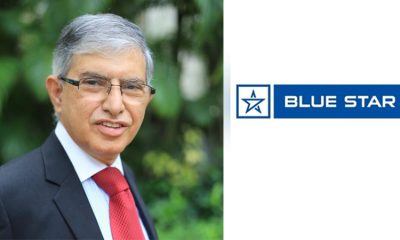

MUMBAI: Blue Star is shaking up its boardroom quietly, decisively, and with an eye firmly on the next phase of growth. One of India’s most recognisable...
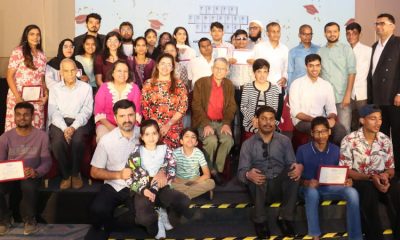

MUMBAI: What began as one woman’s personal transformation has blossomed into a nationwide movement. Tanya Balsara, herself visually impaired, inaugurated her 16th computer training centre in...
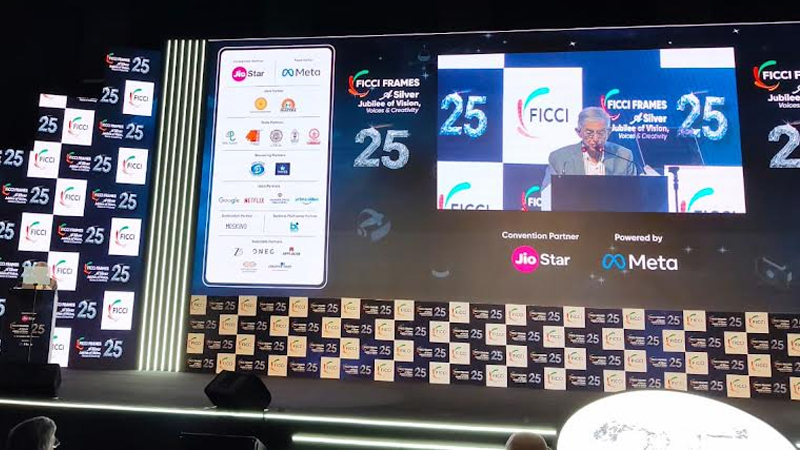
MUMBAI: When the world is scrolling, swiping, and snacking on content, Madison World chairman Sam Balsara reminded marketers at Ficci Frames 2025 that branding remains the...
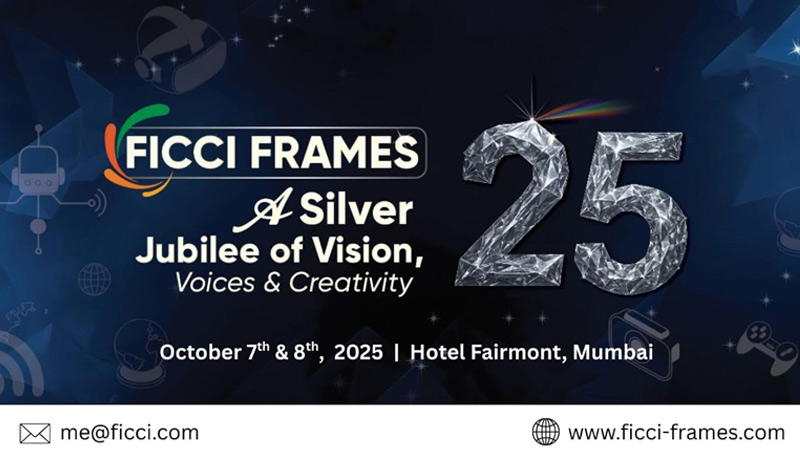
MUMBAI: Lights, camera, silver jubilee! Ficci Frames, Asia’s leading media and entertainment conclave, is rolling out the red carpet for its 25th edition in Mumbai on...

MUMBAI: The Indian media and entertainment business is experiencing something of a convulsion. At the heart of the storm sits television, a medium once considered impregnable,...
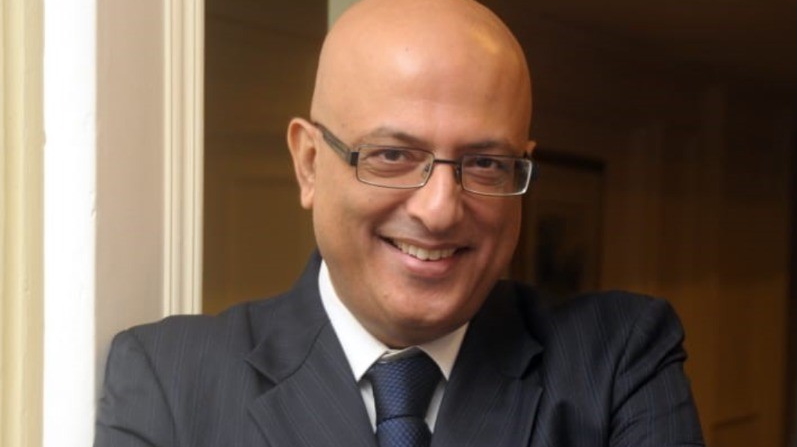
MUMBAI: With Ajit Varghese heading back to Madison Media, this time as partner and group CEO of Madison Media & OOH, questions were being asked about...
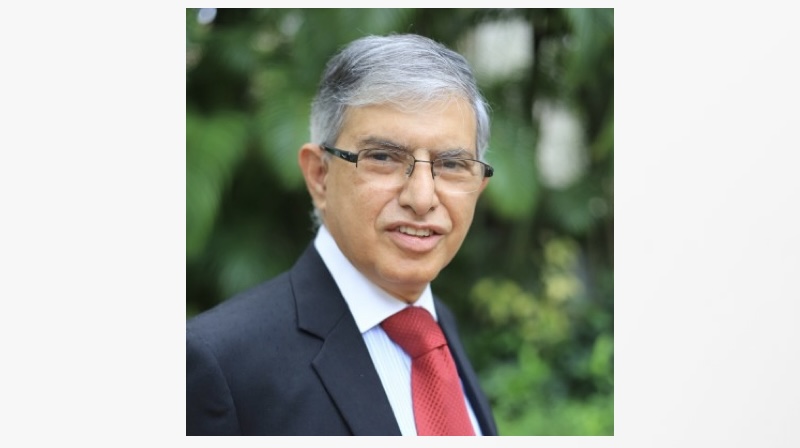
MUMBAI: Publicis Groupe and Havas Network are in separate talks to snap up a majority stake in Madison World, India’s last large independent advertising group, if...
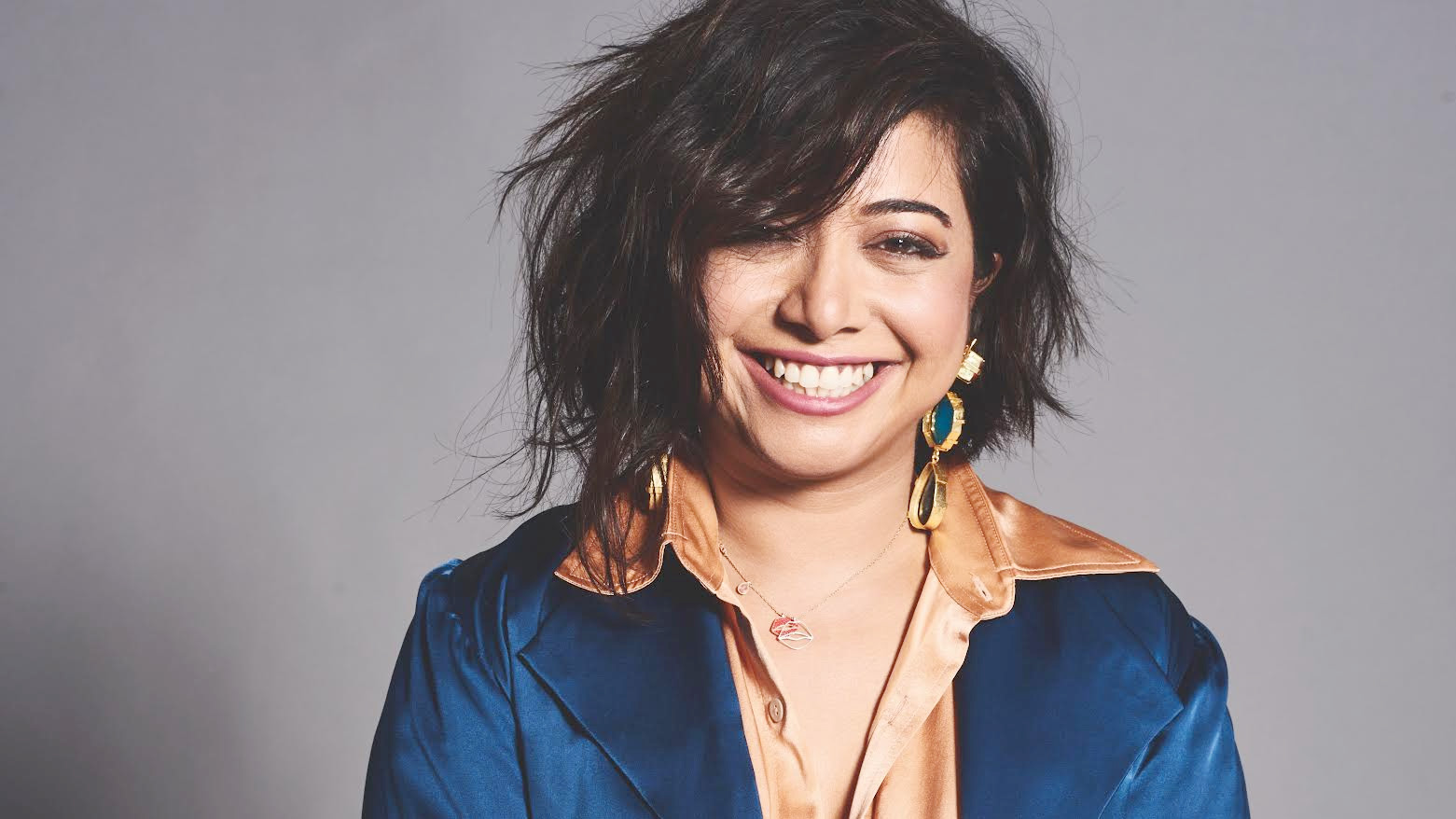
Mumbai: The Advertising Agencies Association of India (AAAI) and the Subhas Ghosal Foundation (SGF) have announced that award-winning independent digital journalist Faye D’Souza will deliver the...

Mumbai: Madison World has announced its recognition as one of the happiest places to work. This certification comes after an extensive Happiness Dialogue involving over 900...
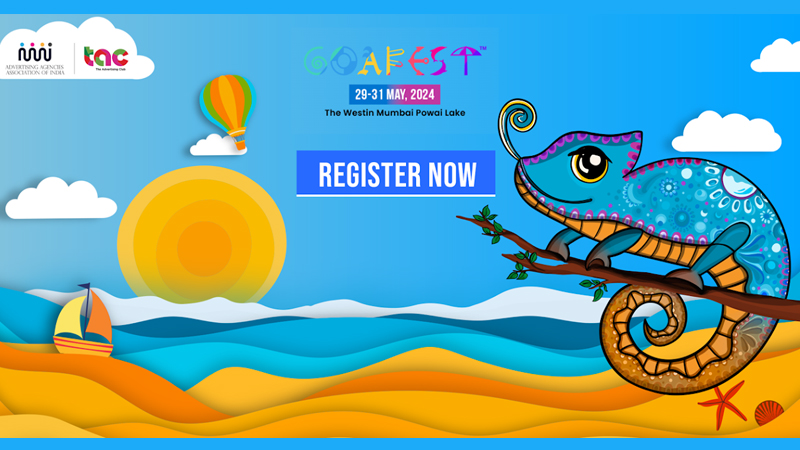
Mumbai: Goafest, the premier festival celebrating creativity and advertising excellence in India, is thrilled to announce the opening of delegate registrations for its highly anticipated event....
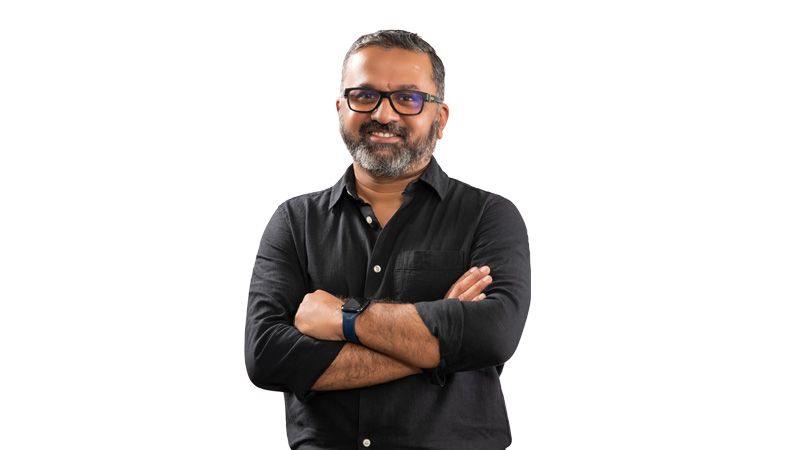
Mumbai: HiveMinds, India’s premier digital marketing agency, part of Madison group, is pleased to announce the appointment of Srinath Kotamaraju as Regional Director, South. An accomplished...

Mumbai: Madison Media is back with its predictions for the advertising industry for 2024. Mr. Shantanu Khosla, Executive Vice Chairman – Crompton Greaves Consumer Electricals Ltd....
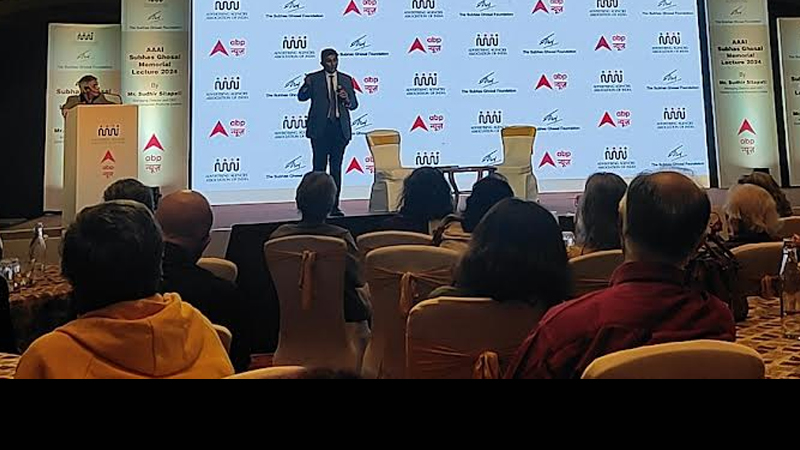
Mumbai: Godrej Consumer Products CEO Sudhir Sitapati’s compelling address took center stage in AAAI’s Subhas Ghosal Memorial Lecture on Thursday. He shared many insights on building...
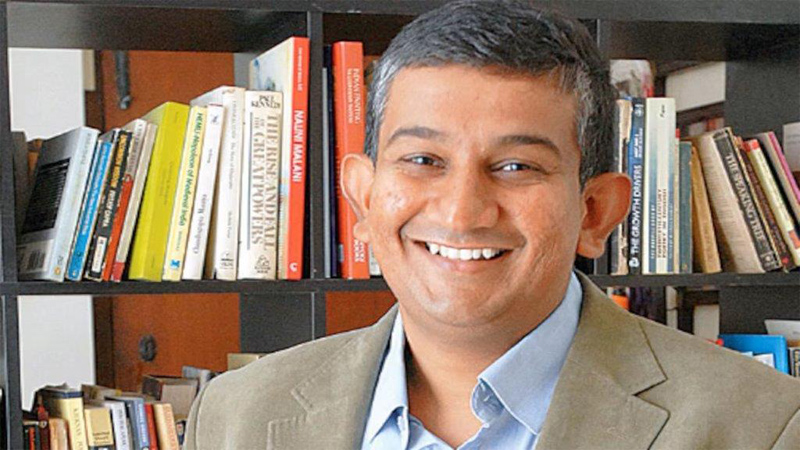
Mumbai: The Advertising Agencies Association of India (AAAI) and the Subhas Ghosal Foundation (SGF) announced that the Subhas Ghosal Memorial Lecture will be delivered this year...
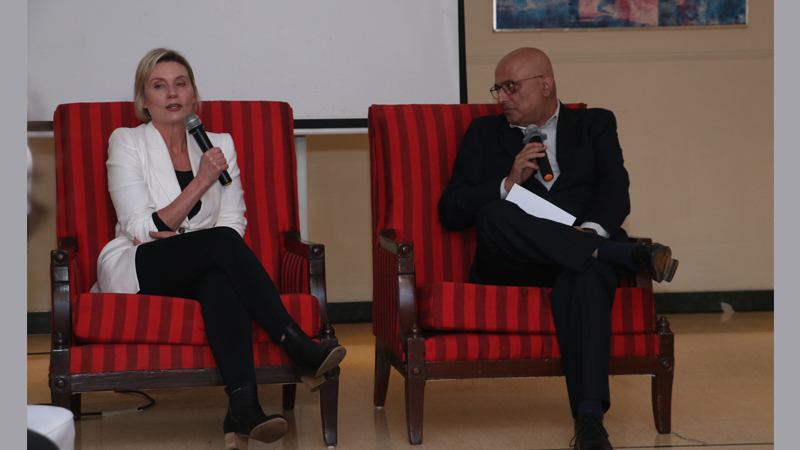
Mumbai: Madison Media recently arranged an exclusive meeting for its clients to hear and discuss with globally acclaimed ‘Queen of Attention Metrics’, Dr Karen Nelson-Field. It...
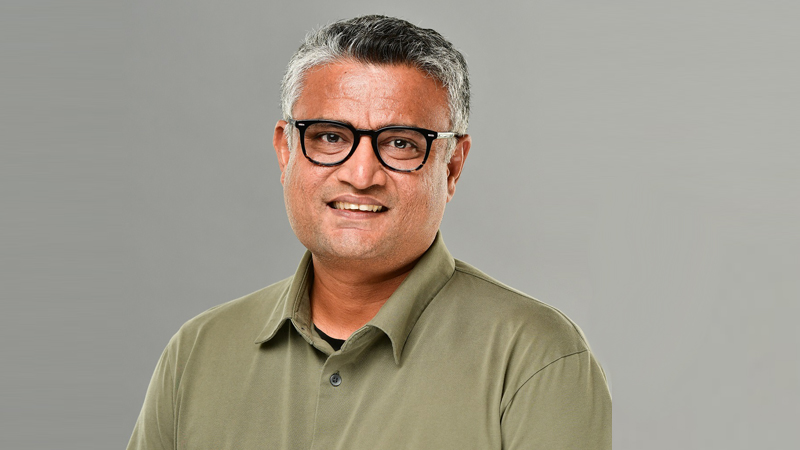
Mumbai: Group M Media (India) Pvt Ltd South Asia Prasanth Kumar, was re-elected as President of the Advertising Agencies Association of India (AAAI) for the year...
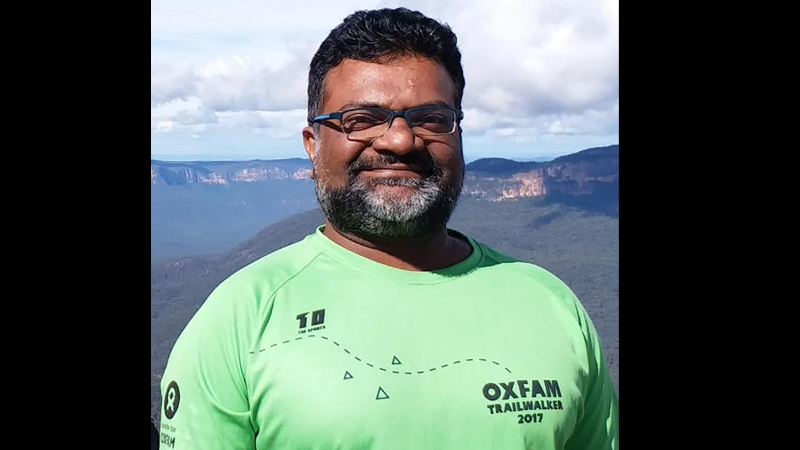
Mumbai: Madison Media, a unit of Madison World is delighted to announce the appointment of Avinash Pillai as Advisor on Team Pinnacle for Godrej Consumer Products...

Mumbai: India’s leading electrical goods company, Polycab India underwent a complete brand refresh, changing the concept from “Polycab – Connection Zindagi Ka” to “Polycab – Ideas....
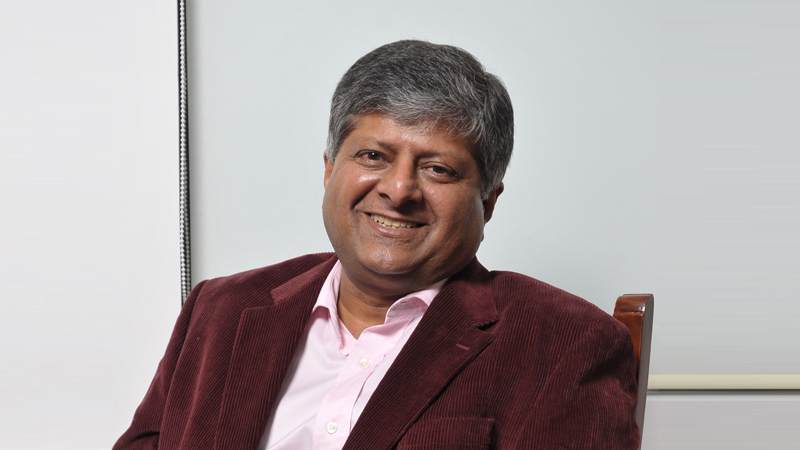
Mumbai: The Advertising Agencies Association of India has announced that the AAAI Lifetime Achievement Award for 2023 will be conferred on advertising veteran Shashi Sinha. This...
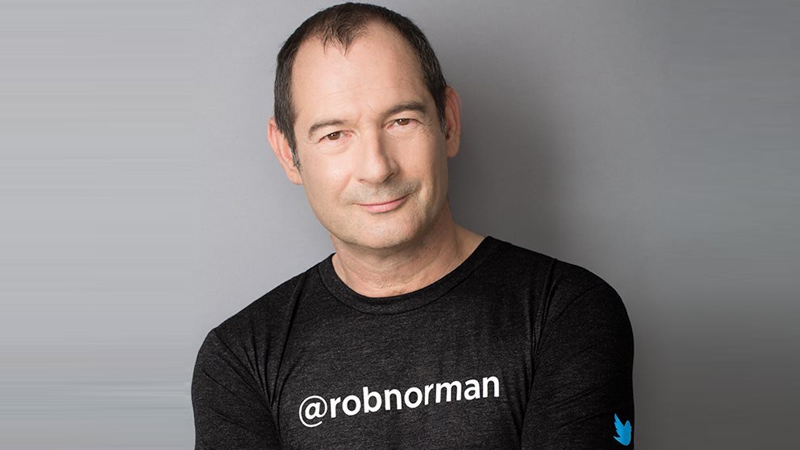
Mumbai: Madison Media is delighted to announce that it has appointed Rob Norman as an advisor to accelerate digital transformation at key clients. Rob has a...
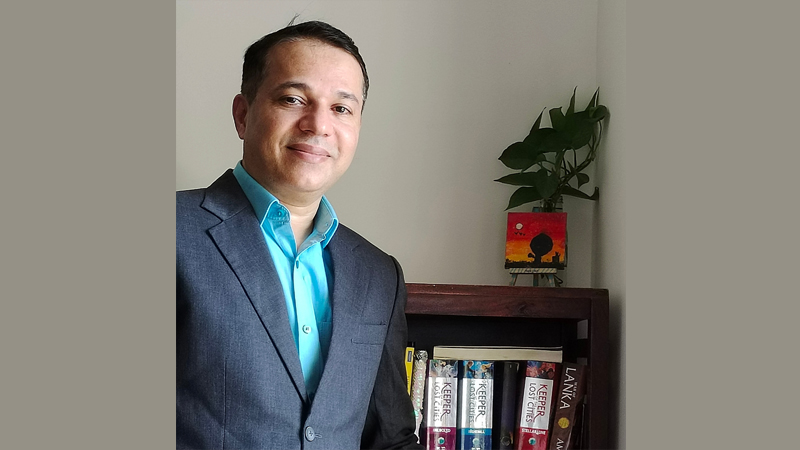
Mumbai: Madison World has appointed Manish Menon as vice president of human resources. He will be based in the agency’s Mumbai office. Throughout his 24-year career,...

Mumbai: WPP announced that it has purchased the remaining 26 per cent stake in MediaCom Communications in India from Sam Balsara and Lara Balsara Vajifdar. According...

MUMBAI: Hiveminds Innovative Market Solutions, a unit of Madison World, has hired Aayush Arora as vice president of client success at Gurgaon. Arora is a digital...
Mumbai: With the countdown begun for the ‘biggest advertising festival’ in the country (to be held 5-7 May), the ad world cannot seem to contain its...
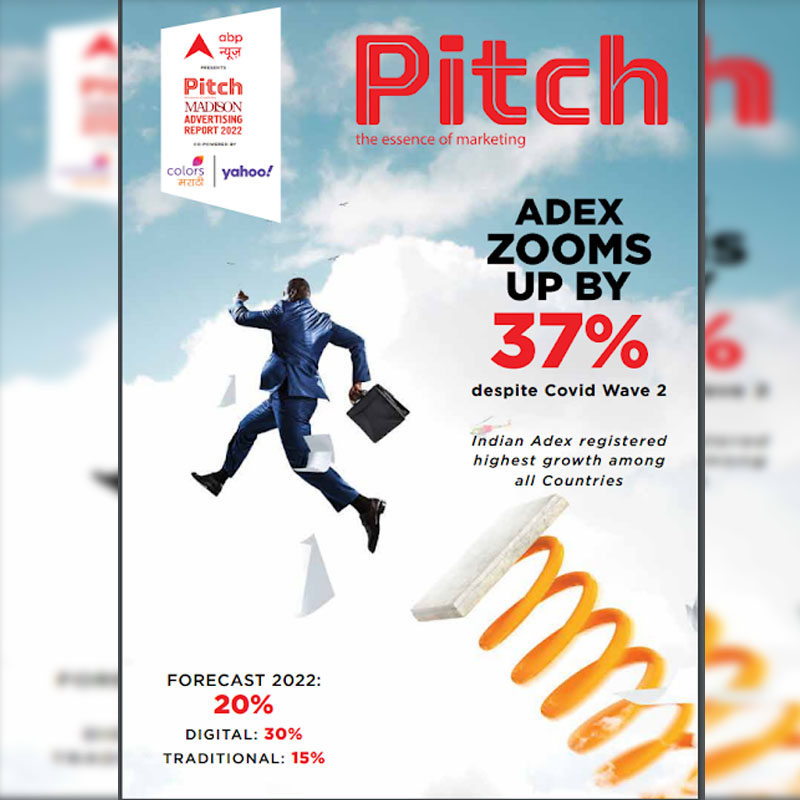
Mumbai: Despite the lingering impacts of the pandemic, advertising expenditure is set to surge by 20 per cent to reach nearly Rs. 90,000 crore, according to...
NEW DELHI: The Mumbai police’s investigation into the alleged TRP manipulation fracas gathered pace over the weekend. If one were to stand outside the central police...
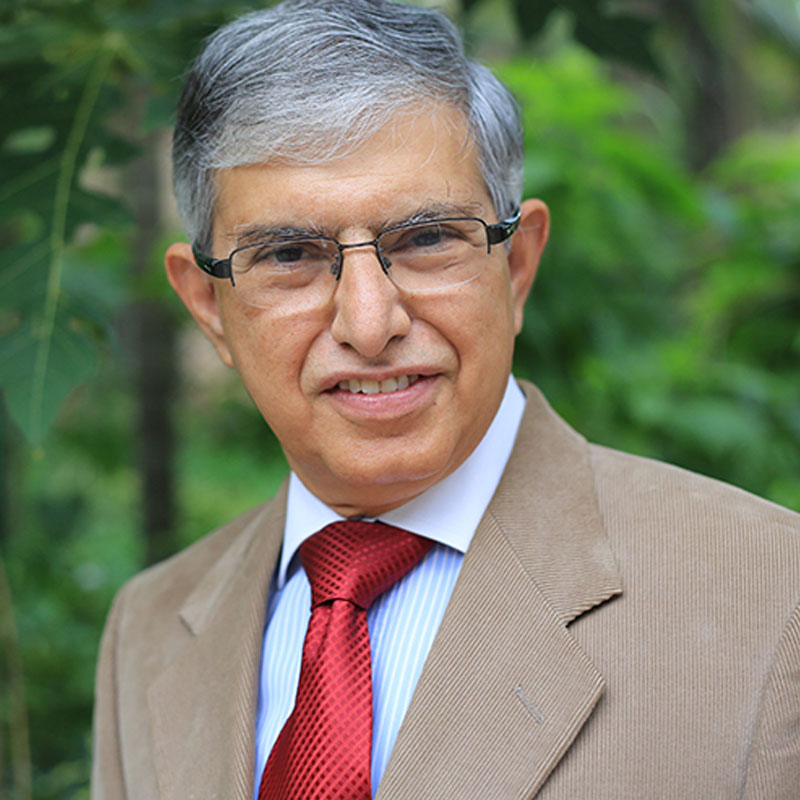
NEW DELHI: Lamenting the lack of support from Indian government, and Madison Communications founder and CMD Sam Balsara demanded a stimulus package for the advertising industry....
MUMBAI: The Pitch Madison Advertising Outlook Report 2019 has revised its forecast for ADEX 2019 downwards, mainly due to a drop in TV Adex in Quarter1,...

MUMBAI: Integrated brand-comm, a Madison Group company, recently hosted the brand-comm Summit 'The Journey from Attention to Trust' in Bengaluru where it was inferred that trust is...

MUMBAI: Madison Media has been appointed as the agency-on-record for Aakash Education Services in Delhi. The agency won the account in a multi agency pitch and...

MUMBAI: Madison Digital has been appointed the digital Agency-on-Record for leading tea brand, Marvel Tea in Delhi. Madison won the business in a multi-agency pitch and...
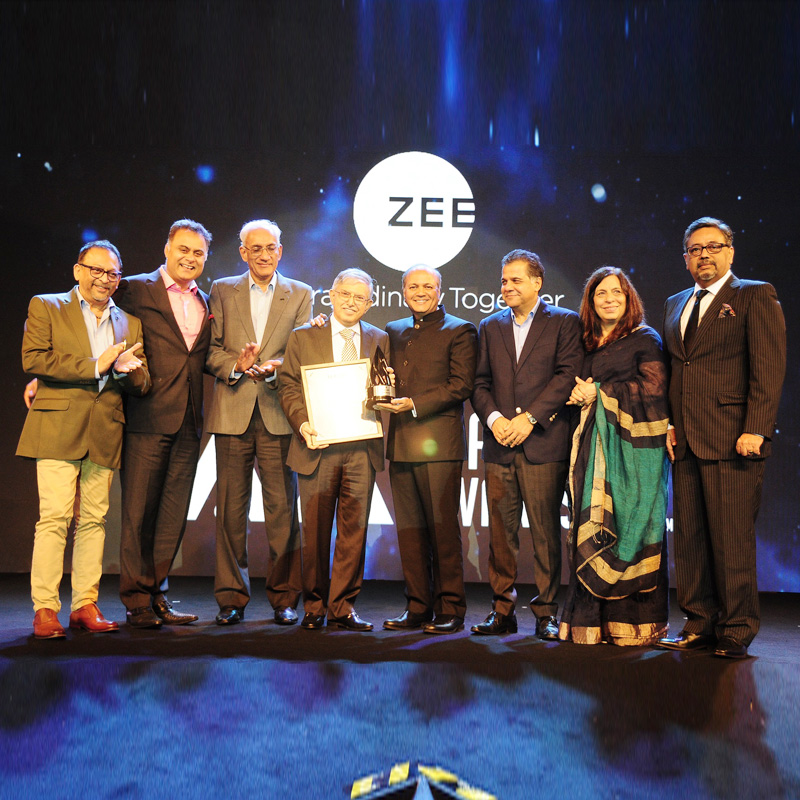
MUMBAI: The International Advertising Association (IAA) organised the sixth edition of IAA Leadership Awards 2018. IAA president Ramesh Narayan said, “A unique power-packed event, we have with...

MUMBAI: Two of India’s creative mentors, in a unique collaboration, have launched an integrated multi-disciplinary talent management firm called Do IT Talent Ventures. Darshana Bhalla and...

MUMBAI: Health and wellness FMCG brand, Sri Sri Tattva has launched its new brand tagline ‘Shuddhta Ka Naam’ at the country’s most exciting tournament of the...
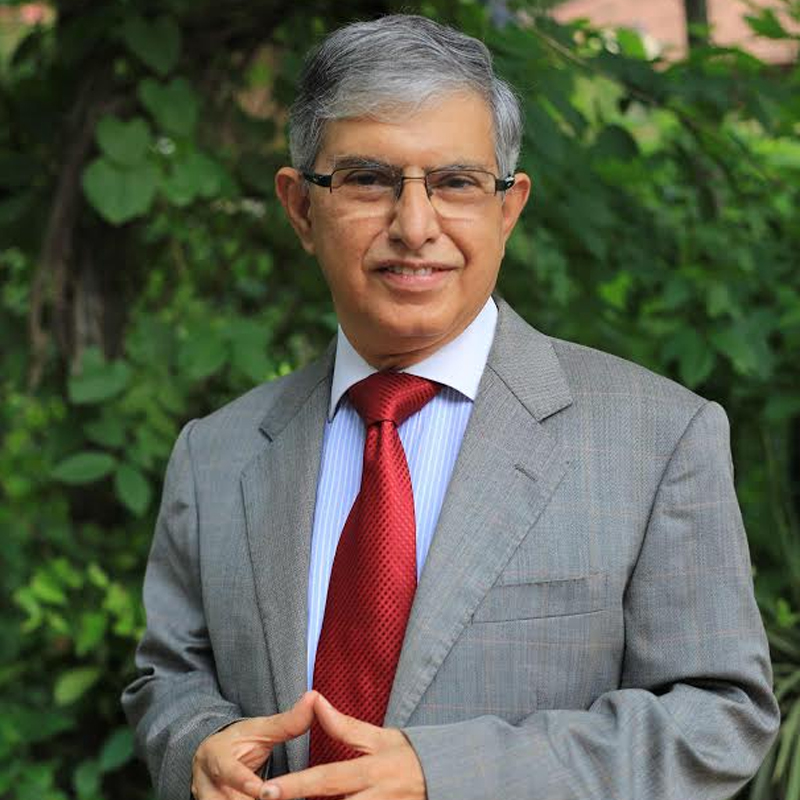
MUMBAI: According to the findings of the 16th Pitch Madison Advertising Report (PMAR) 2018, the advertising market slowed down to 7.4 per cent (Rs 53,138 crore)...
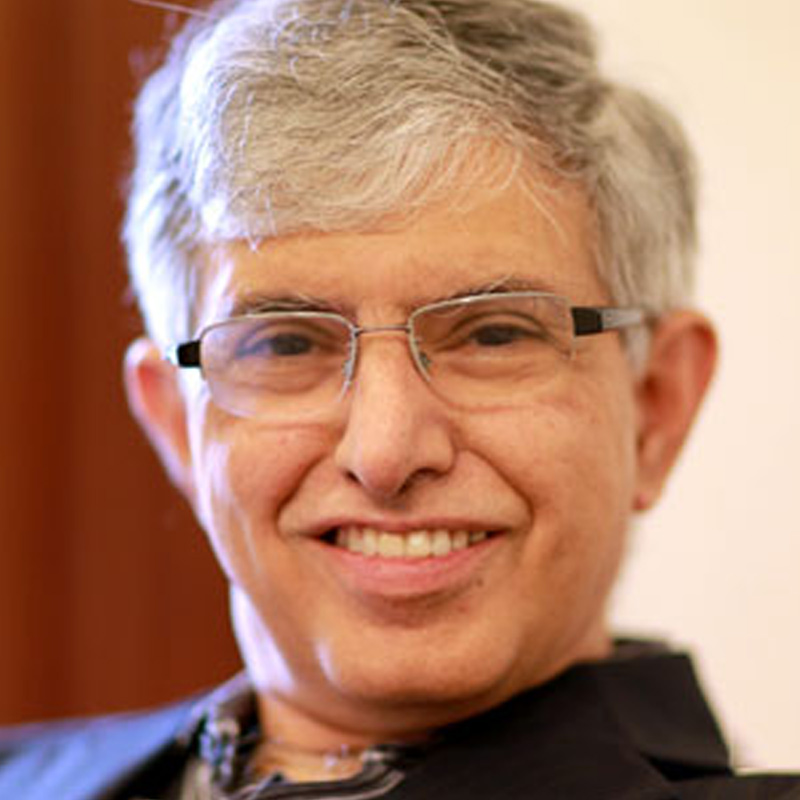
MUMBAI: He is a man of small stature and has a voice that at times breaks into a squeak. But veteran ad man Sam Balsara–who is...
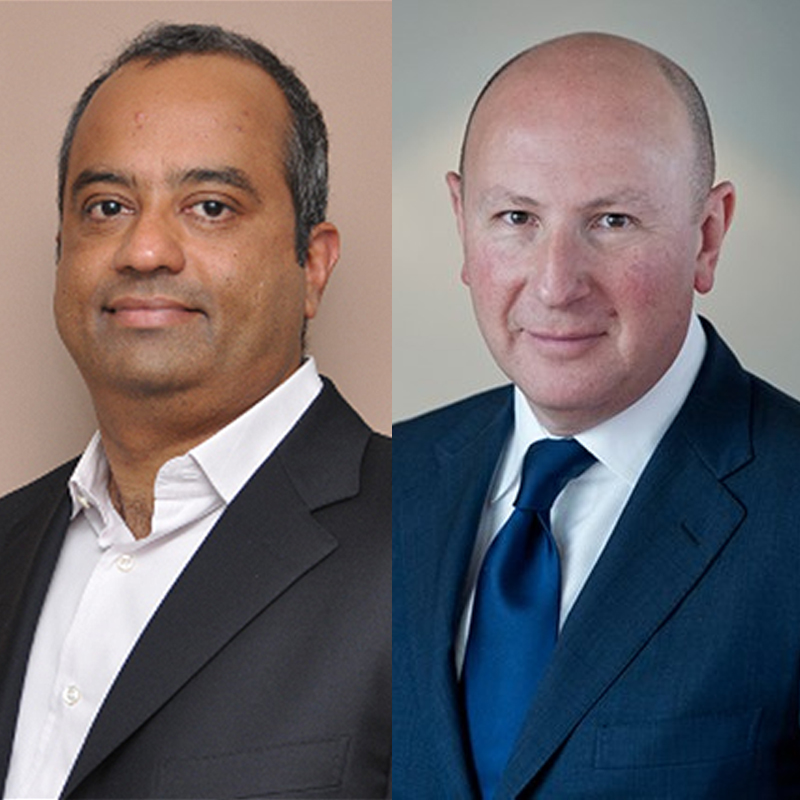
MUMBAI: WPP’s GroupM, the world’s leading global media investment group, yesterday announced it will be acquiring a majority stake in MediaCom India, a joint venture between...
MUMBAI: WPP’s GroupM, the world’s leading global media investment group, yesterday announced it will be acquiring a majority stake in MediaCom India, a joint venture between...
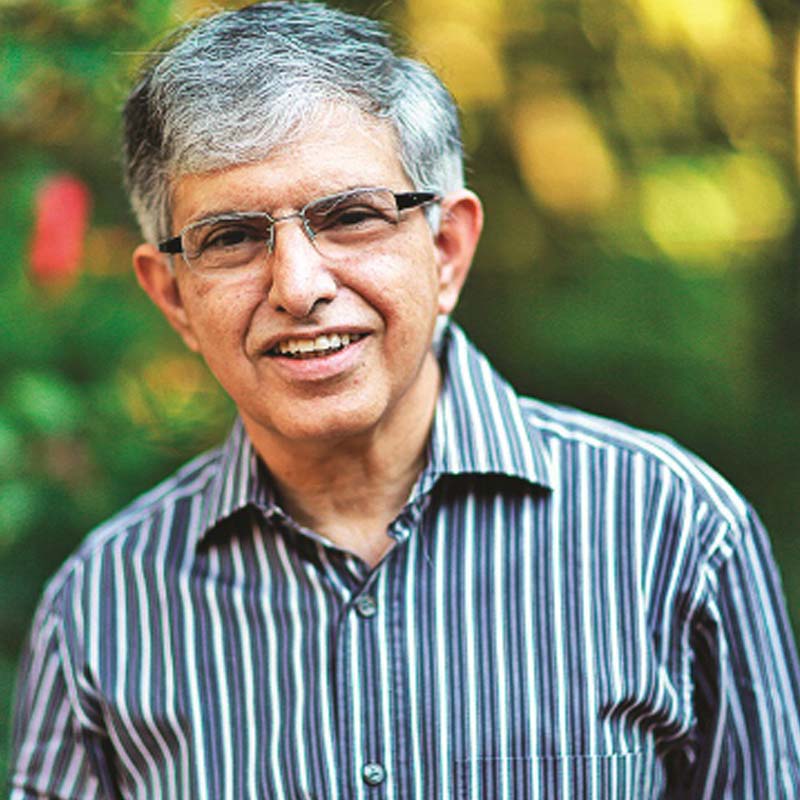
MUMBAI; The Bharatiya Janata Party is once again relying on the Sam Balsara headed Madison Media to handle its media buying during the upcoming state elections...
MUMBAI; The Bharatiya Janata Party is once again relying on the Sam Balsara headed Madison Media to handle its media buying during the upcoming state elections...
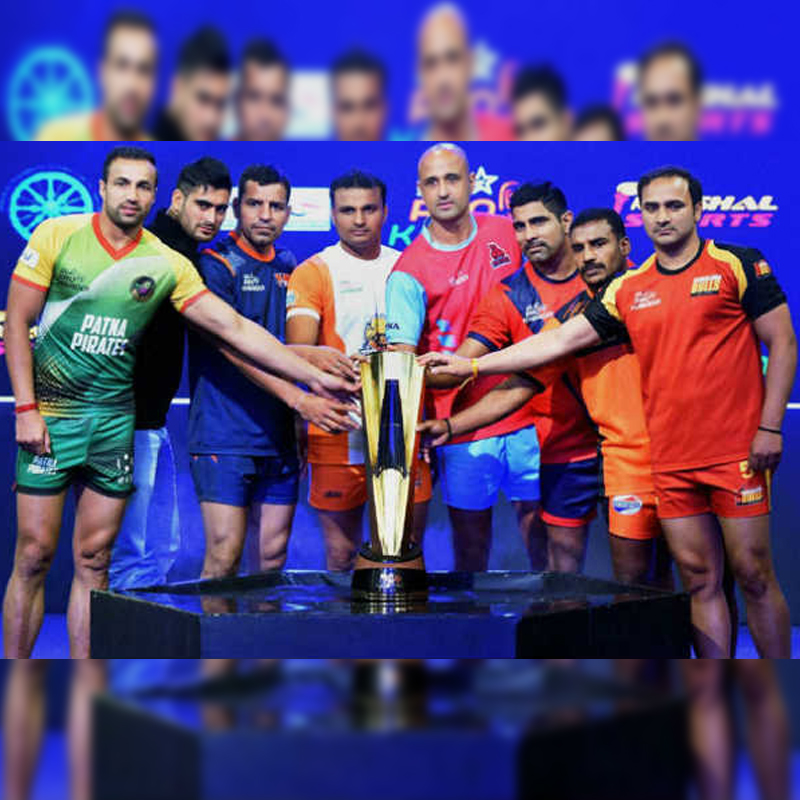
MUMBAI: Profit is not a bad word which the sports ecosystem has awakened to and realised, seemed to be the essence of the discussion at the...
MUMBAI: Profit is not a bad word which the sports ecosystem has awakened to and realised, seemed to be the essence of the discussion at the...

MUMBAI: H1 2016 has not been a good time for the advertising industry – TV specially – according to leading Indian ad agency Madison Media. Against...
MUMBAI: H1 2016 has not been a good time for the advertising industry – TV specially – according to leading Indian ad agency Madison Media. Against...

MUMBAI: Prabha Prabhu, Founder Member, Madison, who moved with Sam Balsara when he started Madison way back in 1988 has decided to retire after 28 years...
MUMBAI: Prabha Prabhu, Founder Member, Madison, who moved with Sam Balsara when he started Madison way back in 1988 has decided to retire after 28 years...

MUMBAI: The 4th edition of IAA Leadership Awards was a glorious affair where the who’s who of the marketing, advertising and media industry got together to...
MUMBAI: The 4th edition of IAA Leadership Awards was a glorious affair where the who’s who of the marketing, advertising and media industry got together to...

MUMBAI: After three editions, the International Advertising Association’s (IAA) has launched the fourth edition of the IAA Leadership Awards. The awards recognise individuals and teams across...
MUMBAI: After three editions, the International Advertising Association’s (IAA) has launched the fourth edition of the IAA Leadership Awards. The awards recognise individuals and teams across...


