Tag: Rupert Murdoch

  • Lachlan Murdoch crowned as siblings take billion-dollar bow

    Lachlan Murdoch crowned as siblings take billion-dollar bow

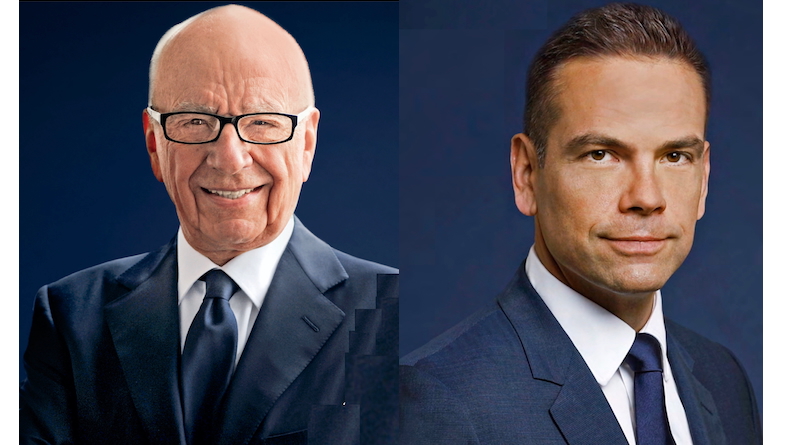
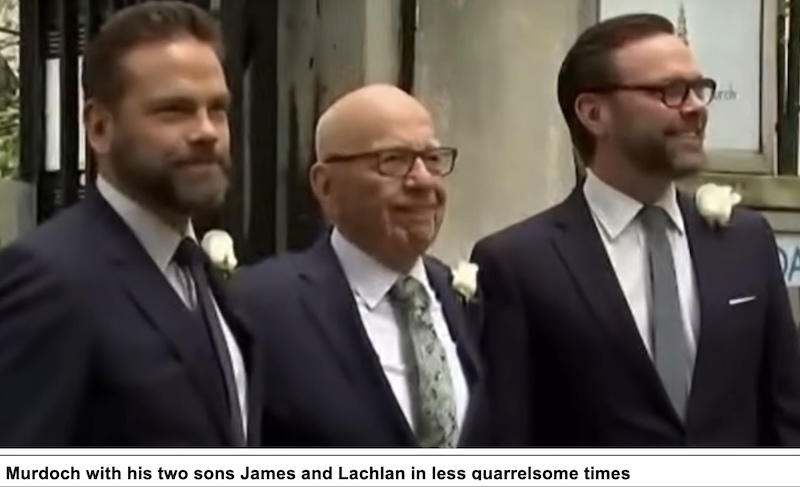
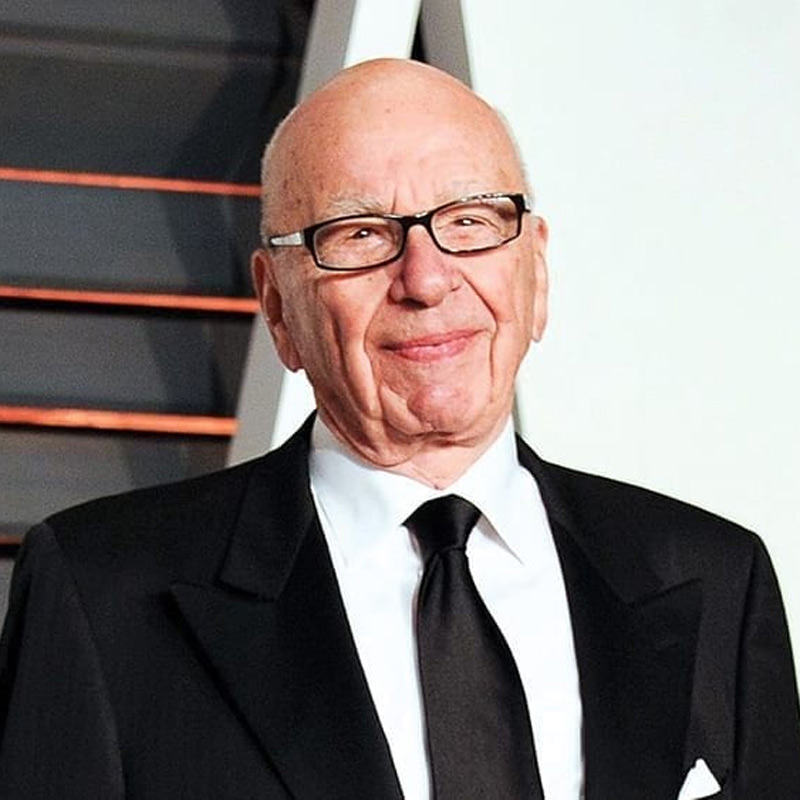
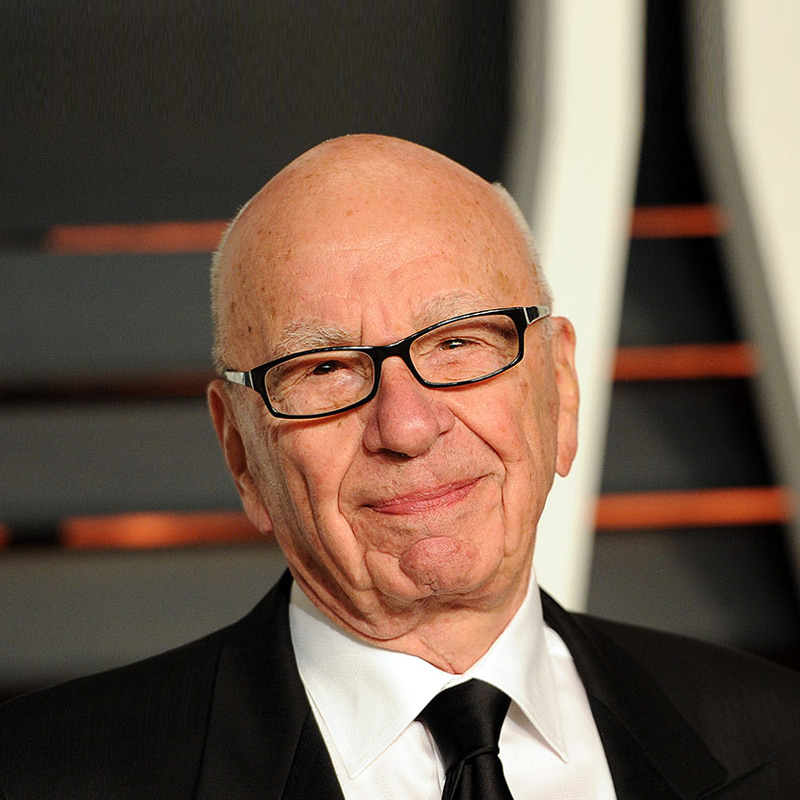
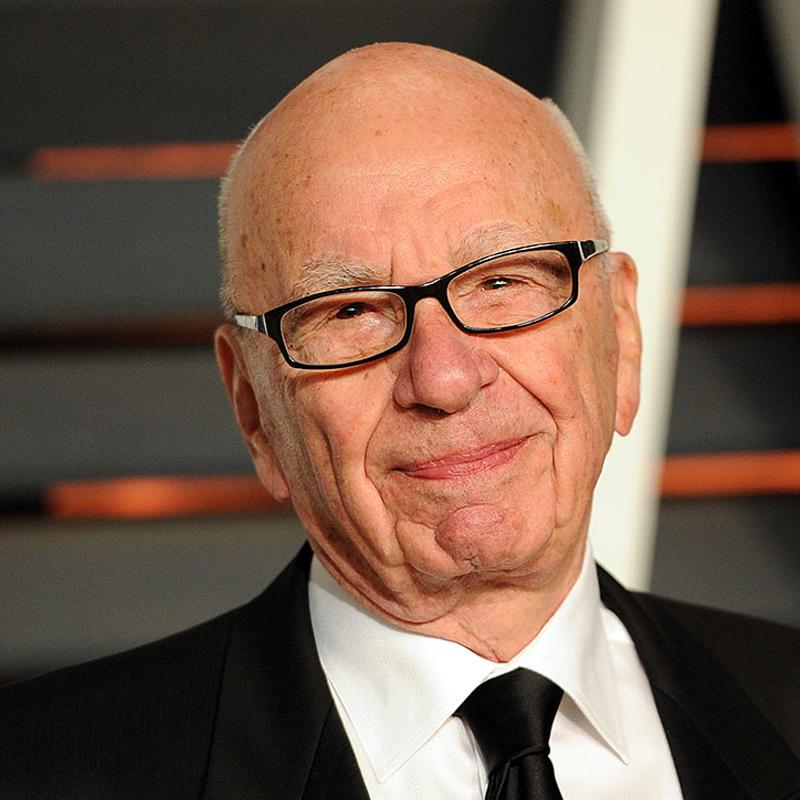
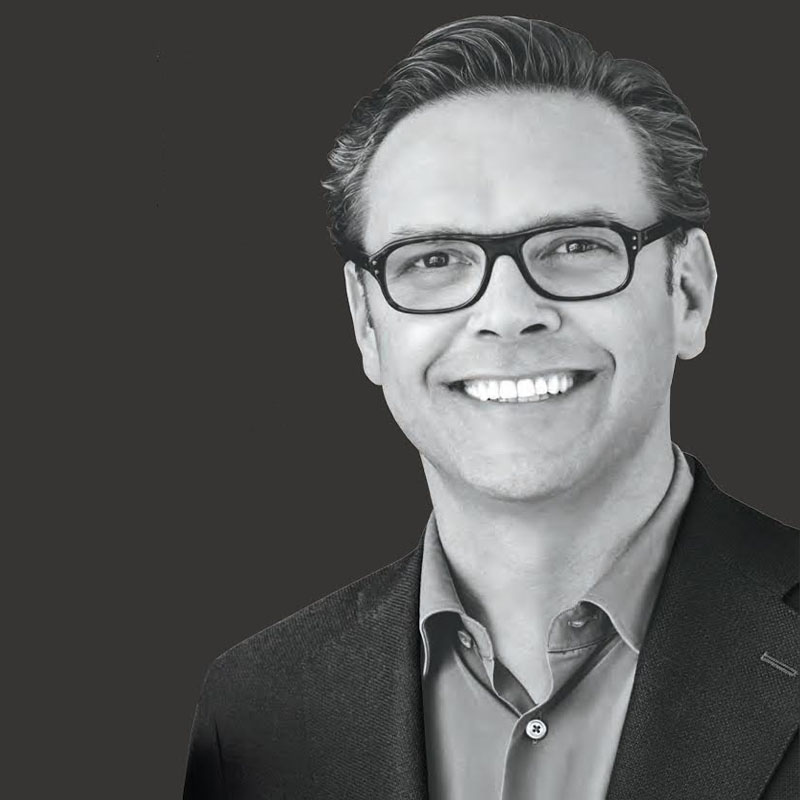
    MUMBAI: The Murdoch family succession drama has finally reached its climax. Lachlan Murdoch, Rupert’s favoured son and ideological ally, has emerged with undisputed control of Fox Corp and News Corp after a protracted courtroom battle in Nevada. The denouement sees three siblings—Prudence MacLeod, Elisabeth Murdoch and James Murdoch—cut out of the empire altogether, each walking away with a billion-dollar payday.

    The companies announced on Monday that all litigation over the Murdoch Family Trust had been terminated. New trusts will be created for Lachlan and his half-sisters Grace and Chloe, with their combined holdings pooled into a new vehicle, LGC Holdco. That entity will command about 36.2 per cent of Fox’s Class B voting shares and 33.1 per cent of News Corp’s Class B stock. Crucially, sole voting power sits with Lachlan as managing director. The arrangement runs until 2050, effectively locking in his control for a generation. Rupert, 94, retains the honorary role of chairman emeritus.

    The three departing heirs are not just sidelined—they are barred from returning. Their buyouts, partly funded by the sale of 16.9 million Fox and 14.2 million News Corp shares previously held by the trust, will be followed by the disposal of their remaining token stakes. A long-term standstill agreement ensures they, or their affiliates, cannot repurchase stock or interfere with the companies. Within six months, they will be gone in every sense: no shares, no votes, no say.

    The outcome caps years of intrigue. James Murdoch, increasingly estranged from the empire, has openly backed Democrats and liberal causes. Elisabeth, once seen as a rival for the top job, nurtured her own ambitions in television. Prudence, though less visible, was part of the bloc resisting Rupert’s 2023 bid to rewrite the trust in Lachlan’s favour. That manoeuvre was struck down by a Nevada court last winter, which found Rupert, Lachlan and their advisers had acted in “bad faith.” The ruling forced negotiations that culminated in this week’s truce.

    For Rupert, the settlement is as much about politics as power. By engineering billion-dollar exits for his dissenting heirs, he has secured not only Lachlan’s throne but also the conservative orientation of his media empire, anchored by Fox News. The prospect of a posthumous coup—James and Elisabeth uniting to steer the company leftward—has been neutralised.

    Fox’s board endorsed the outcome, calling Lachlan’s leadership “important to guiding the company’s strategy and success.” Investors may also breathe easier: the messy trust fight, which threatened to destabilise one of the world’s most influential media conglomerates, has been neatly resolved.

    It is an ending with all the hallmarks of the Murdoch mythos: courtroom secrecy in Reno, billion-dollar pay-offs, siblings sidelined, and one heir enthroned. Rupert, the ultimate showman, has once again scripted the finale to his family saga—leaving Lachlan in command until mid-century.

  • Murdoch loses family trust case in Nevada

    Murdoch loses family trust case in Nevada

    MUMBAI: This is one battle he lost but he says he intends to fight it. 93 year old media baron Rupert Murdoch is one tough guy. Even at his age.

    He wanted to change the family trust, which gave his  four children equal voting rights to his empire, so that control would vest in his eldest son Lachlan’s hands who shared his right wing political beliefs. But he lost the case over the weekend when a Reno-Nevada probate commissioner  ruled against him and said he was acting in bad faith, when he tried to change the terms of the irrevocable trust and leave Lachlan in charge. 

    Murdoch owns 40 per cent of the voting stock in both Fox Corp and News Corp through the trust.  Upon his death James, Elisabeth , Lachlan and Prudence were to share control  of the trust equally. But the old man  wanted to change the terms of the trust  and put Lachlan, the CEO of Fox and chairman of News Corp  fully in charge upon his death. This was something his other children were not inclined to.

    Hence, they took their father to court in Nevada which was a probate court and was not open to the public. Earlier, a probate commissioner had told Murdoch senior that he could change the terms if what he was attempting to do was in good faith and in the best interests of his heirs. Murdoch senior had argued that were his other three children – Prudence, James and Elisabeth – to have voting power, they  would lean towards making his news outlets moderate which would harm their prospects as it would alienate the hard right wingers who supported it. 

    But the trio did not buy into this as they felt they would be left out and took their father and brother to court in Nevada. A case they won, following which they are now saying they would like mend and heal family relationships. 

    However, the family feud does not seem to have ended as the elder Murdoch said he was going to appeal against the probate commissioner’s decision.

  • Uday Shankar & what’s driving the Star-Disney-Viacom18 merger

    Uday Shankar & what’s driving the Star-Disney-Viacom18 merger

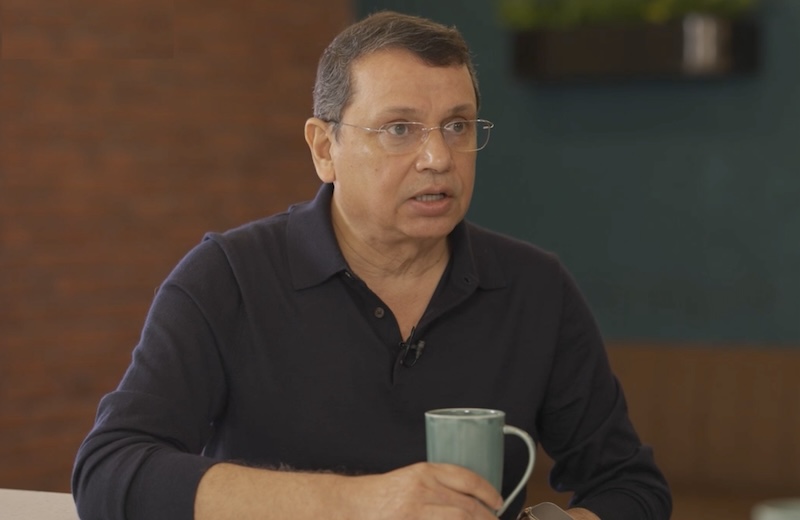
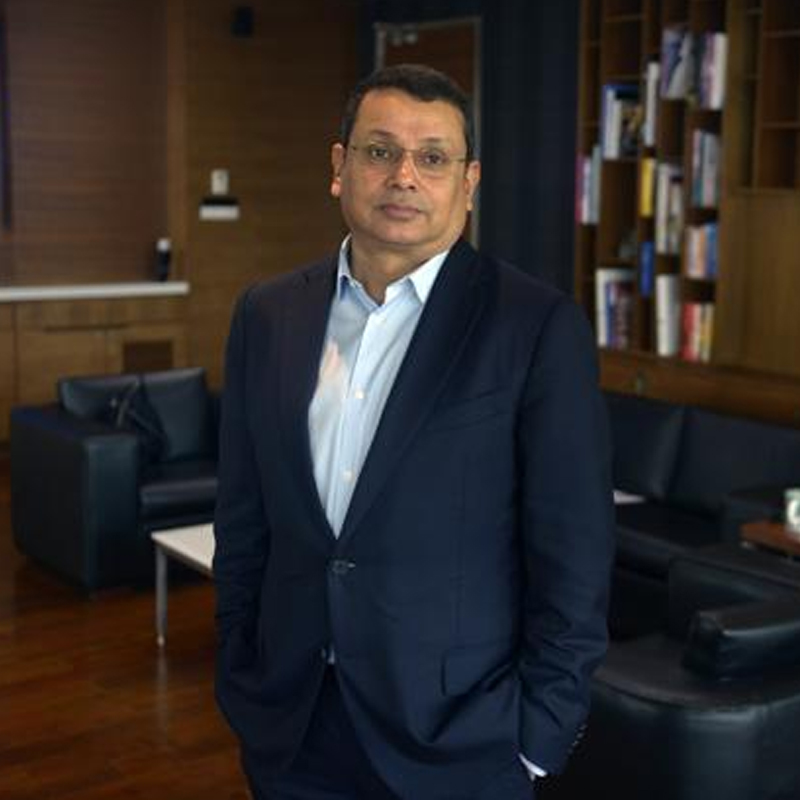
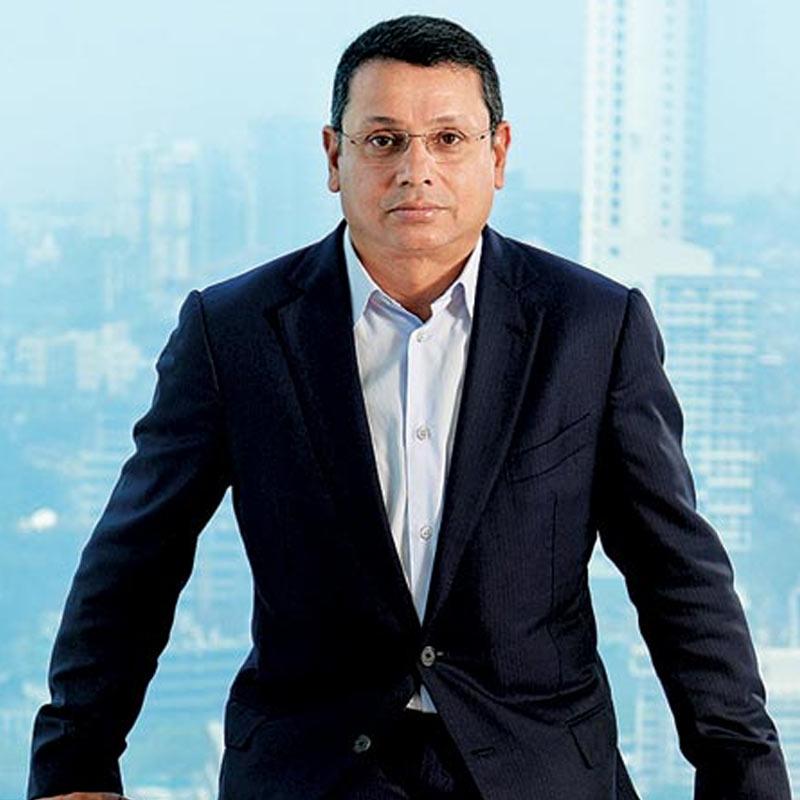
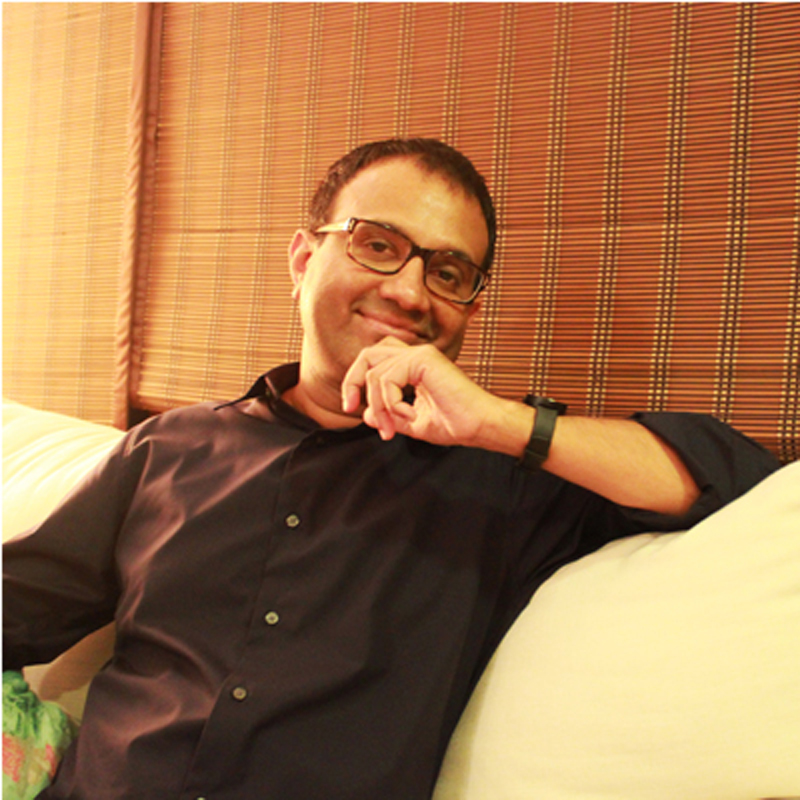
    MUMBAI: Uday Shankar has been lying low for quite a while, avoiding mixing and sharing his wisdom with journalists – a breed from which he emerged  – as he goes about reshaping a new media and entertainment powerhouse coming out of the merger of Disney Star with Reliance Industries’ Viacom18. 

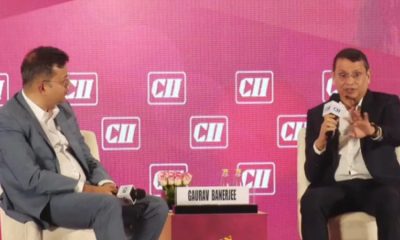
    But the incoming vice-chair took some time out to speak to McKinsey.com. Speaking to the consulting firm’s insights section online, Uday, highlighted what drove the merger.

    “..India is one of the few markets where television still has reasonably good health, within that, a lot of it is changing. Connected TVs and handheld devices have become very substantial and mainstream,” he said. “You’re competing with global players: Google and Meta. Most of digital-advertising revenue goes to these two companies. So you need to pivot; you need to create a business. We saw an opportunity to leverage our inherent strengths and make that strategic pivot. That’s the primary rationale for the merger.”

    He added that the streaming business also requires innovation and disruption with AVoD and SVoD models having limited revenue potential in India. 

    “While there are a lot of people today who are willing to pay for content and who are interesting or important to advertisers, there are also a lot of people who are not relevant for either of these models,” explained Uday. “You need to create unique or native monetisation models to create value from that base. Whoever manages to create new revenue streams definitely has an advantage. So I think all these opportunities exist.”

    Uday then went on to say he’s learnt from every leader he has worked with, from Rupert, James, Lachlan and Mukesh Ambani who he currently continues to work closely with. 

    “The first thing is they’re all very clear about why they’re doing what they’re doing—and that clarity is very helpful,” he elucidated “They all play to win. And they all have a high threshold for failure. They’re patient, and they’re not willing to give up. And then, they all work on trust. They all take their bets on people. And once they trust people, they’re willing to back them up. And I learned that myself. I take my bets on people; I trust them once they earn my trust. And I back them up.”

    To read the full interview logon to 
    https://www.mckinsey.com/industries/technology-media-and-telecommunications/our-insights/uday-shankar-on-indias-media-and-entertainment-evolution#/

    Picture courtesy: McKinsey.com’s video interview with Uday Shankar
     

  • Rathikant Basu: A bureaucrat who pushed boundaries

    Rathikant Basu: A bureaucrat who pushed boundaries

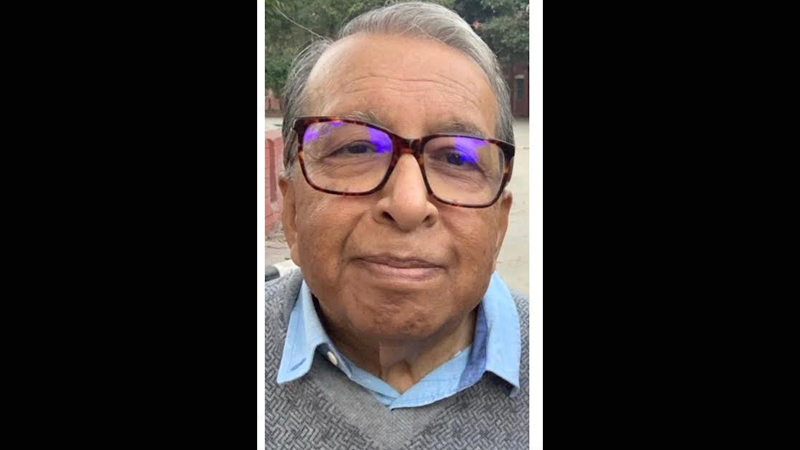
    Mumbai: He loved the high life. A career bureaucrat from the Indian Administrative Services, Rathikant Basu, shifted from the civil services to a private sector corporate job as head of Star TV India (yes, the same Disney Star TV India which has today been subsumed in the Big A’s Reliance Industries) in the late nineties.

    He had impressed Rupert Murdoch (who was then the owner of Star TV India) with the work he had done for Doordarshan when he, along with information and broadcasting secretary Bhaskar Ghose, privatised the news bulletins on the state-owned channel by handing production to the Prannoy Roy-owned NDTV.

    Additionally, he had also faced the influx of private general entertainment channels, Zee TV, Sony Entertainment, ATN, Star Plus (a hotch-potch of Chinese language and international programmes) -head on in the early and mid-nineties.

    He injected freshness into DD programming by inviting private producers to churn out popular shows on its buzzing with entertainment spinoff called DD Metro. This was at a time when Zee TV had revolutionized TV consumption with its dose of Anchor Ek Minute, Saregama, Antakshari, shows which struck a chord with starved-for-entertainment Indian viewers.

    Suddenly, DD which seemed to be losing its hold on the media planner and buyer trade, got it back, thanks to the spurt in ratings.

    And that is what had enamored Murdoch about Mr Basu – as he addressed him – and he hired him as the CEO. Former Star TV India CEO Peter Mukerjea had a moniker for him – he simply called him Rodney. Says he in his book Star Struck – Confessions of a TV executive: “..it was a friendlier and more informal way of referring to him than Mr Basu, which sounded very much more like a school headmaster. .He himself was an excellent thinker, super bright and also exceptionally amiable – clearly a highly talented individual.”

    Peter then talks about Mr Basu’s sojourn at Star India when the latter thankfully failed in his bid to transform its biz model to a slot-fee-air time model just like DD used to operate. He then talks about other failed forays of Star India into the DTH business with the government getting wind of it and disallowing it without it jumping through regulatory hoops. Basu’s attempt at localizing the foreign and English language shows like Baywatch, The Bold and the Beautiful into Hindi led to Star Plus becoming a laughing stock. His efforts at playing out reruns of shows such as Chandrakanta and Saans also flopped miserably. And led to confusion amongst advertisers who deserted it.

    What he was certainly successful at, was in the setting up of the lobbying group the Indian Broadcasting Foundation (IBF), which he did as a knee jerk reaction to the government raising the red flag on the Star India DTH service ISkyB. He also did a great job in launching the first private satellite news channel in India under the brand Star News in partnership with Prannoy Roy’s NDTV, with whom he had a prior and also good working relationship since his days at DD

    The confusion about Star Plus’ identity and Basu’s hiring of former government personnel led to a period of some chaos in amongst content producers and advertisers which then forced Murdoch’s hand and led to his being elevated as non-executive chairman with Peter becoming CEO.

    What also worked against Mr Basu as CEO of Star TV India was some envy from his peers in government service who saw him as a turncoat, thus retarding the network’s progress in India. 

    Not one to be put down, Basu,  after the completion of his contract at Star India launched channels under the brand Tara (a takeoff on Star India), which he continued to run for more than a decade and a half. Not very profitably. But ran them he did. Until he discovered he was suffering from Alzheimer’s Disease.

    Basu, on his part, also knew how to give back. He had kindly consented to be on indiantelevision.com’s The Indian Telly Awards jury for at least a couple of years. Far from being just a serious former bureaucrat, he cracked a few jokes and he chortled. Yes, he did – an antithesis to the strict and sombre exterior he normally presented to the media. 

    The industry veteran passed away on 17 March 2024, following a harrowing descent while grappling with the mind-robbing ailment. He was just nine days short of completing his eighty-second birthday.

    Says Peter in his book: “Rodney was never a bad chap, on the contrary he was rather fun to be with. Alongside his intelligence, I admired so many aspects of his admittedly quirky personality. As a boss, he had always been very civil with me and I, in turn, gave him due regard and respect. There was no doubt in my mind he was a gentleman.” 

    May the gentleman RIP.

  • Rupert Murdoch to merge Fox Corp and News Corp?

    Rupert Murdoch to merge Fox Corp and News Corp?

    Mumbai : Media baron, Rupert Murdoch has begun the process of reuniting his media empire, according to News Corp and Fox Corp, which announced on Friday that they would consider combining at his request, nearly a decade after the companies split.

    Both have formed special committees to review potential merger proposals, they said.

    If the merger goes through, Murdoch will have more control over his media assets and the companies will be able to cut costs. Media companies are competing with deep-pocketed social media and content websites for users’ attention while experiencing decades-low growth in advertising sales.

    After years of global expansion, Murdoch split his empire in 2013, putting the print business under the newly formed public entity News Corp and the TV and entertainment business under 21st Century Fox.

    Murdoch stated at the time that his vast media holdings had become “increasingly complex,” and that a new structure would make operations easier. The separation also protected Fox’s entertainment assets from any potential financial consequences of a phone hacking scandal involving the media conglomerate’s now-defunct News of the World publication in the United Kingdom.

    According to a person familiar with the decision-making process at the time, the thinking was that separating the companies would ultimately generate value for shareholders. In 2019, Fox sold the majority of its film and television assets to Walt Disney Co for $71 billion.

    According to Wall Street analysts, the sale focused Fox on live events such as news and sports rather than “disruptive” scripted entertainment content on streaming platforms. The major streaming services, on the other hand, have begun to breach the protective moat. Apple Inc. and Amazon.com Inc, two tech behemoths with deep pockets, have begun bidding for sports rights, securing the rights to stream major league baseball, soccer, and football games.

    Fox recently renewed a long-term contract with the NFL to continue broadcasting Sunday afternoon games, but gave up Thursday Night Football to Amazon. According to a person familiar with the proposal, reuniting Fox and News Corp would give the combined companies greater scale to compete and complement their assets. The combined companies would generate approximately $24 billion in revenue.

    Murdoch, currently owns nearly all of the stock in both companies. Lachlan Murdoch is the chairman and CEO of Fox Corporation. Companies that use such arrangements typically require subsequent mergers to be approved by a majority of shareholders who are not related to the controlling shareholder, though it is unclear whether this will be the case in this case.

    According to Refinitiv, as of Friday’s market close, News Corp. had a market cap of $9.31 billion and Fox Corp. had a market cap of $16.84 billion. In after-hours trading, News Corp shares rose 5 per cent , while Fox rose about 1 per cent.

  • Rupert Murdoch & partner of six years Jerry Hall to get divorce

    Rupert Murdoch & partner of six years Jerry Hall to get divorce

    Mumbai: Media mogul Rupert Murdoch and his wife of six years former actress-supermodel Jerry Hall are getting a divorce.

    As per reports, the separation is unlikely to alter the ownership structure of businesses Murdoch holds a stake in, which include parent company Fox News and The Wall Street Journal. Murdoch is worth an estimated $17 billion, according to Forbes.

    Murdoch, 91, married Hall, 65, in March 2016 in London. This is his fourth divorce.

    Murdoch maintained a powerful role in politics and the media after selling the majority of his corporation to Disney for $71 billion in 2019. The two men’s relationship further suffered after Murdoch’s Fox News predicted that Trump lost Arizona, an election call that came before other news organisations followed. He was a frequent unofficial adviser to the former president Donald Trump, though he distanced himself from Trump leading up to the 2020 election.

  • K Madhavan: From God’s own country to leading Walt Disney’s Indian mousehouse

    K Madhavan: From God’s own country to leading Walt Disney’s Indian mousehouse

    MUMBAI: When The Walt Disney Co international operations and direct-to-consumer chairman Rebecca Campbell was scouting for an executive to fill the big shoes of former Star India, Disney India and APAC head Uday Shankar, she did not have to look far. Though the announcement took some time a-coming, K Madhavan, country manager of Star & Disney India, was the obvious choice. As the overseer of the media conglomerate’s television and studios business in India, Madhavan had worked closely with Uday, until the latter departed in late 2020 to concentrate on an entrepreneurial venture with his former boss James Murdoch.

    An unassuming executive from Kerala, K Madhavan is known to be a hard core numbers man with an extremely razor sharp financial mind. He did well in academia as well; he holds a post graduate degree in commerce, and is a certified associate of the Indian Institute of Bankers. He cut his teeth as an investment banker, when he was roped in as a director to help turn around ailing Malayalam network Asianet in 1999. Within a year, he fortified his position and was elevated to MD & CEO of Asianet Communications.

    His keen understanding of what Malayalam viewers want to watch facilitated the growth of Asianet’s viewership and made it the favourite of those who live in God’s own country. The network was turned around and it soon became a dominant player in Kerala. He did this even as ownership of the network changed hands, more than once – from promoter Reji Menon to the-then BPL and now BJP top shot and venture financier Rajeev Chandrasekhar. In fact, K Madhavan, ended up owning a tidy piece of it as well, as he grew the network’s footprint in Kannada in concert with Chandrashekar as chairman.  

    Until, of course, it landed in the hands of News Corp supremo Rupert Murdoch’s Star TV in 2008. Star acquired a majority stake in Asianet’s general entertainment channels (separated from the news business) for a handsome $235 million and an assumption of $20 million in debt. Madhavan pocketed a neat sum for his efforts even as he was appointed as Star India’s south head in 2009.

    From thereon, there was no looking back. When Star India took control of Asianet, its portfolio consisted of Asianet and Asianet Plus (Malayalam GECs), Asianet Suvarna (a Kannada GEC) and Telugu channel Sitara. To that was added Star Vijay from the Star India network. Several other channels followed: Asianet Movies, Star Maa (through an acquisition of MAA Television network). Today, it has more than 13 pure play southern language channels, covering general entertainment, movies, in Malayalam, Kannada, Tamil and Telugu. Of course, Star India itself has many other regional language channels covering Marathi and Bengali. At the helm of this dizzying growth was Madhavan with Uday, and the Murdochs giving him total freedom. Observers today value the southern language business of Star at around $3 billion (valued at $1.33 billion in 2013 at the time of its acquisition by Star).

    When The Walt Disney Co acquired Twenty First Century Fox a couple of years ago for a massive $72 billion, along with it came all of its Indian assets including the southern language business. Uday, used to working in the maverick style of the Murdochs, quickly had K Madhavan hoicked as country manager of Star & Disney India, leading the media conglomerate’s television and studios business, while he was bumped upstairs to look after the APAC business and Hotstar directly.

    When Uday decided to turn entrepreneur in 2020, day to day operations were left in the hands of K Madhavan, who worked closely with Campbell at the worst of times when the media and entertainment industry – and  Star and Disney India – had to face lockdowns courtesy the pandemic and an acceleration towards digital video consumption. The way he steered the company impressed the Disney headquarters in Burbank.

    “A skilled leader with an extensive background in media, KM has taken our vast Star networks and local content production businesses to new heights,” said Campbell on his elevation. “I have seen first-hand how he has adeptly managed our India business, which has been and will continue to be critical to our global and regional strategy.”

    With the leadership issue for Star India and Disney India settled, it should lead to some clarity on the road ahead for the company which did an estimated top line in excess of $1.7 billion last year. K Madhavan will now be able to steer the network and make it future ready in a country where many homes have antiquated CRT TV sets, many have yet to buy one, while a small fraction have high-end 4K sets even as some are graduating to HD, and the young are increasingly consuming video content on their handsets.

    Like Uday, he has the respect and attention of Burbank, Disney's and Star India's senior leadership who hold his strategic decision making and vision for the group in high regard. Like Uday, he has an entrepreneural streak, combined with a strong systems approach which should bode well for him in an organisation which thrives because of its processes-driven environment. And of course his deep understanding of what the Indian video viewing consumer wants to watch. His success at Asianet bears testimony to that. The only difference: the canvas is larger and wider now and covers a swathe of demographics, languages and platforms, right from TV to movies to digital.

    To his advantage, K Madhavan has the track record and the wherewithal to take the right steps. After all, not every executive can make the transition from heading a small network in God’s own country to leading India’s largest media and entertainment network.

  • James Murdoch resigns from News Corp board

    James Murdoch resigns from News Corp board

    MUMBAI: Truly, a saga has come to an end. James Murdoch once considered to be the successor to Rupert Murdoch has resigned from the News Corp board yesterday. James, who helped his father build his Asian empire under Star TV and later at 20th Century Fox and then Fox, was associated with his father’s businesses for more than 20 years.

    The reason for his resignation according to a filing by the company with the US regulators: “My resignation is due to disagreements over certain editorial content published by the Company’s news outlets and certain other strategic decisions.”

    Rupert and James’ elder brother Lachlan accepted his resignation saying: We’re grateful to James for his many years of service to the company. We wish him the very best in his future endeavours.”

    James’ departure brings to the forefront the differences that have arisen between him and Lachlan and Rupert. Rupert has been a pretty strong supporter of Donald Trump and has conservative views, while James has Democrat leanings and has been rooting for Joe Biden through donations.

    This apart, the newspapers under News Corp have been pretty blasé in their coverage of the Australian wildfires, something that has irked James and he and his wife Kathryn have protested against the media conglomerate’s stance on climate change.

    James was CEO Twenty First Century Fox before its entertainment assets were sold to Disney a couple of years ago.

    News Corp owns publications such as Wall Street Journal, The Times, The Sun and The Sunday Times in the UK, as well as a stable of Australian newspapers, including The Australian, The Daily Telegraph and The Herald Sun.

    Raj Nayak who worked with him at Star TV tweeted that he has fond memories of working with him during his tenure there. “A fabulous human being & a wonderful boss,” he added.

    Former Hathway Cable CEO K Jayaram said he had a tough time on the board with James during his tenure as he could not achieve his numbers. “But he was good at heart,” he concluded.

  • Fox executives take pay cuts; Murdochs forgo salaries

    Fox executives take pay cuts; Murdochs forgo salaries

    MUMBAI: There will be salary cuts at Fox Corp in view of the crisis caused by COVID-19 pandemic. While CEO Lachlan Murdoch will give up his salary, the company’s 700 employees will take a pay cut. There will also be a suspension of compensation increase across the company, including for the board of directors.  

    Top executive officers at Fox will go without pay until September 30 of 2020, according to an internal memo. Those who are foregoing salaries include Rupert Murdoch, chief financial officer Steve Tomsic, chief operating officer John Nallen, and chief legal officer Viet Dinh.  

    “We are able to protect our full-time colleagues with salary and benefit continuation during the period we are most affected by the crisis," said Fox Corp CEO Lachlan Murdoch.

    While Rupert Murdoch took home $42.1 million in fiscal 2019, Lachlan’s total compensation was $42.1 million, according to company filings with the Securities and Exchange Commission.

    Dwindling ad spends have hit the media empire which comprises Fox News, Fox Entertainment, and Fox Sports, in addition to local TV channels. While production of some entertainment programmes was cancelled, broadcast rights had to be postponed or cancelled.   

    The media company has extended the work-from-home system till May 15. According to the CEO, a return to “normal operations” will only become possible as per the recommendations from officials and health experts.

    Murdoch informed that salary cuts will affect the rest of the Fox executives in tiers. Those executives who directly report to him will take a 50 percent cut through the same period.

    The Fox employees have undertaken some COVID-19-related relief activities which Murdoch has highlighted in his staff memo: “We have retained and redeployed our Studio Lot food services staff, and these colleagues are now preparing 2,000 meals per day for those in need in the L.A. community. And some costume department staff have used their time and skills to make masks for fellow colleagues to help them work more safely," 

  • Murdoch survived & thrived, so will Chandra

    Murdoch survived & thrived, so will Chandra

    MUMBAI: There's alarm bells being sounded that Zee TV chairman Subhash Chandra and his dynamic sons Punit and Amit might be losing control of India's cable and satellite TV pioneering venture. Unconfirmed reports have been appearing about certain financial institutions selling promoter shares pledged with them. Are the concerns warranted? No! Absolutely not!

    More often than not, there have been canards floated around by vested interests that someone or the other is wanting out of the arrangement that Chandra’s elder son – Punit Goenka – has hammered out with the instituitions that have lent the family money on promoter shares pledged with them. These have appeared in a specific financial daily and have more often than not proved unfounded.

    Chandra and his family are finding themselves in a spot just like Rupert Murdoch did in the late eighties-early nineties. Murdoch had weighed his firm News Corp with some $7.6 billion in banking and institutional debt to fuel the massive rapid expansion of his media empire globally. He had bet that interest rates would drop; they rose instead. A banking crisis and an advertising market collapse hit global economies, pushing the company to the brink of bankruptcy. To add to his woes, the principal lenders had sold off parcels of debt to others making it a roster of 146 financial firms to which it owed the money and in 10 different currencies.

    The banks were getting a bout of nerves wondering whether they would be repaid ever. But Murdoch came up with an aggressive survival plan along with a Citibanker Anne Lane, who believed in his strategy. He began a roadshow to get the bankers’ approval for News Corp to continue to do business. Murdoch’s  first port of call was in Adelaide where at the Commonwealth Bank, he unabashedly told his other lenders that he would not be able to repay the debt in the form it was structured. The bankers howled and screamed, but Murdoch and Lane stood firm. The Ozzie at times got agitated about the fact that he had to placate his bankers and make them believe that he would come good. Three hours of harddselling and persuasion, and the bankers left without any commitment of extension.

    From there he flew to London and New York where the same pleading, cajoling and convincing continued with his lenders. A small bank in Pittsburgh was threatening to call in its $10 million loan; Murdoch along with Lane flew down to Pittsburgh and convinced its manager not to.

    The road show went on and Murdoch kept missing his repayment deadlines. From November 1990 to February 1991 he continued with his spiel non-stop. Until  he heard that all the banks had agreed to stand by him. They stated that they would freeze the nearly $8 billion in loans for the next three years. 

    The rest of course is history.  That  tough period helped Murdoch toughen himself up even further and he went on to further build his empire which Disney bought for about $72 billion, even as he retained control of the news business.

    There are parallels between Murdoch and Chandra. Both are first generation media entrepreneurs. While the former grew his media and entertainment empire, he failed at almost everything outside it. Ditto with Chandra and family who pledged their equity to fund his infrastructure projects, an area he was not very familiar with. Chandra and family are currently extracting his company from what some may call a finacial quagmire. Murdoch had his moment in the early nineties. Both were partners in the nineties in Zee TV's uplinking company and in cable TV arm Siticable, before deciding to part ways. Murdoch had relatively humble beginnings; he inherited a local publication in Australia; he swelled it to a global empire. Chandra’s origins too  were modest; he used to make massive food grain containers and toothpaste lamitubes. And then came his entertainment and media expansion, followed by a disastrous entry into infrastructure. Both Murdoch and Chandra read their respective markets wrong. Both suffered on account of market changes.

    Then, like Murdoch, Chandra and his sons are battling a crisis. They are facing it with their chins jutting out, that’s the degree of their confdience. And that's the mettle of their entrepreneurship. They have built a media company like no other in India with a clutch of channels and assets like Zee5.  A corporation  which has a reputation globally; one which is truly rooted in India, understands its audiences. but with a worldwide  presence. An organisation which is tightly run by a professional owner – Punit – with his father mentoring him-  and a team of managers cobbled togerther from the top most Indian and global  firms. They have been working on finding ways to reduce their costs: the daily newspaper DNA has shut down its print edition, retaining a digital presence.  Some of their infrastructure initiatives are on the block.

    Will they pull off a rescue of their battleship? Despite the so-called financial crisis, Zee Entertainment Enterprises Ltd has been turning out enviable financial results in the last two quarters. Which apparently is not reflected in the share price that has been relatively subdued.

    We, at indiantelevision.com, are betting that the family Chandra will come sailing out of the storm ; they will most likely emerge a little  bruised but not battered. They have five months to find buyers for their pleadged equity shares. Which they will. All they need is time. Just like Murdoch did. If it sounds too simplistic a reasoning; only time will tell us whether it will come true. So keep watching this space.