Tag: RS Sharma

  • TRAI: Give 100 MB a month free data to rural area subs

    TRAI: Give 100 MB a month free data to rural area subs

    NEW DELHI: India’s telecoms and broadcast carriage regulator Telecom Regulatory Authority of India (TRAI) has recommended to the government to provide limited free data to rural subscribers as part of efforts to boost e-payments and digital economy.

    “In order to bridge the affordability gap for the persons residing in rural areas and to support government’s efforts towards cashless economy by incentivising digital means, the Authority recommends that a scheme under which a reasonable amount of data, say 100 MB per month, may be made available to rural subscribers for free,” TRAI said in a set of recommendations on Monday on `Encouraging Data Usage in Rural Areas Through Provisioning of Free Data’.

    TRAI further stated that greater broadband access, particularly for large parts of the rural population can be the force to drive integration of the “unconnected and the underserved in economy”, thereby helping to enhance the overall value of the network.

    “Greater broadband access has the power to augment productivity of the agricultural sector as well as small enterprises, facilitate easier and more efficient participation of the rural population in governance, generate new employment opportunities and enable a host of services like e-commerce, e-learning, e-banking etc. As an increasing number of government services are also being electronically delivered, expanding rural Internet access has become a matter of urgency and is essential in fulfilling the vision of Digital India,” TRAI said.

    The regulator further suggested that the cost of implementation of the scheme may be met from the fund that telecom operators contribute to spread telecom connectivity in rural areas or known as USOF.

    TRAI also suggested that to increase participation of other entities for incentivizing free data, there is a need to introduce third party (aggregator) to facilitate schemes that are TSPs or telecom service provider agnostic and non-discriminatory in their implementation and that this scheme for free data must not involve any arrangement between the TSP and the aggregator/content provider and should not be designed to circumvent TRAI directives banning discriminatory tariffs for data.

    As part of the process, TRAI has suggested that the aggregators will need to register with Department of Telecoms (DoT); the registrant must be a company registered under Indian Companies Act, 1956; the validity of registration shall be for five years; the registrant shall not either directly or indirectly assign or transfer the registration in any manner whatsoever to a third party either in whole or in part.

  • TRAI chief: Pending DAS tariff, interconnect, QoS norms by year-end

    TRAI chief: Pending DAS tariff, interconnect, QoS norms by year-end

    NEW DELHI: India’s telecoms and broadcast carriage regulator Telecom Regulatory Authority of India (TRAI) has said it would issue final guidelines relating to broadcast tariff, interconnect and quality of service issues by this month-end and reiterated its overall aim is to “harmonise” norms so as to facilitate growth of the industry in an ambiguity-free regulatory environment.

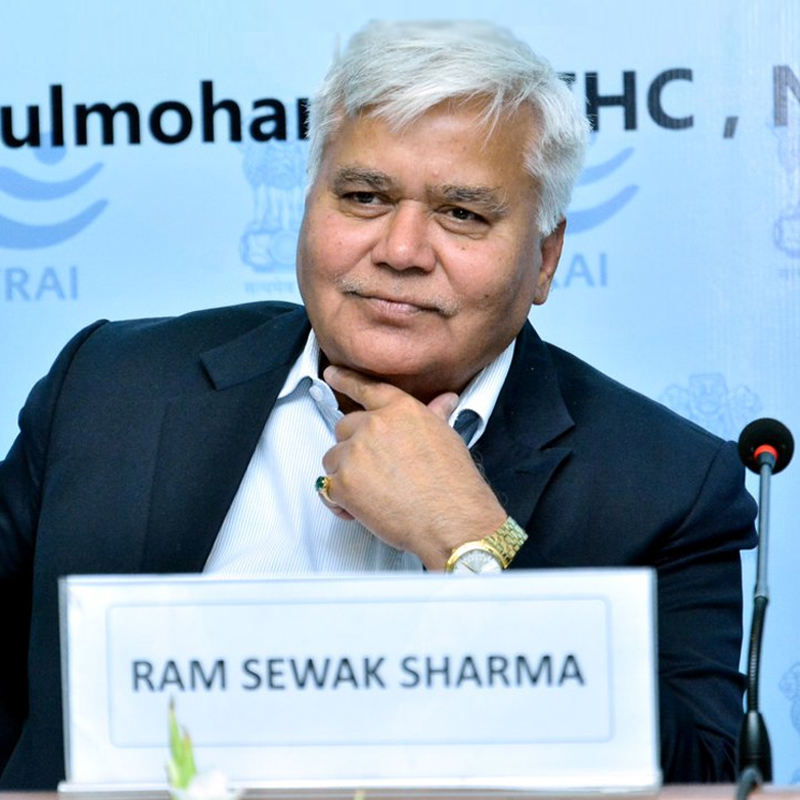
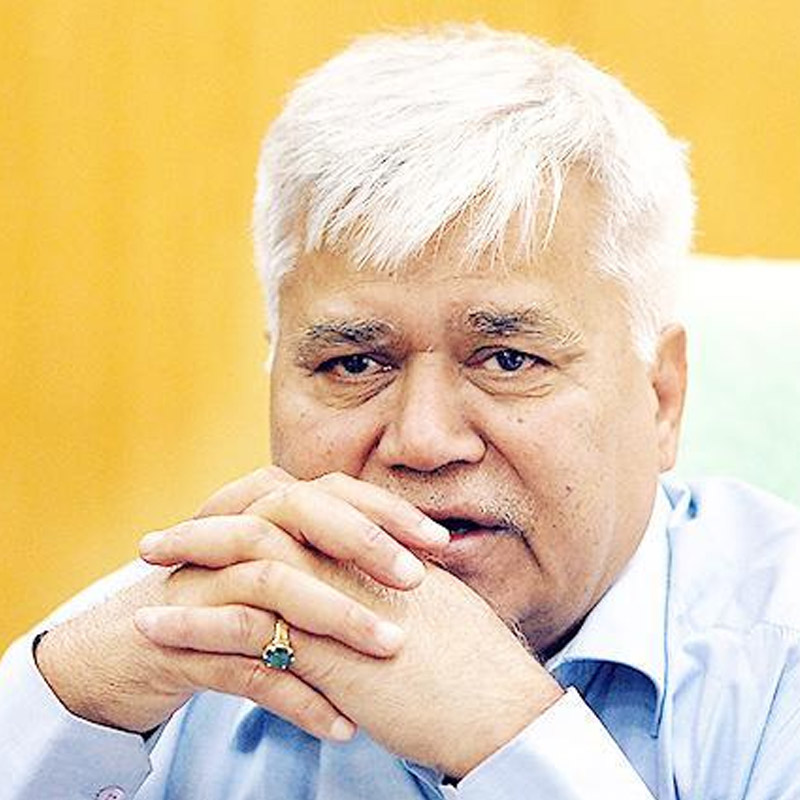
    “We are bringing out a comprehensive and common framework for all platforms relating to quality of service (QoS), tariff and interconnect. We have been working on it for many months now,” TRAI chairman RS Sharma told indiantelevision.com in an exclusive interview, adding that criticism of draft guidelines were part of a democratic consultation process.

    According to Sharma, the final recommendations of the regulator, which are being framed after a lengthy process of consultation with all stakeholders spread over several months, will be “issued by the end of this month (2016 end).”

    Sharma, who spoke on a whole range of issues on telecoms and broadcast sectors that it oversees, said the overall effort of TRAI was to create a framework for industry players that will boost digitization making the dream of Digital India come true. “We are working towards an environment that will reduce ambiguity in regulations and help all stakeholders, including the consumer,” he added.  

    Last week, the Delhi High Court removed almost all legal hurdles to complete digital rollout of TV services in the country by vacating all interim court orders that had been passed by other courts in the country extending the deadline for implementation of Phase III of digital addressable system (DAS).

    Though Sharma pointed out that the legal cases (taken care by Delhi HC on direction from Supreme Court) had no direct bearing on TRAI’s efforts to bring about a comprehensive regulatory framework for digital TV services in India, Sharma said, “It is the Ministry of Information and Broadcasting (MIB) that will have to enforce the (digitization) schedule, but we are ready to provide any assistance to MIB if needed.”

    On the entry of new technologies in India, which give window to innovations, the TRAI chief opined new technologies should be actively promoted without an attempt to throttle them through regulations.

    “We should not try to throttle them (new technologies) just because there are legacy business models. Business models must adapt to technology rather that technology being stifled in order to protect business models,” Sharma said.

    Quizzed, on the issue of Net Neutrality and new techs like OTT, Sharma explained, “We have already dealt with the issue of Net Neutrality from the tariff perspective (TRAI banned zero-tariff plans by telcos earlier this year). But as the government has asked us to provide it with comprehensive recommendations on the issue, we are in the final stages… (but) it may take a couple of months more.”

    While agreeing with the broad idea that time has arrived for India to have a comprehensive convergence law and regulator, Sharma made it clear that TRAI was not a competent authority to take a call on such policy matters and it was the government’s prerogative. “What should be the methods of regulatory structure (for a convergence law)? How will it be governed? Who will do it? I am not the competent person (on such issues) as it’s for the government to decide. But I certainly agree that because of technological developments, lot of convergence is happening in various sectors.”

    Asked to comment on a common criticism that India is an over-regulated market, Sharma disagreed and said, “We don’t believe in unnecessary regulations. However, at the same time, some regulation is necessary for an orderly growth of the industry; especially so consumers don’t suffer because of ambiguities in rules.”   

    Keep tuned in to read the full interview of TRAI chief, which is coming soon.

    ALSO READ:

    Delhi HC removes legal hurdles to implement DAS IV by 1 Jan 2017


  • TRAI chief: Pending DAS tariff, interconnect, QoS norms by year-end

    TRAI chief: Pending DAS tariff, interconnect, QoS norms by year-end

    NEW DELHI: India’s telecoms and broadcast carriage regulator Telecom Regulatory Authority of India (TRAI) has said it would issue final guidelines relating to broadcast tariff, interconnect and quality of service issues by this month-end and reiterated its overall aim is to “harmonise” norms so as to facilitate growth of the industry in an ambiguity-free regulatory environment.

    “We are bringing out a comprehensive and common framework for all platforms relating to quality of service (QoS), tariff and interconnect. We have been working on it for many months now,” TRAI chairman RS Sharma told indiantelevision.com in an exclusive interview, adding that criticism of draft guidelines were part of a democratic consultation process.

    According to Sharma, the final recommendations of the regulator, which are being framed after a lengthy process of consultation with all stakeholders spread over several months, will be “issued by the end of this month (2016 end).”

    Sharma, who spoke on a whole range of issues on telecoms and broadcast sectors that it oversees, said the overall effort of TRAI was to create a framework for industry players that will boost digitization making the dream of Digital India come true. “We are working towards an environment that will reduce ambiguity in regulations and help all stakeholders, including the consumer,” he added.  

    Last week, the Delhi High Court removed almost all legal hurdles to complete digital rollout of TV services in the country by vacating all interim court orders that had been passed by other courts in the country extending the deadline for implementation of Phase III of digital addressable system (DAS).

    Though Sharma pointed out that the legal cases (taken care by Delhi HC on direction from Supreme Court) had no direct bearing on TRAI’s efforts to bring about a comprehensive regulatory framework for digital TV services in India, Sharma said, “It is the Ministry of Information and Broadcasting (MIB) that will have to enforce the (digitization) schedule, but we are ready to provide any assistance to MIB if needed.”

    On the entry of new technologies in India, which give window to innovations, the TRAI chief opined new technologies should be actively promoted without an attempt to throttle them through regulations.

    “We should not try to throttle them (new technologies) just because there are legacy business models. Business models must adapt to technology rather that technology being stifled in order to protect business models,” Sharma said.

    Quizzed, on the issue of Net Neutrality and new techs like OTT, Sharma explained, “We have already dealt with the issue of Net Neutrality from the tariff perspective (TRAI banned zero-tariff plans by telcos earlier this year). But as the government has asked us to provide it with comprehensive recommendations on the issue, we are in the final stages… (but) it may take a couple of months more.”

    While agreeing with the broad idea that time has arrived for India to have a comprehensive convergence law and regulator, Sharma made it clear that TRAI was not a competent authority to take a call on such policy matters and it was the government’s prerogative. “What should be the methods of regulatory structure (for a convergence law)? How will it be governed? Who will do it? I am not the competent person (on such issues) as it’s for the government to decide. But I certainly agree that because of technological developments, lot of convergence is happening in various sectors.”

    Asked to comment on a common criticism that India is an over-regulated market, Sharma disagreed and said, “We don’t believe in unnecessary regulations. However, at the same time, some regulation is necessary for an orderly growth of the industry; especially so consumers don’t suffer because of ambiguities in rules.”   

    Keep tuned in to read the full interview of TRAI chief, which is coming soon.

    ALSO READ:

    Delhi HC removes legal hurdles to implement DAS IV by 1 Jan 2017


  • Regulation must facilitate tech, not kill it:  TRAI chief

    Regulation must facilitate tech, not kill it: TRAI chief

    NEW DELHI: The chief regulator of India’s telecom and broadcast carriage sectors has said regulation should not kill a technology, fledgling or otherwise, and that consumer interest and a level playing field for all players should be the basis for tech-related regulations.

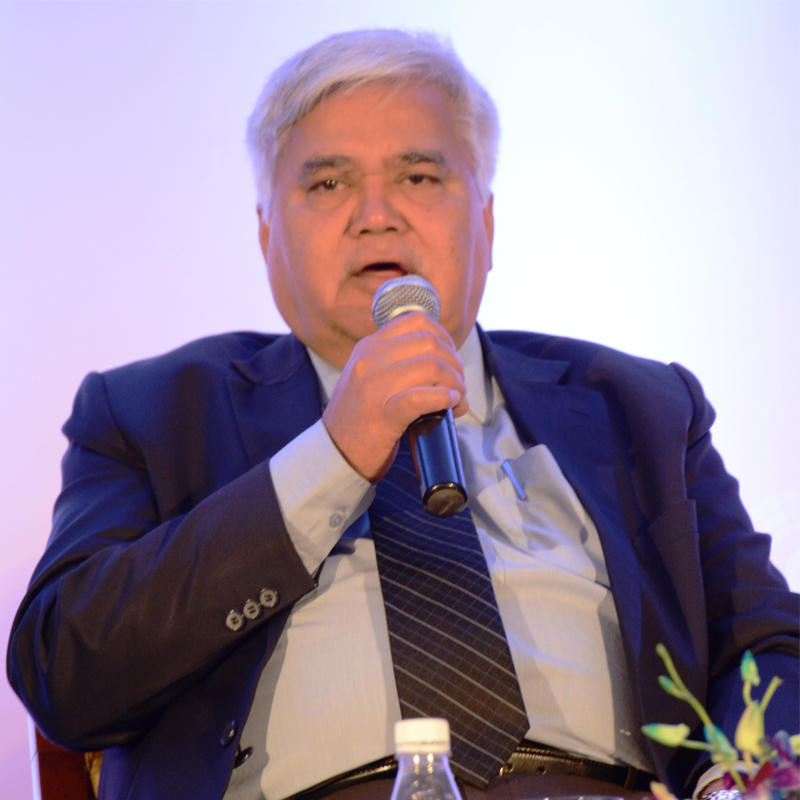
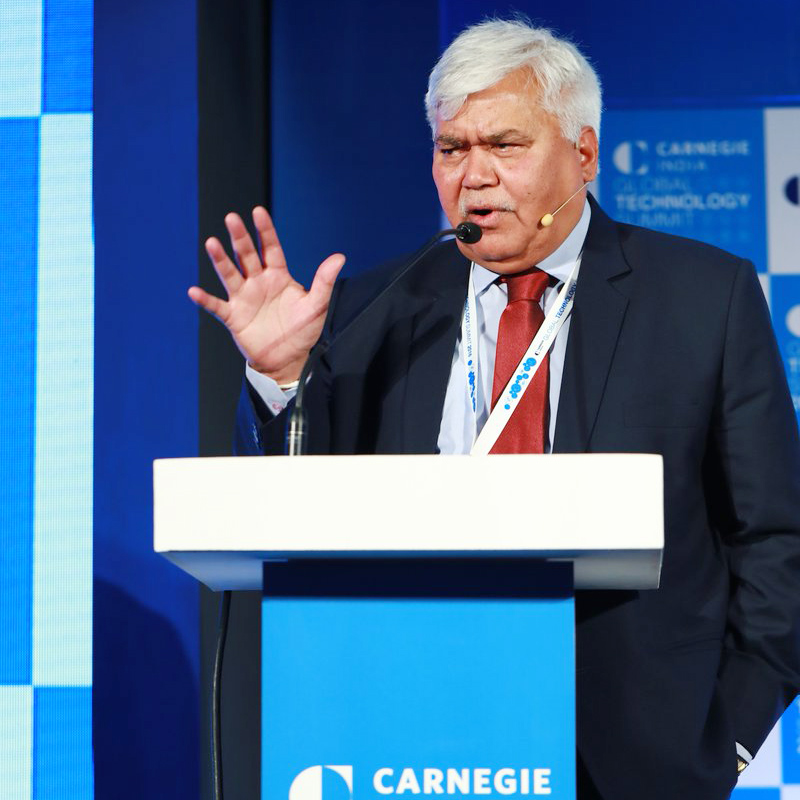
    “Technology must be facilitated by regulation, not throttled by it, “Telecoms and Regulatory Authority of India (TRAI) chairman RS Sharma said on Tuesday while speaking at the opening session of Technology Summit 2016, organised by Carnegie India.

    The TRAI chief, criticised by many for catering to populist measures and bringing in regulations that impede new technology and innovation, said that “consumer protection and creating a level playing field for all are our guidelines for regulating technology.”

    The tech summit was organised with an aim to bring together technologists, entrepreneurs, academics and policy makers to reflect on rapid technological changes and recommend policy measures to harness this transformation for India’s development.

    Pointing out that India the `Digital India’ initiative — one of the pet schemes of PM Modi — is about digital infrastructure, software innovation and empowering citizens to use technology, Sharma said, “ India can lead the world in technology and share the architecture of regulatory principles that has been created.”

    Highlighting the digital innovations introduced by the present government in New Delhi, Sharma said e-signature, for example, was one such move and costs “Rs.1 thanks to #Aadhar, a paperless, robust, digital identity that protects (individual) privacy.” He also stressed that focus of digitisation was to provide digital “identity infrastructure to all the citizens of India”.

    Indiantelevision.com was not present at the Carnegie India tech summit in Bengaluru held on December 6 and 7, 2016 and this news report has been drafted based on a series of tweets by the organisers and re-tweeted by Sharma via his Twitter handle @rssharma3.

  • Regulation must facilitate tech, not kill it:  TRAI chief

    Regulation must facilitate tech, not kill it: TRAI chief

    NEW DELHI: The chief regulator of India’s telecom and broadcast carriage sectors has said regulation should not kill a technology, fledgling or otherwise, and that consumer interest and a level playing field for all players should be the basis for tech-related regulations.

    “Technology must be facilitated by regulation, not throttled by it, “Telecoms and Regulatory Authority of India (TRAI) chairman RS Sharma said on Tuesday while speaking at the opening session of Technology Summit 2016, organised by Carnegie India.

    The TRAI chief, criticised by many for catering to populist measures and bringing in regulations that impede new technology and innovation, said that “consumer protection and creating a level playing field for all are our guidelines for regulating technology.”

    The tech summit was organised with an aim to bring together technologists, entrepreneurs, academics and policy makers to reflect on rapid technological changes and recommend policy measures to harness this transformation for India’s development.

    Pointing out that India the `Digital India’ initiative — one of the pet schemes of PM Modi — is about digital infrastructure, software innovation and empowering citizens to use technology, Sharma said, “ India can lead the world in technology and share the architecture of regulatory principles that has been created.”

    Highlighting the digital innovations introduced by the present government in New Delhi, Sharma said e-signature, for example, was one such move and costs “Rs.1 thanks to #Aadhar, a paperless, robust, digital identity that protects (individual) privacy.” He also stressed that focus of digitisation was to provide digital “identity infrastructure to all the citizens of India”.

    Indiantelevision.com was not present at the Carnegie India tech summit in Bengaluru held on December 6 and 7, 2016 and this news report has been drafted based on a series of tweets by the organisers and re-tweeted by Sharma via his Twitter handle @rssharma3.

  • Consumers may get 60-day notice from unprofessional telcos

    Consumers may get 60-day notice from unprofessional telcos

    MUMBAI: The latest consultation paper of the Telecom Regulatory Authority of India (TRAI) is about issues related to closure of mobile phone services. TRAI seeks to extend the time mobile users get to change their service-provider if a particular company is shutting shop or selling its spectrum.

    The paper titled ‘Closure of Access Service” will seek feedback from telecom eco-system stakeholders to set up a framework to give an extended time and more options to users facing termination of services. A licence coming to fruition or failure of the service provider to bag spectrum or spectrum trading are normally the reasons behind an entity shutting shop.

    TRAI took note of three significant instances. Reliance Communications stopped CDMA services and migrated to LTE. Airtel acquired spectrum from Aircel and Videocon through trading deals. In some cases, operators do not renew the spectrum and stop offering services in a particular area. Tata Docomo has lost subscribers due to such non-renewal.

    The paper follows complaints from the subscribers who said they did not receive adequate notice or communication from their service-provider and their mobile number was disconnected. If TRAI has its way, cell-phone users will get more time to change their company in such a case.

    A mobile user currently gets 30 days to change its service-provider but this has been found to be far less than expected. The law requires the company to give the department of telecommunications (DoT) a 60-day notice in such a scenario.

    India’s low broadband penetration is a matter of concern and the government needs to do a lot more work in the field to go up in the global ladder, TRAI chairperson RS Sharma said.

    Addressing Assocham summit, Sharma said that, according to an ITU paper, the penetration in India was only 7%. He said the report stated that India was even behind countries such as Singapore, Thailand and Malaysia.

    TRAI has recommended to the government on using cable television network for broadband delivery. In developed US and in Europe, around 50-60 per cent broadband comes from Digital Cable TV, he added.

    Foreign direct investment (FDI) attracted by the telecom sector in India meanwhile has jumped to more than US$10 billion in the first eight months of 2016-17 registering a 6-7 fold increase as compared to 2014-15 and 2015-16, telecom secretary JS Deepak said at the summit.

    Considering about 97% of population was covered by the 2G telecom network provided mostly by private telecom operators, there was a need to both popularise and simplify USSD (unstructured supplementary service data), he added. There was a need to work on a push USSD rather than a pull USSD, merchants should be able to push in a message to feature phone users where-in one just has to okay it for a transaction, he said.

  • Consumers may get 60-day notice from unprofessional telcos

    Consumers may get 60-day notice from unprofessional telcos

    MUMBAI: The latest consultation paper of the Telecom Regulatory Authority of India (TRAI) is about issues related to closure of mobile phone services. TRAI seeks to extend the time mobile users get to change their service-provider if a particular company is shutting shop or selling its spectrum.

    The paper titled ‘Closure of Access Service” will seek feedback from telecom eco-system stakeholders to set up a framework to give an extended time and more options to users facing termination of services. A licence coming to fruition or failure of the service provider to bag spectrum or spectrum trading are normally the reasons behind an entity shutting shop.

    TRAI took note of three significant instances. Reliance Communications stopped CDMA services and migrated to LTE. Airtel acquired spectrum from Aircel and Videocon through trading deals. In some cases, operators do not renew the spectrum and stop offering services in a particular area. Tata Docomo has lost subscribers due to such non-renewal.

    The paper follows complaints from the subscribers who said they did not receive adequate notice or communication from their service-provider and their mobile number was disconnected. If TRAI has its way, cell-phone users will get more time to change their company in such a case.

    A mobile user currently gets 30 days to change its service-provider but this has been found to be far less than expected. The law requires the company to give the department of telecommunications (DoT) a 60-day notice in such a scenario.

    India’s low broadband penetration is a matter of concern and the government needs to do a lot more work in the field to go up in the global ladder, TRAI chairperson RS Sharma said.

    Addressing Assocham summit, Sharma said that, according to an ITU paper, the penetration in India was only 7%. He said the report stated that India was even behind countries such as Singapore, Thailand and Malaysia.

    TRAI has recommended to the government on using cable television network for broadband delivery. In developed US and in Europe, around 50-60 per cent broadband comes from Digital Cable TV, he added.

    Foreign direct investment (FDI) attracted by the telecom sector in India meanwhile has jumped to more than US$10 billion in the first eight months of 2016-17 registering a 6-7 fold increase as compared to 2014-15 and 2015-16, telecom secretary JS Deepak said at the summit.

    Considering about 97% of population was covered by the 2G telecom network provided mostly by private telecom operators, there was a need to both popularise and simplify USSD (unstructured supplementary service data), he added. There was a need to work on a push USSD rather than a pull USSD, merchants should be able to push in a message to feature phone users where-in one just has to okay it for a transaction, he said.

  • MIB favours self-regulation, TRAI says some regulation mandatory

    MIB favours self-regulation, TRAI says some regulation mandatory

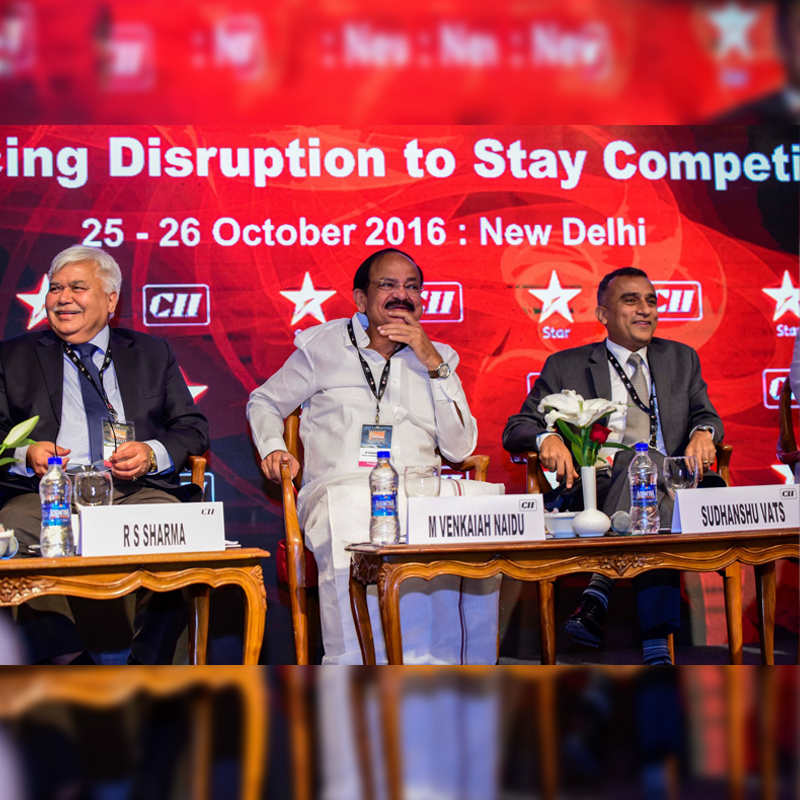
    NEW DELHI: Even as he favoured the idea of self-regulation in the media, Minister for Information and Broadcasting (MIB) M Venkaiah Naidu stressed that “regulation should not become strangulation” and added the government wants to be a facilitator for creating a good business environment for the media and entertainment (M&E) sector.

    Delivering the keynote address at the inaugural session of 5th edition of CII-organised `Big Picture Summit’ at New Delhi here yesterday Naidu said that digital and mobile tools have been leading to paradigm shifts in the M&E sector and the growth of varied platforms such as 4G, broadband, mobile technologies and digital media has enabled the sector to move towards “convergence across platforms and content”.

    According to the Minister, 500 million mobile phones were expected in India by 2020 and music streaming had grown from 49 per cent to 61 per cent in just one year with video on demand gaining popularity as number of internet connections had grown to 81 million of which 41 million used local languages. “The entertainment industry was today capable of creating five billion jobs a year,” he said.

    Referring to the broadcast segment, the MIB Minister said Indian television was very vibrant and exciting, which is exemplified in the over 800 TV channels licensed by the government.

    Dwelling on some initiatives taken by the government to boost the M&E sector, Naidu said that foreign direct investment norms had been liberalized further earlier in the year with an aim to help the industry grow. Similarly, the Minister said, the radio category too has shown impressive growth and the third Phase of auctions of Radio FM licenses was expected to bring in $390 million.

    While he was impressed with the growth achieved by cinema — India produced more films than any other country in the world — Naidu took note of a big problem of less number of screens in the country and that Indian cinema had a share of less than one per cent in world cinema.

    Expressing his concerns on the growth of the media, the Minister highlighted that there were some problems that had been inherited by this government and that those would take some time to be resolved as he plans to hold separate meetings with all stakeholders.

    TRAI Says Regulatory Framework Necessary For Big M&E Sector

    While MIB made a case for self-regulation, Telecom Regulatory Authority of India Chairman R S Sharma said some regulatory framework was necessary for such a large media sector, but regulations should be non-discriminatory, transparent, ensure quality and empower the consumer.

    Speaking at the inaugural session, along with the Minister and industry representatives, Sharma said India was a very cost-effective market where the average mobile recharge was just Rs 10. As connectivity had to be cost-effective and price-sensitive, cable television can be used to provide broadband connectivity as well.

    Holding forth on audience measurement, Sharma said there was still scope for better audience measurement systems as it was important to let the consumer decide what he wanted.
    As TRAI has a recommendatory role in the broadcast sector, except the carriage part where its recommendations can be implemented by it, Sharma also highlighted that several set of recommendations by the regulator on a variety of issues were pending at the Ministry concerned.

    Viacom18 Group CEO Sudhanshu Vats’ On Disruption & Competition

    Amongst the pantheon of Indian gods and goddesses, the Trinity of  Brahma, Vishnu and Shiv hold a special place as they ensure the world, as we know it, goes through a cycle of creation, preservation and destruction to continue growing and surviving. Is this also true for a business sector? Yes!

    Dwelling on the theme of the two-day media conference, ‘Embracing Disruption to Stay Competitive’, Sudhanshu Vats, Chairman of National Committee on Media & Entertainment, CII and Group CEO, Viacom18, said if the cycle, as highlighted in the Indian Trinity or to some extent in economist Schumpeter’s theory of creative destruction, is not followed by businesses (including those in the M&E sector), it’d be disrupted

    “Our systems discourage destruction. In our minds we have this notion that the word ‘destruction’ itself is wrong. But if you look back, our belief system has always emphasised on the need to destroy. If we don’t destroy, then we will be disrupted,” Vats said setting the tone for the Big Picture Summit and emphasizing the need for a well-balanced mix of all three — creators, preservers and destroyers.

    Vats went on to give some examples of the Big Picture Summit’s theme of disruption or reinvention to stay relevant and competitive, which are as follows:

    –    It’s a theme that explains how the sport of cricket reinvented itself 8 years ago to create a completely new avatar (called the IPL) that is arguably it’s most lucrative and successful one till date.

    –    It’s a theme that explains how a new Hindi GEC called Colors launched in 2008 and became number 1 in just 9 months of launch.

    –    It’s a theme that probably explains how a government owned distribution platform known as DD FreeDish revolutionized the world of Indian television so much so that it is a topic of conversation in the boardroom of every M&E organization.

    –    It’s a theme that explains how a show idea rejected by MTV, led to the creation of one of India’s most iconic YouTube channels: The Viral Fever.

    –    It’s also a theme that explains why a telco called AT&T is expected to close a deal to acquire a media conglomerate called Time Warner in what is amongst this year’s biggest acquisitions.  “Of course, I’d like to see this as ‘convergence in action’,” explained Vats.

    Dwelling on some industry vital stats — based on knowledge partner Boston Consulting Group’s yearly report for the event — Vats said the M&E industry’s size had been pegged at approximately Rs. 13, 000,00 million, almost one per cent of the Indian GDP with a direct employment base of half a million.

    “If we look at indirect employment, the number will multiply several times over. If we look at employment in sectors in which we have a multiplier effect, say telecom, tourism, sports and so on, and we are looking at a much larger base. If we have to, say, double in size (and this is not impossible)… then there are three fundamental truths that we need to prepare for. Bear in mind, that none of these can be leveraged if we fear ‘destruction’. Each of these truths has significant implications for us,” Vats elucidated.

    Vats also dwelt on several issues ranging from the need to develop direct-to-consumer offerings, importance of listening to suggestions and ideas, benefits of discovering new talents and embracing technology and data as a friend and not foe, apart from several other issues, including the need to put aside squabbles amongst stakeholders in the M&E sector.

    However, not the one to every shy away from making a factual statement, even though it may sound contentious, Vats aptly said the M&E sector was amongst the biggest stars of the PM Modi’s  `Make in India’ programme. “In the last two years, India has seen 35 new smart-phone factories, with a production capacity of 18 million devices per month and employment to 37,000 Indians. While the focus here – at least in the popular context- is on telecom handset manufacturing, think what is the use of the smart-phone with a 5-inch screen if you don’t have video content? I have no qualms in stating that our industry will play the biggest role in the 4G revolution that this country is about to witness,” he concluded.
     

  • MIB favours self-regulation, TRAI says some regulation mandatory

    MIB favours self-regulation, TRAI says some regulation mandatory

    NEW DELHI: Even as he favoured the idea of self-regulation in the media, Minister for Information and Broadcasting (MIB) M Venkaiah Naidu stressed that “regulation should not become strangulation” and added the government wants to be a facilitator for creating a good business environment for the media and entertainment (M&E) sector.

    Delivering the keynote address at the inaugural session of 5th edition of CII-organised `Big Picture Summit’ at New Delhi here yesterday Naidu said that digital and mobile tools have been leading to paradigm shifts in the M&E sector and the growth of varied platforms such as 4G, broadband, mobile technologies and digital media has enabled the sector to move towards “convergence across platforms and content”.

    According to the Minister, 500 million mobile phones were expected in India by 2020 and music streaming had grown from 49 per cent to 61 per cent in just one year with video on demand gaining popularity as number of internet connections had grown to 81 million of which 41 million used local languages. “The entertainment industry was today capable of creating five billion jobs a year,” he said.

    Referring to the broadcast segment, the MIB Minister said Indian television was very vibrant and exciting, which is exemplified in the over 800 TV channels licensed by the government.

    Dwelling on some initiatives taken by the government to boost the M&E sector, Naidu said that foreign direct investment norms had been liberalized further earlier in the year with an aim to help the industry grow. Similarly, the Minister said, the radio category too has shown impressive growth and the third Phase of auctions of Radio FM licenses was expected to bring in $390 million.

    While he was impressed with the growth achieved by cinema — India produced more films than any other country in the world — Naidu took note of a big problem of less number of screens in the country and that Indian cinema had a share of less than one per cent in world cinema.

    Expressing his concerns on the growth of the media, the Minister highlighted that there were some problems that had been inherited by this government and that those would take some time to be resolved as he plans to hold separate meetings with all stakeholders.

    TRAI Says Regulatory Framework Necessary For Big M&E Sector

    While MIB made a case for self-regulation, Telecom Regulatory Authority of India Chairman R S Sharma said some regulatory framework was necessary for such a large media sector, but regulations should be non-discriminatory, transparent, ensure quality and empower the consumer.

    Speaking at the inaugural session, along with the Minister and industry representatives, Sharma said India was a very cost-effective market where the average mobile recharge was just Rs 10. As connectivity had to be cost-effective and price-sensitive, cable television can be used to provide broadband connectivity as well.

    Holding forth on audience measurement, Sharma said there was still scope for better audience measurement systems as it was important to let the consumer decide what he wanted.
    As TRAI has a recommendatory role in the broadcast sector, except the carriage part where its recommendations can be implemented by it, Sharma also highlighted that several set of recommendations by the regulator on a variety of issues were pending at the Ministry concerned.

    Viacom18 Group CEO Sudhanshu Vats’ On Disruption & Competition

    Amongst the pantheon of Indian gods and goddesses, the Trinity of  Brahma, Vishnu and Shiv hold a special place as they ensure the world, as we know it, goes through a cycle of creation, preservation and destruction to continue growing and surviving. Is this also true for a business sector? Yes!

    Dwelling on the theme of the two-day media conference, ‘Embracing Disruption to Stay Competitive’, Sudhanshu Vats, Chairman of National Committee on Media & Entertainment, CII and Group CEO, Viacom18, said if the cycle, as highlighted in the Indian Trinity or to some extent in economist Schumpeter’s theory of creative destruction, is not followed by businesses (including those in the M&E sector), it’d be disrupted

    “Our systems discourage destruction. In our minds we have this notion that the word ‘destruction’ itself is wrong. But if you look back, our belief system has always emphasised on the need to destroy. If we don’t destroy, then we will be disrupted,” Vats said setting the tone for the Big Picture Summit and emphasizing the need for a well-balanced mix of all three — creators, preservers and destroyers.

    Vats went on to give some examples of the Big Picture Summit’s theme of disruption or reinvention to stay relevant and competitive, which are as follows:

    –    It’s a theme that explains how the sport of cricket reinvented itself 8 years ago to create a completely new avatar (called the IPL) that is arguably it’s most lucrative and successful one till date.

    –    It’s a theme that explains how a new Hindi GEC called Colors launched in 2008 and became number 1 in just 9 months of launch.

    –    It’s a theme that probably explains how a government owned distribution platform known as DD FreeDish revolutionized the world of Indian television so much so that it is a topic of conversation in the boardroom of every M&E organization.

    –    It’s a theme that explains how a show idea rejected by MTV, led to the creation of one of India’s most iconic YouTube channels: The Viral Fever.

    –    It’s also a theme that explains why a telco called AT&T is expected to close a deal to acquire a media conglomerate called Time Warner in what is amongst this year’s biggest acquisitions.  “Of course, I’d like to see this as ‘convergence in action’,” explained Vats.

    Dwelling on some industry vital stats — based on knowledge partner Boston Consulting Group’s yearly report for the event — Vats said the M&E industry’s size had been pegged at approximately Rs. 13, 000,00 million, almost one per cent of the Indian GDP with a direct employment base of half a million.

    “If we look at indirect employment, the number will multiply several times over. If we look at employment in sectors in which we have a multiplier effect, say telecom, tourism, sports and so on, and we are looking at a much larger base. If we have to, say, double in size (and this is not impossible)… then there are three fundamental truths that we need to prepare for. Bear in mind, that none of these can be leveraged if we fear ‘destruction’. Each of these truths has significant implications for us,” Vats elucidated.

    Vats also dwelt on several issues ranging from the need to develop direct-to-consumer offerings, importance of listening to suggestions and ideas, benefits of discovering new talents and embracing technology and data as a friend and not foe, apart from several other issues, including the need to put aside squabbles amongst stakeholders in the M&E sector.

    However, not the one to every shy away from making a factual statement, even though it may sound contentious, Vats aptly said the M&E sector was amongst the biggest stars of the PM Modi’s  `Make in India’ programme. “In the last two years, India has seen 35 new smart-phone factories, with a production capacity of 18 million devices per month and employment to 37,000 Indians. While the focus here – at least in the popular context- is on telecom handset manufacturing, think what is the use of the smart-phone with a 5-inch screen if you don’t have video content? I have no qualms in stating that our industry will play the biggest role in the 4G revolution that this country is about to witness,” he concluded.
     

  • TRAI to play peacemaker on telecoms interconnect issues

    NEW DELHI: Telecom Regulatory Authority of India (TRAI) chairman R S Sharma yesterday said it will facilitate a meeting of telecoms companies soon with an aim to resolve the raging debate regarding interconnection issues between operators.

    Addressing an inter-active meeting of the FICCI-ICT and Digital Economy Committee here on Tuesday, Sharma said that issues can be resolved through an across-the-table discussion with the CEOs of telecom companies.

    It is learnt that the meeting was held in the backdrop of recent changes in different telecom plans after Reliance Jio unveiled a slew of disruptive marketing initiatives. The new entrant has also been claiming its subscribers were experiencing massive call-drops as incumbents were not providing adequate points of interconnect.

    As to why the industry finds itself in this position, and whether it was due to lack of proper regulation and certain licensing issues, the chief regulator refused to comment. However, he added regulations do not leave scope for ambiguity.

    Sharma spoke on a range of issues, including the 20 consultation papers released in the last 18 months, and that were in various stages of study. These, according to Sharma, were necessary for removing ambiguity in the telecoms sector, and allowing stakeholders to function in harmony.

    TRAI felt the need for consultation papers in order to bring about a comprehensive regulatory framework that will plug gaps in the system and facilitate the industry to grow seamlessly.

    Sharma told the members that, with the advent of technology such as cloud computing and internet of things (IOT), ICT was transforming every sector and telecoms players should leverage the opportunities. Earlier, technology was on the periphery, but, in the last decade, with disruptive technologies coming in, it had become a central tool, Sharma said, adding that ICT also brough with it efficiency and cost-effectiveness.

    Speaking on competition issues in general in the telecoms sector, Sharma said TRAI promoted healthy competition while safeguarding interest of the consumers as it was “paramount”.

    India, he said, already had a world-class telecom network, and with new technologies coming in, services too should become world class. India should strive for next-generation network by employing new technologies such as Loons, Solar Planes and White Spaces, he said emphasising that there was a need to harmonize issues of business interest with disruptive technologies.

    To achieve this, it was necessary to put down licensing rules, norms and quality aspects through regulation, Sharma asserted.

    Responding to queries raised by industry regarding restrictions on experimentation, innovations and use of new technologies, Sharma said TRAI was in favour of new technologies with appropriate permissions. However, he added that these technologies should be interoperable without being in silos.