Tag: Romil Ramgarhia

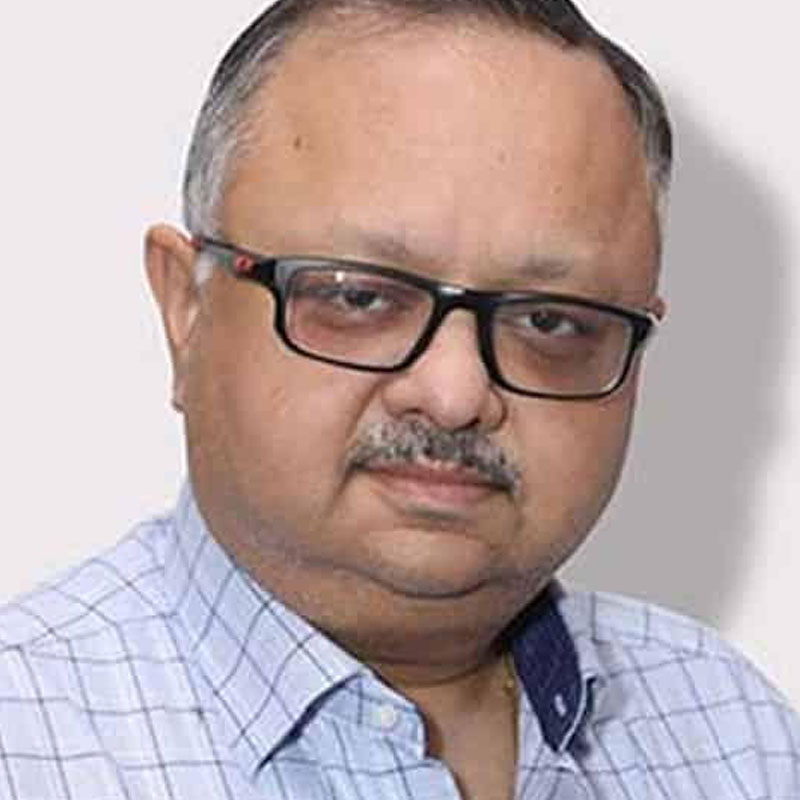
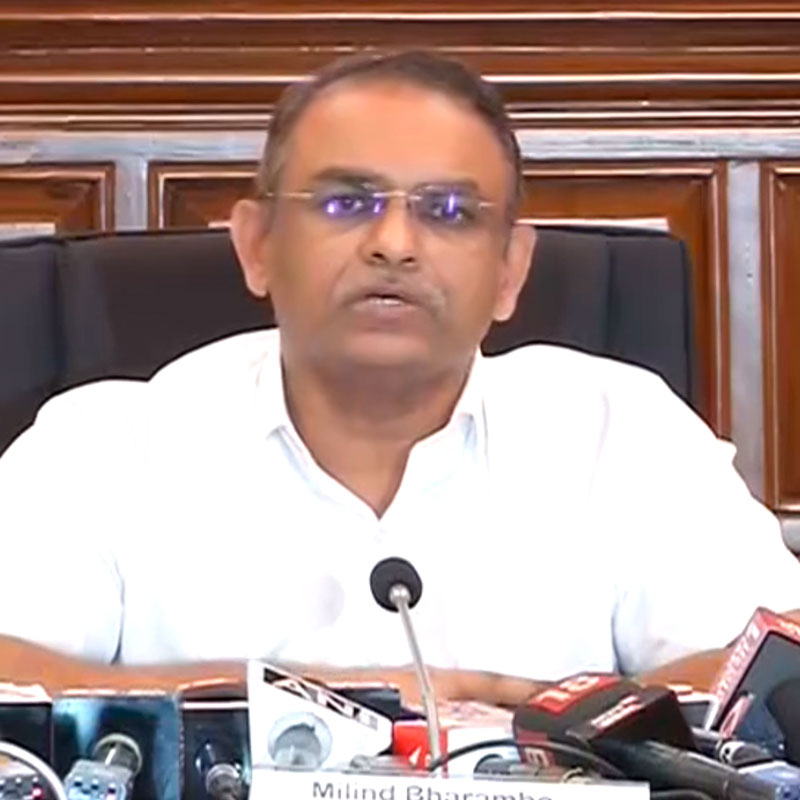
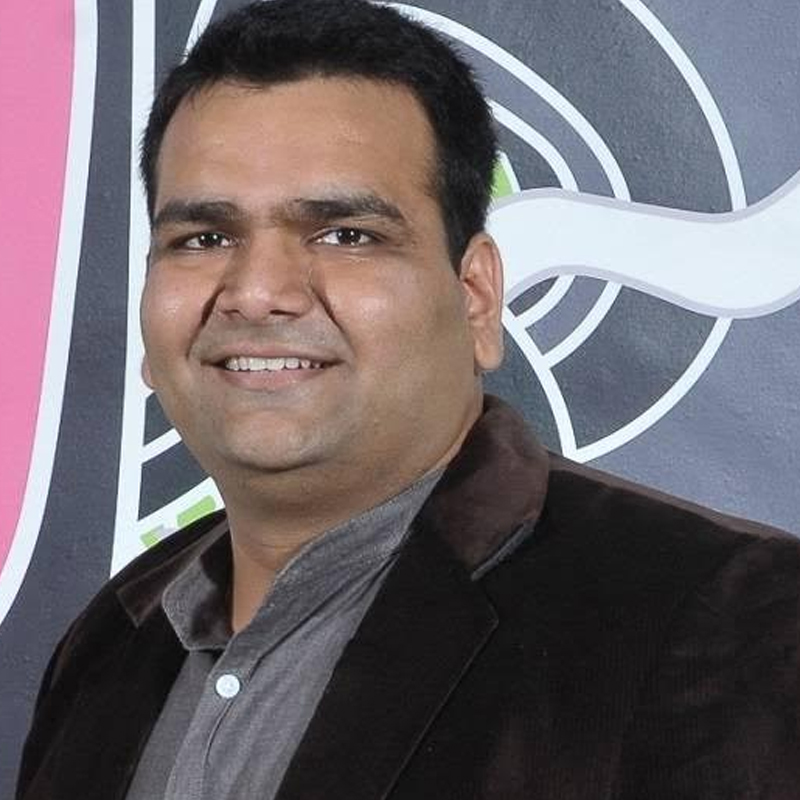
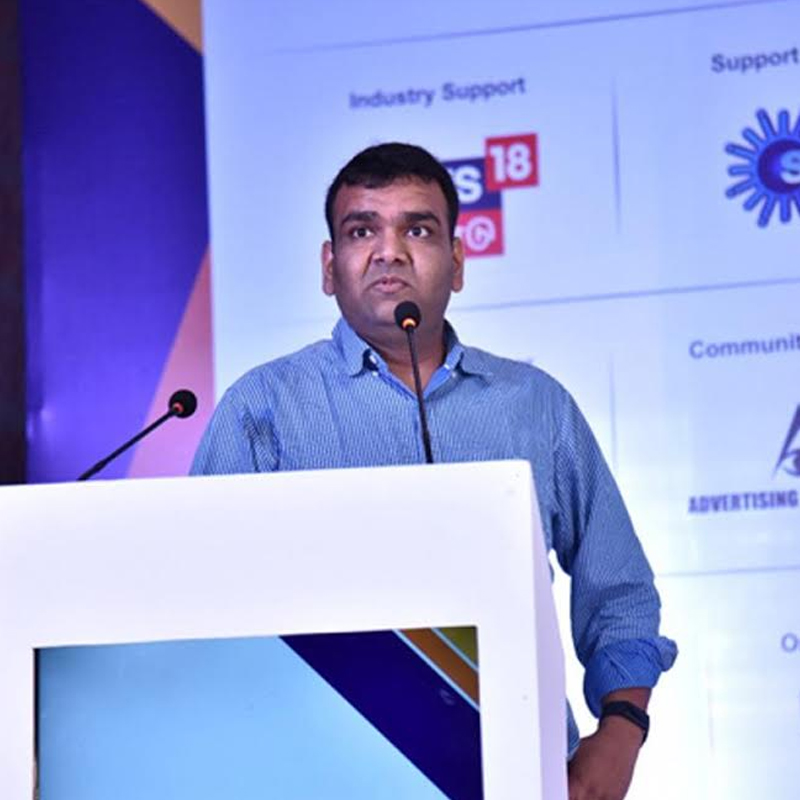
  • TRP scam: Mumbai police files chargesheet against Vikas Khanchandani, Romil Ramgarhia & Partho Dasgupta

    TRP scam: Mumbai police files chargesheet against Vikas Khanchandani, Romil Ramgarhia & Partho Dasgupta

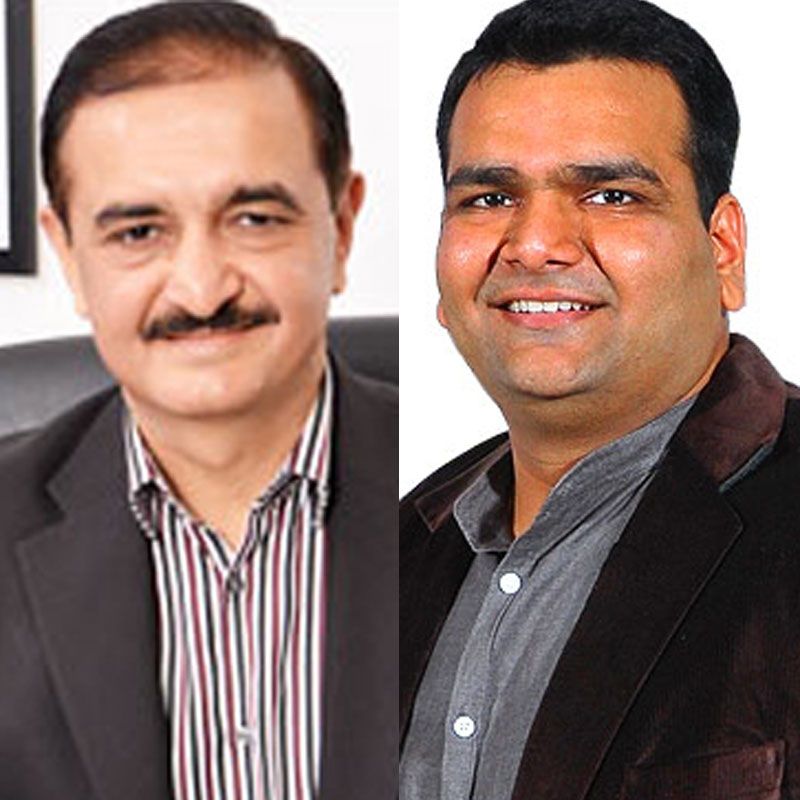
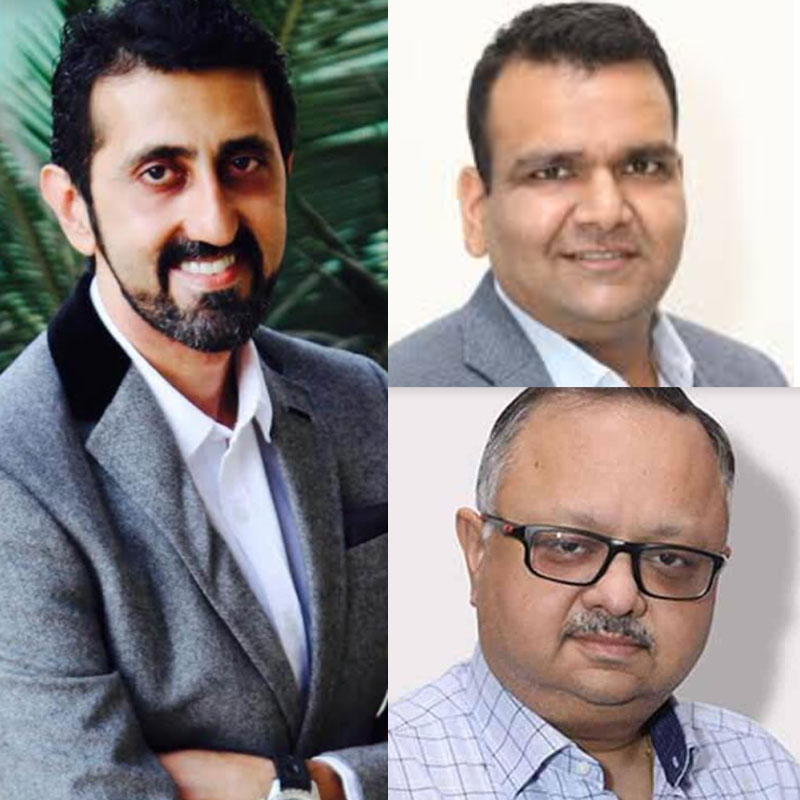
    NEW DELHI: The Mumbai police has filed supplementary chargesheet against Republic TV CEO Vikas Khanchandani, former BARC COO Romil Ramgarhia and former BARC CEO Partho Dasgupta.

    The chargesheet runs over 5,000 pages in 13 volumes.

    While Khanchadani was earlier released on bail, Ramgarhia and Dasgupta are in police custody. Police has been interrogating Dasgupta, who was denied bail and remanded in judicial custody for 14 days.

    The TRP scam has got even murkier with police claiming to have vital evidence in the case against ARG Outlier Media owner Arnab Goswami trying to bribe former BARC employees to extend favours to Republic TV.

    Mumbai Police is relentlessly collecting evidence and so far made 15 arrests in connection with the case, including the owners of the Fakt Marathi and Box Cinema channels, the distribution head of Republic TV, several former relationship managers of Hansa Research Group, hired by BARC.

    The alleged scam came to light last year when ratings agency BARC filed a complaint through Hansa Research Group, saying certain television channels were rigging TRP numbers.

    At a press conference held on 8 October 2020, Mumbai police commissioner Param Bir Singh claimed that Republic TV and two Marathi channels – Box Cinema and Fakt Marathi – were involved in manipulating TRP for better advertisement revenue.

    Republic TV and other accused have denied any wrongdoing and manipulation of ratings.

  • Partho Dasgupta played ‘vital role’ in TRP scam, says Mumbai court

    Partho Dasgupta played ‘vital role’ in TRP scam, says Mumbai court

    NEW DELHI: A Mumbai court has observed that former BARC CEO Partho Dasgupta played a ‘vital role’ in the alleged Television Rating Points (TRP) manipulation scam.

    The observation was stated in a court order that was passed on 4 January while rejecting his bail plea. The copy of the order was made available today. Chief metropolitan magistrate Sudhir Bhajipale on Monday had rejected Dasgupta’s bail plea. He was arrested by the Mumbai police last month.

    In his order, the magistrate said the material available on record shows involvement of the accused in the alleged crime. "The present applicant (Dasgupta) played the vital role in the commission of offence," he noted.

    The material collected by the investigating officer shows that Dasgupta manipulated TRP for particular channels by using his office as the CEO of BARC, the court observed.

    The order further said that the accused is the "most influential person who worked as CEO and the other persons or accused are yet to be interrogated.”

    "In such circumstances, it is the requirement of further investigation (which is still underway) to keep the present accused away from the wanted accused and other material witnesses," it added.

    The court was of the view that Dasgupta's release will hamper further investigation, which is still in progress.

    One of the grounds cited by Dasgupta for seeking release on bail was parity with the other accused, including BARC's former chief operating officer Romil Ramgarhia.

    The court, however, noted that no doubt the other accused are released on bail, but they have played a different role than Dasgupta in commission of the offence.

    "Considering the said fact, the principle of parity is not applicable in case of the present applicant," it said.

    Dasgupta filed his bail plea on 30 December 2020, after the court remanded him in judicial custody.

    In his application, Dasgupta claimed he was only an employee of BARC and not a "whole and sole (authority)", and that there exists a board of directors and a disciplinary committee above him in the council.

    However, Mumbai police argued that Dasgupta, in connivance with another senior official from BARC and ARG Outlier Media owner Arnab Goswami, manipulated the TRPs of Republic TV and Republic Bharat (Hindi).

    The police had claimed that Goswami paid in lakhs to Dasgupta in return for the manipulation.

  • Audit report confirms TRP manipulation by former BARC executives: Mumbai Police

    Audit report confirms TRP manipulation by former BARC executives: Mumbai Police

    NEW DELHI: Two months after the alleged TRP scam was busted by the Mumbai police, the department, in yet another sensational conference on Friday, claimed that a third party-conducted, Broadcast Audience Research Council (BARC)-commissioned audit report of the ratings agency has confirmed that TRPs were manipulated under the previous management. 

    The report which was received by BARC in July was handed over to the Mumbai police last week, as stated by joint commissioner of police (crime) Milind Bharambe. The report, from May 2017  to November 2019, shows that TRPs of English and Telugu news channels had been tampered with.

    The forensic audit was commissioned after new management took over at BARC in January this year and received whistle blower complaints, he added. 

    “BARC had received the report in July this year. The report said from a period of mid- 2017 to -November 2019 TRPs of English and Telugu news channels td. It showed that TRPs of channels like Times Now had been reduced so that Republic would appear to be no. 1 by analysing selectively,” Bharambe highlighted.

    The report, he added, says that ratings appeared to have been pre-decided and accordingly data was manipulated using three methodologies: the  outlier method, meta rule and  channel audience control. It further revealed incriminating chats and emails between senior BARC officials the police said.  Times Now which was on number 1 and was shown to be at No 2, and Republic as No1.

    Bharambe says that tbe BARC audit vindicates what the police has been claiming all along about Republic being involved in fixing the ratings.

    Republic TV has once again rebutted the claims and called the press conference “bogus” and their claims “laughable.”

    In related news, BARC former CEO Partha Dasgupta was arrested by Mumbai Police and was sent to custody till 28 December. Before Dasgupta, former BARC COO Romil Ramgarhia and Republic Media Network CEO Vikas Khanchandan were also arrested in the case. While Ramgarhia was released on Thursday, Khanchandani was granted bail on 16 December. 

  • TRP scam: Former BARC COO Romil Ramgarhia arrested

    TRP scam: Former BARC COO Romil Ramgarhia arrested

    NEW DELHI: Mumbai police has taken in custody former Broadcast Audience Research Council (BARC) COO Romil Ramgarhia, marking the 14th arrest in the TRP manipulation case. He has been remanded in police custody till 19 Dec. 

    The development comes a day after Republic TV CEO Vikas Khanchandani was granted bail in the same case. 

    Ramgarhia had left BARC in July this year after a six-year-long stint with the council. 

    The alleged scam was busted in October this year when Mumbai police commissioner Param Bir Singh held a press conference stating that three channels – Republic TV, Box Cinema, Fakt Marathi – were rigging ratings by paying people to keep the channels on even when they were not watching them. The TRP contracts were given to a company named Hansa Research Group Pvt Ltd. During the investigation, it was found that the ex-employees of Hansa were sharing the TRP data with the channels.

    Following this scandal coming to light, BARC suspended ratings of news channels for three months to "review its already stringent protocols and further augment them."

    Mumbai police has been hot on the heels of Republic TV’s top executives, while the channel and its editor-in-chief Arnab Goswami claim the case to be vindictive action against it.

    Earlier this month, Republic's chief operating officer Priya Mukherjee got anticipatory bail in connection with the TRP gaming case. On 5 December, the sessions court had granted bail to Republic TV's assistant vice president, Ghanshyam Singh, who was arrested in the same case on 10 November.

  • BARC India COO Romil Ramgarhia resigns

    BARC India COO Romil Ramgarhia resigns

    NEW DELHI: BARC India COO Romil Ramgarhia has decided to move on from the ratings provider. He joined the organisation in 2014 as a chief business officer and was elevated to COO role about two years back.

    “Romil Ramgarhia has resigned from the services of BARC India effective 31 July 2020,” shared BARC India.

    Ramagarhia was one of the founding members of BARC India. In his previous stints, he had worked with Zee Entertainment Enterprise as CCO, Viacom18 Media as head of the commercial, Bharti Airtel as manager and at Asian Paints as an account executive.

    An affable executive, Ramgarhia was instrumental along with former CEO Partho Dasgupta to help establish BARC as the de facto viewership ratings standard in India.

    It was only last year, that BARC had roped in Sunil Lulla as  CEO to replace Partho Dasgupta who resiged to set up his own venture. It is not known where Ramgarhia is headed, at the time of writing.


  • BARC India introduces YUMI Analytics, an enhanced software application for the industry

    BARC India introduces YUMI Analytics, an enhanced software application for the industry

    MUMBAI:  Television measurement company, Broadcast Audience Research Council (BARC) India, will complete transitioning to its upgraded, versatile and user-friendly software interface, YUMI Analytics, starting 1 July, 2020. The idea was to offer an enhanced experience and more holistic data generation and analysis. With modules that are more flexible, customisable, and designed to be performance oriented with a more intuitive approach, YUMI Analytics gets us a step closer to the idea in mind. Starting July 2020, BARC India clients will have access to data only via YUMI Analytics software.

    What sets YUMI Analytics apart are its unique features which include graphical representation of data, conditional formatting of the output, evolution modules in program reports, multi-tasking for multiple data runs, cross database analysis, and a gamut of advanced formulas.

    YUMI Analytics and BMW have been parallelly operational for the last 11 months, allowing clients sufficient period for a smooth and seamless transition.

    To help the industry successfully migrate to the new system, BARC India has conducted over 150 physical and digital training sessions, reaching out to all subscribers across India. Additionally, video tutorials of YUMI Analytics are being released in six Indian languages including Hindi, Bengali, Kannada, Malayalam, Tamil, and Telugu, apart from English. BARC India has also provided its clients with supporting documents such as user manual and guides.

    On introducing its new propriety software for the industry, BARC India chief operating officer Romil Ramgarhia said, “BARC India is driven on strengthening its existing framework while introducing new products and services that help our clients make more informed decisions. YUMI Analytics is one of the most advanced software with respect to television measurement and insights. It is user-friendly, intuitive and has ability to perform multiple tasks efficiently. BARC team across India have worked closely with the clients over the last 11 months to ensure a smooth transition.”

  • Maintain social distancing: BARC India COO Romil Ramgarhia

    Maintain social distancing: BARC India COO Romil Ramgarhia

    While expressing his gratitude towards Covid-19 warriors, BARC India COO Romil Ramgarhia requests people to maintain social distancing. It is essential that we follow this social distancing very religiously at this time. We can only survive only because of the tireless work of doctors, nurses, garbage cleaners, and suppliers who are putting their life on the line, he says, while thanking all of them.

    Watch the video:

  • Urban female viewership slows down on Hindi GEC, rises for sports and news: BARC

    Urban female viewership slows down on Hindi GEC, rises for sports and news: BARC

    MUMBAI: Women viewership is always seen dominating the Hindi GEC space and the total TV viewership of female continues to remain at 49 per cent. However, in the urban market of Hindi GEC, women viewership has declined by 4 per cent in 2019 compared to 2018 but interestingly sports and news genres has witnessed 8 per cent and 18 per cent rise in women viewership respectively.

    As per BARC India data, sports genre's women viewership had 17.6 billion impressions in 2018 while the viewership grew by eight per cent to 19.1 in 2019. Women viewership in news grew by 19 per cent to 129.4 billion impressions in 2019 from 108.5 billion impressions in 2018. In infotainment genre the female viewership has declined by nine per cent from 3.997 billion impressions in 2018 to 3.6 billion impressions in 2019.

    India 2+, Female
       
    India 2+, Female
         
    2018 Sum of Impression Bn
     
    2019 Sum of Impression Bn
     
    Growth Impressions
    Sports
    17.6
     
    Sports
    19.1
     
    Sports
    8%
    News
    108.5
     
    News
    129.4
     
    News
    19%
    Infotainment
    3.997
     
    Infotainment
    3.6
     
    Infotainment
    -9%
                   
    HSM Urban 2+
       
    HSM Urban 2+
           
    Hindi GEC 
    85.8
     
    Hindi GEC HSM 2+
    82.4
     
    Hindi GEC
    -4%


    “TV is the screen of the household and a medium which binds the family together. Female contribution to overall TV viewership continues to remain at a healthy 49 per cent. While GEC consumption continues to dominate, a sizeable time is spent by females consuming news and sports genres,” says BARC India chief operating officer Romil Ramgarhia.

    In HSM urban 2+ markets the women viewership in Hindi GEC space has witnessed a negative growth of four per cent. In 2018 the women viewership was around 85.8 billion impressions which have fallen to 82.4 billion impressions in 2019.

    As per BARC data the viewership dispersion in India 2+ market in 2018 was – sports channels witnessed 46 per cent female viewership and 54 per cent male viewership. News channels had 46 per cent female viewership and 54 per cent male viewership. Infotainment channels had 44 per cent female viewership and 56 per cent male viewership.

    In 2019, viewership dispersion in India 2+ market was – male viewership on sports channel was 59 per cent and female was 41 per cent female viewership was witnessed. In news genre viewership dispersion was at 46 per cent female and 54 per cent male. The infotainment channels had 44 per cent female and 56 per cent male viewership.

    The viewership dispersion in Hindi GEC witnessed a slight change. In 2018, Hindi GEC had 53 per cent female viewership and 47 per cent male viewership. In 2019 the percentage of female viewership reduced to 52 per cent and male viewership increase to 48 per cent.

  • VBS 2019 to focus on post NTO environment, relevance of cable and rise of internet

    VBS 2019 to focus on post NTO environment, relevance of cable and rise of internet

    MUMBAI: The year 2019 has fundamentally changed Indian TV broadcast industry. The long-awaited New Tariff Order (NTO) was finally greenlit in February, forcing broadcast networks, DTH players and cable operators to move to a new tariff regime. However, even as TV broadcasters and distribution platforms were adjusting to the NTO, TRAI floated a new consultation paper on tariffs in August, causing further uncertainty and disruption in the already volatile market.

    Amidst this flux and all-around uncertainty, Indiantelevision.com is bringing together stalwarts from the industry on a platform that dissects the various issues at the heart of the NTO, how it’s impacting broadcasters and distributors, changes proposed to it and why broadcasters are unhappy with TRAI for floating a new consultation paper within six months of NTO.

    The initiative is called Video and Broadband Summit (IDOS in its earlier avatar) to be held at Mumbai on 11 December. Leaders from DTH, cable and broadband, broadcast, regulatory bodies, and technology segments will discuss the state of the industry, address issues and find solutions.

    After a keynote address by Anil Wanvari, founder Indiantelevision.com, doyens of broadcast industry and distribution platforms like IndiaCast Media Distribution President Amit Arora, Star India Distribution President Gurjeev Singh Kapoor, IndusInd Media and Communications CEO Vynsley Fernandes, GTPL Hathway VP Yatin Gupta, The Remediation Company founder Shyamala Venkatachalam and Bhima Riddhi Digital Services promoter Nagesh Narayandas Chhabria will discuss the TRAI consultation paper on tariffs in a panel discussion to be moderated by Elara Capital VP Karan Taurani.

    While TRAI has faced a barrage of criticism from industry players for the new consultation paper, it’s important to note that distributors (DTH, LCOs and MSOs) and broadcasters, both have very different grievances from TRAI. While broadcasters are nearly unanimous that TRAI should not disallow them from creating bouquets, nor impose a discount cap on these bouquets – two of the key issues discussed in the TRAI consultation paper – among the cable distributors there is a general consensus that broadcast networks have indeed misused their freedom to create bouquets by offering unlimited discounts on these packs. Distributors are also unhappy with the discounting cap imposed for them but not for the broadcasters.

    Even the recent Open House Discussion, organised by TRAI at Delhi in October, failed to resolve the issue or bring together broadcast networks and distributors on the same page. VBS 2019 provides yet another opportunity for broadcasters and distributors, two of the key constituents of the media and entertainment industry, to deliberate on these issues in a rapidly changing regulatory framework.

    To oversee and participate in these deliberations, there will be TRAI Advisor Arvind Kumar, who will also address the gathering and will bring some much-needed clarity on TRAI future course of action on the consultation paper for which it received nearly 300 comments from broadcast networks, DTH, LCOs and MSOs, as well as from ordinary consumers.

    To give the perspective of distributors on how the NTO, and the expected amendments to it, affected their businesses, there will be a panel discussion in which SITI Networks CEO Anil Malhotra, GC member of SCTE India Shaji Mathews, Fastway Transmissions Consultant Peeush Mahajan and Bhima Riddhi Digital Services Promoter Nagesh Narayandas Chhabria will participate.

    Advertising industry is at the other end of the spectrum, the other big sector that had to adjust to post NTO environment. To discuss the advertisers' view and their take on the dynamic pay-TV landscape, there will be Godrej head media services Subha Sreenivasan Iyer, ITC PR and media head Jaikishin Chhaproo and Havas Media Group managing partner West & South Kunal Jamaur. They will participate in a panel discussion to be moderated by Castle Media CEO Ru Ediriwira.

    There will also be a presentation from Broadpeak business development manager Hervé Creff, on "Keeping control of HDMI1 with Android TV Operator Tier – the "super-aggregator" approach."

    This will be followed by a panel discussion on how to transform the TV broadcast sector to fuel growth – what are the key issues facing the industry and how can more transparency and discipline be injected into it? PwC partner and leader Raman Kalra, Elara Capital VP – research analyst (media) Karan Taurani, KPMG India partner, head-media and entertainment Girish Menon and BBC News head of distribution – South Asia Sunil Joshi will participate in a panel discussion to be moderated by SBICAP Securities head of equity research Rajiv Sharma.

    Local cable operators also constitute an important link in the TV broadcast value chain in India. Despite the presence of strong DTH players like Tata and Bharti Airtel and the rise of OTT, as much as 65 per cent of TV homes in India are still connected through these local cable operators, as per TRAI estimates. Maharashtra Cable Operators Federation (MCOF) president Arvind Ramesh Prabhoo and IndusInd Media and Communication COO Rouse Koshy will participate in a panel discussion on how has the role of the LCO changed under the new regulatory framework and its significance going forward.

    The rise of some of the Free to Air (FTA) channels in the post NTO environment has been another prominent feature of 2019. To discuss the roadmap ahead for FTA channels, there will be a panel discussion in which SAB Group CEO Manav Dhanda, Enterr10 TV MD – Fakt Marathi Shirish Pattanshetty, Republic Media Group CEO Vikas Khanchandani, 9X Media chief revenue officer Pawan Jailkhani and Shemaroo Entertainment COO Kranti Gada will participate.

    There will also be a presentation by Romil Ramgarhia, COO, BARC India will also do a presentation on ‘TV viewership trends in post NTO era,’ and will share with the audience the changing dynamics of TV industry since the NTO. Has TV viewership declined post NTO, are people subscribing to more or less channels post NTO, has the NTO benefitted FTA channels will be some of the themes Romil will take in his presentation.

    Internet has emerged as another prominent distributor in the broadcast industry. Not only have OTT players emerged as challengers to broadcast networks, but also Reliance Jio Fiber is partnering with LCOs and MSOs to deliver video broadcast services. A string of channels are now also available on OTT platforms.

    To discuss the role of the internet in the broadcast industry, there will be a fireside chat between Anil Wanvari and Jio Fiber president Anuj Jain. The summit will end with a panel discussion on the role of the internet in video distribution in which Google Industry head media and entertainment Sandeep Ramesh, Jio VP – advertising and strategy Mohit Kapoor, COAI director General Rajan S Mathews, ZEE5 chief revenue officer and business head Taranjeet Singh and MediaKind head of marketing – APAC Chiranjeev Singh will participate. 

  • BARC India launches self service portal for viewership reports

    BARC India launches self service portal for viewership reports

    MUMBAI: India’s sole TV viewership measurement company and the world’s largest audience measurement company, BARC India, today launched a new online service called the “Self-Service Portal”. Aimed at empowering professionals who are in the business of data and analytics, the self-service portal offers a wide range of TV viewership and audience analytics reports at the click of a few buttons.

    The platform, which is targeted at the non-institutional users of BARC India data, will provide on demand access to valuable audience measurement reports basis the special requirement of the customer.

    The portal offers reports related to viewership analysis across channels, genres, TV programming, and advertising campaigns. Users can also customise these reports to suit their specific requirement.  The data on the self-service portal can be availed at a nominal charge through a swift online payment and the report will be delivered via e-mail within 2 to 7 business days depending on the nature of the report requested. 

    “BARC India’s viewership is the currency basis which $5.7 billion worth advertising & content decision are made, but the application and impact of the data goes beyond TV ad spends and broadcast revenues. There are multiple entities that can benefit from our robust data to grow their business and we realised the need to make this data accessible to this larger audience and bring it to their fingertips,” said BARC India COO Romil Ramgarhia.

    While media professionals at various broadcasters, media agencies and advertisers have subscribed to BARC India’s proprietary analytics software- BARC India Media Workstation (BMW), BARC India aims to reach a larger audience of non-institutional and retail customers, who have been requesting the viewership data, such as independent media research professionals, marketing & PR firms, academicians, upcoming media & production houses consultants and investment analysts, among others. The portal can be accessed at https://ssp.barcindia.in/