Tag: Roku

  • Future Today launches on Cox TV platforms

    Future Today launches on Cox TV platforms

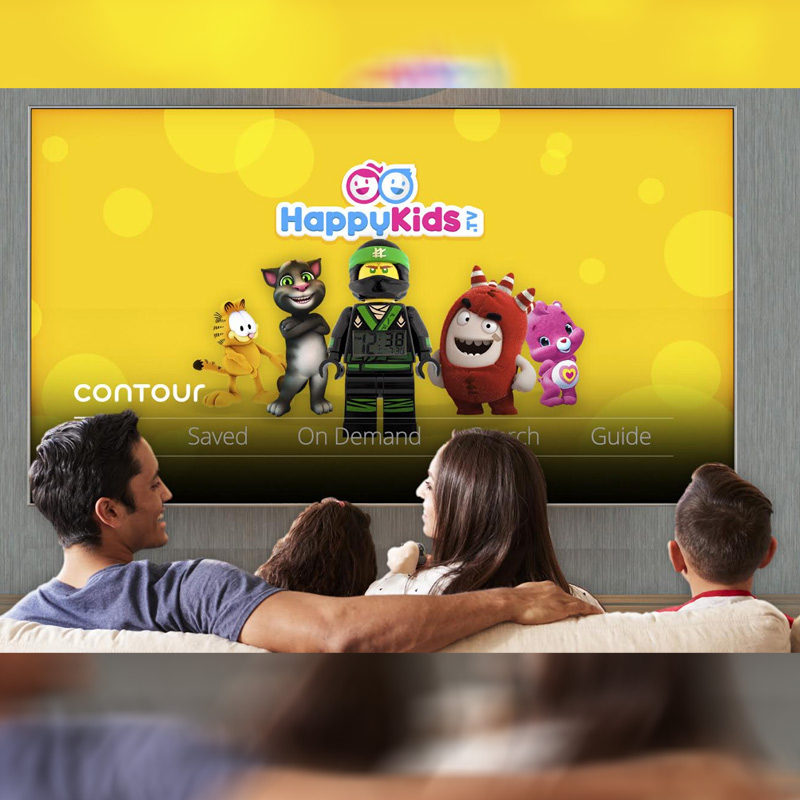
    MUMBAI: OTT publishing platform Future Today has announced a new distribution deal with the recent launch of Fawesome, HappyKids and FilmRise channels on Cox Contour TV and Contour Stream Player. The new agreement enables customers to discover and watch Future Today's premium content, which includes over 60,000 video assets across these three channels, featuring popular movies, TV shows and kids programming available from major studios and media companies.

    The distribution expansion on Cox platforms is an important piece of the Future Today's vast expansion, which is underway. Cox Communications, private telecom company in America, serves six million homes and businesses across 18 states.

    Future Today continues to grow at a rapid pace, with April bringing the best performance of its channels in company history – users are up over 125 per cent YOY and streaming hours are up over 100 per cent YOY. Similar to other streaming services, Future Today is also seeing a spike in consumption with viewership up nearly 30 per cent since the beginning of the pandemic.

    "We are pleased to be offering Cox customers all of our channels through Contour TV and Contour Stream Player," said Future Today COO-co-founder Vikrant Mathur. "In these trying times with families sheltering at home, the family and entertainment channels will be particularly compelling to viewers and are watched more than any other channels in their class across our platform."

    Future Today's agreement with Cox marks its second PayTV deal. Future Today has also recently announced a carriage agreement with Comcast and branded entertainment channels with companies such as Lego, Adventure 2 Learning, and others. Future Today programming is currently available on every major streaming platform, including Roku, Amazon Fire TV, Apple, LG, Samsung, Vizio, Xbox, iOS and Android.

    Established in 2006, Future Today, Inc. is a pioneer and leader in the OTT media and technology landscape. The Company's cloud-based technology platform manages OTT services for more than 350 content owners, producers, distributors and major media companies helping them launch and monetize complex Connected TV channels across devices in a matter of days. 
  • Endemol Shine Group partners with Plex for extensive catalogue deal

    Endemol Shine Group partners with Plex for extensive catalogue deal

    MUMBAI: Global content creator, producer and distributor Endemol Shine Group today announced a multi-territory content partnership with Plex, the global streaming media company that brings your favourite content together in the highest-rated OTT video app.

    The agreement includes a raft of programming from Endemol Shine Group’s extensive library, which will be available for Plex users across the US, UK, Canada, Australia, Germany, France, Italy and Spain.

    Popular titles, spanning a broad range of genres, include Anthony Bourdain: Parts Unknown, Bananas in Pyjamas, City Homicide, Deal or No Deal, MasterChef, McLeod’s Daughters, Mr Bean and Peaky Blinders*.

    Kasia Jablonska, head of digital distribution and monetisation, Endemol Shine Group, said: “We are very pleased to launch another partnership, which demonstrates the enormous popularity of Endemol Shine’s catalogue. Plex is a unique platform, combining more types of content in one solution than any other streaming service in the industry, including a media storage solution and an original media player experience with a vast media library. We are looking forward to working and growing our business together.”

    “Plex has always served a global audience and growing our library of content available around the world has been a top priority,” said Shawn Eldridge, vice president, strategic alliances and content, at Plex. “The quality of the Endemol Shine library is sure to appeal to a wide range of audiences and these titles are welcome additions to the Plex platform.”

    Offering all types of content together in one app, Plex is the world’s most comprehensive streaming platform. Through Plex, consumers have access to free, on-demand movies and TV shows, podcasts, web shows, news, music, over-the-air live and recorded television, as well as personal media collections. By offering access to this diverse range of content mediums, Plex provides cross-content discovery options, helping identify movies, TV, news, podcasts, and web shows consumers might enjoy based on what they’ve already watched or listened to. This advanced technology reduces decision fatigue about what to watch, making the entertainment experience actually entertaining instead of overwhelming.

    Endemol Shine Group showcase their catalogue of content beyond linear through licensing and self-publishing content and curated channels across a variety of digital platforms. From YouTube to Facebook, TikTok, Amazon, Roku, Samsung TV Plus and Tubi to name a few, Endemol Shine Group maximises opportunities across their deep content library which contains 68,000 hours of programming.

  • Amazon Fire TV stick active users soar to 40 million globally

    Amazon Fire TV stick active users soar to 40 million globally

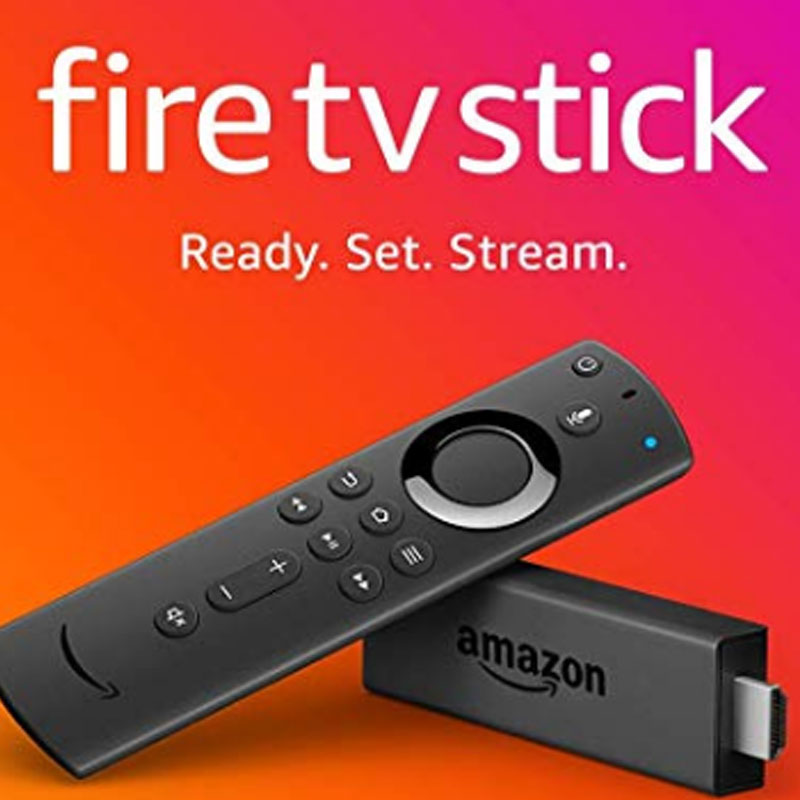
    Mumbai: As preferences of people shifting from cable TV to video-on-demand, Amazon Inc on Monday said its streaming device Fire TV stick has surpassed over 40 million active users globally.

    Amazon Fire TV has successfully left behind the Roku TV, a US-based digital media player that allows customers to access internet streamed videos. Roku Inc had 32.3 million active users in November, said PTI report.

    Apple TV, Chromecast and Fire TV have opened new avenues for the customers to stream internet content on television sets.

    The Fire TV stick launched by Amazon in 2014, features content from Netflix, Amazon Prime Video among others and casts video directly to the television.

  • Eros Now’s OTT content hops on Roku TV & LG Smart TVs

    Eros Now’s OTT content hops on Roku TV & LG Smart TVs

    MUMBAI: Eros International has collaborated with TV Roku and webOS-enabled LG Smart TVs to make its OTT content from Eros Now available globally. Eros’ vast library of Bollywood and regional language films, TV shows, and originals will be shown.

    Commenting on the partnership with LG smart TVs, Eros Digital CEO Rishika Lulla Singh said, “We are excited to partner with one of the largest and formidable brands in consumer electronics. Smart TVs are increasingly becoming a must-have in every household today. This partnership offers a seamless viewing experience for Eros Now users which furthers our vision of being platform agnostic.”

    Users will also be able to enjoy a range of exciting features including full-length movies, thematic curated playlists, multi-language subtitles for movies, music video playlists, regional language filters, and access to a watch a list of titles.

    LG Electronics India director home entertainment Younchul Park said, “At LG, we constantly look at partnerships that can offer value proposition to consumers and our association with Eros Now is a step forward towards this endeavour. The market for smart TV is experiencing an upsurge in India. Availability of good content can certainly enhance the overall consumer experience of smart televisions. We are very confident that good content will further drive smart TV sales in India and create a conducive eco-system for us to cater to the ever-increasing demand.”

    Talking about the partnership with Roku, Singh said, “We are happy to collaborate with a leading streaming innovator like Roku and continue our global expansion to provide seamless user experience. Eros Now’s extensive premium content can now reach millions of homes across North America and the UK through the Roku platform.”

  • YouTube launches TV app in the US to better serve in-home viewing

    YouTube launches TV app in the US to better serve in-home viewing

    MUMBAI: YouTube continues to march into traditional TV’s domain. Earlier this year, it launched its 40 channel bundle in the US for about $35 in certain markets. Along with some originals, the personalisation and recommendation has helped its content consumption skyrocket. Using Chromecast, viewers in 50 markets in the US can now watch it on their TV sets, apart from wirelessly watching it on their tablets, their phones and their computers.

    But that was a thing of the past: it has just announced the launch of its own YouTube app which will first be available on the Android app store for any Android TVs and Xbox Ones, followed by releases on Apple TV, Roku and smart TVs from Samsung Sony and LG.

    Why did the streaming service-turned- cloud pay TV operator have to take this route? YouTube executives state that customers insisted that they wanted it on more fixed devices, especially in US living rooms which are primarily TVs. Data showed that despite the mobile first option, living room is still the hub of entertainment.

    Additionally, it is just protecting its turf. Traditional advertising on desktop browsers is sliding, and mobile ads are picking up the slack, even as viewers are continuing to consume content in living rooms on their TV sets. By launching an app for its YouTube TV, it will be able to capture some more ad dollars is the reasoning.

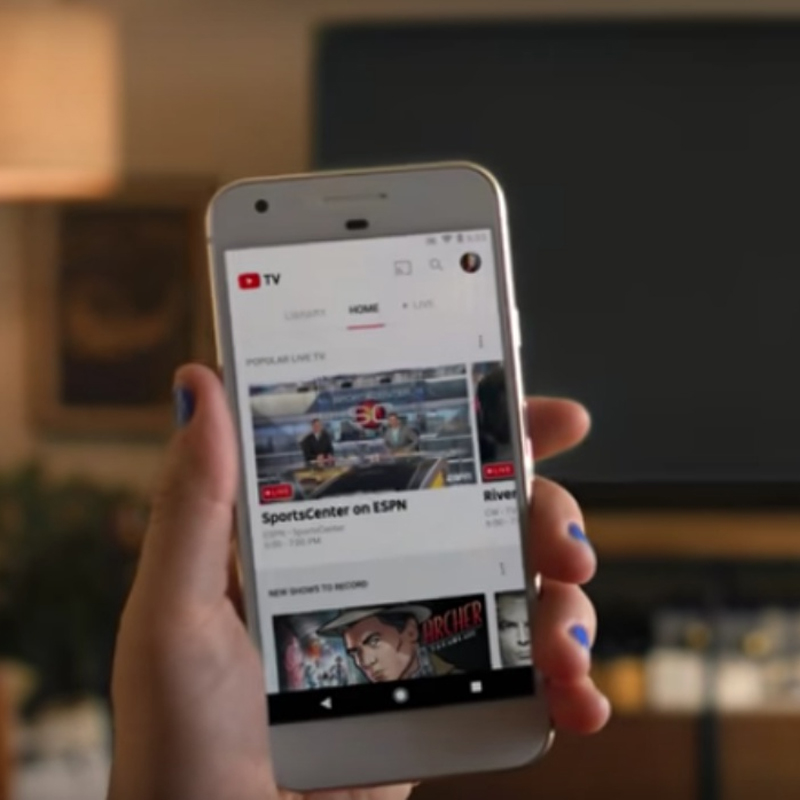
    The YouTube TV app has an in-depth programming guide. Each channel has a page which features the top programmes, a zapper sidebar lets you scroll through channels even as a you watch a show of your own. And what’s most important is the voice enabled search which allows you to talk to your TV set.

    The YouTube TV app built for actual television sets doesn’t cut any of the features you find on the mobile version, but it does add a bunch of new ones. Mobile didn’t feature an in-depth programming guide, but the living room experience has one, so you can see what’s playing a few hours in the future. There are also channel pages that show off top picks from network partners. The programming team built the app in HTML so it can easily be ported onto any device without having to recreate it for other operating systems of other smart TVs.

    Recent data releases from YouTube have revealed that close to a billion hours of video are being watched every day. Mobile viewing accounts for 600 million; desktop is at 300 million hours, while TV accounts for 100 million hours. But the last is growing at a rapid 70 per cent per annum; hence the YouTube App will only see it accelerate faster.

    Clearly, the battle for viewers eyeballs with traditionally delivered cable TV is only going to get more intense. When the service will arrive in India is not known. But it’s something that both India’s struggling cable TV MSOs and operators need to keep a close watch on. Google, with its billions of dollars in cash reserves, can turn on the switch in a second. And that might be too late for the low-on-cash Indian cable TV distribution system.

  • Ownzones’ SVoD brings ‘Best Westerns Ever’ to Amazon, Roku, iOS & Android

    MUMBAI: The Western genre rides again thanks to a new SVOD channel being launched by Ownzones Media Network. The OTT EntTech company will bring Best Westerns Ever to Amazon video channels and via the Ownzones app currently on Roku, iOS and Android platforms beginning today, giving fans exclusive access to hundreds of iconic Western films and TV series at a nominal monthly subscription fee of $1.99.

    Today’s news comes on the heels of Ownzones’ successful rollout of Best TV Ever, a subscription content service for fans of vintage TV series that has seen exponential growth, revealing a great demand for niche programming. ‘Best Westerns Ever’, the next in Ownzones’ plans for a full stable of niche vertical channels, was created to satisfy this demand for underserved fans of the Western genre.

    ‘Best Westerns Ever’ will boast more than 400 film and TV titles featuring the genre’s biggest stars, including John Wayne, Dennis Hopper, Gene Autry, Kirk Douglas, Marlon Brando, Bob Denver, Roy Rogers, Jane Russell, Fred Astaire, Burt Lancaster, and Maureen O’Hara, along with cult classics and rare treasures, such as “The Cisco Kid” and “Bonanza” and films like “Rawhide,” “Billy the Kid Wanted,” “Red River Valley” and “The Over the Hill Gang.”

    “In launching these niche channels, we are recognizing and responding to vastly underserved audience segments by developing exciting, affordable consumer offerings that appeal to their viewing passions,” said Ownzones head of programming Doug Lee.

    “’Best Westerns Ever’ is a robust channel offering sure to delight Western superfans, who will no longer have to pay high prices to gain access to the titles they love. We’re delivering the best of the genre in feature films and series with one-click convenience.”

    Lee adds that, as the end of the traditional TV bundle nears, viewers will be looking to subscribe and spend more in niche OTT services that are of interest to them.

    Ownzones’ launch of ‘Best Westerns Ever’ and success of Best TV Ever validate the company’s business model, which leverages the consumer’s purchase mindset with the organic search capabilities of its partners.

    These new content services will continue to expand to other distribution platforms to meet the growing consumer demand. Both products will also be available on Ownzones.com.

  • ReachMe in US hotels and airports, announces India’s Toonz TV

    MUMBAI: India’s Toonz Media Group’s new kids channel will now be distributed via ReachMe.TV’s in-hotel and in-airport networks in the US. Toonz TV is planning to roll out internationally in the third quarter of 2017.

    Toonz Media has partnered with Los Angeles-based mobile entertainment network ReachMe.TV, a multi-channel, digital TV entertainment network and integrated global distribution platform that reaches viewers on the go, to launch Toonz TV, a new animation-focused family and kids channel.

    ToonsTV is the home of the wildly popular Angry Birds Toons series, the first-ever animated series from Rovio Entertainment, and hand-selected family entertainment shows from around the world. ToonsTV is available on all Angry Birds apps (on iOS and Android devices) the ToonsTV website, Roku video streaming players and Samsung Smart TVs.

    Toonz TV telecasts content of cost, including a Toonz Channel and selection of television series on ReachMe.TV’s mobile web platform, that’s now available to a potential audience of over 100 million US viewers, Kidscreen reported.

    ReachMe.TV’s round-the-clock hotel network at present reaches over 750,000 rooms in top-tier US hotels with an estimated reach of 30 million viewers per month. Its in-airport screens reportedly reach approximately 80 million-plus viewers per month in the top 50 US airports.

    The channel takes content from Toonz’s international animation catalogue, and also shows produced by Toonz’s Thiruvananthapuram-based studio and ReachMe.TV’s production centre space in Hollywood.

    Toonz TV will additionally support families on the go with complimentary in-room movie packages, games and popular downloads.

    Interactive games that incorporate VR and AR are also under way, and a section of ReachMe.TV programming will be accessible on Toonz’s global multi-channel network that operates on platforms including Dailymotion, YouTube, Roku, YuppTV and Amazon Prime.

    Toonz recently tied up with Sharmaji Productions to create Uma and Devan Namaste!, the maiden preschool series about an Indian-American family. Toonz had earlier secured collaborations with major players including Marvel, Disney, Universal Pictures, Paramount Pictures, BBC Worldwide, Sony Pictures, Cartoon Network, Nickelodeon, Discovery Kids and Google.

  • ALT Balaji working with OTT specialists Diagnal and Xstream

    MUMBAI: ALTBalaji, the digital platform from Balalji Telefilms, marks its entry into the world of global OTT entertainment space. Launched with the aim to reach out to individual audiences directly, ALTBalaji provides differentiated content with original shows spanning some 300 hours in the first year itself. This subscription based platform will be commercially available from mid-April 2017.

    ALTBalaji is developed, designed, and integrated by OTT specialists – Diagnal; the platform is powered by Xstream’s cloud based video management system, Xstream MediaMaker™. The multiscreen platform is available on iOS, Android, Windows, Roku, AppleTV, and many more operating systems.

    Created to provide an alternative to mainstream Indian entertainment & TV content, ALTBalaji brings fresh & interesting stories to audience. Offering unparalleled high quality shows featuring popular artists, acclaimed writers, and award winning directors, the platform fills in the existing void in the entertainment space and provide a real, exciting alternative to regular television based options.

    Unlike similar premium Subscription Video on Demand OTT service providers in the market, ALTBalaji allows users to watch select content and previews without requiring an active subscription. Content accessibility provides users with the opportunity to explore service features before choosing a subscription package that suits their content needs and budget. Premium subscribers to the service will have full-access to content and features like parental control and download to watch offline.

    Commenting on this association ALT Digital Media Entertainment CEO Nachiket Pantvaidya said, “Consumers across the world are evolving aided by growing mobile reach; their requirements are becoming niche, rather than one formula fits all and this is where ALTBalaji belongs. We are excited to be associated with Diagnal and Xstream to bring in the best of technology and scalability together. ALTBalaji will offer extensive range of languages and genres to all age group and regions, both in India and abroad.”

    ALTBalaji is fully cloud based, using Amazon Web Services and Microsoft Azure to deliver incomparable performance and durability, ensuring high performance video delivery to all subscribers. ALTBalaji’s highlights include:

    ● A subscription based Video-on-Demand service with original and exclusive premium content at competitive prices to customers
    ● Pre-subscription access to selective content and previews
    ● Service across multiply connected devices with a seamless cross device user experience
    ● Parental control allowing kids to watch kids content while preventing them full access to all content
    ● Full scale analytics backbone with an inference engine and knowledge data store

  • ‘Regional VOD, cashless subs among 2017 trends’

    ‘Regional VOD, cashless subs among 2017 trends’

    MUMBAI: The video on demand streaming industry in India is only blooming, with a host of developments in this year. The digital eco-system has seen production houses like Balaji Telefilms, Indian broadcasting networks such as Star India, Sony Pictures Networks, Viacom18, Zee, etc and few international players like Netflix, Hooq, Amazon Prime, Spuul, etc entering this space which caters to the varied tastes of a very heterogeneous Indian audience. The demand for customized viewing of digital content in India is only increasing. Various factors such as smartphone penetration, launch of 4G, data cost coming down, better infrastructure, diverse library of content offerings not only in Hindi and English but also in several regional languages, etc are the key factors that have driven the rise  of video content this year.  

    In the year 2017, according to the Akamai & NASSCOM report on the future of internet in India, the mobile video content to grow at an 83 per cent CAGR in next 5 years. OTT has not only arrived, it is here to stay, and the advent of 4G and improved bandwidth speeds have only re-enforced this. With increased competition between the video on demand apps, regional content that appeals to particular states will be the key to capture user share.

    Online video subscription numbers fluctuate dramatically every month. The number of unique online video viewers will grow from 66 million in 2015 to 355 million in 2020. E-payments and mobile wallets are getting more popular among the millennials in the country. Digitization of cash will accelerate over the next few years.

    Spuul India’s Rajiv Vaidya opined:

    Cord Cutting

    Today’s viewers have a choice of a host of viewing platforms to choose from, including digital television, internet, tablets and smartphones. Revolutionary app-powered devices like Roku, Apple TV, Chromecast and other streaming devices lets viewers watch their favourite shows across a variety of screens. According to the Akamai & NASSCOM report on the future of internet in India, the mobile video content to grow at an 83 per cent CAGR in five years. Every major television manufacturer now offers “smart” television sets, with integrated internet features that provide access to a host of on-demand streaming media directly. OTT has not only arrived, it is here to stay, and the advent of 4G and improved bandwidth speeds have only re-enforced this. This surging popularity of OTT platforms has challenged the exclusivity that linear television enjoyed till quite recently. Broadcasters have begun witnessing the market trend of “cord cutting”, with a sizeable segment of viewers tuning out from cable subscription and completely switching over to OTT platforms. In fact the millennials have grown up watching shows online, and will possibly never subscribe to paid television services due to multiple streaming options now available and multiple generations that are accustomed to on-demand services. Looking at trends in the US, 2010 was the first year that regular pay television saw a quarterly decline in subscription numbers (this was reported by WSJ, back in 2012). We’re still a while away from that but a small pocket of users in India (usually in the larger cities) are exploring their options when it comes to cord cutting.

    Let’s go regional

    With increased competition between the video on demand apps, regional content that appeals to particular states will be the key to capture user share. According to the Akamai & NASSCOM report on the future of internet in India, about 75% of the new internet users consume content in local language. The real trick in winning the market is to capture the Tier III towns and the rural areas. According to the Frost & Sullivan report a large percentage of video-on-demand viewership in India is fragmented across states and languages. We have seen a lot of growth in regional content on the video on demand apps, fuelled by demand from both local viewers and the international diaspora. According to Internet and Mobile Association in India (IMAI), the Internet user base will cross 500 million by 2018, with rural Internet users alone being almost 210 million.

    Micro transactions and cashless transactions

    According to the Frost & Sullivan report there are 66 million unique connected video viewers in India, of which 1.3 million are paid video subscribers. Online video subscription numbers fluctuate dramatically every month. The number of unique online video viewers will grow from 66 million in 2015 to 355 million in 2020. The country is heading for a cashless economy with a colossal change in the way netizens make their day to day transactions. E-payments and mobile wallets are getting more popular among the millennials in the country. Digitization of cash will accelerate over the next few years. Non-cash payment transactions, which today constitute 22 per cent of all consumer payments, will overtake cash transactions by 2023. Digital payments instruments will drive the growth in non-cash payments, according to Google BCG Report. Micro-transactions will form a substantial portion of the industry, with over 50 per cent of person-to-merchant transactions expected to be under INR 100 the study said. The report predicts that the value of remittances and money transfer that will pass through alternate digital payment instruments will double to 30 per cent by 2020.

  • ‘Regional VOD, cashless subs among 2017 trends’

    ‘Regional VOD, cashless subs among 2017 trends’

    MUMBAI: The video on demand streaming industry in India is only blooming, with a host of developments in this year. The digital eco-system has seen production houses like Balaji Telefilms, Indian broadcasting networks such as Star India, Sony Pictures Networks, Viacom18, Zee, etc and few international players like Netflix, Hooq, Amazon Prime, Spuul, etc entering this space which caters to the varied tastes of a very heterogeneous Indian audience. The demand for customized viewing of digital content in India is only increasing. Various factors such as smartphone penetration, launch of 4G, data cost coming down, better infrastructure, diverse library of content offerings not only in Hindi and English but also in several regional languages, etc are the key factors that have driven the rise  of video content this year.  

    In the year 2017, according to the Akamai & NASSCOM report on the future of internet in India, the mobile video content to grow at an 83 per cent CAGR in next 5 years. OTT has not only arrived, it is here to stay, and the advent of 4G and improved bandwidth speeds have only re-enforced this. With increased competition between the video on demand apps, regional content that appeals to particular states will be the key to capture user share.

    Online video subscription numbers fluctuate dramatically every month. The number of unique online video viewers will grow from 66 million in 2015 to 355 million in 2020. E-payments and mobile wallets are getting more popular among the millennials in the country. Digitization of cash will accelerate over the next few years.

    Spuul India’s Rajiv Vaidya opined:

    Cord Cutting

    Today’s viewers have a choice of a host of viewing platforms to choose from, including digital television, internet, tablets and smartphones. Revolutionary app-powered devices like Roku, Apple TV, Chromecast and other streaming devices lets viewers watch their favourite shows across a variety of screens. According to the Akamai & NASSCOM report on the future of internet in India, the mobile video content to grow at an 83 per cent CAGR in five years. Every major television manufacturer now offers “smart” television sets, with integrated internet features that provide access to a host of on-demand streaming media directly. OTT has not only arrived, it is here to stay, and the advent of 4G and improved bandwidth speeds have only re-enforced this. This surging popularity of OTT platforms has challenged the exclusivity that linear television enjoyed till quite recently. Broadcasters have begun witnessing the market trend of “cord cutting”, with a sizeable segment of viewers tuning out from cable subscription and completely switching over to OTT platforms. In fact the millennials have grown up watching shows online, and will possibly never subscribe to paid television services due to multiple streaming options now available and multiple generations that are accustomed to on-demand services. Looking at trends in the US, 2010 was the first year that regular pay television saw a quarterly decline in subscription numbers (this was reported by WSJ, back in 2012). We’re still a while away from that but a small pocket of users in India (usually in the larger cities) are exploring their options when it comes to cord cutting.

    Let’s go regional

    With increased competition between the video on demand apps, regional content that appeals to particular states will be the key to capture user share. According to the Akamai & NASSCOM report on the future of internet in India, about 75% of the new internet users consume content in local language. The real trick in winning the market is to capture the Tier III towns and the rural areas. According to the Frost & Sullivan report a large percentage of video-on-demand viewership in India is fragmented across states and languages. We have seen a lot of growth in regional content on the video on demand apps, fuelled by demand from both local viewers and the international diaspora. According to Internet and Mobile Association in India (IMAI), the Internet user base will cross 500 million by 2018, with rural Internet users alone being almost 210 million.

    Micro transactions and cashless transactions

    According to the Frost & Sullivan report there are 66 million unique connected video viewers in India, of which 1.3 million are paid video subscribers. Online video subscription numbers fluctuate dramatically every month. The number of unique online video viewers will grow from 66 million in 2015 to 355 million in 2020. The country is heading for a cashless economy with a colossal change in the way netizens make their day to day transactions. E-payments and mobile wallets are getting more popular among the millennials in the country. Digitization of cash will accelerate over the next few years. Non-cash payment transactions, which today constitute 22 per cent of all consumer payments, will overtake cash transactions by 2023. Digital payments instruments will drive the growth in non-cash payments, according to Google BCG Report. Micro-transactions will form a substantial portion of the industry, with over 50 per cent of person-to-merchant transactions expected to be under INR 100 the study said. The report predicts that the value of remittances and money transfer that will pass through alternate digital payment instruments will double to 30 per cent by 2020.