Tag: Rohit Ohri

  • Ad agencies bullish about Union Budget 2017

    Ad agencies bullish about Union Budget 2017

    MUMBAI: The Union Budget 2017 provides the much-needed encouragement to digital India and MSE companies. This, in turn, is said to boost more digital transactions and payments which might boost the growth in advertising in the digital space.

    The biggest highlight for the advertising agencies was that those with billings of less than Rs 50 crore in FY15-16 would benefit from corporate tax reducing to 25 per cent. This is believed to boost their overall profits and cash flows.

    Though, the digital marketing sector was hoping for cuts in service tax on digital advertising and certain clarifications on the soon-to-be-rolled-out GST, the industry is positive about the budget’ implementation. In the design sector, the budget has brought several new opportunities in the areas of user interface and user experience.

    Here’s what the advertising, marketing, communications and design agencies have to say about the budget:

    Advertising

    DAN Performance Group CEO Vivek Bhargava said, “It’s a good budget overall and an extremely positive one for the digital industry. The strong focus on promoting a digital economy through various initiatives on the digital payments front will give a great impetus to the digital revolution that the country is currently undergoing. We are witnessing a significant increase in digital transactions owing to the cashless movement already, which is a huge indication of the times to come – largely in the benefit of the common man. It’s encouraging to see the government introduce movements like ‘Digi-gaav’ and others which will take digital technology to the rural areas where most of the country’s population is actually based. This aggressive digital push is sure to contribute substantially in making India one of the fastest growing economies in 2017.”

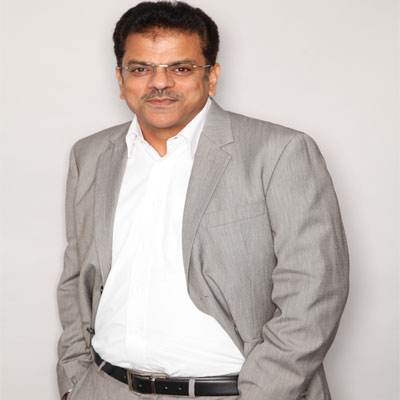
    FCB India group chairman and CEO Rohit Ohri asserted, “The focus on reviving rural consumption, digital India and SWAYAM were the highlights of Budget 2017 for me. The high impetus on digitization, will pave the way for empowerment of the common man. And will open doors to a massive opportunity, untapped as of now, in the digital space. Overall, a progressive budget.”

    Marketing

    VML SEA & India CEO Tripti Lochan added, “The government has created a budget with prominence on digital.  Demonetization’s longer term benefits will percolate – as the first step towards a cashless economy.  But more importantly, there are incentives across all areas of the budget pushing digital.”

    Salt Brand Solutions founder Mahesh Chauhan said, “Tax reduction should boost consumption and more than offset the decline post demonetization. ​ It ​​ should boost the real estate sector with tenure reduction for capital gains. ​As the focus continuous on infrastructure good for long term prospects.​”​

    MindShift Interactive CEO Zafar Rais asserted, “The Union Budget 2017-2018 proposes reforms in tax rules with a positive impact on the corporate tax structure by providing a welcoming tax relief to medium and small business after the affects of demonetisation. The initiatives to encourage digital transactions have been maintained with an outlook on a digitized economy. Overall the budget looks progressive though we are awaiting more clarifications on the GST implementation.”

    Communications

    Pulp Strategy Communications founder and MD Ambika Sharma said, “The latest budget announcement holds great promise. I am particularly enthused by the hike in capital allocation for women skill development initiatives to INR 1.84 lakh crore for the 2017-18 fiscal. This move will empower women across the country and help them in becoming active contributors in the country’s growth. The allocation of INR 10,000 crore for the BharatNet project is also promising, as it will bring high-speed internet connectivity to rural citizens in nearly 150,000 gram panchayats through Wi-Fi hotspots. With nearly 70% of the country’s population living in rural and semi-urban geographies, the move will give the vision of a ‘Digital India’ a big boost. On the business side, the reduction of corporate tax for MSMEs with annual turnover up to INR 50 crore to 25 per cent is a very welcome move which is expected to benefit nearly 96% businesses in the industry. Given that corporate tax is one of the major expenses for the country’s MSMEs, the cut in tax rates will promote greater growth within the sector and will allow Indian businesses to become more competitive globally. Increasing the period for profit-linked deductions to three years out of seven years as against five years is also extremely positive news for the country’s entrepreneurial landscape. Since start-ups often do not generate any profits for the first few years of their operations, increasing the consideration period to seven years will benefit more start-ups and promote entrepreneurship across the country. The setting up of Payment Regulatory Board by RBI to replace BPSS (Board for Regulation and Supervision of Payment and Settlement Systems) as the regulator of electronic payments is also a promising development in the quest to become a less-cash and digital-first economy.”

    Mogae Media chairman Sandeep Goyal voiced, “It is a growth oriented budget with special emphasis on youth and rural, and large provisions for skill development and alleviating unemployment. Combined with the digital thrust, this should help brands focussed on younger audiences especially outside cities. Two-wheelers, telecom, handsets, ‘get-ahead’ education products, grooming and accessories (look-good) products should all receive an advertising fillip. Digitisation of payments and purchase should help enhance the geographies of e-commerce making more brands more easily available to larger numbers of newer customers. This is a new opportunity for advertising and a new challenge for targeting right media to right customers through right apertures at the right time.”

    Knowlarity Communciations CEO and founder Ambarish Gupta added, “The Budget for FY 2017-18 has been declared and though it does not have any major reforms as pundits claimed it would, post demonetization, it has tried to incorporate all essential elements that were of prime concern. The flailing agricultural sector has received a big boost as a sum of Rs. 10 lakh crores has been allocated as credit to the farmers, with an interest free period of 60 days. In order to deal with the uncertainties of monsoon, a dedicated micro-irrigation fund will be established under the aegis of NABARD with Rs. 5000 crores as initial corpus.A number of tax SOPs have been directed towards aiding the MSME sector which was the worst hit during demonetization. For companies with an annual turnover of less than Rs 50 crores, corporate tax has been reduced from 30% to 25%. The budget also directed a sum of Rs 24,000 crores for the growth of the MSME sector. For start-ups reeling under high taxes, the Finance Minister has declared that they would have to pay taxes only for three out of seven years-which was earlier just five- that too only if they make profits.With elections in three states coming up, the budget was expected to be a neutral one. It however, has tried to focus on certain areas which needed immediate effect, without attempting any extravagant measures.

    Design

    Factral Ink Design Studio CEO and creative director Tanay Kumar said, “The Union Budget 2017 gives a huge impetus to Digital India. Incentives like no service tax on digital rail bookings, digital pension distribution system for retired defense personnel for easier access to their funds, the DigiGaon initiative to provide tele-medicine, education, and skills, through digital technology and two new schemes to promote use of BHIM should drive digital traffic. Along with this steps to strengthen connectivity with high-speed broadband on OFC will be available in more than 150,000 gram panchayats, with hotspots and access to digital services at low tariffs, and the emphasis on cyber security with computer emergency response team to be established for the financial sector to work in close coordination with financial sector regulators and other stakeholders, with boost confidence in the people to use digital platforms. As a Digital Design company we are really excited on the opportunities that this budget has created in developing some path breaking work in the areas of user interface and user experience.”

    The Minimalist co-founder Chirag Gander said, “This is a welcome budget by our Finance Minister. The advertising industry, which saw a downfall and was hit due to demonetization, has now got relief on many counts. Increased focus on ‘Digital India’ by the Government will encourage the setting up of new companies, eventually bringing in more business for the advertising and marketing sector. Besides, with the Government’s ‘Make In India’ initiative there will be greater focus on the Indian market and consumer, thereby creating a sort of increased competition among the players in the market to occupy the top spot and reach out to the end buyer. In such a scenario, the reduction in Corporate tax by the Government will give Companies and Brands more power to spend on advertising and marketing activities. Also, the early release of the budget will help Companies plan their marketing and advertising budgets well in advance for this.”
  • Ad agencies bullish about Union Budget 2017

    Ad agencies bullish about Union Budget 2017

    MUMBAI: The Union Budget 2017 provides the much-needed encouragement to digital India and MSE companies. This, in turn, is said to boost more digital transactions and payments which might boost the growth in advertising in the digital space.

    The biggest highlight for the advertising agencies was that those with billings of less than Rs 50 crore in FY15-16 would benefit from corporate tax reducing to 25 per cent. This is believed to boost their overall profits and cash flows.

    Though, the digital marketing sector was hoping for cuts in service tax on digital advertising and certain clarifications on the soon-to-be-rolled-out GST, the industry is positive about the budget’ implementation. In the design sector, the budget has brought several new opportunities in the areas of user interface and user experience.

    Here’s what the advertising, marketing, communications and design agencies have to say about the budget:

    Advertising

    DAN Performance Group CEO Vivek Bhargava said, “It’s a good budget overall and an extremely positive one for the digital industry. The strong focus on promoting a digital economy through various initiatives on the digital payments front will give a great impetus to the digital revolution that the country is currently undergoing. We are witnessing a significant increase in digital transactions owing to the cashless movement already, which is a huge indication of the times to come – largely in the benefit of the common man. It’s encouraging to see the government introduce movements like ‘Digi-gaav’ and others which will take digital technology to the rural areas where most of the country’s population is actually based. This aggressive digital push is sure to contribute substantially in making India one of the fastest growing economies in 2017.”

    FCB India group chairman and CEO Rohit Ohri asserted, “The focus on reviving rural consumption, digital India and SWAYAM were the highlights of Budget 2017 for me. The high impetus on digitization, will pave the way for empowerment of the common man. And will open doors to a massive opportunity, untapped as of now, in the digital space. Overall, a progressive budget.”

    Marketing

    VML SEA & India CEO Tripti Lochan added, “The government has created a budget with prominence on digital.  Demonetization’s longer term benefits will percolate – as the first step towards a cashless economy.  But more importantly, there are incentives across all areas of the budget pushing digital.”

    Salt Brand Solutions founder Mahesh Chauhan said, “Tax reduction should boost consumption and more than offset the decline post demonetization. ​ It ​​ should boost the real estate sector with tenure reduction for capital gains. ​As the focus continuous on infrastructure good for long term prospects.​”​

    MindShift Interactive CEO Zafar Rais asserted, “The Union Budget 2017-2018 proposes reforms in tax rules with a positive impact on the corporate tax structure by providing a welcoming tax relief to medium and small business after the affects of demonetisation. The initiatives to encourage digital transactions have been maintained with an outlook on a digitized economy. Overall the budget looks progressive though we are awaiting more clarifications on the GST implementation.”

    Communications

    Pulp Strategy Communications founder and MD Ambika Sharma said, “The latest budget announcement holds great promise. I am particularly enthused by the hike in capital allocation for women skill development initiatives to INR 1.84 lakh crore for the 2017-18 fiscal. This move will empower women across the country and help them in becoming active contributors in the country’s growth. The allocation of INR 10,000 crore for the BharatNet project is also promising, as it will bring high-speed internet connectivity to rural citizens in nearly 150,000 gram panchayats through Wi-Fi hotspots. With nearly 70% of the country’s population living in rural and semi-urban geographies, the move will give the vision of a ‘Digital India’ a big boost. On the business side, the reduction of corporate tax for MSMEs with annual turnover up to INR 50 crore to 25 per cent is a very welcome move which is expected to benefit nearly 96% businesses in the industry. Given that corporate tax is one of the major expenses for the country’s MSMEs, the cut in tax rates will promote greater growth within the sector and will allow Indian businesses to become more competitive globally. Increasing the period for profit-linked deductions to three years out of seven years as against five years is also extremely positive news for the country’s entrepreneurial landscape. Since start-ups often do not generate any profits for the first few years of their operations, increasing the consideration period to seven years will benefit more start-ups and promote entrepreneurship across the country. The setting up of Payment Regulatory Board by RBI to replace BPSS (Board for Regulation and Supervision of Payment and Settlement Systems) as the regulator of electronic payments is also a promising development in the quest to become a less-cash and digital-first economy.”

    Mogae Media chairman Sandeep Goyal voiced, “It is a growth oriented budget with special emphasis on youth and rural, and large provisions for skill development and alleviating unemployment. Combined with the digital thrust, this should help brands focussed on younger audiences especially outside cities. Two-wheelers, telecom, handsets, ‘get-ahead’ education products, grooming and accessories (look-good) products should all receive an advertising fillip. Digitisation of payments and purchase should help enhance the geographies of e-commerce making more brands more easily available to larger numbers of newer customers. This is a new opportunity for advertising and a new challenge for targeting right media to right customers through right apertures at the right time.”

    Knowlarity Communciations CEO and founder Ambarish Gupta added, “The Budget for FY 2017-18 has been declared and though it does not have any major reforms as pundits claimed it would, post demonetization, it has tried to incorporate all essential elements that were of prime concern. The flailing agricultural sector has received a big boost as a sum of Rs. 10 lakh crores has been allocated as credit to the farmers, with an interest free period of 60 days. In order to deal with the uncertainties of monsoon, a dedicated micro-irrigation fund will be established under the aegis of NABARD with Rs. 5000 crores as initial corpus.A number of tax SOPs have been directed towards aiding the MSME sector which was the worst hit during demonetization. For companies with an annual turnover of less than Rs 50 crores, corporate tax has been reduced from 30% to 25%. The budget also directed a sum of Rs 24,000 crores for the growth of the MSME sector. For start-ups reeling under high taxes, the Finance Minister has declared that they would have to pay taxes only for three out of seven years-which was earlier just five- that too only if they make profits.With elections in three states coming up, the budget was expected to be a neutral one. It however, has tried to focus on certain areas which needed immediate effect, without attempting any extravagant measures.

    Design

    Factral Ink Design Studio CEO and creative director Tanay Kumar said, “The Union Budget 2017 gives a huge impetus to Digital India. Incentives like no service tax on digital rail bookings, digital pension distribution system for retired defense personnel for easier access to their funds, the DigiGaon initiative to provide tele-medicine, education, and skills, through digital technology and two new schemes to promote use of BHIM should drive digital traffic. Along with this steps to strengthen connectivity with high-speed broadband on OFC will be available in more than 150,000 gram panchayats, with hotspots and access to digital services at low tariffs, and the emphasis on cyber security with computer emergency response team to be established for the financial sector to work in close coordination with financial sector regulators and other stakeholders, with boost confidence in the people to use digital platforms. As a Digital Design company we are really excited on the opportunities that this budget has created in developing some path breaking work in the areas of user interface and user experience.”

    The Minimalist co-founder Chirag Gander said, “This is a welcome budget by our Finance Minister. The advertising industry, which saw a downfall and was hit due to demonetization, has now got relief on many counts. Increased focus on ‘Digital India’ by the Government will encourage the setting up of new companies, eventually bringing in more business for the advertising and marketing sector. Besides, with the Government’s ‘Make In India’ initiative there will be greater focus on the Indian market and consumer, thereby creating a sort of increased competition among the players in the market to occupy the top spot and reach out to the end buyer. In such a scenario, the reduction in Corporate tax by the Government will give Companies and Brands more power to spend on advertising and marketing activities. Also, the early release of the budget will help Companies plan their marketing and advertising budgets well in advance for this.”
  • First Create Behaviour, FCB Ulka’s mantra debuts with Merino mandate

    First Create Behaviour, FCB Ulka’s mantra debuts with Merino mandate

    MUMBAI: Merino Group has awarded its brand strategy & creative mandate to FCB Ulka Delhi, following a multi-agency pitch. The mandate involves work for Merino Laminates, Merino Furniture, and their FMCG food brand Vegit. The mandate includes ATL, BTL & digital.

    Merino Laminates is a popular brand in the laminate segment and leading manufacturer and exporter of decorative laminates for interiors. Vegit, a subsidiary, features in the Ready-to-Cook category. Merino spokesperson said, “Merino will endeavour to bring resident knowledge of the trade obtained over years, & its application into all facets of Business Activity.”

    FCB India group chairman and CEO Rohit Ohri said, “FCB’s new creative mantra – First Create Behaviour, and our new planning protocol – Brand Bedrock, debuted at this pitch. The other debut was that of our new regional leadership team, Debarpita Banerjee (president north & east), Surjo Dutt (national creative director) and John Thangaraj (executive planning director).”

    FCB Ulka president north & east Debarpita Banerjee added, “This is an exciting, even though a bit nascent side of the decorative market. This space throws up immense potential and allows fresh thinking, giving us a chance at category creation.”

  • First Create Behaviour, FCB Ulka’s mantra debuts with Merino mandate

    First Create Behaviour, FCB Ulka’s mantra debuts with Merino mandate

    MUMBAI: Merino Group has awarded its brand strategy & creative mandate to FCB Ulka Delhi, following a multi-agency pitch. The mandate involves work for Merino Laminates, Merino Furniture, and their FMCG food brand Vegit. The mandate includes ATL, BTL & digital.

    Merino Laminates is a popular brand in the laminate segment and leading manufacturer and exporter of decorative laminates for interiors. Vegit, a subsidiary, features in the Ready-to-Cook category. Merino spokesperson said, “Merino will endeavour to bring resident knowledge of the trade obtained over years, & its application into all facets of Business Activity.”

    FCB India group chairman and CEO Rohit Ohri said, “FCB’s new creative mantra – First Create Behaviour, and our new planning protocol – Brand Bedrock, debuted at this pitch. The other debut was that of our new regional leadership team, Debarpita Banerjee (president north & east), Surjo Dutt (national creative director) and John Thangaraj (executive planning director).”

    FCB Ulka president north & east Debarpita Banerjee added, “This is an exciting, even though a bit nascent side of the decorative market. This space throws up immense potential and allows fresh thinking, giving us a chance at category creation.”

  • Suman Srivastava is vice chairman and chief strategy officer of FCB Ulka Group

    Suman Srivastava is vice chairman and chief strategy officer of FCB Ulka Group

    MUMBAI: FCB Ulka Group chairman and CEO Rohit Ohri announced the appointment of Suman Srivastava as vice chairman and chief strategy officer, FCB Ulka Group.

    Commenting on the appointment, Ohri said, “Good people make good things happen. That’s my guiding principle as I build my leadership team at FCB Ulka Group. In Suman I see a brilliant mind, a deep passion for brand building and inspiring leadership. I’m delighted to have him as my strategic partner as we write a new chapter in the history of FCB Ulka in India. ”

    A graduate from Delhi University, IIM Ahmedabad and IMD Lausanne, Suman started his career with the Lintas Group and was part of the team that set up SSC&B. He then moved on to Euro RSCG in India and eventually became its CEO as well as Chief Strategy Officer for its Asia Pacific region. Suman then turned entrepreneur and started a strategic consulting firm – Marketing Unplugged, which will now be a part of the FCB Ulka Group.

    As he takes charge in his new role, Suman Srivastava said, “I seem to change jobs every year in which India hosts the cricket world cup. I started my career in Lintas in 1987, then moved to Euro RSCG in 1996 and started Marketing Unplugged in 2011. I am thankful that Rohit offered me such an exciting new role just in the year that India is hosting the T20 World Cup. That ensures my record stays clean. And given that India is not likely to host another world cup for many years, I look forward to a long and happy tenure at FCB Ulka.”

    Going forward Suman will oversee strategy and all related functions for the Group, including Strategic Planning, Cogito Consulting, Asterii Analytics and Marketing Unplugged.  

  • Suman Srivastava is vice chairman and chief strategy officer of FCB Ulka Group

    Suman Srivastava is vice chairman and chief strategy officer of FCB Ulka Group

    MUMBAI: FCB Ulka Group chairman and CEO Rohit Ohri announced the appointment of Suman Srivastava as vice chairman and chief strategy officer, FCB Ulka Group.

    Commenting on the appointment, Ohri said, “Good people make good things happen. That’s my guiding principle as I build my leadership team at FCB Ulka Group. In Suman I see a brilliant mind, a deep passion for brand building and inspiring leadership. I’m delighted to have him as my strategic partner as we write a new chapter in the history of FCB Ulka in India. ”

    A graduate from Delhi University, IIM Ahmedabad and IMD Lausanne, Suman started his career with the Lintas Group and was part of the team that set up SSC&B. He then moved on to Euro RSCG in India and eventually became its CEO as well as Chief Strategy Officer for its Asia Pacific region. Suman then turned entrepreneur and started a strategic consulting firm – Marketing Unplugged, which will now be a part of the FCB Ulka Group.

    As he takes charge in his new role, Suman Srivastava said, “I seem to change jobs every year in which India hosts the cricket world cup. I started my career in Lintas in 1987, then moved to Euro RSCG in 1996 and started Marketing Unplugged in 2011. I am thankful that Rohit offered me such an exciting new role just in the year that India is hosting the T20 World Cup. That ensures my record stays clean. And given that India is not likely to host another world cup for many years, I look forward to a long and happy tenure at FCB Ulka.”

    Going forward Suman will oversee strategy and all related functions for the Group, including Strategic Planning, Cogito Consulting, Asterii Analytics and Marketing Unplugged.  

  • Rohit Ohri to join FCB Ulka as group chairman & CEO

    Rohit Ohri to join FCB Ulka as group chairman & CEO

    MUMBAI: Former Dentsu Asia Pacific CEO Rohit Ohri, who recently stepped down from his post, is all set to join FCB Ulka India as group chairman and CEO, effective January 2016.


    Ohri will be the successor to current CEO and group chairman Nagesh Alai who, after 25 years with FCB, is moving into a global role.


    Alai will assume the role of global vice-chairman at FCB, working on special initiatives for FCB worldwide CEO Carter Murray. With FCB’s newly restructured global company, Ohri will serve as a member of the global operating committee and report directly to Murray in New York. He will be one of the CEOs helping to guide the global company.


    “I want to thank Nagesh for dedicating his career to our FCB operations in India and for helping FCB Ulka become one of the strongest agencies in the country. I look forward to working with him on special global initiatives,” said Murray.


    “When Nagesh and the Board introduced me to Rohit as someone they felt fitted the culture of the company, I was struck by his passion for what we do, his focus on great work and strong client relationships, and his natural gravitas. If you add his track record in the industry, Rohit is someone whom I think will lead FCB Ulka forward with vision and energy, and keep the flame strong,” he added.


    “FCB has gone back to its roots and is reigniting its brand essence under Carter’s leadership. The opportunity to partner with him, in what could be the most defining time in the history of FCB convinced me to quit my regional assignment and come back to India,” said Ohri.


    “FCB Ulka has a rich legacy of creating solid brand-building work. It’s a company that values partnerships, people and culture. The opportunity to build on this legacy and to take a great agency to greater heights is truly exciting. I’m delighted to be at the right place at the right time and with the right people,” he added.


    Ohri will be supported by FCB Ulka’s management board, which includes Lodestar Media executive director and Mediabrands CEO Shashi Sinha, Interface Communications and Asterii Analytics executive director Niteen Bhagwat, FCB Ulka Mumbai and Bengaluru, FCBi and Cogito executive director MG Parameswaran and FCB Ulka Delhi executive director Arvind Wable.

  • Dentsu Asia Pacific CEO Rohit Ohri resigns

    Dentsu Asia Pacific CEO Rohit Ohri resigns

    MUMBAI: Dentsu India CEO Rohit Ohri has put in his papers at the agency.


    After 21 years at JWT, Ohri joined Dentsu in 2011 as executive chairman. It may be recalled that just last month (June 2015), Ohri, who previously led Dentsu in India and Asia Pacific South, was re-located to Singapore and was given the responsibility to cover all markets in the region outside of Dentsu’s home territory as CEO Dentsu Asia Pacific (ex Japan).


    Ohri is speculated to join FCB Ulka. 


    In an official statement Dentsu said, “Rohit Ohri CEO Dentsu Asia Pacific (ex Japan) has resigned after four years at the company. He has made a great contribution and we thank him for that. New leadership of Dentsu brands in Asia Pacific will be announced in due course.”

  • Dentsu APAC elevates Ted Lim as chief creative officer

    Dentsu APAC elevates Ted Lim as chief creative officer

    MUMBAI: Dentsu Aegis Network has promoted Ted Lim to chief creative officer of Dentsu Asia Pacific excluding Japan. Prior to this, Lim led Dentsu’s creative offering for Southeast Asia. 


    Dentsu Asia Pacific (ex Japan) CEO Rohit Ohri said, “Ted has done a great job in building a culture of creativity and innovation in Southeast Asia and will now will bring those skills to an even bigger job across the region. I look forward to working closely with Ted to bring to life Dentsu’s core proposition of Good Innovation outside Japan and in the process, build and enhance our company’s creative reputation.”


    Previously, Lim was executive creative director and deputy chairman at Naga DDB Malaysia and chief creative officer at Leo Burnett Singapore before joining Dentsu in 2013.


    Lim, who will now work with over 20 offices across 10 countries, said, “Fortune follows fame. Do work that makes our clients and their brands famous, and money will follow.”

  • Dentsu Aegis Network promotes Suresh Mohankumar

    Dentsu Aegis Network promotes Suresh Mohankumar

    MUMBAI: Dentsu Aegis Network has promoted Suresh Mohankumar as Dentsu Communications president planning, with the aim of adding impetus to the planning acumen of the organisation.


    In his new role, Mohankumar will chair the planning council of DBA India. He will also build and lead Dentsu Webchutney’s planning capabilities in the South.


    Dentsu Aegis Network chairman & CEO South Asia Ashish Bhasin said, “Suresh is brilliant in strategic planning and has played an important role in building several high profile brands. With his vast experience and knowledge of our business, I am sure he will be able to take our planning abilities to a new height.”


    DCPL CEO Simi Sabhaney added, “Suresh has all the key ingredients one seeks in a planning partner. He is disciplined, courageous, passionate and accountable. He builds magic on a bedrock of sound logic. I wish him the very best in his new role.”


    Dentsu Asia Pacific CEO Rohit Ohri said, “Suresh is an intuitive strategic planner and has contributed solidly towards brand building work for many a client. I’m confident that with his rich experience and deep understanding of our business, he will be able to take the planning capabilities of the group to newer heights.”


    Mohankumar started his career in account management with RK Swamy/BBDO in Chennai. Over the next seven years he worked with Contract and Lowe in Bangalore. He switched to account planning in 2000 when he moved to Mudra Chennai. As a strategic planner, he then worked with Contract and JWT in Chennai.


    “I am really excited about this new assignment; it is a great opportunity to bring alive Dentsu’s vision of ‘Borderless Engagement’ with every project that we work on,” said Mohankumar.