In Indian cities, bikes are a lifeline for quick, affordable travel, but they also demand careful ownership. Congested roads, unpredictable drivers, and regular wear and tear can make riding stressful.
The solution? A proactive approach. From choosing reliable cover and riding safely to maintaining your two-wheeler regularly, here’s how to turn bike ownership into a smooth, secure, and worry-free experience.
Common Challenges of Bike Ownership in Cities
Owning a bike in an Indian city can be convenient and cost-effective, but it also brings unique challenges. From maintenance to navigating daily traffic, riders often face hurdles that require planning and attention.
1. Frequent servicing and maintenance needs.
2. Rising fuel prices are impacting daily costs.
3. Limited availability of safe parking spaces.
4. Daily wear and tear from constant use.
5. Navigating busy roads and traffic congestion.
6. Dealing with unpredictable weather and road conditions.
7. Managing tight schedules while ensuring timely upkeep.
8. Small issues escalate into costly repairs without regular care.
8 Easy Steps to Keep Your Riding Experience Smooth in Indian Cities
Managing a bike in a busy city doesn’t have to be complicated. With a few simple habits and practical steps, you can reduce everyday stress and keep your two-wheeler running smoothly. Here are eight easy ways to make your ownership experience safer, simpler, and more efficient.
1. Start with the Right Bike for City Use
The first step towards stress-free ownership is choosing a bike that suits your daily needs. Not every bike is made for Indian city roads. You’ll need a model that balances power, mileage, manoeuvrability, and ease of maintenance. Look for bikes that offer:
a. Lightweight frame and easy handling
b. Good mileage and fuel efficiency
c. Upright seating posture for comfort in traffic
d. Decent ground clearance for uneven roads
e. Tubeless tyres for reduced puncture hassle
2. Two-Wheeler Insurance: Your Everyday Safety Net
City riding comes with unpredictability, bumper-to-bumper traffic, potholes, and narrow lanes, all of which increase the chances of minor accidents or damage. That’s where two-wheeler insurance steps in.
a. Covers repair costs in case of accidents
b. Protects against theft, vandalism, or natural disasters
c. Cashless repair options at network garages
d. Some policies offer roadside assistance and towing.
3. Service Your Bike Regularly Without Waiting for Trouble
Maintenance is often overlooked until a problem arises. But it shouldn’t be.
a. Refer to your owner’s manual and follow the suggested service timeline.
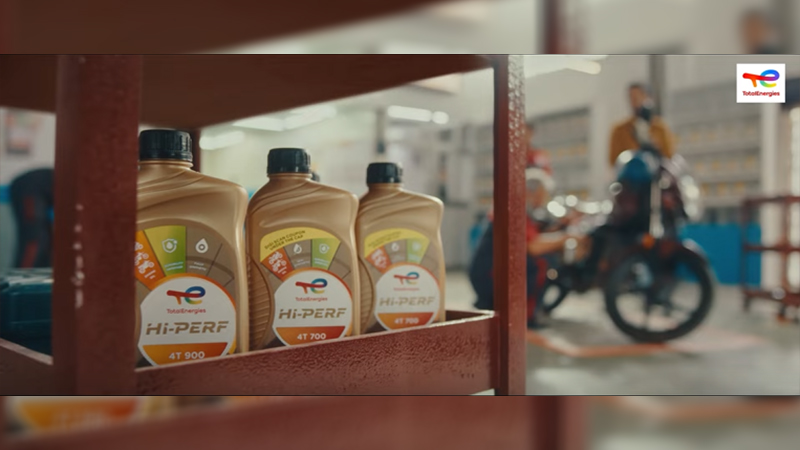
b. Get your engine oil changed on time.
c. Check tyre pressure every 10–15 days.
d. Inspect brakes, chain, and lights monthly.
e. Keep your air filter and battery clean.
For those who ride daily, minor issues like brake pad wear or clutch stiffness can escalate if left unchecked. Preventive care saves you both money and stress in the long run.
4. Master Safe Riding Habits for City Roads
City riding is all about being alert and defensive. Unlike highways, you’re navigating a mix of pedestrians, autos, buses, and stray animals, often all at once. Urban riding tips every biker should follow:
a. Always wear a helmet and fasten it properly
b. Avoid weaving through traffic; it increases collision risk.
c. Use indicators early while turning.
d. Don’t ride too close to other vehicles.
e. Slow down during rain or on poorly lit roads.
f. Make visibility your priority, wear reflective clothing, and keep your headlights on, even during the day.
g. Back Up with Comprehensive Insurance
Even with safe riding, unforeseen events like accidents, theft, or natural disasters can still cause damage. A comprehensive two-wheeler insurance policy offers wide protection and acts as a financial shield against costly repairs or losses. It typically covers:
i. Damage from road accidents
ii. Loss due to man-made disasters like fire or vandalism
iii. Loss due to natural disasters like floods or storms
iv. Theft or total loss of the vehicle
v. Third-party liabilities for injury or property damage
vi. Optional add-ons for enhanced protection
Having this cover ensures you’re prepared for unexpected expenses and can continue riding with confidence.
5. Park Smart to Avoid Damage or Fines
Finding safe parking in cities is a daily struggle. Parking in the wrong place can result in scratches, fines, or worse, towing.
a. Choose well-lit, secure spots, preferably near CCTV cameras
b. Use a front disc lock or handlebar lock for added security.
c. Avoid parking too close to cars or walls, as scratches are common.
d. In public lots, avoid corners or blind spots that attract theft.
e. For apartment parking, request a dedicated space if possible.
6. Keep Important Documents Handy and Digital
In case of an accident or police check, you don’t want to be caught off guard. Always have digital and physical copies of:
a. Registration Certificate (RC)
b. Driving licence
c. Pollution Under Control certificate (PUC)
d. Insurance policy
e. Emergency contact details
Apps like DigiLocker are accepted by the traffic police and make document storage hassle-free.
7. Plan for Emergencies Before They Happen
City rides can throw up surprises, a flat tyre in the rain, a dead battery after office hours, or a minor skid in traffic. It helps to be prepared.
a. Portable tyre inflator or puncture kit
b. First-aid kit
c. Flashlight
d. Phone charger or power bank
e. Contact number of your regular mechanic or roadside assistance
Even better, check if your bike insurance includes on-road assistance, which can be a lifesaver when you least expect it.
8. Use Tech to Simplify Your Rides
Technology has made city commuting smarter. From navigation to maintenance tracking, there’s an app or device for almost everything.
a. Navigation apps for real-time traffic
b. Fuel tracker apps to monitor mileage and fuel usage
c. Service reminder apps to keep up with maintenance schedules
d. Insurance apps to raise claims or renew policies
e. Ride-sharing apps (for pillion riders) to split fuel costs
f. Some bikes even come with built-in Bluetooth and connected dashboards, ideal for staying on top of alerts.
Owning a bike in the city can be simple and stress-free. Paying attention to simple things like maintenance, safety, and smart habits can make everyday riding much easier. A little preparation helps avoid unexpected issues and keeps your journeys smooth.
New riders and seasoned commuters alike can benefit from staying informed and proactive to enjoy the convenience a two-wheeler truly brings.