Tag: Reynolds

  • TV News and Facebook Live

    TV News and Facebook Live

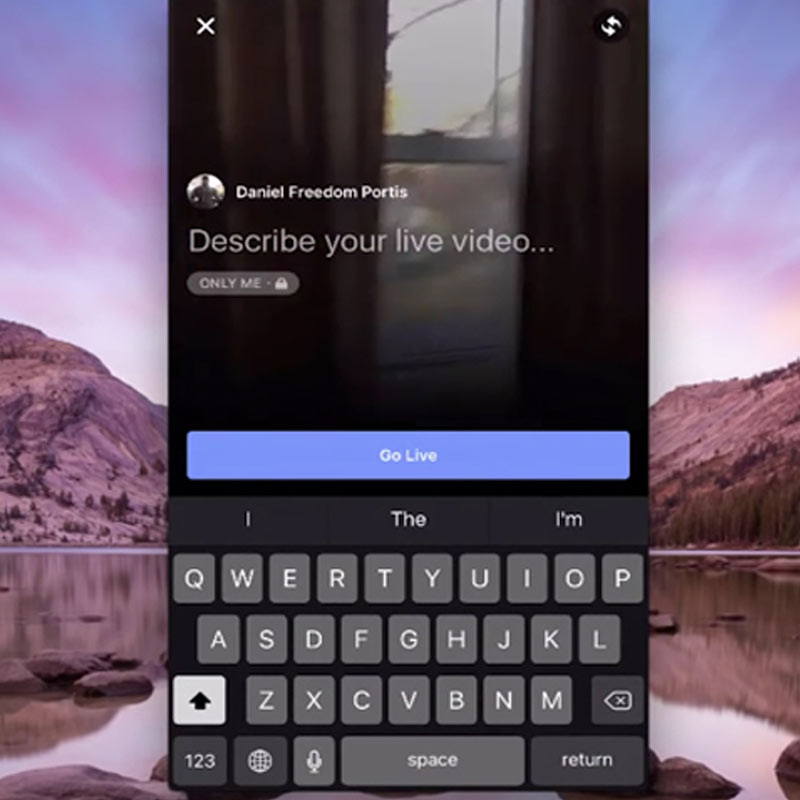
    Television’s last bastion – live news – could be under threat. At least if one goes by the traction that two events got when they were broadcast live on social media last week. These were not shot with fancy news cameras by specialist videographers; they were shot using simple smart phones. The broadcast platform: Facebook, which has more than a billion users world wide and more than 150 million in India.

    The first was when Lavish Reynolds opened up her Facebook Live app and started filming her boyfriend Philando Castile bleeding to death after being shot by the Falcon Heights, Minnesota police in their car at a traffic stop. And she kept continuously reporting from the aftermath of the scene. Apparently, the cops had stopped Castile’s car as it had a broken taillight. And they had asked him to bring out his ID and licence. Castile, Reynolds, states during the broadcast informed the police that he had a licensed firearm, but he was reaching in his pocket for his wallet to bring out his ID. The policeman, despite being informed of this, pumped four bullets into him, Reynolds says.

    That video on Facebook has got more than 5.6 million views at the time of writing.

    And it led to protests and rallies against police violence across the US of A the next day.

    In Dallas, bullets rang out loud and clear during one of the rallies protesting police brutality. Six policemen were shot at by a sniper – Micah Xavier Johnson – from a building. Five of them died. Others were injured. Johnson who holed out against the policeman in a garage was later killed with the help of a robot and an explosive device.

    The action on the streets, with the police scrambling around, was filmed by Michael Kevin Bautista and streamed live on Facebook. The video had been watched 5.6 million times once again at the time of writing. Michael got instant fame, getting onto CNN, BBC Radio, CBS, the Washington Post and TMZ apart from a host of other news outlets.

    While a large chunk of TV viewers in the US have switched to OTT and VOD services, for their entertainment, cutting off their cable TV connections, most of them are still relying on TV channels for news. This is because TV broadcast helps make understanding news developments easier. But the fact is that news and its analysis is dependent on the slant that producers, reporters, owners – some with vested interests – give it.

    Media observers say that the two developments mentioned above could be the fore bearers of the new age of un-curated, raw, reportage of developments – or news – as they happen on the ground during crime scenes, war, accidents, acts of violence or what have you. What would make this kind of reportage interesting is that it would be presented without any bias or agenda.

    Imagine the scenario: lay Facebook users the world over whipping out their phones, filming incidents and reporting on them live. This could run into thousands and even hundreds of thousands. With viewers possibly running into millions as happened in the case of Reynolds and Bautista. The numbers could be higher too. Take Candace Payne who went live on Facebook, filming herself wearing a Chebacca mask and cackling away. The video has until the time of writing grossed 150 million views.

    What could the emergence of tools such as Facebook Live and Twitter’s Periscope mean for Indian news TV? There’s disruption waiting to definitely happen with Indian news channels. Some amount of cynicism has crept in among those in the know about the way news is being presented by a majority of the news outlets. There’s always doubt on top of most viewers minds as most TV news channel promoters either have political or economic linkages or leaning.

    The time could not be very far when Facebook Live could really start kicking in India. India is a mobile first nation with more than 250 million smart phone owners and around the same number surfing the net on their phones. Around 150 million young and old alike are always logged onto their Facebook accounts.

    Give it a thought: if even 10 per cent of them tune into a development shot by a Facebooker and streamed live, the numbers would be more than the viewers than what the top TV news channels attract.

    Clearly this is a phenomenon waiting to happen. Again and again. All it would require is a trigger or triggers. And a million news channels would suddenly pop up on Facebook. Giving out unadulterated, independent updates of developments.

    In such a scenario a few questions need to be answered. Are not the regulations for broadcast news TV pretty rigid? Will the government seek to regulate and monitor the millions of Facebook live streams? Should it do so at all? Television news broadcast has a code of conduct, some of which is being followed. Could a new code of conduct be put in for Facebook Live news bearers? And will it be followed? How will that happen?

    There are many other queries that could need an answer.

    For that it’s over to the ministry of information and broadcasting. And if needed to the Telecom Regulatory of India.

  • TV News and Facebook Live

    TV News and Facebook Live

    Television’s last bastion – live news – could be under threat. At least if one goes by the traction that two events got when they were broadcast live on social media last week. These were not shot with fancy news cameras by specialist videographers; they were shot using simple smart phones. The broadcast platform: Facebook, which has more than a billion users world wide and more than 150 million in India.

    The first was when Lavish Reynolds opened up her Facebook Live app and started filming her boyfriend Philando Castile bleeding to death after being shot by the Falcon Heights, Minnesota police in their car at a traffic stop. And she kept continuously reporting from the aftermath of the scene. Apparently, the cops had stopped Castile’s car as it had a broken taillight. And they had asked him to bring out his ID and licence. Castile, Reynolds, states during the broadcast informed the police that he had a licensed firearm, but he was reaching in his pocket for his wallet to bring out his ID. The policeman, despite being informed of this, pumped four bullets into him, Reynolds says.

    That video on Facebook has got more than 5.6 million views at the time of writing.

    And it led to protests and rallies against police violence across the US of A the next day.

    In Dallas, bullets rang out loud and clear during one of the rallies protesting police brutality. Six policemen were shot at by a sniper – Micah Xavier Johnson – from a building. Five of them died. Others were injured. Johnson who holed out against the policeman in a garage was later killed with the help of a robot and an explosive device.

    The action on the streets, with the police scrambling around, was filmed by Michael Kevin Bautista and streamed live on Facebook. The video had been watched 5.6 million times once again at the time of writing. Michael got instant fame, getting onto CNN, BBC Radio, CBS, the Washington Post and TMZ apart from a host of other news outlets.

    While a large chunk of TV viewers in the US have switched to OTT and VOD services, for their entertainment, cutting off their cable TV connections, most of them are still relying on TV channels for news. This is because TV broadcast helps make understanding news developments easier. But the fact is that news and its analysis is dependent on the slant that producers, reporters, owners – some with vested interests – give it.

    Media observers say that the two developments mentioned above could be the fore bearers of the new age of un-curated, raw, reportage of developments – or news – as they happen on the ground during crime scenes, war, accidents, acts of violence or what have you. What would make this kind of reportage interesting is that it would be presented without any bias or agenda.

    Imagine the scenario: lay Facebook users the world over whipping out their phones, filming incidents and reporting on them live. This could run into thousands and even hundreds of thousands. With viewers possibly running into millions as happened in the case of Reynolds and Bautista. The numbers could be higher too. Take Candace Payne who went live on Facebook, filming herself wearing a Chebacca mask and cackling away. The video has until the time of writing grossed 150 million views.

    What could the emergence of tools such as Facebook Live and Twitter’s Periscope mean for Indian news TV? There’s disruption waiting to definitely happen with Indian news channels. Some amount of cynicism has crept in among those in the know about the way news is being presented by a majority of the news outlets. There’s always doubt on top of most viewers minds as most TV news channel promoters either have political or economic linkages or leaning.

    The time could not be very far when Facebook Live could really start kicking in India. India is a mobile first nation with more than 250 million smart phone owners and around the same number surfing the net on their phones. Around 150 million young and old alike are always logged onto their Facebook accounts.

    Give it a thought: if even 10 per cent of them tune into a development shot by a Facebooker and streamed live, the numbers would be more than the viewers than what the top TV news channels attract.

    Clearly this is a phenomenon waiting to happen. Again and again. All it would require is a trigger or triggers. And a million news channels would suddenly pop up on Facebook. Giving out unadulterated, independent updates of developments.

    In such a scenario a few questions need to be answered. Are not the regulations for broadcast news TV pretty rigid? Will the government seek to regulate and monitor the millions of Facebook live streams? Should it do so at all? Television news broadcast has a code of conduct, some of which is being followed. Could a new code of conduct be put in for Facebook Live news bearers? And will it be followed? How will that happen?

    There are many other queries that could need an answer.

    For that it’s over to the ministry of information and broadcasting. And if needed to the Telecom Regulatory of India.

  • Pogo Amazing Kids Awards get interactive this year

    Pogo Amazing Kids Awards get interactive this year

    MUMBAI: It’s time for the third edition of the Pogo Amazing Kids Awards (PAKA) and this time the fun and frolic around the awards is set to double. Unlike its previous two editions, this time round apart from airing the awards on Pogo in December, the channel will also weave programming around it.

    “We will be presenting PAKA in a serialised format this year comprising 19 episodes over a period of seven weeks, which will showcase the kids who are shortlisted in the award categories,” says Turner International India vice president advertising sales and networks (India and South Asia) Monica Tata.

    What’s more, for the first time, the show will also weave interactivity around it wherein viewers can SMS and vote in for their favourite kids in various categories. The call of voting for Paka will start from 15 September and will end of 31 October. The awards will be held in December.

    The series will begin airing on 4 November. The first eight episodes will be non-category specific, profiling episodes, with the viewer getting to see five amazing kids every episode. The ninth episode will be a re-cap and episodes 10 – 17 will have the top three kids’ pitched against each other vying for the top rung by impressing the jury, viewers and thereby getting their votes. Episode 18 will again be a re-cap and also the curtain raiser to the finals. Winners will be announced in the 19th episode.

    The winners will get a child benefit policy worth Rs 500,000 and will also get a change to be on Pogo through 2007. Derek O’Brien’s company will manage the entire selection and search process for PAKA 2006.

    The search for the 40 kids from eight categories (five kids per category) of arts, sports, music, singing, dance, genius, leadership and entertainment will begin on 1 August and end on 20 August. These 40 kids will further be shortlisted to 24 (three per category).

    Tata added, “Having the distinction of being the country’s only televised kids’ awards, as also a unique platform that acknowledges India’s wealth of budding talent and kids’ choices, Pogo Amazing Kids Awards 2006 aims to raise the benchmark for children’s awards in the country through audience polls and a panel of illustrious judges whose combined feedback would determine which amazing Indian kid bags each of the eight coveted titles. Right from the solicitation phase up to the grand finale, every phase of Pogo Amazing Kids Awards 2006 will truly reflect Pogo’s promise of being a channel that Indian kids can call their own.”

    PAKA is divided into two sections – Pogo Voice Awards and Pogo Kids Awards. The Pogo Kids Awards segment will recognize exceptional talent and brilliance and reward them for their extraordinary talents in multiple areas.

    The channel has tied up with Bata as their on-ground partners, wherein kids can avail of the entry forms from any of the 850 Bata outlets across the country. Forms can also be downloaded from www.Pogo.tv and information can also be found by sending an SMS to 8558.

    Apart from that there are two presenting sponsors (Horlicks and Parle G) and six associates sponsors (Kellogg’s, Big Babol, Kissan, Reynolds, Munch and Ganuchi Shoes).

    To promote PAKA 2006, Pogo will kick off an integrated media campaign comprising outdoor, print, internet and school contact programmes. Mailers will be sent out to 200,000 kids across India and school contact programmes will be held in approximately 3000 schools.