Tag: revenue growth

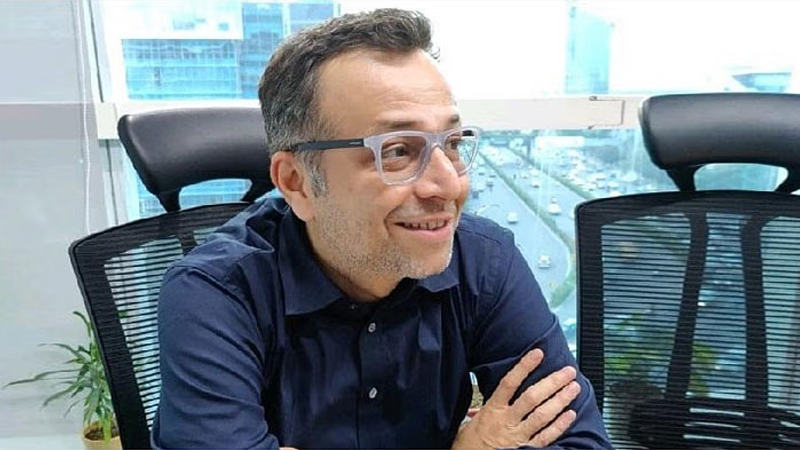
  • Swiggy orders fresh talent, puts Anuj Gupta in revenue driver’s seat as VP

    Swiggy orders fresh talent, puts Anuj Gupta in revenue driver’s seat as VP

    MUMBAI: Swiggy just ordered itself a fresh hot serving of growth—with extra toppings of expertise. The food delivery giant is turning up the heat in its growth kitchen by appointing seasoned omnichannel wizard Anuj Gupta as vice president of revenue and growth for its food marketplace. Clearly, Swiggy knows the secret sauce to stay ahead: hiring a seasoned chef of consumer-tech strategy.

    Bringing more than 14 years of consumer-tech and retail mastery to Swiggy’s table, Gupta is tasked with spearheading strategic initiatives that’ll spice up user growth, revenue expansion, and brand power.

    Previously, Gupta co-founded Thimblerr, transforming it into a powerhouse in fashion supply-chain solutions. Before stitching success at Thimblerr, he held key positions at Zivame, notably as chief revenue officer, dramatically shifting it from a marketplace to India’s biggest women’s intimatewear brand, driving revenue up by a staggering 12 times in just four years. Now that’s some impressive brand makeover!

    Notably at Zivame, Gupta also boosted six month customer retention by 1400 basis points and increased purchase frequency by 25 per cent. These numbers aren’t just impressive—they’re sizzling hot!

    At Swiggy, Gupta’s culinary magic will focus on optimising revenue streams, enhancing customer experience, and maximising platform growth. Whether it’s perfecting the recipe for customer retention or cooking up tasty innovations in user engagement, he’s got a proven appetite for results.

    Gupta’s earlier stints include impactful roles at Myntra, JPMorgan Chase, and co-founding ventures like Flont and Citizens for Accountable Governance. Clearly, he loves wearing multiple hats—and looks good in all of them!

    With Gupta behind the wheel, Swiggy aims to deliver an enhanced dining experience for millions across India, one delicious strategy at a time.

  • Moneycontrol banks on Zarrar Don, plays ace to boost revenue and market grip

    Moneycontrol banks on Zarrar Don, plays ace to boost revenue and market grip

    MUMBAI: Ever heard of putting your money where your mouth is? Moneycontrol clearly has, as they’ve handed the revenue steering wheel over to none other than Zarrar Don—a man who doesn’t just chase opportunities, he tackles them to the ground. Is Moneycontrol placing all its eggs in one basket? Possibly, but when that basket is as sturdy as Don, who’s complaining?

    On 18 March 2025, Moneycontrol officially announced Don as its new chief revenue & business growth officer, entrusting him to drive sales and revenue growth across all its formats. If you’ve ever wondered how Moneycontrol plans to stay ahead in India’s competitive financial news arena—well, now you know.

    Don isn’t new to the big league. With over 20 years in media, financial services, and retail, he’s a seasoned pro at turning strategies into solid cash. His recent tenure as CRO for business news at News18 Studios showed he’s got the knack for revenue strategy, leadership, and brand building. Translation: he’s the guy you want in your corner during tough business brawls.

    His role at Moneycontrol? Simple—grow, grow, and keep growing. His mission is to amplify Moneycontrol’s position as India’s go-to financial platform. A task he’s uniquely suited for, given his track record of turning big ideas into big results.

    Moneycontrol, already India’s leading financial platform, pulls in impressive numbers—38.35 million unique visitors in January alone, according to Comscore MMX data. That’s 3.35 million more than The Economic Times, if anyone’s keeping score (which clearly, we are). Plus, Moneycontrol Pro, the platform’s subscription service, already crossed the one million subscriber milestone last October, catapulting it into the global top 15 news subscription platforms.

    Clearly, Don’s job isn’t just about maintaining a lead; it’s about widening it enough to comfortably sip chai without spilling.

    Will Don turn Moneycontrol’s promising growth into a money-spinning saga? Time will tell, but judging by his CV, we’re betting this Don’s rule will be one for the books.

  • Truecaller’s Q4 sales jump 23 per cent, India leads with SEK 371.9 million

    Truecaller’s Q4 sales jump 23 per cent, India leads with SEK 371.9 million

    MUMBAI: Truecaller has delivered another year of solid revenue growth and increased user engagement, but the financial results for Q4 and FY2024 also highlight key challenges, including margin compression, rising costs, and a more competitive advertising landscape. The Swedish tech firm’s continued expansion into business solutions, premium subscriptions, and its core advertising business reflects a strategic focus on diversified revenue streams.

    Truecaller closed Q4 2024 with a 23 per cent year-over-year (YoY) increase in net sales, reaching SEK 522.8 million compared to SEK 424.7 million in Q4 2023. The company reported an EBITDA of SEK 201.1 million, up 19 per cent, but its EBITDA margin dipped slightly to 38.5 per cent from 39.7 per cent. Profit after tax stood at SEK 150.4 million, reflecting a 29 per cent YoY increase. Basic earnings per share (EPS) rose to SEK 0.44 from SEK 0.33, highlighting strong per-share earnings growth.

    Regionally, India remained the company’s largest market, contributing SEK 371.9 million in Q4 sales, an increase of 20 per cent YoY. Meanwhile, the middle east & Africa (MEA) grew by an impressive 43 per cent to SEK 76.0 million, and the rest of the world (RoW) segment climbed 24 per cent to SEK 74.9 million. This broad-based growth underscores Truecaller’s ability to scale its services across diverse geographies.

    Full-year 2024 performance

    For FY2024, Truecaller’s net sales increased eight per cent to SEK 1,863.2 million, compared to SEK 1,728.9 million in 2023. However, EBITDA declined to SEK 684.2 million from SEK 702.9 million, reflecting a lower 36.7 per cent EBITDA margin, compared to 40.7 per cent in 2023. Profit after tax fell slightly to SEK 524.3 million from SEK 536.3 million, indicating pressure on the bottom line despite strong topline growth.

    Geographically, Truecaller’s India segment delivered SEK 1,350.0 million in sales, marking a three per cent YoY growth, while the middle east & Africa segment surged 22 per cent to SEK 254.3 million, and the rest of the world segment expanded 23 per cent to SEK 258.9 million.

    Segment-wise performance

    1.    Advertising revenue:

    ●        Truecaller’s ad revenues in Q4 grew 17 per cent to SEK 372.0 million, but ad CPMs declined by approximately 25 per cent, particularly in India.

    ●        Total ad impressions surged 57 per cent YoY, indicating higher engagement and monetisation improvements.

    ●        MEA led ad revenue growth, while India saw a softer uptick due to increased ad supply.

    2.    Premium subscription revenue:

    ●        Q4 subscription revenue jumped 39 per cent YoY to SEK 77.7 million.

    ●        The number of premium subscribers increased to 2.58 million, a 22 per cent YoY rise.

    ●        Premium revenue saw the highest growth in the Rest of the World segment, reflecting strong international adoption.

    3.    Truecaller for Business (TfB):

    ●        Q4 TfB revenue soared 45 per cent YoY to SEK 71.9 million.

    ●        The Verified Business (VB) platform grew its annual recurring revenue (ARR) by over 50 per cent to SEK 234 million.

    ●        Business Messaging volumes increased 80 per cent YoY, with 4.9 billion messages sent.

    Profitability & cost trends

    ●    Gross profit rose 25 per cent to SEK 403.0 million in Q4, with a gross margin of 77.1 per cent.

    ●    Staff costs increased to SEK 120.2 million in Q4, driven by higher share-based compensation and new hiring.

    ●    Marketing and growth investments intensified, leading to increased customer acquisition costs, particularly in key international markets.

    ●    Truecaller repurchased 0.6 million B-shares as part of its ongoing share buyback program.

    Key Developments in FY2024

    ●    Truecaller appointed Rishit Jhunjhunwala as its new CEO in January 2025, signaling a leadership transition aimed at accelerating growth.

    ●    The company launched its biggest-ever iPhone update, closing the gap between Android and iOS user experiences.

    ●    Expansion into AI-powered fraud detection and business messaging presents a significant long-term revenue opportunity.

    ●    Truecaller remains focused on enhancing user engagement, monetisation, and premium subscription adoption.

    Commenting on Truecaller’s long-term vision, CEO Rishit Jhunjhunwala stated, “Our conviction is that Truecaller has a much larger role to play in the growing field of mobile communication, including safeguarding people and businesses from the globally growing threat of digital scams and fraud.”

    Truecaller has demonstrated impressive revenue expansion and user growth, particularly in emerging markets. However, margin compression, rising operating costs, and a shifting ad landscape present challenges. While premium subscriptions and business solutions provide promising diversification, Truecaller will need to balance growth with profitability in the coming quarters. 

  • Decoding Next Mediaworks Q3 and nine month results

    Decoding Next Mediaworks Q3 and nine month results

    MUMBAI: Next Mediaworks Limited is a holding company with a colourful portfolio in multimedia—think of it as the Swiss Army knife of the entertainment world. Helmed by HT Media and with deep roots in Indian broadcasting, the company has evolved into a jack-of-all-trades, dabbling in everything from FM radio to online news.

    Let’s start with its bread and butter: FM radio broadcasting. Through its Radio One FM stations, Next Mediaworks has become a household name in seven cities, including the media powerhouses of Mumbai, Delhi, and Chennai. Feeling nostalgic for some old-school TV magic? The company also markets television programmes, films, and software—the behind-the-scenes wizardry that keeps your screens alive.

    And it doesn’t stop there. Acting as an advertising agent, providing online music and news, and even diving into internet commerce, Next Mediaworks spreads its wings wide. But how does one juggle all these pies while staying profitable? That’s the million-dollar question as we dig deeper into its financials.

    When you’re in the business of radio, every quarter brings a new tune. For Next Mediaworks Limited, this time, the notes were both harmonious and dissonant. The financial results for the quarter and nine months ending 31 December 2024, paint a picture of a company striving to balance its operational challenges with strategic resilience.

    Standalone Results

    The standalone results for Next Mediaworks in Q3 present a smaller slice of the financial pie—or should we say crumbs? Total income for the quarter was Rs 43 lakh, bolstered entirely by other income, as revenue from operations took a vacation. For the nine months, the total income barely inched up to Rs 44 lakh. The real story, however, is the expenses—and it’s a thriller.

    Employee benefit expenses for the nine months amounted to Rs 24 lakh—impressive if you’re running a lemonade stand, but less so for a media company. Meanwhile, finance costs gobbled up Rs 323 lakh, a jump from Rs 271 lakh last year, making one wonder: Are they financing or fine dining? Other expenses, at Rs 56 lakh, added more salt to the wound. This cocktail of costs stirred up a quarterly standalone loss of Rs 97 lakh and a nine-month loss of Rs 359 lakh.

    EBITDA, the trusty metric of financial health, barely registered a pulse, with Rs 15 lakh in Q3 and a cumulative Rs (36 lakh) for the nine months. Exceptional items stayed out of the picture, leaving the losses to hog the spotlight. The loss per share for Q3 was Rs 0.15, and for the nine months, Rs 0.54.

    Can this standalone operation hit the reset button and find its groove, or is it destined to stay on mute?

    Consolidated Results

    The consolidated revenue for Q3 stood at Rs 1,124 lakh, reflecting a decline from the Rs 1,172 lakh posted in the same quarter last year. However, the nine-month revenue was nearly flat at Rs 3,090 lakh, compared to Rs 3,077 lakh in 2023. Despite these figures, the company faces mounting challenges, as total expenses for the nine-month period surged to Rs 5,233 lakh, up from Rs 5,065 lakh.

    Now, let’s spice things up with the consolidated results—the section where the numbers get all the attention. EBITDA, the shining knight in an otherwise troubled kingdom, stood at Rs 143 lakh for Q3 and Rs 680.76 lakh for the nine months. However, profitability has been elusive, with the company posting a consolidated loss of Rs 632 lakh in Q3 and a whopping Rs 2,143 lakh over the nine months. Talk about a steep hill to climb!

    Let’s not sugarcoat it: the losses weren’t small. Employee expenses totalled Rs 597 lakh for the nine months, and radio license fees alone devoured Rs 1,048 lakh. Meanwhile, finance costs ballooned to Rs 1,739 lakh, up from Rs 1,539 lakh in 2023.

    As Next Mediaworks faces these towering costs, one has to ask: can they trim the fat without losing muscle?

    In a world where Spotify dominates playlists and podcasts grab ears globally, where does traditional radio fit? The consolidated losses may seem like a dirge, but Next Mediaworks is no stranger to finding harmony in chaos. Can it pull off a comeback and compose a more profitable tune?

    Next Mediaworks, through its flagship subsidiary Next Radio, is a prominent player in the radio broadcasting space. Yet, operating in an era dominated by streaming platforms has amplified the pressure to innovate. Radio license fees for Q3 were Rs 351 lakh, while employee benefits expenses climbed to Rs 597 lakh for the nine months, compared to Rs 634 lakh the previous year. Finance costs were another thorn, growing to Rs 1,739 lakh for the nine months, compared to Rs 1,539 lakh in 2023.

    Despite these hurdles, the company maintains a “going concern” assumption, bolstered by support from its holding company, HT Media. How long will this financial backing shield the group from market headwinds?

    While the overall narrative appears grim, there are glimmers of hope. The company has avoided external borrowings and maintains a favourable current assets-to-liabilities ratio. Its strategic focus on maintaining operational liquidity could provide the breathing room needed to recalibrate its business model.

    Moreover, the appointment of Sameer Singh as a non-executive non-independent director introduces a seasoned hand with global experience. His prior leadership roles at GroupM, Google, and ByteDance could inject a fresh perspective into the company’s strategic planning.

    The radio industry may no longer be the dominant force in entertainment, but its relevance endures. The challenge for Next Mediaworks is to harmonise traditional broadcasting with the demands of a tech-savvy audience. Will the company invest in digital transformation, or will it double down on its current model?

    As the financial results highlight, the road ahead is far from smooth. Yet, with strategic backing and seasoned leadership, Next Mediaworks has the potential to rewrite its tune. Investors and stakeholders will be keen to see whether the company’s next quarter hums a more uplifting melody.

    Key financial highlights

    . Consolidated Revenue: Rs 1,124 lakh for Q3; Rs 3,090 lakh for nine months.

    . EBITDA: Rs 143 lakh for Q3; Rs 680.76 lakh for nine months.

    . Consolidated Loss: Rs 632 lakh for Q3; Rs 2,143 lakh for nine months.

    . Standalone Loss: Rs 97 lakh for Q3; Rs 359 lakh for nine months.

    .  Finance Costs: Rs 1,739 lakh for nine months, up from Rs 1,539 lakh in 2023.

  • Nettlinx Q3 results shine PAT of Rs 13.87 lakh despite sector challenges

    Nettlinx Q3 results shine PAT of Rs 13.87 lakh despite sector challenges

    MUMBAI: In the wild, ever-changing jungle of technology and network solutions, Nettlinx Limited has swung in with its financial results for the quarter and nine months ended 31 December 2024.

    But before we dissect those numbers, let’s meet the lion leading the pride – Nettlinx’s visionary managing director Manohar Loka Reddy, the kind of leader who turns challenges into stepping stones—and let’s not forget, he’s worth a pretty penny himself! With Nettlinx’s market cap roaring at Rs 172.62 crore, this Telangana-based powerhouse is proving it’s not just surviving the tech-sector jungle but thriving.

    Founded in 1994, the company started as a regional player, quietly building its empire. Fast-forward to today, and Nettlinx has muscled its way into the big leagues of tech stalwarts.

    So, what’s the secret sauce behind their rise? Is it Reddy’s razor-sharp vision, the team’s unyielding dedication, or maybe a pinch of both? Let’s not forget—every stronghold needs its moat, and Nettlinx seems to have found just that.

    Despite the stormy weather of economic headwinds, Nettlinx’s ship has stayed the course, delivering solid standalone and consolidated performances. With such a rich history and an inspiring trajectory, the company’s tale of growth and grit continues to keep investors intrigued and stakeholders on the edge of their seats. The big question, though, remains: Can Nettlinx keep the magic alive in the quarters to come?

    Standalone Results

    The quarter witnessed Nettlinx achieving standalone revenue from operations of Rs 777.45 lakh, a 6.1 per cent increase over the preceding quarter’s Rs 733.40 lakh. With additional contributions from other income, totalling Rs 4.49 lakh, the company’s standalone income reached an impressive Rs 781.94 lakh. EBITDA for the quarter came in at Rs 109.66 lakh, and PAT was Rs 13.87 lakh, reflecting a promising recovery from the narrow profit margins seen in Q2. Clearly, Nettlinx isn’t just surviving; it’s thriving. Who knew numbers could look this good?

    For the nine-month period, standalone revenues soared to Rs 2,417.56 lakh, marking a 12 per cent increase compared to the Rs 2,162.13 lakh reported in the same period last year. EBITDA for these nine months stood at Rs 314.18 lakh, and PAT registered a steady Rs 54.05 lakh.

    The performance suggests that Nettlinx has found its rhythm, balancing growth with operational efficiency. Still, can they iron out inefficiencies lurking beneath?

    Consolidated Results

    In Q3 FY25, consolidated results brought a show-stopping total income of Rs 1,592.59 lakh, while EBITDA flexed its muscles at Rs 467.42 lakh. PAT for the quarter stood at Rs 173.58 lakh, a testament to the company’s ability to maintain profitability in a challenging market environment. Nettlinx’s financial workout routine seems to be paying off. Can it keep up this streak without pulling a muscle?

    Over the nine months ending December 2024, consolidated revenues surged to Rs 2,477.66 lakh, showing consistent growth across all fronts. EBITDA hit a robust Rs 680.76 lakh, and PAT reached Rs 242.54 lakh. With earnings per share (EPS) at Rs 2.78, shareholders have every reason to celebrate. However, administrative expenses—the financial equivalent of carrying extra weight—remain a concern.

    Will Nettlinx embrace the Marie Kondo method to declutter its cost structure?

    Nettlinx’s resilience begs the question: How does the company sustain its upward trajectory despite market volatility? Is its diversified subsidiary structure the safety net it appears to be, or are there untapped potential efficiencies yet to be unlocked?

    Exceptional items, including a Rs 2.92 lakh provision, highlight the company’s cautious risk management strategy. Yet administrative expenses surged to Rs 442.79 lakh, calling for a closer look at streamlining operations.

    Key financial highlights

    .  Standalone EBITDA: Improved by 15 per cent, reaching Rs 109.66 lakh.

    .  Depreciation: Increased to Rs 80.18 lakh, reflecting sustained infrastructure investments.

    .  Earnings per Share (EPS): Stabilised at Rs 1.79 per share (basic and diluted) in Q3.

    .  Consolidated Operating Margin: Marginally improved to 18 per cent, signalling steady subsidiary performance.

    .  Administrative Costs: Increased, warranting cost rationalisation.

    As Nettlinx moves forward, its commitment to innovation and expanding its digital ecosystem remains evident. The company’s efforts to enhance its network capabilities are likely to strengthen its market presence in the coming quarters.

    The financial results underscore a dual narrative. On one hand, Nettlinx is showcasing solid growth. On the other hand, it needs sharper focus on profitability and cost containment. Investors and stakeholders alike will be keenly watching how the company navigates the evolving landscape while turning revenue gains into sustainable net income.


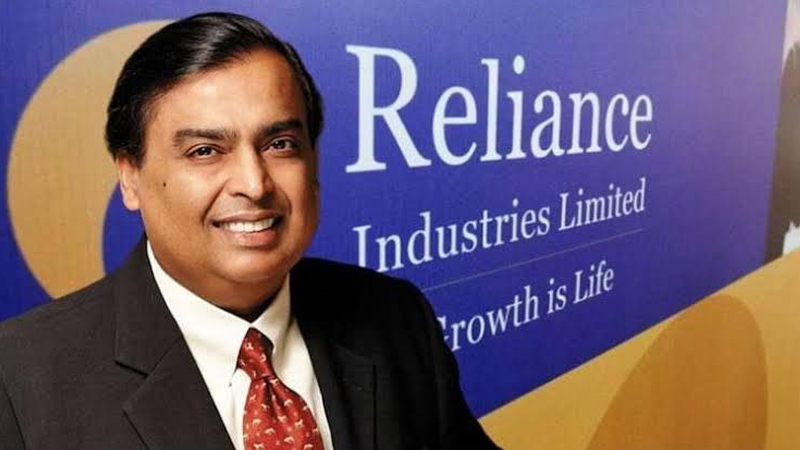
  • RIL delivers 3.7 per cent growth; solid Q3 gains amid mixed sector trends

    RIL delivers 3.7 per cent growth; solid Q3 gains amid mixed sector trends

    MUMBAI: Step aside, Indian cinema blockbusters—India’s corporate juggernaut, Reliance Industries Limited (RIL), has dropped its Q3 FY25 and nine-month financial results, and the plot twists are as gripping as any thriller.

    Mukesh Ambani, Asia’s richest man with a jaw-dropping net worth of $101.9 billion, continues to steer this mammoth conglomerate with a flair that makes even the Ambani family’s $600 million wedding bash look like just another weekend splurge.

    But the numbers game is where the real drama unfolds.

    A behemoth company straddling sectors as diverse as petrochemicals, retail, telecom, and renewable energy, all while navigating rising costs, shifting consumer behaviours, and the ever-demanding shareholders. It’s a delicate high-wire act, with every quarter bringing a mix of triumphs and challenges that could put even the savviest financial analysts on edge.

    RIL has once again delivered a performance that is equal parts spectacle and strategy. With Q3 FY25 results showcasing both sharp gains and a few headwinds, the company continues to prove why it remains the unshakable titan of India’s corporate skyline.

    Will Reliance’s growing retail and telecom arms counterbalance the fluctuating fortunes of its oil-to-chemicals business? Are rising costs pinching the profits, or is this a strategic pause before another leap forward? Stay tuned as we break down the twists and turns of Reliance’s financial performance.

    Spoiler alert: it’s as gripping as a weekend binge-watch session—except this one comes with billions riding on the final scene.

    For the quarter ended 31 December 2024, RIL clocked consolidated revenue from operations of Rs 235,481 crore, a decent 3.7 per cent growth from Q3 FY24. Total income stood at Rs 240,357 crore, marking a steady rise. Net profit for the quarter came in at Rs 19,323 crore, slightly down from Rs 19,641 crore in Q3 FY24. Resilient? Yes. Spectacular? Maybe not. Is the glass half-full, or is it just heavy with operational costs?

    For the nine-month period, revenue from operations hit Rs 783,036 crore, a hair’s breadth below last year’s Rs 785,650 crore. But here’s the kicker: net profit surged to Rs 60,666 crore, riding high on stellar performances in retail and digital services. Looks like RIL’s strategy of diversification is paying dividends.

    The standalone core remains strong. RIL’s standalone revenue from operations for Q3 FY25 was Rs 134,054 crore, up from Rs 130,579 crore last year. Standalone net profit, however, dipped to Rs 7,713 crore from Rs 9,924 crore in Q3 FY24. For the nine months, standalone revenue reached Rs 405,559 crore, with net profit at Rs 30,351 crore. Steady as she goes, but where’s the spark? Does the core business need a shot of adrenaline?

    Segment Performance

    ●    Oil-to-Chemicals (O2C): RIL’s O2C business pulled in Rs 155,580 crore for Q3 FY25, contributing significantly to the topline. But wait, here’s the rub: EBITDA for the segment dropped 5.4 per cent  year-on-year to Rs 12,413 crore, thanks to higher feedstock prices. Can RIL recalibrate this cornerstone of its empire, or is it time to rethink its O2C game?

    ●    Retail: The retail arm—the show-stealer yet again—raked in Rs 83,040 crore, up 8.8 per cent  year-on-year. Segment EBITDA climbed to Rs 6,251 crore, driven by aggressive expansions and innovative consumer offerings. But the million-dollar question is: Can this momentum continue in an increasingly competitive retail arena?

    ●    Digital Services: Reliance Jio, the crown jewel of RIL’s digital portfolio, dazzled with revenues of Rs 38,055 crore and EBITDA of Rs 14,256 crore. Rising data consumption and subscriber additions fuelled the growth, but as competition heats up, will Jio’s dominance hold steady?

    ●    Oil and Gas: A surprising hero this quarter, the oil and gas segment posted revenue growth of 12 per cent  year-on-year to Rs 6,222 crore. EBITDA surged to Rs 5,290 crore, thanks to improved realisations and higher production. Is this a sign of sustained recovery for a segment once relegated to the shadows?

    This quarter saw RIL’s ambitious demerger of Viacom18’s media and cinema businesses into Star India, backed by a hefty Rs 11,500 crore investment. Bold? Absolutely. But will this manoeuvre bring blockbuster results or leave the balance sheet bruised?

    The company’s continued push into green energy and retail expansion highlights its long-term vision. Renewable energy projects underscore RIL’s commitment to sustainability, though the hefty upfront costs may weigh on short-term results. Meanwhile, its retail arm’s logistics and operational costs are rising—is it time for some belt-tightening?

    And let’s not forget O2C’s margins. With feedstock prices acting like an unruly stock ticker, RIL’s ability to navigate these headwinds will be crucial. Will precise execution and bold strategies be enough to keep this segment buoyant?

    What lies ahead?

    Reliance Industries’ Q3 FY25 results showcase a company balancing on the edge of consolidation and expansion. With robust performances in retail and digital services, RIL’s adaptability shines through. Yet, rising costs and narrowing margins in its flagship O2C segment call for sharp focus.

    Will the investments in green energy and entertainment usher in the next wave of growth, or will rising costs hold the company back? And as India’s digital transformation accelerates, can Jio keep its throne?

    For now, RIL’s saga of bold bets and calculated moves makes for an unmissable watch. Stay tuned as this corporate behemoth’s next chapter unfolds.

  • Media Matrix Worldwide surges despite mixed Q2 results

    Media Matrix Worldwide surges despite mixed Q2 results

    Mumbai: The financial landscape for Media Matrix Worldwide Limited (MMWL) in Q2 FY25 paints a nuanced picture, juxtaposing robust revenue growth with strained profitability. With consolidated revenue from operations skyrocketing by 44.5 per cent YoY to Rs 1,35,688.52 lakh, the company has demonstrated remarkable top-line momentum. However, mounting expenses and shifts in inventory dynamics tempered the gains, reflecting the challenges of navigating an evolving business ecosystem.

    Media Matrix’s consolidated revenue from operations surged, bolstered by a significant increase in the trading of electronic items. Compared to Rs 93,756.58 lakh in the corresponding quarter of FY24, the latest figures underscore a well-executed growth strategy. The sale of services, though contributing a modest Rs 304.15 lakh, remained stable, affirming the firm’s diversified revenue streams.

    Despite the impressive revenue trajectory, the company’s net profit declined to Rs 205.54 lakh, down from Rs 307.14 lakh a year ago. The dip largely stems from a substantial increase in finance costs, up 54.3 per cent to Rs 657.25 lakh, reflecting higher borrowings during the period. Other factors, including a rise in employee benefit expenses by 14 per cent, added further pressure to the bottom line.

    Operational Highlights

    – Inventory Adjustments: Changes in inventory of stock-in-trade significantly reduced expenses by Rs 2,240.92 lakh, indicating efficient stock management.

    – Employee Costs: Employee benefit expenses rose to Rs 249.66 lakh, up from Rs 218.95 lakh YoY, showcasing investments in human capital.

    – Depreciation: Marginally increased to Rs 39.81 lakh, signifying sustained investment in operational infrastructure.

    Notably, the quarter’s other comprehensive income recorded a dramatic turnaround, moving from a gain of Rs 3,280.91 lakh last year to a loss of Rs 2,089.96 lakh. This shift is attributed to fair value changes in investments held by subsidiaries, reflecting broader market volatility.

    Cash flows from operations reflected a net outflow of Rs 4,390.10 lakh, contrasting starkly with the inflow of Rs 3,057.53 lakh reported for FY24. However, the company’s liquidity position strengthened, with cash and cash equivalents rising sharply to Rs 470.93 lakh from Rs 89.40 lakh, thanks to effective management of short-term borrowings.

    Media Matrix Worldwide continues to capitalise on its expertise in digital media and electronics trading. However, the dual challenges of rising finance costs and a volatile investment climate demand strategic recalibration. While the revenue trajectory inspires confidence, sustaining profitability in the face of external headwinds will be key to maintaining investor trust.

  • Sambhaav Media’s Q2 shows revenue surge by three per cent

    Sambhaav Media’s Q2 shows revenue surge by three per cent

    Mumbai: Sambhaav Media Limited (SML) unveiled its Q2 FY25 financial results, revealing a mixed bag of growth and challenges. For the quarter ending 30 September 2024, the company recorded a standalone revenue of Rs 965.78 lakhs, marking a marginal increase of three per cent from Rs 940.78 lakhs in Q2 FY24. Consolidated revenue also rose to Rs 1,068.02 lakhs, showcasing a five per cent uptick from the prior year.

    However, profitability took a hit. Standalone net profit slumped to Rs 26.20 lakhs, a stark decline from Rs 35.25 lakhs in the same period last year. The consolidated loss widened, with the bottom line falling into the red at Rs -20.27 lakhs compared to a profit of Rs 14.75 lakhs in Q2 FY24.

    The media and allied business contributed Rs 776.81 lakhs to total revenue, supported by a seven per cent increase in advertising contracts. Technology and allied services added Rs 188.97 lakhs, displaying resilience despite global headwinds. The combined revenue from operations for the half-year stood at Rs 1,752.51 lakhs, up 6 per cent year-over-year, signalling stable demand for the company’s offerings.

    Total expenses for the quarter escalated by eight per cent, reaching Rs 979.77 lakhs on a standalone basis. Employee benefits saw a notable increase, rising by 12 per cent to Rs 88.23 lakhs, reflecting investments in talent retention. Broadcasting expenses grew by 9 per cent, primarily driven by higher content acquisition costs.

    Depreciation expenses rose slightly, while finance costs declined by four per cent, suggesting effective debt management. Despite these efforts, the operating profit margin narrowed significantly due to increased provisions for taxation and other operating expenses.

    SML faced higher tax provisions during Q2, which included deferred tax adjustments amounting to Rs 12.59 lakhs. Additionally, an exceptional loss of Rs 6.00 lakhs from discontinued operations impacted the consolidated bottom line. This stemmed from the strategic exit from GSRTC’s public entertainment contract, finalised last year, to optimise operational focus.

    The company continues to invest in technological innovation and content diversity, which are crucial for long-term growth. While profitability remains a concern, management expressed confidence in navigating these challenges through strategic cost management and revenue diversification.

    Key priorities for the coming quarters include addressing tax liabilities and optimising operational efficiency. As of 30 September 2024, the company’s consolidated net worth stood at Rs 8,553.14 lakhs, indicating a solid financial foundation to weather temporary setbacks.

  • Britannia Industries shows 5.3 per cent YoY revenue growth in Q2

    Britannia Industries shows 5.3 per cent YoY revenue growth in Q2

    Mumbai: As a child, I fondly remember reaching for Britannia’s Good Day cookies, drawn in by the promise that even on a rough day, those cookies could spark a smile. This quarter, it seems Britannia itself enjoyed a ‘Good Day’ as it reported resilient financial results for Q2, ending September 2024. The company’s total revenue from operations rose to Rs 4,667.57 crore, a 5.3 per cent increase year-on-year, driven by surging domestic demand, a broadened product range, and expanded distribution across India’s rural and urban sectors. Yet, while revenue painted a bright picture, profitability revealed a bit more complexity. Net profit declined by around 9.4 per cent to Rs 531.55 crore, reflecting the pressures of rising costs that have started to weigh on margins.

    The quarter’s revenue increase was complemented by other operating income, totaling Rs 4,713.57 crore, which is a notable rise from Rs 4,485.23 crore in Q2 FY24. Despite this uptrend in revenue, Britannia’s profitability faced headwinds. The company’s cost of materials soared by 12.9 per cent, amounting to Rs 2,578.05 crore, signaling intensified raw material cost burdens. Additionally, employee benefits expenses reached Rs 232.28 crore, up by 45.3 per cent year-on-year, reflecting Britannia’s focus on workforce expansion and talent retention amid a competitive labor market.

    VC & MD, Varun Berry said, “An eight per cent volume growth with a sequential increase in revenue and operating profits are satisfactory results in the face of severe commodity inflation leading to a tepid consumer demand scenario in most FMCG categories.”

    The profit before tax, after adjusting for exceptional items, stood at Rs 715.15 crore, a decrease from Rs 798.63 crore reported in the same quarter last year. Tax expenses further tightened the profit margin, with total tax outflows recorded at Rs 183.60 crore. This leaves the net profit for the quarter at Rs 531.55 crore, showing a decline from Rs 586.50 crore in Q2 FY24. Britannia’s operational expenses also contributed to the contraction in net margins, rising by 11.1 per cent to Rs 3,994.87 crore, primarily due to inflationary pressures on logistics and supply chain costs.

    The company reported consolidated sales of Rs 4,566 crore for Q2, a year-over-year growth of 4.5 per cent. However, profit after tax (PAT) decreased by 9.6 per cent to Rs 531 crore. Compared to the prior quarter, sales rose by 10.6 per cent, with a 5.1 per cent PAT increase. For the six months ending 30 September 2024, sales grew 4.3 per cent year-on-year, while PAT declined by 0.8 per cent. The results highlight Britannia’s sales resilience amidst economic challenges, though profitability remains impacted by rising costs and workforce investments.

    A notable development during this quarter was Britannia’s exceptional expenses totaling Rs 24.79 crore, largely attributed to voluntary retirement schemes (VRS) for factory workers and associated labor restructuring efforts. These measures are expected to enhance operational efficiency in the long term by streamlining the workforce at key manufacturing facilities. Britannia also invested heavily in contract labor in the wake of increased production targets, a move aimed at reinforcing the company’s manufacturing capabilities to support market demand.

    Despite the contraction in profitability, Britannia’s balance sheet remains solid, with a positive outlook on revenue streams from both domestic and international markets. The ongoing demand for packaged foods and baked goods continues to present a strong growth trajectory for the company. “Our agenda of being a ‘Total Global Foods Company’ is progressing well with our adjacent businesses such as Croissant, Milk Shakes, Wafers and International growing at a healthy pace. Making strides in this direction, we are working on redefining our distribution strategy to optimise range distribution and improve outlet servicing, and the preliminary results of the pilots across 25 cities covering more than 50,000 outlets are encouraging” added Berry.

    The company’s total comprehensive income, factoring in other gains, came to Rs 533.01 crore, slightly down from Rs 589.39 crore in Q2 FY24. Additionally, Britannia’s consistent investments in expanding its product portfolio and supply chain suggest a robust setup for future growth, although profitability will likely remain susceptible to fluctuating raw material costs and labor expenses. Berry remarked on the situation, “In the context of steep rise in prices of key commodities such as Wheat, Palm, Cocoa etc, we demonstrated agility in initiating focused pricing actions and identifying new levers for cost optimisation across the value-chain. As a result, we maintained a healthy operating margin of 15.5 per cent during the quarter. We are committed to investing in capability enhancement and brand development with the clear objective of driving market share and sustaining profits”.

    Britannia Industries has demonstrated both resilience and adaptability in a challenging financial environment, marking stable revenue growth yet grappling with cost pressures. The outlook remains cautiously optimistic, bolstered by Britannia’s solid market presence and strategic product diversification.

  • Sungold Media posts 15.6 per cent revenue surge in H1 FY2025

    Sungold Media posts 15.6 per cent revenue surge in H1 FY2025

    Mumbai: In a compelling display of strategic growth and robust financial health, Sungold Media and Entertainment Limited recently unveiled its H1 FY2025 financial results, reporting significant strides across core revenue streams. Against a backdrop of industry volatility, Sungold Media has not only enhanced operational revenue but has also showcased impressive profitability, stemming from its prudent fiscal policies and streamlined expenditure practices. The company’s financial statements reveal an upward revenue trajectory, primarily driven by core business efficiencies and a disciplined cost structure. This robust half-year performance paints a promising picture of Sungold Media’s sustained growth and operational resilience.

    For the six-month period ending 30 September 2024, Sungold Media achieved a 15.6 per cent increase in revenue from operations, recording a turnover of Rs 52.36 lakh, up from Rs 44.17 lakh in the preceding period. This revenue growth demonstrates Sungold’s adaptability in an evolving media landscape. Furthermore, other income, while marginal, reflects a consistent source of incremental revenue, contributing Rs 0.055 lakh compared to zero in prior periods.

    The company’s expense management strategies have also delivered tangible results, with total expenses rising only modestly by 3.2 per cent to Rs 49.22 lakh from Rs 43.81 lakh. Notably, the employee benefits expense surged by 19.6 per cent, reaching Rs 32.73 lakh – a positive indicator of Sungold’s investment in talent to drive sustainable growth. Depreciation and amortisation were controlled at Rs 0.119 lakh, suggesting optimised asset utilisation, a key factor in Sungold’s operational agility.

    Through efficient cost controls, Sungold achieved a profit before tax of Rs 3.19 lakh, a remarkable growth from Rs 0.36 lakh in the preceding half. After accounting for tax expenses amounting to Rs 0.402 lakh, the net profit from continuing operations stood at Rs 2.79 lakh, underscoring a 760 per cent increase in profitability. These results mark a decisive turnaround from earlier challenges, demonstrating a clear trajectory toward financial stability.

    Sungold Media’s balance sheet reveals a stable asset structure, with total assets slightly up from Rs 1,159.89 lakh in March 2024 to Rs 1,161.95 lakh by September. The company has increased its intangible assets under development to Rs 33.08 lakh, highlighting a strategic investment in innovation and future growth.

    The company’s trade receivables experienced a notable reduction to Rs 41.08 lakh, down from Rs 53.99 lakh – a promising indicator of improved cash flow management. This, coupled with an optimised cash and cash equivalents position at Rs 21.80 lakh, showcases Sungold’s focus on liquidity to fuel further expansion. Shareholder equity remains robust, with Rs 1,100 lakh in equity share capital and Rs 60.34 lakh in reserves, reflecting the company’s commitment to value creation for stakeholders.

    During H1 FY2025, Sungold generated a positive cash flow of Rs 9.08 lakh from its operations, underscoring the strength of its revenue streams and prudent cost controls. After accounting for various adjustments, including a Rs 10.80 lakh impact from other expenses, Sungold achieved a closing cash position of Rs 21.80 lakh, highlighting effective cash management strategies aimed at preserving liquidity and supporting sustainable expansion.

    As Sungold Media moves into the latter half of FY2025, it is well-positioned to leverage its strengthened operational foundation to pursue new growth avenues in the entertainment sector. The company’s strategic focus on cost optimisation, coupled with a disciplined investment approach, sets the stage for continued momentum. Sungold Media’s half-year financial results not only reflect resilience in the face of industry challenges but also indicate a future-oriented strategy likely to yield further shareholder value in the months to come.