Tag: retail

  • Exelmoto shifts gears from vanity to utility

    Exelmoto shifts gears from vanity to utility

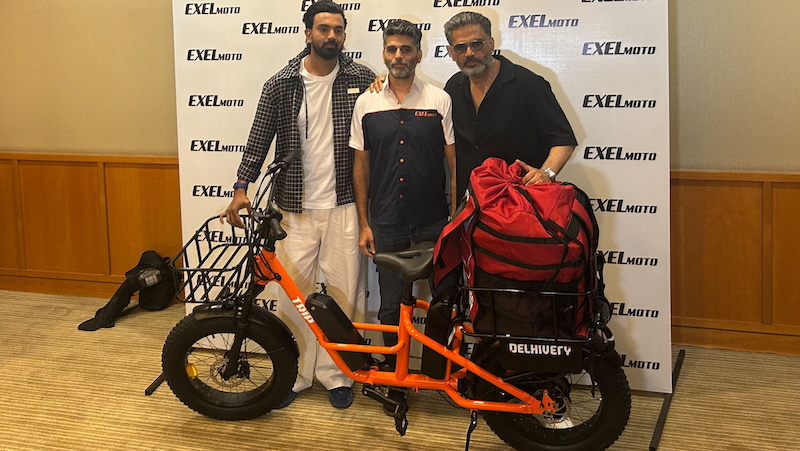
    MUMBAI: Forget the flowery talk about clean air and conscious commuting. Exelmoto, the electric cycle venture backed by actor Suniel Shetty, cricketer KL Rahul and actor Ahan Shetty, is done playing the aspirational mobility game. It’s now chasing something far more lucrative: last-mile logistics.

    The company has signed up Delhivery, one of India’s largest delivery networks, for a phased rollout of 200 electric bikes purpose-built for hauling parcels through congested urban streets. The deal, which began as a pilot in June, validates founder Akshai Varde’s bet that sturdy frames and fat tyres built for Indian roads could handle real-world commercial pounding.

    “Delhivery validated what we built under real-world conditions,” said Varde, a designer with over two decades in motorcycles. “It showed that our design and engineering hold up even in demanding daily use.”

    The pivot marks a sharp turn for a brand that launched with lifestyle credentials in June 2025 —lightweight electric cycles that need no registration or licence, aimed at students, office workers and the elderly. But whilst the personal mobility pitch has its charms, the margins and scale lie in B2B contracts.

    “Our commercial pivot creates clear paths to profitability,” said Rahul, who joined Shetty and Ahan as co-investor earlier this year. “This isn’t just about personal mobility anymore; it’s about building last-mile infrastructure for India.”

    The company hasn’t abandoned retail entirely. Exelmoto recently launched Scoot, an electric cycle with a step-through frame and bench seat designed for women and older riders. It offers 45 kilometres of range with pedal-assist, keeping it licence-free whilst targeting comfort over speed.

    “When my generation can confidently adopt electric mobility, the revolution is truly underway,” said Shetty, who came aboard after seeing Varde’s prototype.

    With 68 outlets opening, Amazon and Flipkart listings set for November, and manufacturing capacity targeted at 50,000 bikes by 2026, Exelmoto is scaling fast. The company holds two granted patents and four pending, covering frame architecture and component packaging. Exports to southeast Asia and west Asia are in the works.

    Ahan, the youngest investor, summed up the shift: “My generation’s looking for brands that evolve with us, not just talk to us. Exelmoto began with style, and now it’s about substance and infrastructure.”

    Whether India’s clogged streets need another electric two-wheeler is debatable. Whether they need one that can turn a profit delivering packages is a far more interesting question. Varde and his celebrity backers are betting the answer is yes.

  • Reliance hits record Q1 FY26  EBITDA as Jio and retail fire on all cylinders

    Reliance hits record Q1 FY26 EBITDA as Jio and retail fire on all cylinders

    MUMBAI: Reliance Industries has kicked off FY26 with a blockbuster first quarter, posting its highest-ever consolidated quarterly EBITDA of Rs 58,024 crore ($ $6.8 billion), a sharp 35.7 per cent leap over last year, fuelled by robust performances across digital, retail and energy verticals.

    Group net profit soared 76.5 per cent year-on-year to Rs 30,783 crore ($3.6 billion), aided by operational gains and a Rs 8,924 crore windfall from its stake sale in Asian Paints. Total revenue rose 6 per cent to Rs 2.73 lakh crore ($31.9 billion), with EBITDA margins improving by a stellar 460 basis points to 21.2 per cent.

    Reliance Jio continued to dominate the digital landscape, crossing a jaw-dropping 200 million 5G subscriber milestone and 20 million home broadband connections. Jio Platforms’ revenue jumped 19 per cent to Rs 35,032 crore, while EBITDA climbed 24 per cent to Rs 18,135 crore, with margins expanding 210 basis points to a best-in-class 51.8 per cent.

    ARPU rose to Rs 208.8, driven by premium subscriber additions and deepening data consumption, which reached 54.7 billion GB this quarter. Jio also unveiled its next-gen tech stack—JioGames Cloud, JioPC, and the proprietary UBR fixed wireless platform—taking a firm aim at India’s AI and home computing future.

    Reliance Retail cemented its pole position, clocking Rs 84,171 crore in revenue (up 11.3 per cent), and EBITDA of Rs 6,381 crore (up 12.7 per cent), marking an industry-leading margin of 8.7 per cent. The business added 388 new stores, taking the total footprint to 19,592 outlets spanning 77.6 million sq ft.

    JioMart’s hyper-local push paid off with daily order volumes exploding 175 per cent year-on-year. AJIO continued to thrive in the online fashion segment with its new 4-hour delivery service and strong traction for Shein, while the FMCG arm doubled revenue to Rs 4,400 crore.

    Reliance’s Oil-to-Chemicals (O2C) segment, despite a 1.5 per cent drop in revenue due to crude price softness and planned shutdowns, posted a solid 10.8 per cent EBITDA gain at Rs 14,511 crore. Jio-bp’s aggressive retail fuel push contributed significantly, with volumes of petrol and diesel up 38.6 per cent and 34.2 per cent respectively.

    With net debt remaining flat at Rs 1.17 lakh crore and capital expenditure of Rs 29,875 crore this quarter, the group is doubling down on its “golden decade” growth strategy across tech, consumption, and energy. Chairman Mukesh Ambani said, *“Reliance will continue its stellar track record of doubling value every four to five years.”

    From superfast data to doorstep delivery and clean fuels, Reliance is firing on all fronts—and showing no signs of slowing down.

  • Media ‘investment pundit’ Karan Taurani gets his executive stripes at Elara Capital

    Media ‘investment pundit’ Karan Taurani gets his executive stripes at Elara Capital

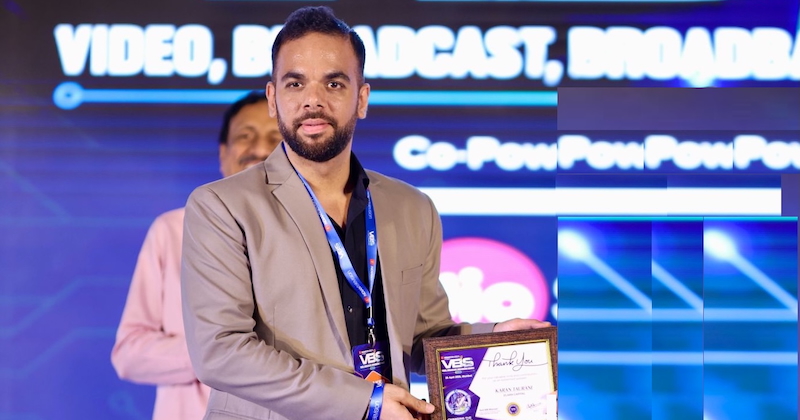
    MUMBAI: Karan Taurani, Mumbai’s most recognisable media analyst, has bagged the executive vice president role at Elara Capital. The May 2025 promotion caps nearly seven years at the investment firm, where he’s dissected media, consumer discretionary, and internet sectors with surgical precision. Now retail has been added to his watch portfolio. 

    Taurani’s climb from vice president (October 2018) to senior vice president (April 2021) and now to the executive suite reflects his growing clout. His trajectory mirrors his expanding media footprint—from conference circuits to prime-time television punditry.

    The analyst’s journey began at Pioneer Investcorp (2008-2011), covering IT and mid-cap technology during the sector’s boom years. IFCI Financial Services expanded his remit to education whilst maintaining IT expertise. Religare offered broader horizons, juggling 15-plus companies across technology, media, telecoms, and education as lead analyst.

    Dolat Capital Market cemented his media sector reputation before Elara Capital came calling in 2018. What sets Taurani apart is his media savvy—regular television appearances and conference circuit presence make him the go-to voice for sectoral insights, whether streaming wars, retail disruption, or consumer spending patterns.
    His independent directorship at Kavithalayaa since January 2024 adds board-level strategic nous to complement analytical prowess. It’s cross-pollination that makes for rounded market commentary.

    At Elara, Taurani’s executive elevation suggests the firm recognises value beyond pure research. In an era where analyst personalities drive investment decisions, having a media-savvy executive who articulates complex trends across platforms is worth its weight in rupees.

    For Taurani, the promotion validates a career built understanding India’s evolving consumer landscape. His analytical journey mirrors the country’s economic transformation—and executive stripes suggest more commentary ahead.

  • LTIMindtree and Google Cloud team up for AI-powered business makeovers

    LTIMindtree and Google Cloud team up for AI-powered business makeovers

    MUMBAI: LTIMindtree, the digital transformation firm, has announced a strategic alliance with Google Cloud, promising to inject a dose of agentic AI into businesses worldwide. Think of it as giving your company a digital shot of espresso, powered by Google’s Gemini models and a whole lot of cloud magic.

    This isn’t just a casual fling; it’s a full-blown partnership aimed at redefining the cloud landscape. LTIMindtree plans to whip up industry-specific solutions, creating a “green corridor” for AI-powered innovation. The company is talking market development initiatives, go-to-market strategies, and enough training to turn its workforce into AI whisperers.

    The collaboration will see LTIMindtree leverage Google Cloud’s Vertex AI to create bespoke solutions for the BFSI, manufacturing, hi-tech media and entertainment, retail, and CPG sectors. It’s aiming for rapid deployment and top-notch customer support, promising to maximise ROI while modernising infrastructure.

    LTIMindtree president global AI services, strategic deals, partnerships and whole time director Nachiket Deshpande said: “Our partnership with Google Cloud marks a significant milestone in our journey towards innovation and growth. By combining our strengths, we are poised to deliver unparalleled value to our customers and drive transformative change in the cloud ecosystem.”

    Google Cloud  president global partner organisation Kevin Ichhpurani added, “Generative AI has the power to increase business efficiencies and transform how organisations operate. With LTIMindtree’s expertise and Google Cloud’s leading AI technology, customers can deploy powerful solutions that solve industry challenges and significantly improve business performance.”

    LTIMindtree is setting up a dedicated team of AI aficionados to ensure a smooth ride, promising seamless implementation and consistent growth for its  clients. In essence, this partnership isn’t just about cloud computing; it’s about cloud conquering, with a dash of AI flair.

  • Channelplay leads the way in navigating the evolving retail landscape & redefining its future

    Channelplay leads the way in navigating the evolving retail landscape & redefining its future

    MUMBAI: In the ever-evolving landscape of retail, where consumer expectations shift and technology drives change, visual merchandising has emerged as a powerful force for innovation. Since its founding in 2006, Channelplay has established itself as a trailblazer in retail distribution and solutions, specialising in sales outsourcing and visual merchandising. By harnessing cutting-edge technology and design expertise, Channelplay enhances customer experiences in remarkable ways.

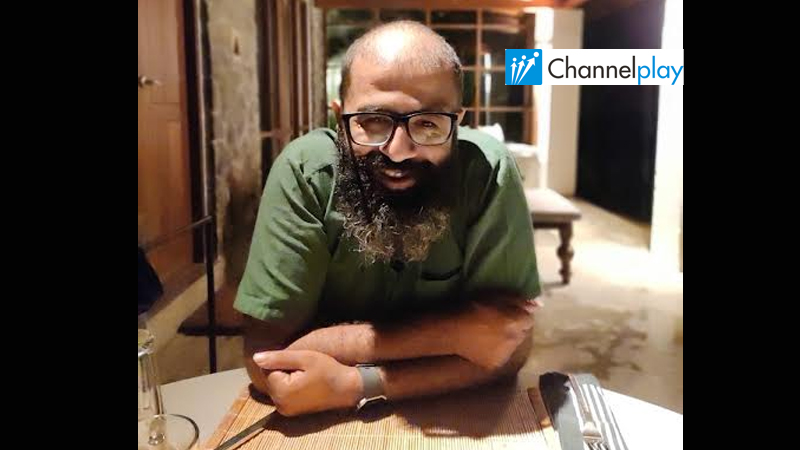
    In a conversation with Indiantelevision’s Suman Baidh, Channelplay co-founder and co-CEO Suhas Misra highlighted how trends like Generative AI and the rise of digital signage are reshaping the retail environment. It has become essential for brands to emphasize design thinking and collaborate with experts. As retailers increasingly recognise the pivotal role of exceptional customer experiences, balancing creativity and practicality becomes crucial. This exploration reveals the key trends and future directions in visual merchandising, showcasing how leading companies are pioneering adaptability and measurable ROI in this dynamic landscape.

    Edited Excerpts

    On the key visual merchandising trends that you’ve noticed in the retail industry right now

    The theme resonating in visual merchandising meetings—as indeed in meetings across functions—is GenAI. The promise of GenAI is broad and unarguable but how it plays out specifically is something that time alone will tell. The #1 trend therefore is exploring applications that will change both the practice of visual merchandising as well as its potential use in actual retail assets.

    There is a somewhat related trend of more and more signage going digital. The share of digital signage is still low and therefore the coming of an s-curve is almost certain.

    The third trend is the change in the role of retail itself. From being only a channel, retail’s value in creating the ideal customer experience for a brand is becoming more established. More and more brands are therefore incorporating experience stores as an integral part of their plans.

    On creating displays that catch attention & provide a memorable experience for shoppers

    Well, memorable experiences aren’t easy to create, but design thinking is essential. Brands need to loop in architects and designers to create these. For all projects where memorable experience is the objective, we take a brand brief to the great architects we work with and let them ideate. It’s vital for retail marketers to know that the conceptualisation of space is a craft that needs to be leveraged to generate great customer experience.

    On the customers drawn to minimalist designs or  they prefer more vibrant & elaborate displays

    There’s no universal preference that one can have on this. It might be best to connect the customer’s noticing of something—or indeed being attracted to a display—to Jungian archetypes. There’s no wrong or right one, just a spectrum from clear and well-defined to confused and inconsistent.

    On incorporate the use of colours, lighting, and textures to create a visually appealing store environment

    Design is an expertise we respect deeply, And good design is rooted in context. The context for a store environment is the brand—what is its personality? What does it stand for?—and the constraints are spatial. An expert designer is able to optimise between telling a compelling story and having only a specific space to work with.

    On digital and interactive displays change the way stores design their visual merchandising

    This is one of the big shifts. Everything is going digital and visual merchandising is no exception. Digital and interactive displays bring brand messaging in retail closer to how it is on social media, and that’s a very exciting possibility. Yet, there’s no clear playbook for this. Some brands simply use such signage as a screen to display Instagram posts! However, we reckon that such signage—while having synergy with social media—needs to be thought through independently.

    On balancing creativity with practicality when designing displays that drive sales

    Creating displays that drive sales is fundamentally an ‘uncreative’ process! Most of the creative part has happened between the brand and the ad agency. The design of displays that drive sales is essentially about finding the best way to adapt creative thinking to space and respond to the constraints of space. Therefore, this process is more craft (if not science) than art.

    On visual merchandising trends that you think are just a passing fad or see them sticking around for the long term

    There are certain things that have seemed like fads from time to time. Buntings, for example; or one-way film. However, even these, and other such, sometimes fit a particular retail context so well that they just resonate. Therefore, we try and keep an open mind when approaching any retail marketing asset or element, and mostly even what seems like a fad becomes valuable for some context.

    On Channelplay taking to ensure that its retail solutions remain adaptable to the fast-changing retail environment & evolving consumer expectations in the years to come  

    As a company focused on VM, there’s an ongoing effort to stay abreast with all the changes. Our team regularly scours elements getting deployed in more evolved markets, elements that are getting manufactured in China, and indeed new technology that can birth new elements together. As consumers have a reactive relationship with visual merchandising elements, the effort is to evaluate things and possibilities on the supply side.

    On Channelplay ensuring a measurable ROI for clients using its sales outsourcing & visual merchandising services & tracking the impact on both sales performance and customer satisfaction  

    One of the most direct ways in which Channelplay delivers ROI is through more efficient use of retail marketing budgets. Our platform tracks inventory and deployment on a real-time basis leading to huge cost-savings on the fabrication side (often larger savings than the entire budget allocated to Channelplay!)

    Numerator increases in ROI is a collaborative exercise with clients and again our tech platform used by our visual merchandisers is able to give visibility to marketers to run correlations faster, leading to superior response times and therefore an ever-improving ROI. 

  • Social media has evolved from a brand awareness platform to now driving direct sales for consumers: Ruksheen Palia

    Social media has evolved from a brand awareness platform to now driving direct sales for consumers: Ruksheen Palia

    Mumbai: In the bustling lead-up to India’s festive season, the digital marketing landscape is set for a significant boost, with brands across e-commerce, retail, FMCG and small businesses are eyeing this time to connect deeply with consumers through digital avenues, aiming to capture the excitement and enthusiasm that characterises Diwali, Dussehra, and other festivals. As online engagement becomes the core strategy, brands are leaning into innovative digital marketing trends that make their presence felt and drive conversions.

    This season is also known for an uptick in consumer spending and has traditionally been the prime time for brands to invest heavily in advertising. It is primarily driven by the need to engage India’s increasingly digital-first population, where mobile phones are the primary medium for product discovery and purchases. Brands are setting aside significant budgets for click-to-WhatsApp ads, video content, and social media campaigns to capture consumer interest during this period of heightened shopping activity.

    Indiantelevision.com’s Rohin Ramesh caught up with Social Panga VP – business & strategy Ruksheen Palia, where she touched upon ad spends expected this festive season and some Key trends to look out for in digital marketing.

    Edited excerpts

    On the overall marketing budget are brands planning to allocate specifically for this festive season compared to previous years

    While budgets will differ industry to industry, marketers are upping their spends this festive season for campaigns. However the focus is changing from traditional to digital advertising with real time bidding AI generation, which will allow brands to maximise their spends.

    From the past years’ experience, brands are estimated to spend 25-30 per cent of their marketing budgets on festive campaigns which is similar to previous years but will be more focused on digital advertising strategies.

    On media channels (social media, traditional media etc) you are seeing the most significant increases in ad spend this festive season

    For 2024, the obvious answer would be the digital side of marketing is going to get the biggest ad spends this festive season. From social media, connected TV & retain media playing a huge part.

    On the anticipated ROI metrics for ad spending during this festive season

    Brands are optimistic this festive season & are targeting higher ROI metrics compared to last year. With enhanced AI, content personalisation & omnichannel strategies to make content creation especially of videos more efficient & cost effective.

    Brands are also focusing on emotional connections, convenience & innovative strategies to build more long term goals to acquire customers.  They are not just looking at short-term sales but also focusing on building lasting relationships and brand loyalty, which can pay dividends beyond the holiday season

    On importance of data analytics in shaping ad spend decisions for the upcoming festive campaigns

    A crucial role! With increasing competition & higher expectations from all consumers today, brands are relying extensively on targeting accurately. Data analytics help with personalisation & targeting, Real time optimisation, Channel selection & more data analytics to help improve strategies.

    This festive season, data analytics will play an important part in decision making, helping brands optimise both short-term & long-term goals to build consumer loyalty.

    On importance of personalised marketing during the festive season and strategies are brands using to create personalised experiences

    One of the ways to cut through all the noise this festive season, will be to adopt personalised marketing! Since personalised marketing helps in boosting engagement, enhances customer experience & increases likelihood of conversion a lot of brands should adopt this strategy. Few of the strategies that can be adopted by brands are: Personalised mailers, AI, Dynamic content websites & interactive and experiential marketing.

    On the role you foresee social commerce playing in festive marketing campaigns this year

    This year even more than before, Social commerce is going to play a huge role in festive marketing campaigns. With the integration of e-commerce & social media on platforms like Instagram, FB the role this would play for customers would be: Seamless shopping experience, quick on the go shopping, influencer led & testimonial based buying.

    On brands investing more in social media platforms for sales

    Yes, most definitely. Brands are significantly increasing their investments on social media platforms for sales, especially during the festive season. Social media has evolved from a brand awareness platform to now driving direct sales for consumers.

  • Adani Wilmar tops Kirana Club report for stellar customer service and order fulfillment

    Adani Wilmar tops Kirana Club report for stellar customer service and order fulfillment

    Mumbai: Adani Wilmar emerges as a frontrunner in the newly released Kirana Club Insider report findings, showcasing the performance of FMCG brands in crucial servicing aspects of customer service. The brand has secured an A+ rating for its exemplary performance in efficient order fulfillment. Outshining renowned brands, Adani Wilmar’s commitment to prompt delivery resonates strongly with kirana retailers.

    With a focus on addressing retailers’ pain points, the report highlights the significance of timely product delivery. Adani Wilmar’s absence from the list of brands associated with out-of-stock issues as well as defective products emphasises its proactive approach to inventory management, ensuring uninterrupted supply chains and mitigating potential revenue losses.

    Kirana Club insider report findings surveyed over 9,000 retailers on the Kirana Club platform and was conducted from 15 April to 5 May, with a majority of respondents from the HSM (Hindi-speaking market) region.

    https://insider.kirana.club/p/retailers-verdict-on-servicing

  • Luxury marketing and Indian buyers: An overview

    Luxury marketing and Indian buyers: An overview

    Mumbai: In the dynamic world of fashion retail, where trends evolve at the blink of an eye, technology emerges as the silent force steering the industry to unprecedented heights. This intricate dance between fashion and technology has not only broadened accessibility but has fundamentally transformed the entire shopping experience. In this exploration, we unveil the pivotal role technology has played in driving the exponential growth of fashion retail.

    Technology’s impact on fashion retail

    In the ever-evolving landscape of the fashion retail industry, technology stands as the unsung hero, orchestrating a symphony of innovation that has propelled the sector to unprecedented heights. The symbiotic relationship between technology and fashion retail has not only expanded the boundaries of accessibility but has also revolutionised the entire shopping experience. Let’s delve into the key ways in which technology has been the driving force behind the exponential growth of fashion retail.

    Luxury marketing in India: A symphony of tradition and modernity

    Luxury marketing in India is a finely tuned art that focuses on promoting high-end products and services to a select and affluent consumer segment. The Indian luxury market has experienced remarkable growth in recent years, fueled by a booming economy, a rising middle class, and shifting consumer preferences. Here’s a comprehensive overview of luxury marketing in India and the behavior of Indian luxury buyers.

    Segmentation and targeting: Crafting exclusivity

    Luxury brands in India often set their sights on a niche audience with a high disposable income. Segmentation involves a meticulous analysis of demographics (income level, age, occupation), psychographics (lifestyle, values), and behavior (purchase patterns, brand loyalty). The goal is to create a sense of exclusivity that resonates with the discerning tastes of the luxury consumer.

    Brand positioning: Crafting aspirational narratives

    Creating a distinct and aspirational image is at the heart of luxury brand positioning. Brands often emphasize heritage, craftsmanship, and exclusivity to set themselves apart in a crowded market. This narrative not only establishes a connection with the consumer but also elevates the brand to a coveted status.

    Digital presence: The evolution of luxury marketing

    In an era dominated by digital connectivity, luxury brands in India are increasingly leveraging online platforms for marketing. Social media, online advertising, and e-commerce play a pivotal role in reaching the affluent consumer base. The digital space becomes a canvas for storytelling and brand engagement, offering a unique avenue for luxury brands to connect with their audience.

    Retail experience: Creating opulent spaces

    Exclusive and well-designed retail spaces are crucial for luxury brands. These spaces go beyond mere transactions; they curate an experience. Personalized shopping experiences and impeccable customer service become extensions of the brand, enhancing the overall perception of luxury.

    Collaborations and limited editions: Fostering exclusivity

    Luxury brands often collaborate with Indian designers, celebrities, or influencers to enhance their appeal. Limited edition releases create a sense of exclusivity and urgency, driving consumer interest and loyalty.
    The landscape of Indian luxury buyers

    Changing demographics: The rise of the new guard

    The demographic profile of luxury buyers in India is evolving, with a younger audience showing a keen interest in luxury goods. Millennials and Generation Z are emerging as significant consumers of luxury products, reshaping the market landscape.

    Value for tradition and heritage: A cultural affinity

    Indian luxury buyers often value products that showcase traditional craftsmanship and heritage. Brands that incorporate elements of Indian culture or history find themselves particularly attractive to this discerning audience.

    Status symbol and recognition: Beyond the material realm

    Owning luxury items in India is often synonymous with social status and recognition. Luxury purchases are driven by a desire to display success and affluence, making them powerful symbols in society.

    Digital savvy: The tech-savvy luxe consumer

    The younger generation of luxury consumers in India is digitally savvy, influencing their purchasing decisions. Online research, social media presence, and digital marketing play a vital role in reaching and engaging this demographic.

    Rise of experiential luxury: Beyond materialism

    Indian luxury consumers are increasingly valuing experiences over material possessions. Luxury travel, fine dining, and exclusive events are gaining popularity, signaling a shift towards a more experiential form of luxury.

    Global trends influence: A glocal affair

    Indian luxury buyers are influenced by global trends and fashion, often seeking international luxury brands. This cross-cultural exchange shapes the preferences of the Indian luxury consumer, creating a fusion of global and local tastes.

    Sustainability and ethical practices: A growing consciousness

    There is a growing awareness among Indian luxury consumers regarding sustainability and ethical practices. Brands that emphasize responsible business practices may attract a more conscientious consumer base, aligning with the evolving values of the modern luxury buyer.

    Conclusion: Balancing tradition and modernity

    In summary, luxury marketing in India requires a delicate balance of tradition and modernity, exclusivity, and accessibility. Understanding the evolving preferences of Indian luxury buyers is not just beneficial; it is imperative for luxury brands to establish a strong and enduring presence in this dynamic market. As technology continues to shape the narrative of fashion retail, and the tastes of consumers evolve, the symphony of tradition and technology will continue to play a harmonious tune in the world of luxury marketing in India.

    The author of this article is Thomas Scott India director Vedant Bang.
     

  • The Souled Store partners with Simpl with 1-Tap Checkout

    The Souled Store partners with Simpl with 1-Tap Checkout

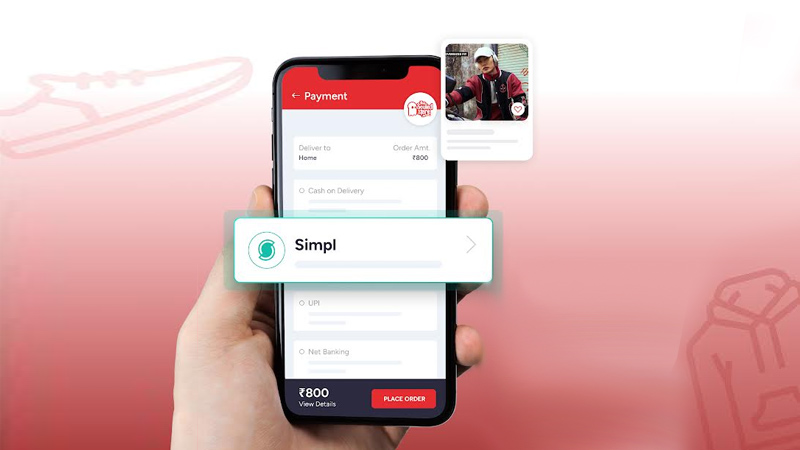
    Mumbai: The Souled Store, India’s online brand for officially licensed merchandise announced a partnership with Simpl – India’s checkout network, to strengthen its e-commerce platform in order to provide an enhanced e-commerce experience as millions of customers make Direct-to-Customer (D2C) platforms their primary fashion retail channel.

    Through this partnership, consumers can access lakhs of official merchandise, available on The Souled Store platform (App & Website) through Simpl’s 1-Tap Checkout. This judicious mix of The Souled Store’s wide selection of products, delivered across the country, combined with Simpl’s 1-Tap convenience, will play a crucial role in enabling a seamless e-commerce experience for customers while enhancing conversions, minimising transaction failures, cash-on-delivery transactions and reducing product returns which are important pain points for the industry.

    Speaking of the partnership, The Souled Store co-founder Vedang Patel said, “The Pop fashion ecosystem in India is maturing at a rapid pace with millions of customers from across the country taking to e-commerce and D2C platforms to fulfil their evolving fashion needs. As a customer-focused platform, we felt the need to provide greater convenience to our customers, particularly millennials and Gen Z, across the board for whom e-commerce has become the primary retail channel. In this endeavour, we are delighted to partner Simpl to offer a 1-Tap Checkout for lakhs of our merchandise to over seven million of our customers across the country. With Simpl, we find synergies in our collective vision of empowering customers through greater convenience online in a quick and seamless manner.”

    The Souled Store generates over 90 per cent of its sales through its own e-commerce platform, necessitating the need to enhance customer experience on their platform. The company experienced a 5X growth compared to the average business during the Black Friday sale last November. The top demands were in the winter wear categories, followed by oversized t-shirts and denims.

    Speaking of the partnership, Simpl founder and chief executive officer Nitya Sharma said, “Fashion e-commerce marketplaces and Direct-to-Customer platforms are becoming the primary retail channels for new age customers who are looking for a more convenient and hassle-free way of accessing products online. Simpl, as an organisation, is committed to bringing an enhanced convenience and building customers’ trust on merchants online through its proprietary 1-Tap Checkout. We are delighted to partner with The Souled Store, which is one of the early movers in the D2C space, to enhance the checkout experience of millions of their customers across the country. This partnership also expands our presence in the fashion e-commerce sector with hundreds of merchants serving millions of customers, choosing Simpl as their preferred checkout partner checkout”.

    Currently, thousands of small, medium, and large fashion, accessory, and beauty merchants across the country use Simpl’s 1-Tap Checkout and Simpl Checkout solutions. They have witnessed over a 70x increase in transactions, respectively, over the last 1 year. Overall, over 26,000 merchants and millions of customers across the country opt for Simpl’s Checkout options to increase conversions, reduce returns, and enhance convenience.

    According to a joint report by Bain&Co and TMRW, Fashion is one of the largest and fastest-growing categories online, driven largely by Gen Z customers. The total contribution of e-commerce to fashion is expected to increase to 30 per cent over the next five years from the current 10-12 per cent. This growth will propel the size of the fashion e-commerce market in India, currently around Rs 8-10 billion, to approximately Rs 30 billion, growing at a rate of 35 per cent in the next five years. This spells immense opportunities for D2C merchants looking to reach out to millions of young customers across the country by enabling quick and easy checkout through Simpl’s 1-Tap Checkout.

  • Shresth Bharti joins Jio Ad as national sales director – FMCG and retail

    Shresth Bharti joins Jio Ad as national sales director – FMCG and retail

    Mumbai: Shresth Bharti has joined Jio Ads as national sales director for FMCG and retail. His responsibility is to onboard FMCG and retail clients on the Jio Ads platform.

    Previously, Bharti was associated with Disney+ Hotstar for four years and quit as associate vice president of sales. He’s also had stints at Shopclues, L’Oreal and Dabur.

    Bharti has completed his MBA from SVKM’s Narsee Monjee Institute of Management Studies (NMIMS).