Tag: Reliance Industries

  • News18 Lokmat rings in Ganeshotsav with grand 20 day Bappa Morya Re

    News18 Lokmat rings in Ganeshotsav with grand 20 day Bappa Morya Re

    MUMBAI: Ganpati fever swept across Maharashtra, and News18 Lokmat made sure viewers didn’t miss a beat. With its 20-day special line-up ‘Bappa Morya Re’, the state’s No.1 news channel transformed television screens into a window to Maharashtra’s most cherished festival.

    The channel’s coverage spanned it all from the crafting of eco-friendly idols to the arrival of Bappa in every mohalla, from festive markets buzzing with preparations to kitchens where traditional modaks and delicacies were being perfected. Heartfelt stories of devotees sat alongside explorations of Ganesh Chaturthi’s cultural significance, giving audiences a holistic festive experience.

    Adding extra sparkle was the ‘Bappa Morya Re’ Mandal Competition, which saw pandals across Maharashtra compete with creative themes, devotional flair, and socially relevant messages woven into their decorations. The competition captured the innovative spirit of mandals, blending tradition with contemporary relevance.

    The celebrations weren’t confined to the streets. At News18 Lokmat’s own office, the channel created a festive hub where leaders and stars came together to seek Bappa’s blessings. The chief minister of Maharashtra, Devendra Fadnavis, deputy chief minister Eknath Shinde, and ministers including Uday Samant and Girish Mahajan joined the prayers. Adding a touch of glamour, film and TV personalities such as Mahesh Manjrekar, Siddharth Jadhav, Prasad Oak, Adinath Kothare, Sonali Khare, Milind Gunjaji, Lina Bhagwat, and Adesh Bandekar also turned up to celebrate.

    The initiative was supported by a host of partners: Oxyrich (co-presenter), Pitambari Devbhakti, Reliance Industries Ltd, SBI (banking partner), Kirti Oil (celebration partner), Parasnath Speciality Clinic, Younity Energy, Society Tea, Senco Gold (jewellery partner), Brand Banao.AI, Maharashtra Pollution Control Board, and JSW Neo Steel.

    With its extensive statewide coverage, star-studded celebrations, and spirited mandal contests, News18 Lokmat’s ‘Bappa Morya Re’ once again proved why it’s synonymous with Ganeshotsav in Maharashtra blending devotion, festivity, and culture into one vibrant package.

  • Reliance AGM: Mukesh Ambani unveils JioHotstar’s new AI-led features

    Reliance AGM: Mukesh Ambani unveils JioHotstar’s new AI-led features

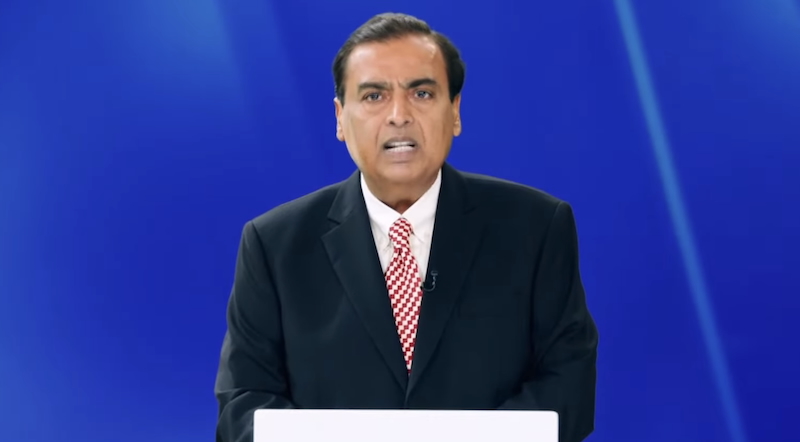
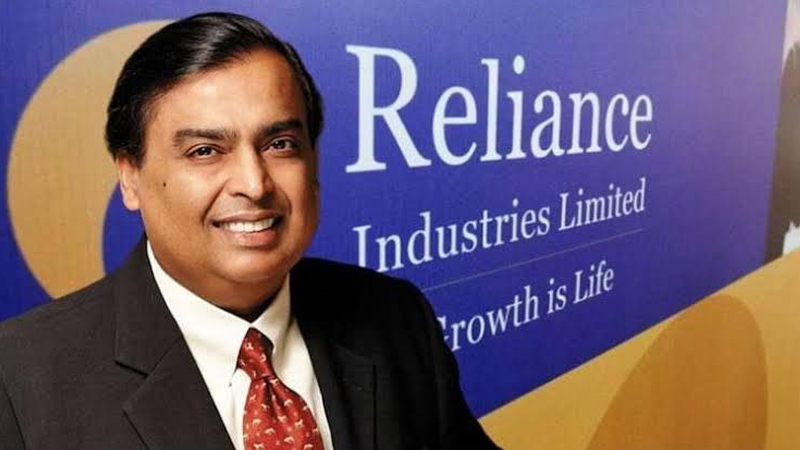
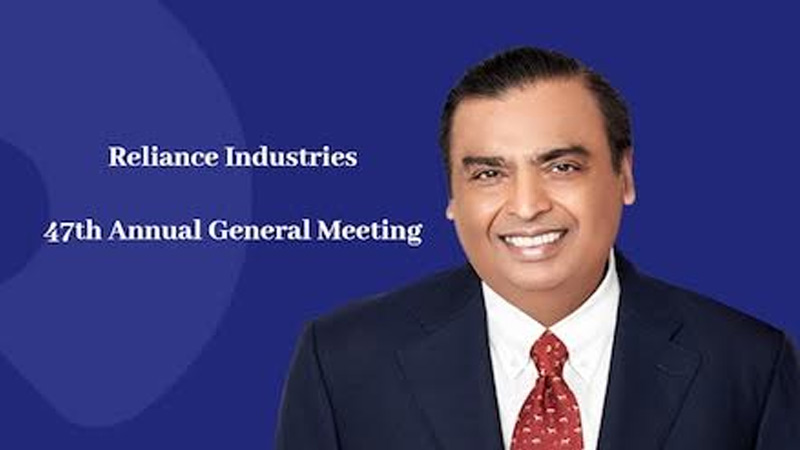
    MUMBAI: Reliance Industries chairman Mukesh Ambani  declared at the firm’s annual general meeting held today that JioStar has reshaped India’s media landscape within months of launch. The media and entertainment arm now boasts over 3.2 lakh hours of programming—six times more than its nearest rivals—with 30,000 hours added annually.

    The JioHotstar app has surged to 600m users in just three months, including 75m connected TVs. With 300m paying subscribers, Ambani claimed it has become the world’s second-largest streaming platform, achieved entirely in India. Reliance also commands a 34 per cent share of India’s TV market, equal to the next three networks combined.

    To cement its lead, Ambani unveiled a trio of AI-driven features. Riya, a voice-enabled assistant, promises effortless content discovery across shows, films and sports. Voice Print uses AI voice cloning and lip-sync to let stars “speak” in viewers’ own languages without losing authenticity. And JioLenZ offers multiple, personalised viewing options at the click of a button.

    “We have created an experience that combines the best of content, software and AI,” said Ambani. “JioStar will continue to expand across platforms and geographies as we serve a billion screens.”

  • Reliance joins hands with Google Cloud to put India’s AI future on steroids

    Reliance joins hands with Google Cloud to put India’s AI future on steroids

    MUMBAI: Reliance Industries has never done things by halves. On 29 August, India’s largest private company unfurled its latest grand project: a sweeping expansion of its alliance with Google Cloud, centred on a new, dedicated AI-first cloud region in Jamnagar, Gujarat. The ambition is as audacious as it is familiar. Having once upended India’s telecoms industry with Reliance Jio and cheap data, Mukesh Ambani is now training his firepower on artificial intelligence, promising to democratise access to computing muscle for the world’s most populous country.

    The project is being pitched as India’s “AI leapfrog moment.” Reliance will design, build, and power state-of-the-art cloud facilities, all running on renewable energy and plugged into Jio’s sprawling fibre and digital network. Google will provide the brains: its AI hyper computer, a secure and integrated generative AI stack, and the know-how to run workloads of breath taking intensity. The facility, Reliance says, will meet global service-level standards and support the most demanding AI use cases—from training large models to building next-generation applications for consumers and enterprises.

    Why Jamnagar? The coastal city is already the beating heart of Reliance’s refining and petrochemicals empire. It is also becoming a symbol of the company’s reinvention: its green energy giga factory is rising there, and now the AI cloud campus will sit alongside it. Running on renewable power, the project ticks boxes for sustainability even as it scales to hyper speed. Jio, meanwhile, will string high-capacity fibre links connecting Jamnagar to metros like Mumbai and Delhi, effectively wiring India’s AI ambitions to its business and political capitals.

    Mukesh Ambani cast the partnership in almost civilisational terms: “Just as Jio and Google came together to democratise the internet for every Indian, we will now democratise intelligence for every Indian,” he declared. The subtext was clear: Reliance does not want to merely be a customer of AI; it wants to be the platform on which India builds its AI future.

    For Google, the tie-up is equally strategic. The American giant has long struggled to monetise India at scale, despite Android’s dominance. Its alliance with Reliance, first forged through a $4.5bn investment in Jio Platforms in 2020, has been its best bet. Sundar Pichai, Google’s boss, was almost wistful: “Our work together over the last decade has helped bring affordable internet access to millions. And now, we are building on this to help shape the next leap with AI. This is only the beginning.”

    The beginning it may be, but the context is fiercer. Microsoft has partnered with the Adani group to push Azure into Indian enterprises. Amazon Web Services (AWS) has invested heavily in local data centres. By anchoring Google Cloud in Reliance’s infrastructure, Ambani is offering it the biggest distribution muscle in the country—from India’s biggest retailer to its mightiest mobile operator.

    Reliance has always built moats around scale and integration. Hydrocarbons fed petrochemicals; petrochemicals funded telecoms; telecoms birthed digital platforms; retail wrapped around them. Now AI is being woven into every strand. Reliance’s retail arm, one of the world’s fastest-growing, will be powered by predictive analytics and AI-first services. Its digital platforms can churn out generative-AI-powered customer tools. Even its energy and refining business can tap AI for predictive maintenance, efficiency, and emissions management.

    The bet is as much about geopolitics as economics. AI compute has become a strategic resource, akin to oil in the 20th century. By hosting a dedicated, hyperscale AI cloud region in India, Reliance and Google are hedging against global bottlenecks in semiconductors and compute availability. They are also offering Indian enterprises and the government a “sovereign-flavoured” cloud alternative to relying wholly on Western or Chinese platforms.

    The entire project will be underpinned by Reliance’s push into renewable power. The AI data centres, notorious for their energy hunger, will be fed through Reliance’s green energy parks and hydrogen initiatives. Jio’s high-capacity fibre, spanning metros and regions, adds the digital sinew to match the green muscle. The combination allows Reliance to brand the initiative not merely as profitable, but as sustainable—a key card to play with regulators, policymakers, and global investors.

    For India, the stakes are towering. Domestic enterprises, startups, and public sector organisations often face prohibitive costs in accessing cutting-edge AI compute. By pooling Reliance’s infrastructure with Google’s stack, the hope is to lower barriers and accelerate adoption. Small businesses may soon have access to AI tools that were once the preserve of Silicon Valley. Universities and research institutes could run high-performance AI models without prohibitive cost. And the government could scale citizen-facing AI services in health, education, and agriculture.

    But challenges remain. Building AI facilities is one thing; ensuring India has the talent, regulation, and guardrails to use them responsibly is another. AI also raises thorny issues of bias, surveillance, and security. Reliance’s ambition to become India’s AI backbone will inevitably attract scrutiny—whether from privacy hawks, antitrust watchdogs, or foreign competitors.

    Yet, if history is a guide, Reliance has a knack for bending markets to its will. When Jio entered telecoms in 2016, it offered free calls and dirt-cheap data, triggering a brutal price war that wiped out rivals and left India with the world’s cheapest mobile internet. Now, Ambani appears ready to repeat the trick with AI: offer access at scale, bundle services across Reliance’s ecosystem, and set the floor so low that competitors struggle to keep up.

    The Jamnagar AI cloud, then, is not just about servers and software. It is about a new architecture of power: technological, economic, and political. If it works, Reliance and Google may indeed make India a global leader in artificial intelligence. If it fails, it could end up as another white elephant in the deserts of Jamnagar.
    For now, though, one thing is certain. India’s AI race has just been given a jolt of steroids—and Mukesh Ambani is holding the syringe.

    (The picture featured above is representational of two businessmen joining hands and there is no intention to insinuate that it  resembles either Mukesh Ambani or Sunder Pichai. It is an AI generated image)

  • Reliance gets high on health drinks with ayurvedic beverage bet

    Reliance gets high on health drinks with ayurvedic beverage bet

    MUMBAI: Reliance Industries is betting big on India’s growing thirst for healthy drinks, snapping up a majority stake in Naturedge Beverages, maker of the herbal functional drink Shunya. The deal marks the latest move by Mukesh Ambani’s conglomerate to build a beverage empire that can rival Coca-Cola and PepsiCo in the world’s most populous country.

    The acquisition brings Shunya—a zero-sugar, zero-calorie drink packed with ayurvedic herbs like ashwagandha and brahmi—into Reliance Consumer Products’ expanding stable. The brand has caught on with health-conscious Indians seeking alternatives to sugary sodas, tapping into ancient wellness traditions that promise stress relief and mental clarity.

    Founder of Naturedge and scion of the century-old Baidyanath Group ayurvedic empire Siddhesh Sharma launched Shunya in 2018 with the aim of making traditional herbs palatable to modern consumers. “Super-herbs like ashwagandha and brahmi not only act as natural stress-relievers but also boost strength, stamina and focus,” he said.

    For Reliance, the deal is part of a broader push to dominate India’s beverages market. Since launching its consumer products arm in 2022, it has gobbled up the nostalgic Campa Cola brand and rolled out energy drinks and flavoured waters. The company is chasing what it calls a “total beverage portfolio” to capture Indian wallets from morning chai to evening refreshers.

    Reliance Consumer Products  executive director Ketan Mody said the partnership would help promote “India’s legacy” while offering quality products at affordable prices. With Reliance’s vast distribution network, Shunya could soon be available in corner shops from Mumbai to Chennai.

    The move reflects a broader trend as Indian consumers increasingly embrace functional foods and beverages that promise health benefits beyond basic nutrition. As lifestyles become more stressful and wellness awareness grows, traditional remedies repackaged in modern formats are finding eager buyers.

    Whether Reliance can crack the code on healthy drinks remains to be seen. But with deep pockets and distribution muscle, it’s certainly willing to pay for the privilege of trying.

  • Hinduja Group appoints Anand Agarwal as group president – finance

    Hinduja Group appoints Anand Agarwal as group president – finance

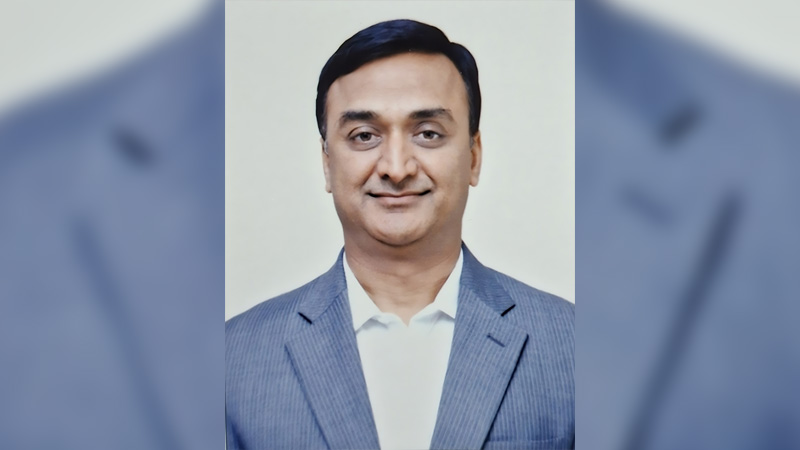
     MUMBAI: Money talks and so does experience. In a move that signals serious intent for its next phase of growth, the Hinduja Group has roped in financial veteran Anand Agarwal as group president of Finance. With a career spanning nearly three decades and multiple sectors, Agarwal is expected to steer the conglomerate’s financial strategy with a steady, seasoned hand.

    Agarwal brings to the table heavyweight credentials, he’s a chartered accountant, company Secretary, ICWA, CFA, and an executive MBA from IIM Ahmedabad. His résumé reads like a who’s who of Indian industry: Chambal Fertilisers (as CFO), Tata Power, Peepul Capital PE, AGS Transact Technologies, Aditya Birla Group, Reliance Industries, and ITC Limited.

    He has successfully raised capital from global private equity giants, pension funds, and sovereign wealth funds, and helmed several high-stakes M&A deals across the Agri Inputs, Infrastructure (Power), FMCG, Cement, Metals, and Financial Services sectors.

    As group pof Hinduja Group HR Amit Chincholikar put it, “With the Group’s businesses entering a phase of strategic expansion, strong financial leadership is crucial. Anand’s vast experience in corporate finance and M&A, along with his proven ability to manage large-scale financial strategies, will be key in driving the Group’s growth.”

    Agarwal, too, sounds ready to get down to business: “My focus will be on enhancing financial efficiency, optimising capital deployment, and supporting the Group’s expansion plans.”

    With Agarwal’s appointment, the Hinduja Group appears poised to fine-tune its financial engine accelerating towards a future built on bold strategy, smart capital, and sharper execution.

  • Reliance hits record Q1 FY26  EBITDA as Jio and retail fire on all cylinders

    Reliance hits record Q1 FY26 EBITDA as Jio and retail fire on all cylinders

    MUMBAI: Reliance Industries has kicked off FY26 with a blockbuster first quarter, posting its highest-ever consolidated quarterly EBITDA of Rs 58,024 crore ($ $6.8 billion), a sharp 35.7 per cent leap over last year, fuelled by robust performances across digital, retail and energy verticals.

    Group net profit soared 76.5 per cent year-on-year to Rs 30,783 crore ($3.6 billion), aided by operational gains and a Rs 8,924 crore windfall from its stake sale in Asian Paints. Total revenue rose 6 per cent to Rs 2.73 lakh crore ($31.9 billion), with EBITDA margins improving by a stellar 460 basis points to 21.2 per cent.

    Reliance Jio continued to dominate the digital landscape, crossing a jaw-dropping 200 million 5G subscriber milestone and 20 million home broadband connections. Jio Platforms’ revenue jumped 19 per cent to Rs 35,032 crore, while EBITDA climbed 24 per cent to Rs 18,135 crore, with margins expanding 210 basis points to a best-in-class 51.8 per cent.

    ARPU rose to Rs 208.8, driven by premium subscriber additions and deepening data consumption, which reached 54.7 billion GB this quarter. Jio also unveiled its next-gen tech stack—JioGames Cloud, JioPC, and the proprietary UBR fixed wireless platform—taking a firm aim at India’s AI and home computing future.

    Reliance Retail cemented its pole position, clocking Rs 84,171 crore in revenue (up 11.3 per cent), and EBITDA of Rs 6,381 crore (up 12.7 per cent), marking an industry-leading margin of 8.7 per cent. The business added 388 new stores, taking the total footprint to 19,592 outlets spanning 77.6 million sq ft.

    JioMart’s hyper-local push paid off with daily order volumes exploding 175 per cent year-on-year. AJIO continued to thrive in the online fashion segment with its new 4-hour delivery service and strong traction for Shein, while the FMCG arm doubled revenue to Rs 4,400 crore.

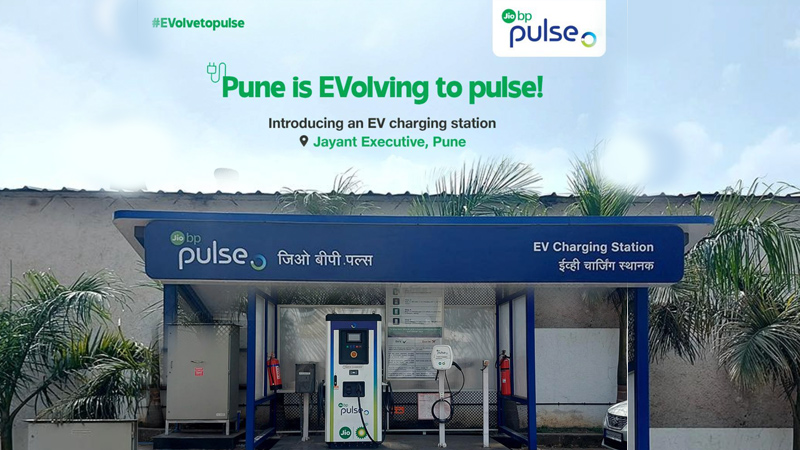
    Reliance’s Oil-to-Chemicals (O2C) segment, despite a 1.5 per cent drop in revenue due to crude price softness and planned shutdowns, posted a solid 10.8 per cent EBITDA gain at Rs 14,511 crore. Jio-bp’s aggressive retail fuel push contributed significantly, with volumes of petrol and diesel up 38.6 per cent and 34.2 per cent respectively.

    With net debt remaining flat at Rs 1.17 lakh crore and capital expenditure of Rs 29,875 crore this quarter, the group is doubling down on its “golden decade” growth strategy across tech, consumption, and energy. Chairman Mukesh Ambani said, *“Reliance will continue its stellar track record of doubling value every four to five years.”

    From superfast data to doorstep delivery and clean fuels, Reliance is firing on all fronts—and showing no signs of slowing down.

  • Den Networks Q1 profit jumps 41 per cent to Rs 508 million despite flat sales

    Den Networks Q1 profit jumps 41 per cent to Rs 508 million despite flat sales

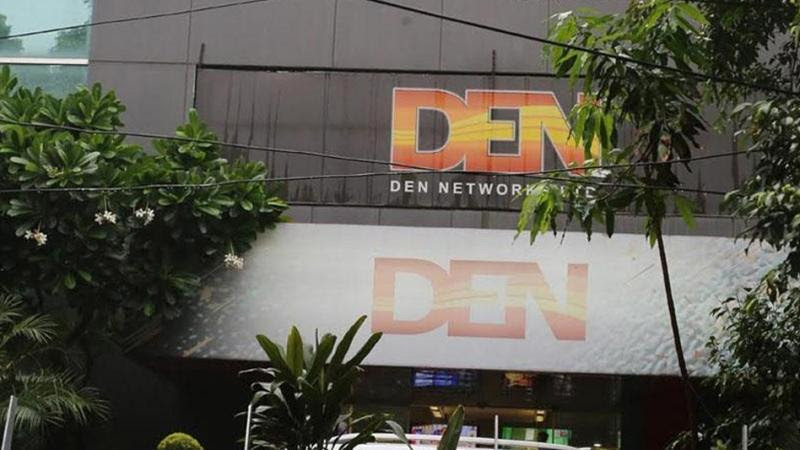
    MUMBAI: Den Networks may have seen revenues tread water this quarter, but profits took the express lane. Den Networks has posted a standalone profit after tax (PAT) of Rs 508.2 million for the quarter ended 30 June 2025, marking a 41 per cent year-on-year jump from Rs 359.3 million in the same period last year even as total revenue growth stayed modest at just 6 per cent.

    According to the company’s unaudited financials approved by the board of directors on 14 July 2025, total income for the quarter stood at Rs 3,150.8 million, up from Rs 2,959.6 million in Q1 FY24. This includes revenue from operations at Rs 2,456.1 million and other income largely investment returns at Rs 694.8 million.

    Cost-consciousness appears to have paid off. Total expenses declined 3.5 per cent sequentially to Rs 2,566.1 million. Notably, Den reduced its placement fees from Rs 484.1 million in Q4 FY25 to Rs 361.3 million this quarter. Content costs held steady at Rs 1,487.9 million.

    While finance costs remained negligible at Rs 5.5 million, a sharper tax outgo up 113 per cent year-on-year to Rs 76.6 million chipped at the bottom line, although it didn’t stop PAT from soaring past Rs 500 million. Earnings per share (EPS) came in at Rs 1.07, up from Rs 0.75 in Q1 FY24.

    Den’s consolidated results which include its 24 subsidiaries and five associate entities also painted a strong picture. Consolidated PAT stood at Rs 536.4 million, while total income was pegged at Rs 3,119.5 million. The group’s broadband business, however, saw a dip in revenue to Rs 104.6 million from Rs 121.2 million a year ago.

    The cable distribution segment continues to be the mainstay, accounting for Rs 2,353.1 million of gross revenue this quarter. Interestingly, other income (largely interest and investment income) surpassed Rs 700 million on the consolidated books, nearly 23 per cent of total income.

    Even as broadband and cable network operations posted minor operating losses, the group’s strong treasury returns and cost containment measures seem to have steadied the ship.

    Den Networks, now a part of the Reliance Industries-backed media ecosystem, continues to operate with healthy cash reserves. As of June 30, 2025, total consolidated assets stood at Rs 42,246.3 million, up from Rs 40,084.5 million in Q1 FY24, signalling long-term stability despite a flattish top line.

    For now, while India’s cable industry battles disruption from OTT and broadband wars, Den’s Q1 scorecard shows that fiscal discipline and high-yield investments can still keep the books in the black.


  • Maharashtra’s leaders and changemakers come together for growth agenda

    Maharashtra’s leaders and changemakers come together for growth agenda

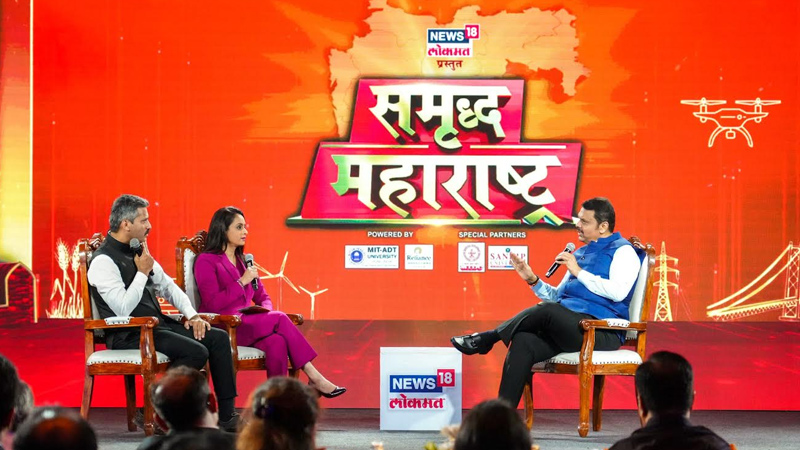
    MUMBAI: From politics to pop culture, policy to pop-up enterprises Maharashtra’s growth story got a turbocharged rewrite at News18 Lokmat’s Samruddha Maharashtra 2025 conclave. In a state that rarely slows down, News18 Lokmat’s Samruddha Maharashtra 2025 brought the brakes to the rhetoric and the spotlight to substance. Held in Mumbai, the high-octane conclave brought together an eclectic mix of ministers, entrepreneurs, artists, and policy wonks to discuss what it’ll take to future-proof the state’s prosperity.

    The day kicked off with a sharp, youth-forward panel on the “Future of Maharashtra”, where young leaders like Meghana Bordikar, Varun Sardesai, Rohini Khadse, Shaina NC, and Sangram Kote Patil discussed sustainability, policy innovation, and the missing script of youth engagement. The verdict? Maharashtra’s tomorrow needs fresh ideas, and fresher faces at the helm.

    Aaditya Thackeray turned the political lens inward in a session on the so-called “Maharashtra Pattern of Politics”. Equal parts legacy and local aspiration, his take blended ideology with youth participation underscoring transparency and environmental consciousness as essentials, not options.

    Politics got punchier in a high-decibel discussion featuring Jitendra Awhad, Girish Mahajan, Uday Samant, Imtiyaz Jaleel, Sandeep Deshpande, and Anil Parab. Even as they sparred across party lines, there was one common goal: Maharashtra’s progress must trump political posturing.

    In the economic ring, industry bigwigs like Hemant Rathi, Girish Chitale, Lalit Gandhi, and economist Ajit Ranade headlined “Udhyemi Maharashtra”, championing entrepreneurship and industrial investment as the state’s twin growth engines. The message was clear start-ups and scale-ups are Maharashtra’s real capital.

    Culture took a graceful turn in “Kalapatadi Maharashtra”, with cinema and theatre stalwarts Mahesh Manjrekar, Kedar Shinde, Om Raut, and Bharat Jadhav waxing lyrical about the soft power of storytelling and the soul of Marathi identity.

    Deputy CM Eknath Shinde outlined priorities across infrastructure, rural outreach, and welfare, while chief minister Devendra Fadnavis wrapped up the conclave with a blueprint for a globally competitive and resilient Maharashtra, fuelled by economic reforms and mega infrastructure plans.

    Powered by MIT Design Technology – Pune and Reliance Industries Ltd, with support from MIDC, Sandip University, Rotomag Solar Pump, Pimpri Chinchwad University, LIC Housing Finance Ltd, and Mahagenco, the conclave was anything but a talking shop.

    With meaningful dialogue, sharp provocations, and a collective vision, Samruddha Maharashtra 2025 wasn’t just another networking event, it was a real-time draft of the state’s next growth chapter. Or as one panellist quipped, “Less gyan, more game plan.”
     

  • Disney’s magic numbers: Q2 2025 earnings cast a spell

    Disney’s magic numbers: Q2 2025 earnings cast a spell

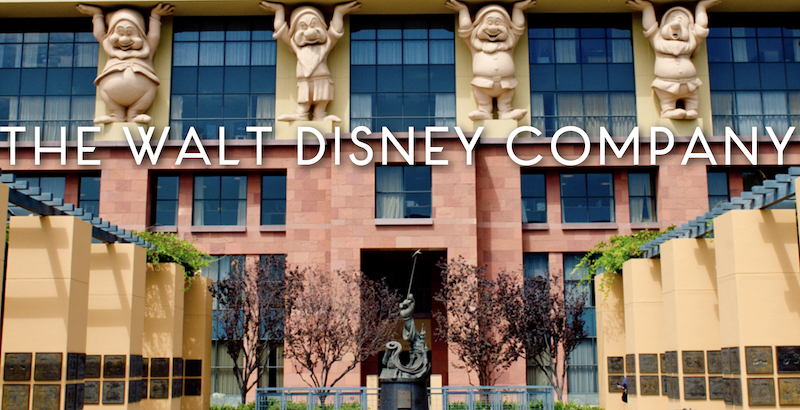
    MUMBAI: The Walt Disney Company’s Q2 2025 earnings have delivered a star-studded performance, with revenues climbing seven per cent to $23.6 billion, driven by robust gains in entertainment and experiences. But it wasn’t all smooth sailing — sports struggled with soaring production costs, keeping the magic somewhat grounded.

    In the spotlight, Disney’s entertainment segment sparkled with a 61 per cent surge in operating income, hitting $1.3 billion. Direct-to-consumer revenues also soared, thanks to a 2.5 million bump in Disney+ and Hulu subscriptions, pushing the combined total to 180.7 million. The much-talked-about Disney+ subscriber base alone rose to 126 million, an addition of 1.4 million from the previous quarter.

    However, the sports division played a tougher game. Operating income tumbled by $91 million to $687 million, primarily due to bloated programming costs, which included airing three extra college football playoff games and an additional NFL clash. ESPN’s domestic advertising revenue shot up by 29 per cent, but it wasn’t enough to offset the spending blitz.

    Disney’s crown jewel — its experiences division — continued to enchant. Segment operating income hit $2.5 billion, a nine per cent rise, as domestic parks saw a 13 per cent boost in income, driven by higher spending and increased attendance.

    Net income soared to $3.4 billion from just $216 million a year ago, with adjusted earnings per share (EPS) hitting $1.45, a 20 per cent year-on-year jump. Free cash flow surged over 100 per cent to $4.9 billion, thanks to lower tax payments and tighter cost control.

    But not everything was a fairy tale. Disney’s Star India JV posted a $103 million loss, reflecting ongoing challenges in the competitive Indian market. There was also a equity loss from India JV of ~$300 million driven by purchase accounting amortisation. Amounts for the current period include impairment charges related to the Star India transaction ($143 million) and content ($109 million). Tax expense in the current period includes the estimated tax impact of these charges and a non-cash tax charge of $244 million related to the Star India transaction. Amounts for the prior-year period include impairments of goodwill ($2,038 million).

    Looking ahead, Disney is waving its wand at a 16 per cent rise in adjusted EPS for the full year, expecting $5.75 per share, as it bets on double-digit growth in entertainment and a fresh direct-to-consumer push with ESPN’s new offering.

    Disney’s CEO Bob Iger summed it up: “Our outstanding performance this quarter underscores our continued success building for growth and executing across our strategic priorities. Overall, we remain optimistic about the direction of the company and our outlook for the remainder of the fiscal year.” 

  • Ajio and Asos bring a summer of style sizzler to LFW, with cinema royalty in tow

    Ajio and Asos bring a summer of style sizzler to LFW, with cinema royalty in tow

    MUMBAI: Reliance Industries’ online luxe and fashion platform Ajio teamed up with Asos, the online fashion behemoth, to deliver a right proper Summer of Style at Lakmé Fashion Week. And, darling, it was a corker. The collaboration, exclusively available on Ajio in India, brought Asos’s latest transition line to the runway, proving that global fashion can indeed have a desi twist.

    The show, a veritable feast for the eyes, showcased an eclectic mix of shirts, trousers, skirts, dresses, and co-ord sets, all designed with a breezy, contemporary aesthetic. Hindi cinema’s own Tara Sutaria and Veer Pahariya strutted their stuff as showstoppers, embodying Asos  bold yet relaxed vibe.

    “Fashion’s about confidence, innit?” said Tara Sutaria, “and Asos nails it. Walking for LFW is always a thrill, and this year’s summer of style with Ajio was no exception.” 

    Veer Pahariya echoed the sentiment, adding, “Asos has always pushed the boundaries of fashion, and this collection is no different. Walking for A Summer of Style was a thrilling experience, and I can’t wait for more people to discover these looks on Ajio.”

    The Asos transition line, presented in three distinct collections, catered to every sartorial whim:

    * Botanical Garden/Resort: Think breezy, nature-inspired looks perfect for escaping the city’s stuffiness.

    * Pastel Stories: Dreamy, soft hues for those who prefer a touch of effortless elegance
    .
    * Monochrome: A bold black-and-white affair for the modern minimalist who likes things sharp.

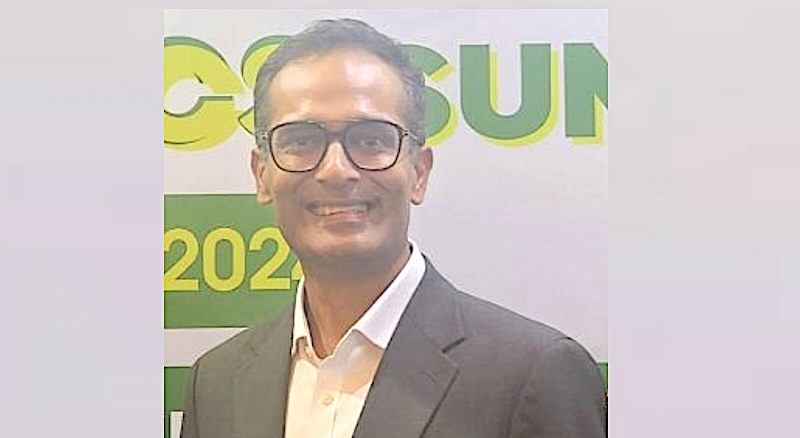
    “We’re proud to bits to bring Asos’ latest collection to India,” said Ajio CEO Vineeth Nair. “We’re all about bringing global fashion to Indian consumers, and this collaboration nails that.”

    Asos managing director wholesale  Michelle Wilson added, “India’s a right exciting market for us, and our partnership with Ajio has helped us reach a growing audience of fashion-forward types. The response has been smashing.”

    Following the runway spectacle, Ajio and Asos hosted a swanky stakeholder event, giving industry bigwigs a sneak peek at the collection. It was a right royal knees-up, and a testament to the power of fashion to bring people together.