Tag: Reliance Entertainment

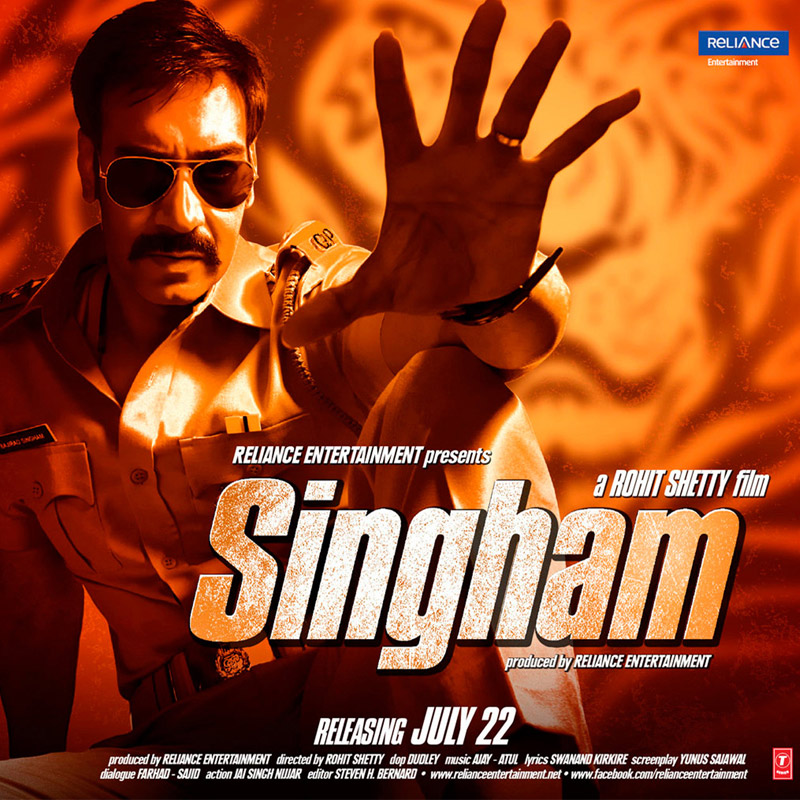
  • Singham is Ajay Devgn’s biggest box office opener

    Singham is Ajay Devgn’s biggest box office opener

    MUMBAI: Singham, produced by Reliance Entertainment and directed by Rohit Shetty, has performed strongly at the box office during its opening weekend.


    Excelling at single screens, the movie collected Rs 310 million, making it the biggest opener for Ajay Devgn so far.


    Meanwhile, Zindagi Na Milegi Dobara found its following at multiplexes and collected Rs 424 million in its first week.


    Murder 2 added Rs 93 million to its first week total of Rs 365 million to take its two-week tally to Rs 458 million.


    Delhi Belly has collected Rs 38 million in its third week, taking its tally to Rs 535 million.


    Bbuddah Hoga Tera Baap‘s total collections in three weeks stood at Rs 139.5 million.


    The four-week tally of Double Dhamaal was Rs 464 million.
     

  • Reliance Entertainment. to release Ram Gopal Varma’s Shabri on 26 August

    Reliance Entertainment. to release Ram Gopal Varma’s Shabri on 26 August

    MUMBAI: Reliance Entertainment is going to release Ram Gopal Varma’s Shabri on 26 August.


    Varma was averse in releasing Shabri that had a story based on the first female crime lord in Mumbai because of its subject. But lately after he heard that Vishal Bhardwaj had announced his upcoming project Daayan, also based on a female gangster, Varma decided to release the film after four years.


    Made in 2007, the film is about Shabri who runs a flour mill to make ends meet and how she becomes a gangster following a chain of events that changes her life. A fictional account of a female gangster, Shabri is not similar to Vishal Bhardwaj’s film which is based on a story from Hussain Zaidi’s book.


    Directed by debutant Lalit Marathe, the film features Eesha Koppikar, Manish Wadhwa, Pradeep Rawat and Zakir Hussain among others.


  • ‘We are talking with global companies to set up a studio to develop content’ : Rohit Sharma- Zapak Digital Entertainment COO

    ‘We are talking with global companies to set up a studio to develop content’ : Rohit Sharma- Zapak Digital Entertainment COO

    With a war chest of $100 million (Rs 4 billion), Reliance Entertainment’s online gaming portal Zapak is looking to invest in infrastructure and expand even beyond the frontiers of India. The portal is going to launch in China, Pakistan and the UAE.


    In an interview with Indiantelevision.com’s Ashwin Pinto, Zapak Digital Entertainment COO Rohit Sharma talks about the global plans of the gaming portal and the steps that are being taken to reach there.


    Excerpts:

    When George Soros picked up a 3 per cent stake in Reliance Entertainment for $100 million, how big was Zapak as a valuation attraction?
    It was definitely a point of attraction as it is one of our oldest businesses. Since Zapak is one of the most successful internet companies in India, it gives value to investors. However, I cannot talk about valuations. The investment has helped us understand what our value is and how we can scale it up.

    How much is Zapak going to invest and what is the breakeven period?
    Since gaming is still at a nascent stage in this country, the breakeven will not happen before four to five years. We are investing $100 million over the next five years. In terms of operational expenditure, we have to invest in manpower, bandwidth and marketing activities. In terms of capital expenditure, we are investing in infrastructure as well as technology and content. Our costs will go up each year as the business grows.

    What are the lines of synergy Zapak is drawing with the other verticals of Reliance Entertainment?
    We have the movie business with Adlabs. A lot of content alliancing will happen here as we acquire content, produce and co-produce it. Zapak will also develop content based on these movies.


    There are strong synergies between Big Flicks and Zapak as both are located in the internet space. Bigadda is our social networking site and the audience is similar. So we do a lot of cross-promotional activities. And with our FM radio business, we use it as an advertising medium.


    Thus, if we take the gaming piece in the entertainment space, there is a lot of content syndication, retail syndication and advertising opportunities that are possible.

    What are the trends being seen in online gaming in India?
    Zapak is setting the trends here as there is no other online gaming player in India per se. We have a 70-75 per cent market share in terms of revenues and the number of users which is four million right now. We are also attracting good advertising and so we are witnessing an upwards trend.


    The learning for us is that the user wants compelling content. Therefore, publishers/developers like us need to invest in the right kind of content. The content, whether global or local, has to be high-end in terms of graphics, artwork, game play and design.

    The kids genre has done well for us. Zapak Girls also does well as do our action oriented games. But cricket is our biggest property

    Who comprises your TG?
    Surprisingly consumers have an equal ratio between the top cities and B, C towns and cities. Males in the age group 12-25 are the core TG. Having said that, however, youngsters below 12 are increasingly playing on Zapak. They are becoming stickier towards gaming.

    How does the market size for online games compare with mobile gaming?
    If you look at developed gaming markets like China, Korea and Vietnam, online gaming has surpassed mobile gaming. In countries that have a strong PC and online penetration, online gaming offers a better user experience. The best part about online gaming is that you can form communities that you cannot have on the mobile.

    Could you shed light on the strategy being followed to increase the product portfolio?
    When we started, we focused on casual games, which is the low hanging fruit. There is no point getting hardcore games to non-gamers. We brought in world-class casual games into the country. We work with over 50 studios globally.


    Having built a critical mass of gamers, we want to expose them to better content. We are going into the next phase which is to bring in casual hardcore games and hardcore games.


    Hardcore games are played in cafes and most cafes do not have the right PC specifications and infrastructure for this. This is why we started our gameplexes across the country. We will have almost 10,000 seats by the end of this year. We started our gameplex business in the big cities and towns. Now we have expanded to smaller places like Jaipur where we are also getting good traction.

    What have been your top five properties?
    The kids genre has done well for us. Zapak Girls also does well as do our action-oriented games. But cricket is our biggest property. You need to have a hybrid model. Generally, in business it is a 80:20 ratio where 20 per cent of content gives you 80 per cent of traction.


    However, in casual online gaming, the long tail is also important. A lot of people who come back, also want to check out the catalogue in addition to consuming the same content twice or thrice. Therefore, you need to build on your catalogue.

    Zapak has done activities to get women and children involved in gaming. What prompted this?
    The 12-25 male TG is still being built up. It has not been fully tapped. However, we have gone into early segmentation. We want every gamer in this country to relate with Zapak. We want to have a product and a service for everyone including a four-year-old kid. Therefore, we have been broad basing our offerings.

    Does Zapak also focus on game development?
    We have a small in-house team but we don’t do actual game development. We outsource it. We work exclusively with studios both in India and abroad. We drive the game ideation, concept and documentation. Then they do the rest. We work with our sister company Jump Games. We work with a Delhi-based company Saffronage. However, by and large, we work with studios outside India.


    There have been technological advances from a product point of view. Casual games are now incorporating social networking phenomena. Community features which are possible due to technology are growing in importance. The more features you have and the better customer relationship management setup you have, the better is the traction you will get.

    Is Zapak also looking at acquisitions in the gaming space?
    Yes! We will be aggressive in this regard both in India and abroad. Our targets would include game developers. In India, nobody has the competence to develop a game from scratch to finish. Besides acquiring content, we are also talking with global companies to set up a studio which could serve as a factory to develop content.

    What are the different revenue sources for Zapak and how important is advergaming in the mix?
    Advertising is our main revenue stream at the moment. Casual games are a portal business. We also get some revenue from our cafes and our cards business as well as events that we do. Subscription revenue will come in when we get into offering hardcore games. Users either purchase the product or subscribe on a monthly or a weekly basis. Our first product here will be three casual MMOG titles which will be launched in May and June.


    Could you give me examples where Zapak has done innovations for clients?
    With McDonalds, we did a deal where you buy a “Happy Meal” and get a product from Zapak. With Dominos, we did an innovation around a gaming pizza which was accompanied with goodies. We also tied up with MTV for games around their show Roadies.


    There is talk about how gaming is evolving into a social activity with massively multiplayer online games (MMOG). What is your view on this?
    If you look at countries like China and Korea, it is the stickiest social networking opportunity. Other entertainment options do not engage on a social level. In a virtual world, though, you live a virtual life. Already in our cafes, you see thousands of kids who live in a virtual environment.


    The BCCI is kicking off the IPL in April. Are you looking to work with the franchisees to develop properties?
    Yes! We are working with franchisees to develop properties that aim to reflect the sport.


    Does cricket work better than Bollywood for games?
    Yes! This is partly because cricket has gameplay built in. With film, you have to think about a strategy that can fit. We have worked with Bipasha Basu and Salman Khan. We also did successful games around the film Cash. However, even in Hollywood, games out of films are not generally successful. Spiderman was an exception, though. The challenge for us is to tailor Bollywood content so that it is suitable for gameplay.


    Apart from cricket, are you looking at other sports?
    We are looking at tennis and F1. We also feel that table tennis will translate well as an online game. We recently did a successful tennis game that Apollo sponsored. In terms of working with official sports bodies like Fifa, their licence fees are too high to justify a good RoI in India at this point of time.


    What is the way forward to combat the lack of skill sets in game development in India?
    Gaming has to be more widely accepted as an activity and profession. Companies from abroad have to come in and invest. We cannot grow this space all by ourselves.


    How did the concept of “Zapak Corporate Gamer Challenge” come about? Do you foresee a time when gaming will be viewed as a professional sport in India?
    We have a division called Zapak Live. This division organises conferences, events, tournaments, etc. We realised that a lot of casual gaming happens in the office. So it seemed like a good idea to take it to an offline level where corporates can take part. The response was good. I see no reason why gaming cannot be looked at as a sport in India a few years down the line.


    One of your recent marketing innovations revolved around offering people the chance to win cash by constantly playing. How was the response to that?
    It was a loyalty programme for the portal. For each activity done, participants got points. It was a three-week programme. We also do other marketing innovations. We had done a series of short films to create awareness for our e-mail product. We also do a lot of viral activities which have included spoofs on films like Sholay. We also did innovative stuff in loos in multiplexes.


    Finally, is Zapak looking at expanding abroad?
    We are looking to launch our portal in China, Pakistan and the UAE. You will see launches from the next quarter. Our USP is content that is not India-centric; it appeals to a global audience. It is a question of customisation from a language point of view.
  • ‘Working on an umbrella brand strategy is a good way to build a presence in the entertainment space’ : Rajesh Sawhney – Reliance Entertainment President

    ‘Working on an umbrella brand strategy is a good way to build a presence in the entertainment space’ : Rajesh Sawhney – Reliance Entertainment President

    As 2007 comes to a close, Reliance Entertainment president Rajesh Sawhney is an apt choice for our year-ending interview, not necessarily in the context of what Anil Ambani’s company has done in the broadcast space this year, but because of the expectations from industry, going forward.


    On the television front, the journey of being a broadcaster starts next year with the launch of two movie channels (first Hindi and later English), a logical extension from Reliance ADAG’s existing film production and distribution business. The broadcast piece will add to a list that ranges from multiplexes to movies, home video, FM radio, direct-to-home (DTH) and IPTV.


    On radio, the aim is to consolidate its position. It will also be active in distribution with its DTH platform coming up. Thomas Abraham and Ashwin Pinto caught up with Sawhney to find out about the plans and the kind of impact that Reliance is looking to have on the entertainment space.


    Excerpts:

    Firstly, 2007 was the year when Reliance Entertainment sowed the seeds for what is to come. What were the landmarks for this year?
    We are a young player only two years old. Our journey into entertainment kicked off with the Adlabs acquisition. Then we moved into radio in 2006. We started rolling it out by the end of last year. Then we moved into other ventures like Zapak, our gaming portal. From my perspective, we are still in the incubation phase and the larger consideration is that the entertainment and media industry is where telecom was five years back. The media industry will be worth $25 billion in five years time. A lot of value creation will happen in the coming five years similar to what was seen in telecom.


    The second big thing will be the emergence of digital entertainment. Platforms are now set. This will be a large driver.


    The third thing is that with the economy growing at 10 per cent, the Indian consumer is spending more and more on entertainment. The first indication of this is the multiplex boom. Now even monies spent on entertainment at home like DVD rentals, pay per view are growing.


    The entertainment industry is worth $ 11-12 billion out of a trillion dollar economy, which means 1 per cent of the economy. Globally it is 3 per cent. In the US, it is 5 per cent. If we take the telecom parallel, revenue is 3-4 per cent. In India it is 2.5 per cent. India has a convergence deficit in this sense. This is where the real opportunity is going forward.


    I see Indian players having strengths in certain verticals. Some are strong in print, others in movies while others focus on radio. Nobody is building a comprehensive brand presence across media. This strategy would allow you to capture the three per cent deficit. This is what we are chasing.

    What is the kind of impact that Reliance is hoping to have on the entertainment space across the different verticals?
    Let us take the movie industry. It is on a huge cusp of change. If you go back 10 years there were no multiplexes, no DVD formats. Home entertainment will be the next value driver for the movie industry in the coming decade. DVD and home entertainment revenues are the biggest source of revenue for Hollywood. Here it is less than 10 per cent. We are going through the first phase which is theatrical revenues. Home entertainment will be the next phase.


    For this you need concepts like Big Flicks which will make organised retailing possible. It will make home entertainment delivery through broadband, DTH, IPTV possible. Pay per view revenues will be created for the Indian movie industry. Content in the long tail form across different platforms will offer more choice. The companies who are preparing for this will gain big time as far as the movie industry is concerned.


    The second revolution happening in the Indian movie industry is on the content side. So production values have risen. Talent is getting a huge amount of value which is getting aligned to global values. Content will get value from overseas markets, home entertainment, satellite markets. A $10 million movie has become the norm. I can see a situation where $100 million movie is viable but this will take time to happen. You will see Hollywood and Bollywood collaborating more.

    How will Reliance benefit from the synergy between Reliance Communication and Reliance Entertainment?
    Reliance Communication is building distribution capabilities on mobile, DTH, IPTV and broadband platform. Reliance Entertainment is building a presence and capabilities on the content side across different verticals – content, broadcasting, themed entertainment and new media.

    A large part of your plan involves targeting the youth across different verticals. How are you going about this?
    We are a youth focussed company. This has a commercial reason. We believe that youth drives entertainment. Youth is driving the movie consumption business. India has the best youth demographic platform in the world. We are the youngest country in the world. We keep youth in mind in whatever we do whether it is radio with Big FM or making movies or Zapak.

    The government should allow news and current affairs. This is why you do not have talk radio

    You have taken the brand name Big for your businesses like Big FM, Big Flicks. Is the aim here to convey to the consumer an idea about the size and scale of the brand?
    Unlike many companies that work with a house of brands strategy we believe that working on an umbrella brand strategy is a good way to build a presence in the entertainment space. The choice of the name is predicated on three reasons. Firstly it is simple to understand. Everyone, regardless of language, understands Big. The second reason is it is simple to communicate. A mass brand needs to be understood by everyone. And third, the brand name must give people an understanding of the scale at which we want to bring entertainment to consumers.

    How important is the broadcasting space for Reliance?
    It is very important for us. Our first investment has been in radio with Big FM. We won 145 licenses in 2006. We will take part in the next round of bidding when the government goes ahead. We are the largest radio station in the country with 40 stations. With the execution of radio we have shown a clear commitment by executing the fastest. In Delhi, Bangalore and Mumbai we have emerged as a top player. We have created a leadership position not just by the number of stations but also in the markets where they operate, including those that are entrenched. We want to consolidate our position next year.

    Radio needs to differentiate itself instead of just going after the widest lane with popular Hindi songs. Why isn’t this happening?
    I do not blame the private players for this. I blame government policy. The government should allow news and current affairs. This is why you do not have talk radio. Multiple stations should be allowed. At the moment only five to six stations are available in the Metros. The government should ensure that 30-40 stations are available. One company can run five channels in a state. The government should introduce policies to facilitate the next growth phase. Niche formats become viable if frequencies are made available at lower rates. Running a Gujarati channel at a license fee of Rs 30 crores (Rs 300 million) does not make sense in Mumbai.

    Are you also looking at online radio?
    Yes! In the West, radio is a mature industry. Online is a growth industry there. In India FM and online are coming at the same time. The biggest opportunity is in FM. It is hugely underserved India should have 10,000 FM stations. Now there are less than 300 stations. I can run stations in different languages in Mumbai with viability as long as I am allowed to do so. There is also an opportunity to serve the non resident markets.
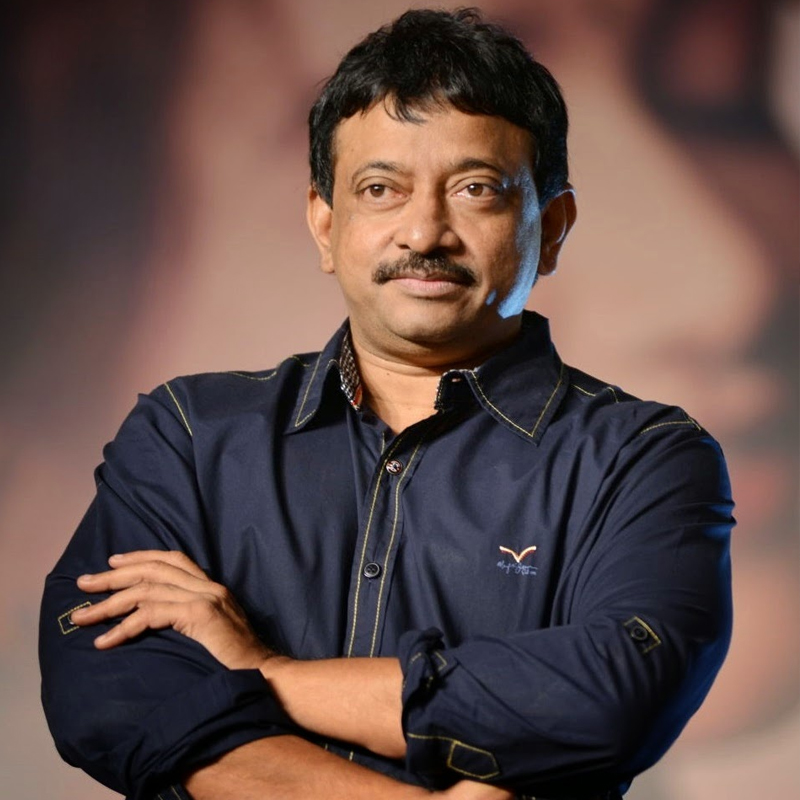
  • ‘Working on an umbrella brand strategy is a good way to build a presence in the entertainment space’

    ‘Working on an umbrella brand strategy is a good way to build a presence in the entertainment space’

    As 2007 comes to a close, Reliance Entertainment president Rajesh Sawhney is an apt choice for our year-ending interview, not necessarily in the context of what Anil Ambani’s company has done in the broadcast space this year, but because of the expectations from industry, going forward.

    On the television front, the journey of being a broadcaster starts next year with the launch of two movie channels (first Hindi and later English), a logical extension from Reliance ADAG’s existing film production and distribution business. The broadcast piece will add to a list that ranges from multiplexes to movies, home video, FM radio, direct-to-home (DTH) and IPTV.

    On radio, the aim is to consolidate its position. It will also be active in distribution with its DTH platform coming up. Thomas Abraham and Ashwin Pinto caught up with Sawhney to find out about the plans and the kind of impact that Reliance is looking to have on the entertainment space.

    Excerpts:

    Firstly, 2007 was the year when Reliance Entertainment sowed the seeds for what is to come. What were the landmarks for this year?
    We are a young player only two years old. Our journey into entertainment kicked off with the Adlabs acquisition. Then we moved into radio in 2006. We started rolling it out by the end of last year. Then we moved into other ventures like Zapak, our gaming portal. From my perspective, we are still in the incubation phase and the larger consideration is that the entertainment and media industry is where telecom was five years back. The media industry will be worth $25 billion in five years time. A lot of value creation will happen in the coming five years similar to what was seen in telecom.

    The second big thing will be the emergence of digital entertainment. Platforms are now set. This will be a large driver.

    The third thing is that with the economy growing at 10 per cent, the Indian consumer is spending more and more on entertainment. The first indication of this is the multiplex boom. Now even monies spent on entertainment at home like DVD rentals, pay per view are growing.

    The entertainment industry is worth $ 11-12 billion out of a trillion dollar economy, which means 1 per cent of the economy. Globally it is 3 per cent. In the US, it is 5 per cent. If we take the telecom parallel, revenue is 3-4 per cent. In India it is 2.5 per cent. India has a convergence deficit in this sense. This is where the real opportunity is going forward.

    I see Indian players having strengths in certain verticals. Some are strong in print, others in movies while others focus on radio. Nobody is building a comprehensive brand presence across media. This strategy would allow you to capture the three per cent deficit. This is what we are chasing.

    What is the kind of impact that Reliance is hoping to have on the entertainment space across the different verticals?
    Let us take the movie industry. It is on a huge cusp of change. If you go back 10 years there were no multiplexes, no DVD formats. Home entertainment will be the next value driver for the movie industry in the coming decade. DVD and home entertainment revenues are the biggest source of revenue for Hollywood. Here it is less than 10 per cent. We are going through the first phase which is theatrical revenues. Home entertainment will be the next phase.

    For this you need concepts like Big Flicks which will make organised retailing possible. It will make home entertainment delivery through broadband, DTH, IPTV possible. Pay per view revenues will be created for the Indian movie industry. Content in the long tail form across different platforms will offer more choice. The companies who are preparing for this will gain big time as far as the movie industry is concerned.

    The second revolution happening in the Indian movie industry is on the content side. So production values have risen. Talent is getting a huge amount of value which is getting aligned to global values. Content will get value from overseas markets, home entertainment, satellite markets. A $10 million movie has become the norm. I can see a situation where $100 million movie is viable but this will take time to happen. You will see Hollywood and Bollywood collaborating more.

    The government should allow news and current affairs. This is why you do not have talk radio
    _____****_____

    How will Reliance benefit from the synergy between Reliance Communication and Reliance Entertainment?
    Reliance Communication is building distribution capabilities on mobile, DTH, IPTV and broadband platform. Reliance Entertainment is building a presence and capabilities on the content side across different verticals – content, broadcasting, themed entertainment and new media.

    A large part of your plan involves targeting the youth across different verticals. How are you going about this?
    We are a youth focussed company. This has a commercial reason. We believe that youth drives entertainment. Youth is driving the movie consumption business. India has the best youth demographic platform in the world. We are the youngest country in the world. We keep youth in mind in whatever we do whether it is radio with Big FM or making movies or Zapak.

    You have taken the brand name Big for your businesses like Big FM, Big Flicks. Is the aim here to convey to the consumer an idea about the size and scale of the brand?
    Unlike many companies that work with a house of brands strategy we believe that working on an umbrella brand strategy is a good way to build a presence in the entertainment space. The choice of the name is predicated on three reasons. Firstly it is simple to understand. Everyone, regardless of language, understands Big. The second reason is it is simple to communicate. A mass brand needs to be understood by everyone. And third, the brand name must give people an understanding of the scale at which we want to bring entertainment to consumers.

    How important is the broadcasting space for Reliance?
    It is very important for us. Our first investment has been in radio with Big FM. We won 145 licenses in 2006. We will take part in the next round of bidding when the government goes ahead. We are the largest radio station in the country with 40 stations. With the execution of radio we have shown a clear commitment by executing the fastest. In Delhi, Bangalore and Mumbai we have emerged as a top player. We have created a leadership position not just by the number of stations but also in the markets where they operate, including those that are entrenched. We want to consolidate our position next year.

    Radio needs to differentiate itself instead of just going after the widest lane with popular Hindi songs. Why isn’t this happening?
    I do not blame the private players for this. I blame government policy. The government should allow news and current affairs. This is why you do not have talk radio. Multiple stations should be allowed. At the moment only five to six stations are available in the Metros. The government should ensure that 30-40 stations are available. One company can run five channels in a state. The government should introduce policies to facilitate the next growth phase. Niche formats become viable if frequencies are made available at lower rates. Running a Gujarati channel at a license fee of Rs 30 crores (Rs 300 million) does not make sense in Mumbai.

    Are you also looking at online radio?
    Yes! In the West, radio is a mature industry. Online is a growth industry there. In India FM and online are coming at the same time. The biggest opportunity is in FM. It is hugely underserved India should have 10,000 FM stations. Now there are less than 300 stations. I can run stations in different languages in Mumbai with viability as long as I am allowed to do so. There is also an opportunity to serve the non resident markets.